
*This article may contain affiliate links. For full information, please see the disclaimer here.
Shanghai, a dazzling metropolis and the commercial center of China, is one of the most captivating destinations in the world. As China’s most cosmopolitan city, it is popular among Chinese and foreign travelers alike.
On my visit to Shanghai a few years ago, I saw why it’s one of the world’s most visited cities. From its modern marvels and innovative architecture to its historical landmarks and rich cultural heritage, Shanghai can leave any visitor impressed.

However, I understand why you might wonder, Is Shanghai worth visiting? After all, traveling to Shanghai isn’t exactly cheap (more on this later) and you’ll want to get your money’s worth.
The answer to that question is a resounding yes. Below, I’m sharing some of the reasons why this dynamic city deserves to be your next destination. But first, be aware that some travelers skip Shanghai. Let’s find out why.
Table of Contents
Why some travelers avoid Shanghai
Shanghai is a crowded city

Shanghai, a city teeming with life, is known for its bustling streets and densely populated neighborhoods. This vibrant energy, while captivating for some, can be overwhelming for others who prefer a more tranquil travel experience.
Shanghai has had rapid urbanization and economic growth over the years, which led to a significant influx of people. With a population of over 29 million, Shanghai is one of the most populous cities in the world. This dense population translates to crowded subway trains, bustling shopping malls, long queues, and packed tourist attractions.
The sheer volume of people can also impact the overall quality of life in the city. Noise pollution, traffic congestion, and air pollution are common problems that affect citizens and visitors. However, despite these challenges, Shanghai continues to attract millions of tourists each year. It’s unlikely that this city will be less crowded anytime soon.
It can be quite expensive
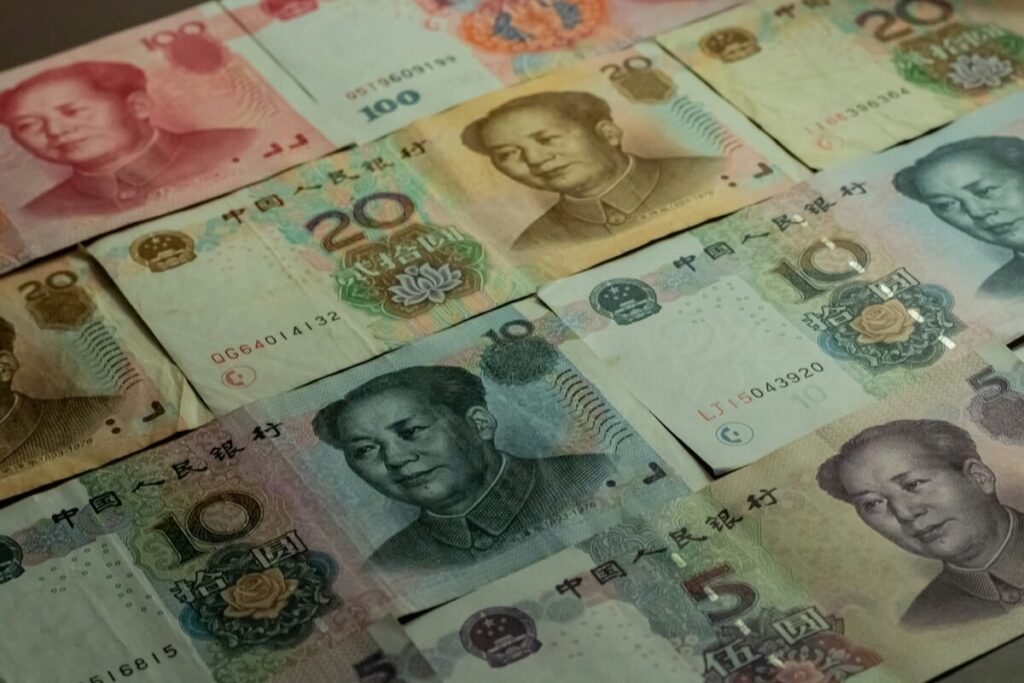
Shanghai, a city synonymous with luxury and opulence, can be a costly destination for many travelers. From high-end shopping malls to Michelin-starred restaurants, the city offers a wide range of premium experiences. Of course, these come with a hefty price tag.
Depending on location and hotel category, accommodation costs in Shanghai can vary widely. Sure, budget-friendly options are available but high-end hotels and serviced apartments can be quite expensive compared to other cities in China and Asia. Plus, dining out in Shanghai can be a significant expense, especially at upscale restaurants.
While it’s possible to visit Shanghai on a budget, you should be prepared to spend more than they might in other Asian cities. However, if you’re seeking a luxurious and indulgent experience, Shanghai is for you.
Internet is restricted

Ah, the bane of traveling to China.
One major hurdle for many travelers to China, including Shanghai, is the country’s stringent internet censorship, often referred to as the Great Firewall. This extensive censorship means you can’t access a lot of popular websites and services, including Google, Facebook, X (formerly Twitter), and YouTube. Some sites are so slow that they’re rendered unusable.
This can be frustrating for those who rely on these platforms for communication, information, and entertainment. When I visited Shanghai, I had to use a VPN (Virtual Private Network), which wasn’t 100% reliable.
For some, the internet restriction is a minor inconvenience. But for others, it can significantly impact their travel experience. It’s important to be aware of these restrictions and plan accordingly, especially if you rely heavily on internet access for work or leisure.
Why is Shanghai worth visiting?
1. It has a stunning skyline

Shanghai boasts one of the world’s most iconic and awe-inspiring skylines, a breathtaking panorama that captures the city’s rapid urbanization and global spirit. Iconic skyscrapers like the Shanghai Tower, the Shanghai World Financial Center, and the Oriental Pearl Tower pierce the night sky, standing as symbols of the city’s modernity and innovation.
A great way to experience Shanghai’s stunning skyline is by taking a river cruise along the Huangpu River. As you glide past the city’s iconic landmarks, you’ll be treated to panoramic views of the city’s futuristic skyline. This is also the best way to see the contrast between the historic Bund, with its colonial-era buildings, and the modern Pudong district, with its towering skyscrapers.
2. It offers a blend of the old and the new
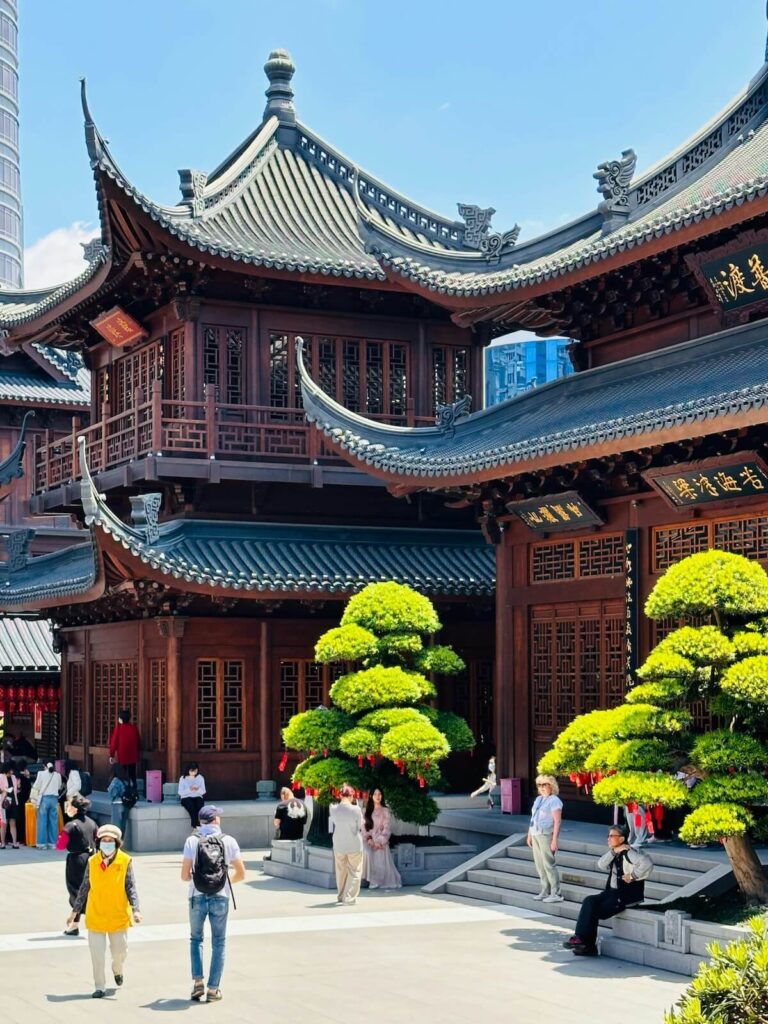
Speaking of contrast, Shanghai is a captivating city where the ancient and the modern coexist in harmony. Wandering through its bustling streets, I found myself fascinated at how it has perfectly merged traditional Chinese culture and Western influences.
One of the best places to experience this juxtaposition is the Bund. This iconic waterfront promenade is lined with historic colonial-era buildings, a relic of Shanghai’s past as a global trading hub. As mentioned above, this area is just across the Huangpu River, where you’ll see the futuristic skyline of Pudong District.
Within the city itself, the narrow, winding lanes of the Old Town transport you back in time, with their traditional shops and ancient temples. Then, you can venture into the trendy neighborhoods of Xintiandi and Tianzifang, where you’ll find stylish boutiques, art galleries, and trendy cafes housed in historic Shikumen buildings.
3. The nightlife doesn’t disappoint

Shanghai’s vibrant nightlife scene is a major draw for visitors. It’s the city that never sleeps and it offers a diverse range of entertainment options. I have to mention the Bund again — it’s a popular starting point for a night out. Many bars and clubs line the waterfront, some with rooftop terraces showcasing great views of the illuminated skyline.
However, the city’s nightlife extends far beyond the Bund. The trendy district of Xintiandi, with its European-style alleyways and chic bars, is a favorite among locals and expats. Another popular neighborhood is Jing’an, where you can discover hidden speakeasies, rooftop bars, and live music venues.
For a more authentic local experience, head to the historic district of Tianzifang. This charming neighborhood is filled with traditional Shikumen houses converted into trendy bars, cafes, and art galleries. As night falls, the area transforms into a vibrant hub of activity, with live music, street performers, and a laid-back atmosphere.
4. Shanghai’s cuisine is diverse

Shanghai is a culinary melting pot, with a delectable food scene that caters to different taste buds. From traditional Shanghainese dishes to international cuisines, the city has something for every palate.
One of the city’s most iconic dishes is xiao long bao, delicate soup dumplings filled with savory broth and minced pork. Another must-try is sheng jian bao, pan-fried pork buns with a crispy bottom and a juicy filling.
For a taste of the sea, indulge in Shanghai crab, a local delicacy best enjoyed during the autumn months. Other popular dishes include red braised pork belly, a rich and flavorful meat dish, and stinky tofu, a fermented tofu dish with a pungent aroma and a surprisingly delicious taste. This award-winning food tour is a great way to taste local favorites.
Beyond traditional Shanghainese cuisine, Shanghai offers a wide range of international flavors. From Japanese sushi to Italian pasta, whether from Michelin-starred restaurants or street food stalls, you can find almost any cuisine you crave.
5. Shanghai is a shopaholic’s dream
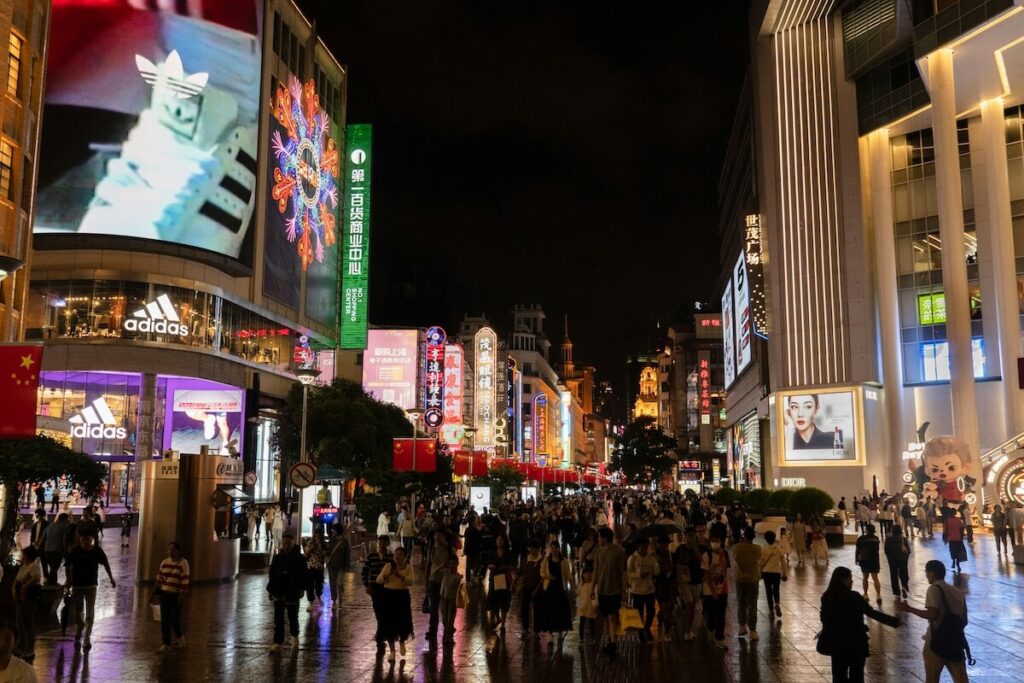
From high-end luxury brands to affordable street markets, Shanghai is a shopper’s paradise.
One of the most popular shopping destinations is the Bund Finance Center, a luxurious mall housing international brands like Chanel, Gucci, and Prada. For those seeking a more affordable shopping experience, Nanjing Road is a must-visit. This bustling street is lined with department stores, boutiques, and street vendors, offering everything from clothing and electronics to souvenirs and traditional Chinese medicine.
Another popular shopping district is the trendy Xintiandi. Here, you’ll find stylish boutiques, concept stores, and trendy cafes. If you’re buying in bulk, the Qipu Road Clothing Wholesale Market is a great place to find fabrics, clothing, and accessories. The Shanghai Old Street, on the other hand, is a great place to buy traditional Chinese handicrafts and souvenirs.
6. There is a thriving art scene

If you’re a fan of contemporary art, you’ll love Shanghai. Over the years, this city has emerged as a global hub for contemporary art, with numerous galleries, museums, and art districts showcasing the work of renowned artists and emerging talents.
One of the most renowned art districts in Shanghai is M50. This former textile mill is now home to galleries, studios, and art spaces. Here, you can explore a diverse range of contemporary art, from painting and sculpture to installation and performance art.
Another notable district is the West Bund, located along the Huangpu River. This rapidly developing area houses world-class museums, art galleries, and cultural institutions, including the Power Station of Art and the Yuz Museum. Emerging neighborhoods like Tianzifang and Taikang Road are also gaining popularity for their independent galleries and artist studios.
7. Shanghai’s public transportation is efficient
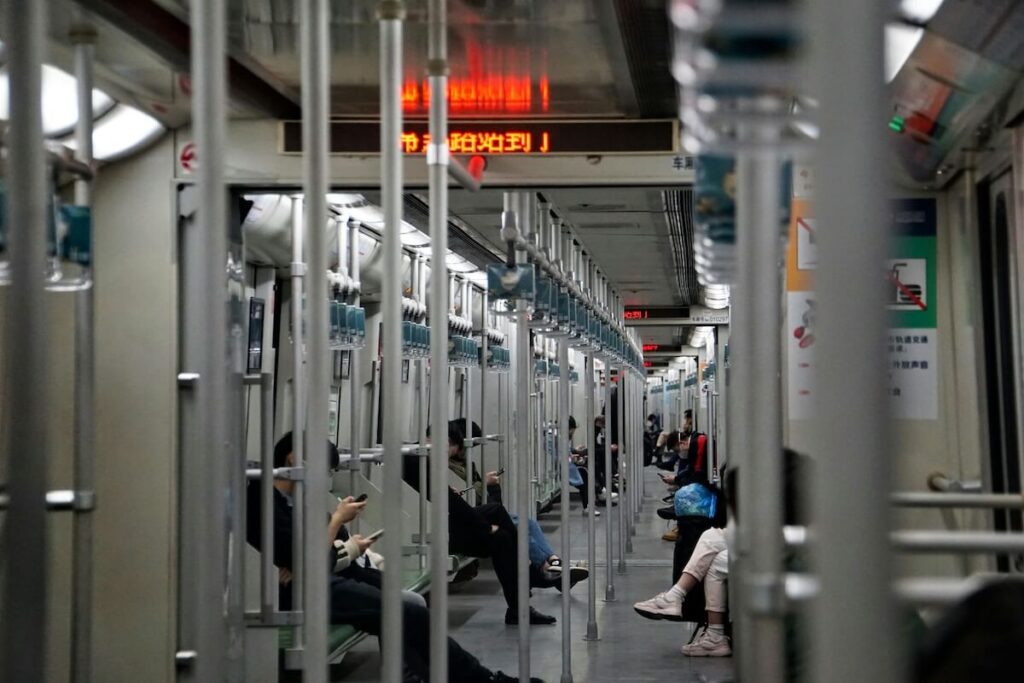
One of the things I love about Shanghai is its efficient and extensive public transportation system that makes it easy to navigate the city.
The Shanghai Metro, one of the world’s largest metro systems, offers a comprehensive network of lines that cover most parts of the city. The trains are clean, modern, and run frequently. Of course, it gets super crowded, especially during rush hours, so schedule your commute wisely.
In addition to the metro, Shanghai also has a well-developed bus network that reaches even the most remote corners of the city. Buses are a great option for those who prefer a slower pace of travel and enjoy the sights and sounds of the city. Taxis are also readily available and relatively affordable.
8. It has historic and innovative architecture

Shanghai has plenty of architectural feats, which even the uninitiated will find impressive. From the eerie Art Deco 1933 Slaughterhouse to the neo-futuristic Jin Mao Tower and the Jiangnan garden architecture of Yu Garden, the diversity of architectural styles in Shanghai is astounding.
The Bund is a prime example of this architectural diversity. Here, you’ll find a stunning collection of early 20th-century buildings, including neoclassical, baroque, and Art Deco structures. These iconic buildings, such as the Peace Hotel and the HSBC Building, reflect the city’s colonial past and its dramatic economic rise.
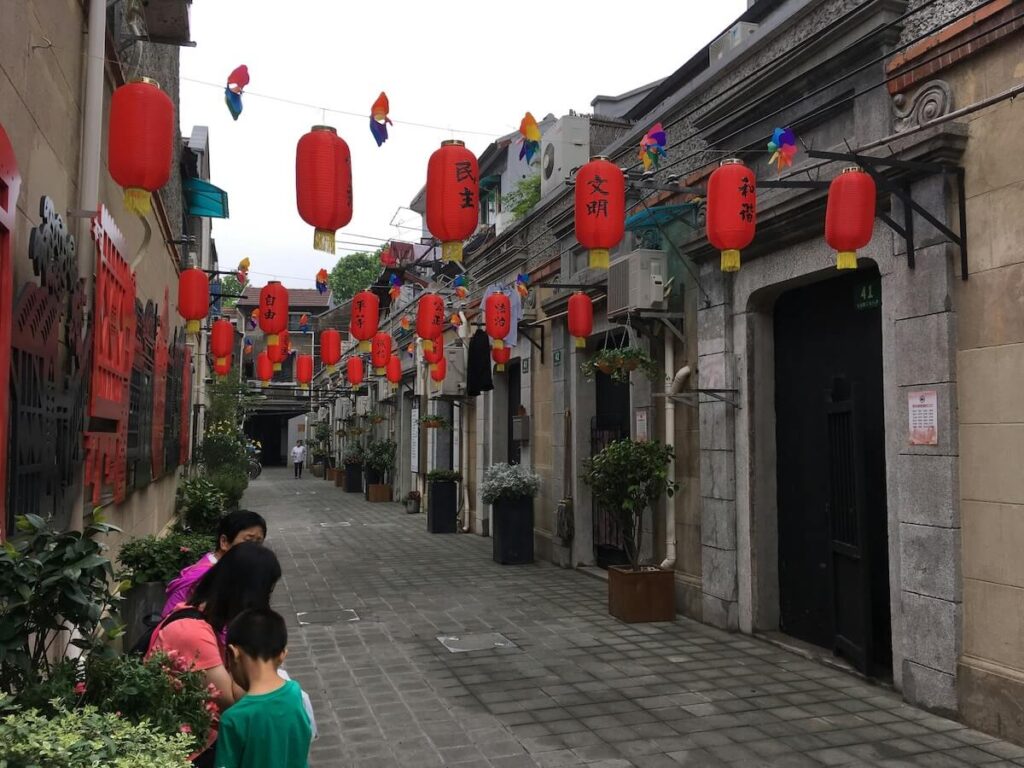
Shanghai’s historic neighborhoods also offer a glimpse into the city’s past. The narrow lanes of the Old Town are lined with traditional Shikumen houses, a unique architectural style that blends Chinese and Western influences. These narrow, winding lanes lined with traditional houses provide a glimpse into the lives of ordinary Shanghainese people in the past.
In recent years, Shanghai has also emerged as a hub for innovative, contemporary architecture. The city is dominated by towering skyscrapers and architectural marvels, such as the futuristic Oriental Pearl Tower and Shanghai World Financial Center, the shape-shifting Fosun Foundation, the avant-garde Himalayas Centre, the bioclimatic Shanghai Natural History Museum, and China’s tallest building, the Shanghai Tower.
9. It’s a melting pot of cultures
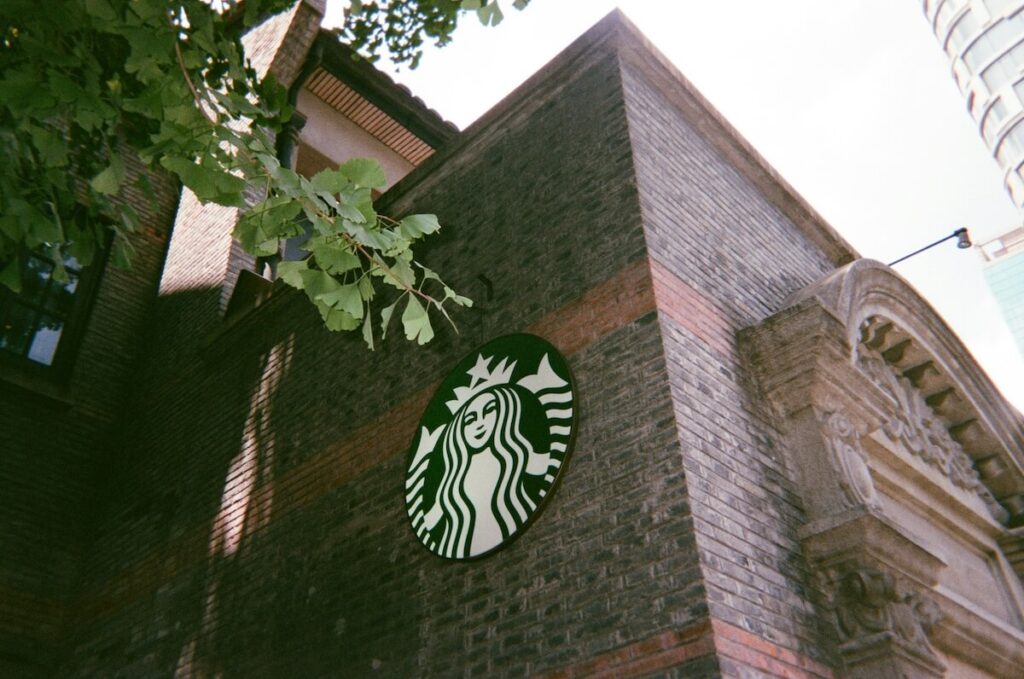
Shanghai’s rich history as a trading port has made it a melting pot of cultures, where diverse influences have converged to create a unique and ever-evolving city. Over centuries, traders and immigrants from various parts of the world have arrived in Shanghai, bringing with them their customs, traditions, and culinary practices.
Today, Shanghai is a cosmopolitan city where East meets West. You can find traditional Chinese tea houses alongside trendy international cafes, and sample authentic Shanghainese cuisine alongside exotic dishes from around the world. The city’s architecture and arts scene, as mentioned earlier, reflects a fusion of Chinese and European styles.
10. Shanghai has the biggest Disneyland in Asia
This one’s for the young ones and the young-at-heart.
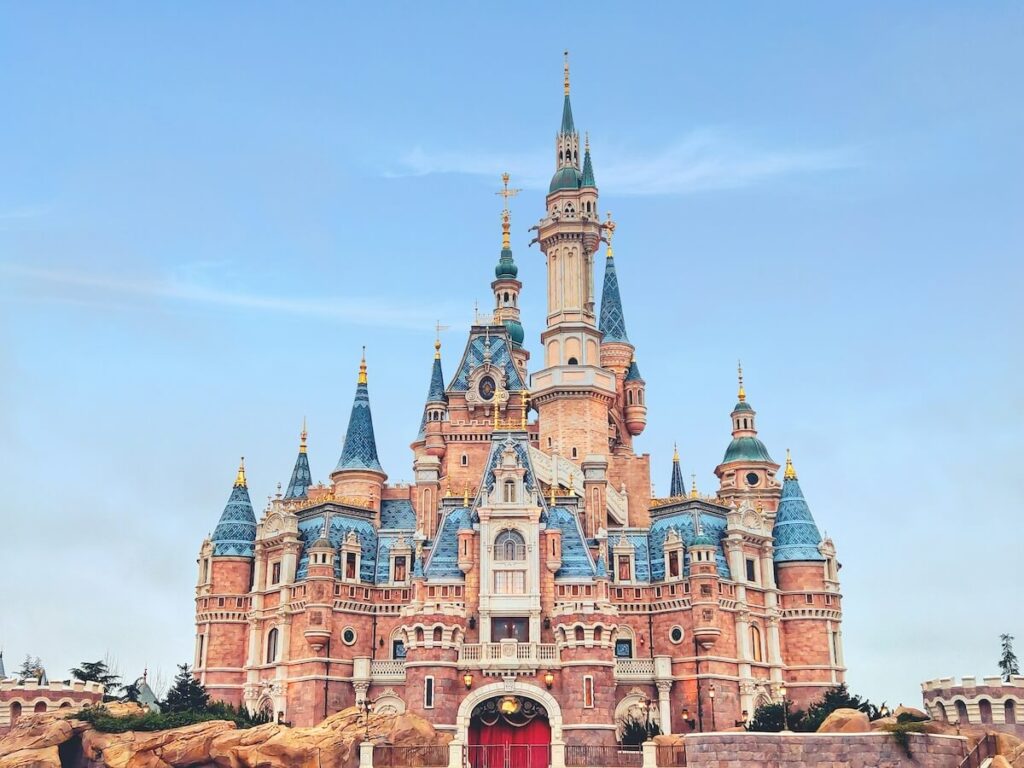
Located in Chuansha New Town, Pudong, Shanghai Disneyland is the first Disneyland in mainland China. When it opened in 2016, it quickly became one of the most popular tourist attractions in Asia. And it’s not surprising, given its many feats.
For one, Shanghai Disneyland is the biggest Disneyland in Asia by quite a large margin. It’s also I clocked in more than 20,000 steps exploring this theme park, and I didn’t even see everything. You totally need a map of the park and comfy walking shoes.
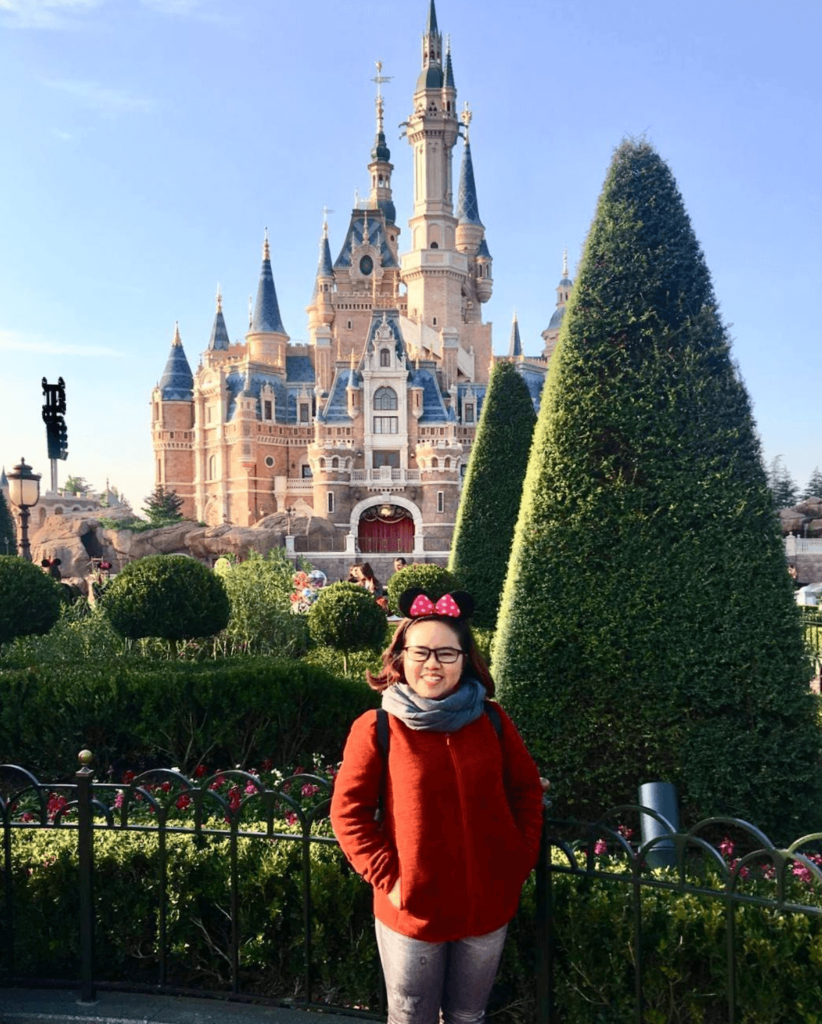
Another striking thing about Shanghai Disneyland is its centerpiece castle. The Enchanted Storybook Castle stands as the tallest, largest, and most complex Disney castle ever built. When it lights up at night, it’s hard not to feel like a child again.
Shanghai Disneyland also sports distinctly Chinese features. One of its highlights is the Gardens of Imagination, which features seven Chinese gardens with 12 Disney characters representing the twelve animals of the Chinese Zodiac. Plus, many of the familiar Disney songs and stories are presented in Mandarin.
Conclusion

Is Shanghai worth visiting? If I haven’t made it clear yet, let me say it again: yes, Shanghai is definitely worth visiting!
As China’s biggest metropolis, Shanghai beckons visitors with its diverse attractions, ranging from historic landmarks to modern wonders. The city’s fast urbanization has transformed it into a global financial hub, yet it still retains its traditional charm.
So, if you’re seeking an authentically Chinese experience with a twist, Shanghai should be at the top of your list!
Want to know more about China? Check out this list of things China is known for. If you’re raring to visit the capital as well, read about Beijing here.