
Historically one of the most important cities of the Bourgogne, in the east of France, Dijon somehow still manages to fly under the radar of many international travelers.
Given that, you might be asking yourself: is Dijon worth visiting?
As for myself, I first came to Dijon in early 2019, at a point where it instantly gave me a very dramatic impression.

I had not been to any of the “big”, famous cities in France before (my first trip to Paris would only come in the summer of that year), and I wasn’t prepared for how imposing, even somewhat overwhelming the sense of scale and space in Dijon would feel.
Mind you, Dijon is not a huge metropolis. But it does feel like a place you can get lost in, and that’s what grabbed me instantly as soon as I set foot in it.
At times strange, with an aura that can go from sleepy-quiet to frenetic and wild within the span of a few hours, Dijon is one of those cities that transports you into the world of your own, private French movie.
Now, let’s take a look at some of the best reasons why you should consider putting Dijon on your travel bucket list!
Table of Contents
Why some travelers skip Dijon
This wouldn’t be an honest travel guide if I didn’t also shed some light on the reasons why you might not enjoy a trip to Dijon, after all. Being a very distinctive kind of city, it’s not up to everyone’s tastes. Hence, it’s a good idea to familiarize yourself with its quirks a little to avoid a travel faux pas!
It’s not as big in person as you may think

Though it may not feel like it all the time as I mentioned, Dijon is a fairly small city, especially compared to some of its more famous French brethren in the wider neighborhood.
Even across the border in Germany, you have places like Cologne that offer much more of a “big city” feel than Dijon does at times.
Because it sits in that elusive grey zone — too large to be called a town, too small compared to many cities — it might come off as underwhelming to some travelers expecting more of an eclectic, metropolitan-urban flair.
Life can get fairly quiet

Of course, this ties in fairly directly with the point above, but I feel the need to stress just how quiet Dijon can get. Despite being pretty dense (and only more so the closer you get to the center) and busy, Dijon is one of the quietest cities I have ever been to.
This is especially true in the darker, colder months of the year, where it can sometimes really feel like time has forgotten the place. For some, this can come off as magical – it’s certainly one of the things that gave Dijon a special place in my memory.
For others, however, this lack of action will just become boring after a certain amount of time, and that’s okay!
The weather is as temperamental as the locals
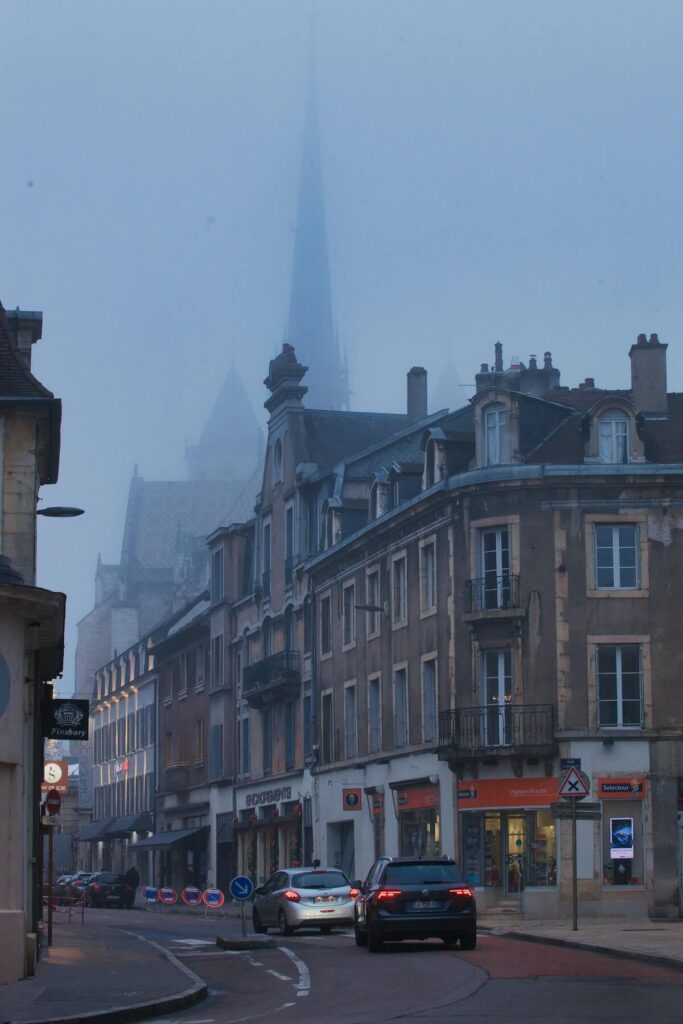
Dijon is located very deep in the heartland of France, in the central-eastern region of Bourgogne (Burgundy), to be precise. This area is known for its unique climate, which has strong oceanic influences and therefore exhibits very pronounced seasons.
This means that Dijon can come off as a totally different place depending on when you visit. As I touched on just now, winter is the quietest time by far. This is when the sun hides behind thick clouds that cover most days and local life winds down.
Come spring, Dijon rejuvenates in an almost theatrical fashion – temperatures shoot up basically overnight, and suddenly there is a lot more color and movement everywhere you look. It’s like coming out of chrysalis in a way!
While this might not be such a dealbreaker for many, some travelers might need to consider their own restrictions and needs to figure out when the best date for visiting Dijon would be for them.
Why is Dijon worth visiting?
Now, let’s take a look at the flipside! Here are some of my top reasons why you should consider booking some tickets for Dijon in the near future.
1. It is full of jaw-droppingly beautiful architecture
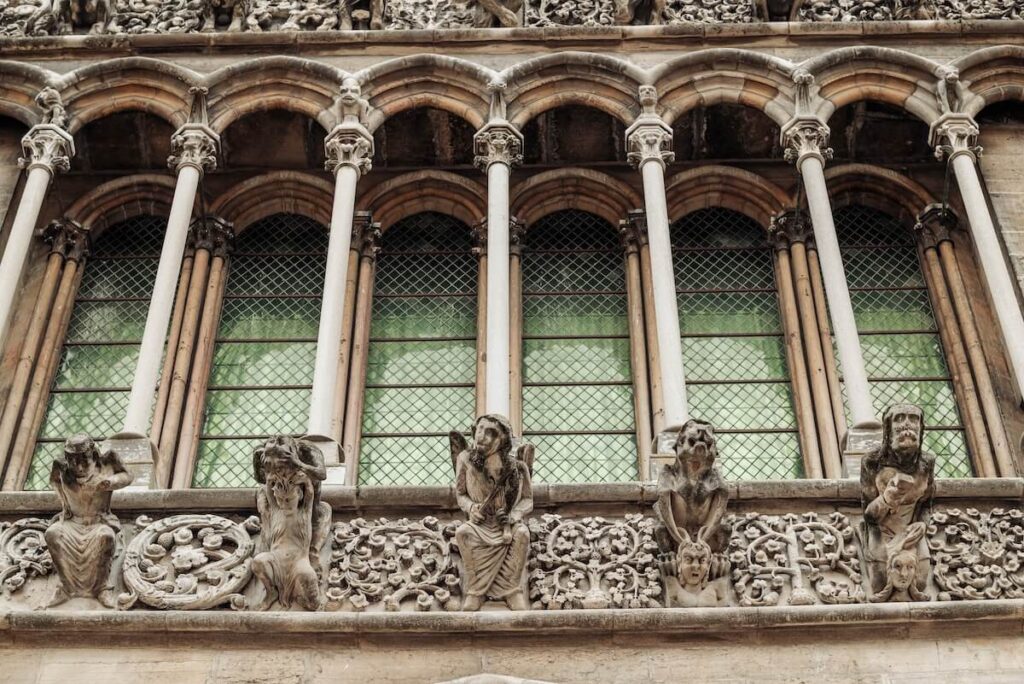
This is definitely one of Dijon’s top attractions for visitors. Not only is the city absolutely gorgeous through and through.
Dijon has also miraculously managed to survive a lot of the disastrous events, such as the Napoleonic wars and both World Wars, that destroyed much of the rest of France, especially in the east, forcing the locals to rebuild.
Not so in Dijon, where a truly stunning amount of original, preserved architecture from early Romanesque up to the Modernist period stands tall and proud, centuries on!
This includes the Gothic Cathédrale Saint-Bénigne, one of the most wondrous church buildings I have seen in all my travels, and, of course, the former palace of the ruling house of Burgundy.
2. The Burgundy landscape awaits you just beyond
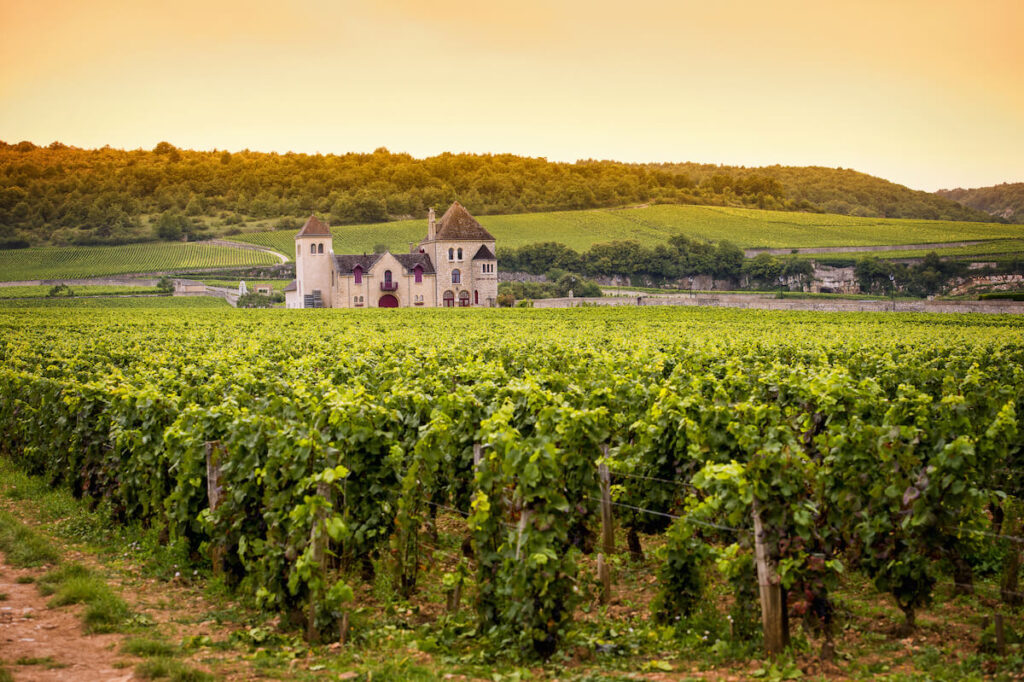
In many ways, Dijon is the capital — culturally, geographically, historically — of the Bourgogne region, and that makes it an excellent temporary home base to from which to explore the rest of the countryside.
Surrounding Dijon, countless of tiny French towns and villages, mostly forgotten and neglected by travelers, await. That’s a shame, considering they not only offer some of the country’s most breathtaking views, but also its most authentic cuisine and customs!
3. The wine is excellent

Tell somebody to associate the word ‘burgundy’ with something, and likely the first answer you’ll hear is ‘wine’. The region has become so synonymous with wine, it’s no wonder that it’s also their number-one export and a significant regional boon to the economy of France these days!
Of course, Dijon being the préfecture (essentially the regional capital) of the Bourgogne, much of this historic wine-making tradition is concentrated in the area in and around the city.
In simple words, this means Dijon offers some of the best wines in the whole world, period. If that isn’t a reason to give the place a go, I don’t know what is!
4. So is the mustard!

Of course, plenty of people know Dijon mainly for its one other culinary product, and that’s mustard. Dijon mustard specifically has become sort of a by-word for high quality, even if it’s got nothing to do with the actual, local recipe first manufactured here sometime in the Middle Ages!
So, do yourself a favor and try out the genuine, time-tested version!
No guarantees you’ll like it, of course – I myself am unable to stand the taste of anything with too much vinegar in it, and even Dijon’s finest didn’t manage to convince me otherwise.
5. The old town feels quaint but magical
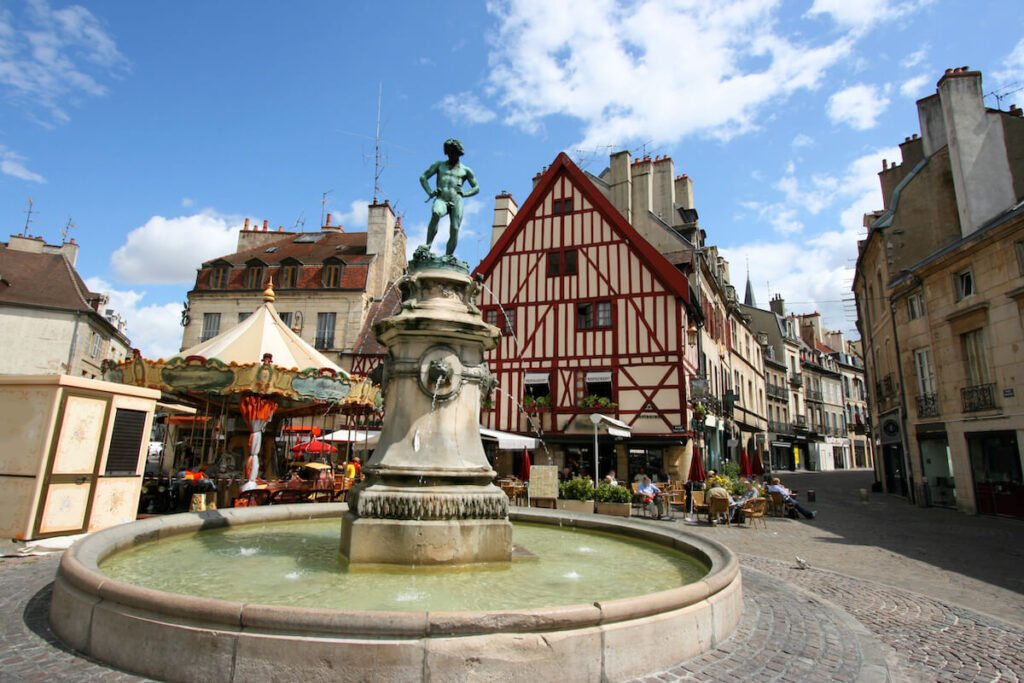
Dijon’s old town, compared to those of similar cities in and outside of France, feels meticulously well-preserved, yet strangely unpopulated.
In most places I’ve been, the old town is the place you don’t want to go to if you’re even remotely claustrophobic. Crowds to no end and an ocean of souvenir stores is usually what’s on the menu on a sunny day. Not so much in Dijon.
It’s not a ghost town by any stretch, but very few times have I been to a medieval city center this beautiful and seen such little commotion. It’s quite a refreshing sight, to say the least!
Because of this lack of dense traffic, you can really take the time to appreciate what old Dijon offers – gorgeous architecture, amazing views, genuine history, and real Burgundy magic.
6. Most of Dijon is fairly affordable

France is not known as the most wallet-friendly destination within Europe, and for sure a trip to Dijon will be costlier than, say, Belgrade.
Still, the city ranks as far more affordable than most of its neighbors, including places in surrounding Germany, Switzerland, and Northern Italy, which can be a healthy surprise for those used to “French prices” elsewhere.
Especially if you shop for groceries at any of the large fresh food markets in town, you can really save on your travel budget in Dijon!
7. Transportation is highly convenient
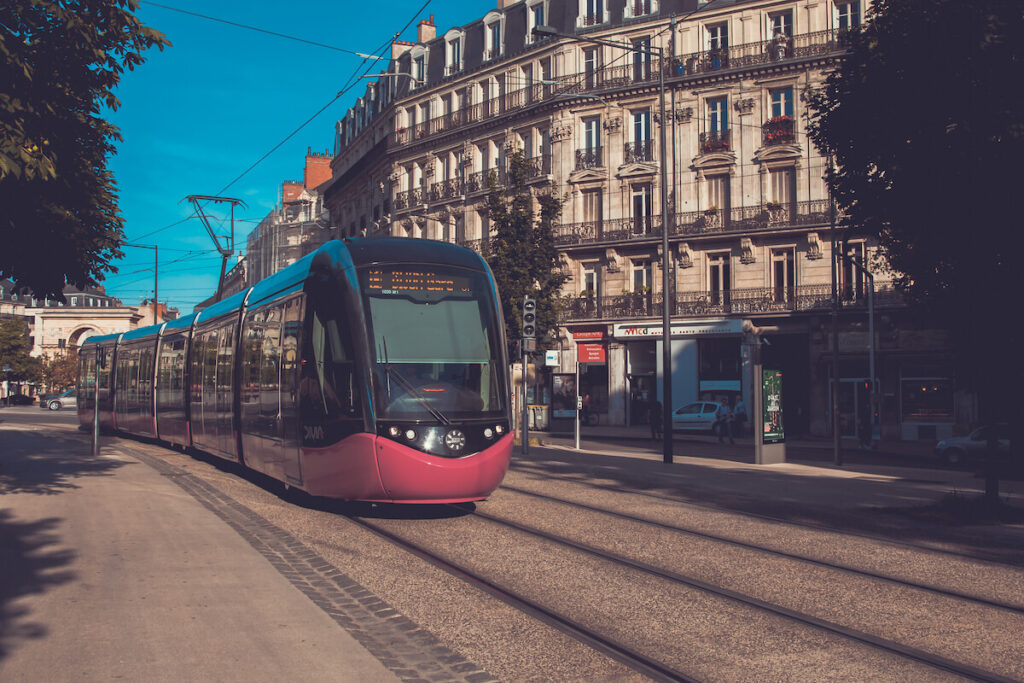
While not being as large as other cities, you will still need an efficient way to traverse Dijon during your stay, especially if you’re only planning a short trip.
Thankfully, the local transportation network is downright excellent, with lots of bus and tram lines to choose from. You also have access to a large bike-sharing network, and since most of the inner city is perfectly walkable, you should never feel like any part of Dijon is out of reach!
Getting to Dijon itself is also child’s play – there’s a surprisingly large central railway station that serves many domestic and international destinations by super-fast TGV, and a local airport that fills the few gaps that remain.
8. Dijon is a living relic

As one of the oldest cities in Burgundy (and in the east of France overall), Dijon is a great place to go if you wouldn’t mind being called a history buff.
With much of the city dating back to at least the 13th century, there is a lot of genuine medieval heritage on offer here. And as I mentioned earlier, the vast majority of it is fully preserved, to an extent and in such a physical condition that is hard to believe unless you see it in person.
9. Many other fabulous French cities are right at your doorstep

One of the things that initially drew me to Dijon, and a reason why it has remained on my radar ever since, is that it is just perfectly connected with France’s most inviting regions.
Lyon and Strasbourg to the north are both reachable in an hour and a half. Even a hop-on over to Paris is doable in less than two hours by TGV.
It’s just as simple to explore the magical south of the country in the same way. The TGV will take you from Dijon’s central station to places like Grenoble, Bordeaux, and others, also in just a few hours!
10. It’s largely unloved by tourists
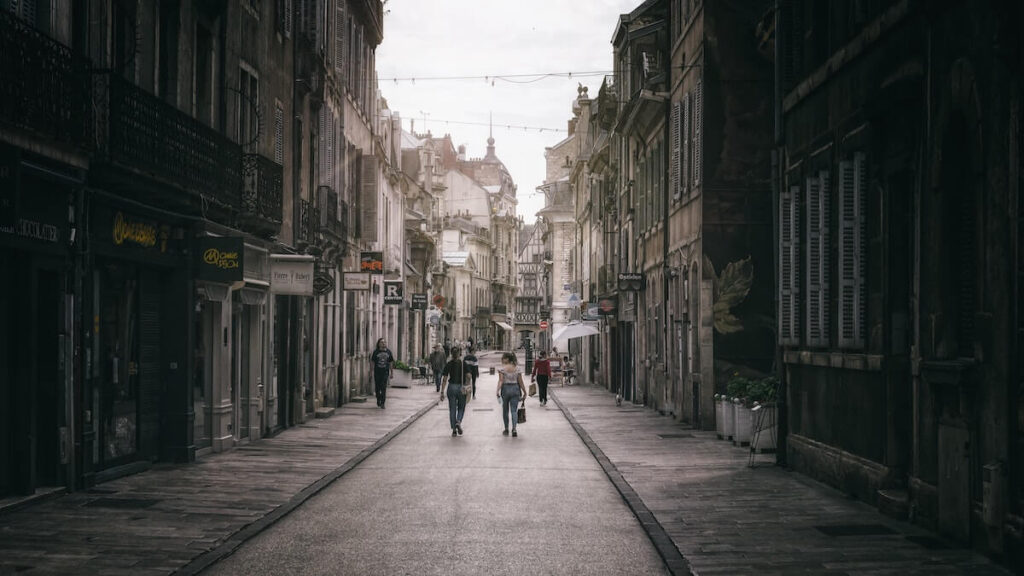
I mentioned earlier the eery, but magical emptiness of Dijon’s old town compared to many other cities of the same size throughout Europe.
Well, it’s not just the old town, in fact, it’s Dijon’s greatest trump card no matter where you go: tourists just don’t seem to care much for it.
That means fewer crowds. It means less extortionist prices when dining out or attending events near the city. It means a calmer, quieter experience with less stress and less trouble finding a hotel room or hostel bed to sleep in.
All in all, it makes visiting Dijon just that much less of a hassle!
11. The cultural activities are priceless
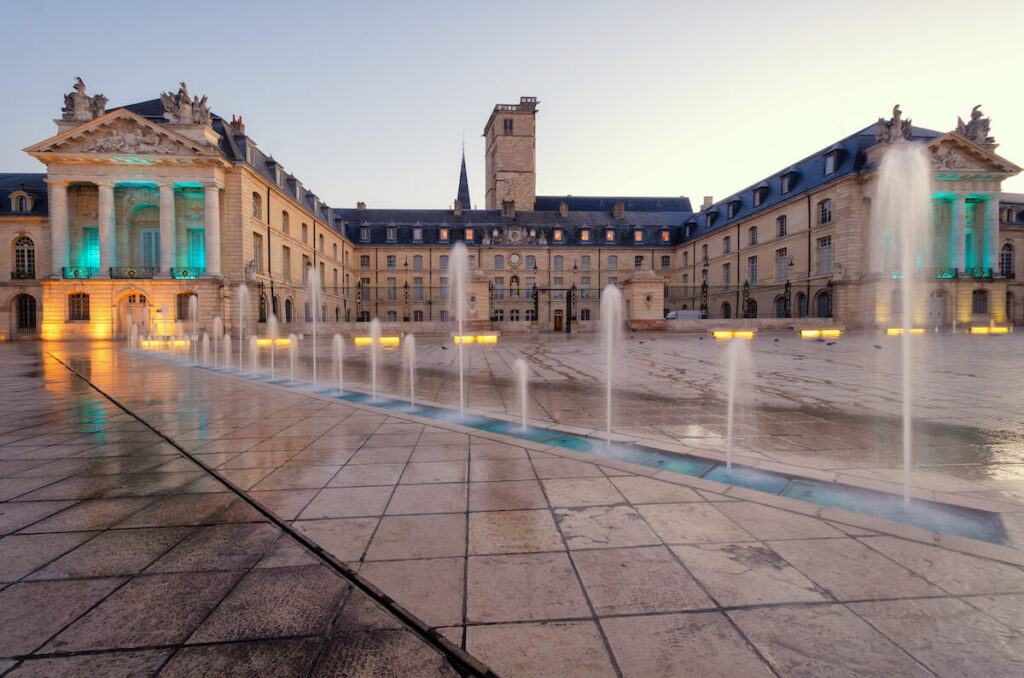
Dijon offers some of the best museums, concert halls, and cultural venues in all of France.
This ranges from the Musée des Beaux Arts, which holds sculptures, pottery, and many other kinds of relics from a dizzying number of time periods and places of origin, to the two operas churning out some of the best classical performances on the continent and beyond.
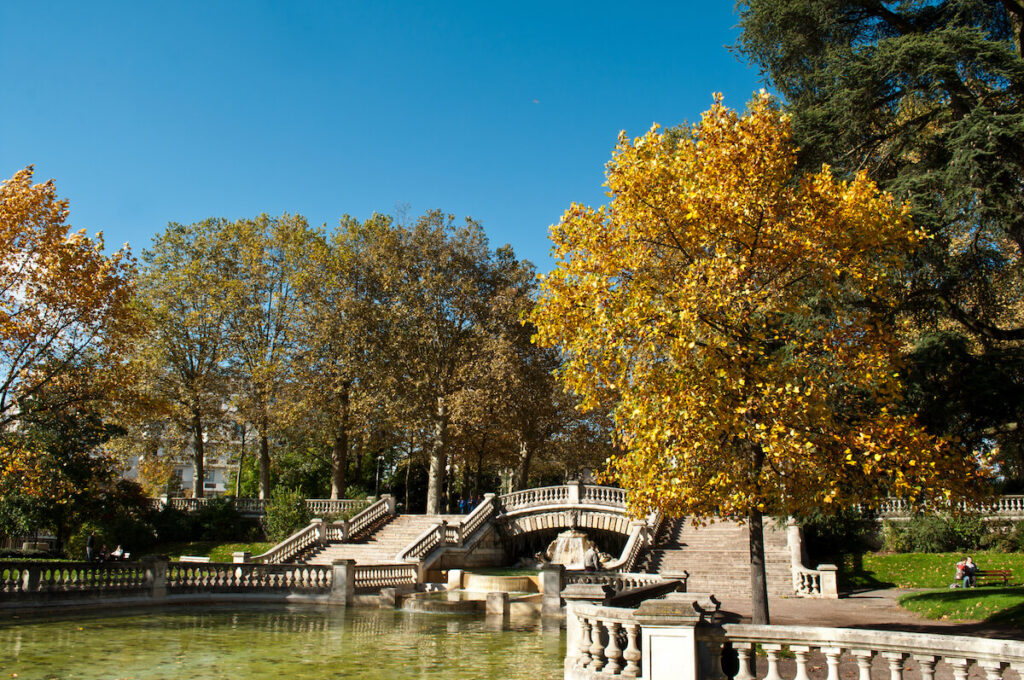
You will also find incredible displays, such as sculptures and public paintings and murals, all throughout the city, especially in its many parks. I also highly recommend a visit to Le Consortium, Dijon’s most fashion-forward center fostering and curating contemporary artworks.
12. You don’t have to worry about finding your bearings
Often, one of the biggest challenges of traveling to a new place can actually be finding enough time to see all the places you were planning to.
Cue memories of my first encounter with Madrid, intended as a relaxing 24-hour stopover.
I enjoyed my time there tremendously – despite a canceled flight meaning I ended up having less than two hours to really walk about town and get to know the place!
Of course, in situations like that, there usually isn’t much we can do.
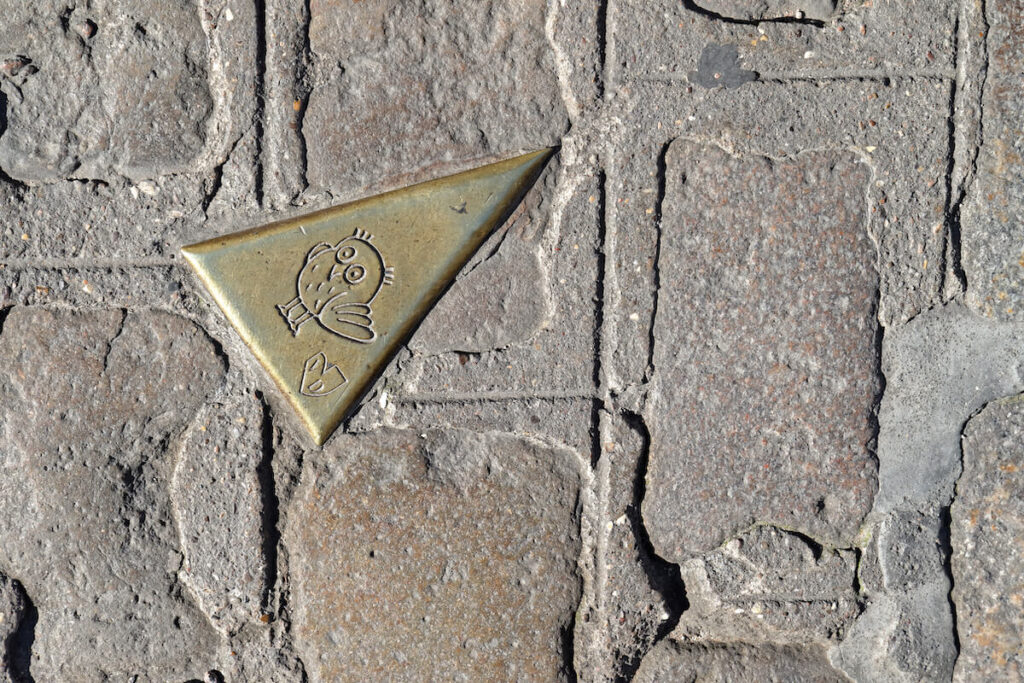
However, Dijon has its own little helping hand for those travelers who just don’t know where to start and what to see in the city! Her name is La Chouette, the owl, and she appears on symbolic plaques all over the city.
You can simply start at any of these plaques (there is one just by the train station) and follow the owl. She will take you on a pre-planned roundtrip through most of Dijon, passing by all the major sights along the way and learning about the city’s history!
Sure, it’s no replacement for freely exploring the place all by yourself and of your own initiative. But if you’re short on time and haven’t got much planned, La Chouette can be the travel companion you wish you met earlier!
Conclusion
So, to return to our question for today: is Dijon worth visiting?
Ultimately, it’s up to you to decide. If none of the points I listed above managed to convince you, then, well, it probably doesn’t make much sense to add it to your planner! For me though, visiting Dijon was a valuable experience and one I would recommend to anyone curious enough to make the plunge.
What do you think about Dijon? What were your impressions of the city the last time you were there? And would you say it’s worth a visit to your fellow explorers? Let us know in the comments!