
*This article may contain affiliate links. For full information, please see the disclaimer here.
Verona, the city of Romeo and Juliet, is one of the most picturesque and romantic cities in Italy. But how many days in Verona is long enough to experience all of its beauty?
As someone who’s been to the city twice, I can confidently say that it’s worth staying for at least a couple of days to fully appreciate everything it has to offer.

From strolling through the charming streets of the historic core to visiting the iconic Arena di Verona, there’s no shortage of things to see and do.
In this post, I’ll share my Verona itinerary and tips for making the most out of your time there, so you can decide for yourself how many days you need to experience this stunning city in all its glory.
Table of Contents
How many days in Verona?
How many days do you need in Verona to visit all the landmarks at a leisurely pace? A day trip from Venice will probably feel somewhat rushed, so 2 days should be the perfect amount of time for you to explore all the must-sees in town and enjoy Verona’s laid-back vibes.
Planning your trip to Verona

Verona is a charming city located in the heart of the Veneto region of northern Italy. It’s famous as the setting of Shakespeare’s Romeo and Juliet and boasts stunning architecture, rich history, and delicious food.
The city is compact and easy to navigate, which makes it an excellent destination for a weekend trip or a longer vacation.
When planning a trip to Verona, keep in mind that the city is at its busiest during the summer months, especially in July and August when many travelers flock to the city. If you’d rather beat the crowds, consider visiting in the spring or fall when the weather is still pleasant but the crowds are way thinner.

Another thing to consider is the weather. Verona can get quite hot and humid during summertime. Be sure to pack light, breathable clothing and comfortable walking shoes.
If you’re planning to visit some of the main attractions in Verona, it’s a good idea to purchase a Verona Card. This card will give you free admission to many of the city’s museums and attractions and provide discounts on other sights and activities.
When it comes to accommodations, Verona has a wide range of options, from budget-friendly hostels to luxury hotels. If you want to stay in the historic center, keep in mind that many hotels and apartments are located in older buildings that may not have elevators.
Finally, Verona is a great base for exploring the surrounding area, including nearby towns and the beautiful countryside of the province of Verona. Consider taking a day trip to the vineyards in the Valpolicella region or exploring the shores of Lake Garda.
1 day in Verona

You can easily Verona’s most popular sights explore in a day. Start your day by visiting the suggestive Arena di Verona, a Roman amphitheater that’s still used for concerts and events today. After that, head to Piazza delle Erbe, a beautiful square with historic buildings, street vendors, and cafes.
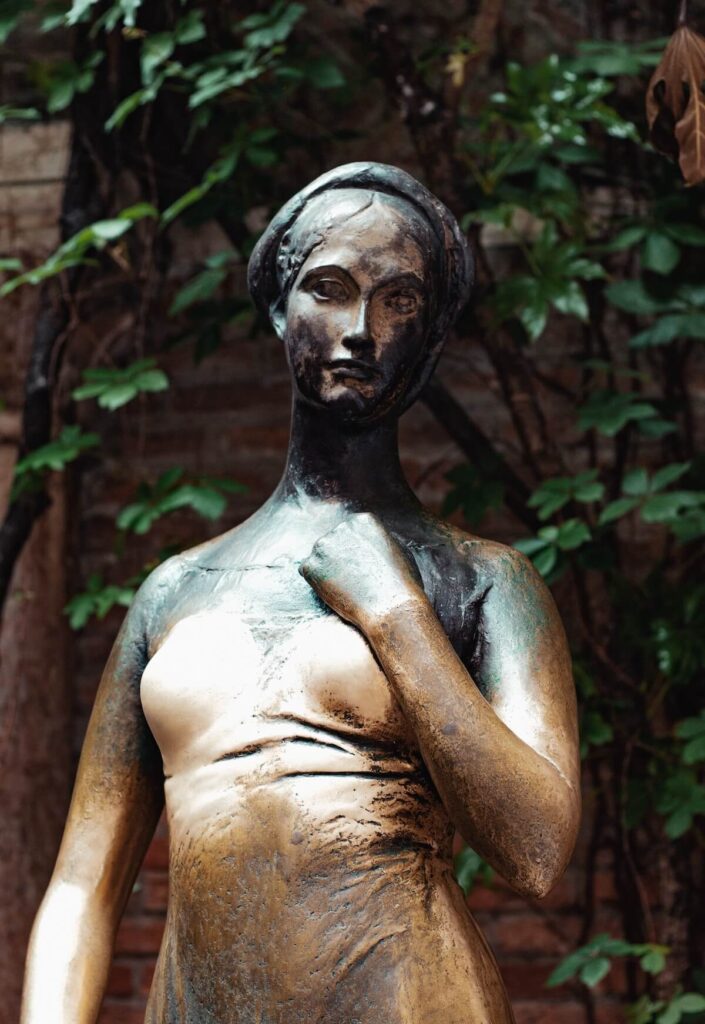
From there, take a short walk to Casa di Giulietta, a medieval house where Shakespeare’s Juliet allegedly lived. You can even visit the famous balcony and leave a love note on the wall.
For lunch, hit Osteria Macafame, a cozy restaurant serving traditional Veronese dishes. Try the bigoli, a local pasta dish made with buckwheat flour and served with a rich tomato sauce.
Next, head to Castelvecchio, a medieval castle with a beautiful bridge over the Adige River. The castle houses a museum with works of art, armor, and weapons. After visiting the castle, take a stroll along the river or take a bike tour and enjoy the picturesque views.
For dinner, head to Ristorante Greppia, a top-rated restaurant serving authentic Veronese cuisine. Try the pastissada de caval, a slow-cooked horse meat stew, or the risotto all’Amarone, a risotto made with the local Amarone wine.
Finish your day with a glass of wine at Enoteca Segreta, a glamorous wine bar in the heart of the city, or at a more relaxed spot like Archivio.
2 days in Verona
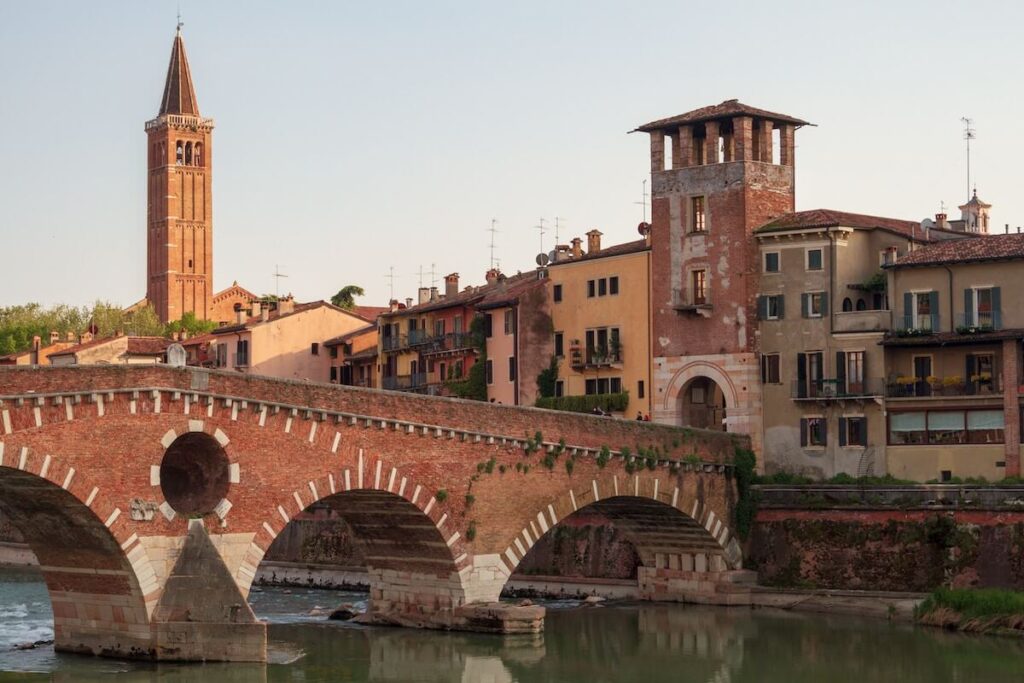
If you’re staying in Verona for another day, start your journey by crossing Ponte Pietra, an ancient Roman stone bridge that offers stunning views of the city and the Adige River.
From there, make your way to the Giardino Giusti, a beautiful Renaissance garden that is said to have inspired Shakespeare’s Romeo and Juliet. For lunch, check out MADRES, which specializes in mouthwatering contemporary cuisine.
Next, head to the Teatro Romano, an ancient Roman amphitheater that was built in the 1st century AD. Here, you can explore the ruins of the theater and take in the views of the city.
Reach nearby Castel San Pietro for breathtaking views of the city. You can either walk or take the funicular up to the castle. Once you reach the top, take some time to enjoy the views of the city and the surrounding hills.

End your day by heading back to Piazza Bra, which is the largest piazza in Verona and home to the iconic Arena. If you have time, catch an opera at the Arena, or simply enjoy a glass of wine at one of the many cafes surrounding the piazza.
3 days in Verona

In case you’re staying in Verona for longer than a weekend, a visit to the magnificent Basilica di San Zeno, the city’s most impressive church, is a great way to start your third day there.
The stunning Romanesque architecture and the beautiful bronze doors will leave you in awe. The church is also famous as Romeo and Juliet’s wedding site. Don’t forget to peek into the cloisters, whose gardens offer an escape from the city’s hustle and bustle.
Next up is a shopping spree at Corso Porto Nuova, one of Verona’s main shopping streets, lined with high-end fashion boutiques, cozy cafes, and handicraft shops. From designer labels to unique souvenirs, there’s something for everyone here.
After some retail therapy, head over to the Santuario della Madonna di Lourdes, a serene pilgrimage site known for its stunning mosaics, peaceful courtyard, and beautiful chapel.
Finish off the day with a leisurely stroll through the Torricelle area, a picturesque hilltop district filled with charming gardens, panoramic viewpoints, and historic landmarks. Enjoy a peaceful walk surrounded by lush greenery, stunning vistas of the city, and ancient fortifications.
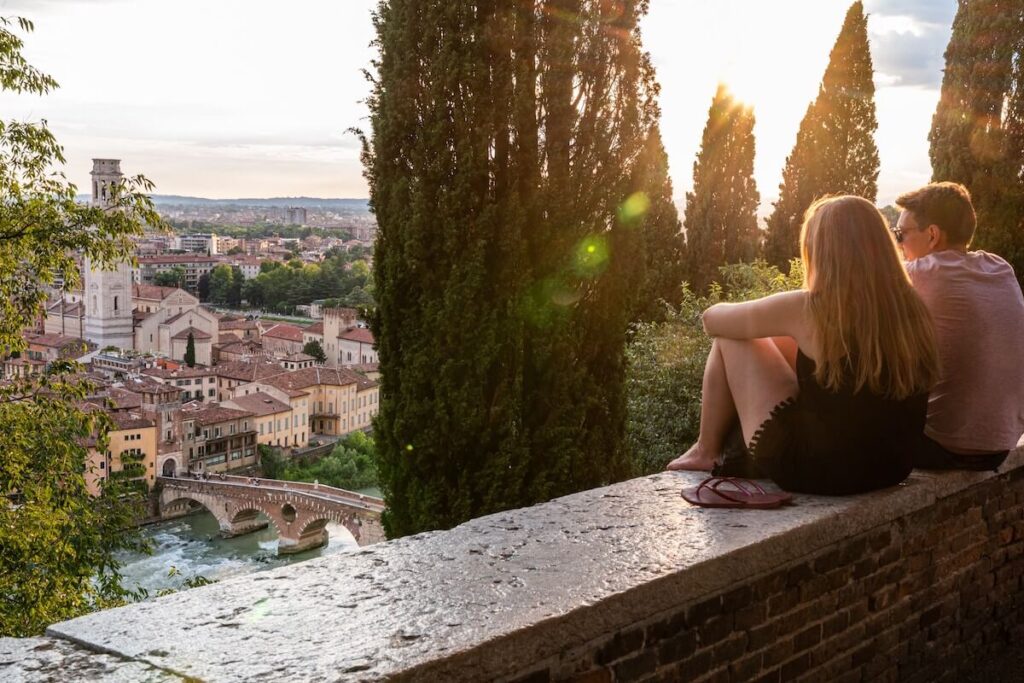
After a full day of exploring Verona’s best sights, reward yourself with some of the city’s delicious food and wine.
Discover the young and lively atmosphere of Veronetta after nightfall on an exciting pub crawl through local favorites like San Tomaso Cocktail Bar, Rivamancina, and The Soda Jerk.
Day trips from Verona
Should you have a few extra days in the Veneto region, Verona is an excellent base to explore the surroundings. Here are four off-the-beaten-path day trip options that will give you a taste of the area’s diverse attractions.
Padua is a vibrant town just a 45-minute train ride away from Verona. It features beautiful churches and piazzas, one of the oldest universities in Europe, and a lively market.

Lake Garda is the largest lake in Italy. Take a boat tour to visit the picturesque towns on the lake’s shore, such as Sirmione, Riva del Garda, and Malcesine, or hike the many trails with breathtaking views of the lake and the Alps.
Mantua, a UNESCO World Heritage Site, is a small city with a rich cultural heritage. The city’s highlights include the Palazzo Te, a magnificent Renaissance palace, and the Palazzo Ducale, the former residence of the Gonzaga family.

Verona is also surrounded by vineyards that produce some of Italy’s most famous wines, such as Valpolicella, Soave, and Amarone. Join a wine tour to visit local wineries, learn about the winemaking process, and sample some of the region’s delicious wines.
Getting around Verona

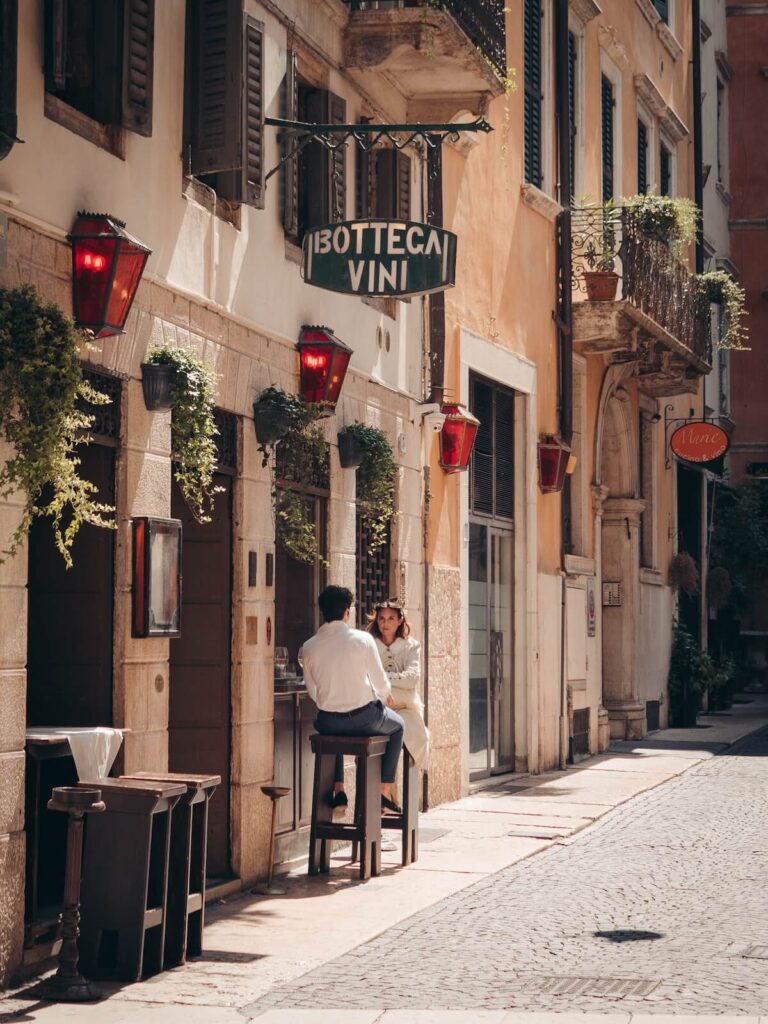
Moving around Verona is easy, thanks to its compact old town that can be easily covered on foot. The city’s cobbled streets and winding alleys are perfect for leisurely strolls and allow you to admire the dazzling architecture and soak up the relaxing atmosphere.
For longer distances or to reach suburbs like Torricelle, buses are a convenient option. The local bus system is well-organized and reliable, with frequent services to most parts of the city.
Plus, the Verona Card offers unlimited use of the city’s public transport network and is an excellent option if you’re planning to explore the city extensively.
If you’re seeking a more scenic mode of transportation, take one of the funiculars that climb up to Verona’s hillsides. The panoramic views from the top are breathtaking and offer a unique perspective of the city.
And if you plan to visit nearby towns or cities, trains are a fantastic option. Verona’s train station is well-connected to most major Italian cities, including Venice, Milan, and Florence. You can also ride a train to nearby Lake Garda, one of the coolest day trips from Verona.
Travel tips for Verona

Footwear: Verona is a walkable city, with many of its attractions concentrated in the historic core. Make sure to pack comfortable shoes, as you’ll be doing a lot of walking on uneven cobblestone streets. Some of the outer neighborhoods like Veronetta and Torricelle are also quite hilly.
Verona Card: The Verona Card is a great way to save money on admission fees and transportation. The card gives you free entry to many attractions and discounts on others, as well as free use of public transportation.
Timing: Verona is a popular destination and can get pretty congested during peak season. Consider visiting in the shoulder season to avoid crowds and high prices.
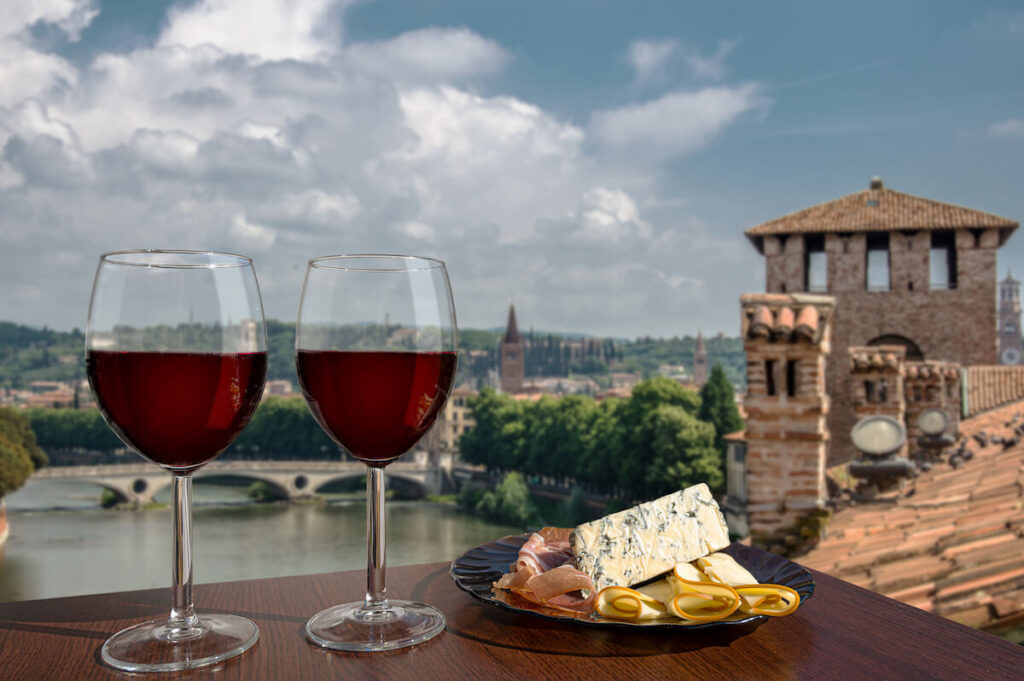
Food and wine: Verona is known for its delicious cuisine and wine. Be sure to sample the local specialties, such as risotto all’Amarone and Soave wine. Joining wine tours and tastings in Verona is a great way to taste the best wines that the city offers.
Public Transport: Verona has a good public transportation system, including buses and trains. If you plan on exploring the surrounding areas, consider taking the train or bus, as it’s often cheaper than renting a car.
Accommodation: If you want to be close to the main landmarks, consider staying in the city center. You’ll be within walking distance of many attractions, restaurants, and shops.
Dress code: When you visit religious sites, make sure you dress modestly. This means covering your shoulders and knees.
Language: While many people in Verona speak English, it’s always a good idea to learn some basic Italian phrases. It will make communication easier, and locals will appreciate your effort.
Safety: Like any tourist destination, Verona has its share of pickpockets. Keep your belongings close and be aware of your surroundings, especially in crowded areas.
Other Verona FAQ
Is 2 days enough in Verona? Yes, two days is probably enough. Verona is filled with landmarks spanning millennia, yet it’s quite small in size. You can easily walk between one attraction and the next and cover the most interesting sites over a weekend, for example.
Is 3 days enough in Verona? Three days is also a good amount of time to spend in Verona if you can afford the time. You’ll have the chance to explore outer neighborhoods like Torricelle, with its countryside feel, great restaurants, and commanding views of the city.
Is 4 days enough in Verona? Unless you’re planning to include Lake Garda or nearby vineyards in your itinerary, I’d say four days in Verona may be a bit much. That’s how long most folks would choose to spend in larger cities like Rome and Florence.
Is it better to stay in Verona or Venice? That’ll depend on your personal preferences. Venice is truly unique, but it’s more expensive and usually jam-packed with tourists. Verona is a tad quieter, easier to navigate, and only 75 miles from Venice anyway in case you want to visit both.
When is the best time to visit Verona? Throughout the shoulder season, which is roughly equivalent to spring and fall, crowds are thinner, temperatures are milder, and the landscape is a visual spectacle. Early fall specifically is grape harvest time in the countryside and can be even more magical.