
TikTok seems to be dominating the social media space these days and attracting plenty of attention thanks to its recent U.S. congressional hearings. However, there’s more to Chinese culture than just its popular trendy social media platform!
After all, the Chinese civilization (not just China) has a long history that stretches back thousands of years in Asia. Whether it’s fascinating moments in history, tidbits about Chinese cuisine, or quirky modern trends, there are plenty of Chinese culture facts that will pleasantly surprise you.
Don’t believe me? Well then, here’s a list of the 40 most interesting Chinese culture facts that may or may not inspire you to learn more about the language, culture, and people.
Table of Contents
Facts about Chinese values and beliefs
1. Filial piety and honoring one’s ancestors

One of the most widely-known Chinese culture facts is the strong emphasis on filial piety. Children are expected to always respect, honor, and take care of their parents.
What’s more, the concept of honoring your ancestors has a deep intertwinement with Chinese culture. So much so that “对得起祖先” — to be able to face your ancestors, is a common phrase used to dissuade individuals from partaking in taboo and immoral activities.
2. The concept of “saving face”

Another common fact about Chinese culture is the concept of “saving face” — presenting one’s self in a way that avoids embarrassing or bringing shame to one’s self, one’s family, or someone else.
There isn’t a set threshold of what exactly is considered “shameful” and is really based more on societal norms and constructs. For example, one Chinese family may consider the fact that their child is failing at school to be shameful while another might not feel the need to hide it.
This also extends to gift-giving and daily life. A Chinese family may go beyond their means to get an expensive wedding gift for a family friend so as to not be considered cheap and “lose face”.
3. Respecting your elders and seniors

This is one of the interesting things about Chinese culture that can also be seen in most Asian cultures.
In Chinese culture, those who are more elderly than you or those who enjoy seniority often enjoy great respect. So much so that there is a popular Chinese idiom, 不听老人言,吃亏在眼前, which warns of the consequences of disregarding the advice of those more elderly than you.
One way that the Chinese show respect to their elders is simply by bowing and addressing them with reverence, such as not casually addressing them by name.
4. The manners of receiving and giving gifts
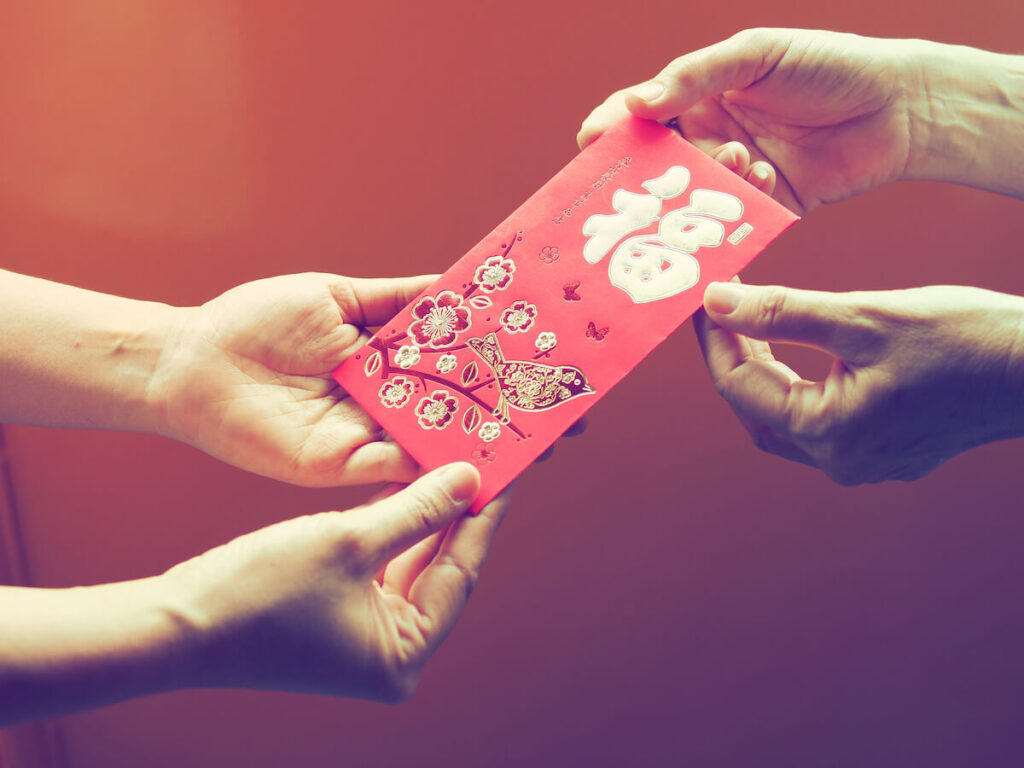
In Chinese culture and tradition, receiving and giving something to and from someone with both hands indicates respect and humility. On the other hand, using just one hand is sometimes considered rude, especially when you’re receiving something from someone older.
If you’re receiving or giving something which isn’t practical to hold with both hands, you may use your right hand, and place your left hand slightly above your right wrist.
5. The love of knowledge

One of the interesting things about Chinese culture that I deeply appreciate is the pursuit of knowledge. The idiom 活到老,学到老, which means keep learning even until your twilight years, is an apt appraisal of how the Chinese culturally view learning and education.
Teachers (not necessarily just school teachers but also those who teach in any way or form) are held in high regard in Chinese society, and there are many idioms that extol the benefits of learning continuously.
Facts about the Chinese language
6. One of the oldest languages in the world

Here’s a cool ancient Chinese cultural fact for you: The Chinese language, or rather its writing system, is one of the oldest writing systems in the world that’s still in use today! It has a rich history of over 4,000 years and is said to have been invented by the Shang Dynasty (oracle bone script).
While the Chinese language itself has evolved over several thousand years, the core element of Chinese characters and their pictorial roots have remained to this day. Basically, many characters in the Chinese language were invented based on how certain things looked. For example, the character 山 (mountain) mimics the peaks on a mountain range.
7. One language, different dialects

Another cool fact about Chinese culture is that the Chinese language isn’t just one language like English. In fact, the Chinese “language” that most people refer to is actually Mandarin, the dominant dialect that is spoken throughout most of China, Taiwan, and even Malaysia and Singapore.
However, beyond Mandarin, there are also Cantonese, Hokkien, Teochew, Hainanese, Hakka, and many more dialects, making the Chinese language, as a whole, one of the most sophisticated languages in the world.
8. Tones are everything in Mandarin
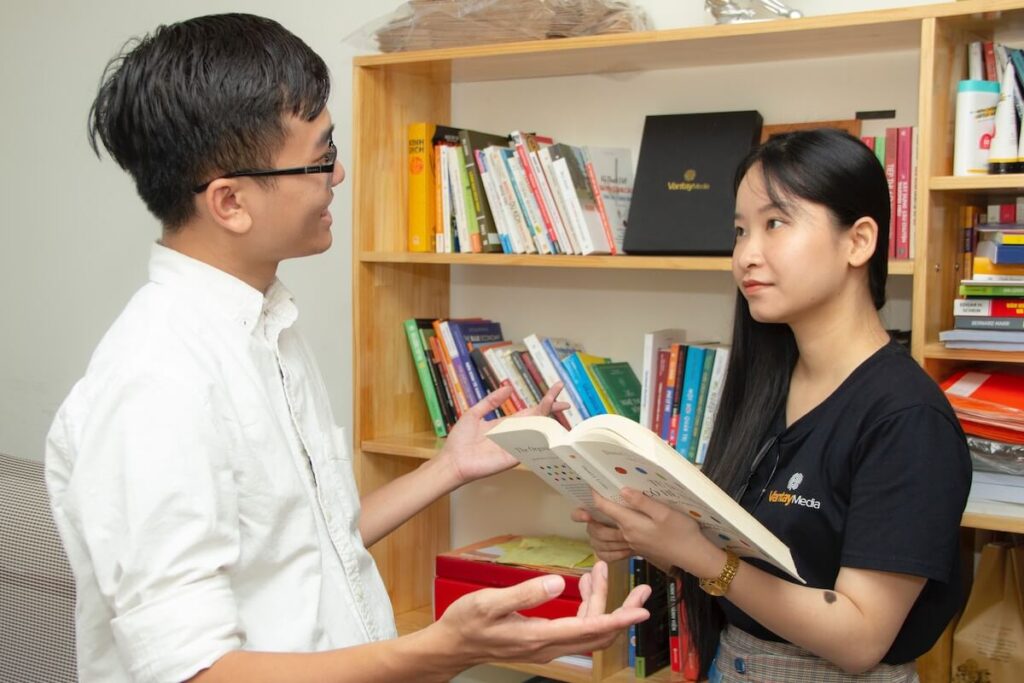
Speaking of Mandarin, it is one of the most popular languages to learn in this day and age. And ask anyone who is learning the language, and they’ll tell you how important tones are in Mandarin.
This is why mastering hanyu pinyin (romanization and pronunciation of Mandarin characters) is so important. Overly emphasize or under-annunciate something and the meaning of your sentence could change drastically.
A popular joke is the difference between 睡觉 (sleep) and 水饺 (dumplings), which are both pronounced shui jiao but with different intonations.
9. Chinese writing (calligraphy) is an art form

While Chinese characters are used on a daily basis as a means of communication, they can also be an art form that is heavily linked to Chinese culture and tradition. I’m talking about the art of calligraphy — writing Chinese characters with a brush and ink.
Even in this day and age, calligraphy is rarely used as a common way of writing and more as an artful expression. The most common time to see calligraphy is during the Lunar New Year, when it is used to write a paired poem (对联) on two pieces of cloth and hung outside the door.
10. Chinese idioms
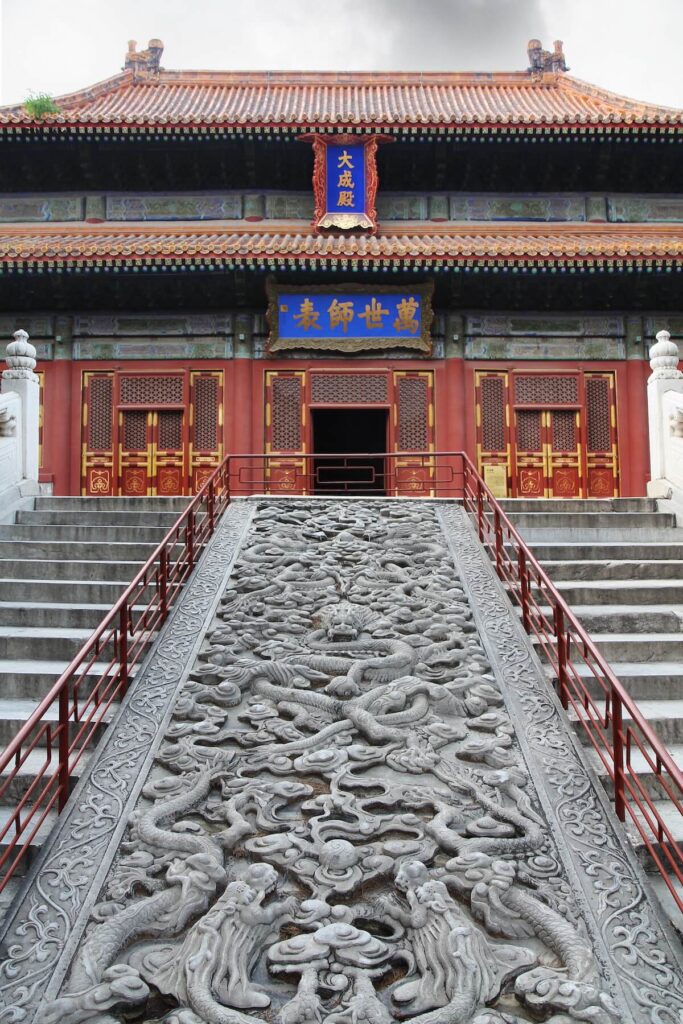
The thing about Chinese idioms (chengyu) is that many of them express things in a straightforward but poetic way. For example, 雪中送炭 translates to sending coal in the middle of a snowstorm, which aptly means to offer help in a timely manner.
In addition, Chinese idioms are also a way to understand Chinese culture because they are often linked with historical events or stories.
One example is 孔融让梨, which tells the story of how Kong Rong, a Chinese poet and politician, chose to give the bigger pears to his elder brothers. Today, the idiom is used to remind children of the values of fraternal love.
Religion and superstitions in Chinese culture
11. The shared values of Confucianism, Taoism, and Buddhism

While China doesn’t have an official state religion, Confucianism, Taoism, and Buddhism are the most widely-practiced religions in China. In fact, elements of these religions permeate many aspects of Chinese culture.
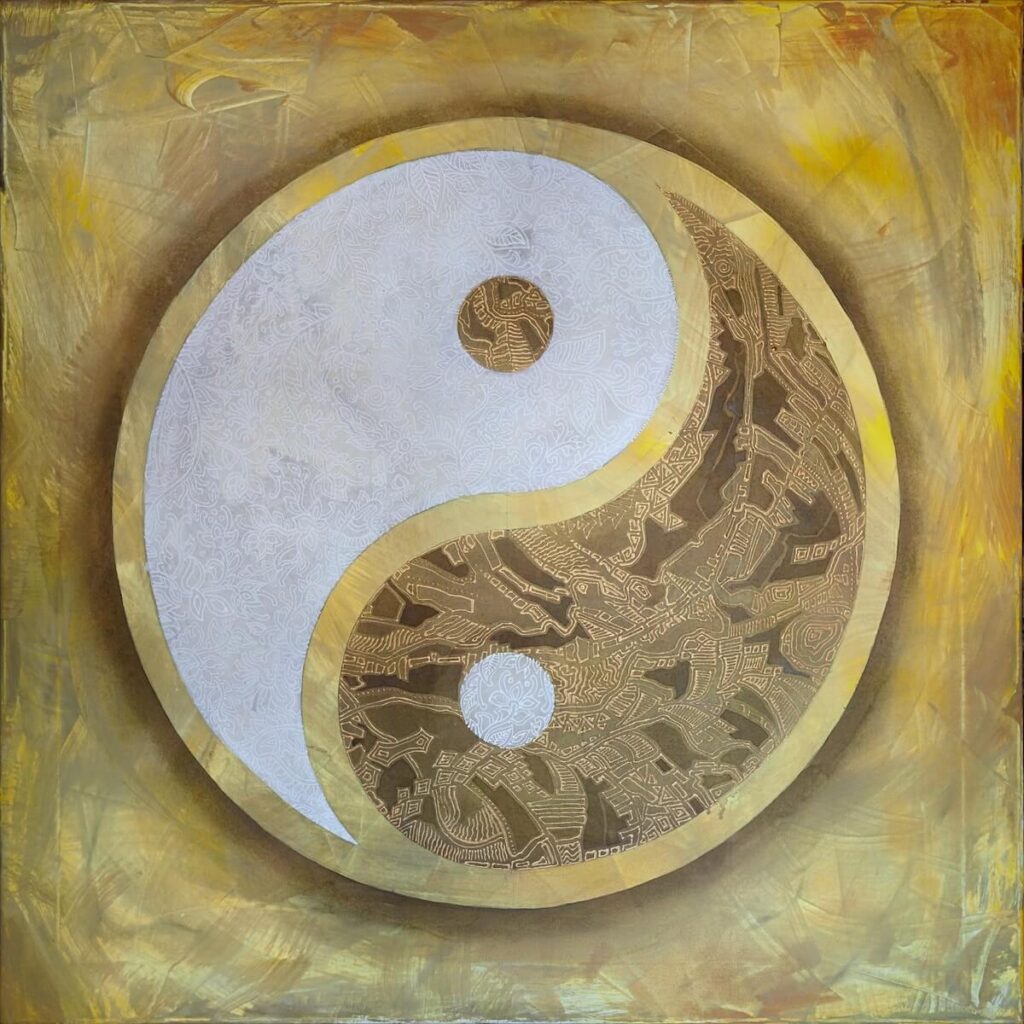
Common practices such as respecting one’s elders are deeply rooted in the values of Confucianism, while the concept of yin and yang, the idea that everything works in opposite but intertwining forces, has its roots in Taoism.
12. Feng Shui in daily life
Another interesting fact about Chinese culture is the pervasiveness of feng shui.
To the uninitiated, feng shui might sound like a superficial superstition where changing the position of a plant, for example, brings good luck. But in reality, for many Chinese, feng shui is a way of life that actually has some connection to logic and science.
For example, one concept of feng shui is to promote clutter-free spaces which helps in promoting positive energy flow. This is similar to how being in a clean environment brightens up one’s mood and increases efficiency!
13. Astrology and fortune telling
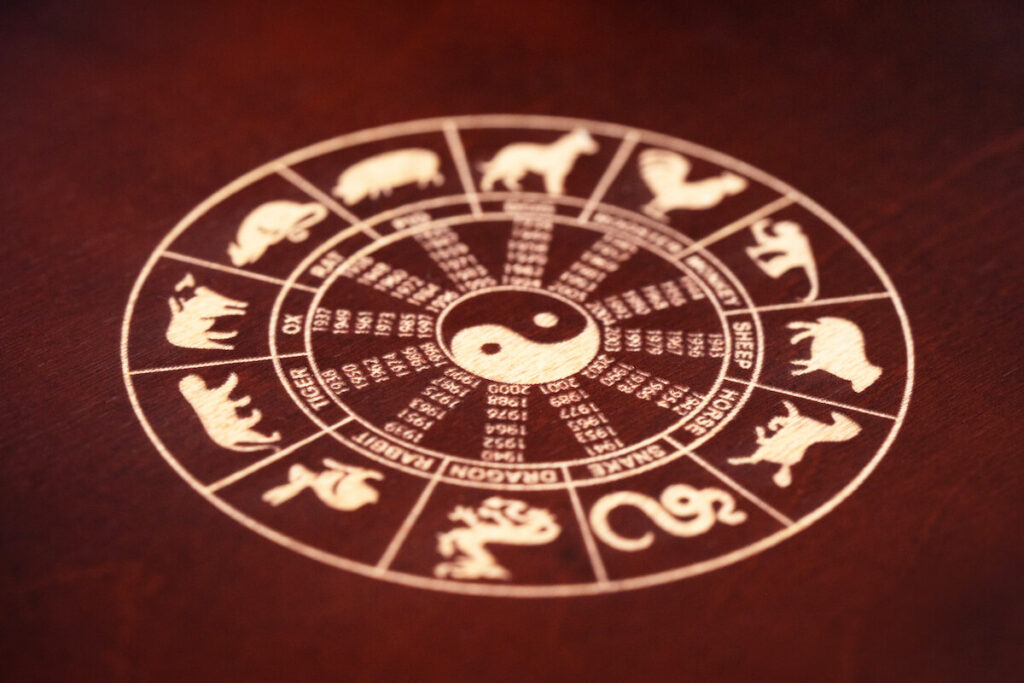
Another interesting Chinese cultural fact is the belief in astrology and fortune-telling. There are varying degrees of this, from visiting a fortune teller to find out if you’ll find love this year, to changing one’s name to counter “bad energy” and to influence one’s path in life.
Chinese astrology relies not only on the position of the stars but also on the Chinese Zodiac to make predictions about one’s life.
14. Lucky and (un)lucky numbers

Another of the more popular Chinese cultural facts is the existence of luck and unlucky numbers. The number 8 is often considered a good number because its pronunciation (ba) sounds like fa (发) which means to get rich.
On the other hand, the pronunciation of 4 (si) sounds like death (死), so many Chinese try to avoid cars with the number 4 on the number plate when heading to an important job interview or exam.
15. Lunar New Year traditions and taboos
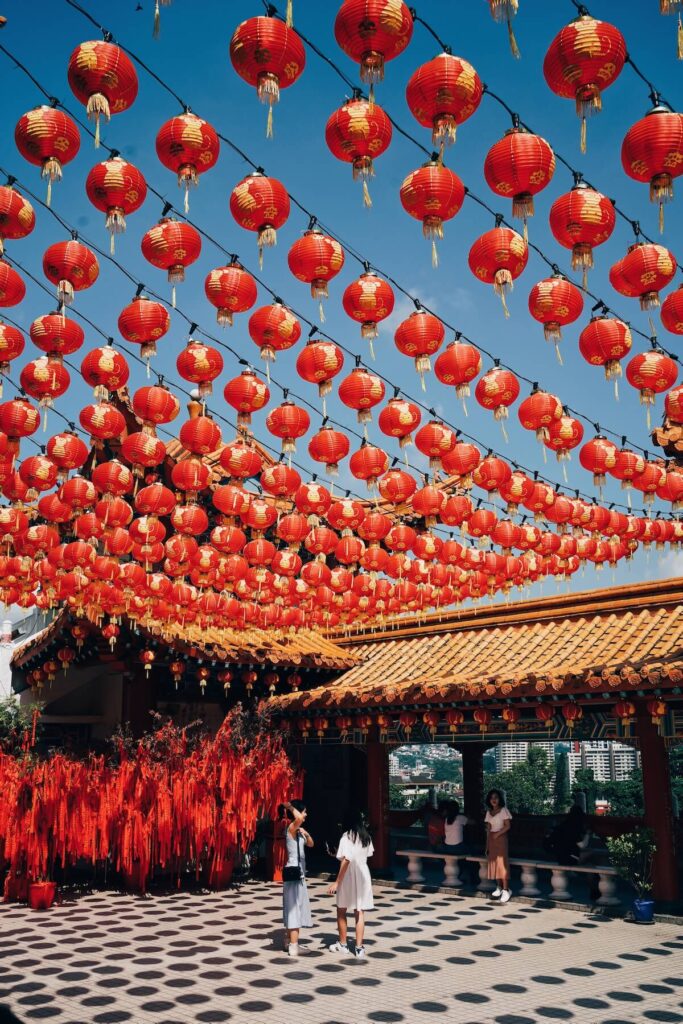
Another big element of Chinese culture is the traditions and taboos that are linked to the Lunar New Year. During this celebration of spring, the Chinese wear specific colors, usually red, which means prosperity and fortune, and avoid the color black, which symbolizes death.
More importantly, there are certain things that must not be done on the first day of the Lunar New Year, such as getting angry and scolding someone or sweeping the floor.
Facts about Chinese cuisine
16. Regional cuisines

To say that there are as many types of Chinese cuisine as there are dialects isn’t an exaggeration. In fact, you would probably be quite spot-on in that regard!
That’s because Chinese food can generally be divided into just eight main regional cuisines: Cantonese, which is by far the most popular; Sichuanese and Hunanese, which are famous for being spicy; Shandong cuisine which goes big on seafood; Zhejiang and Jiangsu cuisine which emphasizes a balance of sweet and savory; and finally cuisine from the mountainous regions of Fujian and Anhui, which incorporate wild game as key ingredients.
17. Communal meals

Regardless of which cuisine speaks more to your soul (or belly), one thing that’s for certain is that in Chinese culture, meals are often intimate gatherings with friends and family. That’s reflected in the communal nature of Chinese meals — rather than each individual getting their own separate dishes, the main courses are placed in the middle of the table to be shared by everyone.
Here, you might think: Yes, each person gets a bowl of rice and they pair it with the dishes. But that’s not always the case! In some regions, such as Beijing and other areas in the north, dumplings or noodles are more often served at meals compared to rice!
18. Using chopsticks instead of other utensils
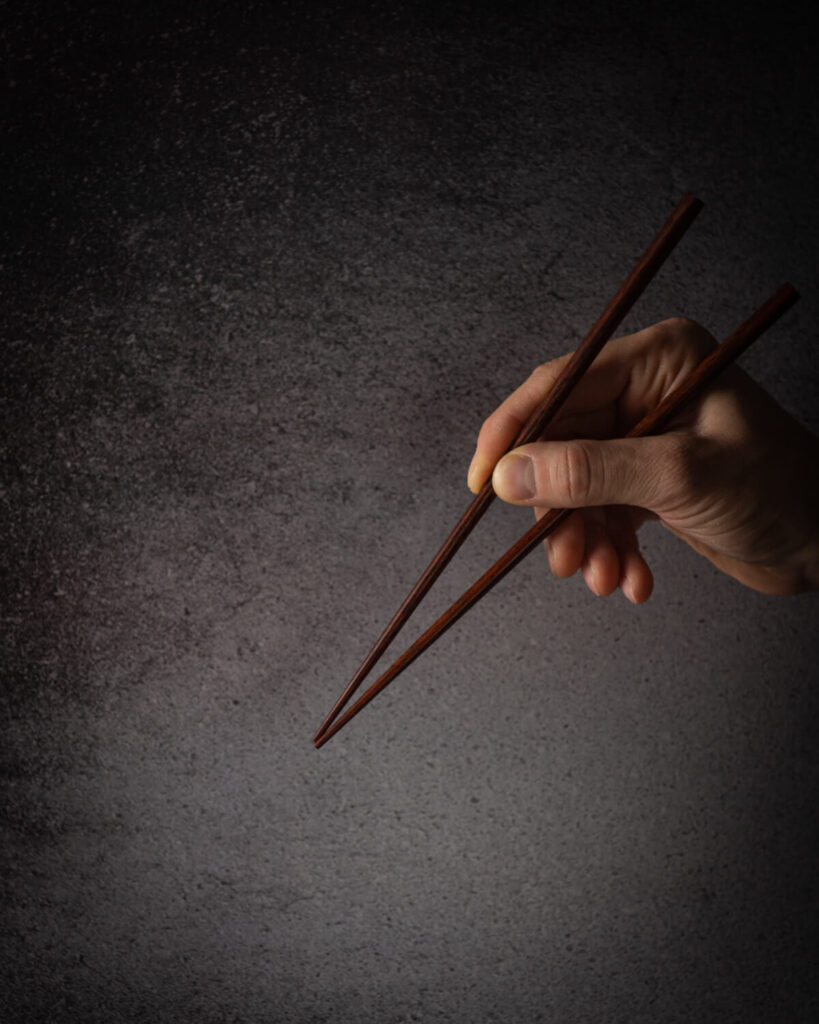
Another Chinese tradition when it comes to food is that we prefer to use chopsticks over other utensils. That said, there’s more to eating with chopsticks than using them to pick up food.
For one, the common taboo that most people will no doubt have heard about is not sticking your chopsticks upright in your rice. This looks like an offering of incense to the dead. Some of the more uncommon taboos include not using your chopsticks to poke around looking for something specific, and only using your chopsticks to grab food.
19. Symbolism and food in Chinese culture

Sticking to interesting facts about Chinese food culture, did you know that apart from being delicious, food in Chinese culture also comes with plenty of symbolism and tradition? For example, certain foods symbolize prosperity and wealth.
This is why, if you’ve ever shared a meal with a Chinese family during Lunar New Year, you’ll always see certain food items like dumplings (their shape symbolizes prosperity), and fish (the pronunciation of fish (yu) sounds similar to the Chinese character 余, which means “surplus”).
20. The intricacies of Chinese tea ceremonies
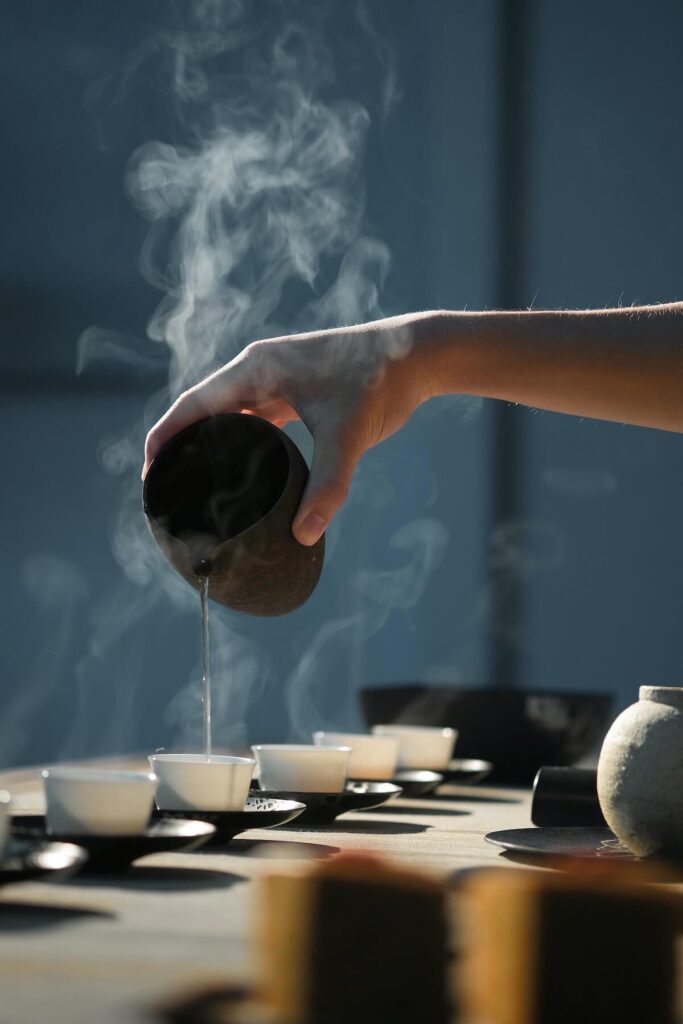
Apart from the incredible tea, a Chinese tea ceremony also comes with plenty of intricate details that betell Chinese culture and traditions.
One particularly interesting fact about Chinese culture that only exists in Chinese tea ceremonies, is what I like to call “tea language”. By doing certain things during your tea session, you can convey a message without ever speaking. For example, you may sometimes notice a guest tapping the table with their fingers after they are served tea. This is basically code for “thank you”.
21. Alcohol in China

Alcohol is another integral part of Chinese culture but not necessarily in the way that you might think. For one, the alcohol of choice in China isn’t an ice-cold beer, but Chinese liquor or wine (often called baijiu) which has high alcohol content.
In Chinese culture, alcohol is usually consumed during social events like weddings or gatherings. If a toast is to be made, it is often made by the eldest person at the table.
22. Food delivery services

This is one of the more modern Chinese culture facts when it comes to food. Since the late 2010s, food delivery services in China have experienced a real boon.
There are now plenty of food delivery service providers in the country, ranging from international brands like Food Panda to local services like Meituan and Baidu Waimai.
Facts about Chinese pop and the Chinese entertainment scene
23. The Four Heavenly Kings

Chinese pop music is one of the most popular music genres in the world, with megastars like Jay Chou and Jolin Tsai tearing up the scene since the early 2000s. However, the most well-known group of singers in Chinese pop culture, particularly in Cantopop, has to be the Four Heavenly Kings.
The Four Heavenly Kings (四大天王) in Chinese pop culture generally refer to four specific male Cantopop singers who have gone on to achieve unrivaled success. They are Jacky Cheung, Andy Lau, Aaron Kwok, and Leon Lai.
24. Four Dan Actresses

Similarly in Chinese culture, the four best female actresses are also honored with a lofty title — the Four Dan Actresses. Traditionally, this term was used in Chinese opera to refer to the four highest-ranking female roles, each role symbolizing a different virtue of a woman.
These days, the title is given to essentially the four most famous young actresses in Mainland China. The first generation of Four Dan Actresses included Zhang Ziyi, Zhao Wei, Zhou Xun, and Xu Jinglei in the year 2000, while the most recent batch comprises Zheng Shuang, Zhou Dongyu, Yang Zi, and Guan Xiaotong.
25. Censorship in Chinese cinemas
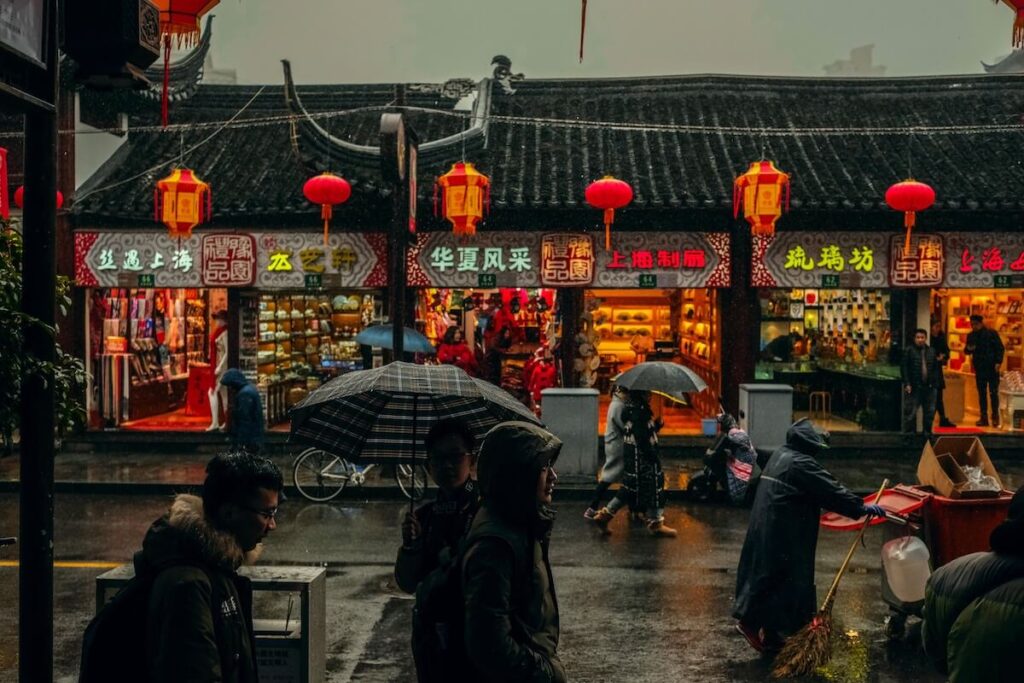
While the entertainment industry in China is blossoming, the Chinese government heavily regulates and controls the content that users consume. This isn’t limited to just the censorship of certain content or topics, but also to what gets air time at the box office.
Chinese cinema is dominated by domestic films with only limited slots afforded to foreign media with strict criteria. If you’ve ever wondered why you started seeing so many advertisements for Chinese ads, and why so many films now shoot in China, you may or may not have found your answer.
26. Streaming services in China

One way that Chinese consumers use to get around strict censorship laws is through the use of streaming services. It’s estimated that China has a massive online audience of over 900 million people, which has led to streaming platforms like iQiyi (often known as China’s Netflix), Youku, and Tencent Video gaining massive popularity.
Chinese holidays and celebrations
27. Chinese Valentine’s Day(s)

In modern Chinese culture, there are no less than FIVE different Valentine’s Days!
The first is the conventional Valentine’s Day celebrated by the world on February 14. But a month after that, there’s White Day, 白色情人节, where women give men chocolates. After that, it’s May 20, known as 520 (五二零), a phonetic play on the words “I love you”. This particular Valentine’s Day was born out of Chinese Internet culture and is usually celebrated by millennials and younger couples.
And then there’s the traditional Chinese Valentine’s Day(s): Qixi 七夕 which falls on the seventh day of the seventh lunar month, and Yuan Xiao Jie 元宵节, the final day of the Lunar New Year, which dates back to ancient Chinese culture.
28. Singles Day

On the opposite side of the spectrum is Guanggun Jie, or Singles’ Day which is celebrated on November 11.
When it first came about in the 90s, Singles Day was when those who are single would buy themselves gifts. Today, the day has become a major online shopping event in China, with many retailers offering huge discounts on this day.
Because of the date being associated with online shopping, Singles’ Day is sometimes also considered a pseudo-Valentine’s Day, where lovers take the chance to buy each other gifts during this time.
29. Dragon Boat Festival

To most people, this festival may seem like nothing more than an event where people race each other in dragon boats and eat rice dumplings. However, the origin of Duanwujie 端午节 is a fascinating one that highlights how interesting Chinese culture is.
It all started in the Warring States period of China with a man named Qu Yuan, who was a wise and trusted adviser to King Huai of the State of Chu. After King Huai’s death, his son, King Qingxiang grew to distrust Qu Yuan, frequently ignoring his advice and eventually exiling him.
When the Chu capital was conquered by the State of Qin, something which Qu Yuan had repeatedly warned about, a depressed Qu Yuan drowned himself in the Miluo River. Villagers nearby then paddled out into the water in thin, long boats and threw rice dumplings into the river to prevent the fish from eating Qu Yuan’s body. Thus the traditions of the Dragon Boat Festival were born.
30. Mid-Autumn Festival
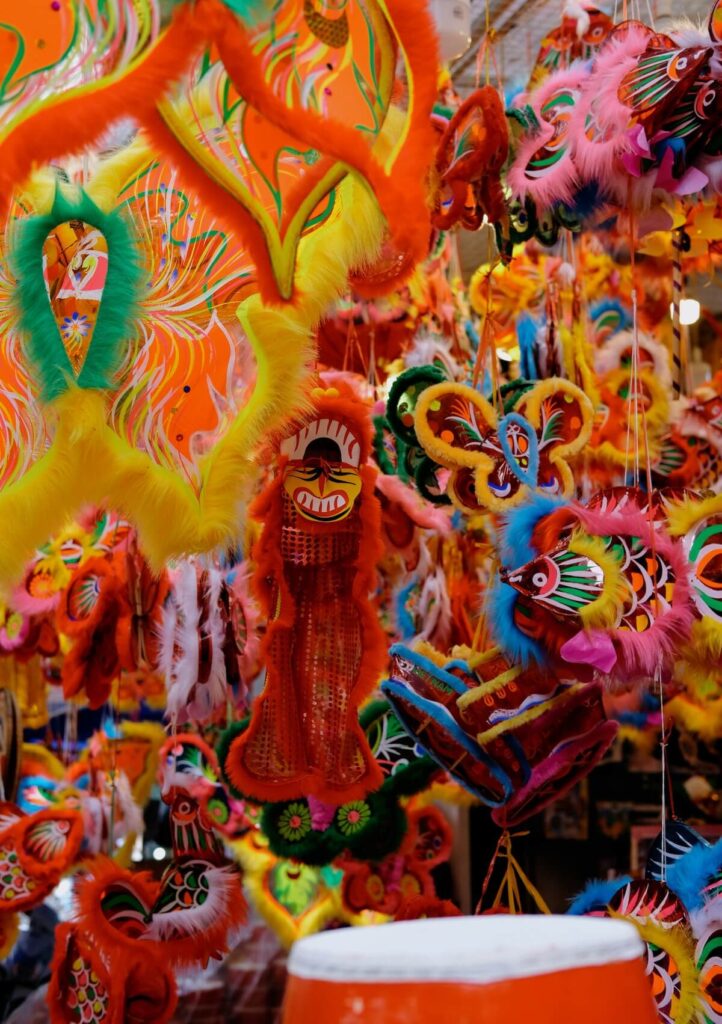
Another traditional Chinese cultural festival is 中秋节, the Mid-Autumn Festival. It takes place on the 15th day of the eighth lunar month. Traditionally, the festival was to celebrate the end of the autumn harvest, but it is also linked to the tragic tale of Chang’er, the Moon Goddess of Chinese mythology.
During this time, Chinese families will gather to admire the full moon, recite poetry, and treat themselves to delicious mooncakes and fruits. Children will play with lanterns of all shapes and sizes. In Taiwan, youngsters will also choose this time to eat grilled meats or host BBQ parties!
31. Eating tang yuan during the Winter Solstice
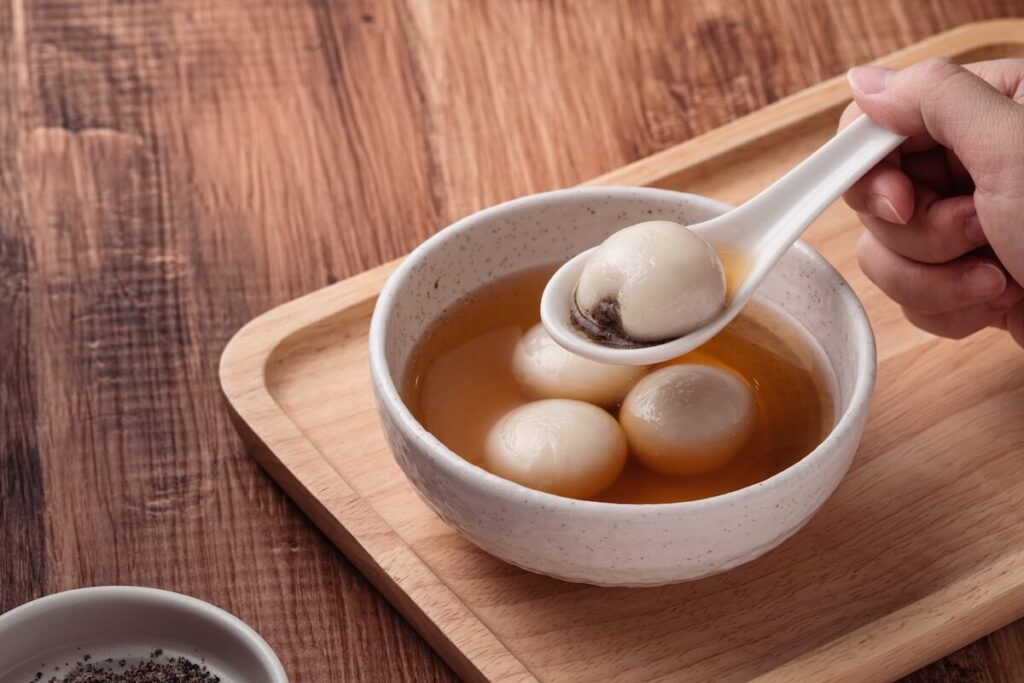
The Winter Solstice 冬至 isn’t exactly the most vibrant festival, it is linked to an interesting practice in Chinse culture — eating glutinous rice balls or tangyuan.
The sticky rice balls symbolize abundance and completeness, so families would gather to make them in hopes of having a good year. For some, it also signifies adding a year to your age.
There are two different types of tangyuan: one is sweet and the other is savory. Which version of tangyuan you get is often related to which part of China you’re from, or where your own familial ancestors originated from.
Facts about sports in China
32. Table tennis (ping pong diplomacy)

When it comes to sports in Chinese culture, nothing is as popular as table tennis (or ping pong). The Chinese national ping pong team has won numerous titles, including several Olympic gold medals. Such is the love for ping pong that it’s believed that as many as 300 million people play ping pong in China regularly!
What’s more, ping pong is also an interesting piece of Chinese culture that holds a special place in world politics. In 1971, a few members of the American ping pong team visited China and ushered in an era of “ping-pong diplomacy”, a sign that relations between the two countries were improving.
33. Badminton

After ping pong, the most beloved sport in Chinese culture is surely badminton. After all, with so many world-beaters and Olympic champions hailing from China, it’s no surprise that there are as many passionate badminton fans in China as there are ping pong fans.
That said, the most famous badminton star in China remains the legendary Lin Dan, who shared a heated rivalry with the Malaysian player, Lee Chong Wei.
34. Martial arts
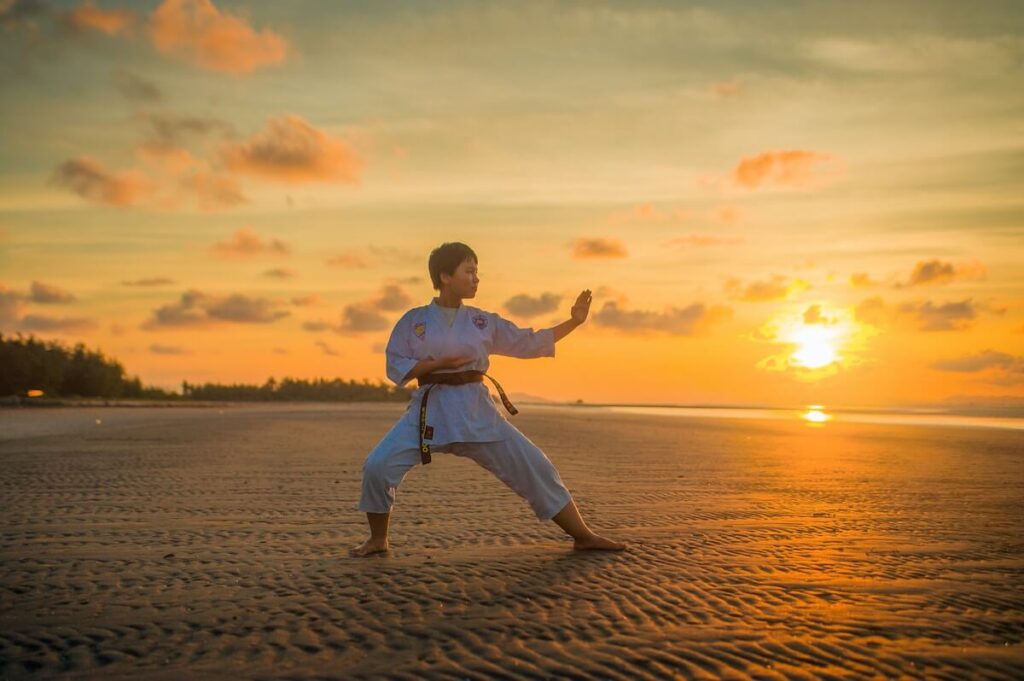
An integral part of Chinese culture is the prevalence of martial arts, thanks, especially to the many martial arts films that Hollywood has produced over the years. Indeed, there are many different types of martial arts in Chinese culture and tradition, including Shaolin, Wushu, Taichi, Wing Chun, and more.
Martial arts in China is more than just a movie genre though. The Chinese National Wushu team, to date, has won over 200 gold world championship medals!
35. Football

Here’s a fun fact about Chinese culture that might trigger a few people: The Chinese played football first. Now before you pelt me with rotten eggs, hear me out.
No, the Chinese weren’t the first people to play football as we know it today, complete with referees, linesmen, and global sporting events. However, during the Han Dynasty, there was a game called cuju, where the (literal) goal was to kick a ball through a small opening in a net!
36. e-Sports and competitive video games

In recent times, e-Sports and competitive video games have become a fascinating yet integral part of modern Chinese culture, especially among the young.
There are now professional e-Sports teams from China that consistently compete in the biggest tournaments (usually in League of Legends) around the world, while back home in China, competitive gaming is gaining more popularity and has evolved into an industry of its own.
There are people who get paid to play video games in China for other players, and even huge dedicated groups of players whose sole focus is to dominate particular games. Oh yes, video games are hugely competitive in China!
More interesting facts about Chinese culture
37. The repeated separation and unification of China
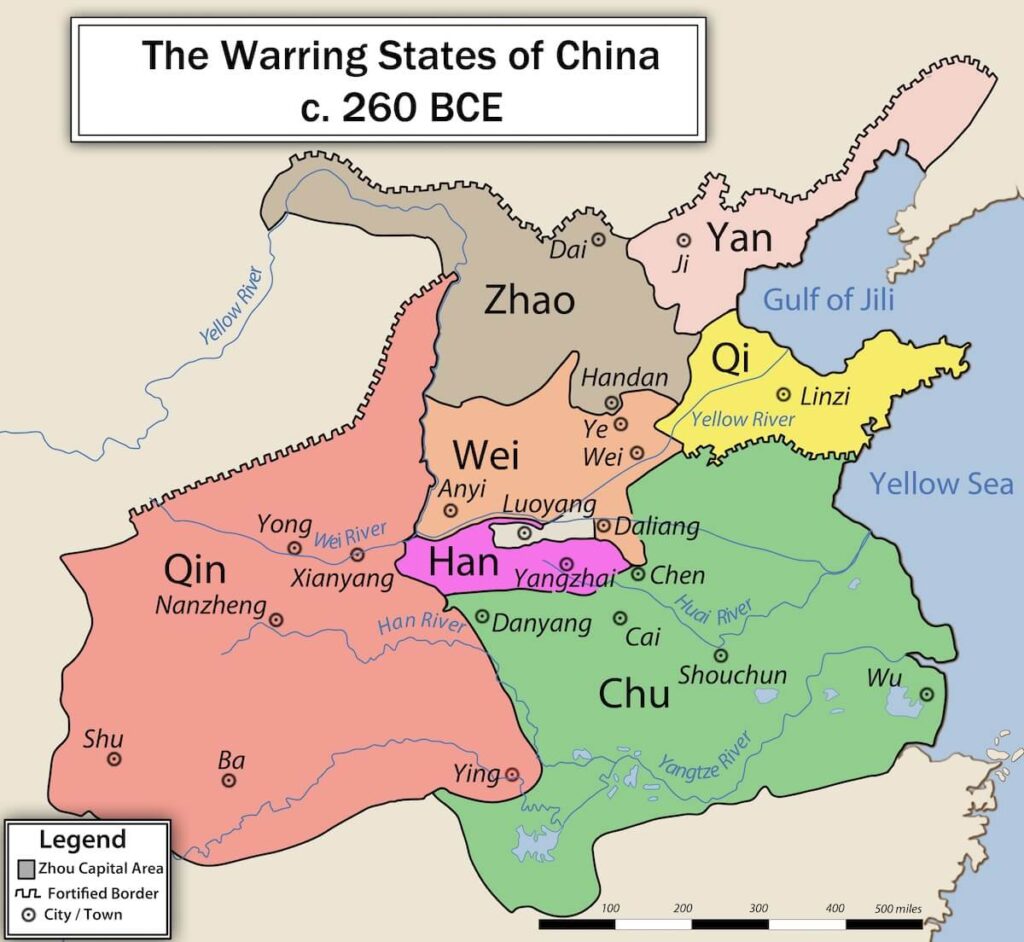
One of the most interesting Chinese culture facts from the past that may still be relevant today is that China, as a country, has been separated and reunited many times throughout history.
The first time that China was “whole” was when Qin Shi Huang conquered all the regions in China, bringing an end to the Warring States period. It then split apart again at the end of the Han Dynasty (the era of the Three Kingdoms).
What followed was a chaotic few centuries where China kept separating and reuniting (at one point, there were sixteen states!) before the Sui Dynasty reunited the land. About 200 years later, it fragmented into the Five Dynasties and Ten Kingdoms eras before reuniting again.
38. E-Wallets over cash and card

When you visit China for the first time, one thing you’ll realize is that cash isn’t as widely used as in many other countries. In modern Chinese culture, the main method of paying is using electronic wallets like Alipay.
That’s why you’ll see plenty of cashless or fully automated eateries, machines, and grocery stores.
39. The culture of streaming in China

Another major part of modern life in China is the culture of streaming. Many content creators in China are now turning to live streaming as a way to connect with their fan base and to sell products.
Whether it’s streaming a game, singing and dancing, or simply chatting with users, live streams are a big part of daily life in China.
40. Social media in China
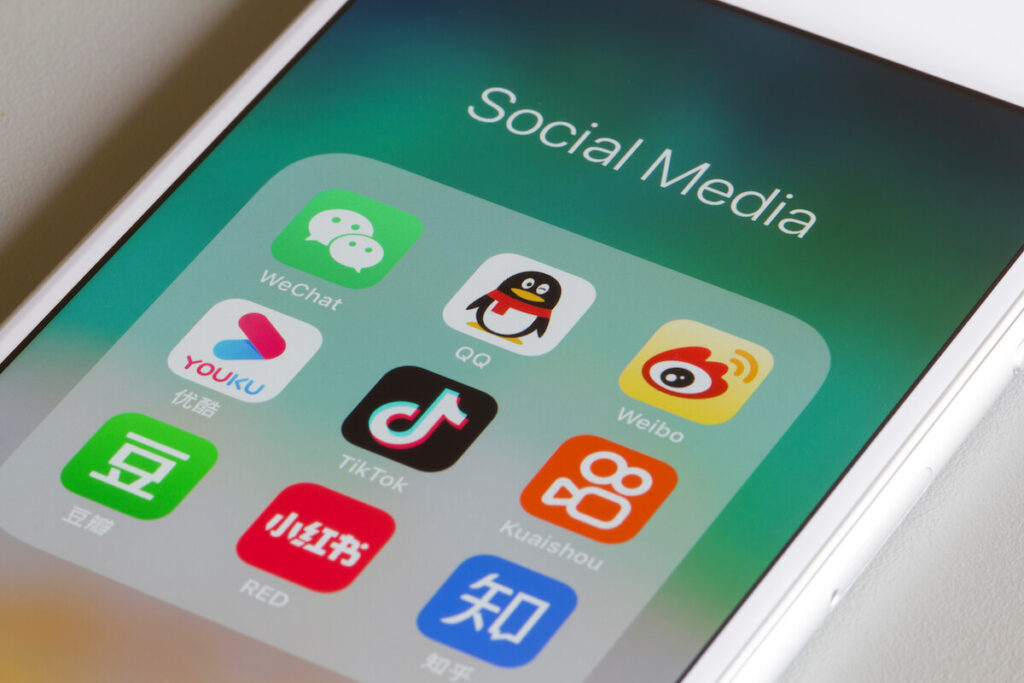
Finally, on the topic of streaming, one fun fact about Chinese culture is that China uses different social media than the rest of the world. Instead of Facebook, there’s Weibo, in place of Instagram, there’s Xiaohongshu, and Baidu is essentially China’s Google.
And there’s no forgetting the dominance of Douyin (TikTok) either. While users CAN access Facebook and other Western-based social media via VPNs, most users in Mainland China stick to their local social media networks.
And there you have it, 40 (out of many) of the top Chinese culture facts you (probably) didn’t know about. Has this list piqued your interest in learning more about Chinese culture? Check out this interesting list of small cities to visit in China as well as fun facts about the Great Wall of China!