
Planning a trip to shoot breathtaking aerial footage is exciting, but showing up at airport security unsure if your expensive gear will pass inspection is a total nightmare. So, can you bring drones on a plane?
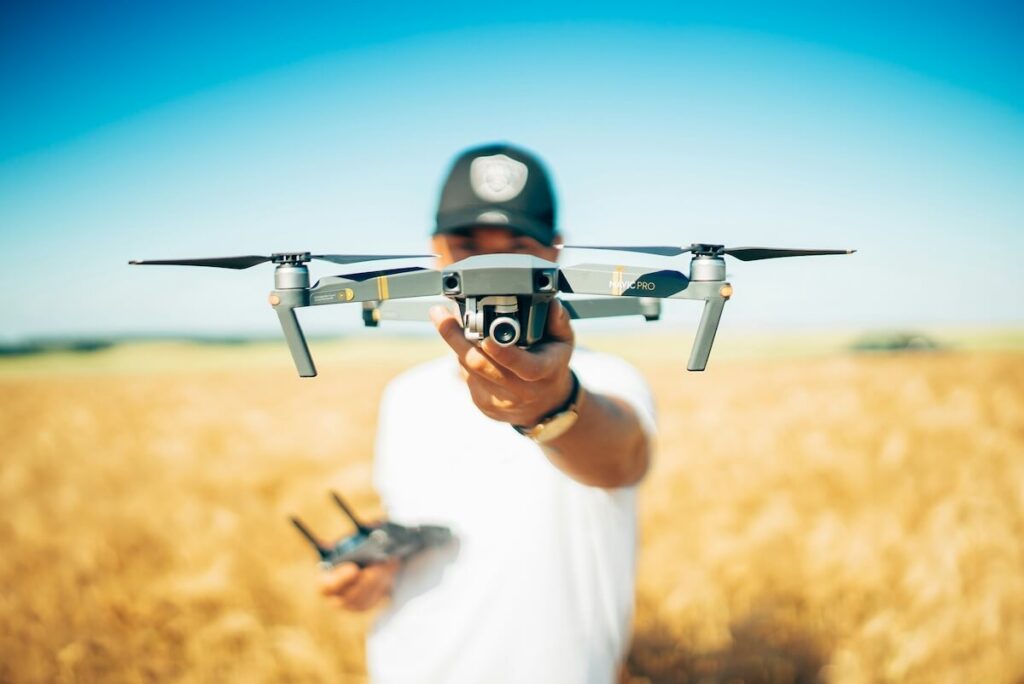
The quick answer is yes, but following TSA rules and FAA guidelines strictly depends on how you pack the drone body versus its lithium-ion batteries. Knowing these regulations ahead of time is critical to avoiding stressful delays, unexpected fees, or having your costly equipment confiscated.
This complete guide walks you through navigating TSA and FAA rules for hand-carry vs. checked luggage, battery power limits, safe packing tips, and international travel considerations. Keep reading!
Please note: The following has been written using the FAA and TSA guidelines for flights in the U.S. If you are traveling from or to another country, please ensure you check their guidelines for safe flight and permitted substances before check-in.
Table of Contents
Can you bring drones on a plane? The quick answer
The quick and short answer is yes—the TSA allows drones through the security checkpoint, but you should always verify specific rules with your airline before heading to the airport.
While the drone frame itself can be packed in carry-on or checked baggage, items containing lithium batteries, fuel cells, or certain parachute components face strict restrictions.

Carrying your drone in hand luggage is highly recommended. But battery power thresholds ultimately dictate how you fly. Batteries under 100 Wh belong in carry-on, while those between 100 Wh and 160 Wh require prior airline approval and are capped at two spares in hand luggage.
Conversely, while you can check the empty drone frame, spare lithium-ion batteries are strictly forbidden in checked luggage due to fire risks. Also, anything over 160 Wh is completely banned on passenger aircraft.
Drones often draw extra scrutiny at security because dense wiring and batteries obscure X-ray scans, but you should never attempt to conceal items. Hiding gear or sneaking batteries into checked bags risks confiscation, steep fines, and missed flights.
Can you bring drones in your carry-on luggage?
Packing your drone in carry-on luggage is by far the safest option. Security agencies and airlines strongly prefer drones in the main cabin because crew members can act quickly if a battery malfunctions.
As mentioned earlier, standard battery limits allow units under 100 Watt-hours (Wh) in hand-carry with no strict quantity restrictions for personal use. Larger batteries between 100 Wh and 160 Wh are allowed in carry-on only, restricted to a maximum of two spares, and require prior airline approval.
Getting through screening is straightforward, though you should be ready to pull out larger drones or multiple battery packs into separate bins if TSA officers request it. Finally, stow your bag carefully under the seat or in the overhead bin to protect sensitive gimbals and props from getting crushed during transit.
Can you bring drones on a plane via checked luggage?
Checking your drone in holds or under-the-plane luggage is a great way to save space in your carry-on, and the rules here are much more straightforward.
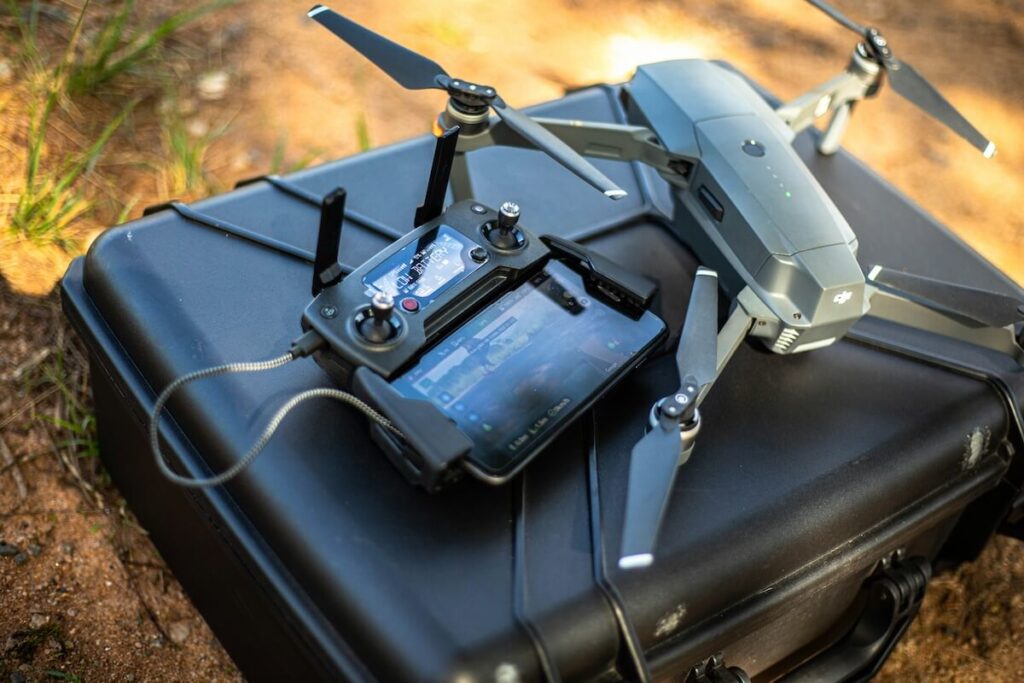
You are fully allowed to pack the drone body, fuselage, propellers, and basic remote controller in your checked bags. However, there is one non-negotiable rule: you must remove all lithium-ion batteries from the drone before placing it in checked baggage. Loose or spare lithium batteries pose a severe fire risk and are strictly forbidden in cargo holds.
Because checked baggage undergoes rough handling, taking steps to shield your gear is essential. Store your drone in a sturdy, hard-shell case with foam cutouts to protect delicate components, especially sensitive camera gimbals and fragile prop arms, from impacts.
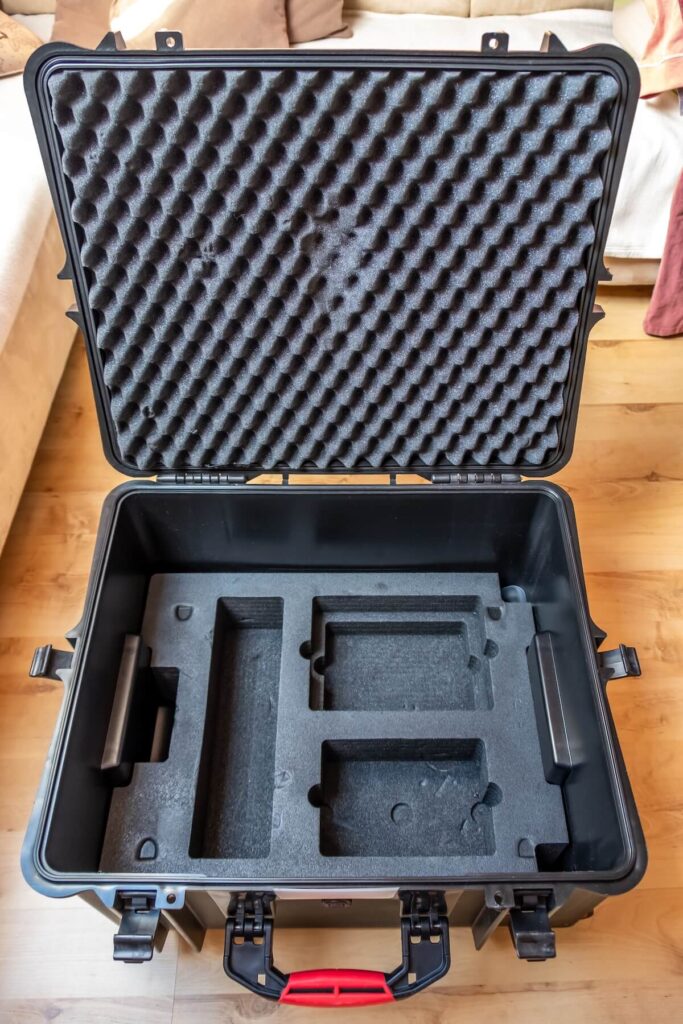
If you don’t have a dedicated hard case, wrap the frame securely in bubble wrap or thick clothing, and secure the camera gimbal with its plastic lock guard so it doesn’t get damaged during the flight.
Rules for lithium-ion batteries
The FAA and TSA are strict about drone batteries because lithium-ion cells risk thermal runaway, creating severe fire hazards in cargo holds. Regulations focus on Watt-hours, calculated using a simple formula: Volts (V) x Amp-hours (Ah) = Watt-hours (Wh).
Popular consumer drones—like the DJI Mini, Mavic, and Air series—use batteries ranging between 18 Wh and 68 Wh, keeping them safely under the standard 100 Wh cabin threshold.
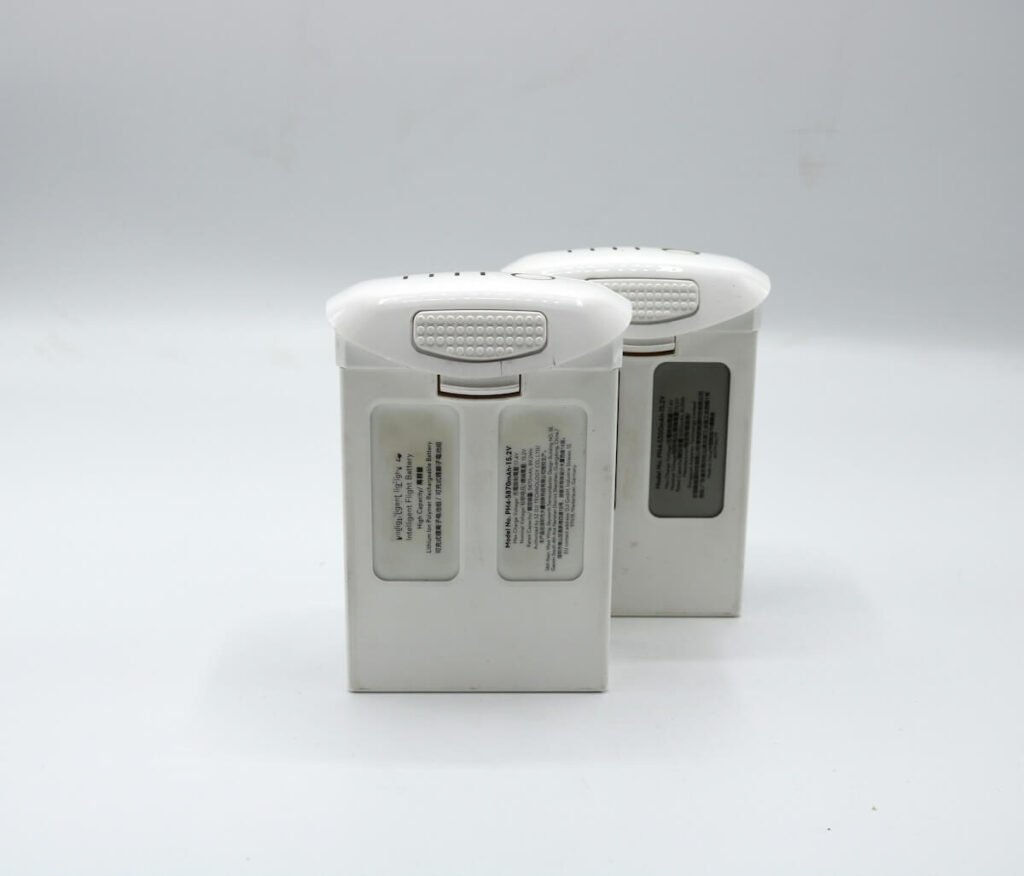
When packing, it’s best to protect your spare batteries individually. Slide each unit into a fire-retardant LiPo (lithium polymer) safe bag and tape over exposed terminals to prevent short circuits. It’s recommended to discharge them to a 30%–50% storage charge for flight safety rather than carrying them fully charged.
What about drone accessories?
When packing remote controllers and gear, battery type still dictates the rules. Modern controllers with built-in rechargeable lithium batteries must stay in carry-on luggage, while AA-powered models can go in checked bags.
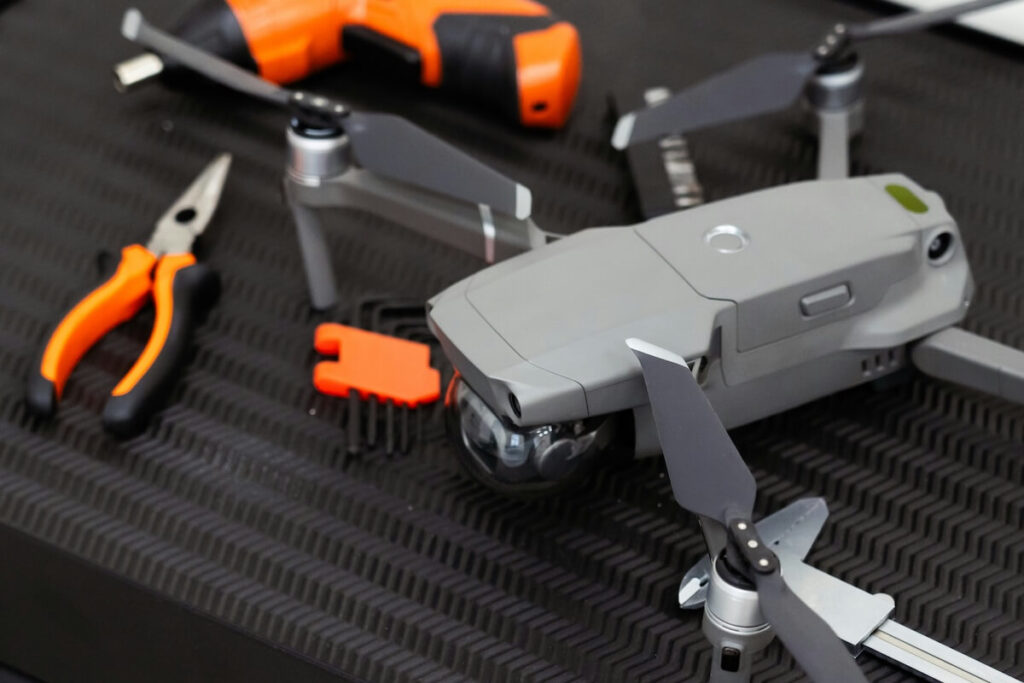
What about spare propellers and maintenance tools, you ask? Spare propellers can go anywhere, but do keep maintenance tools in check. The TSA allows small screwdrivers in carry-on only if they measure seven inches or less.
Charging accessories are also something to take note of. Standard wall multi-chargers without internal batteries can travel in any bag. However, high-capacity portable power banks use lithium-ion cells, so the TSA strictly requires keeping them in your carry-on to prevent potential fire risks in the cargo hold.
Tips for a hassle-free airport and in-flight experience
Do not turn on or fly drones
It seems obvious but still needs stating. Aviation authorities strictly prohibit powering on or attempting to fly a drone anywhere inside airport terminals or on board the aircraft.
Turning on your device in restricted airspace can trigger immediate security alerts, leading to confiscation, severe federal fines, or criminal charges. Keep your gear completely powered down until you reach designated flying zones.
Check airline-specific policies
While the TSA sets baseline security checkpoint rules, individual airlines often enforce tighter restrictions on carry-on dimensions and lithium battery limits. Carrier guidelines can vary regarding maximum battery quantities or Watt-hour caps, especially on smaller regional or international flights. Review your specific airline’s dangerous goods policy ahead of time to avoid surprises at the gate.
Practice defensive packing
Overhead bin shuffling and baggage handling can easily crush delicate camera gimbals or bend propeller arms. Protect your equipment by packing the drone in a custom hard-shell case (e.g., Pelican cases) with fitted foam cutouts or a dedicated padded camera backpack. Always lock the gimbal stabilizer and detach the propellers before stowing your bag.

International travel and customs considerations
Before traveling abroad with a drone, always research your destination’s specific aviation laws. This is especially important since drone regulations vary wildly across borders.
Some countries require online visitor registration or special permits, while others ban consumer drones entirely. Places like Morocco, Egypt, and India enforce strict prohibitions or complex permit requirements. Arriving without doing your homework risks immediate equipment confiscation at customs or heavy legal penalties.

Customs declarations are another key detail to keep in mind when returning home. Border officials might suspect you bought your expensive gear overseas and attempt to charge import duties or local taxes.
To avoid unnecessary fees, carry a digital or physical copy of your original purchase receipt or a pre-departure customs registration to prove you owned the drone prior to your trip.
Conclusion
So, can you bring drones on a plane? Absolutely!
Traveling with your gear is simple once you know the basics. Always keep lithium-ion batteries in your carry-on, stay under the standard 100 Watt-hour limit, and protect your equipment in a sturdy case against transit damage. Following these straightforward guidelines lets you travel with complete confidence, knowing your setup is safe and fully compliant with aviation security standards.
What is your absolute favorite destination you’ve ever filmed with a drone? Share your favorite spots in the comments below, or check out our other TSA guides to prepare for your next trip!