
Looking to embark on an exciting adventure across Brazil without breaking the bank? Well, you’ve come to the right place! As a proud Brazilian who knows his way around his country, I’m here to answer the question “Is Brazil expensive to visit?” with a resounding NO.
All it takes, in fact, is planning. I can assure you that Brazil offers plenty of wallet-friendly options without compromising a single bit on the magic of your journey.

In this comprehensive guide, I’ll dive into all aspects of your trip budget. We’ll uncover the best local eats that won’t drain your wallet, reveal affordable accommodation options that don’t skimp on comfort, and share insider tricks for navigating transportation for cheap.
I’ll also spill the beans on where to find unique, budget-friendly keepsakes to bring home and highlight incredible free activities and attractions.
Table of Contents
Brazil food prices

Exploring the culinary delights of Brazil doesn’t have to mean emptying your wallet. With a diverse range of flavors and regional specialties, you can indulge in delicious meals without running into debt.
The cost of meals will vary depending on the region and type of establishment. For budget travelers, street food and local eateries offer affordable options.
On average, you can expect to spend as little as $3 for a snack like coxinha (deep-fried chicken snack) or pastel (deep-fried empanada). Full meals can cost anything between $7 and $20 in cheap to midrange restaurants.

In major destinations like Rio de Janeiro, São Paulo, and Salvador da Bahia, you’ll find an array of top-rated budget-friendly restaurants that offer quality meals at reasonable prices.
In Rio de Janeiro, try the famous Feira de São Cristóvão, a bustling marketplace with numerous food stalls serving traditional Northeastern Brazilian cuisine.
São Paulo boasts an array of pay-by-weight buffet restaurants, where you’ll get to choose from a wide variety of dishes and pay based on the weight of your plate. In the Paulista Avenue area, swing by Jabuticaba Comida Brasileira or Nova Opção Grill.
In Salvador da Bahia, explore the local food scene in the Pelourinho neighborhood, where you can savor mouthwatering Bahian specialties for inviting prices. Check out top-rated places like Axego and Pelô Bistrô.
Also, to eat on a budget in Brazil, consider these tips:
Seek out self-service restaurants: Look for restaurants where you pay by weight (a uniquely Brazilian concept), which lets you control your portion sizes and expenses. They’re locally known as kilos.
Opt for local markets: Visit local markets like Mercado Municipal in São Paulo or Mercado Modelo in Salvador, where you can find fresh produce, snacks, and affordable meals.
Enjoy regional specialties: Each region in Brazil has its own culinary traditions. Sample local dishes that are often more affordable and authentic.
Check lunch specials: Take advantage of lunch menus or specials offered by restaurants, which are usually cheaper than dinner options. These specials are typically advertised as executivos.
Cost of hotels in Brazil

Luckily, Brazil offers a range of accommodation options to suit different budgets and preferences. You can stay at hostels, pousadas (guesthouses), and budget hotels, which typically range from $20 to $60 per night and provide comfortable and clean accommodations.
Some popular budget-friendly options include the Che Lagarto hostel chain, with branches in Rio de Janeiro, southern Bahia, and more, and Soul Hostel in central Sao Paulo.
To stay in Brazil on a budget, keep these tips in the back of your mind:
Look beyond upscale neighborhoods: Stay in neighborhoods that are slightly outside the more touristy and fancy areas (e.g. Botafogo or Catete in Rio de Janeiro or Pinheiros and Consolação in Sao Paulo).
Book in advance: Plan your trip and book your accommodation well in advance to secure the best deals and avoid last-minute price surges.
Explore vacation rentals: Consider renting apartments or vacation homes through platforms like Airbnb, which can often provide more affordable and flexible options, especially for longer stays or if traveling with a group.
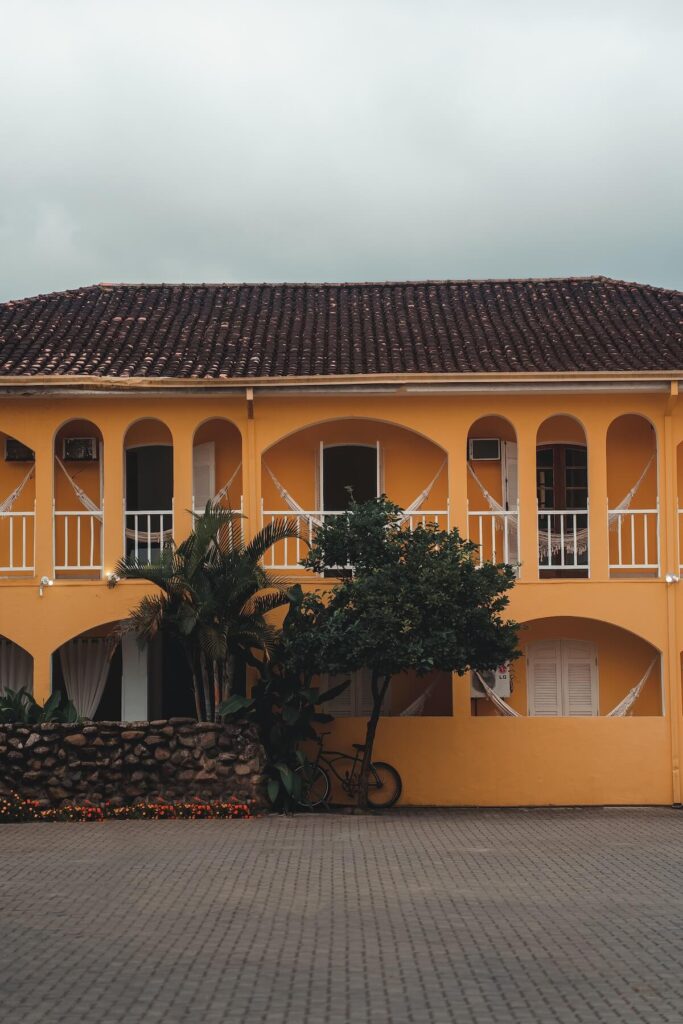
Take advantage of inclusive rates: Look for hotels that offer breakfast as part of the room rate. This can help you save on food expenses and start your day with a hearty meal.
Stay in shared accommodations: If you’re open to meeting fellow travelers, consider staying in hostels or shared rooms, which offer a budget-friendly option and the opportunity to socialize with other like-minded travelers.
Transportation costs in Brazil
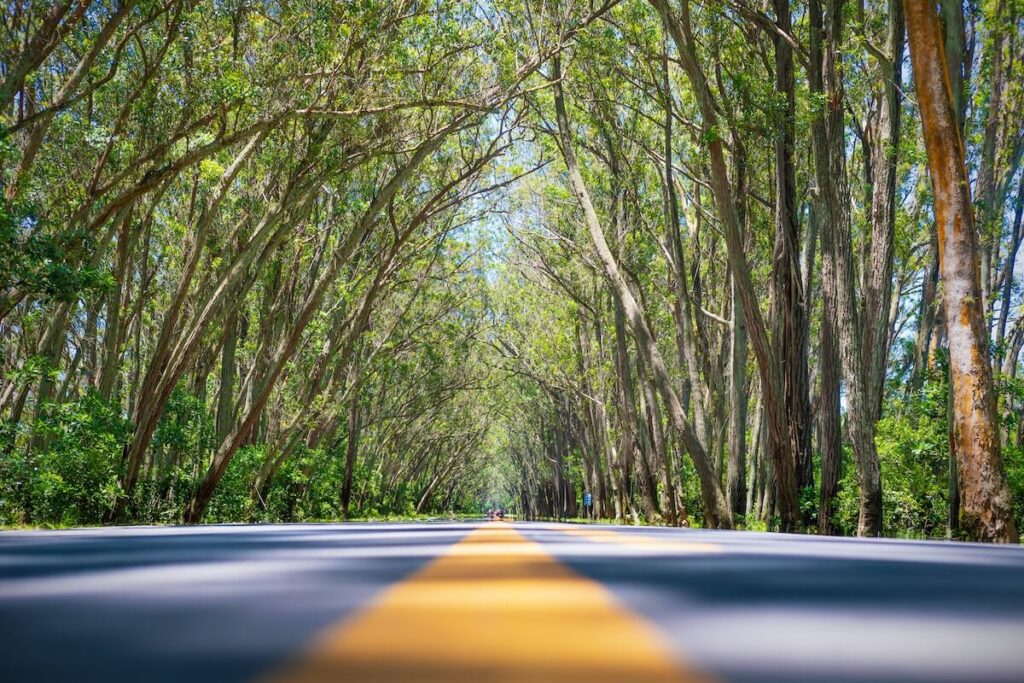
While Brazil may lack a cross-country railroad system and low-cost airlines, there are still ways to get around efficiently for cheap.
Coach buses: This is one of the most common and cost-effective modes of transportation in the country. They offer an extensive network that connects cities and towns across the country.
Opting for coach buses can save you money compared to domestic flights, especially for longer distances. Look for reputable bus companies that offer comfortable seating and reliable service.
Car rentals: If you prefer the flexibility of having your own wheels, renting a car can be a convenient option for exploring Brazil. The average price for a gallon of gas currently stands at $4.20, while a fully insured basic car will cost you $35/day.
This estimate may seem quite inviting, but bear in mind that parking fees in major cities and interstate road tolls can exponentially increase the cost of getting around the country in a rental car.

Air travel: While domestic flights can be more expensive in Brazil compared to some other countries, they can still be a viable option for long distances (e.g. Rio-Amazon) or when time is a constraint.
When booking flights, be sure to compare prices from different airlines and look for flash sales. Plus, consider flying during off-peak seasons or on weekdays when fares are generally lower.
Cheap souvenirs in Brazil
When it comes to bringing keepsakes from your trip to Brazil, you can find way more authentic and representative items than the tired fridge magnets and key holders without breaking the bank.
One popular and affordable option is Havaianas flip flops, the iconic Brazilian footwear. These comfortable and stylish sandals can be found for around $5 to $20, depending on the style and design you choose.
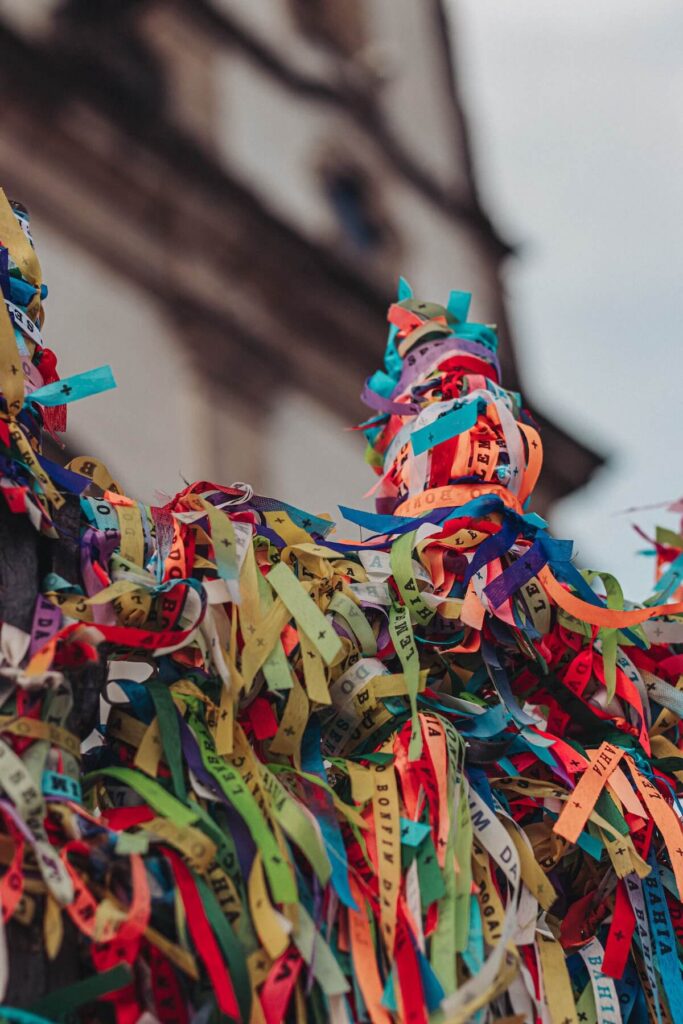
Another unique and inexpensive souvenir is the Bonfim wish ribbon. These colorful ribbons are tied around the wrist with three knots. Legend has it that when the ribbons wear off and fall naturally, your wishes will come true.
You can find Bonfim wish ribbons for just a few dollars at religious shops or street vendors in cities like Salvador—Brazil’s first capital, where the ribbons originated—or Rio de Janeiro.
Brazil boasts a vibrant music scene that has given birth to a wide range of genres, such as the jazzy bossa nova. So bringing a few Brazilian vinyl records home is a fantastic and off-the-beaten-path option, with prices normally ranging from $10 to $30 per record.
If you’re after something more interactive, consider purchasing a traditional Brazilian instrument like the berimbau. This musical bow is widely associated with capoeira, an Afro-Brazilian dance and martial art. You can find berimbaus for approximately $20 to $50.
When it comes to edible souvenirs, Brazil has got you covered. Coffee lovers can bring home high-quality Brazilian coffee beans for approximately $5 to $10 per bag.

Cachaça, the national sugarcane liquor, can be found for around $10 to $20 per bottle, which makes it an affordable and authentic choice for those who enjoy a good drink.
For a sweet treat, consider buying bolo de rolo, a jelly roll from the state of Pernambuco, or doce de leite, a caramelized milk spread that you may know by the Spanish name dulce de leche. These delights can be purchased for around $5 to $10, depending on the size and packaging.
Free things to do in Brazil

Whether you’re exploring stunning beaches, discovering Brazil’s cultural heritage, or appreciating its natural wonders, these experiences will create lasting memories without costing a penny. Enjoy!
Go beach hopping in Rio de Janeiro: Start at Ipanema Beach, known for its stunning scenery, lively beach culture, and rhythmic waves perfect for swimming and surfing. Stroll along the promenade and soak up the vibes until you reach the equally iconic Copacabana Beach.
Explore Sao Paulo’s Ibirapuera Park: At this sprawling green oasis in the heart of the city, you can have a picnic, visit the exhibitions of the Museum of Modern Art (free on Sundays) and the Afro-Brazil Museum (free on Wednesdays), take a leisurely bike ride, or simply relax amid nature.
Watch the sunset at Porto da Barra Beach in Salvador da Bahia: As the sun dips into the Bay of All Saints, casting vibrant hues across the sky, find a cozy spot on the soft golden sand and watch as the city’s electric atmosphere blends with the tranquility of the ocean.
Hike through the Amazon Rainforest: While visiting the Amazonian cities of Manaus and Belém, take a self-guided hike through designated trails, listen to the symphony of sounds from the wildlife, and marvel at the lush flora and fauna that surrounds you.

Wander through the cobblestone streets of Ouro Preto: Discover the charm of this UNESCO World Heritage Site in the state of Minas Gerais and marvel at the beautifully preserved colonial architecture. Visit the open churches and soak up the historic ambiance.
Admire the Monumental Axis of Brasília: Designed by renowned architect Oscar Niemeyer, the capital of Brazil is a UNESCO World Heritage site known for its modernist buildings and urban planning. Take a self-guided tour and enjoy the city’s vast expanses and lofty architecture.
Brazil budget per day

You can easily travel through Brazil on a daily budget of $45 to $70, on average. Of course, the overall cost will vary substantially according to several factors, including your travel style and the specific destinations you want to visit.
Rio and Sao Paulo, for example, are way more expensive to both visit and live in than northeastern coastal cities like Salvador da Bahia and Recife. Likewise, the countryside tends to be more affordable than the coasts.
Still, by making wise choices and being mindful of your expenses, you’ll have an incredible time in Brazil. You can make that happen by relying on public transportation to get around, dining in self-service buffet-style eateries, and following the few extra tips I’ll give you next.
More tips for exploring Brazil on a budget

Remember that traveling on a budget doesn’t mean sacrificing experiences. With planning, a sense of adventure, and an open mind, you can enjoy the wonders of Brazil for cheap. If that’s your no. 1 goal, I’m sure you’ll enjoy these tips for exploring Brazil on a budget.
Choose the right time to visit: Consider traveling during the shoulder seasons—especially October and November—when flights and accommodations are typically more affordable. Avoiding December-February, which is the height of summer, can help you save money.
Ditch air travel: Instead of expensive domestic flights, explore the country using local transportation options like buses. Apart from being cheaper, they also provide a great opportunity to experience the local culture and interact with fellow travelers.
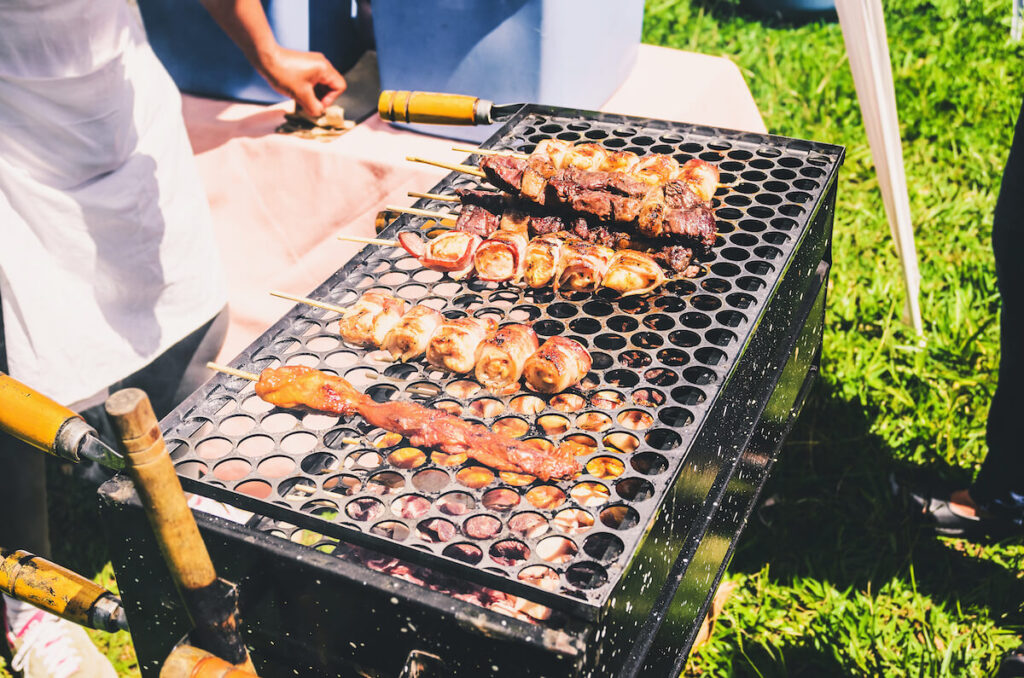
Embrace street food: Brazil is home to finger-licking finger food that is typically extremely affordable. Indulge in local delights like acarajé (black-eyed pea fritter with dried shrimp filling), coxinha, or açaí bowls to get a true taste of Brazilian cuisine without digging into your life savings.
Stay in budget accommodations: Look for guesthouses, hostels, or budget hotels that offer comfortable and affordable options. Consider staying in residential neighborhoods with access to public transportation rather than touristy areas.
Explore free attractions: Brazil is rich in natural beauty and cultural heritage, and many attractions are free to visit. Take advantage of the country’s stunning beaches, explore city parks, visit local markets, and enjoy free festivals and events.
Connect with locals: Brazilians are known for their warmth and hospitality. Engage with them, make friends, and seek their recommendations for affordable dining, hidden gems, and lesser-known attractions.
Keep your expenses in check: While exploring Brazil, it’s important to keep an eye on your expenses. Set a daily budget, track your spending, and prioritize experiences that align with your interests and budget.
So… is Brazil expensive to visit?

Well, that really depends on your perspective and what you consider expensive. Though it may not be as pricey as destinations like Scandinavia or Japan, it’s worth noting that Brazil can be relatively more expensive compared to some other South American nations like Peru.
When exploring Brazil, expect to spend around $45 a day as a budget traveler. This amount may vary depending on your spending habits, the regions you visit, and the exchange rate of the Brazilian Real vis à vis the dollar (which is slowly becoming less favorable to foreigners).
Don’t be discouraged, though. With some good planning and budgeting, you can spend as long as two amazing weeks in Brazil for a little more than 600 bucks (+airfare). So what are you waiting for? Pack your bags and set off for Brazil right away! Boa viagem!