
*This article may contain affiliate links. For full information, please see the disclaimer here.
I still remember the feeling of arriving in Bangkok for my first solo trip. The sounds, the smells, the sights… Bangkok is an assault on the senses—in the best possible way. I was instantly hooked and have been dreaming of my return ever since.
Located in the heart of Southeast Asia, Thailand’s capital is a sprawling metropolis where ancient temples stand alongside futuristic skyscrapers, and the streets hum with the constant energy of commerce and cuisine. Bangkok is famous for its incredible street food scene, opulent royal palaces, bustling night markets, and the Chao Phraya River that cuts through the city. It truly is a city that captures your heart, even on a short visit.
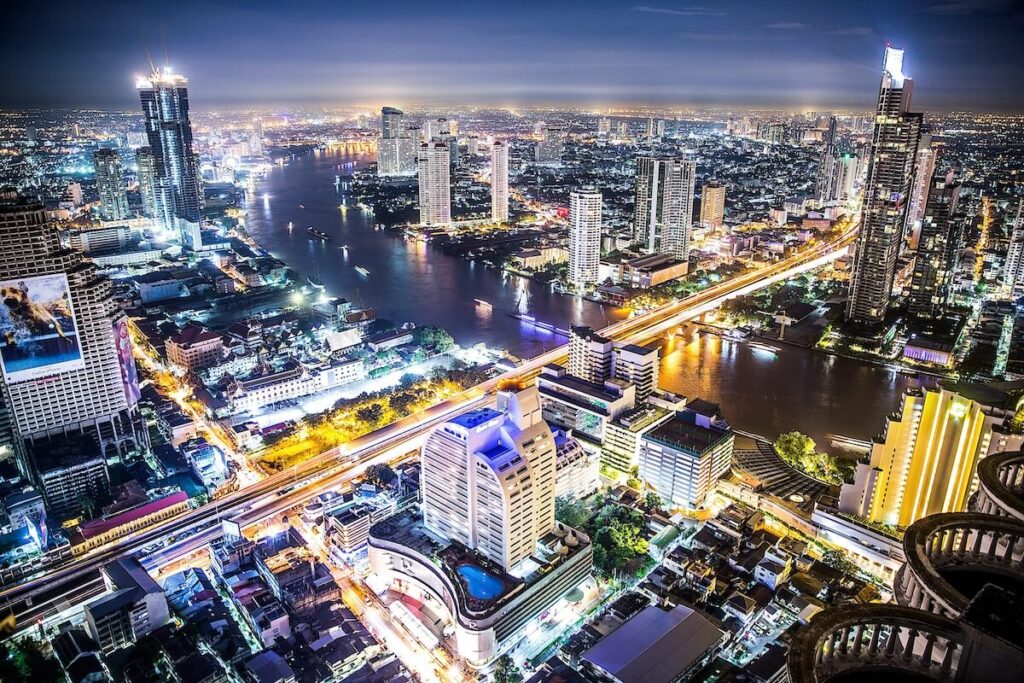
A mere four days in Bangkok may seem like a challenge, as the city is vast and offers an almost overwhelming number of things to see and do. Honestly, you could spend weeks here and still not scratch the surface!
However, this 4-day Bangkok itinerary is designed to give first-time visitors a perfect blend of the iconic must-sees and a few of my favorite local spots.
We’ll cover the awe-inspiring Grand Palace, the organized chaos of the famous weekend markets, legendary dishes like authentic pad thai and crab omelets, the backpacker hub of Khao San Road, and even markets outside the city. It’s the ideal duration to soak up the highlights, dive into the culture, and experience the buzz that makes Bangkok one of the world’s most rewarding destinations.
Table of Contents
Tips for your trip to Bangkok
Where to stay
Selecting where to base yourself can make or break a short trip, especially in a city as huge as Bangkok. For a 4-day Bangkok itinerary, you want to be somewhere well-connected and near the action. I’ve narrowed it down to four of the best areas for first-timers, each offering a distinct vibe.
The Riverside area offers stunning views and easy access to iconic sites like the Grand Palace via river taxi. For luxury, you can’t beat the legendary Mandarin Oriental, known for its unparalleled service and history. A great mid-range choice here would be the Chatrium Hotel Riverside, offering spacious rooms and fantastic pool views.
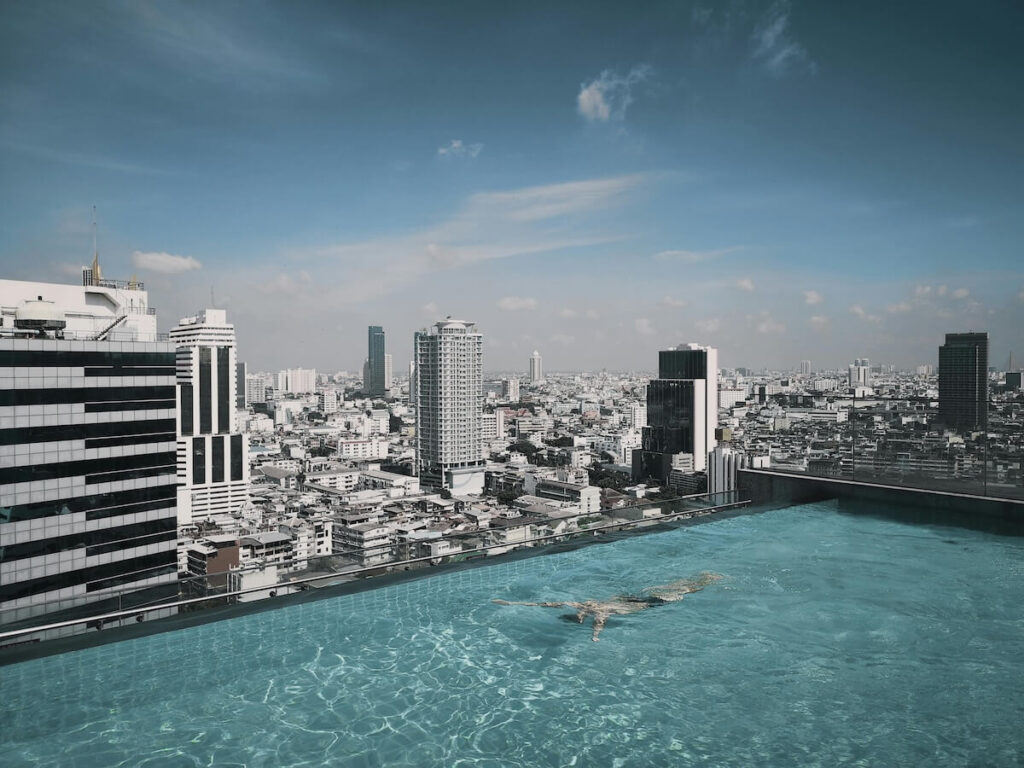
Next up is Sukhumvit, a massive area known for its modern convenience and lively nightlife. It’s a great choice if you prioritize being near the BTS Skytrain and MRT subway. Here, the SO/ Bangkok offers high design and a killer rooftop pool, while the Adelphi Suites provides apartment-style living near the main transport hubs. For budget travelers, the many excellent hostels near Asok or Phrom Phong offer clean, modern stays.
If you’re keen on shopping and ultimate central convenience, Siam is the place. I personally loved staying at Lub d Bangkok Siam, a highly-rated budget hostel with a fun, social vibe. It’s also perfect for stepping right out into the shopping malls. For luxury, the Siam Kempinski Hotel offers a lavish resort feel in the middle of the city.
Finally, there’s the Khao San Road area. While the road itself is pure backpacker chaos, the surrounding area offers some great boutique hotels and guesthouses. It’s ideal if you want to be close to the buzzing street life and historic temples, but beware—it’s not on the main rail lines.
The Rambuttri Village Inn is a solid mid-range choice offering a calm oasis near the action. For the true budget traveler, check out NapPark Hostel, which is famous for its social atmosphere and excellent central location.
How to get around
Navigating Bangkok’s urban sprawl can feel intimidating at first, but thankfully, the city has a diverse and efficient public transit system. Sure, there’s the infamous traffic, but you can zip above it on the clean, modern BTS Skytrain or dive underground via the MRT subway.
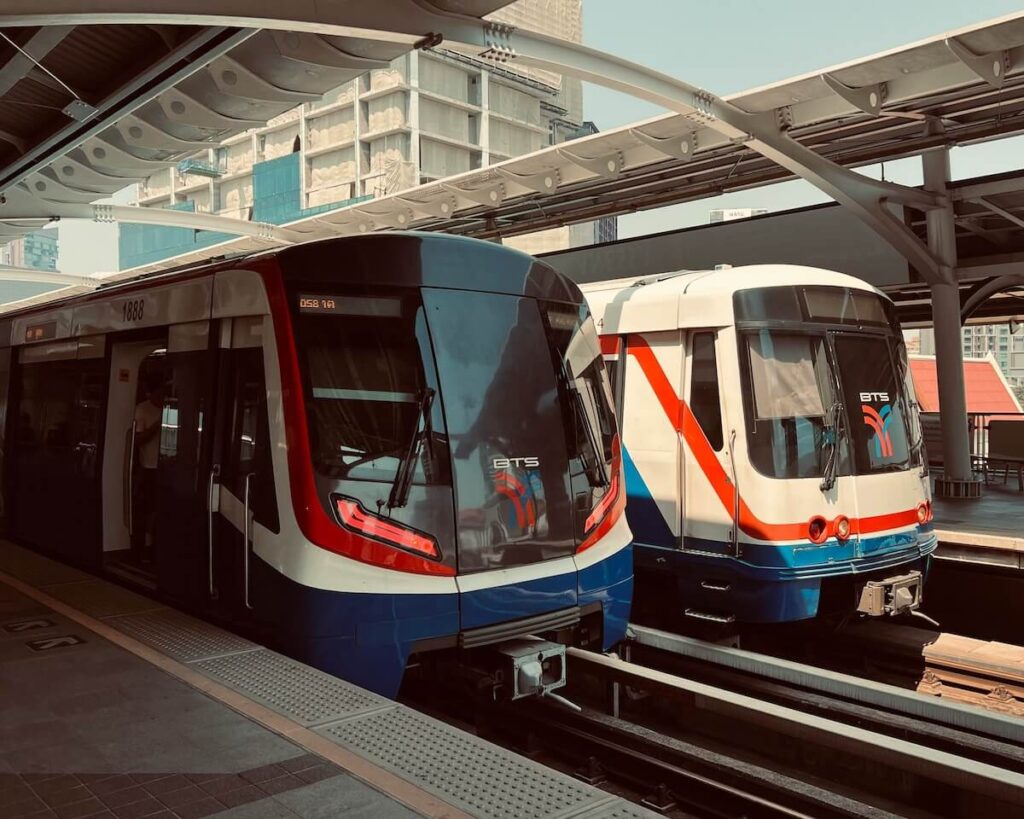
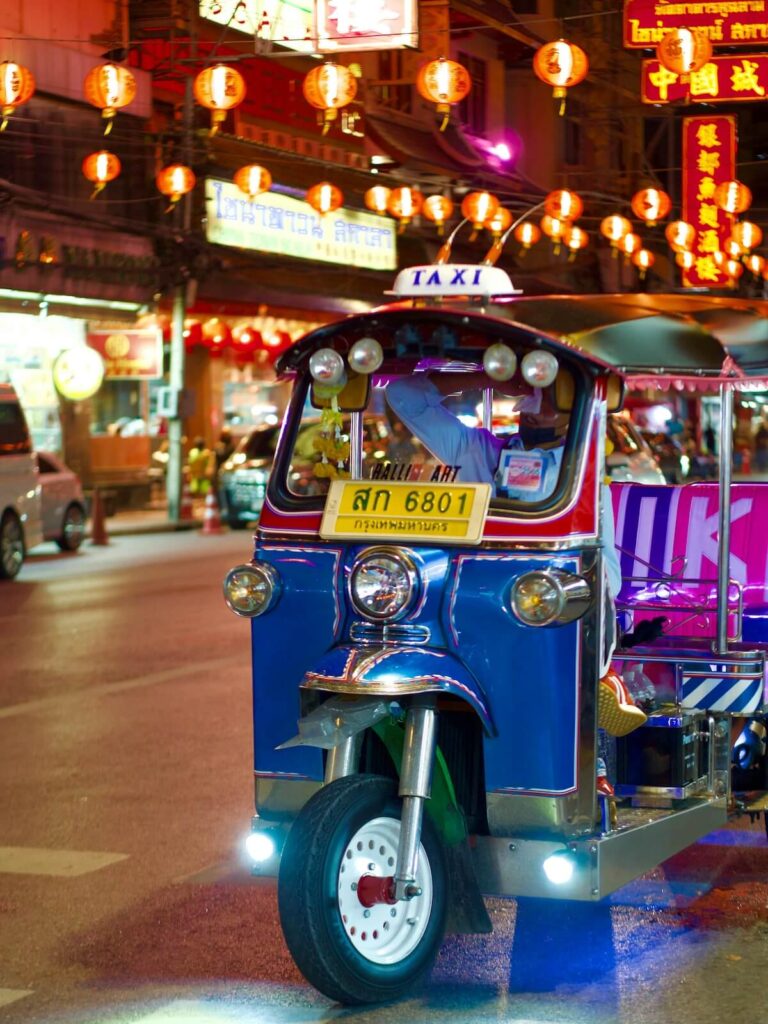
For iconic riverside attractions, the Chao Phraya Express Boats are not only practical but offer stunning views of the city’s historical heart. Of course, you’ll also see traditional metered taxis, the fun (but always haggle!) tuk-tuks, and ride-hailing apps like Grab for when you want a door-to-door lift.
For the trains, a huge time-saver is grabbing a Rabbit Card. This is a stored-value card you can load up with cash and use for effortless, tap-and-go travel on the BTS Skytrain, BRT buses, and Chao Phraya express boats. It saves you from constantly queuing for single-journey tickets. Some restaurants and attractions also offer discounts and promotions for cardholders.
Do note that Bangkok is simply not fully walkable—it’s too hot and the sidewalks can be a chaotic obstacle course of vendors and poles. Still, you’ll do plenty of walking between stops, so dress in breathable clothes, stay hydrated, and keep an eye out for vehicles!
To make your life easier and keep your stress levels low, I’ve included Google Maps links for every destination so you can check your route quickly.
What to do in Bangkok for 4 days
Day 1: The royals and the river
Your first day is all about diving headfirst into Bangkok’s incredible past and icons. Go straight to the heart of the city’s heritage, the Rattanakosin historic district, while focusing on history, architecture, and the beautiful Chao Phraya River.
Start by exploring the glittering majesty of the Grand Palace and the colossal Reclining Buddha at Wat Pho. From there, cross the river to admire the porcelain artistry of Wat Arun, maybe take a quiet canal tour to see the charming Baan Silapin, and wrap up the day with a fun, buzzing night out on Khao San Road.
Morning: The Grand Palace and Wat Pho
To conquer the heat and the crowds, you absolutely must start your day early. If you need a quick boost, grab a classic Thai iced coffee, or oliang, and a fresh pastry from any 7-Eleven; they are everywhere and a lifesaver!
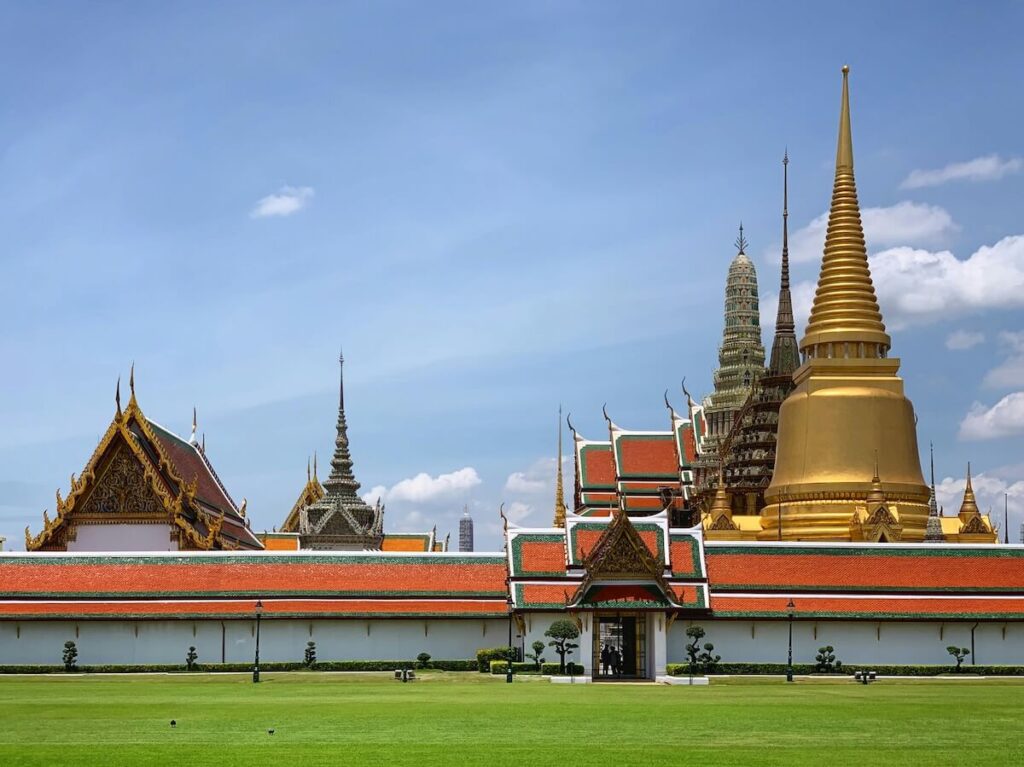
Your first major stop is the glittering, unmissable Grand Palace complex, which includes the revered Wat Phra Kaew (Temple of the Emerald Buddha). Remember the strict dress code here—shoulders and knees must be covered for both men and women, or you won’t be allowed in. The sheer opulence and detail of the architecture here are breathtaking.
Once you’ve soaked up the royal history, take a short walk to Wat Pho (The Temple of the Reclining Buddha). Seeing that colossal golden statue up close is something I’ll never forget.
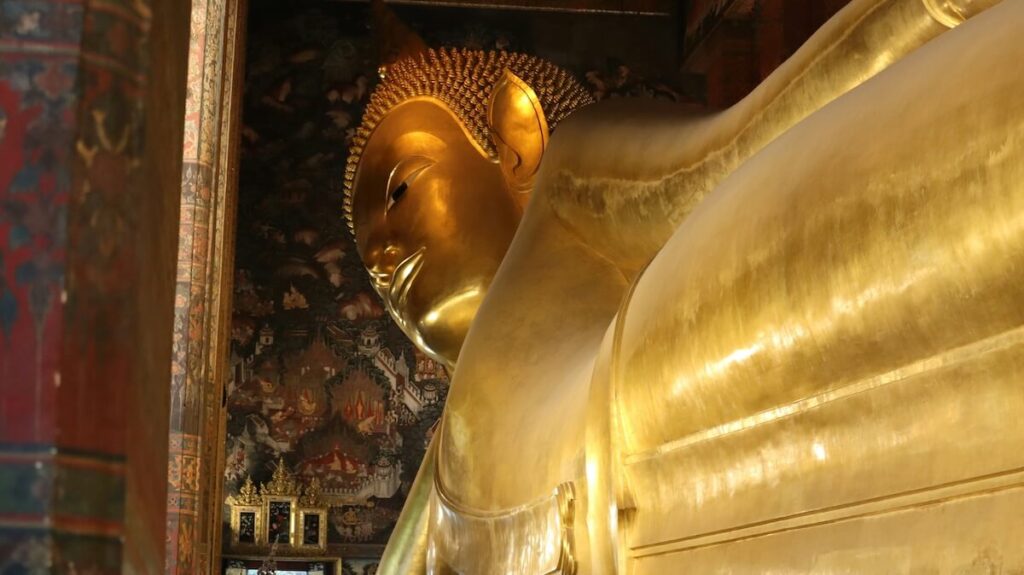
This temple is also home to a famous traditional Thai massage school. If you find yourself drained after all that walking, treat yourself to a quick 30-minute foot massage at Wat Pho to recharge your batteries; you can ask your hotel to call ahead and check availability.
If you prefer to have all the logistics handled, consider this Grand Palace and Wat Pho half-day guided tour to ensure you don’t miss any historical context.
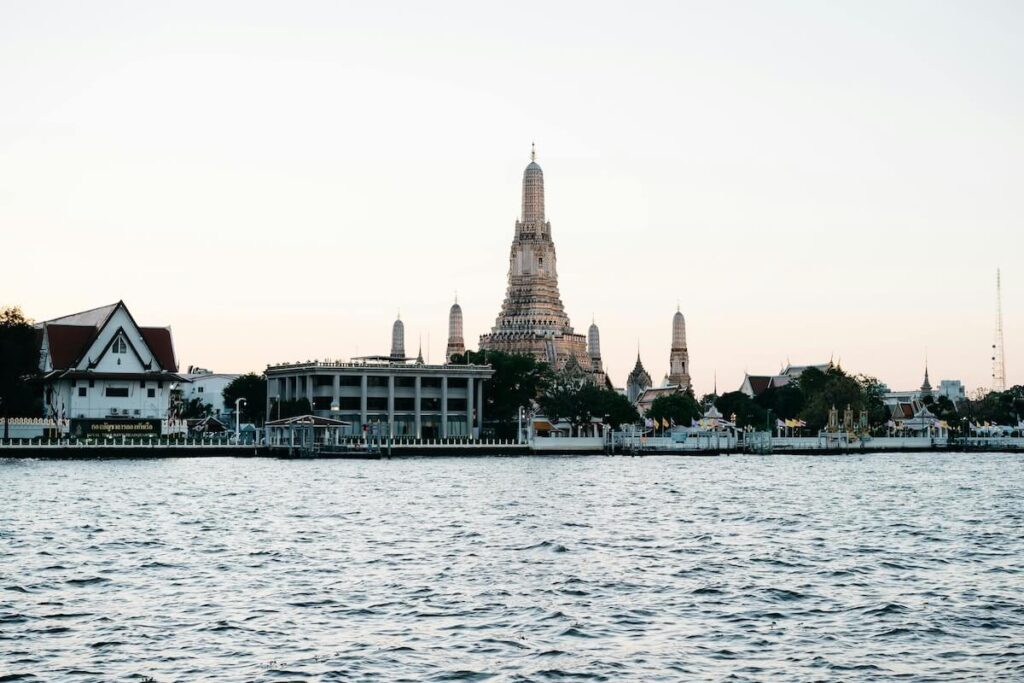
For lunch, head to The Deck by Arun Residence. Sit by the river and enjoy a fantastic view of Wat Arun across the water while dining on excellent Pad Thai or a rich, deep-fried soft shell crab.
Afternoon: Wat Arun and Baan Silapin
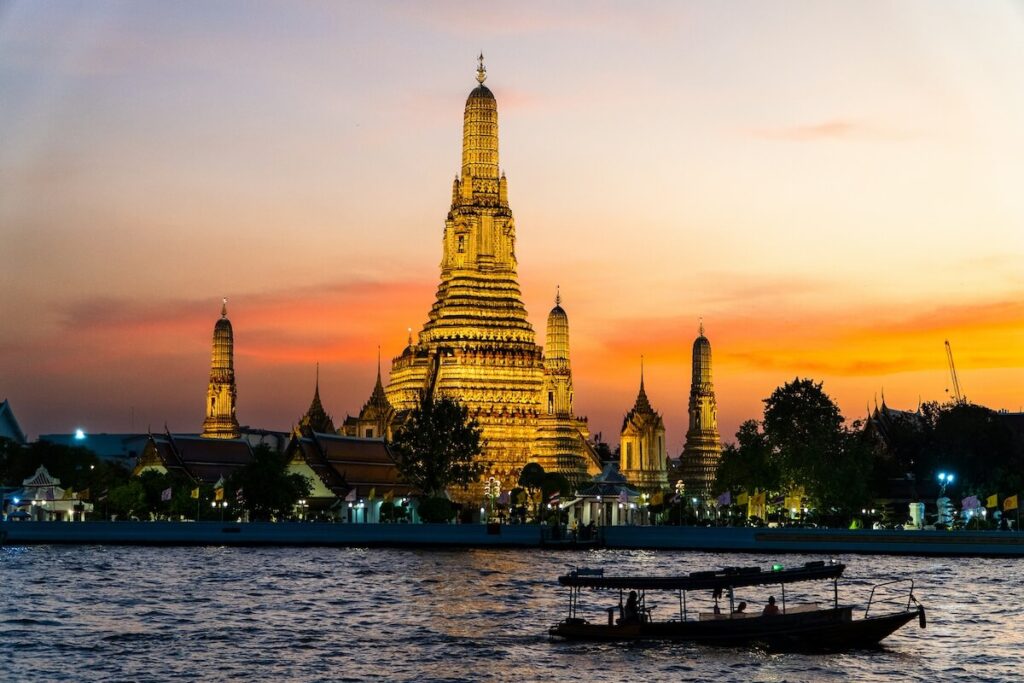
After lunch with a view, it’s time to take the famous cross-river ferry for a tiny fee to reach Wat Arun, the magnificent Temple of Dawn. You’ve been admiring it from the restaurant, but seeing it up close is a totally different experience.
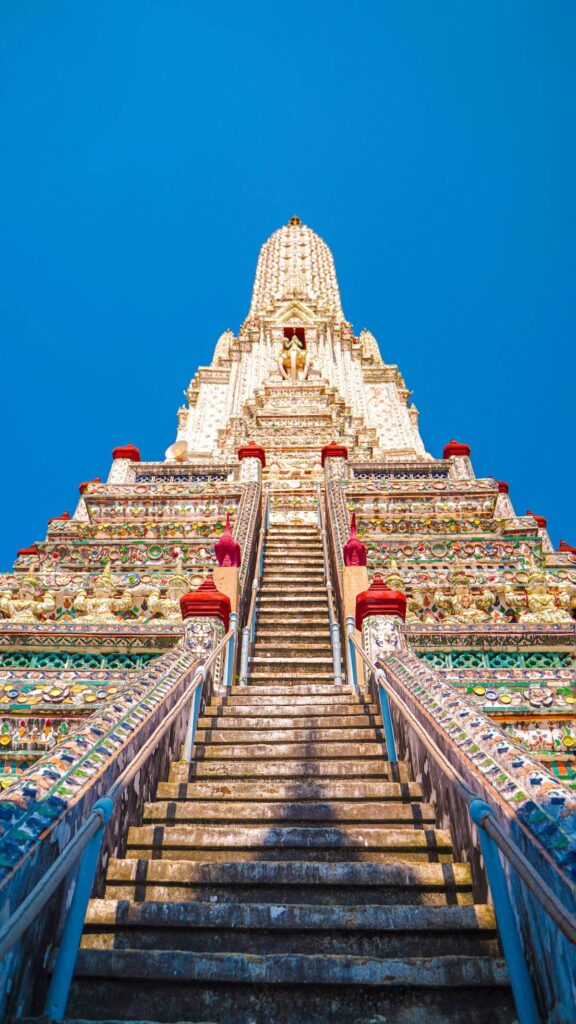
Wat Arun’s central spire, or prang, is unbelievably ornate; it’s decorated with thousands of tiny pieces of vibrant, colorful Chinese porcelain and seashells that shimmer brilliantly in the sun. This is one of the few temples you were traditionally allowed to climb (check current visitor rules!), and the steep steps represent the difficulty of reaching enlightenment.
If you want to fully appreciate the historical context, consider this audio guide app for Wat Arun to deepen your visit.
Next, you’ll trade the grand river for the quiet charm of the city’s backwaters. Hire a long-tail boat for a khlong (canal) tour, which offers a genuinely cool contrast to the bustling city center.
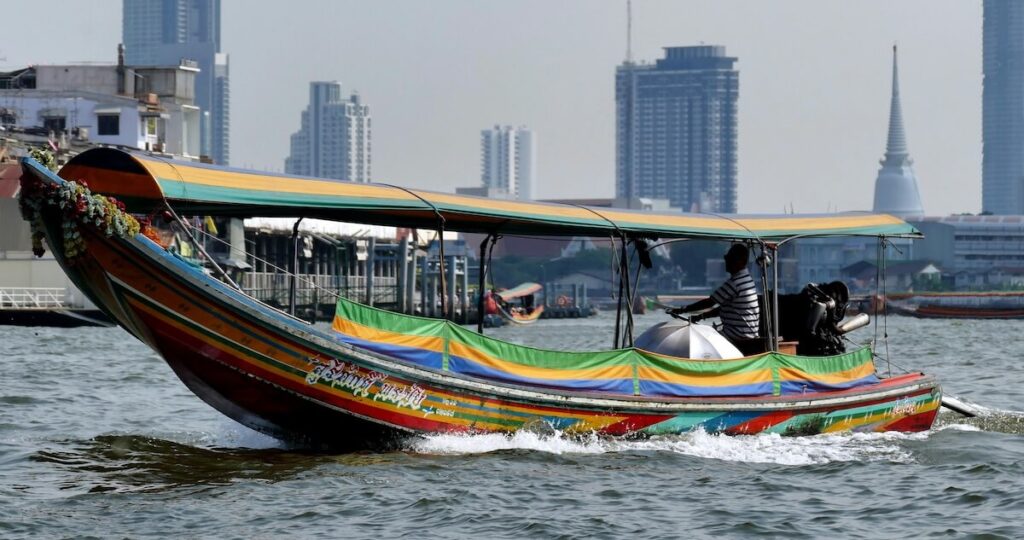
As you zip through the network of narrow waterways on the Thonburi side, you get a beautiful glimpse into the “Venice of the East” era, where traditional wooden stilt houses line the banks. This is local life, untouched by the Skytrain lines.
A must-see stop on the tour is the delightful Baan Silapin (The Artist’s House), a two-century-old wooden house on the water. It’s a low-key creative hub that sometimes hosts traditional Thai puppet shows (check the schedule!), and it’s a perfect hidden gem to grab a drink and relax before the evening rush.
If you’re not comfortable haggling for a private boat, a pre-booked longtail boat canal cruise is a great, stress-free option.
Evening: Khao San Road and Rambuttri Road
For dinner tonight, you have a couple of world-class, but very different, choices right near your final destinations.
If you’re a serious foodie and feel like braving a queue that can sometimes take hours, you can try for a table at the Michelin-starred Jay Fai. This legendary street stall is run by a chef in goggles who cooks an absolutely sublime, expensive, but unforgettable crab omelet.
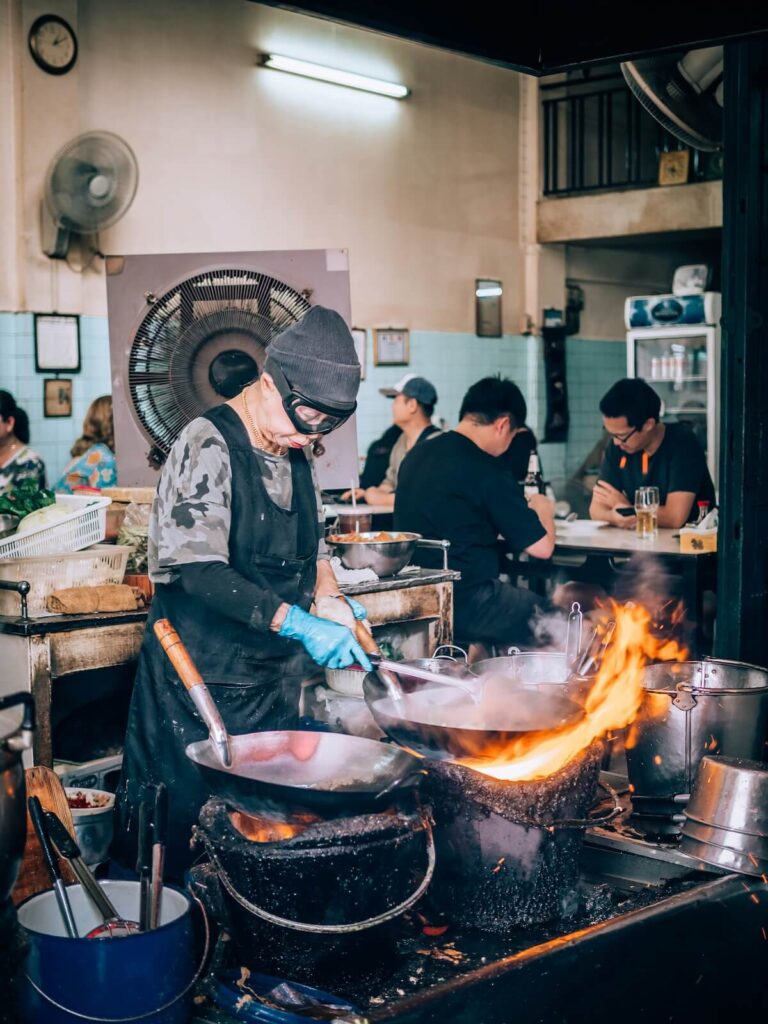
If you want a taste of this icon, you must plan months in advance for a reservation, or be prepared to join the infamous standby queue extremely early.
A fantastic, and much more accessible, alternative is Thipsamai, which is just down the street. This place is an institution and is famous for its Superb Pad Thai that’s delicately wrapped in a thin egg crepe. This delicious, iconic Bangkok street food experience perfectly rounds out a day of historical sightseeing.
Once you’re full, it’s time to explore the famed Khao San Road. It’s touristy, loud, and gloriously chaotic, but it’s a rite of passage! Here, you can shop for cheap elephant pants, grab a colorful “bucket” cocktail, or, if you’re feeling adventurous, snap a photo with some fried insects.
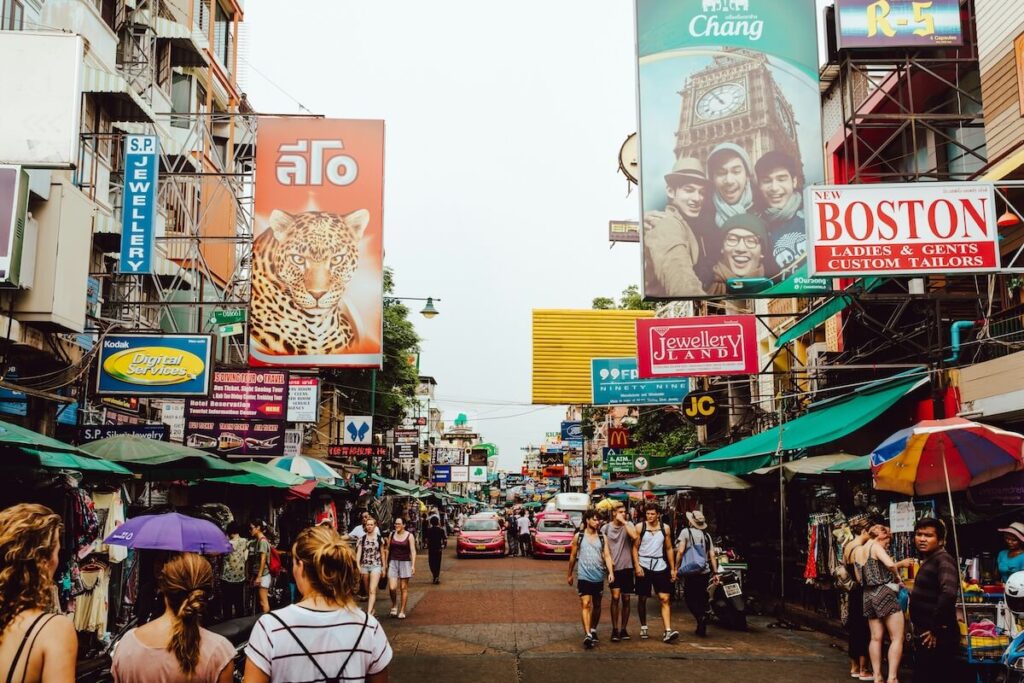
Just adjacent is Rambuttri Road, which offers a slightly quieter, more relaxed atmosphere with charming outdoor cafes and bars set under large trees. It has a similar, fun buzz without the frantic energy of its neighbor.
Regardless of which road you choose, before calling it a night, treat yourself to a cheap, invigorating Thai massage from one of the many open-front parlors. If you didn’t manage to get a quick foot massage at Wat Pho earlier, now is the time to unwind all those walking muscles!
Day 2: Market madness and modern heights
The second day is a fascinating contrast, designed to show you two very different sides of the Thai experience. It’s a perfect blend of old-world charm and modern spectacle.
Kick off by heading outside of the city to witness the unique spectacle of the Damnoen Saduak Floating Market, where vendors paddle their boats piled high with produce and souvenirs. Then, transition seamlessly back to Bangkok’s sophisticated side. You’ll be exploring the gorgeous traditional architecture and unique history of the Jim Thompson House or modern Thai art at the BACC (Bangkok Art and Culture Centre).
Finish the day scaling one of the city’s highest points—the King Power Mahanakhon Skywalk—for an unforgettable, glittering panoramic view.
Morning: Damnoen Saduak Floating Market and Maeklong Railway Market
Today, you’re leaving the immediate city limits for a few hours to experience one of Thailand’s most unique cultural icons: the floating market. It’s the classic image you have of Thailand—vendors paddling long boats piled high with tropical fruit, local sweets, and colorful souvenirs.
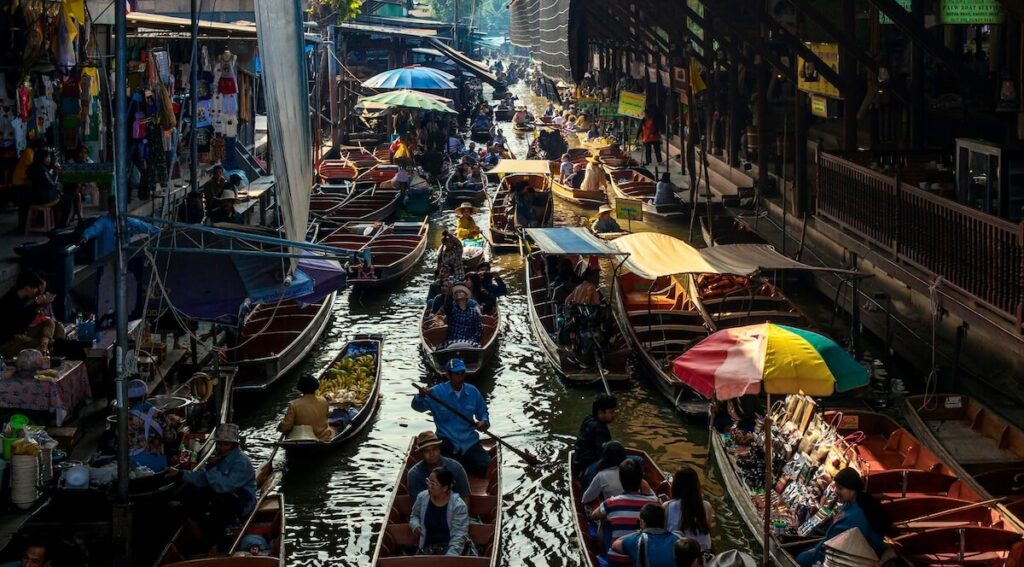
While Damnoen Saduak Floating Market is outside of Bangkok, it’s close enough for an essential half-day trip and absolutely worth the early wake-up call. Since you’ll be starting early, save the big breakfast for later and grab simple street snacks right from the boats. Make sure to try khanom krok, those delicious little warm coconut pancakes.
Many of the most efficient tours, like this popular half-day tour, smartly combine the floating market with the spectacular Maeklong Railway Market.
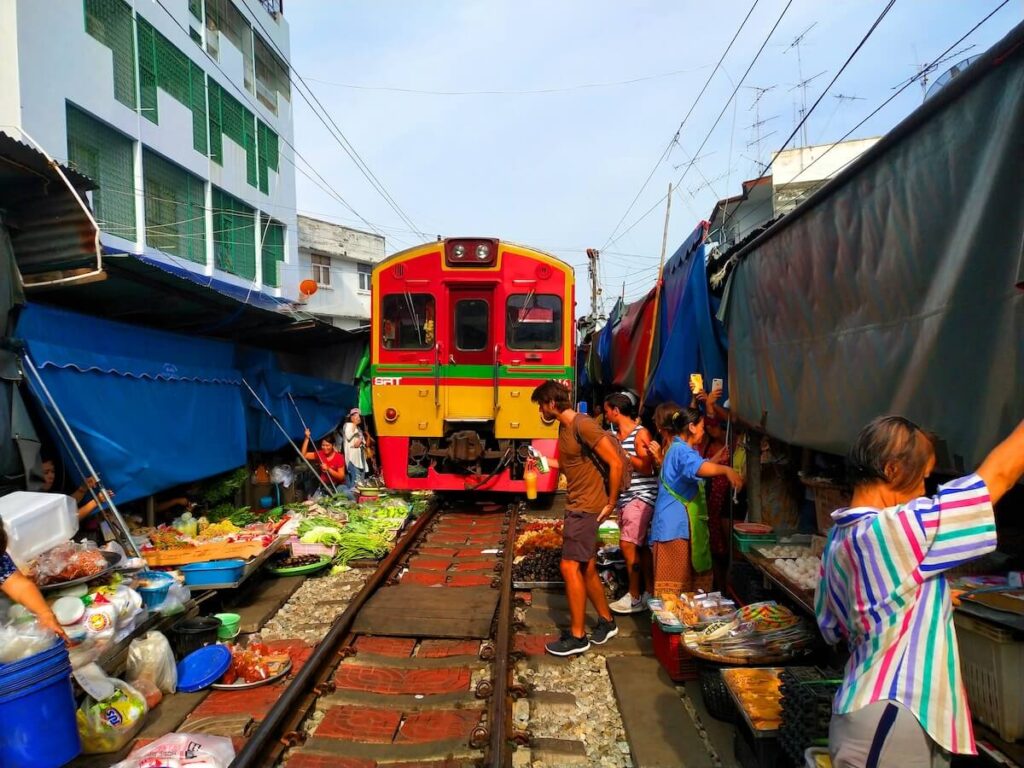
This is an active and chaotic place, with vendors setting up shop literally on the train tracks. As soon as a loud horn blows, in a rapid, practiced sequence, every single vendor instantly pulls back their awnings (hence its nickname, Talad Rom Hup, or Umbrella Pulldown Market). The organized chaos is simply fascinating to watch!
Afternoon: ICONSIAM, Jim Thompson House, and BACC
Once you return to the city center from the floating market, you’ll be ready for some air-conditioned heaven.
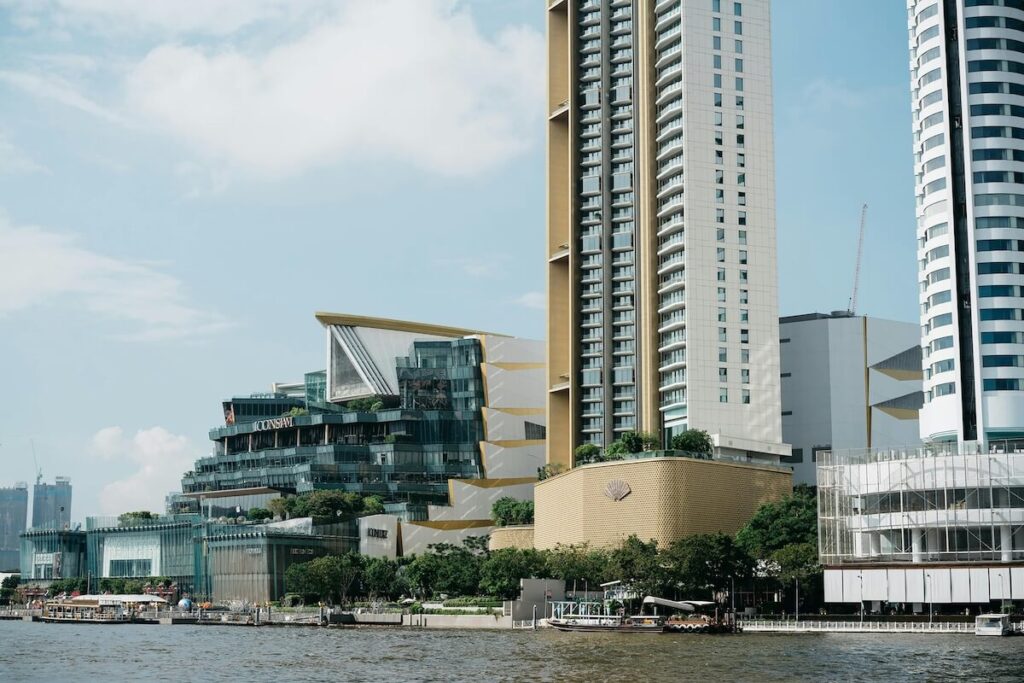
If you didn’t have lunch back at Maeklong, consider heading to the ICONSIAM. Inside this mall, you’ll find the stunning SookSiam, which is like an indoor floating market—a beautifully curated space packed with amazing regional street food options in a gorgeous setting. It’s a great way to taste the breadth of Thai cuisine without stepping back outside into the heat.
Next, make your way to the Jim Thompson House, one of my favorite peaceful sanctuaries in Bangkok. Tucked away on a khlong (canal) just steps from the bustling Siam area, this gorgeous complex of traditional Thai teak houses was home to the American entrepreneur who single-handedly revived the Thai silk industry after World War II.
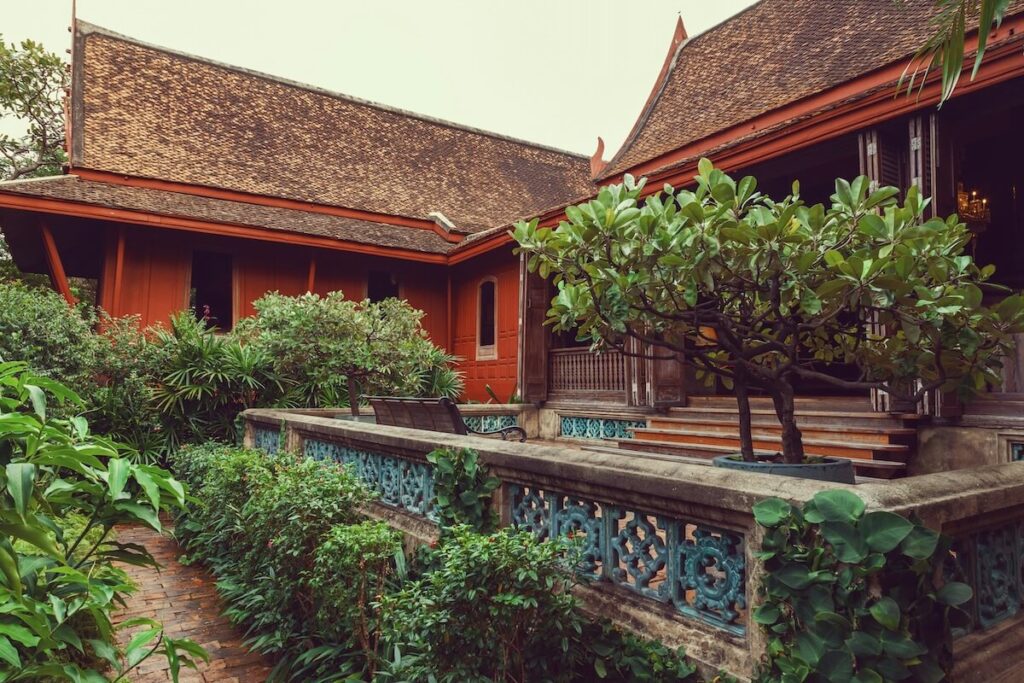
The house is preserved as it was when Jim Thompson mysteriously disappeared in Malaysia in 1967. You can get tickets here (which includes hotel pick-up), and learn fascinating trivia about his life, his art collection, and his disappearance.
If you still have time and energy, take a quick walk over to the Bangkok Art and Culture Centre (BACC). Entry is free, and the building itself is an architectural marvel with its sweeping spiral walkways.
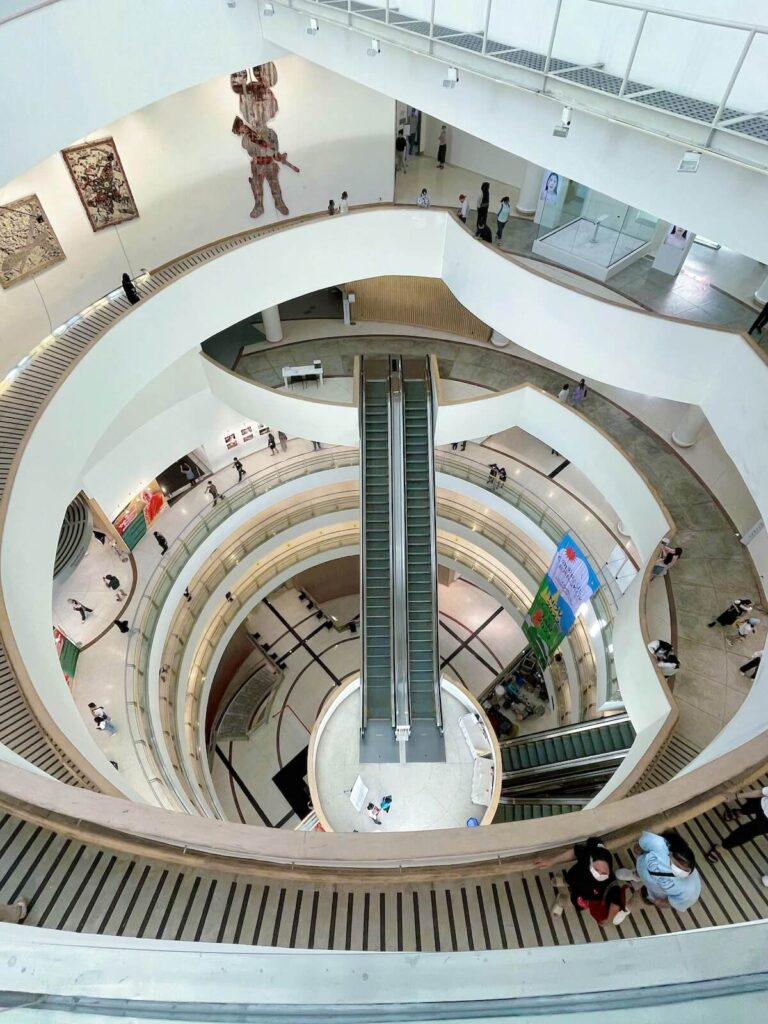
I personally loved browsing the free galleries here, hunting for unique stationery and accessories at the small shops, and grabbing a coffee at Gallery Drip Coffee (they serve specialty coffee!) on the ground floor. If you want to see modern Thai creativity and cool down before heading to the evening’s high-altitude adventure, this is the place to be.
Evening: King Power Mahanakhon and Banyan Tree
As the afternoon light softens, it’s time for an incredible sunset experience. Head over to the King Power Mahanakhon, easily recognizable by its unique, pixel-like facade.
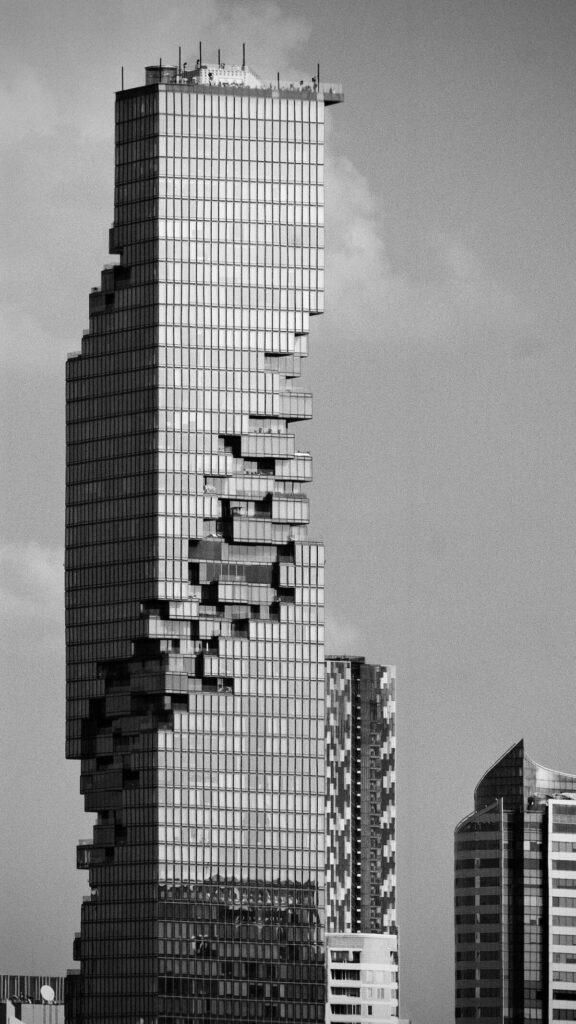
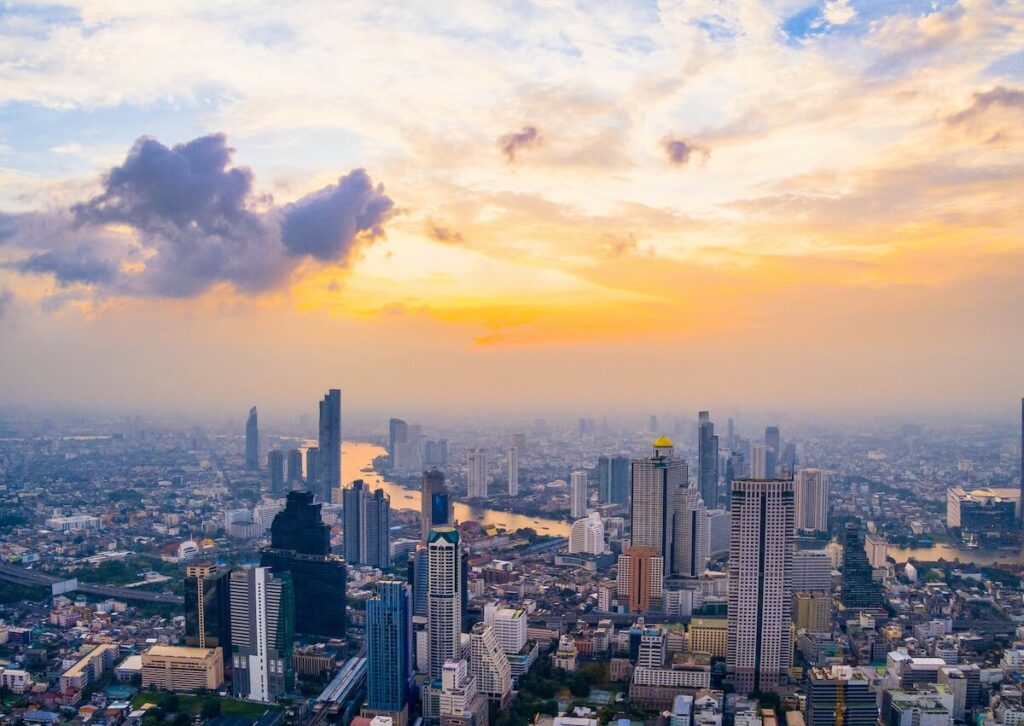
Take the rapid, multi-media elevator up to the 74th floor, and then continue up to the Outdoor Observation Deck on the 78th floor—Thailand’s highest. I recommend timing your visit for around 5:00 PM to catch the transition from day to dusk, as the glittering cityscape lights up beneath you.
The absolute highlight here is the famous Glass Tray, a transparent platform suspended 310 meters above the ground. Walking out onto it feels terrifying and exhilarating all at once! (Note: you have to remove loose items like your phone before stepping onto the glass, but the staff will take photos for you from the edge.) Pre-booking your entry ticket is always smart to skip the line.
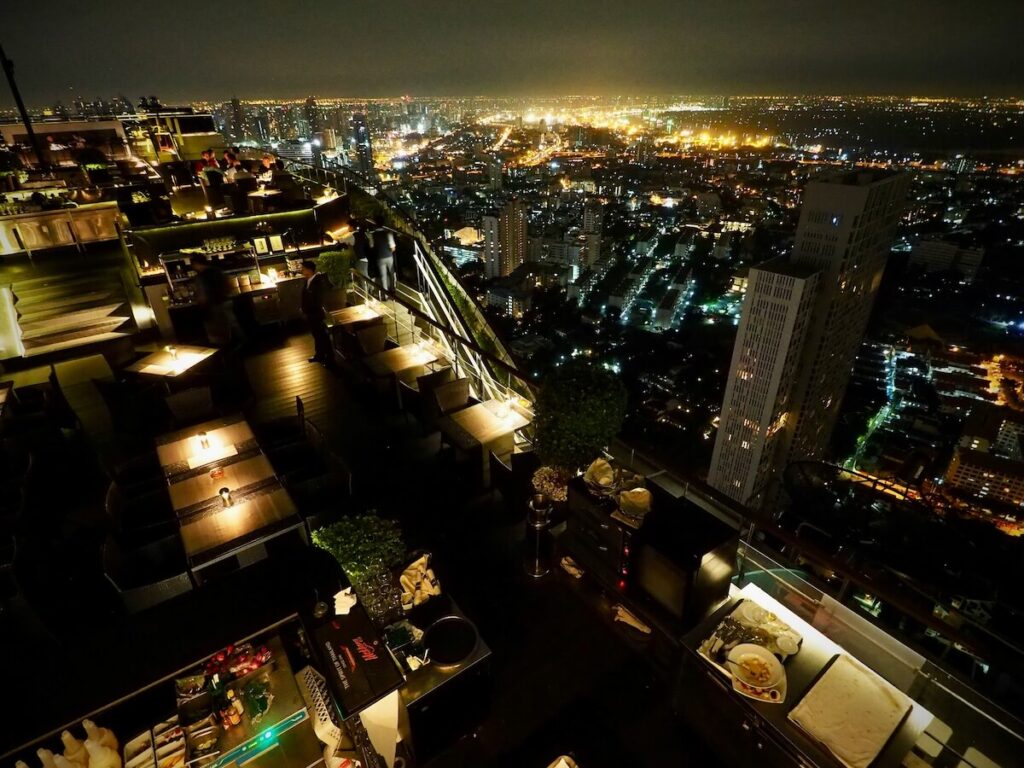
After the skywalk, treat yourself to a splurge dinner or a cocktail at the Vertigo & Moon Bar Rooftop at the Banyan Tree Hotel. This alfresco, elongated rooftop offers unforgettable 360-degree panoramic views. Remember, Vertigo & Moon Bar enforce a smart casual dress code (no shorts or flip-flops for men!), so make sure you’re dressed appropriately for a sophisticated final touch to your adventurous day.
Day 3: Ancient wonders
Dedicate your third day to a deep dive into Thailand’s glorious past. Since the ancient capital of Ayutthaya—a UNESCO World Heritage site—is located 80 kilometers north of Bangkok and is vast, a full day is necessary. This is best done via an organized tour or a private driver/taxi to cover the large area and minimize logistics stress.
You’ll spend the day walking among the hauntingly beautiful remains of the city that was once the economic and political center of the world. Then, after returning to Bangkok, you’ll trade ancient Siamese ruins for the vibrant, historic chaos of Yaowarat Road, one of the oldest Chinatowns in the world.
Morning and afternoon: Ayutthaya
Start your morning with a local favorite—a warm bowl of jok (savory rice porridge) from a street vendor. You’ll need this to fuel your journey.
It’s best to depart Bangkok between 7:00 AM and 8:00 AM to beat the worst of the traffic; the drive takes about 90 minutes, but it feels like traveling back centuries.
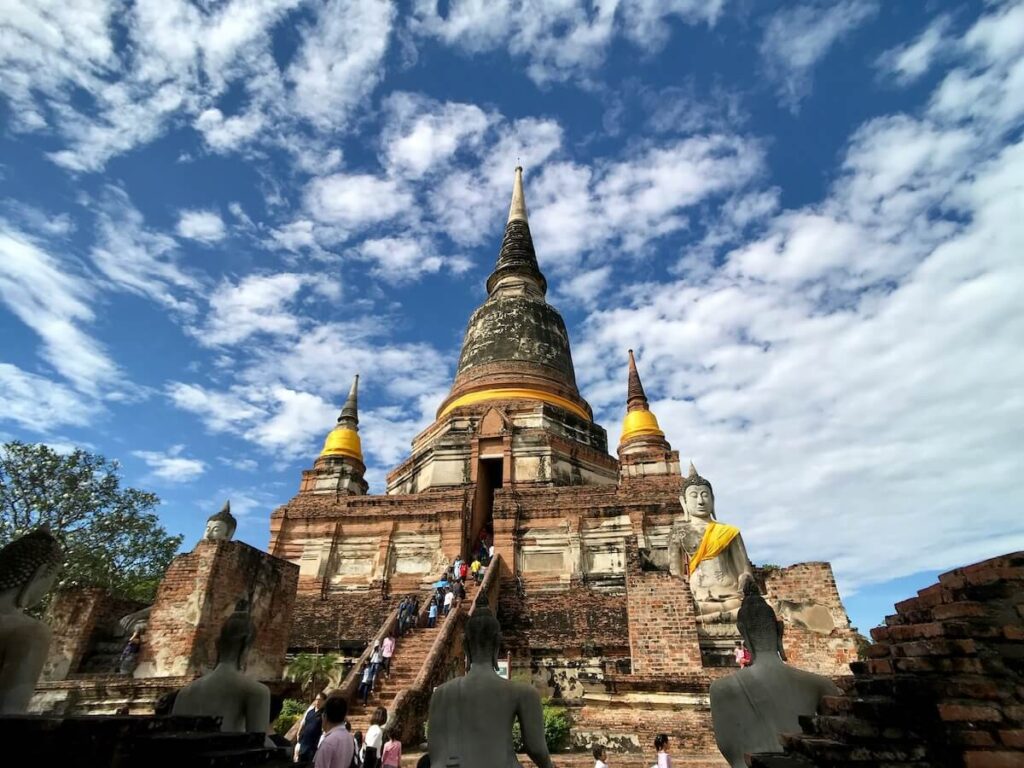
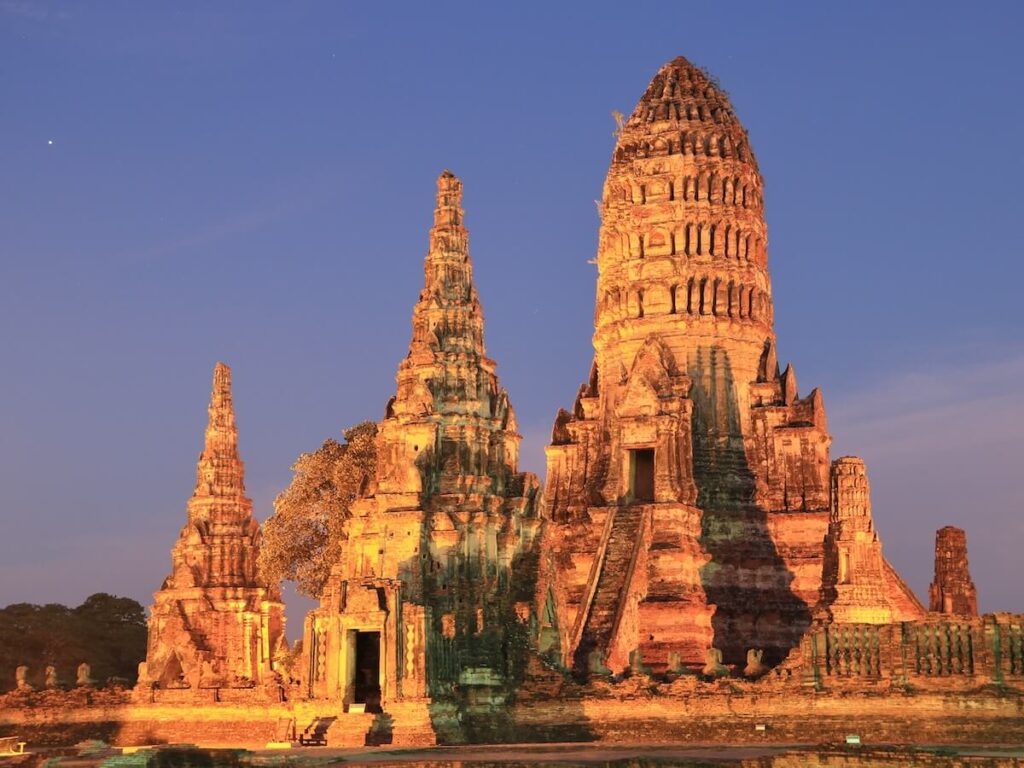
Once you arrive in the UNESCO-listed Ayutthaya Historical Park, you’ll see why this was once one of the world’s most powerful cities. The scale of the ruins is staggering. You can’t miss Wat Mahathat, famous for the serene Buddha head entwined in the roots of a banyan tree, or the towering, Khmer-style prangs of Wat Chaiwatthanaram that look like they belong in an adventure movie.
To get around, you can rent a bicycle for a few dollars, but honestly, unless you’re looking for a serious workout in 90-degree heat, I’d suggest booking this hassle-free Ayutthaya guided tour—it includes transport, all your entry fees, and a solid lunch.
Evening: Bangkok Chinatown
After your journey back from the ancient ruins, aim to be back in the city by around 6:00 PM. Head straight to Yaowarat Road, the heart of Bangkok’s Chinatown.
Established in 1782, this is one of the oldest and largest Chinatowns in the world. At night, it transforms into a sensory explosion of neon signs, shouting vendors, and the irresistible aroma of a thousand different dishes.
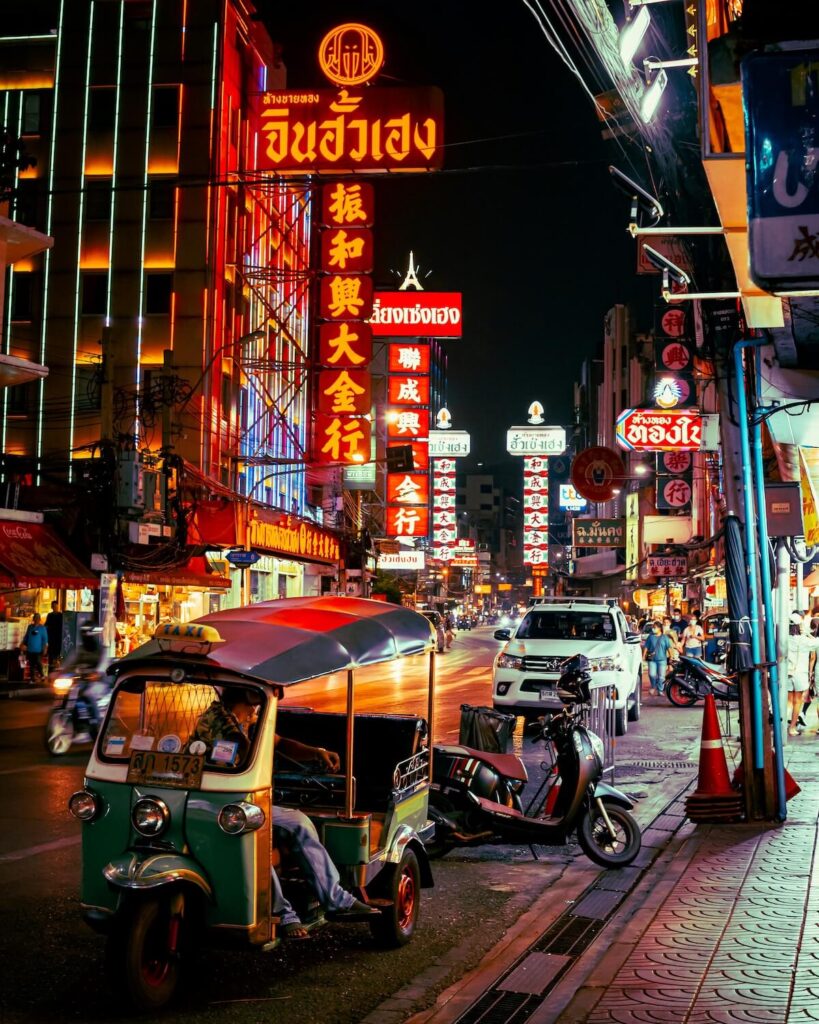
The road itself is said to be shaped like a dragon’s body, a symbol of good luck that certainly seems to work for the hundreds of gold shops and food stalls lining its path. It’s recently gained even more fame as the vibrant backdrop for Lisa from Blackpink’s “Rockstar” music video, so don’t be surprised to see fans snapping photos at every corner!
For dinner, you’re here for a legendary street food crawl. I always recommend starting at a powerhouse like T & K Seafood (look for the staff in green shirts) or their friendly rival Lek Seafood (in red) for fresh, affordable grilled prawns and stir-fried morning glory.
If you’re feeling more adventurous, try the peppery Guay Jub Ouan Pochana (rolled rice noodles in broth) or a bowl of traditional bird’s nest soup. To end on a sweet note, hunt down the Yaowarat Toasted Buns—look for the massive queue!
If navigating the chaos on your own feels overwhelming, this eco-friendly Chinatown walking tour or this Michelin foodie tour is a brilliant way to find the “hidden” stalls that locals keep to themselves. Whatever you do, just follow your nose and the crowds. In Yaowarat, the longest line usually leads to the best bite.
Day 4: Culture, calm, and farewell shopping
Your final day in Bangkok is all about finding a balance between that last hit of culture and some well-deserved relaxation. Wrap up the trip by blending the city’s serene, spiritual side with its high-energy modern shopping districts.
Whether you want to navigate the legendary maze of the Chatuchak Weekend Market (or visit the stunning “Marble Temple,” Wat Benchamabophit, if it’s a weekday) or simply breathe in some fresh air at Lumpini Park, today is about savoring the highlights at your own pace.
It’s also the perfect day to finish your souvenir hunting in the massive malls of Siam and squeeze in one last authentic Thai massage before you head to the airport. I recommend this “low-pressure” finale because it lets you soak up the local vibes one last time without the rush of the major tourist sites.
Morning: Chatuchak Weekend Market or Wat Benchamabophit
Your final morning in Bangkok is a “choose your own adventure” depending on the day of the week. If you’re lucky enough to be here on a Saturday or Sunday, you absolutely have to experience the Chatuchak Weekend Market.
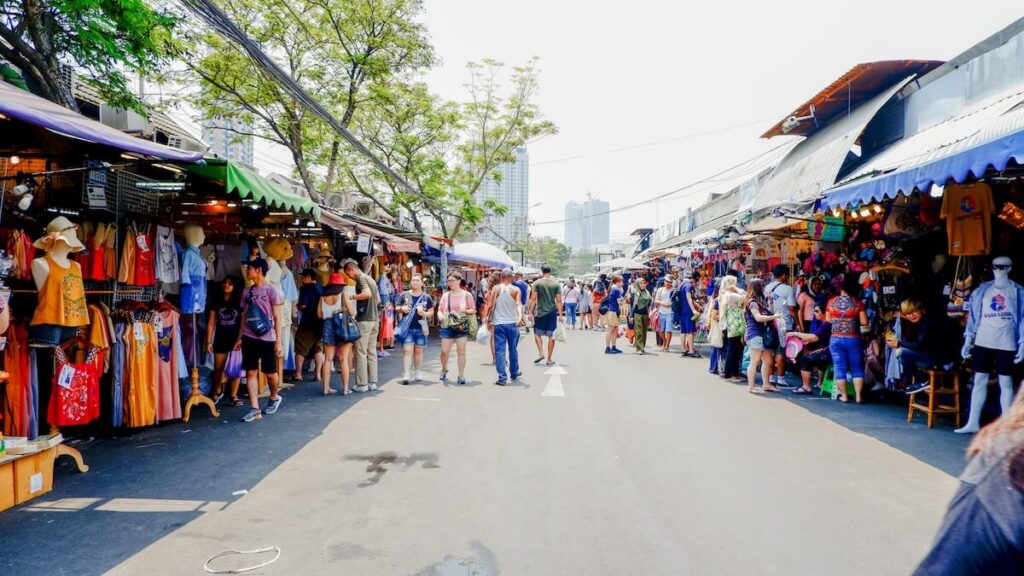
It’s a literal labyrinth of over 15,000 stalls, and honestly, it’s where I bought almost all of my favorite souvenirs—from unique ceramic home goods to handmade leather wallets.
Since the market is massive, it’s best to come early and grab breakfast as you wander. You can grab a Thai iced tea, some smoky grilled pork skewers (moo ping), and follow it up with a scoop of the famous Coco JJ coconut ice cream served in a husk. Yum!
If you’re visiting on a weekday, head instead to the serene and stunning Wat Benchamabophit, also known as the Marble Temple. It’s one of the few temples that successfully blends traditional Thai architecture with high-quality Italian Carrara marble and European stained-glass windows. Plus, it’s definitely more peaceful here compared to the busier temples in the city center.
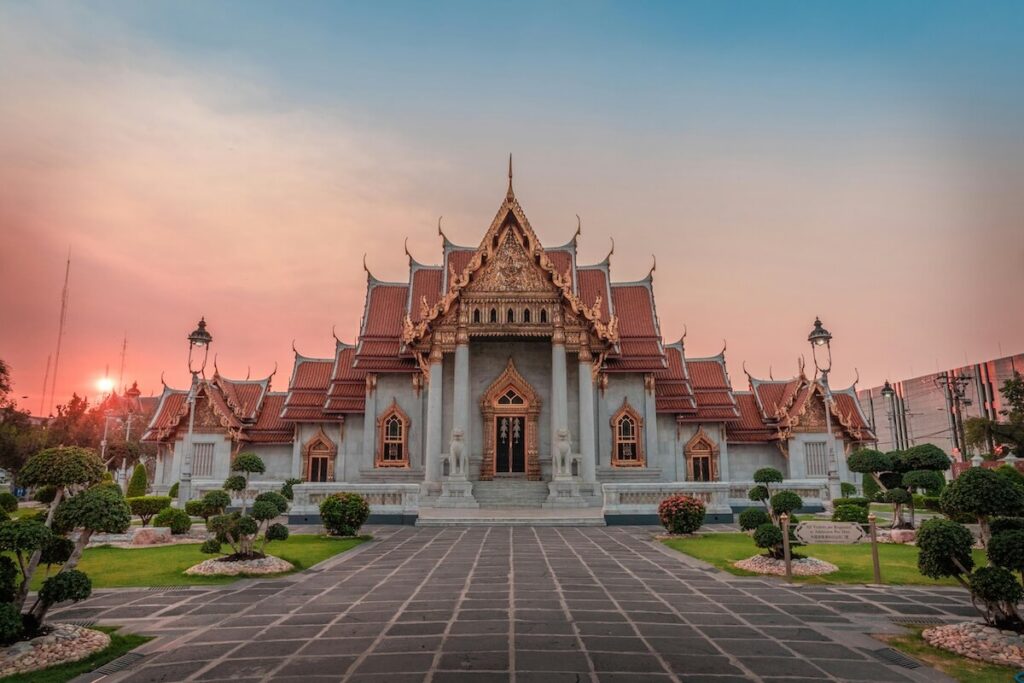
Be sure to check out the courtyard, which houses a collection of 52 bronze Buddha statues, each representing a different style or period from across Asia.
Noon: Lumphini Park, Siam malls
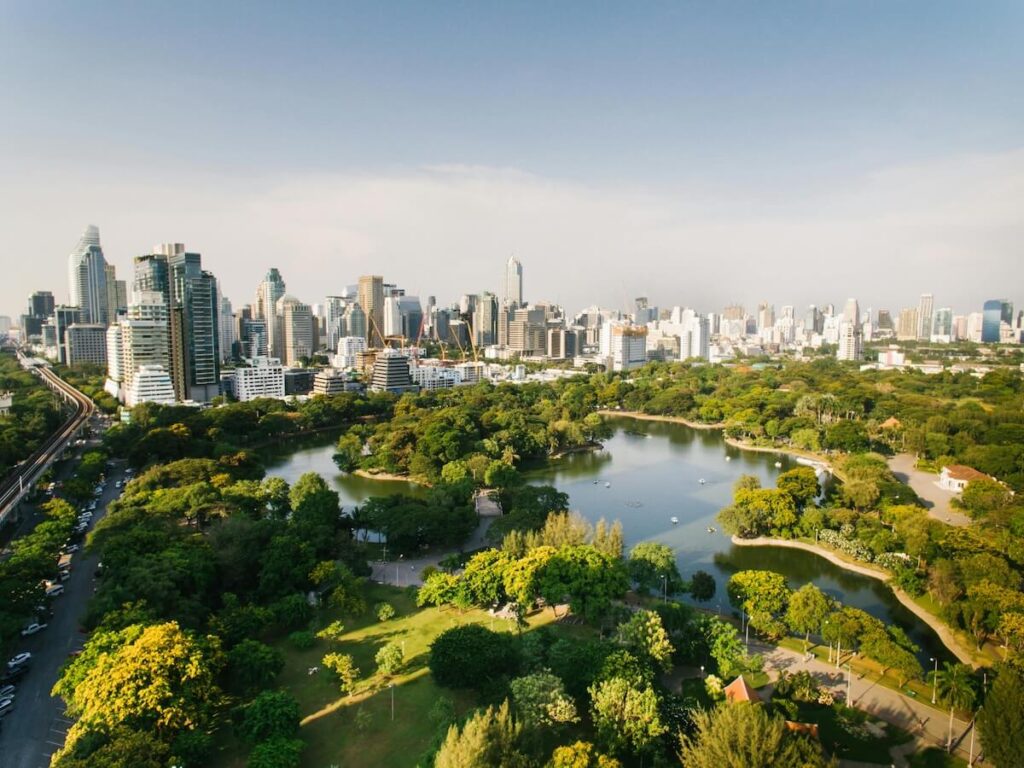
After your morning activities, head to Lumphini Park, often called Bangkok’s “green lung.” I highly recommend coming here before the midday sun peaks to enjoy a bit of relative cool. If you’re like me, you’ll love seeing the city’s towering skyscrapers framed by lush tropical trees and tranquil lakes.
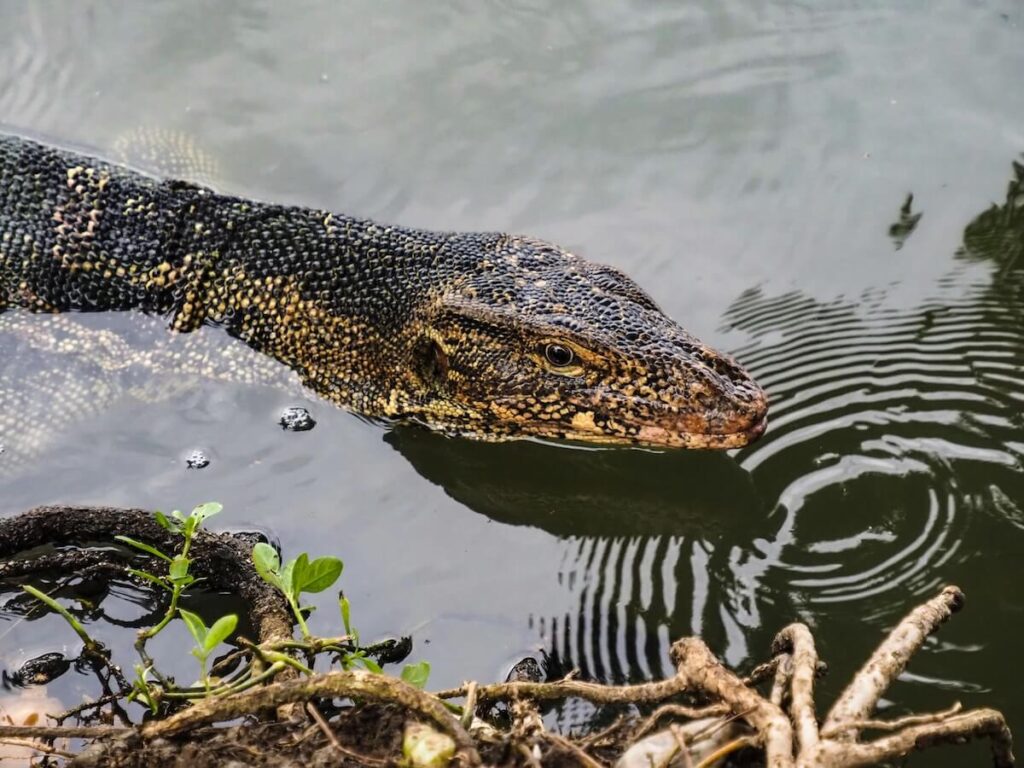
As you walk the shaded paths, keep an eye on the water’s edge for the park’s most famous residents: giant Asian water monitor lizards. They look like something out of Jurassic Park, but don’t worry—they’re generally harmless and quite used to people, though I still wouldn’t try to pet one!
For lunch, you can find legendary local spots near the park like Polo Fried Chicken (famous for its crispy garlic) or Somtum Der for zesty Isan food. However, if you’re ready to escape the heat, take the short BTS ride to the Siam district and head to the food courts.
For a high-end, “Instagrammable” experience with incredible variety, the Siam Paragon Food Hall is hard to beat. If you want something more budget-friendly and local, head to Food Legends at MBK Center on the 6th floor.
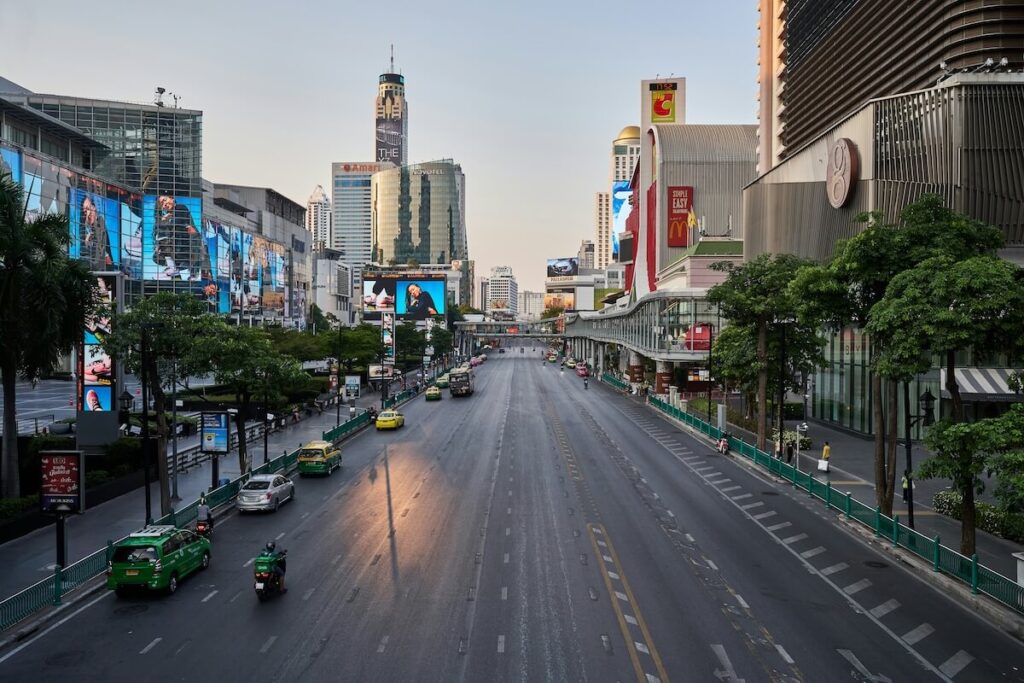
Spend your final afternoon navigating the contrasting malls of Siam. MBK Center is the place for electronics, cheap clothing, and bulk souvenirs (don’t forget to haggle!), while Siam Paragon offers luxury brands and a more sophisticated atmosphere. Either mall (and other neighboring malls in the area) is perfect for last-minute shopping in air-conditioned comfort.
Evening: Thai massage
As your four-day whirlwind comes to a close, it’s time to shift gears from sightseeing to pure self-care. If you’ve already finished your packing, use these final hours to decompress. You really shouldn’t leave the city without one last Thai massage.
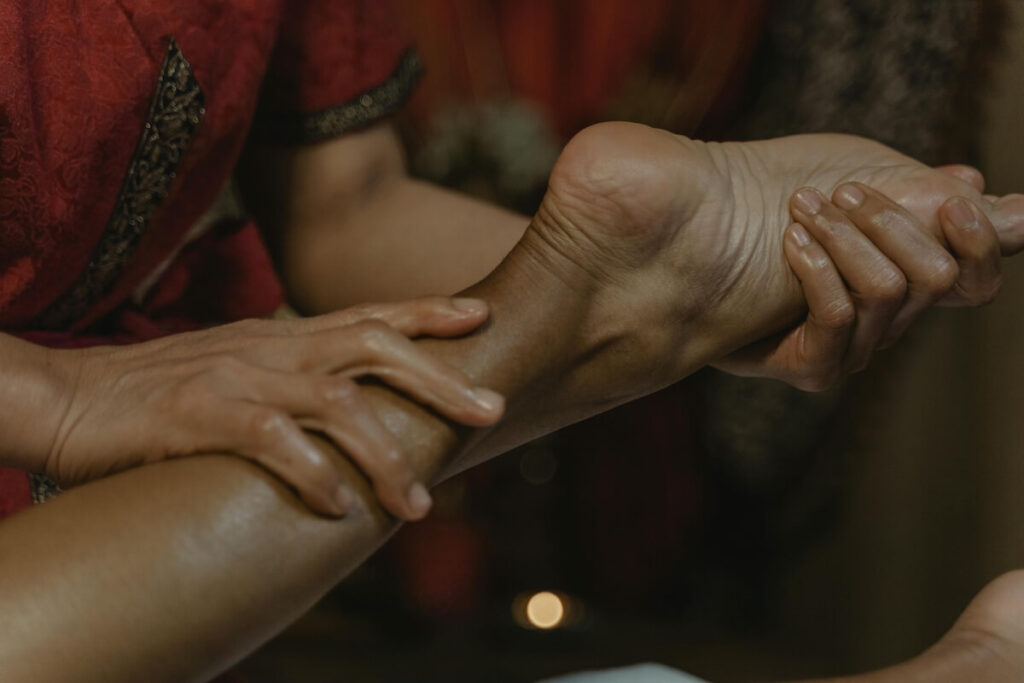
Whether you opt for a targeted foot massage to soothe your “temple-hopping” feet or a traditional full-body stretch, you’ll find reputable parlors on almost every street corner. I always find that a final session helps me reset and physically prepares me for the long flight home—think of it as a parting gift to your muscles.
For your farewell dinner, make your way to Krua Apsorn, which has multiple locations. This restaurant is a local legend, beloved even by the Thai Royal Family for its incredibly consistent and authentic flavors.

While the setting is straightforward and unassuming, the food is anything but. You absolutely have to order their signature fluffy crab meat omelet (kai jeow pu)—it’s thick, golden, and packed with huge chunks of fresh crab. The stir-fried crab meat with curry powder is another must-try, offering a rich, savory punch without being overly spicy.
To round it out, their green curry is widely considered one of the best in the city for its perfect balance of spice and creaminess. Take it from me, this is the kind of meal that will have you planning your return trip to Bangkok before you’ve even finished dessert.
Conclusion
Wrapping up your four days in Bangkok can feel bittersweet, but you’ll leave with a heart full of memories and a suitcase likely full of silk and snacks.
This guide is just a suggested itinerary to help you hit the heavy hitters, so feel free to shuffle the days or swap a temple for a trendy cafe to fit your own personal rhythm and travel style. Bangkok is a city that rewards the curious, and there’s no wrong way to explore it.
Whether you fell in love with the street food or the skyline, one thing is certain: the Land of Smiles will be calling you back before you know it. Safe travels!