
My first post-university job was for an NGO operating in West Africa. While I was primarily based in Ghana, I got to travel in the wider region extensively. Togo was the country that stood out to me the most.
There is no denying that Togo is known for being poor and associated with the slave trade. But Togo is also famous for being home to some of the kindest people on the African continent, breathtaking natural landscapes, and intriguing cultural practices like voodoo.
Let’s explore the things that make this little West African country a must-visit destination!
Table of Contents
1. Voodoo
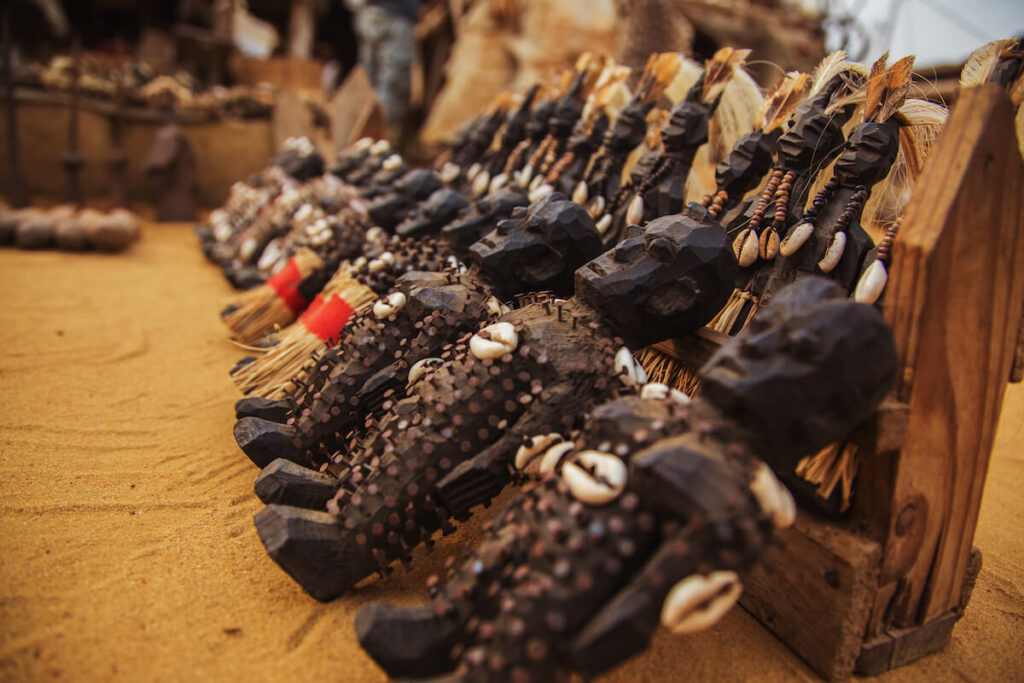
Many people think of voodoo as a Haitian practice, but in reality, it arrived there via the slave trade from West Africa. Togo happens to be one of the birthplaces of the practice of voodoo.
Derived from African polytheism, voodoo is a religion that is still practiced in many parts of the country. Despite the common misconception, it does not revolve around sticking pins in dolls… at least not exclusively!
People from all over Togo travel to the capital city, Lomé, to shop at Akodessawa Voodoo Market. Also known as Marché des Féticheurs, it is the largest voodoo market in the world. There, you can find all sorts of hard-to-source herbs and animal parts necessary to cast spells to fix your problems. Just beware before you go: it’s not for the faint-hearted!
2. Mud houses

Mud houses are one of Togo’s trademarks. It is no secret that this tiny African nation is one of the world’s poorest. Indeed, this can be witnessed everywhere you go. It is why the main form of housing there is mud huts known as “tata” or “takienta”.
While they are cheap to construct, this does not detract from the fact that they are impressive architectural feats. They are built using packed dirt and wood, are waterproof, and are surprisingly secure.
The problem with them is that they have to be renovated every few years in order to remain durable. This is why they are losing favor with younger generations, who are opting for more mainstream accommodation options.
To see some extraordinary mud constructions, head to Koutammakou in the northeast, which has been declared a UNESCO World Heritage Site.
3. Lake Togo

Lake Togo is hugely important for the people of Togo. Not only is it a significant source of food for them, but it is also one of the biggest tourist attractions in the country.
Encompassing an area of around 64 square kilometers, it is the largest part of an inland lagoon that is separated from the ocean by a sandbar. The lake is extremely shallow, which makes it perfect for children. This is why it is a favorite family holiday destination for the Togolese. It is also popular for watersports.
A great way to spend the day at Lake Togo is going punting. Catch a ride on a pirogue, a canoe-like small boat, and visit some of the country’s picturesque lakeside towns, like Togoville!
4. Motorcycle taxis

As is the case with a lot of African countries, road infrastructure in Togo leaves a lot to be desired. Traffic jams are a big problem in cities and small towns alike. Thankfully though, the Togolese have managed to largely circumvent this problem with an ingenious solution: motorcycle taxis.
Regular cabs and buses are virtually non-existent in Togo. If you want to get around, your best bet is to hop on a two-wheeler.
“Mototaxis”, or “zemidjan” as they are locally known, will get you to your destination cheaply and fast, no matter where that is. Remote villages that were previously inaccessible due to a lack of roads have become easy to get to, all thanks to motorcycle taxis. These days, you can even book them via Gozem, a popular mobile app!
5. Tchoukoutou

If someone demanded some “boisson”, the French word for “drink”, you’d be forgiven for asking them what they would like. Some water, tea, or maybe a soft drink? In Togo, however, there is only one right answer to that: tchoukoutou.
Tchoukoutou, or tchouk for short, is home-brewed sorghum beer. A sweet drink with an earthy flavor, it is brewed by Togolese women in a very involved process that takes several days.
Back in the day, tchouk was reserved for special occasions, like weddings and funerals. Today, it is an everyday favorite, enjoyed by the Togolese as casually as coffee in Western cultures.
6. Ivory
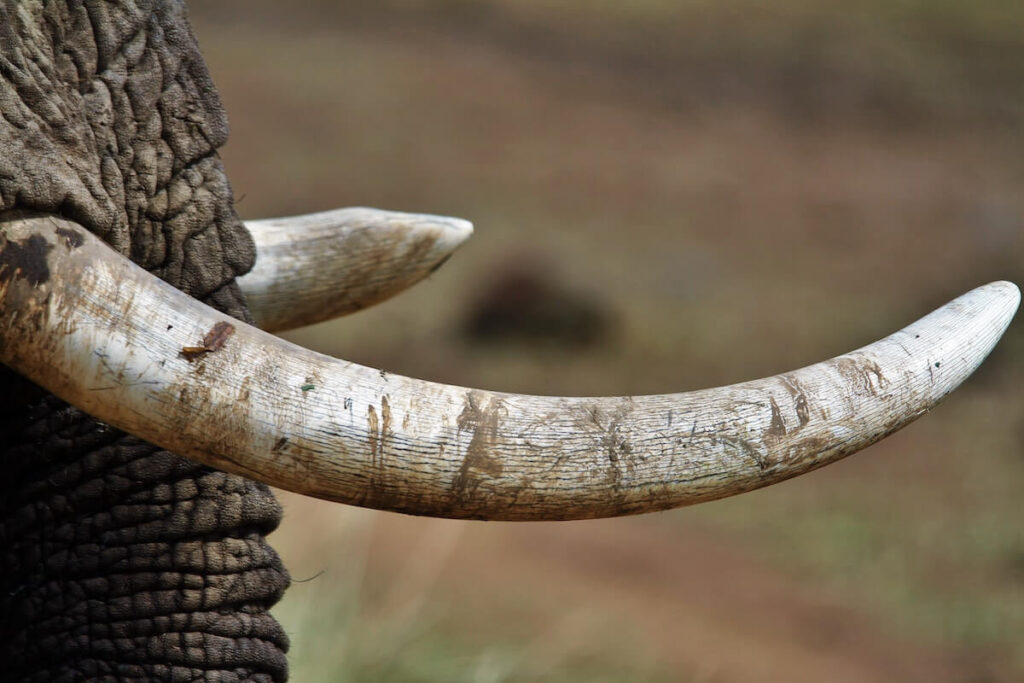
Togo has made a lot of headlines around the world for an unfortunate reason: illegal ivory trade. The country itself does not have many elephants. It is estimated that there are currently less than 100 elephants in Togo, all living in highly protected areas.
However, the country’s location means that it is a strategic entry point for ivory coming from Central Africa.
Thankfully, the government of Togo is taking serious measures to put an end to ivory trading activity. In the last fifteen years over 40 tons of ivory were intercepted in Togo and one of the continent’s ivory trade “kingpins” was arrested there.
7. Tailor shops

Something that always puzzled me in Togo was the great number of tailor shops around. Within each small neighborhood, there seemed to be dozens of them in close proximity. How could they possibly be making any profit with so much competition? While I never got my answer on the profitability of these shops, two things did become clear.
The first was that the Togolese are major fashion fiends. No matter one’s economic status, appearing polished and wearing trendy, well-tailored pieces is a priority. Togo is a place where first impressions count, so you’d better show up looking good.
The second thing I learned was that the seamstresses there are extremely talented. Just take some fabric to any of them, explain your vision and you’ll have a swanky bespoke outfit in no time!
8. Fazao Malfakassa National Park
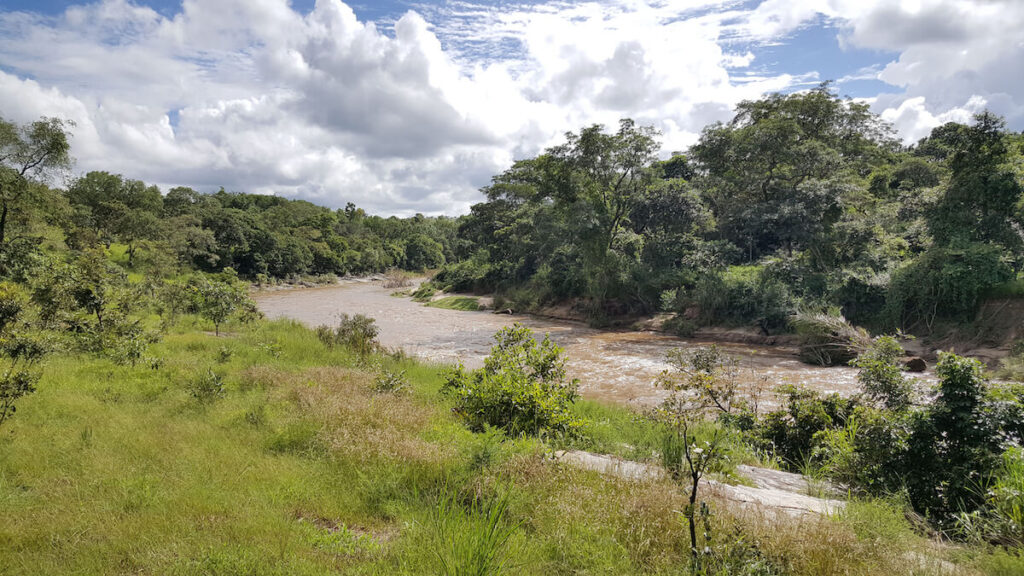
Fazao Malfakassa National Park is one of Togo’s most famous destinations. Covering a massive area of almost 2000 square kilometers, it is located in the west of the country, bordering Ghana.
A protected region that is part of the UNESCO Heritage Site’s tentative list, Fazao Malfakassa National Park is known for its rich biodiversity.
Between its savannah grasslands, rugged cliffs, rivers, waterfalls, and forests, it is fair to say it is a natural paradise. It is also a great place for birdwatching, as well as a safari. Visitors to the park will be able to see elephants, chimpanzees, and many species of birds.
9. Colonial architecture
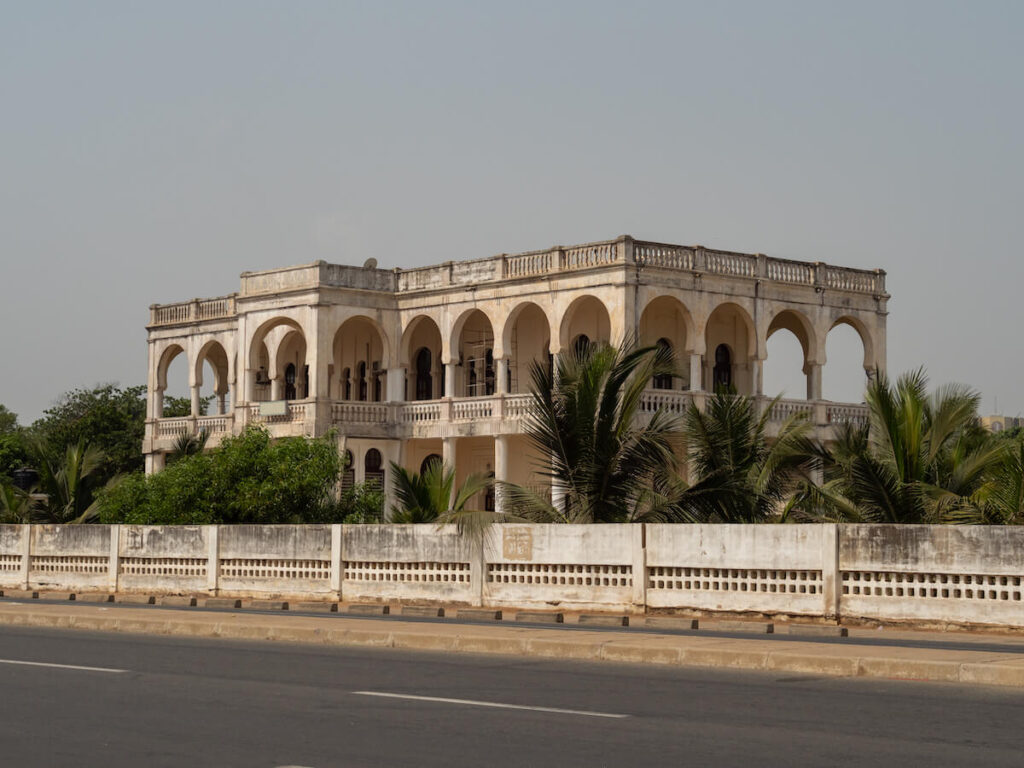
Togo is notorious for its colonial past. The country was first colonized by the German Empire, before becoming a French colony. Evidence of Togo’s past European rule is now scattered all around the country in the form of many abandoned buildings.
Colonial buildings in Togo look quite out of place given the country’s economic situation. Their old-time grandeur is in stark contrast to the surrounding mud huts and dirt roads. Buildings constructed by European imperialists were largely left unused by the Togolese, as they were seen as symbols of oppression for a long time.
It is only in recent years that the perception is starting to change. Some old colonial buildings of historical importance are now being renovated and reclaimed by the people of Togo.
One example is Palais de Lomé, a grand two-story building with an exquisite courtyard garden that once housed German governors. It’s now been transformed into a cultural center that celebrates local talent and serves as a boost for the local economy.
10. Yams
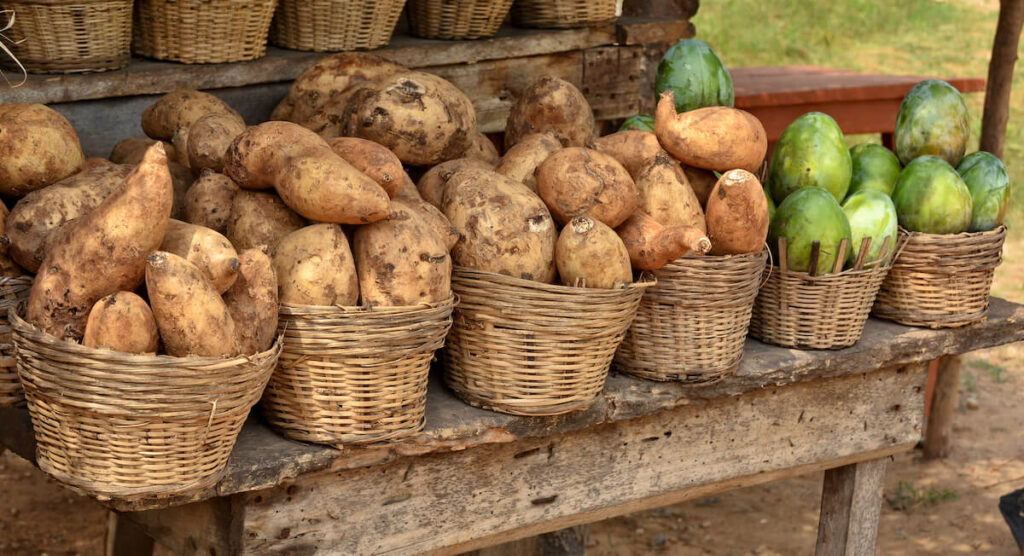
The yam is a root vegetable similar to a potato. A tropical crop mainly grown in West Africa, Togo is a leading producer of yams.
It is said that the climate in Togo creates the perfect conditions for growing super tasty yams. While there are many different varieties of yam cultivated in the country, they are all defined by their sweet taste and smooth skin.
Yams are used widely in Togolese cuisine, but Togo also exports them around the world where they are used in many industries, from paper to ethanol production.
11. Fishing villages

Even though it has a coastline of only 50 kilometers, Togo is famous for its many picturesque fishing villages. Fishing is a surprisingly big industry in Togo and a large percentage of the male population are fishermen.
While the fish they catch is not exported, the local population consumes a great amount of fish on an everyday basis. So much so that one of the problems the current government is actively trying to solve is overfishing.
Despite that, the fishing villages around the country are very popular tourist destinations. Places like Aneho and Agbodrafo have a great quaint coastal atmosphere, where one can truly relax.
12. Brochettes
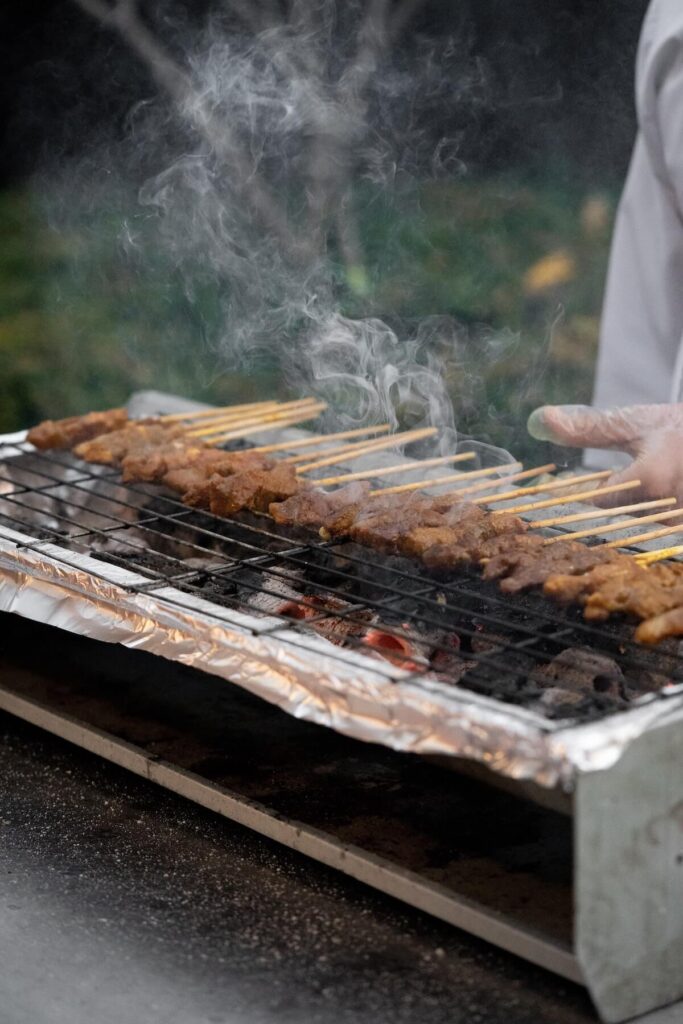
Meat skewers are a common delicacy in many countries around the world and Togo is no different.
Referred to as “brochettes”, the Togolese version of meat skewers is the most popular street food in the country. They consist of goat or beef meat (or more rarely, fish) grilled with chunks of onions over hot coals.
While they are delicious, they are not for weak palates: they come served with chili powder or hot sauce. To truly feel like a local, accompany your brochette with a local Castel beer. It’s a great pairing!
13. Ewe
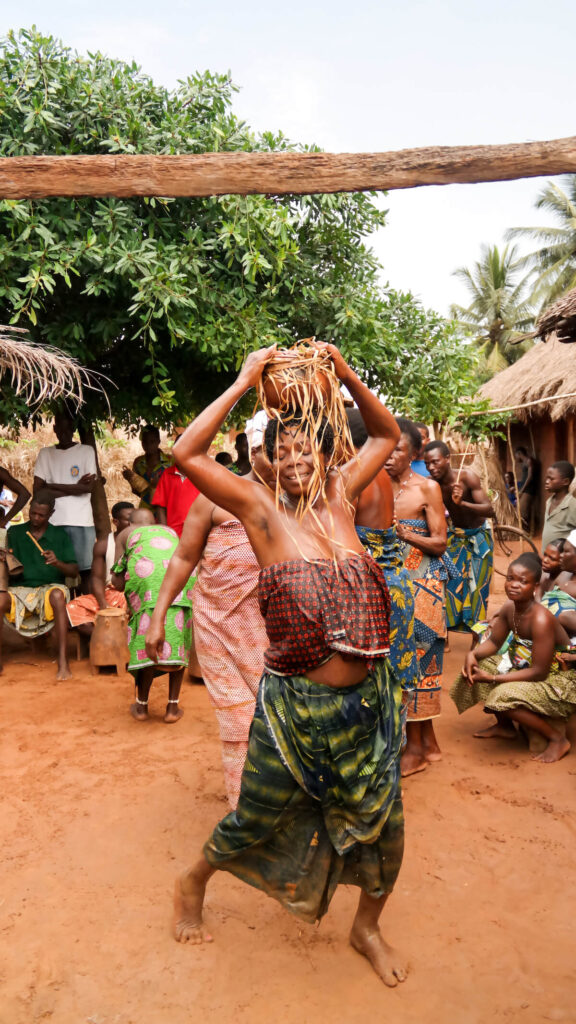
Togo is known for Ewe, which is a language spoken by the Ewe people of West Africa. The official language of Togo is French, but Ewe is the main language you hear on the streets around the country.
Since the Ewe people are the largest ethnic group in Togo, making up more than 20 percent of its population, their language has become predominant. It is what is used in the media and taught in primary schools.
If you’re traveling in Togo, you should keep in mind that English is not commonly spoken and there is no guarantee French will be either. Learning a little Ewe goes a long way when you’re a tourist in Togo. The Togolese are very friendly people and you will almost always be greeted with a “Woezo” (“Hello”) and a big smile!
14. Slave trade past
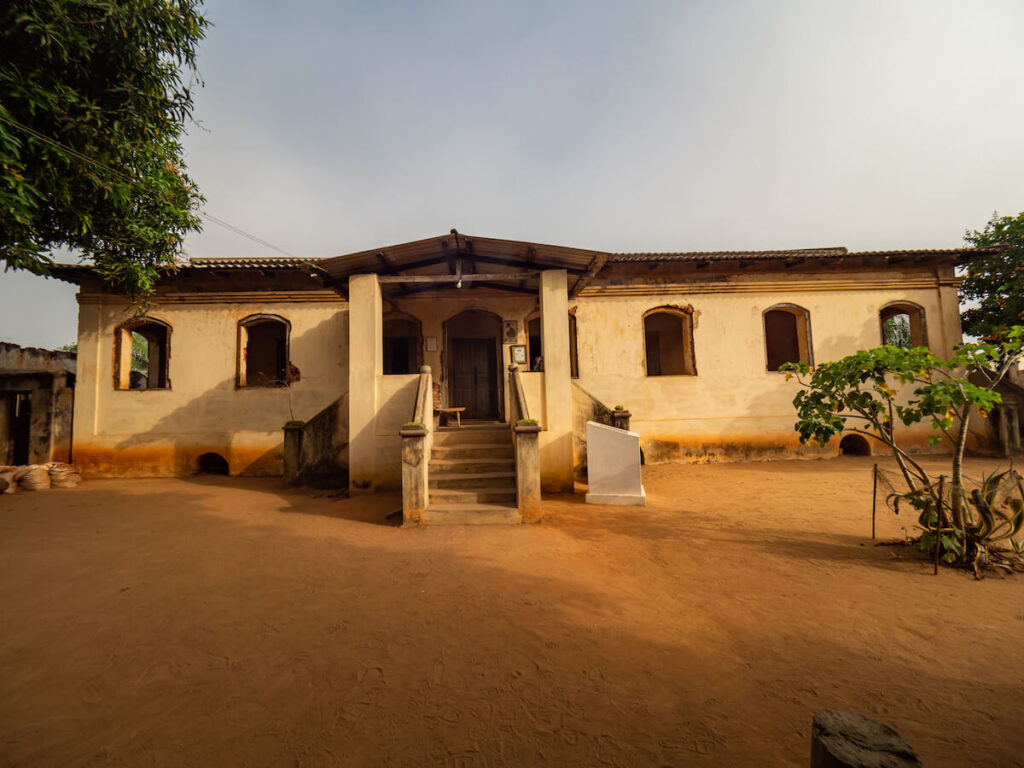
Given how kind and friendly the Togolese are, you would never be able to guess the country is hiding a deeply painful past. Togo was a central hub of slave trading activity from the 16th to the 19th century.
Little Popo, known today as Aneho, was actually one of the largest slave centers on the Slave Coast. While the Portuguese were the first to trade slaves in Little Popo, a long line of European colonists followed, including the Dutch, British, French, and Danish.
To get a feel of the brutality of those times, you can visit the Wood House in Agbodrafo. It was built by Scottish slave trader John Henry Wood in 1835 for the purpose of holding captives for months until it was time for them to leave Africa.
15. Milo

Everyone knows Milo, the chocolate-flavored malted powder drink in the iconic green tin produced by Nestlé. And yet, most people in the Western world pass by it without a second thought at the supermarket. This is far from the case in West Africa. In Togo, Milo is king.
There’s a tin of it in every household and every street vendor sells it. It can be prepared cold or hot, typically by adding some sugar and condensed milk.
Dismissing it as a child’s drink, I resisted Milo for a long time in Togo. But once I had it, I was an instant convert. Before I knew it, I had replaced my morning coffee with a cup of Milo. Then, I found out my Togolese friends were actually adding it to their coffee. Mind blown! If you find yourself in Togo, take my word for it and give it a try.
Conclusion

Togo is one of the smallest countries in Africa. Yet, I find that what it lacks in size it makes up for in charm. What do you think? Have you been to Togo? What are some other things that define this gem of a country?

Very Good writing about my Country, Togo!
God bless you !