
*This article may contain affiliate links. For full information, please see the disclaimer here.
When you picture the Maldives, what comes to mind? Likely, it’s those postcard-perfect images of bungalows perched over impossibly blue water. And yes, that’s a huge part of it. But there’s more to this island nation than just luxury stays.
What is the Maldives known for? It’s known for its crystal-clear waters, rich marine life, and white sand beaches. But apart from being a dream destination for many of us, it’s also a place where the picture-perfect views meet the quiet, traditional life on the smaller islands.
Here, the rhythm of life slows down, fresh seafood is a daily delight, and even the sunsets seem to put on a special show. And while it’s the image of paradise, the Maldives is also at the forefront of conversations about climate change, a reminder of the delicate balance between paradise and preservation.
Want to know more about this island nation? Read on!
Table of Contents
1. Overwater bungalows

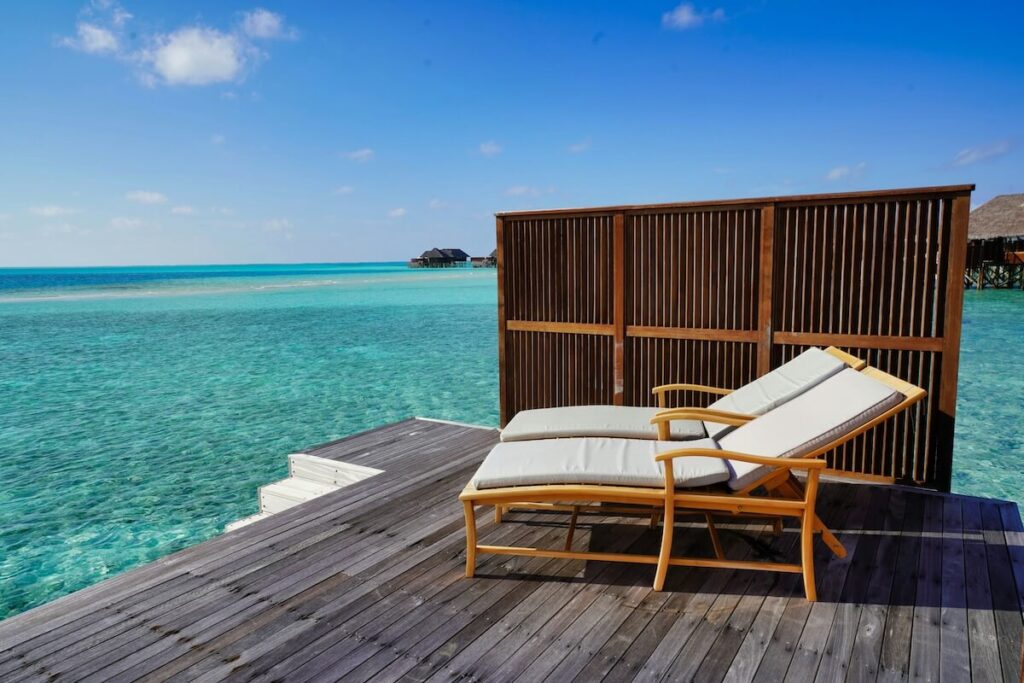
Yup, those overwater bungalows. The ones that look like they’re floating right on top of the ocean. If you’ve ever seen photos of the Maldives on social media, you’d know what I’m talking about.
Basically, overwater bungalows are exactly that: individual villas or rooms built on stilts above the water, connected by walkways. You’ll mostly find them in high-end resorts throughout the Maldives, though they’re popping up in other tropical spots too. These villas let you get direct access to the lagoon, often with your private deck for sunbathing or just chilling out. Some even have glass floors!
As for how they came about, the Maldives kind of pioneered the whole concept. Back in the day, resorts were looking for ways to maximize the stunning lagoon views and offer something truly unique. Building over the water just made sense. It gave guests that feeling of being completely immersed in the environment. Now, they’re practically synonymous with a Maldivian vacation.
Just a heads-up though, they can be pricey, but if you’re looking for that “wow” factor, they definitely deliver.
2. Crystal-clear turquoise waters
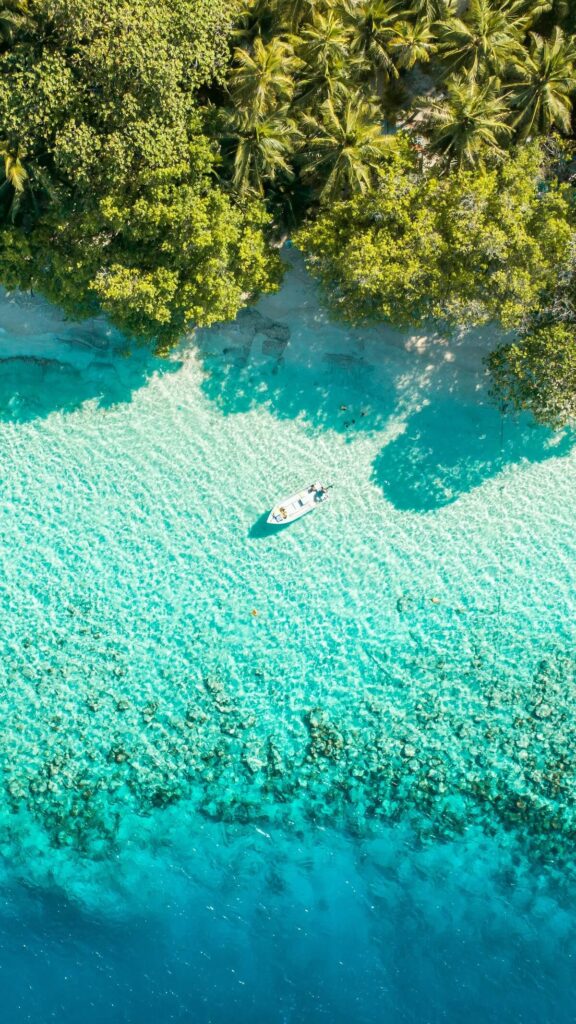
So, you’ve settled into your overwater bungalow, right? Now, look down. That impossibly clear, turquoise water stretching out in front of you? That’s the Maldives’ signature.
It’s not just a pretty color, though. The clarity comes from a few things: the white sand reflects sunlight, the lack of major rivers means less sediment clouding the water, and the abundant coral reefs act as natural filters. You can see straight to the bottom in most places, which is why snorkeling and diving are so popular. It’s like swimming in an aquarium, but a really, really big one.
And because those overwater bungalows are built right above this pristine water, you get to experience it in a pretty unique way. Imagine waking up, stepping onto your deck, and seeing fish swimming below you before you’ve even had your coffee. The way the sunlight plays on the water, the different shades of blue and green, it’s constantly changing. It’s easy to see why people get so captivated by it.
3. White sand beaches
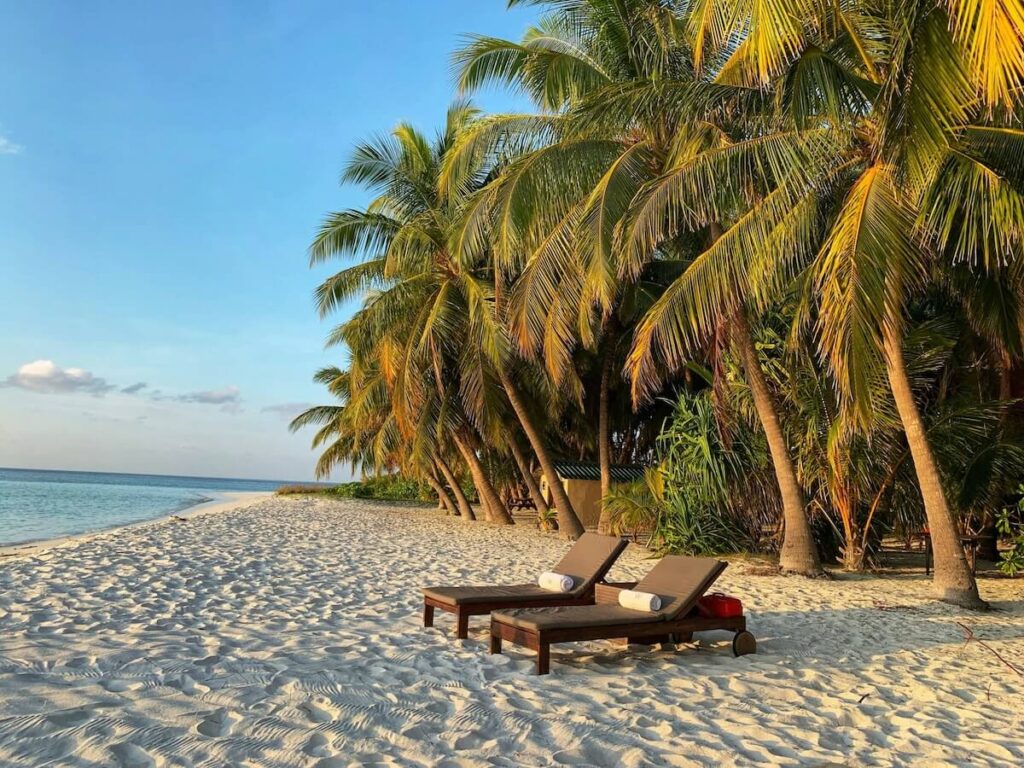
Okay, so you’ve got the crystal-clear water, and what complements that perfectly? Those iconic white sand beaches. The Maldives is famous for them, and it’s not just hype.
The sand here is unusually fine and soft, almost like powder. That’s because it’s largely made up of coral that’s been broken down over time. Walking on the Maldives’ white sand beaches means you’re walking on tiny pieces of reef!
Some of the well-known beaches are on islands like Hulhumale, which is accessible from the airport, or those surrounding resorts in places like the South Ari Atoll. But you’ll find stunning stretches of sand just about anywhere you go. Because of the many private island resorts, some of the best beaches are those that belong to the resort.
And because the water is so clear, the contrast between the turquoise sea and the bright white sand is just breathtaking. You can walk for ages, with the gentle waves lapping at your feet, and just soak it all in. Or grab a book and find a quiet spot under a palm tree. If you’re looking for something a bit more secluded, try exploring the local, cheaper beaches such as Fulhadhoo and Kunburudhoo.
4. Atolls
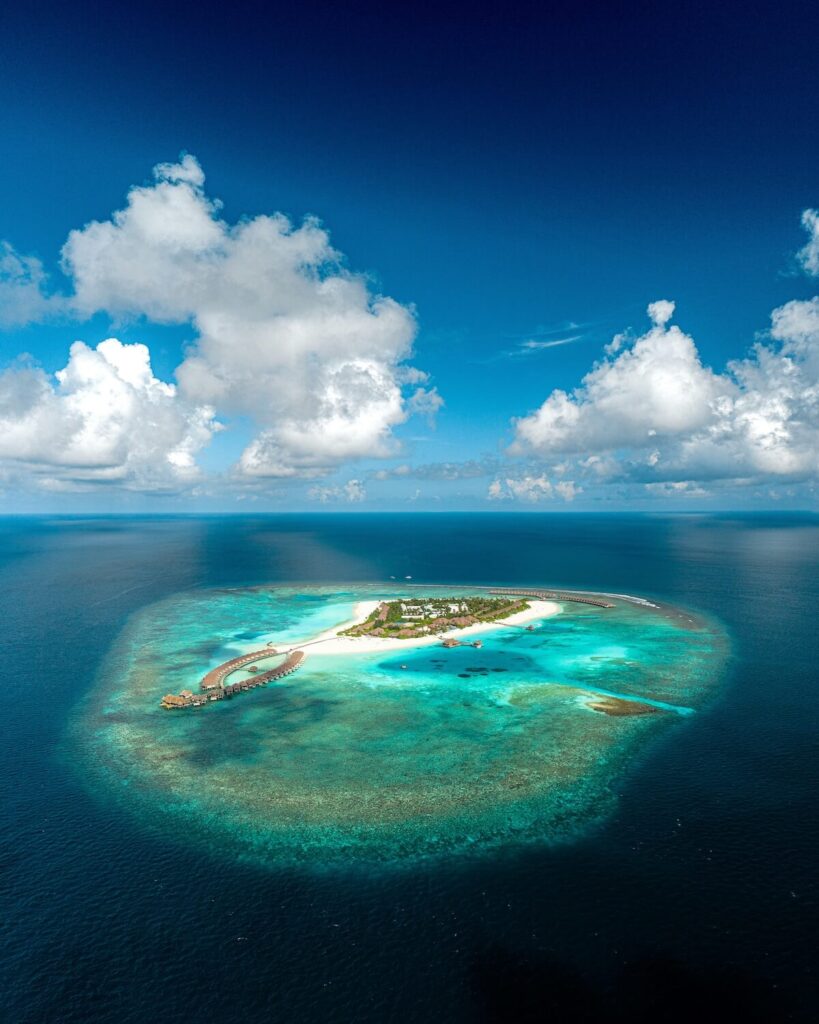
As I’ve said earlier, those stunning white sand beaches are often part of something even bigger: atolls. The Maldives is basically a collection of these atolls, which are ring-shaped coral reefs that surround a lagoon. Think of them as natural, circular islands, and they’re what make the Maldives’ geography so unique.
Some of the more well-known atolls include North and South Male Atolls, which are popular for resorts and diving, and Baa Atoll, a UNESCO Biosphere Reserve known for its rich marine life. Ari Atoll is also a big draw, especially for spotting whale sharks and manta rays. Historically, these atolls formed over millions of years as underwater volcanoes gradually subsided, leaving behind the coral reefs that grew around them.
Because of the atoll structure, you get these sheltered lagoons with calm, shallow waters, perfect for swimming and snorkeling.
5. Scuba diving and snorkeling

Speaking of snorkeling, the Maldives is world-renowned for its scuba diving and snorkeling. And for good reason. The clear, warm waters and abundant marine life make it a dream destination for anyone who wants to explore beneath the surface.
Places like Banana Reef in North Male Atoll, known for its vibrant coral and diverse fish, or Maaya Thila in Ari Atoll, famous for its night dives and white-tip reef sharks, are consistently ranked among the best dive sites in the world. Divers have been exploring these reefs for decades, uncovering the secrets of the underwater world.
The structure of the Maldives’ atolls creates a variety of dive sites, from gentle lagoons perfect for beginners to thrilling drift dives along the outer reefs. You can expect to see everything from colorful reef fish and turtles to manta rays and whale sharks, depending on the season and location.
Even snorkeling from the beach can be incredible, with shallow reefs teeming with life just a few meters from shore. The sheer visibility of the water means you can see a lot, even without going too deep. It’s a chance to witness the incredible biodiversity of the Indian Ocean firsthand.
This Maldives boat tour includes snorkeling, dolphin watching, and other beach activities. Definitely worth trying if you don’t want the hassle of planning your own trip.
6. Surfing

Surfing in the Maldives has been gaining traction over the past few decades. While it’s not quite as established as some other surf destinations, the Maldives has quietly become a hotspot for those in the know.
The best time to catch waves is generally from April to October, during the southwest monsoon. Famous spots like Chickens (so named because of a nearby chicken farm) and Cokes (named after the Coca-Cola bottling factory on Thulusdhoo) in North Male Atoll offer consistent, quality breaks. Sultans and Honky’s are also well known.
What’s cool about surfing in the Maldives is that you often get to surf in relatively uncrowded lineups, especially if you’re willing to explore some of the more remote atolls.
The Maldives’ surfing sites started to pick up in the late 80s and early 90s, as word spread about the consistent swells and warm water. Now, with surf camps and liveaboard boats catering to surfers, it’s become a more established part of the tourism scene. The atolls create these perfect setups for waves, with breaks forming over the reefs, offering a mix of lefts and rights. And because the water’s so clear, you can often see the reef below!
Also read: 12 Best Surf Towns in Costa Rica to Catch a Wave
7. Sea of Stars
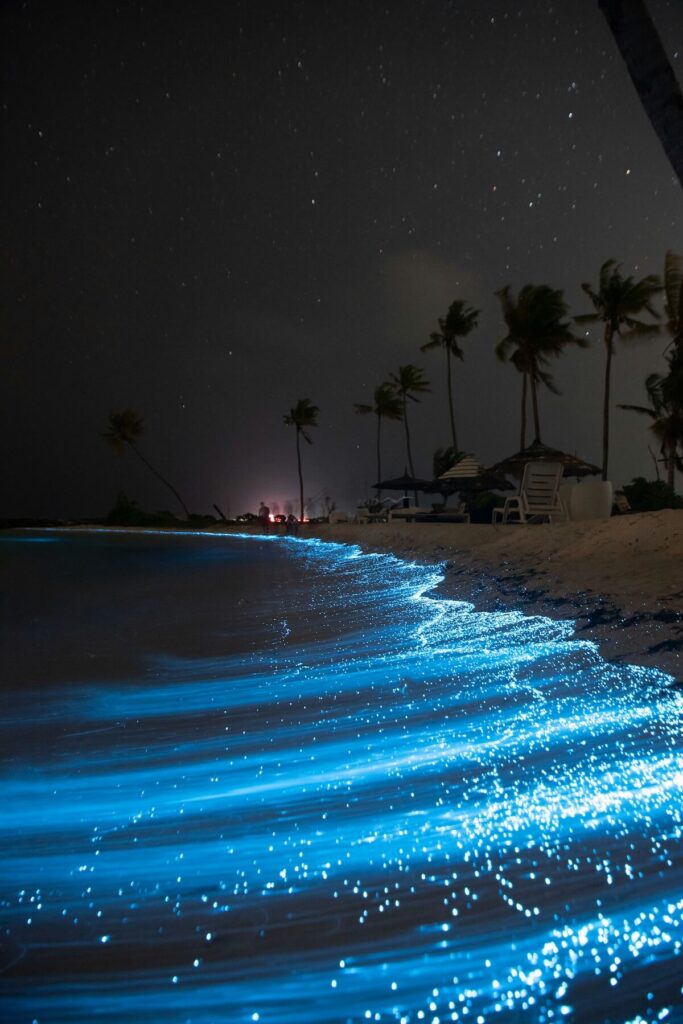
Okay, imagine walking along a beach at night, and the waves start glowing blue. Not just a little shimmer, but a full-on, almost magical glow. That’s the “Sea of Stars,” a phenomenon caused by bioluminescent phytoplankton.
These tiny organisms emit light when they’re disturbed, so when the waves crash or you walk through the water, they light up like a million tiny stars. It’s a pretty surreal experience, like something out of a fantasy movie. While it can happen in a few places around the world, the Maldives is known for some particularly impressive displays. Vaadhoo Island is probably the most famous spot for it.
This glow-in-the-dark phenomenon is not something you can predict with pinpoint accuracy, though. Bioluminescence depends on a variety of factors, including water temperature, nutrient levels, and the presence of the right kind of phytoplankton. The best time to see it is usually during the warmer months, and on nights with minimal light pollution.
8. Malé
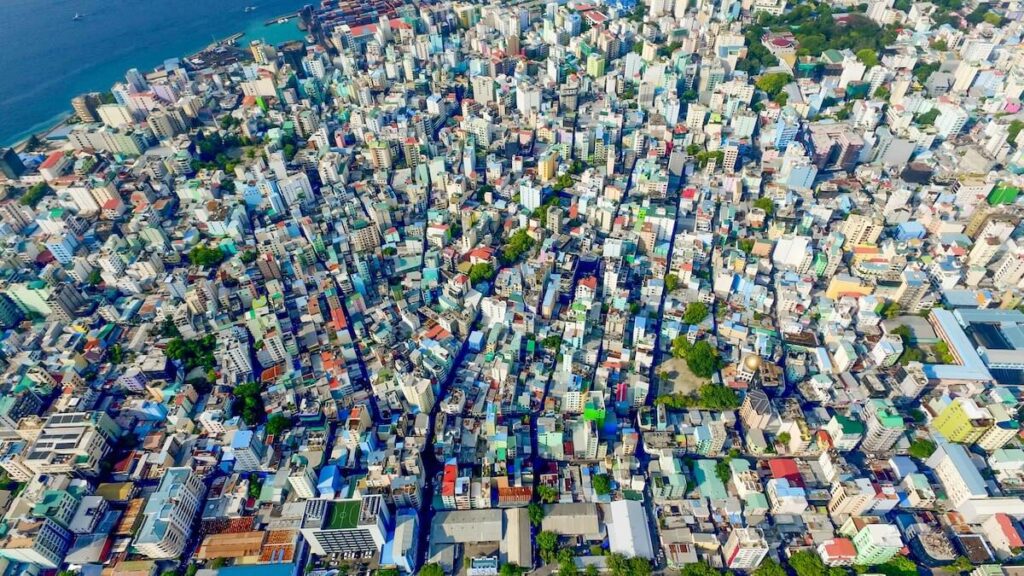
Malé, the capital of the Maldives, is a fascinating contrast to the tranquil resort islands. It’s a small city, packed onto a tiny island, and it buzzes with activity. Think narrow streets, busy markets, and a real sense of local life.
Malé has been the seat of power in the Maldives for centuries, serving as the royal residence and center of government. You can still see remnants of this history in places like the Grand Friday Mosque and the President’s Palace. Walking around, you’ll get a real feel for the Maldivian culture, from the traditional teahouses (called “hedhikaa” cafes) to the fish market, where you can watch the daily catch being unloaded.
It’s a different experience than the laid-back resort vibe, but it’s worth exploring if you want to see a different side of the Maldives. Here, you can a glimpse into the everyday life of Maldivians, and a chance to experience the local culture firsthand. Plus, it’s where the international airport is, so it’s usually your first and last stop in the Maldives.
If you want to dive deeper into the city’s stories and hidden corners, consider joining this guided walking tour of Malé.
9. Dhivehi language
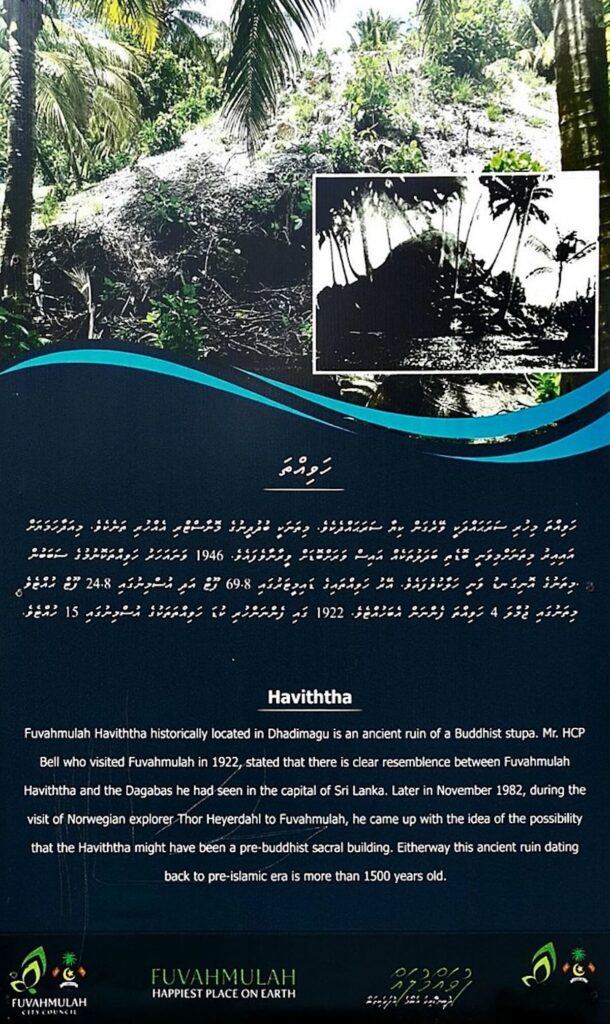
While you’re exploring the Maldives, you’ll hear people speaking Dhivehi, the local language. It’s a fascinating language with its own unique character.
Dhivehi has roots in Sinhala, the language spoken in Sri Lanka, and it’s also been influenced by Arabic, English, and other languages over the centuries. You’ll notice a mix of familiar sounds and some that are completely new. It’s written in Thaana, a script that’s read from right to left, which is pretty different from most languages you’ll encounter.
While English is widely spoken in tourist areas, especially in resorts, it’s always nice to learn a few basic Dhivehi phrases. Knowing a few words will not just enhance your experience but also show respect for the local culture.
Things like “Salaam aleikum” (hello), “Shukuriyaa” (thank you), and “Halu kihine?” (how are you?) can go a long way. It’s a good way to connect with the locals and get a deeper understanding of Maldivian life. You’ll find that many Maldivians appreciate the effort, and it can lead to some interesting conversations.
10. Fresh seafood
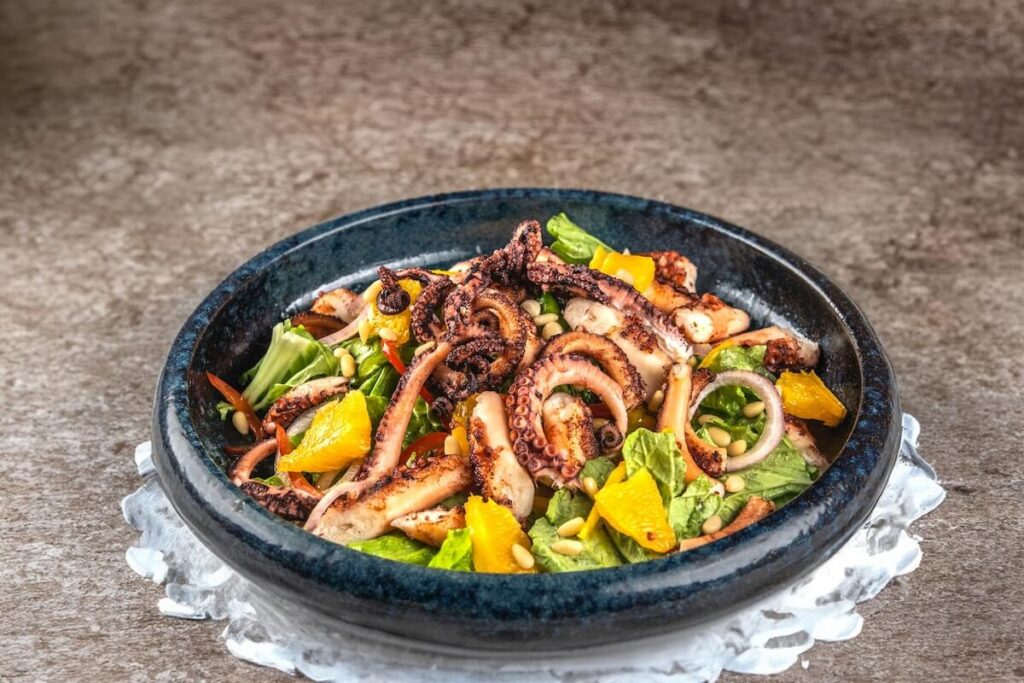
When asking “What is the Maldives known for?” the answer has to include its incredible fresh seafood. Being surrounded by the Indian Ocean means the Maldives has access to an amazing variety of fish and shellfish. You’ll find everything from tuna and reef fish to lobster, crab, and octopus.
Maldivian cuisine highlights the freshness of these ingredients, with simple preparations that let the natural flavors shine through. Think grilled fish seasoned with local spices, or tuna curries that are rich and aromatic. You’ll also find some unique dishes like mas huni, a breakfast staple made with shredded smoked tuna, coconut, and onions, or garudhiya, a clear fish broth that’s both comforting and flavorful.
The seafood isn’t just delicious, it’s also a big part of the Maldivian way of life. Fishing has been a traditional occupation for generations, and the locals have a deep understanding of the ocean and its resources. Many resorts offer fresh catches of the day, and you can even try your hand at fishing yourself.
11. Underwater restaurants

Speaking of fresh seafood, the Maldives has taken dining to a whole new level—or rather, a whole new depth—with its underwater restaurants. In the Maldives, it’s possible to enjoy a gourmet meal, featuring those incredible local seafood dishes, while surrounded by the mesmerizing underwater world of the Indian Ocean.
The first underwater restaurant, Ithaa, opened at Conrad Maldives Rangali Island, and it set the standard. Since then, others have followed, each offering its own twist on the concept. You’ll find menus that feature fresh catches prepared with international flair, often incorporating local spices and ingredients. You’ve got dishes like Maldivian lobster bisque or seared tuna with reef fish caviar, all enjoyed while schools of colorful fish swim past your table.
These restaurants are not just about the food, they’re about the atmosphere. The panoramic views of the coral reefs and marine life create a magical and unforgettable setting. Quite the feat of engineering, these restaurants are designed to withstand the pressure of the ocean while providing clear views for diners. Just be sure to book well in advance, as they’re understandably popular.
12. Islamic culture
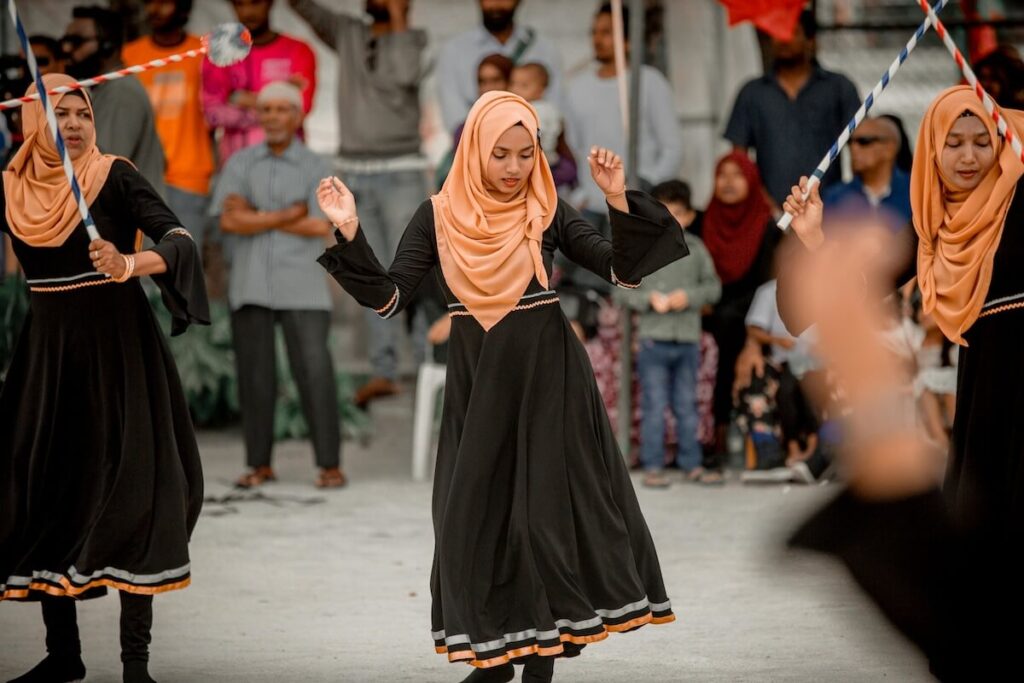
The Maldives is a predominantly Muslim country, and Islamic culture plays a significant role in daily life. You’ll hear the call to prayer echoing across the islands, and you’ll see mosques, both grand and small, dotting the landscape.
Islam was introduced to the Maldives in the 12th century, and it’s been a central part of the country’s identity ever since. You’ll find that many traditions and customs are rooted in Islamic practices, from the way people dress to the way they celebrate holidays. Even in resorts, there are designated prayer rooms for guests.
Beyond the Grand Friday Mosque in Malé (more on this later), there are other noteworthy mosques like the Hukuru Miskiy (Old Friday Mosque), also in Malé, known for its intricate coral stone carvings. There’s also the Hulhumalé Grand Mosque, another beautiful mosque in Malé. Interestingly, some of the older mosques, like the Gen Miskit, are even made from coral stone, showcasing the unique craftsmanship of the past.
13. Grand Friday Mosque
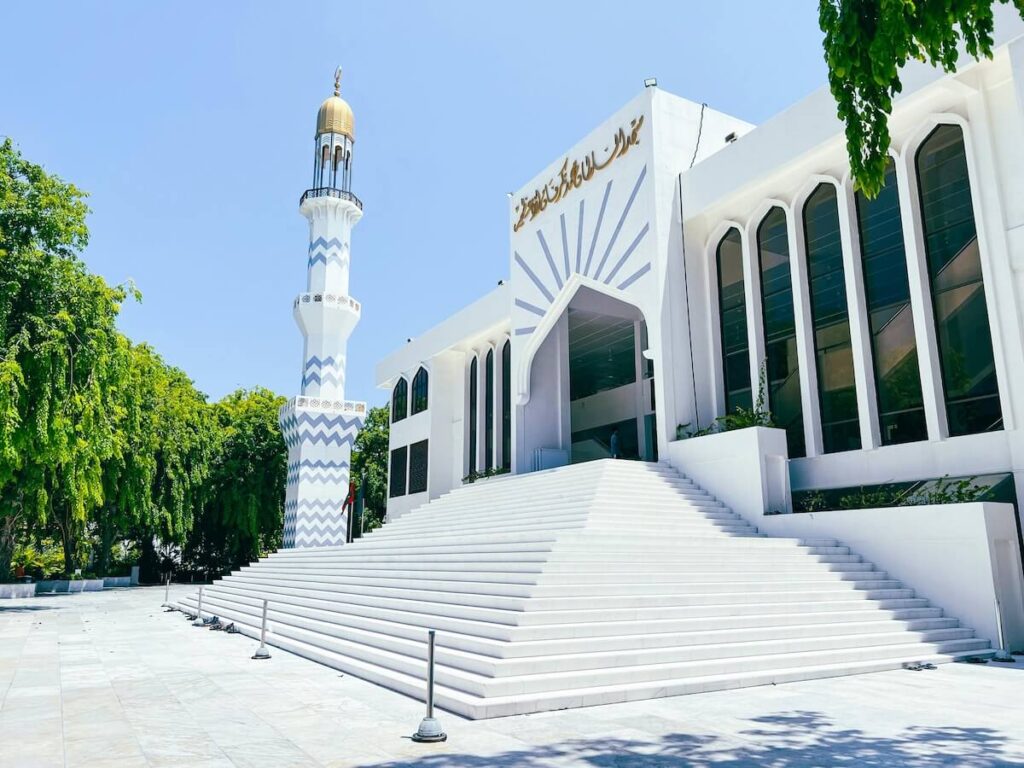
Given the strong Islamic culture in the Maldives, it’s no surprise that the Grand Friday Mosque, officially Masjid-al-Sultan Muhammad Thakurufaanu Al-Auzam, is a prominent landmark. Located in Malé, it’s the largest mosque in the country and a significant religious and architectural site.
The Grand Friday Mosque is a modern structure, having been completed in 1984, but it reflects the deep Islamic traditions of the Maldives. Its impressive golden dome and towering minaret dominate the Malé skyline, making it easily recognizable. It’s a place where locals gather for daily prayers, and especially for Friday prayers, hence its name.
The mosque’s design blends modern architecture with Islamic motifs, and it can accommodate thousands of worshippers. It’s not just a place of worship; it’s also a center for Islamic learning and a symbol of the country’s religious identity. When visiting the mosque, remember to follow religious customs, such as dressing conservatively.
14. Romantic getaways
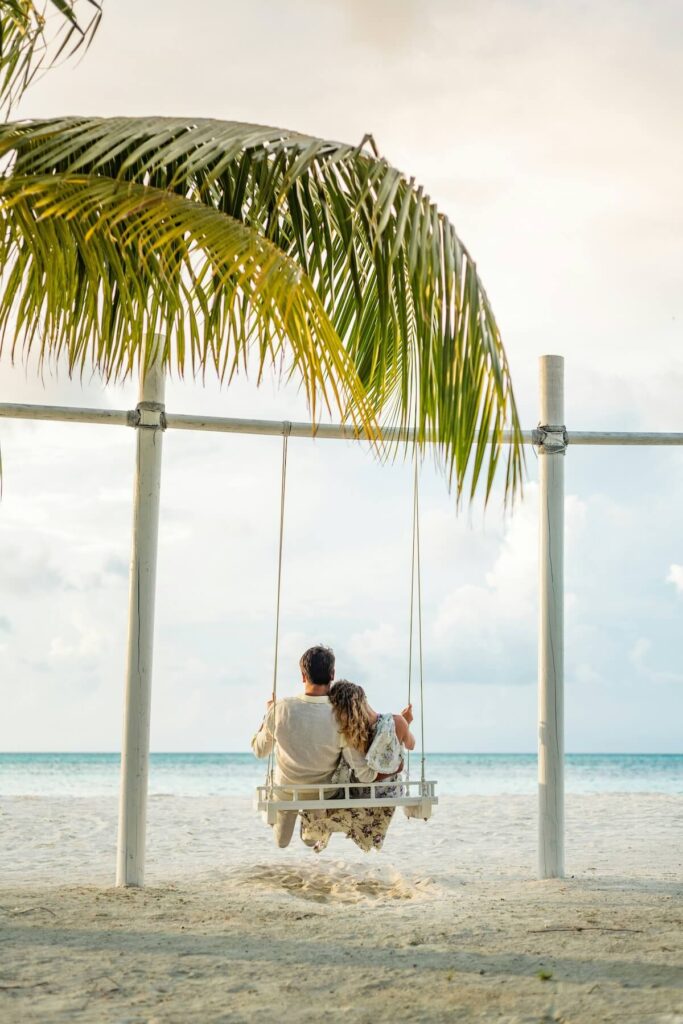
The Maldives has earned its reputation as a top destination for romantic getaways, and it’s easy to see why. With its private overwater bungalows, secluded beaches, sunset cruises, and candlelit dinners under a canopy of stars, it’s practically designed for romance.
The Maldives is a hugely popular honeymoon spot, but it’s also perfect for anniversary trips, special occasions, or just a quiet escape with your partner. The resorts cater to couples, offering things like private plunge pools, couples’ spa treatments, flower petal baths, and private dining experiences.
The sense of seclusion and tranquility is a big part of the appeal. Being on a private island, surrounded by nothing but turquoise water, creates a feeling of intimacy and connection. You can spend your days snorkeling together, exploring the reefs, or simply relaxing on the beach. At night, the clear skies offer incredible stargazing opportunities.
15. Spa treatments

I’ve previously mentioned spa treatments, and lucky for singletons out there, these aren’t exclusive for couples. The Maldives is renowned for its luxurious spas, often nestled in serene settings with breathtaking ocean views.
You’ll find a wide range of treatments, from traditional massages and facials to unique therapies that incorporate local ingredients and techniques. Many spas offer overwater treatment rooms, so you can listen to the gentle lapping of the waves while you unwind. Think aromatherapy massages with coconut oil, or scrubs made with local sea salt and herbs.
The spa experience in the Maldives isn’t just about the treatments themselves; it’s about the entire atmosphere. The tranquil surroundings, the attentive therapists, and the use of natural products all contribute to a feeling of deep relaxation. It’s a chance to reconnect on a deeper level and indulge in some much-needed pampering.
16. Cowrie shells

You might stumble across cowrie shells while strolling along the beaches in the Maldives. Don’t ignore them. These small, glossy shells with a distinctive shape aren’t just pretty things. They actually have a fascinating history in the Maldives.
For centuries, cowrie shells were used as a form of currency in the Maldives, and they played a significant role in the local economy. They were even traded with other countries, making them a valuable commodity. It’s pretty interesting to think that these little shells were once used just like coins are today.
Beyond their use as currency, cowrie shells also hold cultural significance. They’ve been used in traditional crafts, jewelry, and even in games. You’ll still find them being sold as souvenirs in some shops, a reminder of their historical importance.
17. Rising sea levels

While “What is the Maldives known for?” often brings to mind idyllic beaches and luxury resorts, it’s also unfortunately known for its vulnerability to rising sea levels. As a low-lying island nation, the Maldives is on the front lines of climate change.
The threat of rising sea levels in the Maldives is very real, and it poses a significant challenge to the country’s future. The majority of the landmass is only a few feet above sea level, meaning even a small increase in ocean levels could have a devastating impact.
It’s something the country is already grappling with, with increased coastal erosion and flooding. This has led the Maldives to be a very vocal advocate for climate action on the global stage.
The government and local communities are taking steps to mitigate the effects of climate change, including building sea walls, restoring mangrove forests, and investing in renewable energy. There’s also a focus on raising awareness and educating both locals and visitors about the importance of environmental sustainability.
18. Sunset views
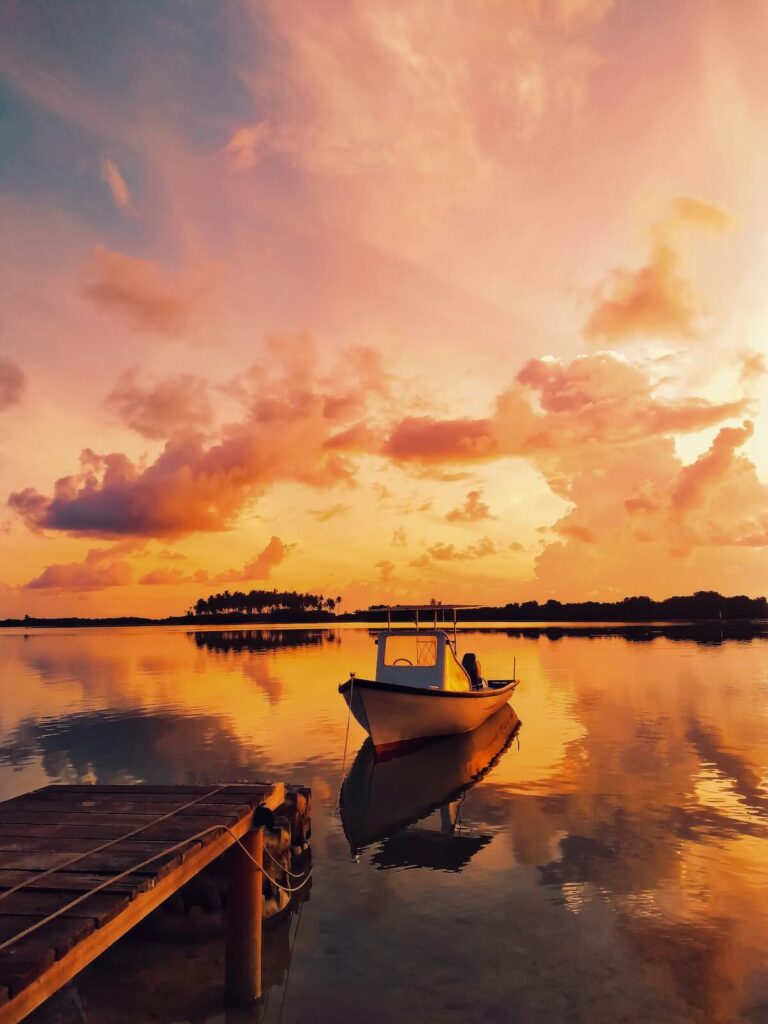
There’s something truly special about sunsets in the Maldives. With the vast expanse of the Indian Ocean and the clear skies, the sunsets here are often spectacular displays of color. Picture vibrant hues of orange, pink, and purple painting the horizon as the sun dips below the water. It’s a daily spectacle that never gets old.
Because of the many islands and resorts, there are many perfect locations to view the sunset. Some of the best spots are from the west-facing beaches in Maafushi, Kuredu, and Olhuveli Beach, or decks of overwater bungalows, where you can watch the sun sink into the ocean.
Often, resorts will arrange special sunset events, like cocktail hours or dinners, to take advantage of the stunning views. Sunset cruises are also a popular option, offering panoramic views from the water.
19. Smallest Asian country

What is the Maldives famous for? Well, amongst other things, it holds the distinction of being the smallest country in Asia, both in terms of land area and population. It’s a fascinating fact that this tiny nation, spread across hundreds of islands, plays such a significant role in the global tourism scene.
The sheer scale of its small size (297.8 square kilometers) becomes apparent when you consider how many of its islands are just a few square kilometers, or even smaller. This geographic reality shapes everything from its infrastructure to its culture, and it’s a key part of what makes the Maldives so unique.
Despite its size, the Maldives has a rich history and a vibrant culture. The fact that it’s spread out over such a wide area of the Indian Ocean also contributes to its diverse ecosystem and the remarkable marine life it supports. It’s a reminder that size isn’t everything, and that even the smallest countries can have a huge impact.
The Maldives’ vulnerability to climate change, which we discussed earlier, is also directly tied to its small size and low elevation, making it a critical voice in global environmental discussions.
20. Seaplane transfers

Getting around the Maldives often means hopping on a seaplane, and it’s not just a mode of transport—it’s an experience in itself.
Because the islands are spread out across a vast area of ocean, seaplanes are a convenient and scenic way to reach the more remote resorts. This means you get to take off from the water, soar above the atolls, and get a bird’s-eye view of the stunning landscapes. I don’t think there’s a better way to appreciate the unique geography of the Maldives.
These flights are often quite short (10-30 minutes long depending on the distance), but they’re incredibly memorable. The seaplanes themselves are usually small, with low-flying altitudes that provide excellent views. Kind of like a sightseeing tour and a transfer rolled into one. Plus, it saves a lot of time compared to boat transfers, especially for resorts located further away from the airport.
While seaplane transfers can be a bit pricier, many travelers consider them a worthwhile investment for the convenience and the breathtaking views.
Conclusion

So, what is the Maldives known for? It’s a place where overwater bungalows meet crystal-clear waters, where vibrant coral reefs teem with life, and where sunsets paint the sky in breathtaking hues.
It’s a destination for romantic getaways, underwater dining, and moments of pure relaxation. But it’s also a place with a rich Islamic culture, a fascinating history, and a growing awareness of the challenges posed by climate change. It’s safe to say the Maldives holds a lot of diverse experiences.
If you’re ready to experience the magic for yourself, start planning your trip today, or at least bookmark this article for future inspiration!