
South Carolina is one of the best and most famous tourist destinations in the United States. Its biggest city, Charleston, is known worldwide for its history, beaches, and incredible food.
But what about the rest of South Carolina? What is South Carolina known for? What is South Carolina famous for?
South Carolina is famous for Lowcountry cuisine, Fort Sumter, amazing beaches, and home of the Angel Oak. South Carolina is also known for its rich and complicated history. South Carolina is known as the Palmetto State, for its plantation history, and for South Carolina barbecue.
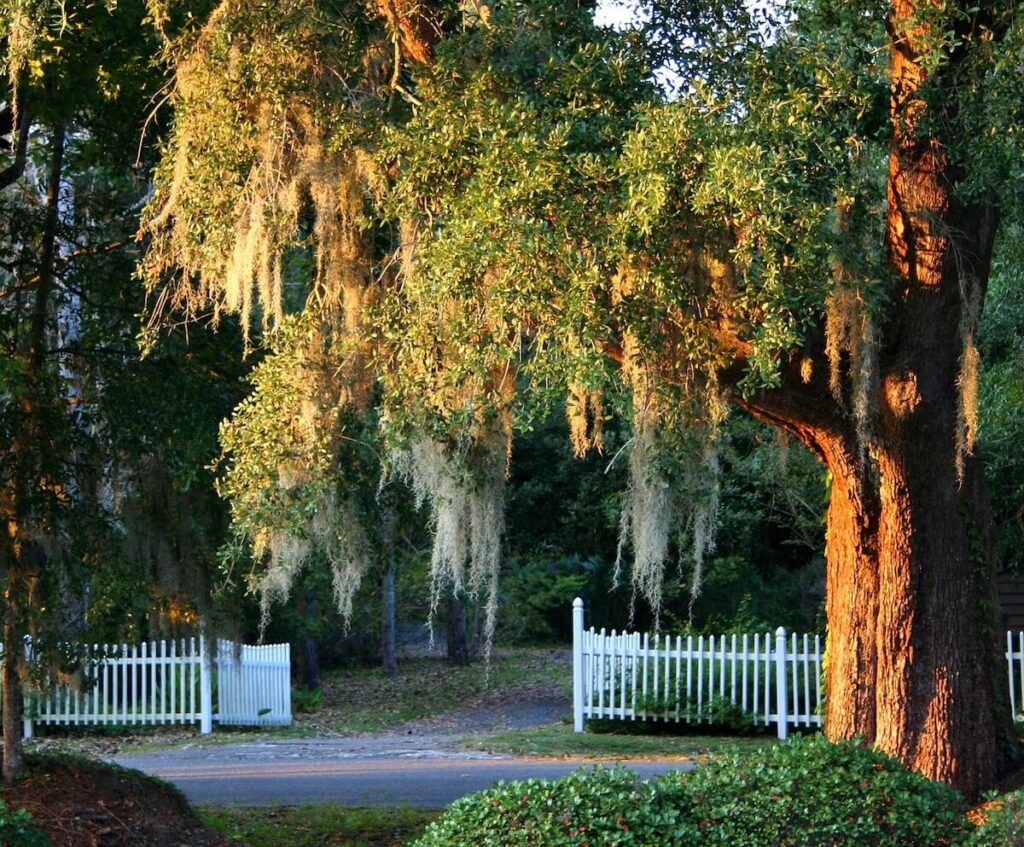
Read to discover why South Carolina is called the Palmetto State, how it was so pivotal in the Civil War, why sweet tea is so popular, and how it started golf in North America. Plus, I’ve included some of the best landmarks you must visit when heading to South Carolina.
Table of Contents
1. Palmetto State

South Carolina is known as the “Palmetto State” because the Sabal palmetto (a type of palm tree) is the state tree!
Also called a blue palmetto, Carolina palmetto, cabbage palm, or swamp cabbage, the Sabal palmetto can be found all over South Carolina, the United States, and the West Indies.
2. Lowcountry cuisine
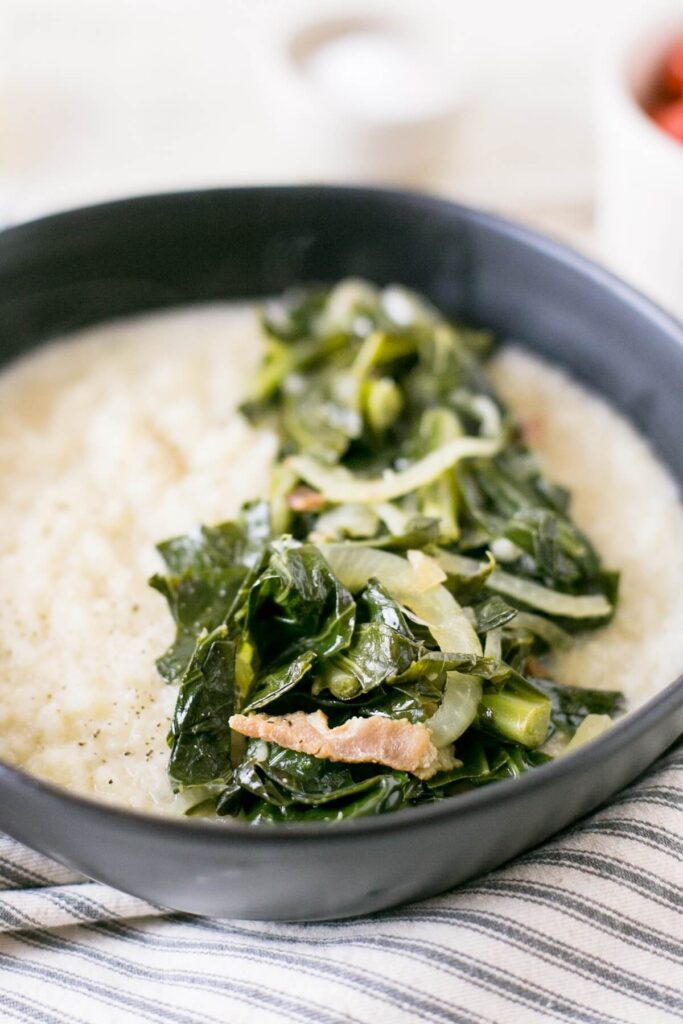
If you go to South Carolina just for the food, no one would blame you. Southern cuisine, specifically Lowcountry cuisine, particularly shines in South Carolina.
Shrimp and grits, Frogmore stew (doesn’t actually contain frogs!), fried collard greens, boiled peanuts, okra, she-crab soup…the list goes on. It’s a whole new (delicious) world.
3. South Carolina barbeque
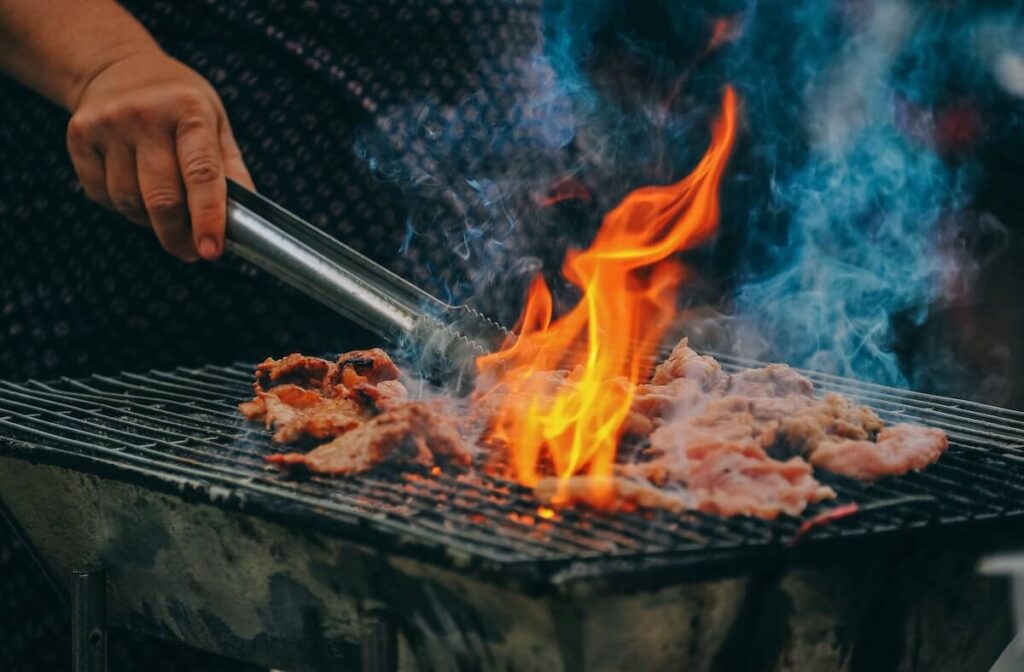
Speaking of eating, South Carolina is famous for its barbeque (called…South Carolina barbeque. Plot twist!). Within SC, however, there are three distinct types of BBQ: vinegar-based, mustard-based, and tomato/ketchup-based.
It’s a hotly contested topic and everyone has an opinion about which is best, but usually different regions are loyal to a certain type of BBQ. Try them all and decide for yourself!
4. Carolina Reaper
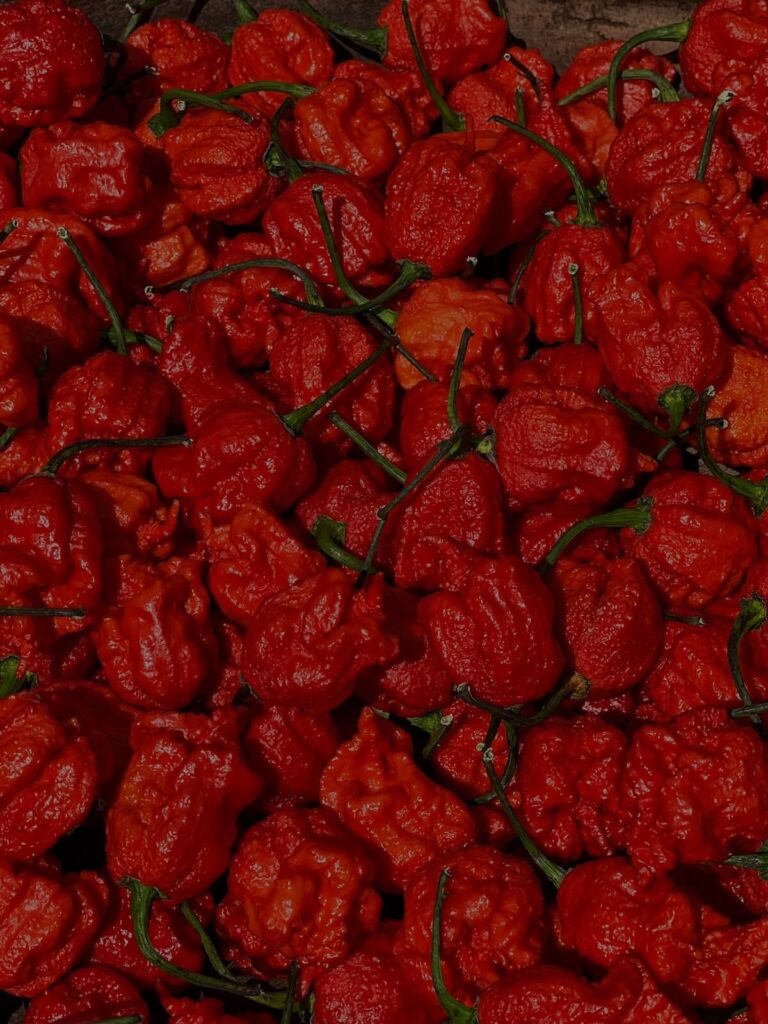
South Carolina is famous for growing the hottest pepper in the world: the Carolina Reaper.
We’re talking 100 times hotter than the humble little jalapeño. So sample a Carolina Reaper at your own risk (but, seriously).
If you can get past the scorching heat (you superhero) it’s actually surprisingly fruity and sweet, and the powdered version adds a killer kick as well.
5. Golf
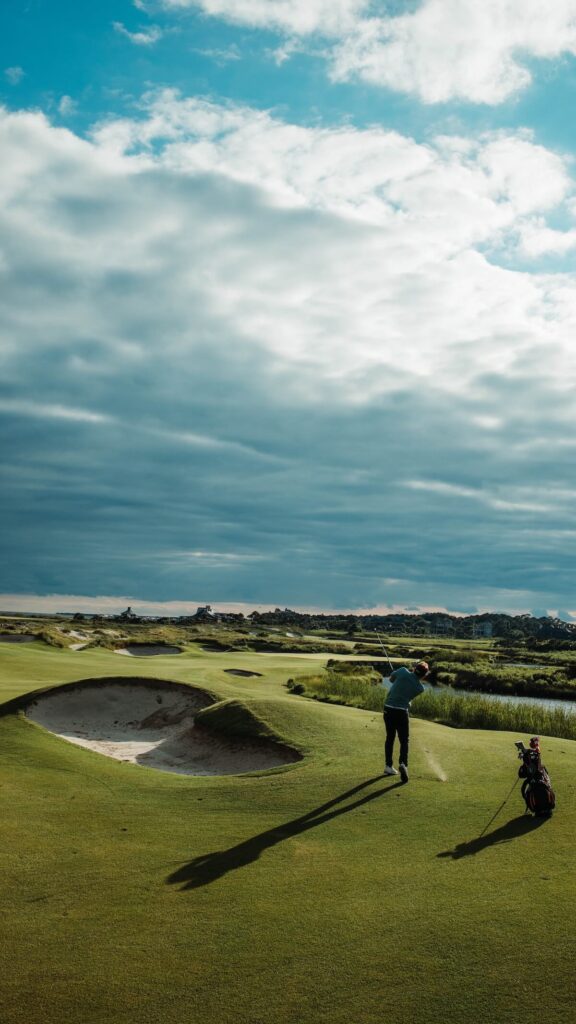
South Carolina is known for some of the best golf courses in the world, but I bet you didn’t know that South Carolina is also home to the oldest golf club in the United States.
The South Carolina Golf Club was founded in Charleston in 1786, and it’s been a signature of the state ever since. Myrtle Beach is often called the “Golf Capital of the World,” with over 80 award-winning golf courses.
6. Myrtle Beach
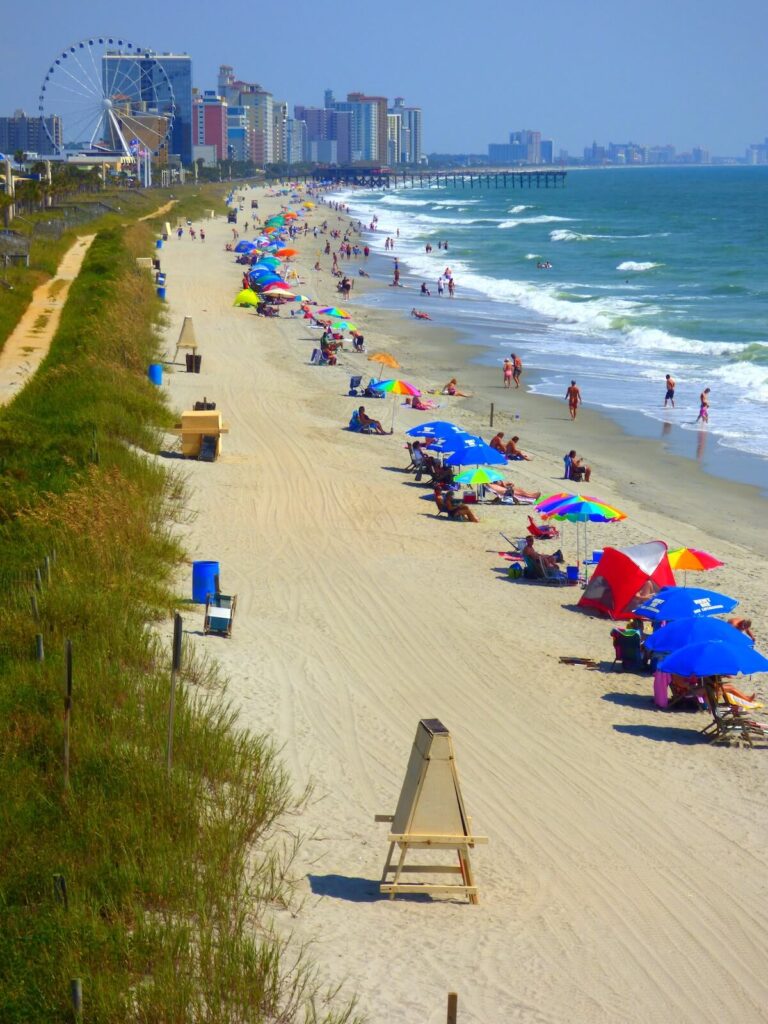
Speaking of Myrtle Beach, it’s definitely one of South Carolina’s most famous beach towns (which is saying a lot, because South Carolina is full of adorable beach towns).
Of course, Myrtle Beach is more of a giant resort/boardwalk than a beach town, with one of the tallest Ferris wheels in the world, world-class golf courses, and some of the best beaches in the state (and maybe the world, too).
7. Charleston

You can’t talk about South Carolina without mentioning Charleston! South Carolina’s biggest and most famous city is an icon of the American South.
Charleston is also one of the most important cities in the U.S., historically, and was an integral figure in both the Revolutionary War and the Civil War. It continues to be full of history, gorgeous architecture, and incredible food.
8. Gullah-Geechee culture
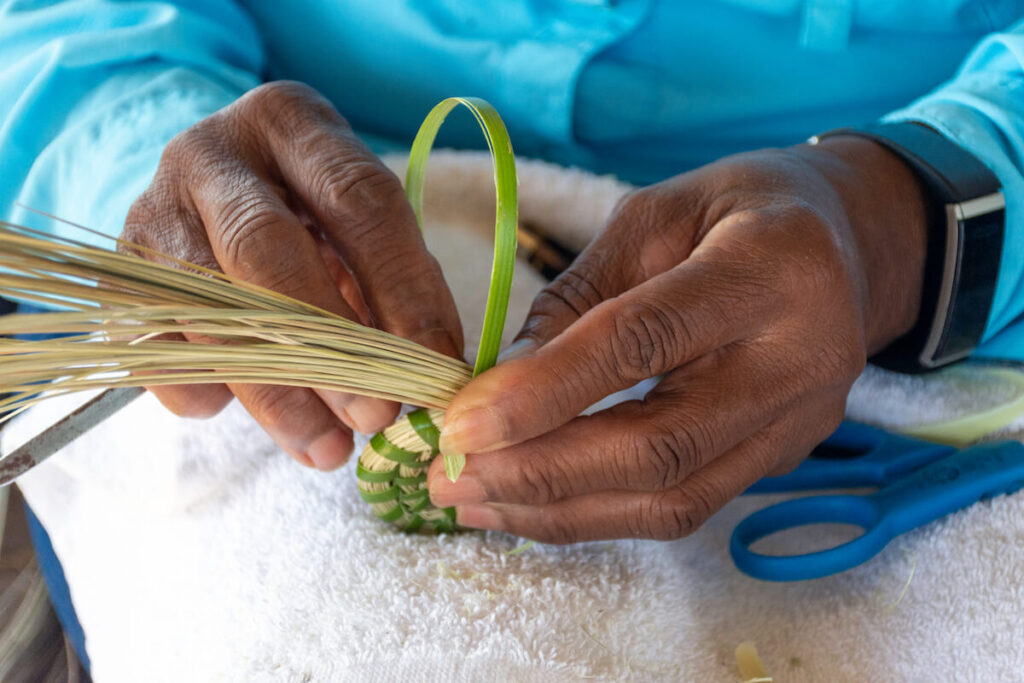
The Gullah-Geechee people are descendants of enslaved Africans brought to work on the plantations in South Carolina.
Due to the fact that many of these slaves worked on isolated coastal and island plantations, a unique culture emerged with its distinct language, art, food, and music.
Combining West African, Caribbean, and Southern influences, the Gullah-Geechee culture is still very alive and well today.
9. Birthplace of sweet tea
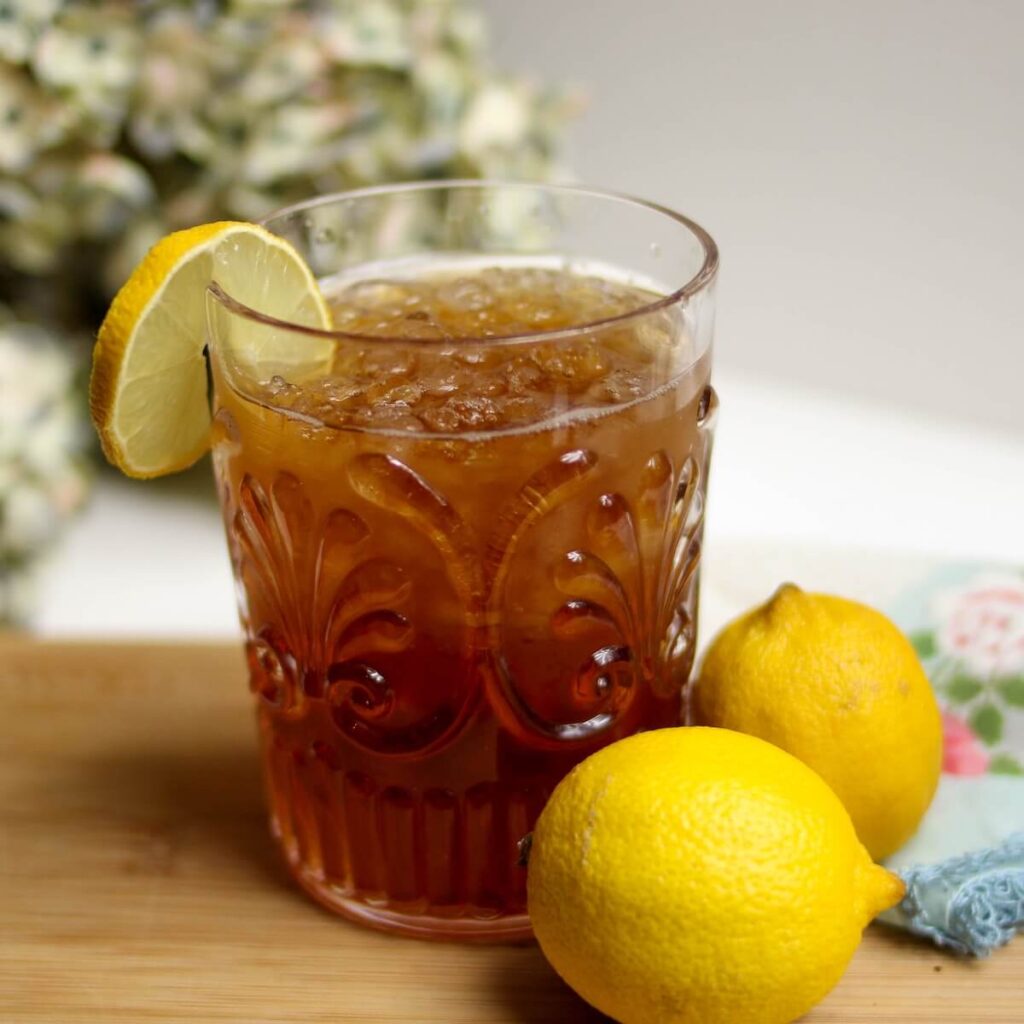
Sweet tea is a time-honored tradition in South Carolina—it was even invented there! The first tea plants were imported into Summerville, South Carolina.
Originally invented in the 1800s, sweet tea became a staple during Prohibition when other refreshing drinks were no longer allowed.
The recipe, made with both black and green tea, adds the sugar when the tea is hot, before it’s cooled, so the sugar dissolves better.
10. Charleston Tea Garden

The only tea plantation in North America, the Charleston Tea Garden is located on Wadmalaw Island, a few miles south of Charleston. The Charleston Tea Garden grows, harvests, and produces its own tea, as well as providing tours.
The Charleston Tea Garden is also the maker of the original “American Classic” tea, which is a fan favorite throughout the Carolinas.
11. Largest Gingko farm
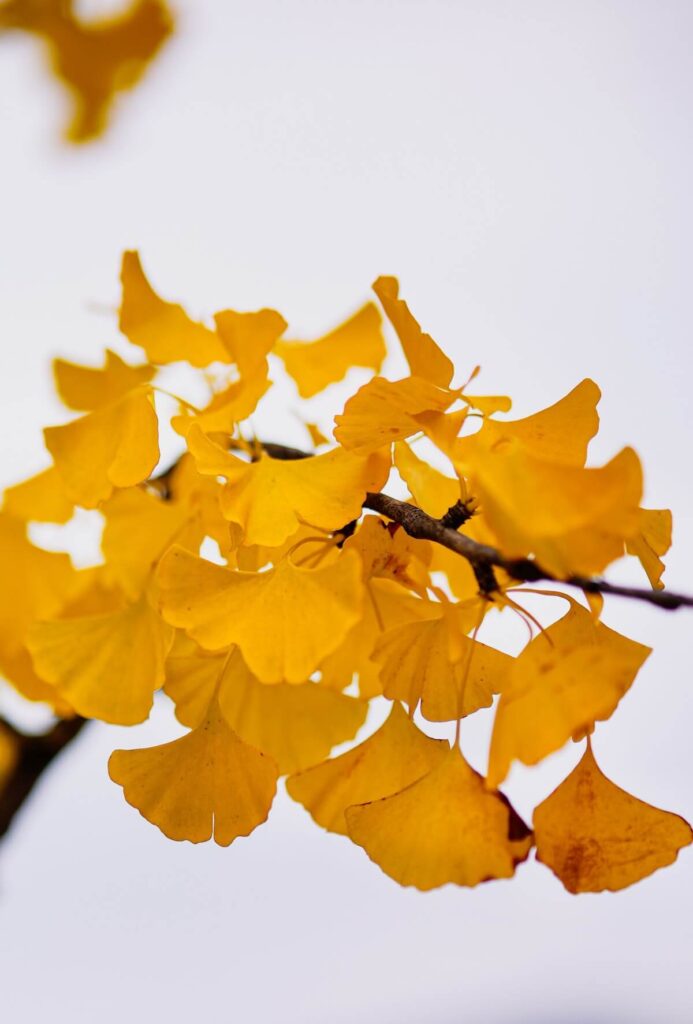
Here’s one you weren’t expecting: South Carolina is home to the world’s largest Gingko farm in the world. The farm, which covers 1,200 acres, is located in Sumter.
Gingko is primarily grown as a supplement, which is proven to aid memory and treat blood disorders.
12. Hilton Head Island

Hilton Head Island, or “America’s Favorite Island,” is off the southern coast of South Carolina.
With its amazing beaches and many golf courses, it’s a big tourism and retirement spot. Hilton Head Island has also been called “the new Hamptons,” to give you an idea of its vibe.
13. USS Yorktown

Near Charleston, on Patriot’s Point, you can visit the retired aircraft carrier the USS Yorktown. Most well-known as World War II’s “Fighting Lady,” she went on to serve with distinction in South Korea and Vietnam.
Before her retirement, she was the recovery ship for the Apollo 8 space mission and was a movie star. She was then disassembled and reassembled as a museum ship in South Carolina.
14. Monkey Island
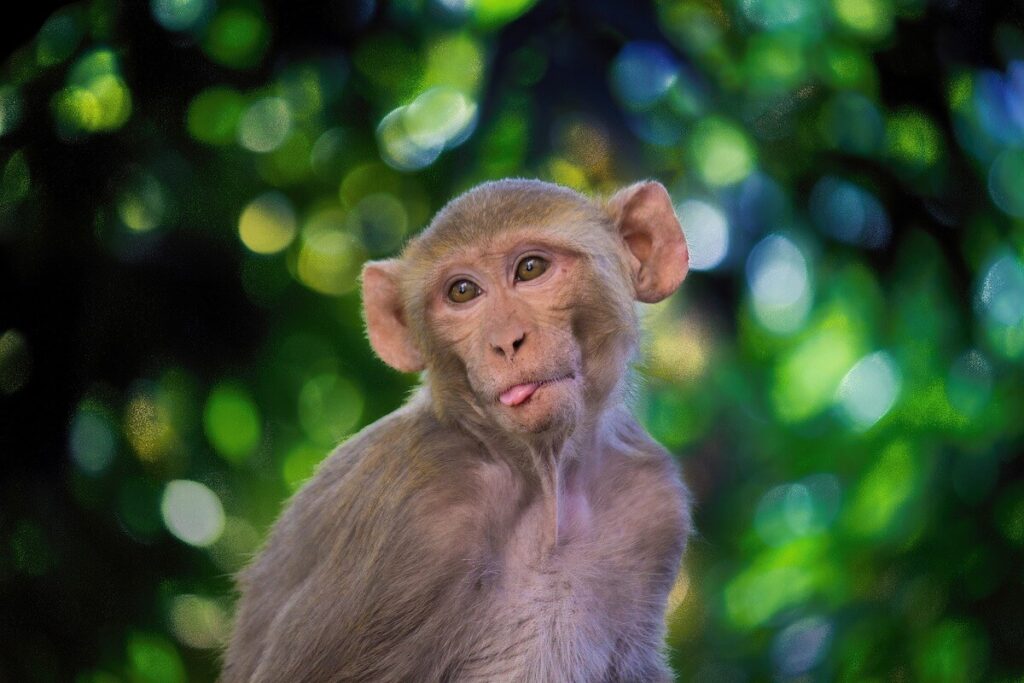
Yep, there’s an island full of monkeys…in South Carolina. Say what?
Morgan Island, one of the Sea Islands off the coast of SC, is known as “Monkey Island,” thanks to its population (over 4,000) of rhesus monkeys.
The monkeys were moved here from Puerto Rico for research purposes, and due to the secrecy of the island, strange tales of monkeys being spotted on this off-limits island were commonplace.
In the early 2000s, Monkey Island stopped most of its research due to controversy. Now the monkeys have free range of the island (and are free to do their monkey things and live their monkey lives).
Monkey Island is still closed to the public, but you might be able to spot a monkey on the beach if you happen to boat by!
15. Congaree National Park

Congaree National Park, located smack dab in the middle of South Carolina, in part preserves the largest area of old growth bottomland hardwood forest. It’s also an International Biosphere Reserve.
The park is free to enter and gives a lot of opportunities to engage with the natural world, through hiking, kayaking, canoeing, camping, and firefly watching.
Also read: 12 Best Mountain Towns in South Carolina for Your Next Getaway
16. Fort Sumter and Fort Moultrie National Historical Park
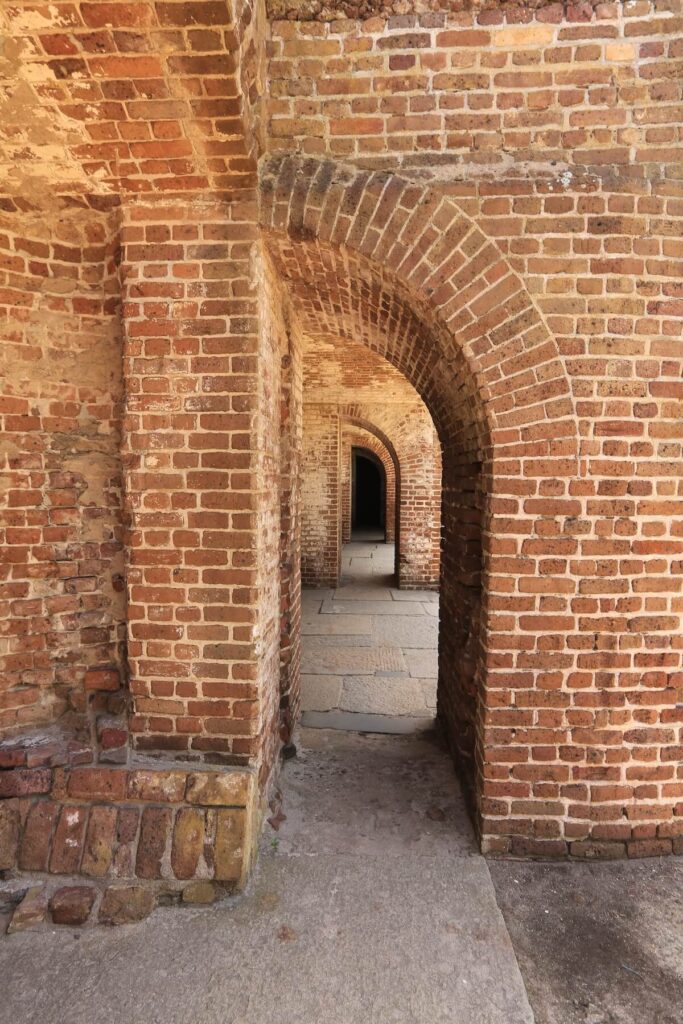
Two forts stand at the entrance to Charleston’s harbor: Fort Sumter and Fort Moultrie. Both are very significant to the history of the United States, Fort Moultrie during the Revolutionary War, and Fort Sumter during the Civil War.
Patriots inside Fort Moultrie defeated the Royal Navy in 1776, securing America’s victory over the British. Then, in 1861, the Civil War began when shots were fired at Fort Sumter. To see these important sites, you’ll need to take a ferry from Charleston.
17. Angel Oak Tree
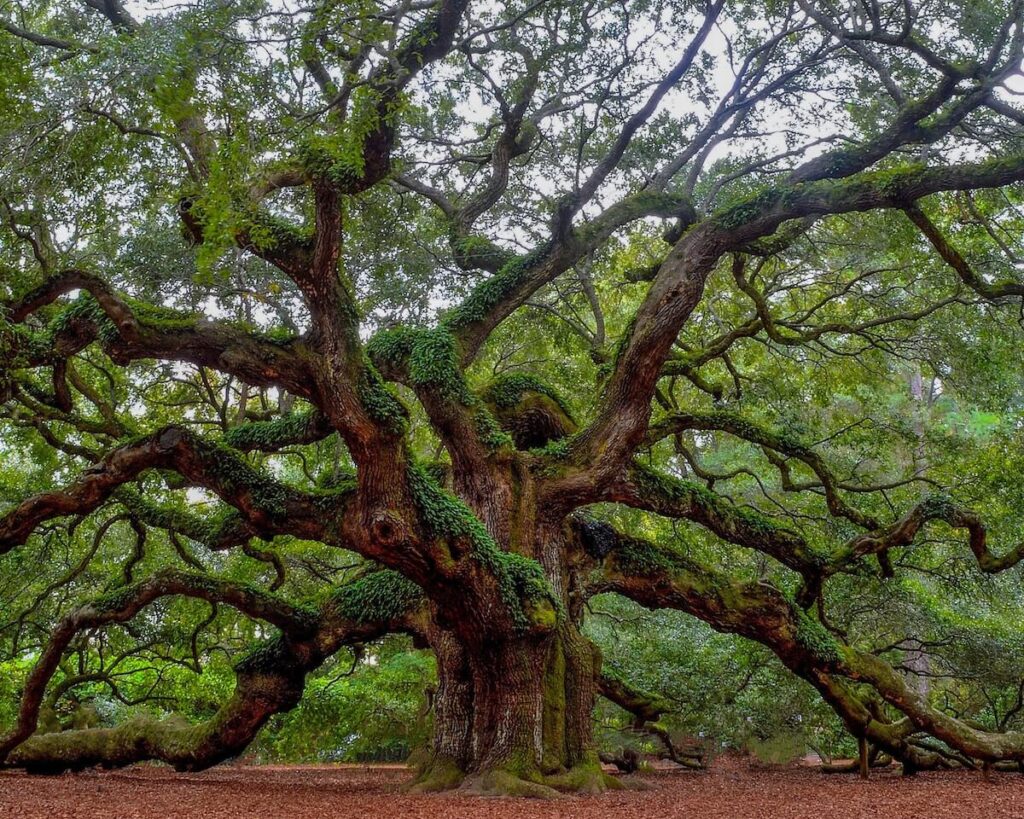
Angel Oak on Johns Island, South Carolina is considered one of the oldest and largest oaks in the United States. Estimates vary, but Angel Oak is between 500 and 1,500 years old.
The tree is over 60 feet tall, and has a circumference of over 25 feet! With its giant, stretching branches, the tree covers around 17,000 square feet.
18. Charleston City Market

The Charleston City Market has been around since the 1790s and is one of the country’s oldest public markets and is a cultural hub in the city.
The market showcases hundreds of local vendors that sell everything from biscuits (try Callie’s Hot Little Biscuit—your life will never be the same) to locally made arts and crafts.
Watch a basket-making demonstration, purchase Lowcountry flavors to bring home, or buy a souvenir for a friend, all under one roof.
19. Slavery
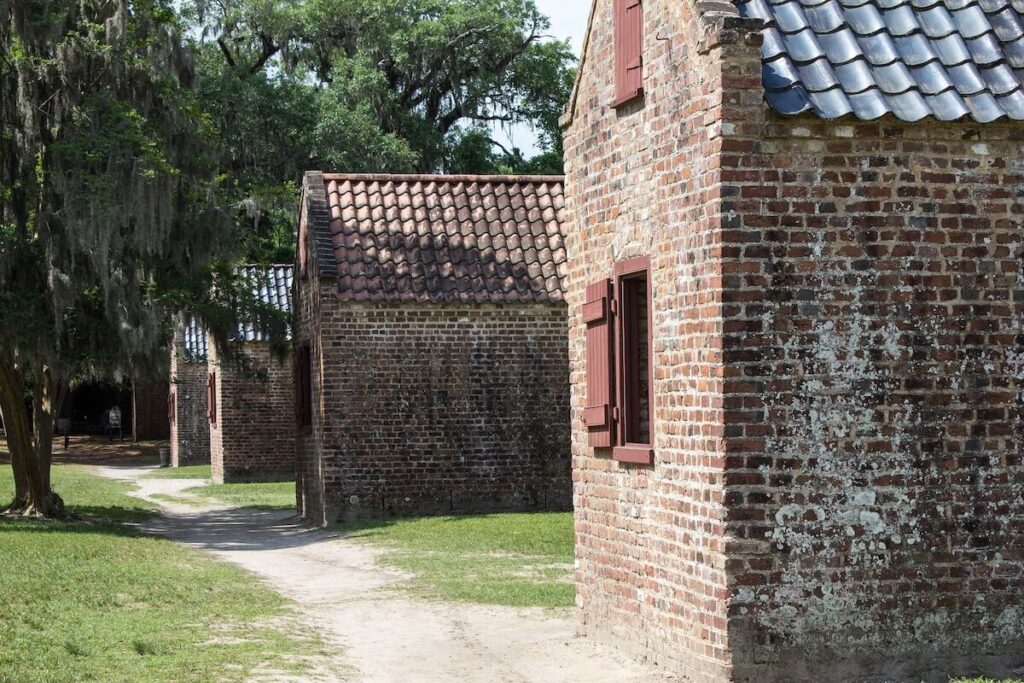
South Carolina was a slave society, thanks in a large part to its large rice and indigo plantations. For many years, slaves made up a significant portion of the population.
The Gullah culture was able to evolve in South Carolina, as many of the plantations were left by the landowners during certain seasons.
South Carolina’s economy was entirely dependent on slavery, and led to South Carolina being the first state to secede from the Union. A large number of slaves were also processed through Charleston, the biggest slave port in the country.
20. One of the original 13 colonies
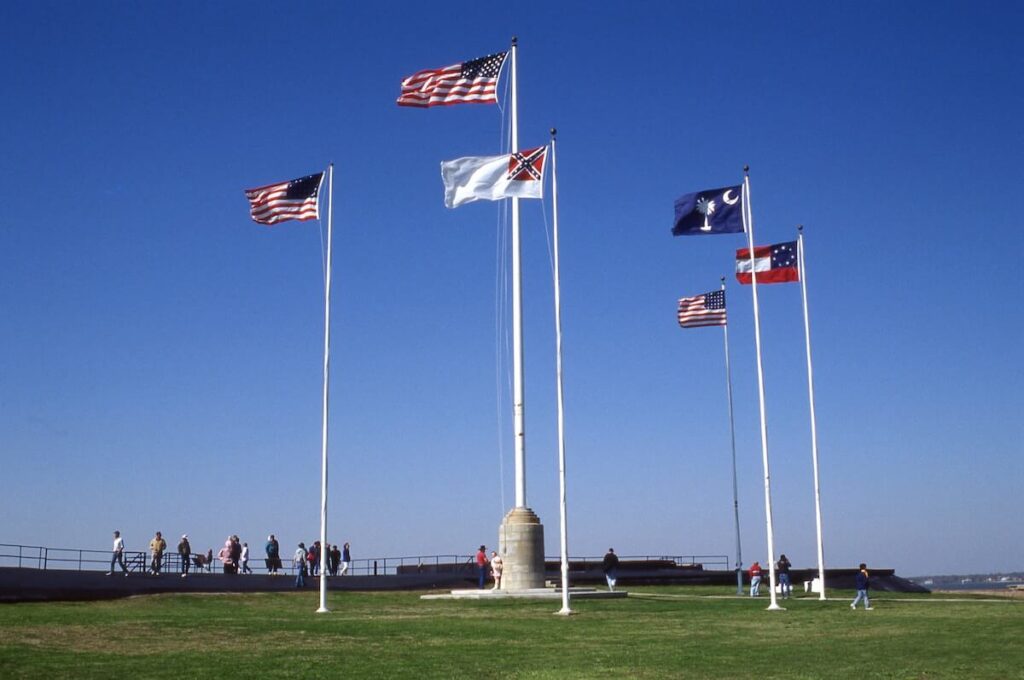
South Carolina has the distinction of being one of the OG 13 colonies that started the United States. The British colony Carolina was established around 1651, and was split into North Carolina and South Carolina in 1712.
South Carolina was one of the wealthiest of the original colonies, thanks to its large indigo, rice, cotton and tobacco plantations; however, this wealth was due to the stolen labor of enslaved Africans.
21. First state to secede from the Union
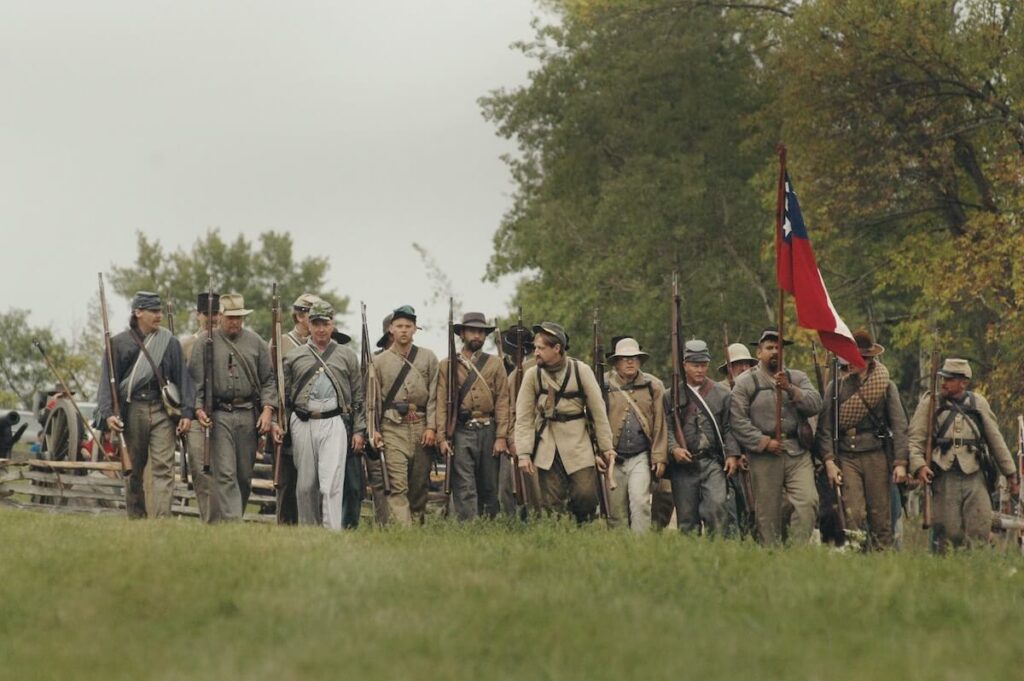
South Carolina also has the (dubious) distinction of being the first state to secede from the Union in the American Civil War.
South Carolina seceded in December of 1860; the Civil War officially began in April of 1861 with shots fired in Charleston’s Harbor.
22. Beaches
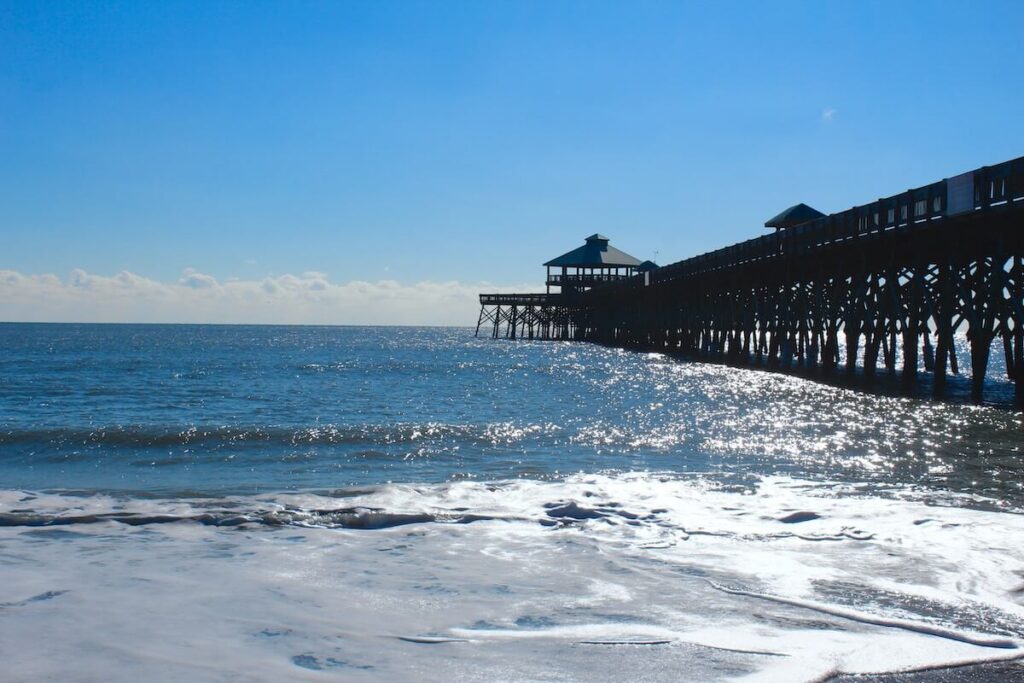
South Carolina is famous for its long stretches of gorgeous beaches. From the resort of Myrtle Beach to a variety of marshy coastal islands, South Carolina has nearly every kind of beach you could think of.
Some of the best beaches can be found on the Isle of Palms, Sullivan’s Island, Folly Field Beach Park, Seabrook Island, Kiawah Island, Huntington Beach State Park, and Pawleys Island.
23. Salt marshes
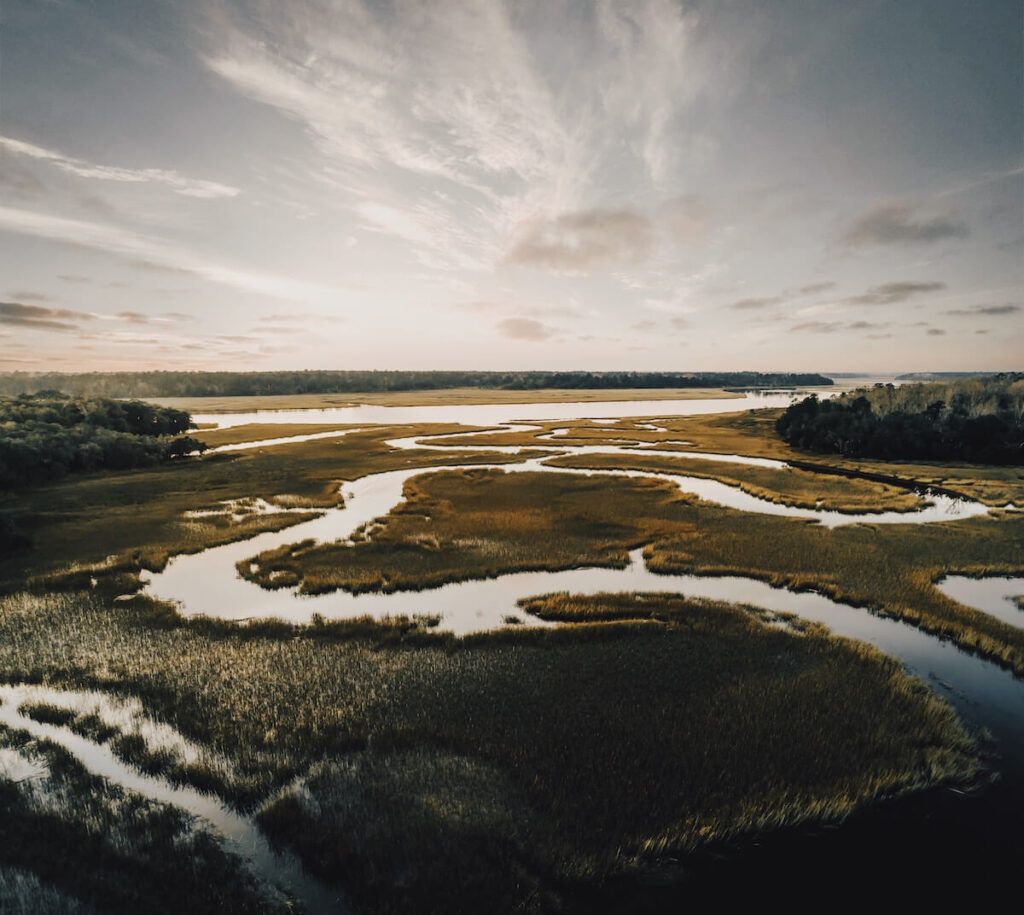
Salt marshes are a distinctive feature of South Carolina. With about 350,000 acres of salt marsh, South Carolina has more than any other state. Salt marshes, coastal wetlands that are flooded and drained by tides, are an integral and vulnerable ecosystem.
The salt marshes in SC provide shelter, food and nursery grounds for 75% of coastal fisheries species.
24. Legal moonshine
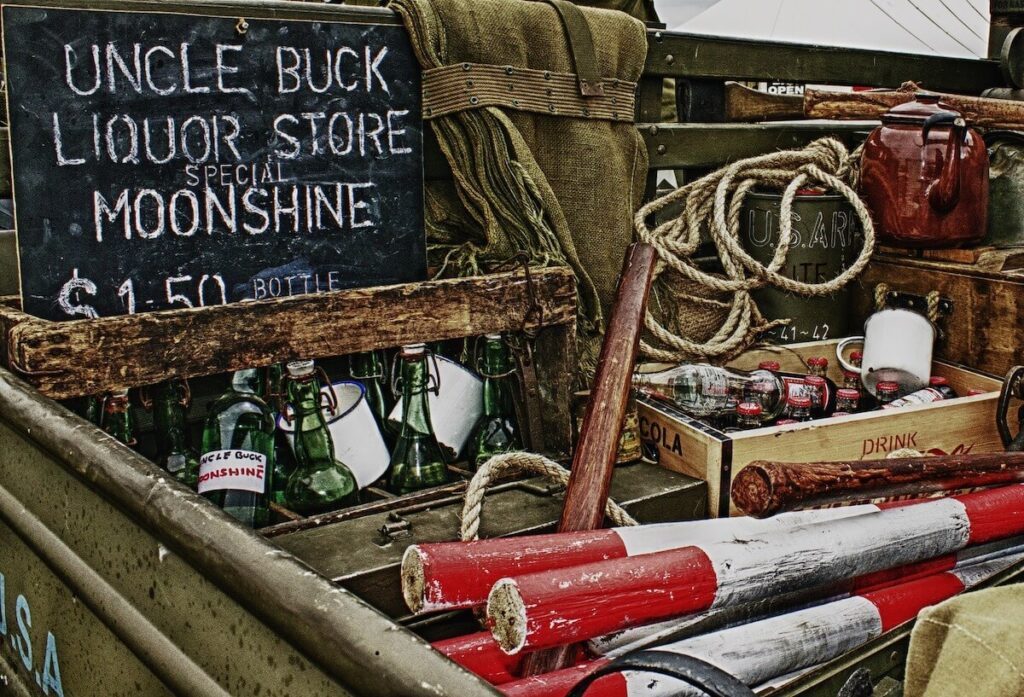
Moonshine is practically synonymous with the American South, and South Carolina is most definitely a part of that. Moonshine especially took off during the Prohibition in the early-to-mid 20th century.
Moonshine continued to be made illegally until 2009, when South Carolina made it legal for micro-distilleries to exist. Many of these micro-distilleries now sell legal moonshine!
Conclusion
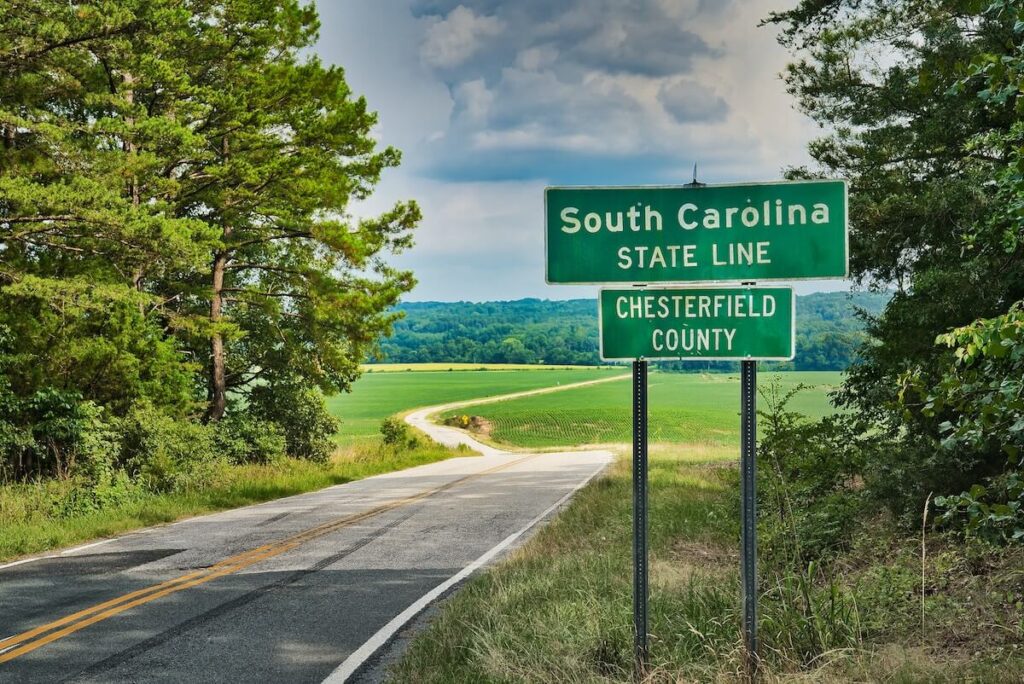
For better and for worse, South Carolina helped shape America into what it is today.
If you visit, make sure to take in all of the history (which is easy to do, since it practically hits you in the face!). It’s also a vibrant, naturally beautiful, exciting destination, and the complicated history merely enriches that.
Did you know all of this about South Carolina? What would you add to this list?