
*This article may contain affiliate links. For full information, please see the disclaimer here.
Perched in the northeastern corner of the island of Ireland, Northern Ireland packs an astonishing amount of personality, dramatic scenery, and legendary history into a surprisingly compact footprint. And depending on who you ask or what official document you read, Northern Ireland has been described as a country, a province, or a region.
Regardless of the label, it is officially a constituent part of the United Kingdom—a status established when the Government of Ireland Act 1920 partitioned the island, allowing the six northeastern counties of Ulster with a unionist majority to remain within the UK while the rest of the island eventually formed an independent republic.
So, what is Northern Ireland famous for? For starters, it boasts breathtaking natural wonders like the towering, hexagonal basalt columns of the Giant’s Causeway, alongside atmospheric landscapes that famously brought the fantastical realms of Game of Thrones and C.S. Lewis’s Narnia to life. It is defined by the energy of its vibrant cities—from Belfast’s rich shipbuilding history to the storied stone walls of Derry—as well as a passionate sporting culture centered around Gaelic games.

Combined with warm hospitality and a deeply compelling heritage, Northern Ireland offers a uniquely captivating story at every turn. Let’s find out more about it, shall we?
Table of Contents
What is Northern Ireland famous for?
1. Giant’s Causeway
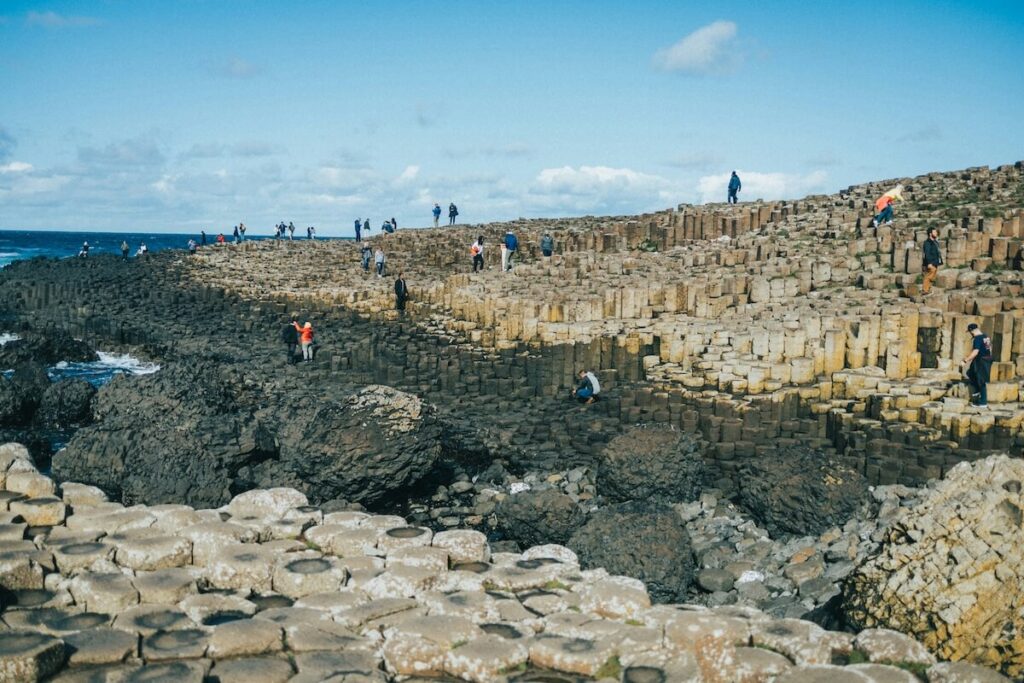
Northern Ireland is known for its dramatic landscapes, but none capture the imagination quite like the Giant’s Causeway. As the region’s only UNESCO World Heritage Site, this geological marvel along the Antrim coast consists of roughly 40,000 interlocking, near-perfect hexagonal basalt columns stepping down into the crashing Atlantic waves.
While geologists attribute these striking formations to intense volcanic activity around 50 to 60 million years ago, local folklore offers a far more colorful story. Irish legend says the heroic giant Finn MacCool carved out the path to cross the sea and challenge his Scottish rival, Benandonner. Today, visitors love clambering over the ancient stepping stones, snapping photos, and soaking in the raw, coastal scenery.
To make the most of your visit along the famous Causeway Coastal Route, consider booking this hassle-free day tour. Departing right from Belfast, it lets you sit back, relax, and explore the stones alongside other local highlights like the atmospheric Dark Hedges and the clifftop ruins of Dunluce Castle.
2. RMS Titanic

Northern Ireland is famous for its towering industrial legacy, and no story looms larger than that of the RMS Titanic. The ill-fated ocean liner was designed, constructed, and launched right in Belfast at the world-renowned Harland & Wolff shipyards.
In the early 20th century, thousands of local craftsmen poured their skills into crafting what was then the largest and most luxurious man-made moving object on Earth. That rich maritime heritage now lives on in the city’s vibrant Titanic Quarter.
Standing at the head of the very slipways where the ship was built sits Titanic Belfast, a striking, aluminum-clad visitor center featuring multi-story interactive galleries. You can explore shipyard rides, step inside recreated cabins, and learn about the real human stories behind the historic liner.
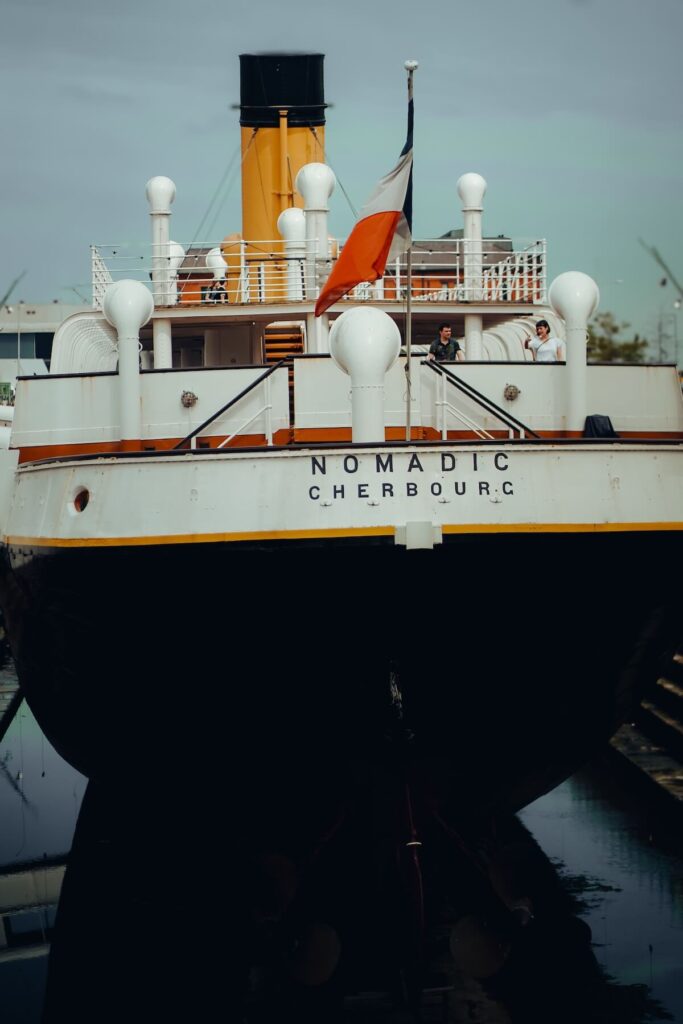
To see it all for yourself, grab a ticket for the Titanic Experience. The pass gets you self-guided access to the main museum galleries and lets you step aboard the SS Nomadic—the world’s last remaining White Star Line ship and the original tender vessel for Titanic.
3. The Troubles and Peace Walls
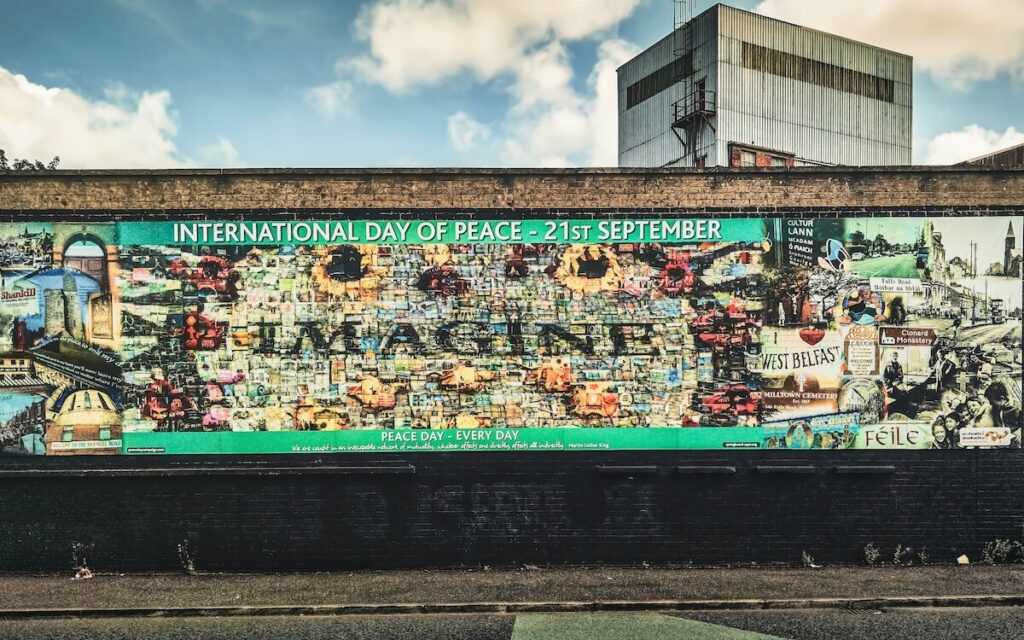
For three decades—from the late 1960s until the landmark Good Friday Agreement in 1998 (more on this later)—the region was gripped by “The Troubles,” a period of intense political and sectarian conflict. To keep rival communities apart during peak violence, massive concrete barriers known as Peace Walls were erected across urban areas.
Those very structures are now compelling historical monuments. In West Belfast, giant colorful murals line the walls along Falls Road and Shankill Road, turning once-divided neighborhoods into open-air historical galleries depicting local political struggles and global social movements.
If you want a genuine, eye-opening look into this era beyond standard tourist spots, check out this fun walking tour. Led by knowledgeable local guides, this tour gives you nuanced, personal perspectives on the conflict’s living legacy and how the city continues its journey toward peace.
4. Game of Thrones filming locations

If you found yourself recognizing Northern Ireland’s rugged coastlines while watching Game of Thrones, well, that’s because many scenes were shot there.
HBO filmed extensively across the region, using its moody landscapes, ancient woodlands, and dramatic cliffs to bring the mythical continent of Westeros to life. The show effectively put these hidden local spots on the global map, transforming quiet rural areas into major tourist destinations.
Fans can visit iconic real-world sets scattered throughout the countryside. You can walk beneath the intertwined beech trees at the Dark Hedges (famously known as the King’s Road), explore Castle Ward (the real-life Winterfell), or visit Ballintoy Harbour, which doubled as the storm-swept Iron Islands. Even the mysterious Cushendun Caves—where Melisandre birthed her shadow creature—are open to explore.
To tick off these cinematic landmarks alongside natural wonders in one trip, hop on this Game of Thrones and Giant’s Causeway tour!
5. Belfast
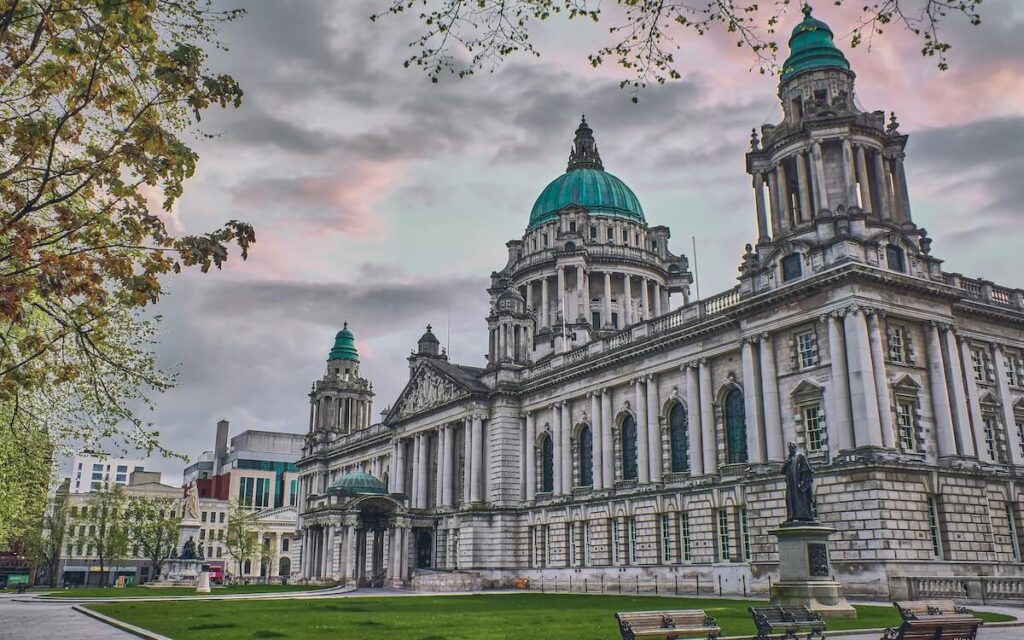
If you want to experience the vibrant heart of the country, Belfast is where it all comes together. As Northern Ireland’s capital and largest city, it seamlessly weaves a rich industrial history with a sleek, modern cultural scene. Frame-worthy Victorian architecture lines the streets, anchored by the grand Belfast City Hall sitting right at the center of downtown.
Aside from its iconic shipbuilding past, the city is also globally celebrated for its warm hospitality, bustling arts scene, and incredible pub culture. You can spend an afternoon exploring local artisan stalls inside the historic St. George’s Market, catching live traditional music inside centuries-old pubs in the Cathedral Quarter, or taking in the city’s famous street art.
Belfast serves as the ultimate base for any trip, giving you access to world-class museums, incredible food, and a lively, welcoming atmosphere that makes you want to stick around a little longer.
6. Old Bushmills Distillery
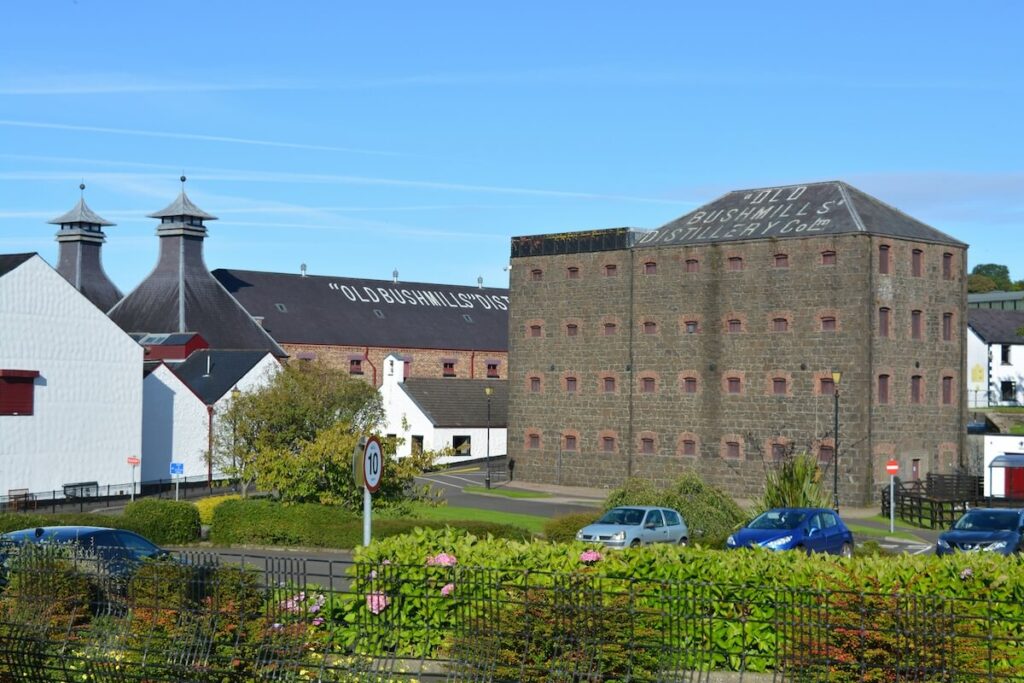
If you appreciate a good glass of whiskey, Northern Ireland is famous for housing a true piece of spirits history. Situated along the Antrim coast in the town of Bushmills, the Old Bushmills Distillery holds a royal license to distill dating all the way back to 1608, making it the world’s oldest licensed whiskey distillery.
For over four centuries, Bushmills has been triple-distilling its signature Irish single-malt whiskey using water from the nearby Saint Columb’s Rill. The copper pot stills and traditional wooden washbacks remain essential parts of the operation today.
Taking a tour of the distillery is one of the best things to do in the area. You can walk through the working production rooms, smell the rich barley and oak barrels, and finish up with a guided tasting session of their world-renowned single malts and blends.
7. Derry

Whether you call it Derry or Londonderry, Northern Ireland’s second-largest city is packed with centuries of dramatic history, vibrant arts, and unmistakable warmth.
Nestled along the River Foyle, it’s globally famous for the Derry Walls—a mile-long ring of intact, 17th-century stone ramparts that make it the only remaining fully walled city in Ireland.
Plus, the city is home to the striking, S-shaped Peace Bridge and throws one of the world’s most legendary, city-wide Halloween celebrations every autumn. The city also holds deep significance in modern history as the birthplace of the civil rights movement and key events during The Troubles.
To walk through these defining moments, you can book this walking tour and explore the historic Bogside neighborhood and its famous murals. Afterwards, consider picking up a Peacemakers Museum entry ticket to dive deeper into how local communities helped navigate the journey from conflict toward lasting peace.
8. Ulster fry

Widely considered the king of local breakfasts, the Ulster fry traditionally includes fried eggs, sausages, back bacon, and black pudding. But what really sets it apart from other British or Irish fry-ups is the bread: it always features soda bread and potato bread (farls), both fried in the pan until golden and crispy.
This hearty spread was designed to power farmers and industrial workers through long, grueling workdays across Ulster’s fields and shipyards. While workers now have more options, Ulster fry remains an essential local institution and the ultimate weekend comfort food. A must-try culinary experience whenever you visit Northern Ireland.
9. C.S. Lewis
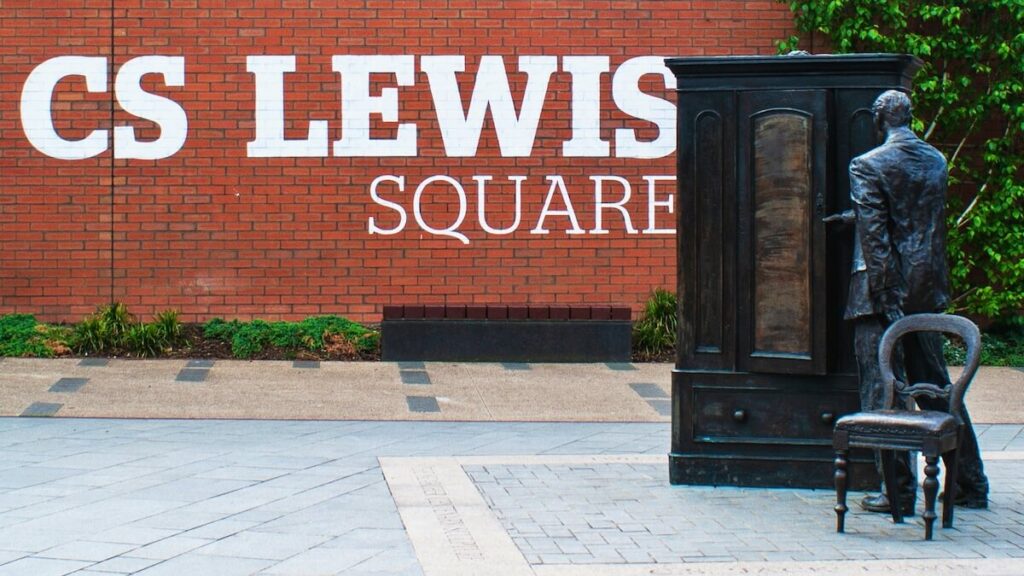
Northern Ireland is known for nurturing creative giants, and literary history buffs will immediately recognize Belfast as the birthplace of Clive Staples Lewis.
Best known as the author of The Chronicles of Narnia (one of my favorite literary series), C.S. Lewis drew immense inspiration for his fantastical worlds directly from the landscapes of his homeland. He famously wrote that the granite peaks and misty valleys of the Mourne Mountains in County Down served as his visual template for Narnia itself.
Thankfully, visitors can trace his legacy across the region. In Belfast, C.S. Lewis Square features life-sized bronze statues of iconic characters like Aslan the Lion, Mr. Tumnus, and the White Witch. If you venture south into County Down, you can hike through the very slopes and woodlands that sparked the imagination behind one of the world’s most cherished fantasy series.
10. Lough Neagh

Covering a massive 151 square miles (392 square km), Lough Neagh holds the title of the largest freshwater lake by surface area in the British Isles. Situated right in the heart of Northern Ireland, this immense body of water touches five of the region’s six counties, supplying around 40% of Northern Ireland’s total drinking water.
According to local folklore, the giant Finn MacCool created the lake by scooping up a massive chunk of earth to throw at a Scottish rival, missing his target and dropping it into the Irish Sea to form the Isle of Man. In reality, the basin was formed through ancient glacial activity and tectonic shifting.
Lough Neagh also boasts a rich fishing heritage and is world-famous for its wild eel fishery, exporting traditional delicacies across Europe. These days, it’s a peaceful hub for boat cruises, bird watching, and scenic lakeside walks.
11. Carrick-a-Rede Rope Bridge

If you’re looking for a thrill along the Antrim coast, crossing the Carrick-a-Rede Rope Bridge is a must. Spanning a chasm 100 feet (30 meters) above the Atlantic Ocean, this 66-foot-long (20-meter) suspension bridge connects the mainland cliffs to a tiny island used by local fishermen for centuries.
Originally erected by salmon fishermen over 250 years ago to check their nets, the bridge was once a precarious structure with just a single handrail and wooden slats spaced far apart. Today’s version is upgraded, fully secure, and maintained by the National Trust, making it far safer—though no less exhilarating as it sways gently over the crashing waves below.
Crossing the bridge offers spectacular views of the rugged coastline, turquoise waters, and distant Scottish islands. Because daily tickets are strictly limited to protect the coastal ecosystem, it’s best to book your entry pass online in advance before heading down the scenic coastal path.
12. The Good Friday Agreement
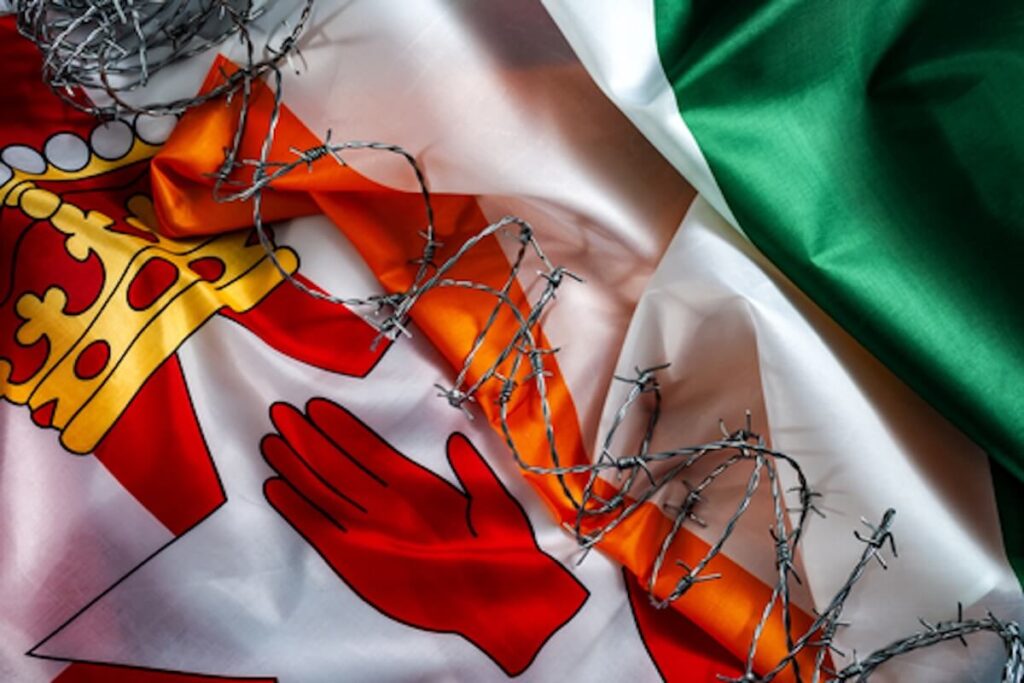
Signed on April 10, 1998, the Good Friday Agreement is the defining turning point in modern Northern Irish history. This landmark peace accord brought an end to three decades of violent conflict known as The Troubles, laying down a blueprint for political stability across the region.
The agreement established Northern Ireland’s current power-sharing government, allowing unionist and nationalist parties to govern together in a devolved assembly at Stormont. It enshrined the “principle of consent,” stating that Northern Ireland remains part of the UK unless a democratic majority votes otherwise, while giving citizens the right to hold British, Irish, or dual citizenship.
Brokered with key help from international mediators, the historic deal also led to the decommissioning of paramilitary weapons and paved the way for cross-border cooperation with the Republic of Ireland. Even today, it remains celebrated worldwide as a masterclass in diplomacy and a foundation for regional peace.
13. Dunluce Castle
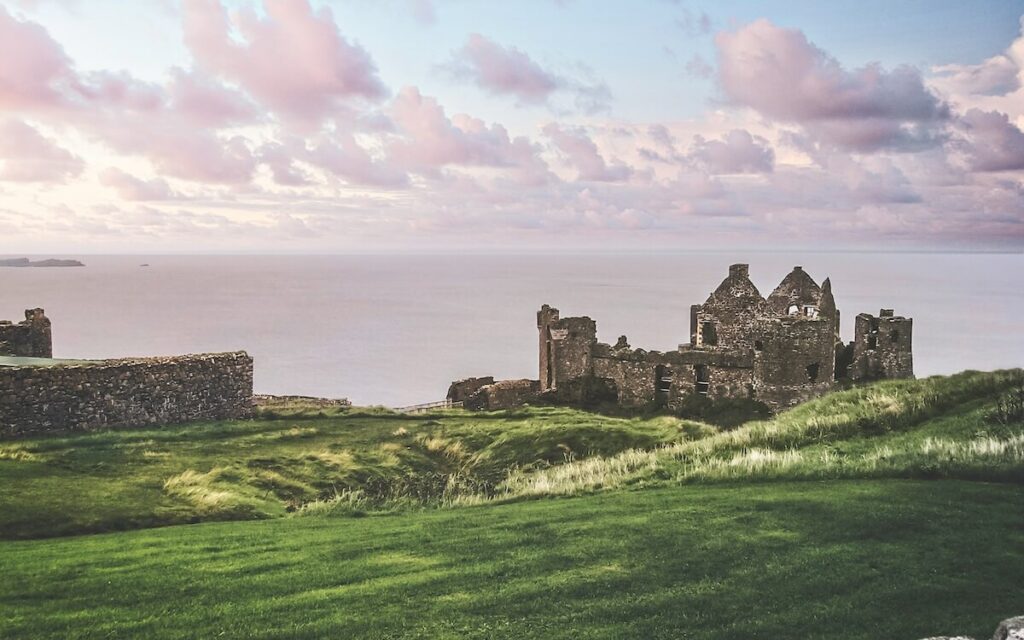
Situated dramatically on a sheer basalt cliff edge high above the ocean, Dunluce Castle is truly one of Northern Ireland’s most breathtaking historical ruins.
Accessible only by a narrow stone bridge over a steep drop, this 16th-century stronghold was once the seat of the fiery MacDonnell clan, who held power along the Causeway Coast for generations. The castle’s jaw-dropping setting has inspired centuries of local lore—including tales that parts of the castle kitchen collapsed directly into the sea during a fierce storm in 1639. And yes, it’s on Game of Thrones too!
Visitors can walk through the atmospheric stone towers, peer out over the crashing Atlantic waves, and explore the ancient hidden cave located directly beneath the cliff face.
14. Gaelic games and rugby

Northern Ireland is famous for its fiercely passionate sports culture, where traditional field sports and international stadium rivalries thrive side by side. Sports play a central role in local community life, with enthusiastic crowds filling up neighborhood grounds and regional stadiums every single weekend.
At the center of athletic traditions are Gaelic games—primarily Gaelic football and hurling—governed by the Gaelic Athletic Association (GAA). These fast-paced, amateur sports are deeply rooted in local parishes, where players represent their hometowns with immense pride.
Alongside GAA, rugby holds a massive, cross-community following. The region supports the Ulster Rugby team, which competes in top European competitions at Kingspan Stadium in Belfast. Local players also represent the all-island Ireland national rugby team. Yup, rugby is that one unifying force across the entire country.
15. Quirky local vernacular
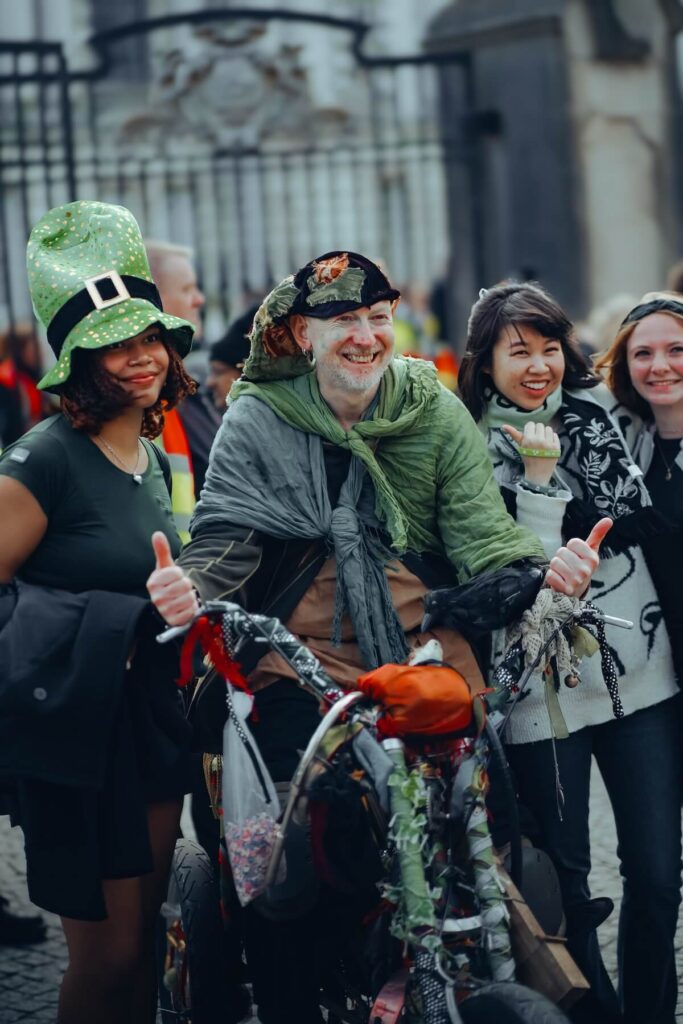
If you spend even five minutes chatting with a local, you’ll quickly realize that Northern Irish speech has a rhythm and vocabulary that’s so unique. Steeped in a blend of Hiberno-English and Scots influences, the local dialect is packed with distinct slang, rapid-fire phrasing, and endearing speech habits that make for interesting conversations.
You’ll constantly hear sentence-ending tags like “So it is” or “So I am” used for emphasis, alongside terms like “wee” for practically anything (regardless of actual size). Greeting someone usually starts with “What’s the craic?”—asking for the latest news or how you’re doing—while a good night out is simply described as “good craic.”
Other classic local expressions include calling a child a “wee dote,” describing someone annoying as a “melter,” or asking “bout ye?” (how are you?). It’s colorful, it’s warm, and it’s totally playful!
Conclusion

So, what is Northern Ireland famous for? From marveling at the geological wonders of the Giant’s Causeway and exploring the cinematic landscapes of Game of Thrones to immersing yourself in Belfast’s rich history and indulging in a hearty Ulster Fry, this majestic corner of the world truly has something for every type of traveler.
If you’re ready to start planning your getaway, bookmark this article to keep these highlights handy for your itinerary! And while you’re mapping out your adventures, don’t forget to also check out Ireland and know more about this beautiful island.