
Moab, Utah, a small city in the eastern half of the state, looms larger in the nation’s consciousness than its size may indicate. This picturesque town, surrounded by famous national parks and iconic scenery, is one of the hottest destinations in the USA’s Southwest.
Moab’s popularity means that you’ve likely heard of it, at least, but you may be wondering, what is Moab Utah known for? What is Moab famous for?
Moab is famous as the Northern Gateway to Utah’s National Parks and is home to both Arches National Park and Canyonlands National Park. Moab is known for its rock arches, stargazing, various adventure sports, dinosaur tracks, and Native American art.

The iconic rock formations, otherworldly natural beauty, the carved canyons of the Colorado River are all offset by the town’s creative soul. Read on to discover just what makes Moab famous, and why you should visit.
Table of Contents
1. Arches National Park

What is Moab famous for? Arches National Park! This iconic park, Moab’s most famous site, and one of the most well-known sites in the American West, has the largest concentration of stone arches in the entire world, numbering over 2,000!
In addition to these red, sandstone formations, caused by thousands of years of erosion, you’ll find many other rock structures, such as balancing rocks, fins, towers, and hoodoos (tall, skinny spires).
Although the hottest time of year (both crowd-wise and weather-wise) is the summer, winter can be magical at Arches. Imagine the red sandstone dusted with snow! Plus, without the crowds.
To reach more remote locations within the park, this 4×4 guided tour is highly recommended.
2. Delicate Arch

The most famous rock arch in the land of rock arches and a symbol of Moab (and Utah—it’s even on the license plate!) is known as Delicate Arch.
This 52-foot, freestanding, naturally-formed arch can be seen from the Lower Delicate Arch Viewpoint, the Upper Viewpoint, and the world-renowned Delicate Arch Trail.
The trail, while only three miles roundtrip, does meander along cliff faces, so it’s not for the faint of heart! Every step is worth that view, though, I promise.
3. Canyonlands National Park

Canyonlands National Park is a dramatic desert landscape carved by the Colorado and Green rivers. These rivers and their tributaries split the park into four districts: the rivers themselves, Island in the Sky, The Needles, and The Maze.
The spectacular canyons, dramatic buttes, and, of course, the rock formations of Canyonlands provide countless adventure and otherworldly sights to see.
In Canyonlands, you can hike on trails or raft over rapids, visit ancient Native art, travel the rugged terrain via a 4×4 vehicle, or catch a truly amazing desert sunset over the pinnacles of The Needles.
4. Slickrock Bike Trail

What is Moab Utah known for, besides national parks? Mountain biking!
Moab is known for many adventure sports and is particularly favored by mountain bikers from all over the world. The most well-known trail for biking in Moab is the Slickrock Bike Trail.
This ten-mile loop near Utah is very challenging, and takes, on average, nearly four hours to complete. If you’ve got the skills, though, it’s not to be missed—the views of the desert are stunning, and the trail, which winds over petrified sand beds, is unlike anywhere else.
5. Moab Jeep Safari

Off-roaders, this one’s for you!
Moab is a mecca for four-wheelers and other off-road vehicles. One of Moab’s most well-known events is the Moab Jeep Safari, or the Easter Jeep Safari, which occurs annually around (you guessed it) Easter.
This nine-day event includes trail rides and day trips to the various spots in and around Moab best for Jeeps.
6. Petroglyphs

What is Moab known for, from a cultural perspective? Native American art!
Moab is known for its excellent examples of petroglyphs, or rock art carvings, that are scattered throughout the surrounding canyons and caves. Some of this ancient artwork dates as early as 5500 BC!
A few incredible petroglyph sites near Moab include Potash Road Petroglyphs, Moonflower Canyon Petroglyphs, and the Birthing Rock Petroglyphs (one of the few panels in the Southwest showing a woman giving birth).
7. Street art

In addition to petroglyphs, Moab also has a different type of wall art: street art!
The charming downtown of little Moab has about 15 colorful murals, created by both local and world-renowned artists. As many of the murals have a nature theme, they connect urban culture with the surrounding nature that makes Moab famous.
They’re also great photo ops for visitors—don’t miss the “Welcome to Moab” sign, either for your memories or for your Instagram.
8. Stargazing

Moab has some of the darkest skies in the continental United States, and so is a sanctuary for stargazers.
Surrounded by three prestigious International Dark Sky Parks (Arches National Park, Canyonlands National Park, and Dead Horse Point State Park), Moab and its desert are free of excess light pollution, so you can have unfettered views of the night sky.
9. Northern Gateway to Utah’s National Parks

Utah is famous for its five (yes, five!) national parks, and Moab is known as the “Northern Gateway” to said national parks.
Including the parks nearest to Moab, Arches, and Canyonlands, Moab also has scenic roads that will lead you to Zion, Bryce Canyon, and Capitol Reef National Parks.
10. Dead Horse State Park
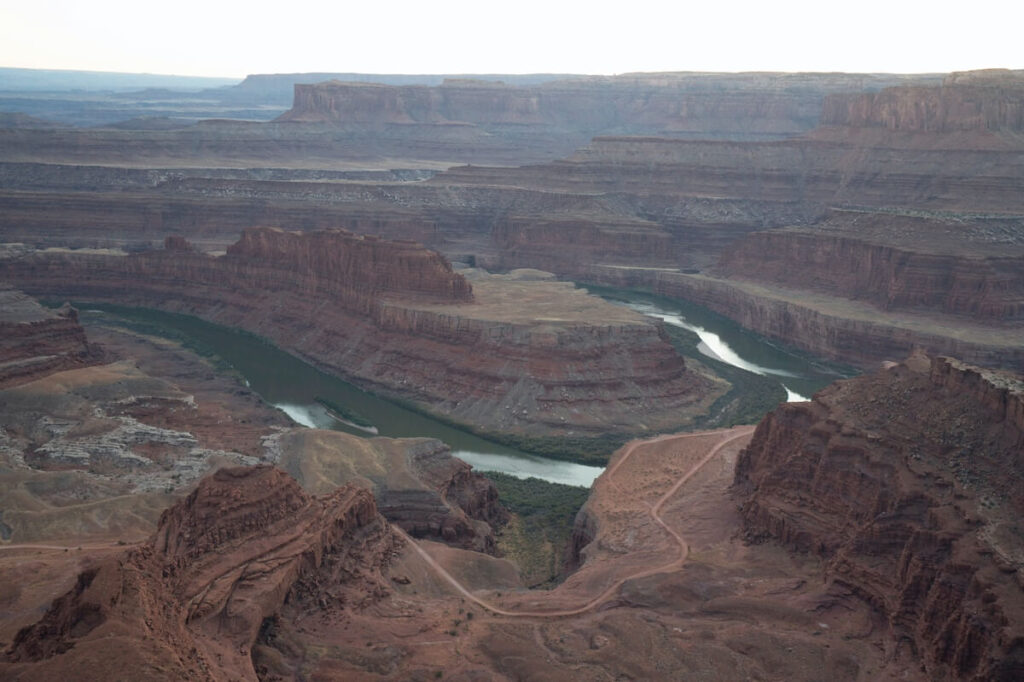
Sure, there are some incredible national parks around Moab—but don’t forget the state parks, too! Dead Horse State Park is the nearest one, and the towering landscape with panoramic views of the Colorado River should not be missed.
11. Slot canyons
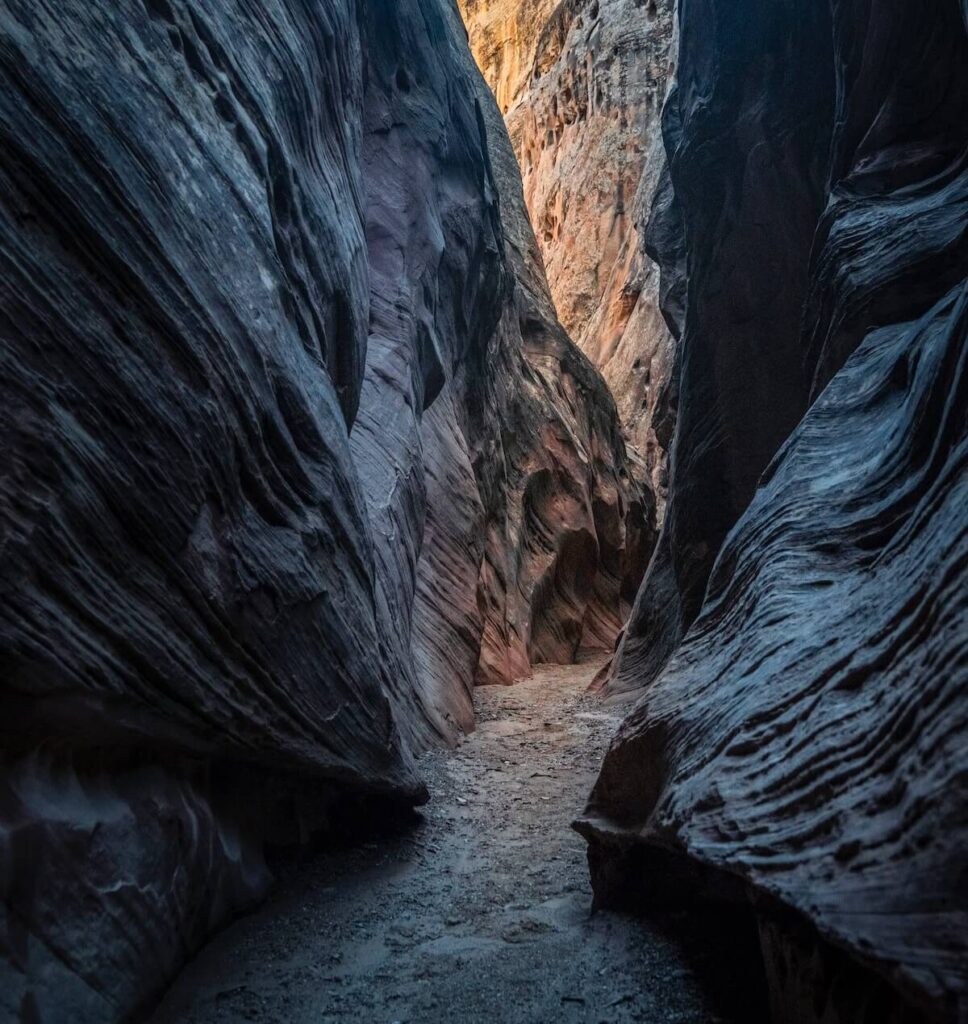
The American Southwest is famous for its slot canyons, narrow channels with sheer rock walls, eroded into different sedimentary rocks—mostly sandstone, in Utah.
Although there are no slot canyons in the immediate area around Moab, a short drive will take you to incredible options like Mary Jane Canyon, Granary Canyon, or the Little Wild Horse Canyon.
12. Rock climbing

Welcome to one of America’s best rock-climbing destinations!
Moab attracts climbers from all over and of all levels. As Moab has so many varied routes at different elevations, you can also climb there in virtually any season. A few well-known routes you must try are Fisher Towers, Indian Creek, Castleton Tower, and Looking Glass Arch.
If you’re a fan of off-the-beaten paths, a rock rappelling tour through Dad Gum Canyon should be a thrilling experience.
13. Water activities
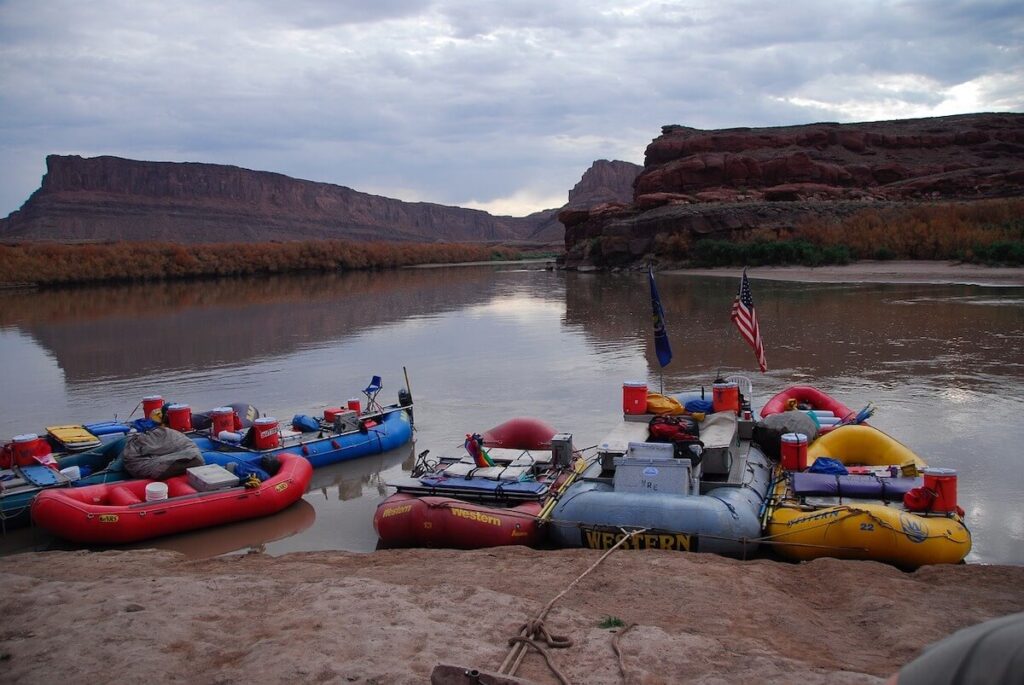
Although Moab is in the middle of the desert, there’s no shortage of water…activities, that is.
The Colorado, Green and San Juan rivers provide a variety of ways to cool off in that desert heat, from half-day paddleboarding tours to wild whitewater excursions and to multi-day trips. A half-day Colorado River rafting trip can take you through mild class 1 and 2 rapids, while taking in views of rock formations and valleys.
Smaller creeks, like Mill Creek, hide small waterfalls and respite from the desert heat.
14. Moab Rock Shop

Moab is a geologist’s dreamland—and even if you lean more amateur or just like pretty stones, you’ll appreciate the Moab Rock Shop.
An essential stop on your visit, if only for the ambiance and eclectic stock, it’s also the best place to find a unique gift or souvenir from Moab. You can buy rock jewelry or art, polished stones or gems, crystals or fossils, or hunt up even more unique treasures outside.
The owner, nicknamed “Dinosaur Man” for his discovery of several dinosaur species in the Moab area, is so knowledgeable that the shop functions as a part-natural history museum.
15. Dinosaurs

Dinosaur Man from the Moab Rock Shop is not the only person who’s discovered dinosaurs near Moab. The area is a hotbed for fossils and dinosaur bones alike.
Moab has leaned into its dino reputation with the Moab Giants Dinosaur Park, with a trail full of dinosaur replicas, a museum, a theater, and a “paleo-aquarium.” You can explore this park at your own pace with a VIP pass.
You can also find real dinosaur tracks or bones out in the wild, in places like the Copper Ridge Dinosaur Tracks Trail, the Mill Canyon Dinosaur Trail, or at the new Utahraptor State Park.
16. Hollywood films
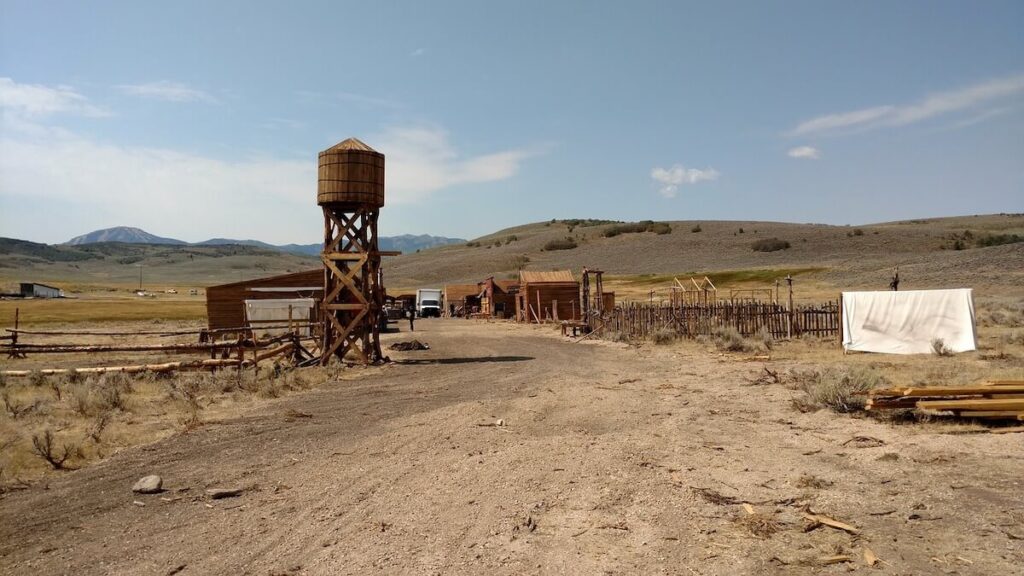
The area around Moab has long been used as a film set by Hollywood bigwigs. Around 80 percent of the many films have been shot in the nearby Castle Valley, a particularly otherworldly section of the Colorado River.
Famous movies filmed in Moab include several John Wayne classics (Rio Grande, Fort Apache, She Wore A Yellow Ribbon), as well as Indiana Jones and the Last Crusade, Once Upon a Time in the West, Thelma & Louise, and 127 Hours.
17. The climate

Although Moab’s temperatures can sometimes fluctuate 40 degrees in a single day (and that’s at just one altitude!) The overall mild temperatures year-round are ideal for many visitors. In spring, highs average 60 to 80 degrees (F), and wildflowers are abundant.
The cool mornings of the summer move into hot afternoons, followed by surprisingly comfortable evenings. The occasional summer storm creates sudden waterfalls on the towering sandstone cliffs. In fall, the daily highs hover around 70 degrees, and winters are mild with few snowstorms—unless you go up into the mountains!
The semi-arid, desert temperatures are mitigated by the higher altitudes, providing endless opportunities for adventure. The varying elevations also mean that you can either escape the heat or find the warmth, depending on your preference.
18. Tourism

With its stunning vistas, access to nature, charming small-town feel, year-round activities, and ideal weather, Moab has become one of the most sought-after destinations in the American West. Around three million visitors come to see Moab each year, primarily in the summer.
To lessen your footprint in this delicate environment, stay on the trails, leave no trace, frequent locally-owned establishments, and visit in the quieter months, such as late fall, winter, and early spring.
19. Adventure sports

We’ve talked about rock climbing, river rafting, off-roading, and mountain biking—but these are just a few of the many adventures you can pursue in and around Moab.
We’re talking hiking, horseback riding, hot air balloon rides, ziplining, airplane tours, canyoning, mountaineering, helicopter flights, rappelling, backpacking, and paragliding.
20. Upheaval Dome

One of Moab’s most unique features (in a landscape already full of those!) is the Upheaval Dome. This geological formation, found within Canyonlands National Park, is around three miles across and roughly circular in shape.
Scientists disagree on the cause of Upheaval Dome, but they do agree it’s unlike anywhere else on Earth! The current consensus is that it’s a partially collapsed crater from a meteorite.
Conclusion

One thing is for sure, you won’t forget your trip to Moab!
There’s no shortage of things to see and adventures to have, whether you want to explore by foot, by car, by boat, or even by air. The unparalleled natural surroundings have gained their rights as one of the most unique and beautiful places in the world.
How would you spend a day in Moab? Climbing or rafting, touring cave art and street art, or hopping between the national parks? Share in the comments below! And, if you’ve been to Moab, share any facts I may have missed, also in the comments.