
Okay, let’s chat about everyone’s ideal paradise: warm beaches, stunning landscapes, unique food, and unbelievable adventures. I think we’re just talking about Maui? Hawaii’s second-largest island sees an average of two million people per year, and for very good reason.
Maui is known for being an island paradise full of gorgeous beaches, lush jungles, and an abundance of wildlife. Maui is also famous for its production of pineapples and exotic fruits that make your mouth water. With top-notch outdoor activities, a deep sense of culture, and a relaxed way of life, it’s easy to see why Maui is on everyone’s must-visit list!

What else is Maui known for? Explore the 23 things that make Maui one of the most loved islands in all of Hawaii!
Table of Contents
1. Road to Hana
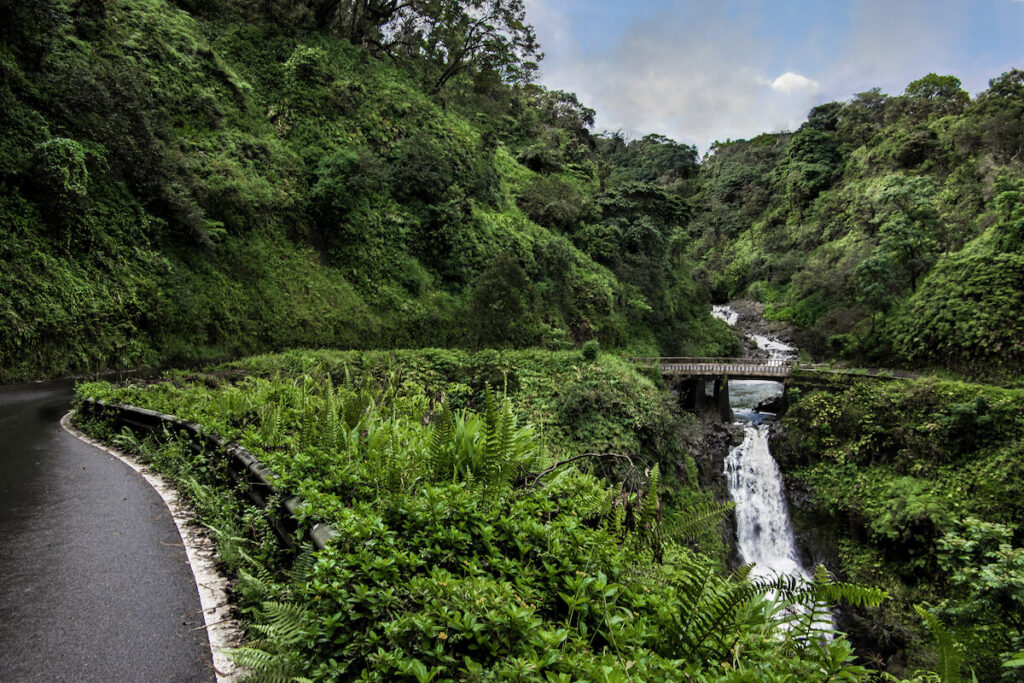
If you love a long drive through breathtaking terrain, then the Road to Hana is perfect for you. Stretching a little over 64 miles from Paia to Hana, this historic road takes travelers across narrow bridges, past stunning waterfalls, and through famous beaches. With roughly 400,000 travelers per year, it’s a must-do activity in Maui.
To experience the magnitude of this journey, most recommend blocking out a whole day to give yourself enough time to go on hikes, chill on beaches, and even visit a few Arboretums.
The highway ends in Hana, a quiet town that was established around 700 A.D. and has significant and deep roots for the Hawaiian people.
Its lush environment made it eye candy for royalty throughout the centuries, often resulting in wars over the land. Many residents see Hana as a place that connects them to their past.
2. Whale migration

What do I have in common with a 45-ton humpback whale? We both like to go to Hawaii in the wintertime.
Each year, over 10,000 humpback whales make the journey from Alaska to Hawaii starting as early as November.
While you can see these giants from most of Hawaii, the best spot to watch them is from Maui. Many whale-watching companies happily take guests out to sea to watch the whales breach, communicate, and swim around.
Fun fact: It has long been thought that the reason ancient Polynesians discovered Hawaii was by following the whales during their migration period!
3. Famous fish

For those of us who grew up watching High School Musical, we may be familiar with the name humuhumunukunukuāpuaʻa – Hawaii’s official state fish.
Also known as the reef triggerfish, this Hawaiian treasure is a favorite to find while snorkeling on the beaches of Maui. They can be easily spotted with their bright blue and yellow colors, huge lips, and ability to blow bubbles.
Named Hawaii’s official state fish in 2006, Humuhumunukunukuāpuaʻa directly translates to “triggerfish with a snout like a pig”. They are fast-moving and love to hide in crevices, so if you see one in the reefs, be quick with your camera!
4. Surf’s up

While Maui is known for being a surfer’s paradise, the sport also has deep cultural roots for the people of Hawaii.
As writer Diego Ortiz points out in his article about Hawaii, “surfing had more to do with tradition and spirituality than fun”.
The art of surfing is known as “wave sliding” or he’enalu, and was used as a mark of class. Often chiefs and warriors were the most skilled surfers and were therefore treated with much respect.
Today, surfers can look to the North shore for optimal shredding spots. Maui’s most famous surf spot is called Pe’ahi, or “Jaws”, sporting massive waves that can reach up to 70 feet high!
5. The Pools of Ohe’o

A stop along the Hana Highway, this magnificent natural wonder is nicknamed Seven Sacred Pools. Ohe’o, in Hawaiian, means “something special”, a perfect name for such a stunning natural spot.
Located within Haleakala National Park, roughly 800,000 people annually hike the small loop to the pools.
Visitors can also take other trails throughout the jungle, one of which leads to the stunning 400-foot Waimoku Falls and the third-largest temple ruin in Hawaii.
Note: It’s strongly advised to heed the “no jumping” signs. As a Hawaiian proverb states, “water recognizes no friend”. Slippery and hidden rocks, unannounced floods, and more make the Pools of Ohe’o treacherous and unforgiving.
6. Waiʻānapanapa State Park

A popular stop on the Road to Hana, this 122-acre park has something for everyone. Bird lovers can witness the massive seabird colony, rock enthusiasts can marvel at the natural stone arches, history buffs can hike to the religious temple – should I keep going?
Waiʻānapanapa, which means glistening waters, is home to one of Maui’s biggest attractions: black sand beaches.
While it’s mostly covered in black pebbles rather than sand, many people take a quick stop here to witness the phenomenon.
Others choose to explore the numerous sea caves and take advantage of the cliffs perfect for jumping off. There’s also a small blow hole on the cliffside that many visitors love to watch in the hopes that it’ll erupt.
A unique feature of this park is the lava tubes, which are underground caves created from hardened lava approximately 960 years ago.
Adventurers can descend into the depths and see fascinating rock structures and even cow bones from an old slaughterhouse.
The park also is famous for its tide pools that turn red several times a year due to the arrival of small shrimp. However, according to Hawaiian folklore, the sea turns red as a symbol of the blood of Popoaleae, a murdered princess.
7. Sea turtles
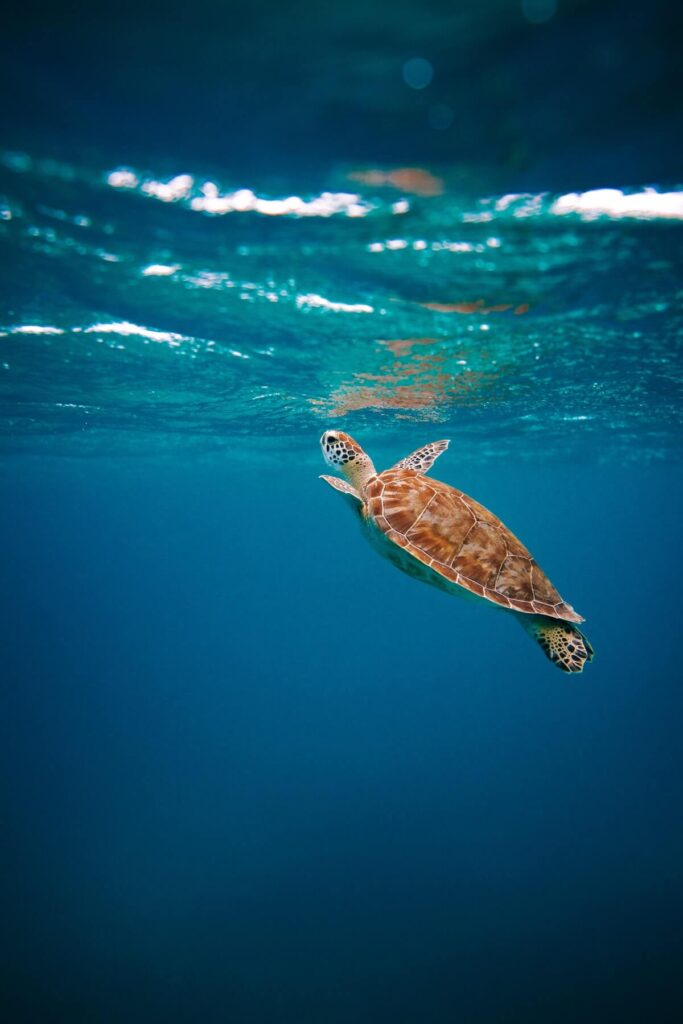
While seeing wildlife is never guaranteed on a snorkeling expedition, it’s nearly impossible to not encounter at least one of Maui’s sea turtles.
The most common species of turtle is the Hawaiin green sea turtle or honu. Having been on Earth for more than 150 million years, these creatures are masters of the sea and a favorite to watch from a distance.
Some of the most popular beaches to find these creatures are Maluaka Beach (nicknamed Turtle Beach), Black Rock Beach, and Turtle Lagoon.
It’s important to note that honu are an endangered species and it’s vital to keep your distance so as not to harm them. When diving, it’s illegal to touch or harass turtles and it’s recommended to stay at least 20 feet away at all times or risk a hefty fine.
8. Pineapple paradise

Pineapples have become synonymous with island life and we have Maui to thank for that. Hawaii’s most famous pineapple varietal is the Maui Gold, which is sweet but less acidic than other pineapples.
Those who need a break from the beach or who simply want a unique experience can take tours through Maui’s pineapple farms. Guests learn how pineapples are grown, harvested, and packaged. Plus, each tour includes a taste test!
The island Lanai, a part of Maui County, is nicknamed Hawaii’s Pineapple Island and is the 6th largest Hawaiian Island! Lanai was home to the plantation that supplied fruit for Dole. For over 50 years, Lanai produced two-thirds of the world’s pineapples!
While Lanai isn’t used for pineapple production anymore, many still visit to snorkel in the reefs, which are rumored to be some of the best snorkeling spots in Maui County.
Tip: Add a little lime juice to your pineapple for increased flavor!
9. Exotic fruits

While pineapple may be the most well-known fruit from Maui, the island is also famous for its other one-of-a-kind fruits.
Mangoes, bananas, and coconuts are a big part of Maui agriculture, but there are also some fruits that, frankly, I’ve never heard of: like eggfruit, starfruit, and more.
Eggfruit is a small yellow fruit with seeds that look like big bug eyes. The fruit’s meat has a subtle sweetness like a vanilla custard.
Starfruit can be seen growing by the hundreds on one singular tree! Cut up, they look like stars and taste a little tangy with a crunchy exterior.
Other unique fruits include the vibrant dragonfruit, mushy yet delicious guava, and sweet lychee.
10. Tourism

From pineapples to fish, you might be wondering what industry Maui is famous for? The #1 industry, by far, is tourism. With over 2 million visitors every year, Maui’s tourists make up 80% of every dollar generated on the island.
In 2019 alone, tourists funneled over 17 billion U.S. dollars into Maui’s economy, which is more money than I can even fathom.
There has been some controversy, especially during Covid, regarding whether or not Hawaii can sustain its tourist intake while preserving the land and local living.
But, there’s no doubt that the economy needs its visitors. Perhaps through education and respect for the island, we can reach a nice balance.
11. Star-studded island
With flourishing greenery, immaculate vibes, and fantastic weather, it’s a no-brainer why so many celebrities relocate to Maui.
While celebs like Sasha Barrese (actress in the Hangover series), Cedric Ceballos (basketball player on the Phoenix Suns and LA Lakers), and Gavin Leatherwood (actor on The Chilling Adventures of Sabrina) grew up on the island itself, many others have made it their second home like Owen Wilson, Clint Eastwood, and Willie Nelson, to name a few.
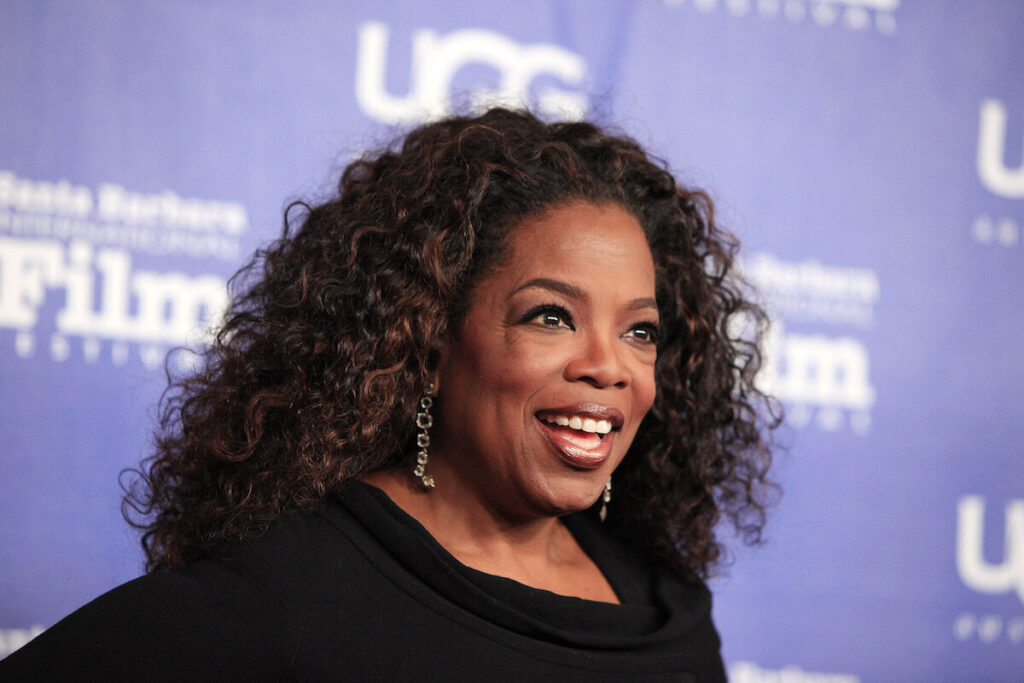
Oprah Winfrey famously owns several acres on Maui. Over the decades she has used the land for farming and has worked with agricultural consultants like Bio-Logical to plant fruits, vegetables, and herbs.
The Chris Pratt origin story is a famous Maui tale. Pratt has openly talked about living out of his van in Maui in his early ‘20s and loving it. Working at Bubba Gump on the island, he struck up a conversation with actress Rae Dawn Chong who later gave Pratt his big break in her movie Cursed Part III.
12. Hitting the links

Considering Maui’s beauty and optimal temperature, it makes perfect sense that they’re famous for having phenomenal golf courses. Maui has hosted many famous golf championships, including several PGA Tournaments.
The Plantation course at Kapalua Bay is one of their most famous courses. It’s ranked as the #1 golf course in all of Hawaii due to its stunning views and accommodations for both pros and amateurs.
Another famous course is the Gold Course at Wailea Golf Club, which takes players through challenging yet beautiful terrain. Fascinating features like holes situated between lava rocks and crystal clear lakes make this course one to remember.
13. Oldest Banyan tree
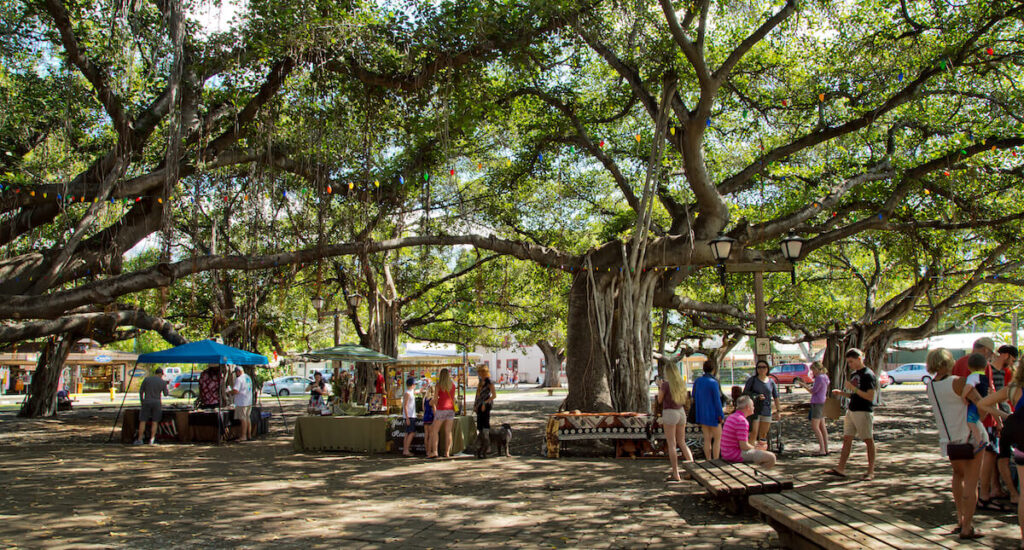
Maui is famous for housing the oldest Banyan tree in the United States and one of the biggest in the world!
Just outside of Lāhainā Courthouse, this massive specimen stretches an entire city block, has 16 trunks, and stands more than 60 feet high.
Banyan trees have octopus-like branches with aerial roots that stretch both down to the ground and outward toward neighboring buildings.
Lahaina Town, whose original name Lele means “cruel or merciless sun”, sees many beach-bound visitors a year who often seek refuge from the heat under the Banyan branches.
This 150-year-old tree was planted as a 50th-anniversary tribute to the arrival of the first American Protestant mission. Fittingly, Banyans symbolize longevity.
14. Breathtaking hiking trails

It’s no secret that Maui is famous for its vibrant and unique nature. And what’s a better way to explore nature than with a hike?
While there are ample trails to choose from, some of the most well-known are the La Perouse Trail, Sliding Sands Trail, Waihee Ridge Trail, and the exclusive Kings Gardens.
La Perouse is a 5.5-mile oceanfront hike that takes explorers through various famous beaches and lava rocks. Its land remains sacred to Hawaiian natives so stay on designated paths!
Sliding Sands Trail is located in Haleakala National Park and spans 10 miles and takes you around the Haleakala Crater. While not for amateur hikers, it’s a great way to experience the beauty of Maui!
Waihee Ridge Trail has been deemed one of the best waterfall hikes in Maui. This 2.5-mile upward hike takes experienced hikers through Maui’s lush terrain and has breathtaking views.
Maui’s most exclusive hiking trail, Kings Gardens, only allows 24 hikers per day due to its collection of rare and sensitive species.
The trail is a historical heritage site and is aptly named for being the walkway for the Hawaiian Ali’i or nobility. Lucky visitors can experience beautiful views and even the world’s biggest prehistoric dinosaur ferns!
15. ʻĪao Valley
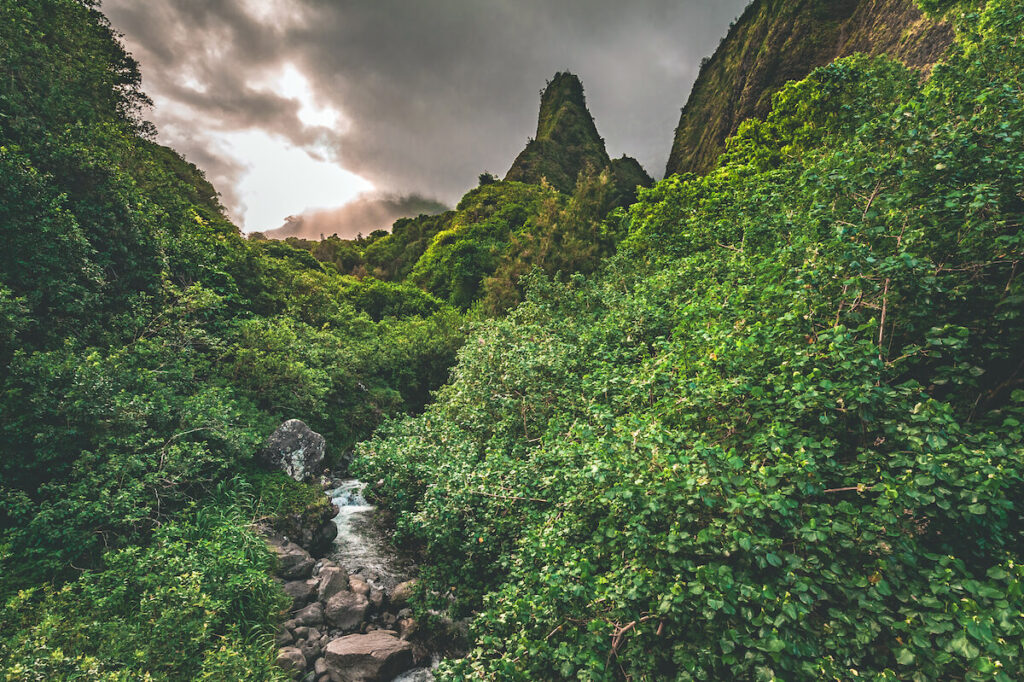
Located in the heart of Maui, ʻĪao Valley State Park is one of the most iconic spots to visit. Stretching 10 miles, this 4,000-acre park has tons of hiking trails, botanical gardens, and other activities for people to enjoy.
One of Hawaii’s most famous landmarks, the ʻĪao Needle, juts up 1,200 feet! Hikers can see the natural wonder by taking a short hike through the national park.
ʻĪao Valley carries historical significance as well. It contains the site of the 1790 Battle of Kepaniwai where King Kamehameha I defeated Maui’s warriors, thus uniting all of the Hawaiian islands.
16. Volcanoes

Over 1 million years ago, Maui was formed by the eruptions of two volcanoes; Haleakala and Mauna Kahawai. While no longer active, these two giants are huge tourist spots and part of why Maui is so famous.
Haleakala, or house of the sun, sits on the east side of the island and is the 10th highest mountain in America. With over 1 million visitors a year, this volcano is an absolute must-see, especially if you want a world-famous sunrise spot.
Mauna Kahawai, or holding house of water, sits on the west side of the island and has been eroded to more of a mountain range than a peaked volcano. It’s surrounded by dense jungle and has pretty fantastic hiking options.
There are many folklores surrounding the two volcanoes in Hawaiian culture.
One of my favorite tales is Pele’s Curse. Pele is the goddess of fire and volcano who believes the rocks are her children. If anyone takes a volcanic rock from the island, they are forever cursed (until you bring it back at least).
17. Adventure seekers’ paradise
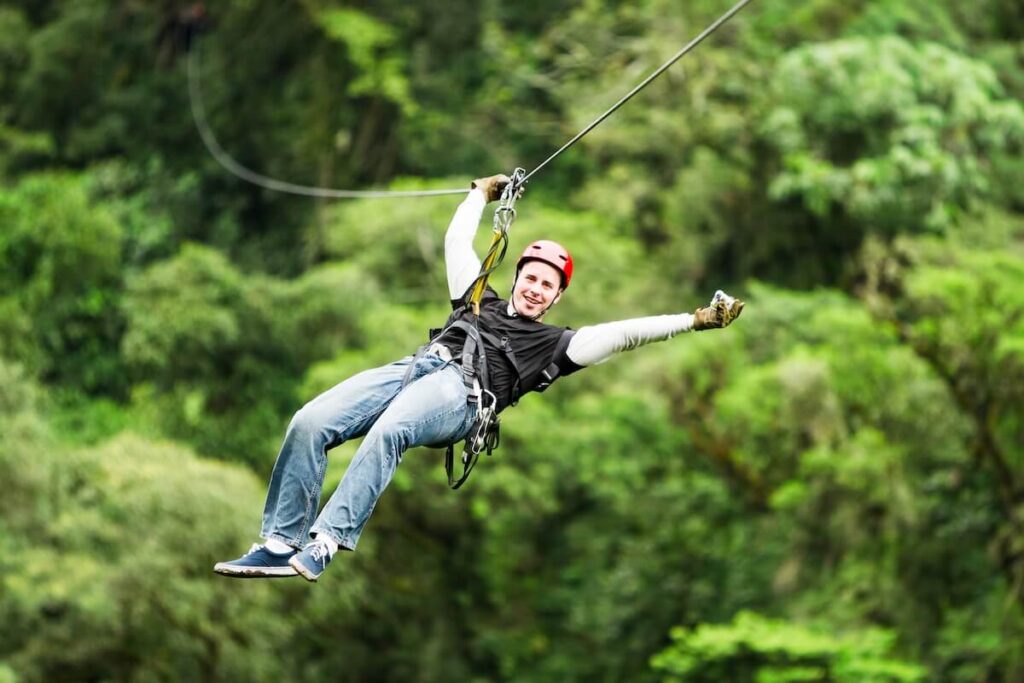
Of course, relaxing on the beach is popular in Maui, but for those who crave a more thrilling activity, here are some suggestions for you!
Snorkeling is the best way to see Maui’s diverse sea life. With ample tours and beaches to choose from, Maui is Hawaii’s #1 snorkeling spot.
Ready to see some turtles? Head to Turtle Town. Want to dive through a volcanic islet? Snorkel in Molokini Crater.
Aside from surfing and paddleboarding, Maui is known for having a great windsurfing population. Head over to Ho’okipa and Kanaha beaches to experience the best conditions for year-round windsurfing.
For those who want a break from the water, an ATV tour is a popular and thrilling outdoor adventure. Many trails on Maui are only accessible by helicopter or ATV, so you’d be gaining access to exclusive spots on the island!
One of my favorite activities when visiting Maui is ziplining! What better way to experience Maui’s awe-inspiring nature than to zip through it? Great for all ages, ziplining courses range from 200 to 900 feet in the air and make for an exciting post-trip conversation starter.
18. Island nightlife

Head over to the famous Front Street in Lahaina for some exceptional nightlife.
Voted the best new bar in Maui, the Dirty Monkey is a place locals and tourists flock to. Known for an extensive whiskey list, famous DJ guests, and delicious food served family style, it’s no wonder the Dirty Monkey is a fan-favorite.
Every Friday night, the Maui County Office of Economic Development hosts a free party in the streets of one of Maui’s towns! Party-goers can listen to live music, shop for local art pieces, and enjoy street food.
Whether you want to go to a Luau, grab a drink at the Sly Mongoose, or go on a haunted tour, Maui at night is the place to be.
19. Luxury resorts

With tourism being Maui’s most lucrative industry, it isn’t lacking in nice places to stay.
One of the most famous resorts is the Grand Wailea, a 40-acre property with tropical gardens and nine different pools. With seven waterslides and a swim-up bar, it’s a kid’s paradise and a parent’s perfect getaway.
The Ritz-Carlton Kapalua is another famous retreat on the island. Along with exciting water activities, it also has a labyrinth garden and a Honokahua Preservation Site. The resort proudly displays QR codes to educate staff and visitors about Hawaiian culture, language, and history.
The Hyatt Regency Maui Resort and Spa is also famous for having an astronomy program that takes guests to the roof to gaze at Maui’s gorgeous night sky!
20. Unique beaches
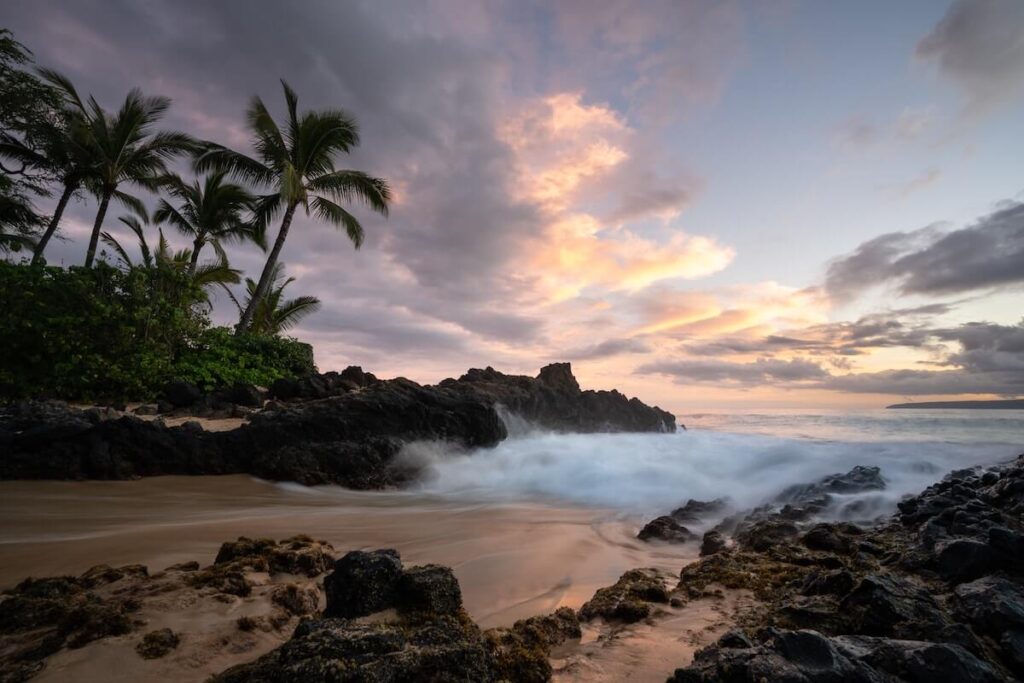
With 30 miles of beaches, Maui is an ocean lover’s paradise. From white sand to black to red sand to gold, Maui has a beach for whatever type of day you’re trying to have.
World-famous beaches include Makena Beach, Wailea Beach, and Kāʻanapali Beach, which was named America’s Best Beach in 2003.
Many visit Maui and claim that its beaches are the best out of all the Hawaiian islands. A hearty claim, but having been to Maui’s stunning shores, I kind of have to agree.
Tip: Most sunscreens contain ingredients that can be damaging to Maui’s reefs. Before enjoying paradise, make sure your sunscreen says “Reef Safe” to preserve Maui’s wildlife.
21. Iconic foods
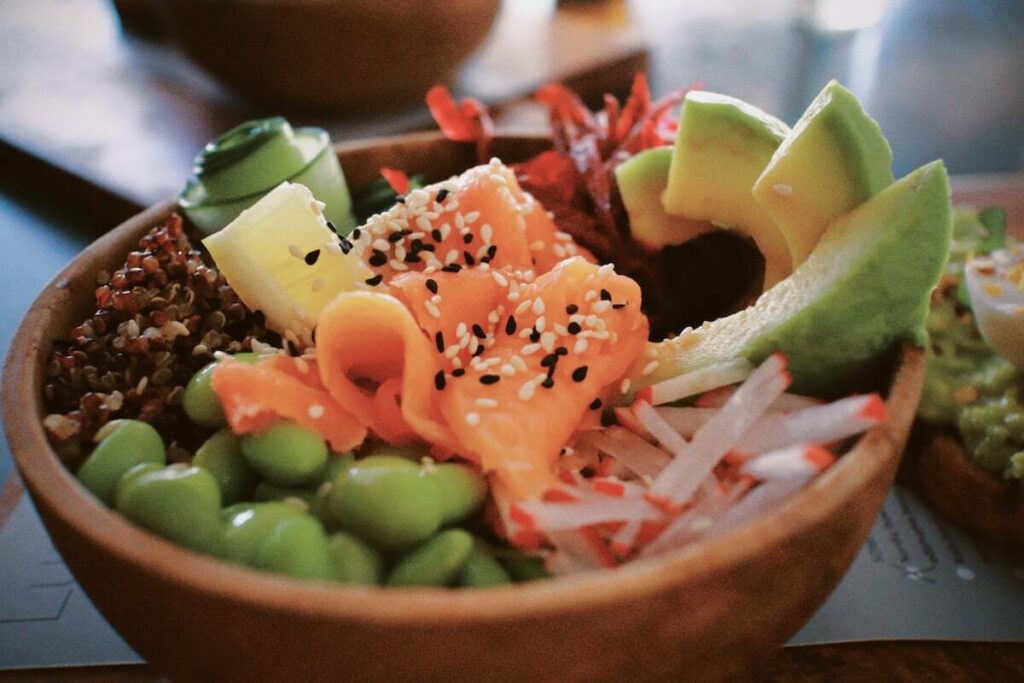
It’s no surprise that an island with as much vegetation and wildlife as Maui has excellent food.
One of the most iconic, traditional foods in Maui is Loco Moco. Loco Moco is a beef patty topped with an egg over a plate of rice. It’s smothered in gravy that varies from cook to cook.
Another famous dish is poke, specifically with ahi tuna. Poke is a traditional Hawaiian dish that is essentially a salad made with raw fish, rice, herbs, and endless toppings.
One of my favorite things to put in my poke bowl is fresh mango, which sweetens up the dish and compliments the fish!
Maui is also famous for loving meat dishes like spam musubi and Kalua pork. Invented in Hawaii, spam musubi is a favorite snack among islanders. It consists of sliced fried spam on rice wrapped in nori, also known as seaweed. You can pretty much find this at any snack shop on the island.
Kalua pork is typically served for special events and is cooked by seasoning a whole pig and roasting it in an underground pit heated by lava rocks. It’s usually paired with either rice or taro root.
Other famous Maui snacks include poi (a sticky taro paste), malasada (a Portuguese donut), and Hawaiian shaved ice (topped with pineapple and sugar cane syrups).
22. Rich history
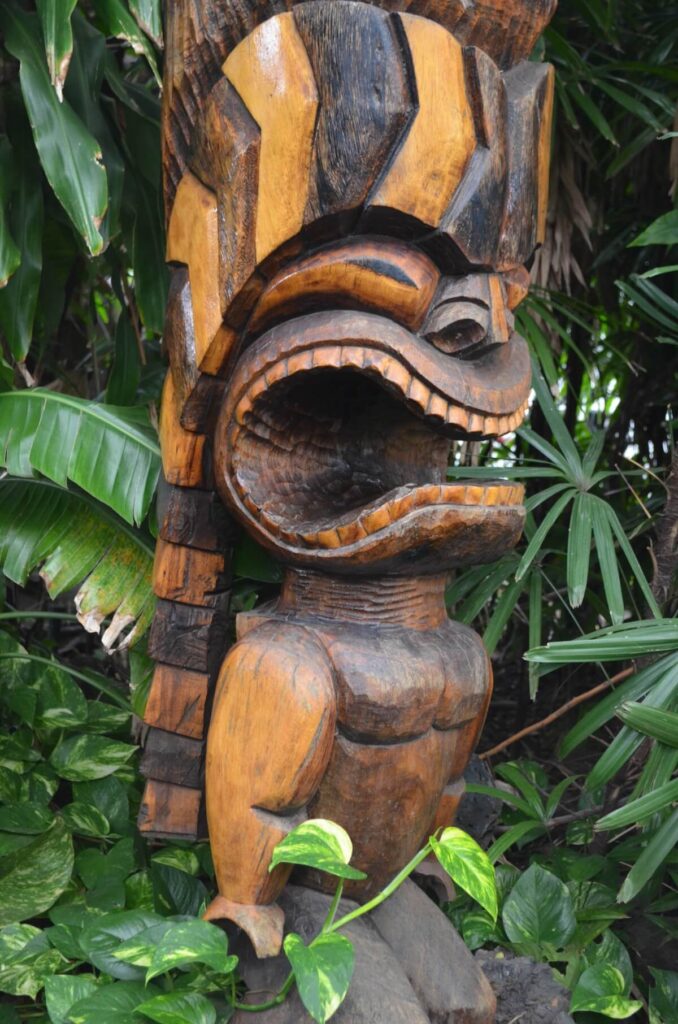
Maui’s deep Polynesian roots, history tied to mythology, and love for the land make it a culturally rich island.
It is said that the first ancestors of Hawaiians, led by Hawaiiloa, followed the stars across the sea to the island. Hawaiiloa fell in love with the beauty of the land and settled there, naming it after his son Maui, who was named after the demigod of the same name.
The legend of the demigod Maui, as made widely known by Disney’s Moana, states that Maui was on a fishing trip with his brothers when he stumbled upon a magic fishing hook.
He tricked his brothers into paddling as hard as they could so Maui could pull the island from the sea. Doing this several times, he created the Hawaiian Islands.
After Hawaiiloa settled in Maui, many wars were fought over the land. King replaced king until the United States annexed it in 1898, and later made it a state in 1959. Maui became known for its whaling and sugar industries, making it a valuable part of the U.S. economy.
23. Breathtaking sunrises and sunsets
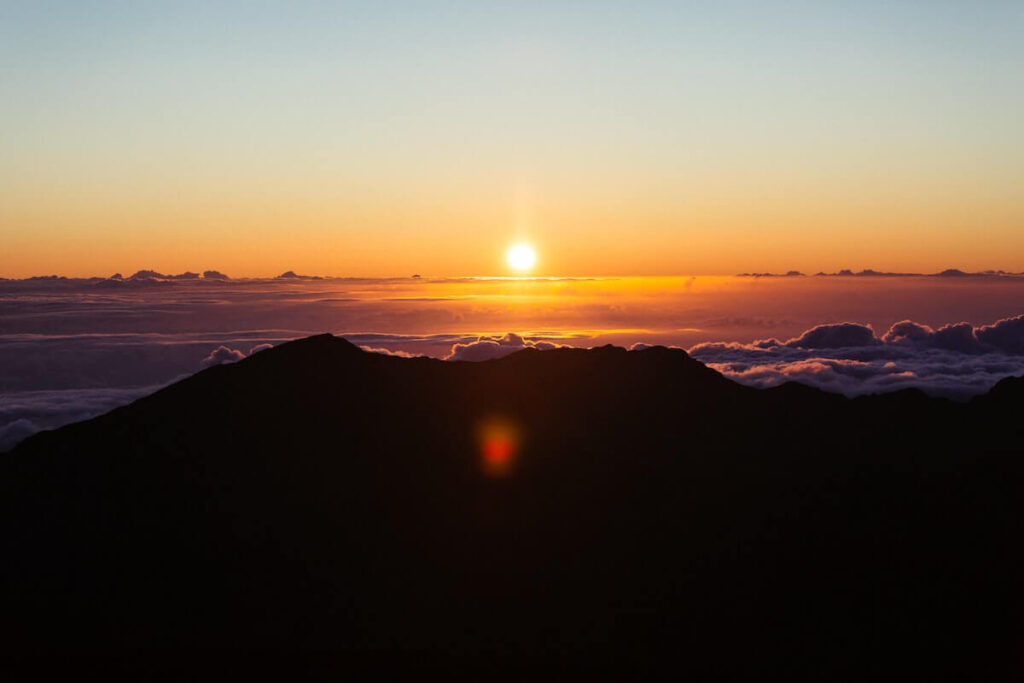
With literally thousands of spots to have your breath taken away, Maui is the perfect place to watch the sun do its thing.
Haleakala Summit, in particular, is a favorite to watch the sunrise. Ranked #4 on Momondo’s list of Top 10 Sunrises Around the World, this viewpoint offers early risers the most stunning view of the sun above the clouds.
Yes, you do have to board a 3 A.M. bus to make it to the peak on time, but from all accounts, it’s entirely worth it.
A not-so-secret spot to watch the sunset is Makena Cove. Take a short walk through a rock wall, and out you emerge in a romantic spot decked out with crystal clear water, lava rocks, and swaying palm trees.
Wrap up

Today, Maui’s history lives on through the connection locals have with the land and culture. To be responsible guests at this paradise, I recommend learning as much as you can before your visit and leaving things as they were when you’re there.
Have you been to this island paradise? Let us know how your trip went in the comments below!
