
“Laissez les bon temps rouler” or “let the good times roll” is the perfect motto for this highly unique state. Peaceful bayous, vibrant jazz, and the most delicious food you could eat are just a few things that contribute to the popularity of the Pelican State.

Louisiana is known for New Orleans, the home of Bourbon Street and lavish Mardi Gras parades. Louisiana is also famous for its blended history and rich cultural celebrations. Louisiana’s innovative spirit, contribution to modern popular culture, and eerie ghost stories make it one of the most desirable destinations in the United States.
What makes Louisiana so noteworthy? Explore the 18 reasons why below!
Table of Contents
1. Southern comfort

The South has always been famous for its food. It fills the soul and leaves you a more complete human (am I being too dramatic?). The list of famous Louisiana foods could be its own article, so I’ll only stick to a few notable mentions.
Crawfish is one of the most iconic Louisiana delicacies. This hands-on food is an all-time favorite in the state; there’s even a Crawfish festival in the spring! Keep plenty of napkins around as you devour this juicy food.
Another fan favorite is Gumbo. Similar to a stew, it’s served in a big pot filled with vegetables and dealer’s choice of meat, usually fish. Pair it with a nice hunk of bread and it’s the perfect dish for a chilly day.
Louisiana is famous for Cafe du Monde, a 24/7 cafe in the French Quarter known for world-famous beignets and coffee. Beignets are fried pastries topped with powdered sugar. They’re light, airy, and genuinely make me want to weep with joy.
While Cafe du Monde can be touristy, I’ve had their beignets and I’ve been dreaming of them ever since. I guess I’ll have to settle for the ones at Disneyland for now.
Other famous bites include jambalaya, po-boys (or sandwiches stuffed with fried seafood), and bananas foster, which was created in New Orleans in the 1950s.
2. Legendary people

Someone needs to tell me what’s happening in Louisiana that makes them have so many famous people. Is it because it’s the birthplace of jazz? Because it’s a joyful and culturally rich state? Something else?!
America’s favorite blonde lawyer Elle Woods, aka Reese Witherspoon, was raised in Louisiana. The award-winning actress, producer, and book club leader was born in Baton Rouge and lived there for several years before moving to Germany due to her father’s work.
Louis Armstrong, one of the most famous musicians of all time, grew up in New Orleans. Armstrong and his band are some of the most influential jazz artists in the world!
Truman Capote, author of In Cold Blood and Breakfast at Tiffany’s, was born in New Orleans before being sent to live with family in Alabama.
Other famous people include Randy Jackson, Anne Rice, Jerry Lee Lewis, DJ Kahled, Tyler Perry, and Harry Connick Jr. The list keeps going, so I encourage you to look further and be surprised by who else was born on the bayou.
3. The Pelican State
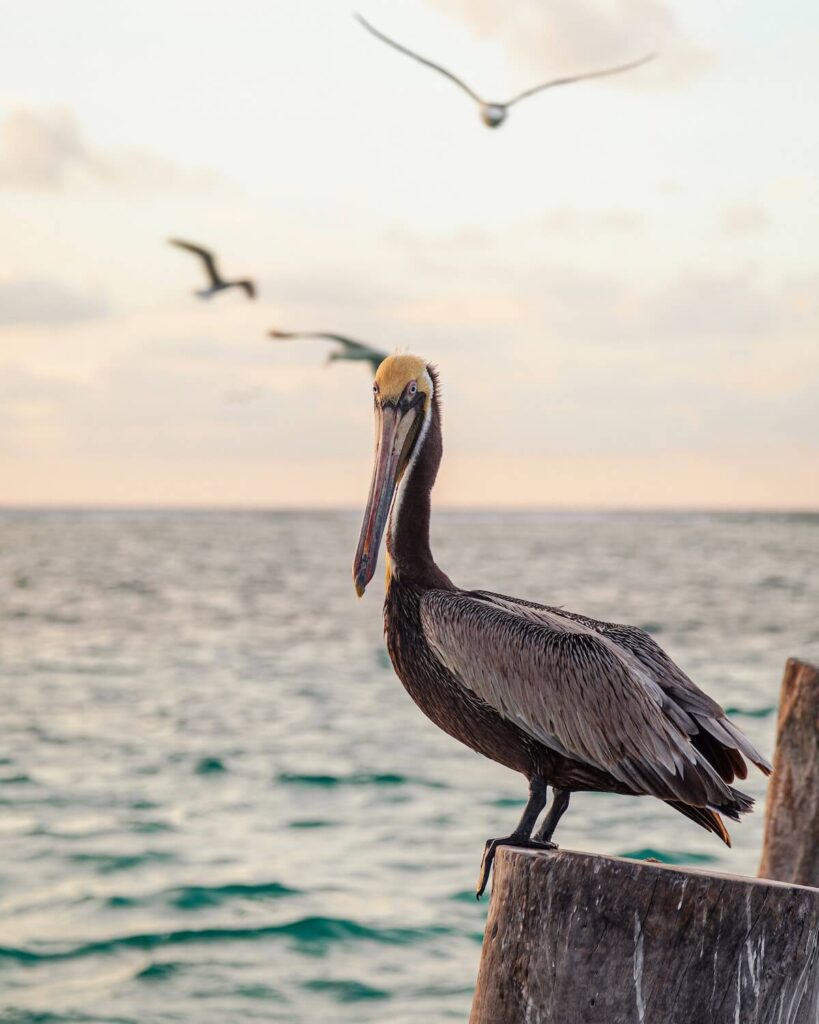
When Louisiana was claimed in 1682 by French explorer Rene-Robert Cavelier de La Salle, he named the land after King Louis XIV. Though the area changed hands many times, the name always stuck.
Their state bird is the brown pelican, hence Louisiana’s nickname the Pelican State. The brown pelican has been a symbol of Louisiana since the early days of European settlers. They were taken with how generous and nurturing the bird is toward its young.
Pelicans continue to dine together for years, even when their babies leave the colony. The settlers felt that this sense of togetherness was a beautiful standard for the spirit of Louisiana.
4. Saint Louis Cemetery
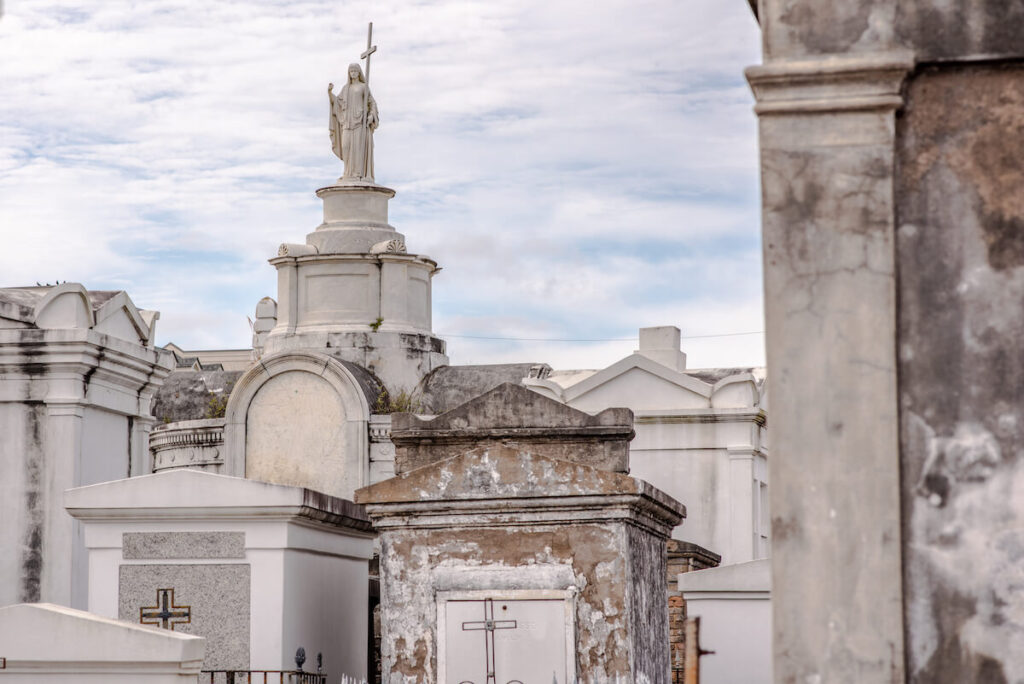
Louisiana is known for being a state full of spirits. What better place to feel the departed than the Saint Louis Cemetery?
Established in 1789, the Saint Louis Cemetery is the oldest in the city of New Orleans, housing famous dead like Voodoo Queen Marie Laveau.
Marie Laveau was known for her caring and benevolent ways as she nursed many sick and dying in the 1800s. She saved countless lives and is still thought of with gratitude and respect today.
Legend has it that she still works her magic from beyond the grave. Visitors can see faint triple XXXs or little gifts left for the Queen on her tombstone, though this is highly discouraged.
St. Louis Cemetery attracts more than 100,000 visitors per year. The only way to walk the grounds is through a guided tour, due to a rise in vandalism.
It’s worth it to walk among the above-ground tombs, encounter a ghost or two, and view the 9-foot white pyramid Nicolas Cage bought for his future with the Latin inscription “Omnia Ab Uno”, meaning “All for one”.
5. The Old State Capitol

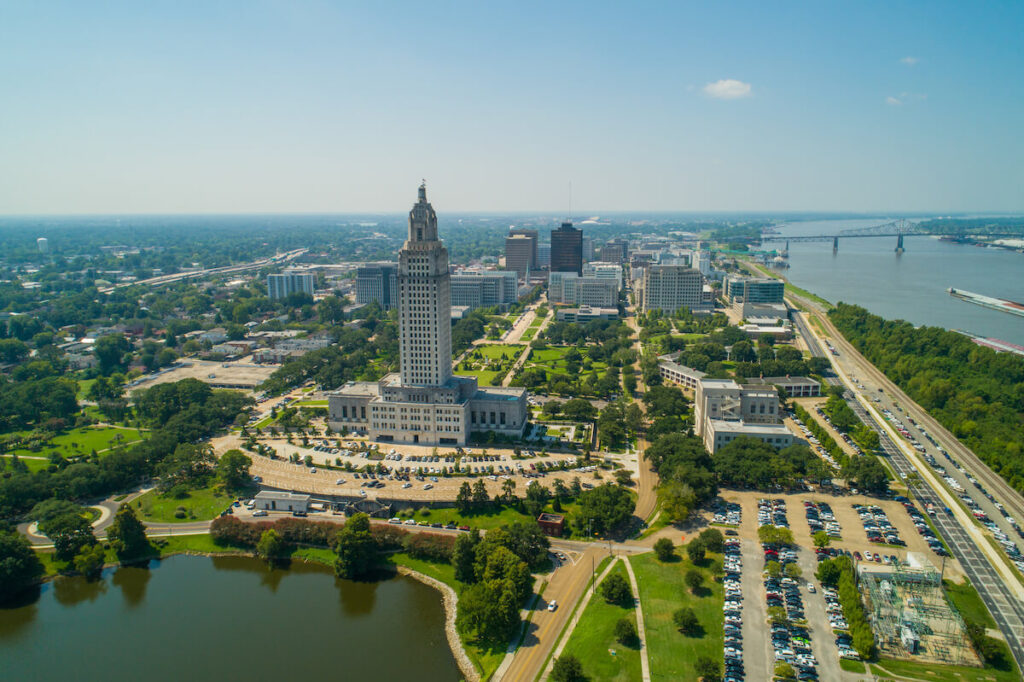
Visiting the Old State Capitol is a must-do if you’re in Baton Rouge.
The building has survived war, fire, and a few internal fistfights (most notably over the first Louisiana lottery). It stands as a “testament to the resiliency of [the] state and its people”, according to its website.
Nicknamed the Castle, it’s a National Historic Landmark with stunning gothic-style architecture and a show-stopping stained glass dome. Over 60,000 people visit annually to witness the power of the building and tip their hats to the history of Louisiana.
6. Creole Nature Trail

Louisiana is famous for its unique, beautiful ecosystems and is referred to as America’s “Last Great Wilderness”. What better way to explore the natural wonder of Louisiana than through a trail?
Spanning 180 miles, Creole Nature Trail is one of the first National Scenic Byways in the south. It travels along 26 miles of Gulf of Mexico beaches, where visitors can experience Cajun culture, fishing, wildlife, and so many alligators.
The Wetland Walkway, located on the Sabine National Wildlife Refuge, is one of the most popular stops along the trail. Hikers can walk out onto the marsh and encounter (from a safe distance) alligators, 250 species of birds, and other critters in their natural habitat.
7. Cocktail creator
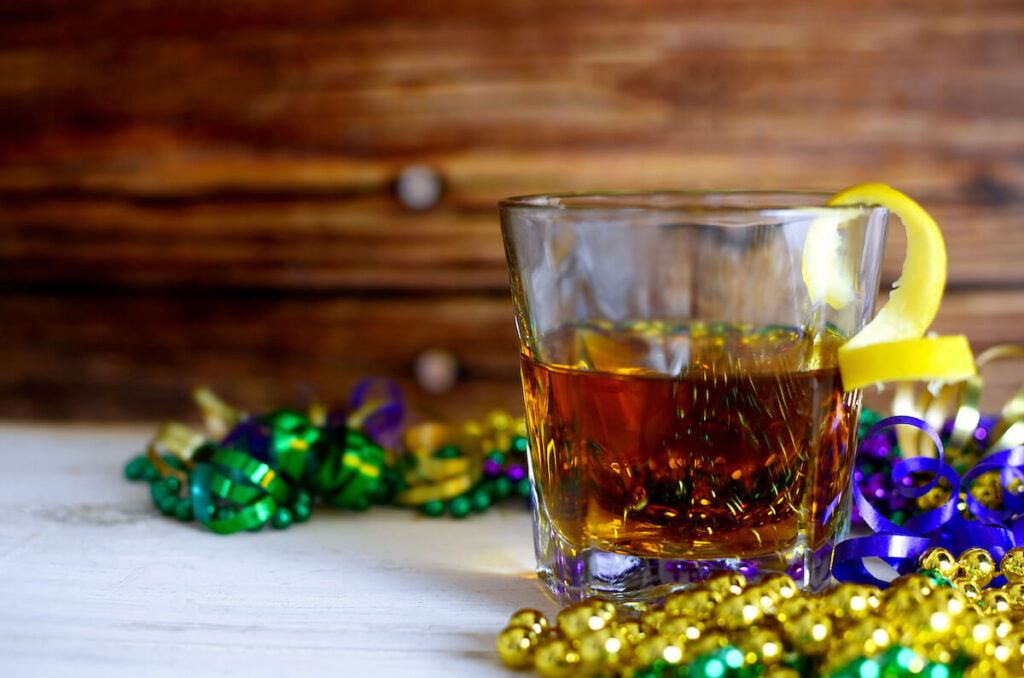
For many years, Louisiana was thought to be the birthplace of cocktails. While that has since been debunked, Louisiana remains at the forefront of the cocktail world.
Most notably, Antoine Peychaud created the acclaimed Peychaud Bitters in the 1830s. It was originally developed as a health tonic, based on a Haitian recipe, used in Peychaud’s apothecary shop. Now the bitters, with its candied-cherries flavor, is used in a plethora of modern-day cocktails.
Peychaud is also famous for creating the timeless cocktail, the Sazerac. A combination of rye whiskey, bitters, absinthe, and sugar, it’s thought of as the oldest known American cocktail. In 2008, Louisiana passed a law that made the Sazerac the official cocktail of New Orleans!
Other famous Louisiana cocktails include the Gin Fizz, the Hurricane, and Milk Punch, a creamy cocktail created in New Orleans consisting of brandy, milk, sugar, and vanilla.
8. Museums

A state with so much culture makes it the perfect place for exciting, educational museums!
Louisiana is famous for being the state where Edmund McIlhenny created the beloved hot sauce, Tabasco. In the 1860s, McIlhenny planted peppers on Avery Island and later bottled his hot sauce with the name “Tabasco”, meaning “place where the soil is humid”.
Now, people flock to the Tabasco Factory on Avery Island to witness the production, bottling, and history of the hot sauce brand. You can also visit the Jungle Gardens, a private bird sanctuary also founded by McIlhenny known as Bird City. It protects endangered snowy egrets and is an exotic, one-of-a-kind botanical garden!
The Biedenharn Museum is a well-known attraction in Louisiana. It’s a historic home filled with antiques, an English Garden, a Bible Museum, and a Coca-Cola Museum.
Joseph A. Biedenharn, a Louisiana native, was the first bottler of Coca-Cola in the 1900s. Visitors can experience freshly bottled coke and gawk at other Coca-Cola memorabilia.
The Whitney Plantation is the only former plantation in Louisiana that has an exclusive focus on education about slavery. Visitors tour the grounds learning about the slaves who were forced to grow indigo, rice, and sugar. The museum is an important reminder of America’s dark past and how to prevent further oppression in the future.
Lastly, I’d love to highlight the New Orleans Pharmacy Museum. Louisiana is the birthplace of modern pharmaceutical practices, thanks to Governor Claiborne who passed legislation for regulations in 1804. Visit this museum to see original documents, instruments, and learn about the history of medicine in the city that started it all!
9. Steamboats

We’ve all seen Disney’s The Princess and the Frog, right? Now, whenever I think of Louisiana, I instantly picture those grand, white steamboats floating lazily down the Mississippi.
The first steamboat traveled down the Ohio River to the Mississippi from Pittsburgh to New Orleans in 1811. Ever since, Louisiana has profited immensely from the use of steamboats.
The New Orleans Steamboat Company has been operating steamboats longer than any company in the world! Today, you can book a cruise on any of their steamboats.
Sit back, enjoy the live jazz band, eat a meal, and experience the charm of New Orleans on the Mississippi.
10. On the bayou

Bayous, or slow-moving creeks or swampy sections of a river or a lake, are synonymous with Louisiana.
Bayous are nicknamed “sleeping waters” and often serve as a backdrop to voodoo legend. Water is a symbol of healing, change, and often a great force of energy for spirits to use to communicate. Bayous are spiritual, delicate, and vital.
It’s a must-do activity to take an airboat tour on one of Louisiana’s many bayous. Encounter hundreds of species of birds and maybe even see some alligators.
The Original New Orleans Airboat Tours sums up the bayou perfectly, “The most valuable treasure we can ever leave our children and future generations is the love and knowledge we have for the swamp and marshes of Louisiana Cajun Country.”
11. The Saints

If you’re a lover of American football, the New Orleans Saints need no introduction.
The team was awarded to New Orleans as the 16th franchise on November 1, 1966, which just so happened to be All Saints Day. Naturally, the team was named “The Saints.”
The black and gold team claimed the Super Bowl title in 2009 and is known for making each home game feel like a party. Deemed “Mardi Gras in Autumn,” the stadium fills with cheerleaders, jazz bands, and marching bands.
Their stadium, Caesar’s Superdome, a massive arena located in New Orleans. After Hurricane Katrina, the stadium underwent the biggest stadium reconstruction in American history.
After reopening, it represented the rebirth of New Orleans’ sports and entertainment. The stadium also stood as a beacon of light, a symbol of strength, and the enduring spirit of the city.
12. Aaaand action!
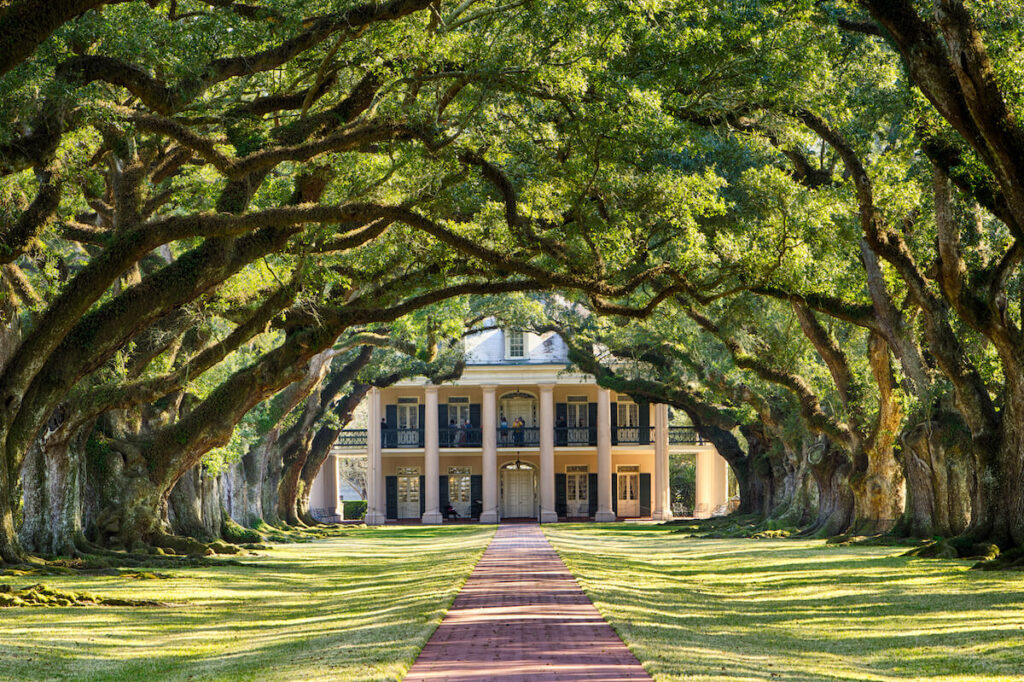
An incredible amount of movies were filmed in Louisiana, which has become a rapidly increasing hot spot in the entertainment industry.
Dubbed the “Hollywood of the South,” Louisiana’s incredible scenery and wonderful tax incentives make it the perfect filming location.
Not wanting to bore you, here are only a few famous films that used Louisiana as their set: A Streetcar Named Desire, 21 Jump Street, Steel Magnolias, Pitch Perfect, Ray, 12 Years a Slave, and literally dozens more.
13. Architecture
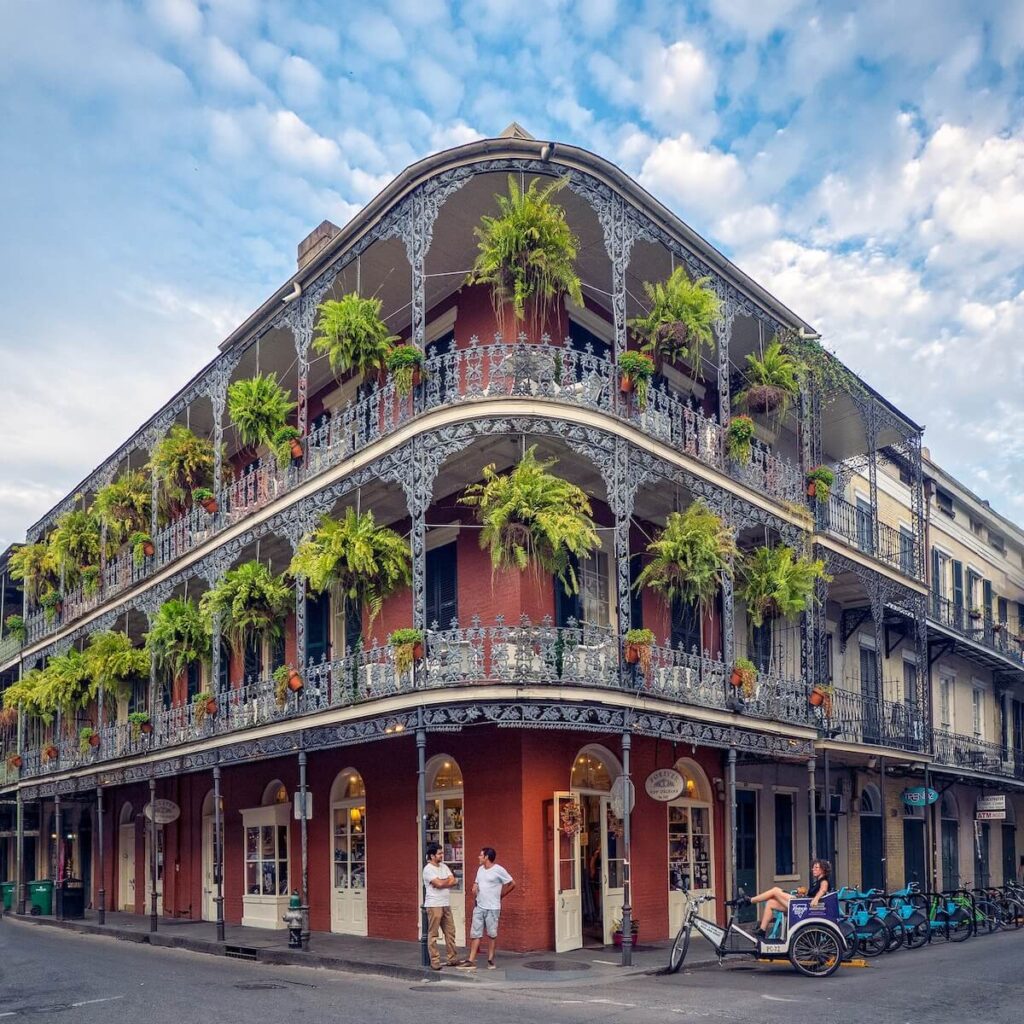
Louisiana is filled with architectural jewels in each of its unique districts. The architecture is so precious that Louisiana has more sites on the National Register of Historic Places than any other state!
The French Quarter, also known as the original city, is thought to be the most historically intact neighborhood of its age. Influenced by its Spanish colonial roots, the streets are lined with stucco buildings nestled together with interior courtyards.
The Garden District prides itself on having one of the finest collections of antebellum mansions in America. This style is known for its tall windows and wide verandas that people would enjoy during hot days.
Faubourg Marigny district was built with a Creole influence. Buildings are tightly configured, restricted by the lack of developable land back in the day when it was mostly swamp.
The buildings in each district tell a story and help paint a picture of Louisiana’s past. Walking the streets of each district is a way to acknowledge and celebrate the history of the state.
14. Lively celebrations

Louisiana practically oozes culture, so what better place to house nearly 400 festivals? Whether you’re into jazz or medicine, Louisiana has a celebration for you!
Festival International de Louisiane is the largest international festival in the United States. Roughly 600,000 people journey to Lafayette to enjoy the three-day-long celebration that showcases talent from all over the world. Some of the best Cajun food is at the festival, so be on the lookout for some life-altering spicy food!
It wouldn’t be a right not to mention the New Orleans Jazz and Heritage Festival! Celebrate the history and joy of jazz during this incredibly popular festival. Past headliners include Stevie Wonder, Dr. John, Snoop Dogg, and more. Although festival-goers swear by the smaller stages, where locals perform.
Most notable is the Louisiana Crawfish Festival. The craze for crawfish is real and this festival proves it. 1,000 pounds of crawfish are consumed every hour during the festival!
While most go to enjoy the delicious seafood, it also serves as a fundraiser for the city. After Hurricane Katrina, the festival raised over a million dollars to rebuild the community.
15. Mardi Gras

Chances are, you’ve heard of Mardi Gras: the most famous week-long party in New Orleans. But how did it begin?
Though Mardi Gras first originated in Europe, by the late 1830s, New Orleans started its own tradition of adding a parade. Gaslight torches, carriages with masked riders, and more filled the streets to celebrate Fat Tuesday, the Tuesday before Ash Wednesday and the start of Lent.
By 1857, a secret society of New Orleans businessmen upped the Mardi Gras game to the way we know it now: marching bands, rolling floats, and extra fanfare. By 1875, Louisiana declared it a legal holiday.
Other customs include throwing beads, wearing masks, and eating King Cake. King Cake consists of rich dough braided and baked, topped with sugar in the traditional Mardi Gras colors: purple for justice, green for faith, and gold for power.
Each cake has a tiny baby inside, generally made of plastic. When I was in middle school, I thought getting the baby was the most special thing that could happen, that it meant you’d get the most luck for the following year. But, in reality, it just means that you have to host the next King Cake party.
16. History

Louisiana has a deeply rich history that has bled into its current way of life. Before French explorers claimed the land, it was settled by indigenous people for more than 10,000 years.
After the French overtook the area, the Spanish ruled for 40 years until the United States bought it in 1803 with the Louisiana Purchase; a deal where the United States acquired land from Louisiana to Montana.
Of course, the United States has a dark history of slavery. New Orleans was the largest and most significant slave-trading center in the United States due to their access to ports. According to History.com, on the eve of the Civil War, nearly half of Louisiana’s population was slaves.
Black Louisianans fought tirelessly against their oppression; some split off to Haiti, while others protested throughout the 1960s during the civil rights movement.
There are two distinct ethnic groups within Louisiana: Cajuns and Creoles. Cajuns are known as descendants of French settlers. They have a distinct Cajun-French accent and are well known for fun music, lively dancing, and delicious foods.
The definition of Creole is a little muddied and not everyone seems to agree on it.
According to my Louisiana friend, the heart of what is “Creole” was born in the city of New Orleans, whereas Cajun was born in Southern Louisiana. Creole culture has enriched the vibrancy of Louisiana through its food, art, and more.
Insider tip: My Louisiana friend says the easiest way to differentiate when talking about food is: Cajun = spicy, Creole = traditional!
17. Jazz / American Blues

Contrary to what La La Land may have led you to believe, jazz was born in Louisiana.
It was created in Congo Square, to be exact. Congo Square was one of the only places where slaves were allowed to come together and play music. They were allotted “free Sundays” to share dances, drums, and keep their roots alive.
And thanks to them, the very soul of American pop culture was developed. Louisiana has been the home to some of the most iconic and phenomenal jazz and blues artists. Louis Armstrong grew up in New Orleans and is now known as one of the most famous symbols of jazz.
If you visit Louisiana, be sure to enjoy one of the countless jazz clubs! It’s a can’t-miss activity.
18. Ghosts

There is a reason the Haunted Mansion in Disneyland is in New Orleans Square…
Louisiana is one of the most haunted states thanks to its violent past and history of voodoo. Voodoo first came to the state through the enslaved West Africans, who melded their rituals with those of Catholicism. It’s a religion based on the connection to nature, spirits, and ancestors.
Many people misconstrue what voodoo is, but ultimately it’s a core belief that one God doesn’t interfere with our everyday lives, but that spirits do. Voodoo practitioners communicate with these spirits through ritual, dance, music, chanting, and other talismans.
New Orleans has the only formally established voodoo temple. You can (and should!) learn more at the New Orleans Historic Voodoo Museum.
With a deep connection to the spiritual realm, the state is flooded with spooky ghost stories.
Tour the Houmas House and, hopefully, you’ll catch a glimpse of the Little Girl. Legend has it that during a complete makeover of the mansion in 2003, the spirit of a little girl was unearthed. Visitors claim to see a little girl in a blue dress wandering the halls, but once they go up to her, she disappears. Workers have seen her staring at them on top of staircases and in the yard.
It turns out, the original owner, Col. John Preston, and the immediate successor of the home Col. William Porcher Miles, both had little girls who died suddenly while living in the house…
Another famous haunted house is the LaLaurie Mansion. In the 1830s, the owner Delphine LaLaurie was a respected member of society who often threw fabulous parties.
But, when the house burned down, firefighters discovered the bone-chilling truth of their town’s socialite: a torture chamber in the basement used to brutally murder slaves.
Hundreds of people and children faced terror in her dungeon and now, according to future owners, the property is plagued with spirits. Ghost hunters swear that the LaLaurie Mansion is the most haunted house in the French Quarter.
A state plagued with notorious serial killers, voodoo contact with spirits, and energy harnessed by the bayou’s waters make it the perfect place for paranormal activity. I highly recommend going on one of the state’s numerous ghost tours, if you’re brave enough.
Have you been to Louisiana? Can you explain the difference between Creole and Cajun better than I can? Comment below!

never been