
The elegant beauty of Hamburg continues to be elusive in its charm – that is, surprisingly few travelers choose to venture north of German tourist magnets like Berlin and Munich to come visit.
That’s a shame, as Hamburg is a real treasure trove in terms of culture, history, quality of life, and so much more!
Hamburg is known for its countless bridges and canals, the infamous red light district, and the enduring legacy of its naval trade. Hamburg is also famous for its seafood markets, its colorful local dialect, and the amazing architecture, including that of the legendary Elb Philharmonic.
To give the city the kind of showcase it deserves, I’ve compiled the following overview of all that makes Hamburg stand out. Let’s get right into it!
Table of Contents
1. Speicherstadt
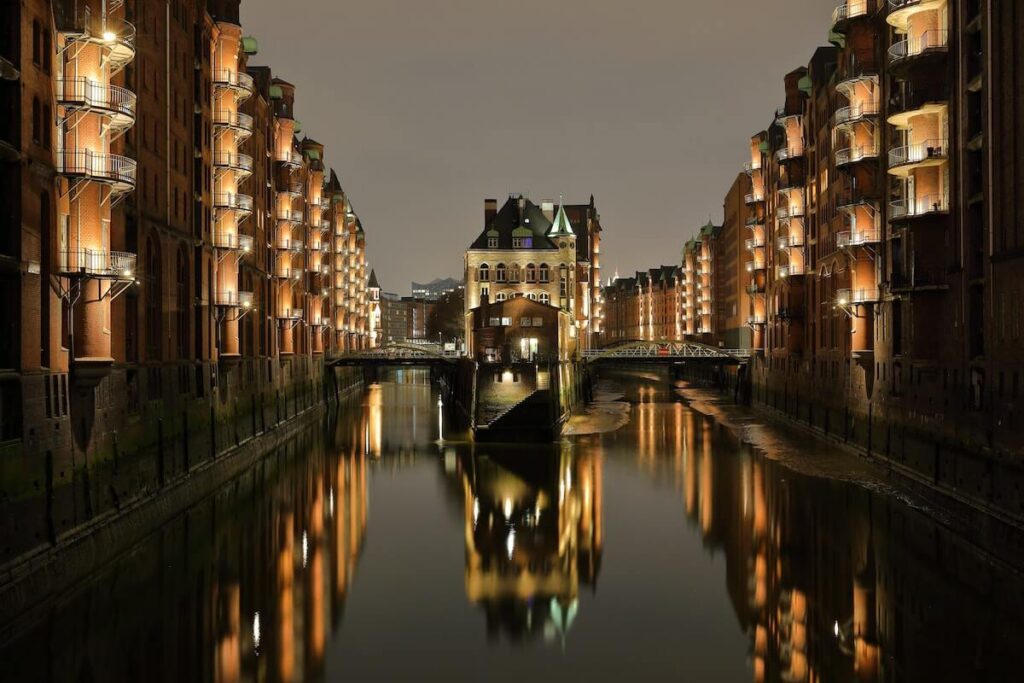
Hamburg is famous for its Speicherstadt neighborhood. If you’ve ever seen a picture of Hamburg on a postcard, chances are it was probably depicting a Speicherstadt cityscape.
Apart from being by far and beyond the most well-known and tourist-heavy part of town, Speicherstadt is also drop-dead gorgeous in the most unconventional way.
Speicherstadt (whose name literally means “warehouse city”) was mostly built in the late 1800s as a huge complex of factories and storage facilities, dressed up in a unique neo-Gothic style.
Its proximity to the harbor prevented Speicherstadt from being built on a simple grid; instead, a complex network of canals cuts up the quarter into many sections. These small riverways are still used for commercial shipping today!
Smoke no longer fills the air in Speicherstadt, and all the old factory buildings have been converted, either for residential use or as museums and cultural centers. This means that not only is the view prettier than ever, but there’s also plenty to do in this quarter of Hamburg!
2. Hanseatic culture

To this day, Hamburg’s official full title remains “The Free and Hanseatic City of Hamburg”, a nod to the city’s storied past. For centuries, Hamburg effectively operated as a city-state, complete with its own laws and customs.
When it became a leading member of the Hanseatic trade league, the city’s influence only grew, and it engaged in trade by sea with most of the known world.
Generations upon generations of living and working as craftspeople, sailors, and traders have done a lot to the local culture. Today, Hamburg is known for its distinctively laidback, cozy vibe and typically Hanseatic mannerisms (weekend boating and fishing trips included).
Some things never change, after all!
3. Hamburg German
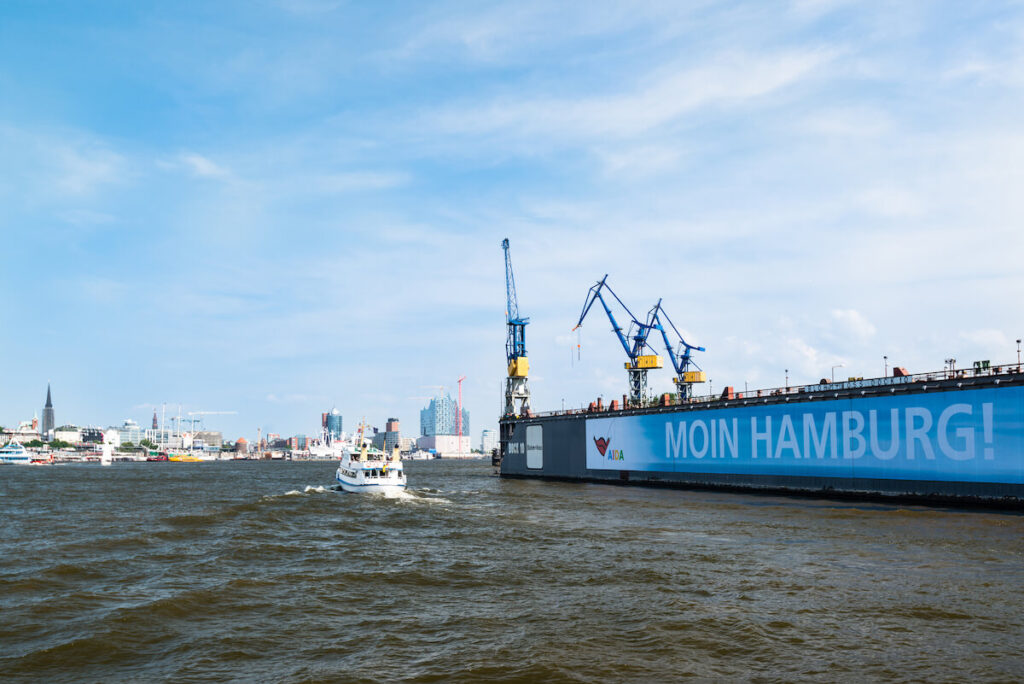
Speaking of things that Hamburg just does differently, the language is one of them!
Though everyone in Hamburg speaks the same German as their fellow countrymen on paper, this doesn’t always hold true in practice.
In fact, a sizable chunk of the local population still clings to the Hamburg dialect, which is linguistically far enough from Standard High German as to be hardly intelligible. To make matters worse, dozens of varieties exist, even though the dialect is only spoken in the Hamburg area!
Just to give you a primer: whereas elsewhere in the North and Center of the country people greet each other with “Hallo!” or “Guten Tag!” and in the South you might hear “Grüß Gott!”, only in Hamburg do they say “Moin!” instead.
4. Bridges
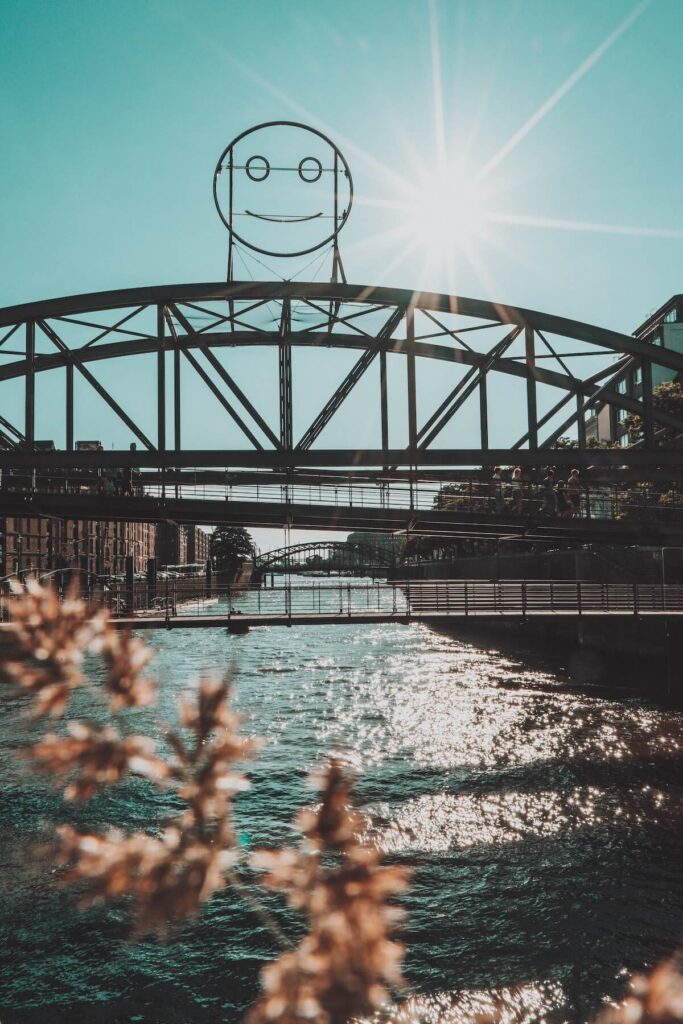
Hamburg offers plenty of architectural wonders, but none stick out as much as its bridges. Not the least of the reasons for that is the sheer number of them – Hamburg boasts of over 2,000 water crossings within the city limits, making it the world record holder.
It’s no wonder that hardly any good shot of Hamburg doesn’t contain at least a bridge or two in the corners somewhere. They really do define the city’s landscape more than even the facades or the streets!
5. The Hamburg Zoo
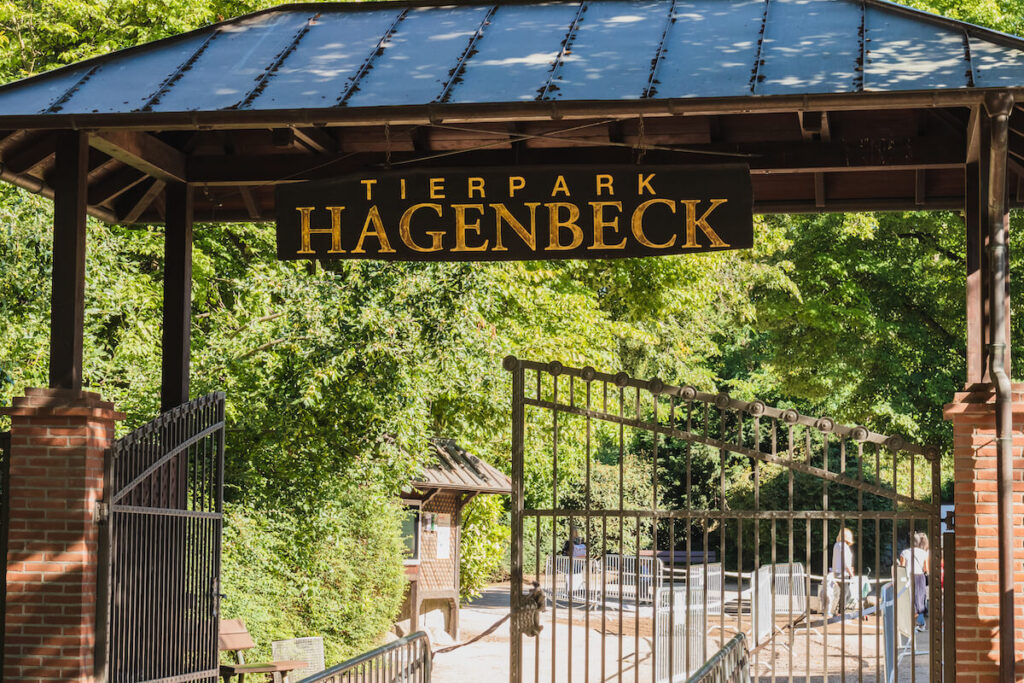
It would be hard to claim that most world cities, even major ones like Paris or London, are really famous for their zoos. In Hamburg’s case, though, we are dealing with something truly special.
Around the turn of the 20th century, many European cities had large zoos, but they were all indoor affairs with cramped cages separating the animals from onlookers. This was space-efficient but hardly ethical – that’s where a smart Hamburg native by the name of Carl Hagenbeck came in.
Hagenbeck came up with the idea of large, open-air enclosures that are more animal-appropriate while also allowing visitors a more exciting experience.
In essence, he laid the groundwork for zoos as we know them today!
The Hagenbeck Zoo in Hamburg is still operated by Carl Hagenbeck’s descendants today and remains one of the city’s most popular sights.
6. Traditional markets

With its Hanseatic roots as Europe’s greatest sea trade capital, it’s no wonder Hamburg today is still full of weekly markets. The most famous of these has got to be the Fischmarkt, where you can find fresh seafood straight from the North Sea every Sunday morning.
But any visitor would be mistaken to ignore the city’s other offerings – Hamburg is famous for its diversity if anything! From food of every sort to trinkets and antiques, there’s really something for everyone if you look hard enough.
7. St. Pauli
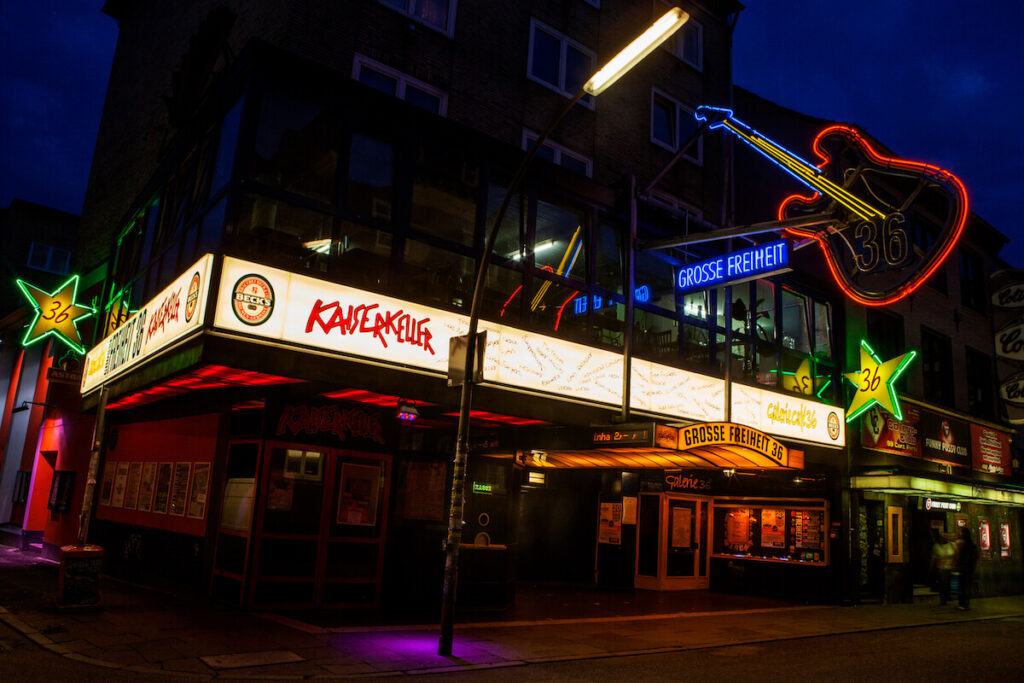
If there is one quarter Hamburg is known for more than Speicherstadt, it’s St. Pauli. The connotation is a wholly different one, though.
Instead of a sprawling, beautiful warehouse city stuck in time, St. Pauli made its name as the hedonist, colorful downtown where anything goes.
St. Pauli, and especially its Reeperbahn street, has traditionally been the center of Hamburg’s nightlife scene. Bars, gentleman’s clubs, brothels, escort services, sex shops – basically any kind of vice-positive establishment you could think of is probably well-represented here.
Including the Reeperbahn, St. Pauli is Europe’s second-largest such red light district after Amsterdam’s, though it should be noted that in Hamburg’s instance there is a lot more to do in the area around Reeperbahn that doesn’t involve X-rated activities.
8. The Hamburg Philharmonic

Hamburg is full of cultural attractions, including museums, theaters, public expos, and more.
However, none can hope to reach the cachet and worldwide recognition of the Hamburg Philharmonic which has set world records for its performances.
The Hamburg Philharmonic orchestra has been performing since the 1800s, almost exclusively at the Laeiszhalle, an elegant neo-classical building that has served as Hamburg’s main concert hall for ages.
More recently, a new construction called the Elbphilharmonie, situated right on the river with a striking contemporary facade, has supplanted it. Both are among the classical music world’s most esteemed venues for concerts and operas.
9. The Beatles

The Beatles are by definition a cross-cultural phenomenon. Born and raised in Liverpool, their members and the music they made didn’t just conquer Britain, but the whole world.
There’s another layer to that story!
While the Beatles performed all over England during the earliest phase of their career, it wasn’t until they gave a few fateful live concerts in Hamburg – in a few quiet pubs along the Reeperbahn, to be precise – that their popularity really took off and they became a major, international success.
Today, dozens of monuments and little streetside art installations commemorate the Beatles and the mark they left on the city – or rather, the mark that the city left on them.
10. Water everywhere
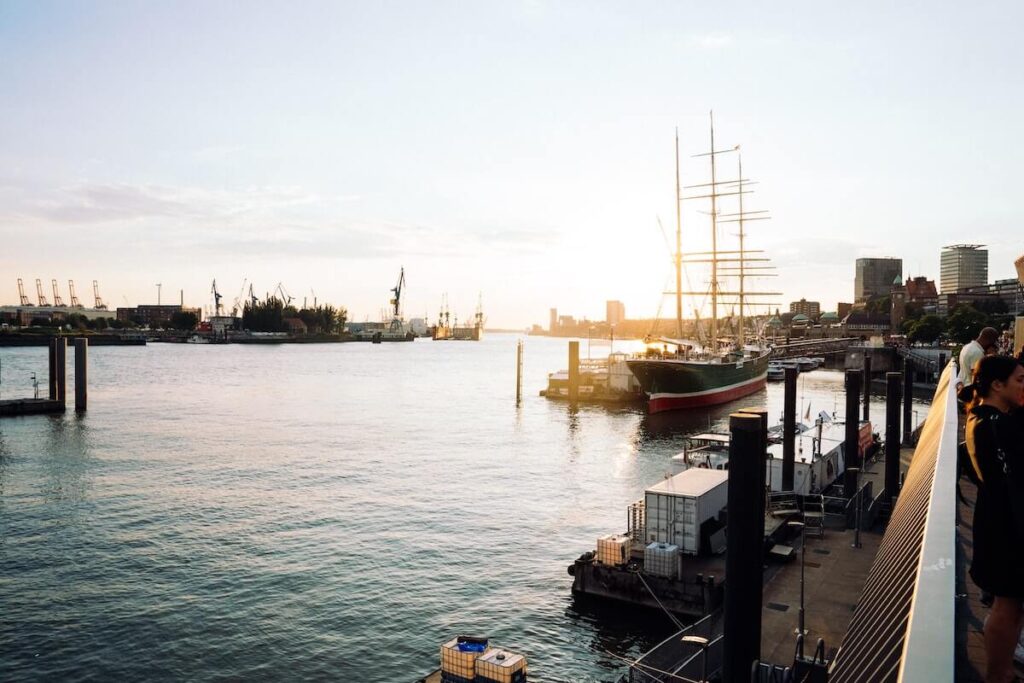
I mentioned the canals zig-zagging through Speicherstadt, but you’d be mistaken for assuming that the rest of Hamburg is too far away from the water to notice!
Not only is the river Elbe always within reach, but there are dozens of canals that run right through the city’s heart, in addition to other bodies of water such as the lake Alster. In other words, Hamburg is built on water, very much like Venice except on a much larger, riverside scale.
11. Famous Hamburgers
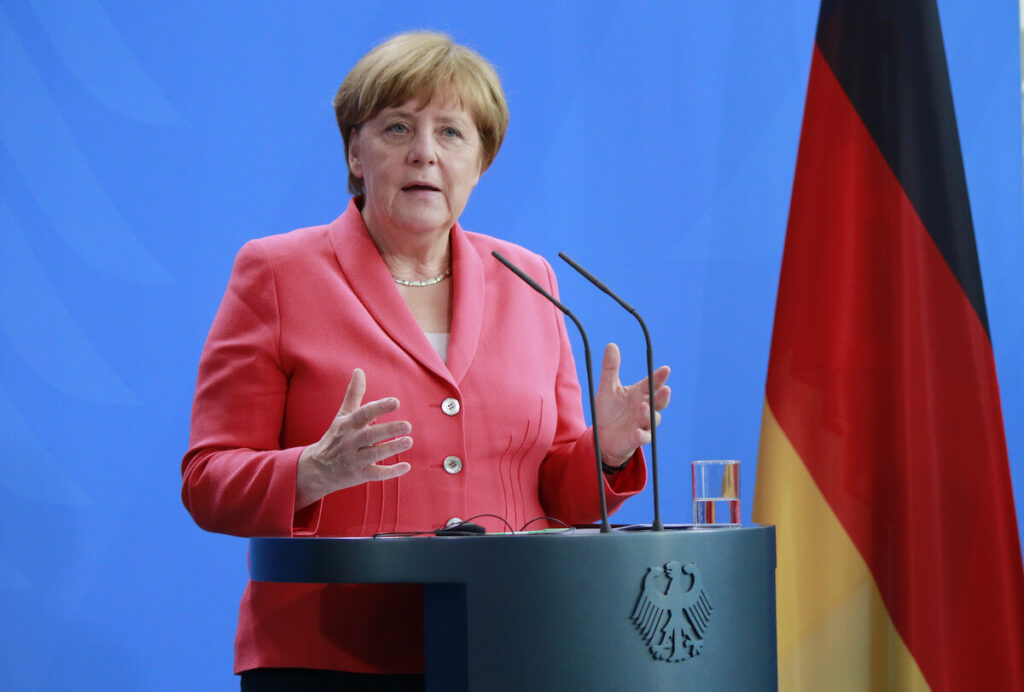
Yes, it’s no joke: as funny as it sounds, people from Hamburg are called Hamburgers.
And Hamburgers have quite the rich legacy!
Famous people from Hamburg span the arts, sciences, politics, and more, and have included Johannes Brahms, Felix Mendelssohn, Gustav Ludwig Hertz (yes, that Hertz), as well as former German chancellors Helmut Schmidt and Angela Merkel.
That’s quite a list to call your own, isn’t it?
12. Hamburg Delicacies

Speaking of Hamburgers, the city’s traditional cuisine is anything but fast food. As a port city, the Hamburg diet is gloriously rich in fresh fish and seafood, but there is plenty of variety beyond that.
Take, for instance, any Hamburger’s favorite breakfast treat: The Franzbrötchen, a kind of croissant-like pastry baked with cinnamon, poppy seeds, butter, and sometimes raisins as well.
Other Hamburg specialties include the Fischbrötchen (a kind of fish sandwich), the delightfully sweet Rote Grütze, and smoked meat served with kale, which is typically just called Grünkohl, green kale.
Conclusion
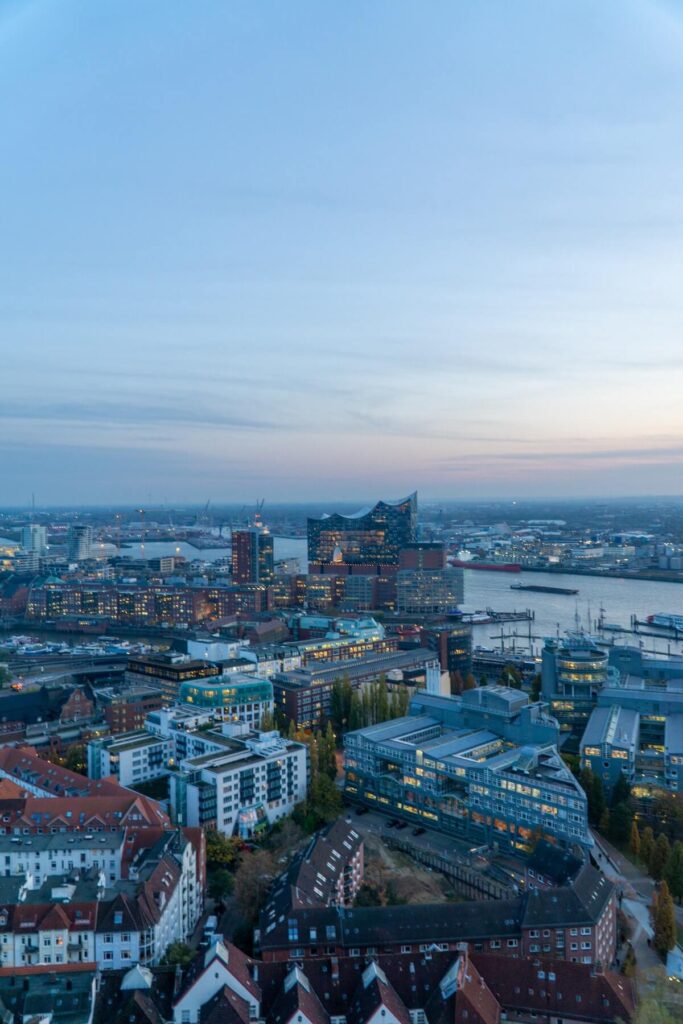
As you can see, Hamburg is a city of incredible diversity, rich history, and so much worth exploring! Of course, no single list could do the entirety of such a huge city justice, which is why I now turn to you, dear reader.
What did you learn about Hamburg today, what would you like to add? What is Hamburg famous for to you that I did not mention? I’d love to hear from you in the comments!