
Among the continental United States, Florida is unique. It hangs from the country at the meeting points of the Atlantic Ocean and the Gulf of Mexico, inviting a climate that is hotter, sunnier, and wetter than most of the nation.

These conditions have made Florida a natural wonder in itself, with ecosystems, animals, plants, and natural curiosities you can’t find anywhere else.
From deep freshwater springs with tangled cave networks and coral reefs to proud oak trees and one of the most critical wetlands in the world, Florida’s natural attractions are endless, enigmatic, and enchanting.
Take a look below for 17 of the most beautiful natural wonders in Florida.
Table of Contents
1. The Everglades
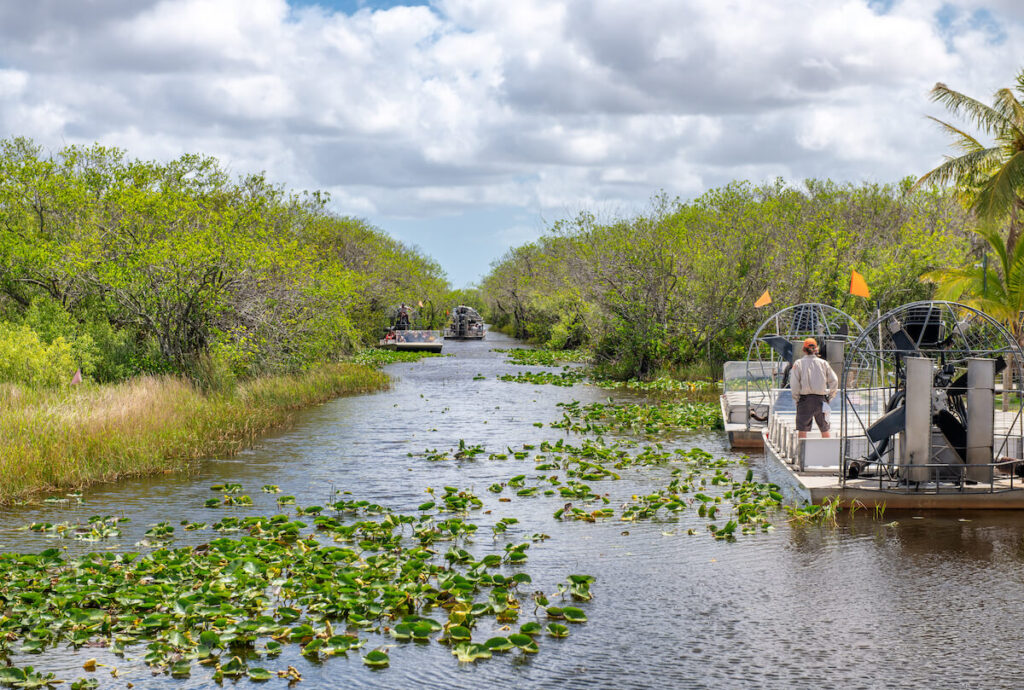
Anchoring the southern tip of Florida’s peninsula is the Everglades, the world’s largest expanse of subtropical wetlands. The Everglades is not just a natural wonder in Florida, but an ecosystem treasured at the global level for its biodiversity and critical ecological functions.
Among the Everglades’ mangrove swamps, cypress forests, pinelands, sawgrass marshes, and other ecosystems live familiar animals like manatees, Florida panthers, and alligators. Airboats float visitors across these otherworldly wetlands, which are protected as a national park.
2. Florida Reef

In the continental United States, there is only one living barrier reef — the Florida Reef. The reef extends from beyond the southernmost Florida Keys to the Atlantic Coast in St. Lucie County, covering over 350 miles.
The Florida Reef is thoroughly linked to other ecosystems like the Everglades. It’s also home to more than 6,000 marine species, from sea turtles and dolphins to eels and the very coral colonies that compose the reef.
3. Dry Tortugas islands

People tend to assume Key West is the end of the Florida Keys. In reality, seven islands known as the Dry Tortugas are located 68 miles westward, the most isolated of the Florida Keys.
Combined with nearly 10,000,000 acres of open sea, the islands form Dry Tortugas National Park. The wateriest of the national parks, Dry Tortugas is a Florida natural wonder and a haven for sea life and migratory bird species.
4. Rainbow River

Spilling from the vents of Rainbow Springs is Rainbow River, a serpentine course of crystalline water that cuts through Central Florida to provide a calm respite amid Florida’s landscape.
Rainbow River is an incredible place to see Florida’s nature as it flows through lush landscapes. If visitors aren’t taking a glass-bottom boat tour, they’re lounging about the calm river on tubes, kayaks, and canoes, swimming, or enjoying picnics on the banks.
5. The Florida Keys

We’ve talked about the Florida Reef and the Dry Tortugas, which go hand in hand with the Florida Keys, but why are these world-renowned islands in Florida considered natural wonders?
The Florida Keys are an archipelago that stretches in an arc from the uninhabited Dry Tortugas up toward the peninsula south of Miami. They are sandy, narrow islands anchored by the barrier reef.
The Florida Keys are known for pristine beaches, brilliant stargazing, and a Caribbean-esque climate with easy access from the mainland.
6. Falling Waters Sink
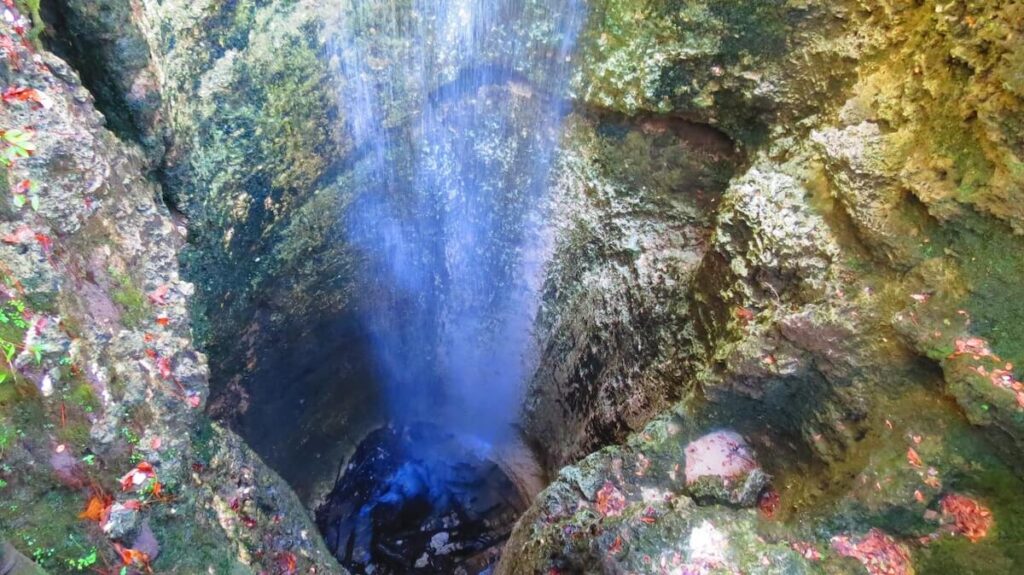
One thing everyone knows about Florida is that it’s weird. What’s weirder than Falling Waters Sink, a 100-foot deep sinkhole into which a waterfall pours and then… disappears? No one knows where the water goes after it tumbles into the earth.
Falling Waters Sink is Florida’s highest waterfall, impressively so for a state that’s largely flat. The sinkhole is the natural attraction of Florida’s Falling Waters State Park in the panhandle, which refers to the long northern strip between the Gulf of Mexico that borders the states of Georgia and Alabama,
7. Live oak trees

Common across the American South are live oaks, an umbrella term for oak species that don’t shed their leaves in winter. Live oaks are one of Florida’s natural attractions.
The Cellon Oak near Gainesville is the largest in the state, with a diameter of over 150 feet. The second largest live oak is located in Lake Griffin State Park and is over 400 years old. These trees are beloved for their broad, heavy boughs and pools of shade cast by their sprawling canopies.
8. Fakahatchee Strand
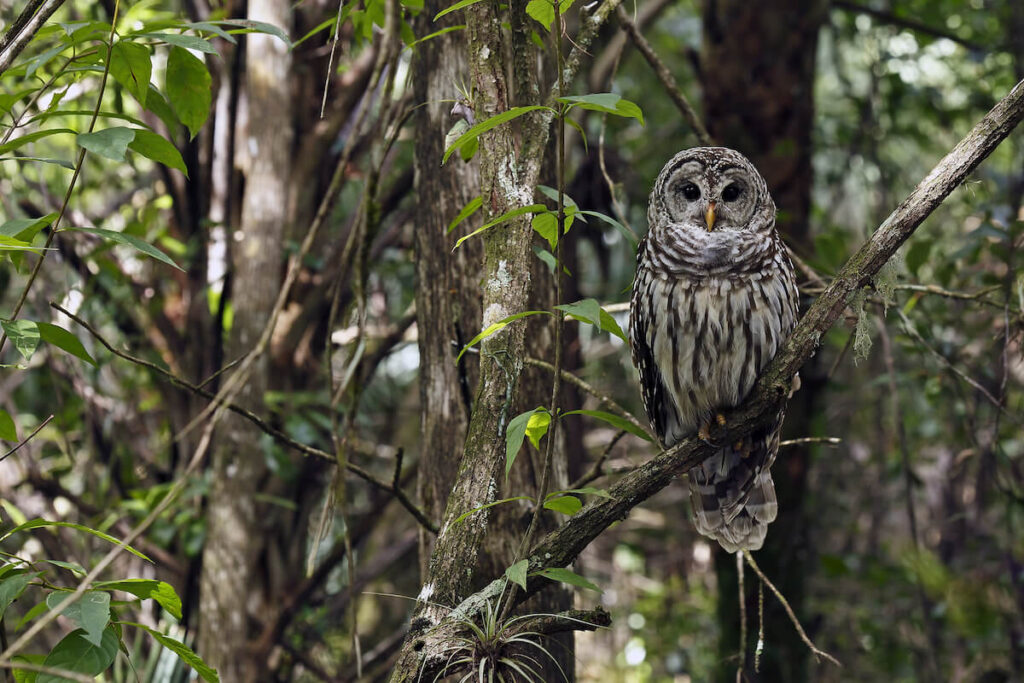
Just north of the Everglades is an ecological niche called Fakahatchee Strand, a place that plants and animals not found elsewhere on the continental U.S. call home. The swampy, forested expanse is protected as a state preserve.
Fakahatchee Strand is also home to 47 species of orchid flowers, which tend to favor hot, moist climates. Some refer to Fakahatchee Strand as the Amazon of North America for its biodiversity and tropical nature.
9. Lake Okeechobee

The watery heart of Florida is Lake Okeechobee, a freshwater lake that rarely gets deeper than 12 feet despite sprawling 734 square miles across South Florida. Its (shallow) depths provide habitat to dozens of fish species, alligators, thousands of arthropods, and freshwater birds like storks and ibises.
What happens to Lake Okeechobee affects the Everglades, as the lake’s water flows into the wetlands. The interconnected nature of these two Florida natural wonders has led to greater efforts for restoring and protecting the lake.
10. Blowing Rocks Preserve

The name Florida evokes images of endless stretches of white sand beaches, but the Sunshine State is not without rocky coastal outcroppings.
Blowing Rocks Preserve in Jupiter, on the state’s Atlantic Coast, protects swaths of rugged limestone coastline. The might of the ocean has eroded the rocks into fascinating shapes and launches seaspray into the air when the tide is strong. The lowering tide reveals sea caves carved over the ages.
The preserve also protects other critical ecosystems, including beach dunes and mangrove forests.
11. Wakulla Springs
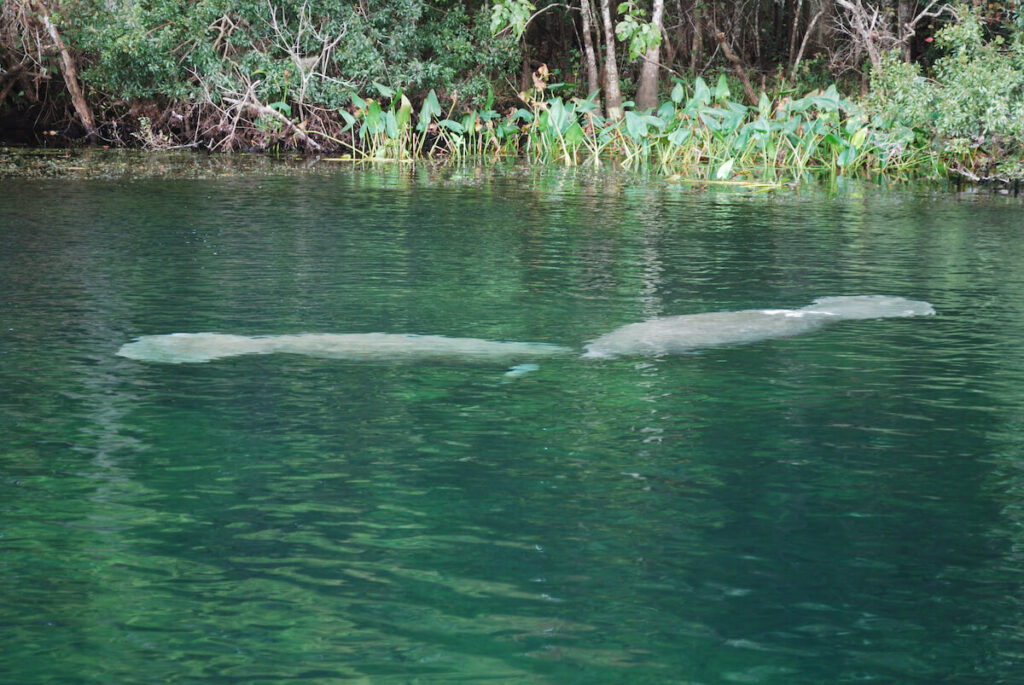
At this Florida natural wonder, manatees and alligators swim through the emerald waters of Wakulla Springs, which is one of the world’s deepest freshwater springs.
Visitors can appreciate the natural beauty of Wakulla Springs on boat tours or from viewing platforms at Edward Ball Wakulla Springs State Park. The springs are also geologically fascinating, with miles of underwater caves that connect them to other springs in northern Florida.
12. Lake Apopka

Within a short distance from Orlando is Lake Apopka, where wildlife enthusiasts can observe a menagerie of animals. Dozens of amphibians, mammals, and reptiles thrive in and around the lake.
Lake Apopka is also a haven for more than 350 species of birds. The Lake Apopka Wildlife Drive allows visitors to glimpse the rich wildlife of the area from the comfort of their cars, with an audio tour included.
13. Mangrove swamps

We’ve talked a bit about mangrove swamps, but what are these fascinating forests that dot the Florida landscape?
Mangrove trees rise from the earth on stilt-like roots that allow them to handle the change in the water level of the wetlands they call home. They are proud sentinels of places like the Everglades and play a critical role in protecting coastlines from erosion.
Mangrove swamps are also carbon sinks, meaning they capture and lock in carbon instead of releasing it into the atmosphere, which accelerates climate change. Many animals live in and around mangrove swamps, making them one of the most remarkable of the natural wonders in Florida.
14. Gulf Coast beaches at sunset

This Florida natural wonder is, barring bad conditions, a near-daily recurring event. South of the panhandle, beaches on Florida’s Gulf Coast face westward across the Gulf of Mexico. From the long stretches of sand, you can catch some of the most vibrant sunsets in the United States, day after day.
15. Florida Caverns
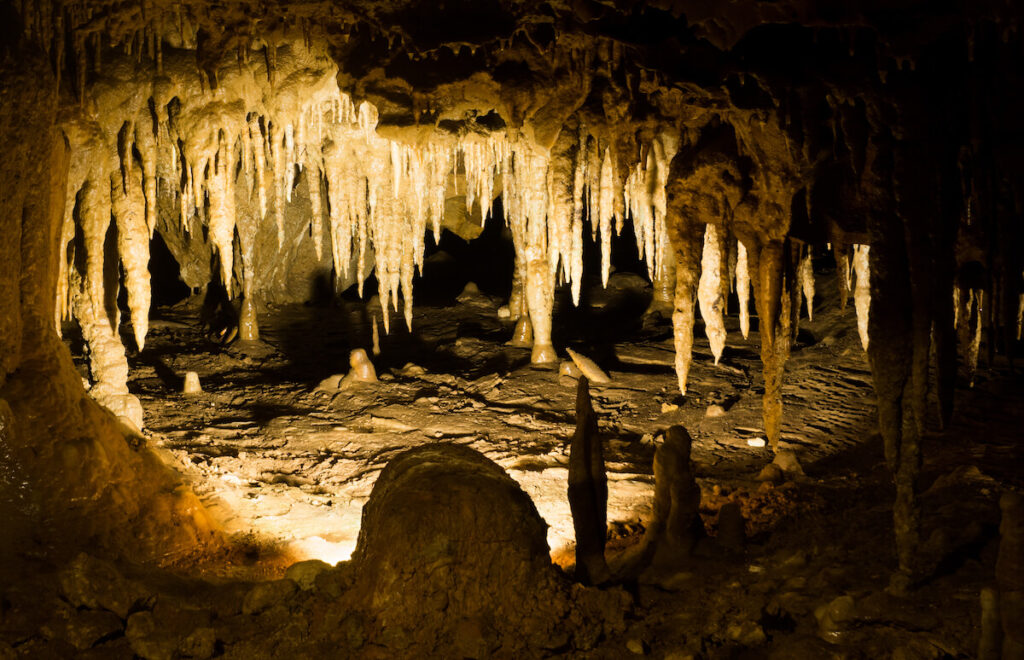
In Florida’s panhandle, the Florida Caverns yawn deep underground.
Florida Caverns is wholly unique among Florida’s natural attractions. It is the only air-filled cave system that the public can enter to explore. The caves display marvelous examples of stalactites, stalagmites, and flowstones.
Watch out for bats and other cave critters, who feel right at home among the dark and damp.
16. Devil’s Spring System
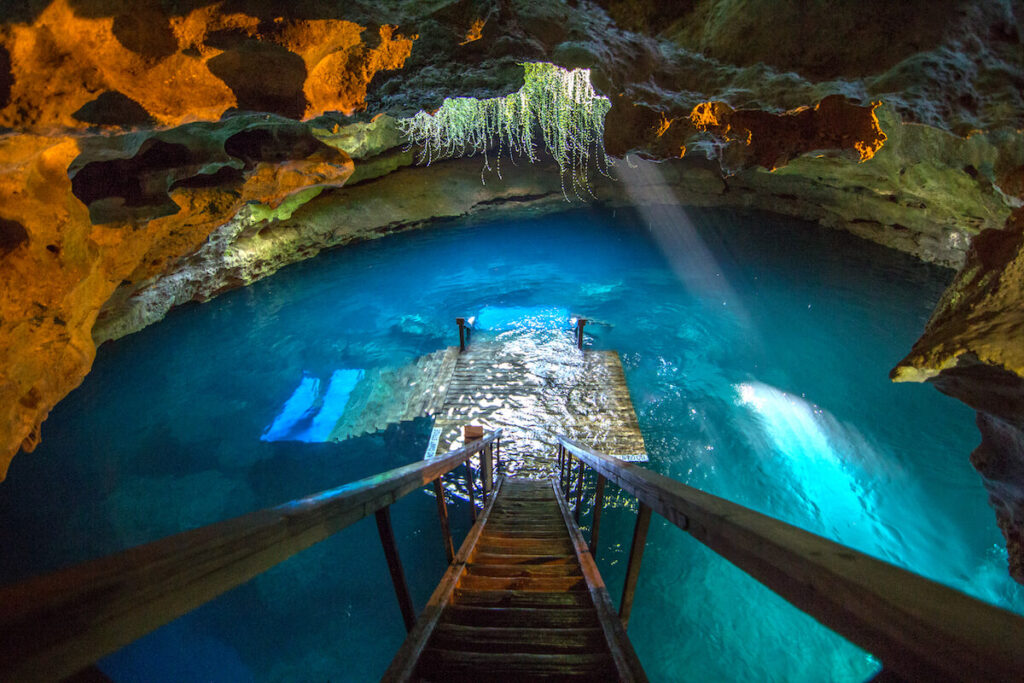
If you, too, feel at home among the dark and damp, then add Devil’s Spring System to your list of Florida’s natural wonders. Feeding 80 million gallons of water into the Santa Fe River each day, this spring system is popular among underwater spelunkers.
Those who brave the watery depths of this 50-foot-long spring system can dazzle at the views up toward the surface. When the conditions are right, the tannin-stained waters provide an ethereal tint to the world above.
17. Canaveral National Seashore

Not far from where NASA launches rockets into outer space is Canaveral National Seashore, the longest stretch of undeveloped coastline in the state. Lagoons, oak forests, and dunes are among the habitats protected by this jaw-droppingly beautiful Florida landscape.
There are also ancient burial grounds among the seashore, built by the indigenous Timucua people. These sacred graves are but one example of the relationship between Florida’s indigenous peoples and natural wonders.
Conclusion
Florida is a state defined by its waterways. Whether it’s from the ocean, the sky, or the bowels of the earth, whether it’s lapping at mangrove roots in the Florida Keys or gushing from springs in the panhandle, water is present in all aspects of Florida’s nature.
Because of that, come to Florida prepared to swim, wade, sweat, and enjoy the swampy air or fresh coastal breezes. There are so many niches, corners, and little-known places across the state that it’s a tall task to see them all. Alas!
One thing is for certain — Florida’s natural wonders are unrivaled. Leave a comment if you think we missed a natural wonder or if you have any Florida gems to recommend.