
*This article may contain affiliate links. For full information, please see the disclaimer here.
If you only have a few days to explore one more destination in Italy after seeing Rome, try choosing either Milan or Venice, not both.
Rushing through a country you’ve never been to before just to cover as many cities as possible in a short amount of time is never a good idea — especially in a magical place like Italy.
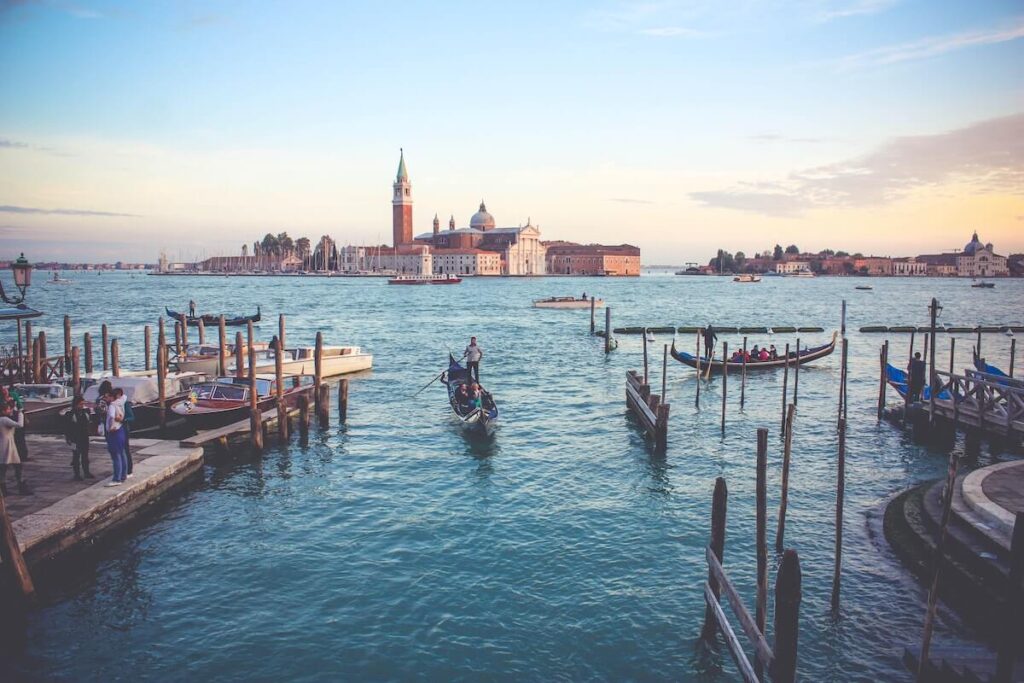
With that in mind, I’ve come up with a comprehensive comparison between these stunning cities so you’ll know which of them best matches your style.
We’ll go over all the major attractions, the dishes you can’t miss, and the day trips you could consider taking from Venice or Milan.
Table of Contents
Getting there and moving around
Milan
Here, to be completely honest, Milan may have the upper hand over Venice. True, that’s not actually surprising given Milan is Italy’s economic capital, while Venice was built on an archipelago in the middle of a lagoon.
Still, Milan is a lot easier to reach both by train (boasting multiple connections with all the large cities in the country and even foreign capitals like Paris) and by plane, with direct flights to every continent and many low-cost options to the rest of Europe.

What’s more, the city has a comprehensive public transport network that spans buses, trams, and four subway lines (plus one under construction). You can therefore get around in Milan quite efficiently too.
Venice
Venice, in turn, is infamously car-free — which is the only way of preserving its architectural heritage but may take a toll on travelers with limited mobility.
From the airport, you’ll need to take a train to the outskirts of the historic core or drive and leave your car parked there.
Then, you can hop on a ferry or water taxi to get to your hotel — though sooner or later you’ll have to walk to go from one sight to the next.
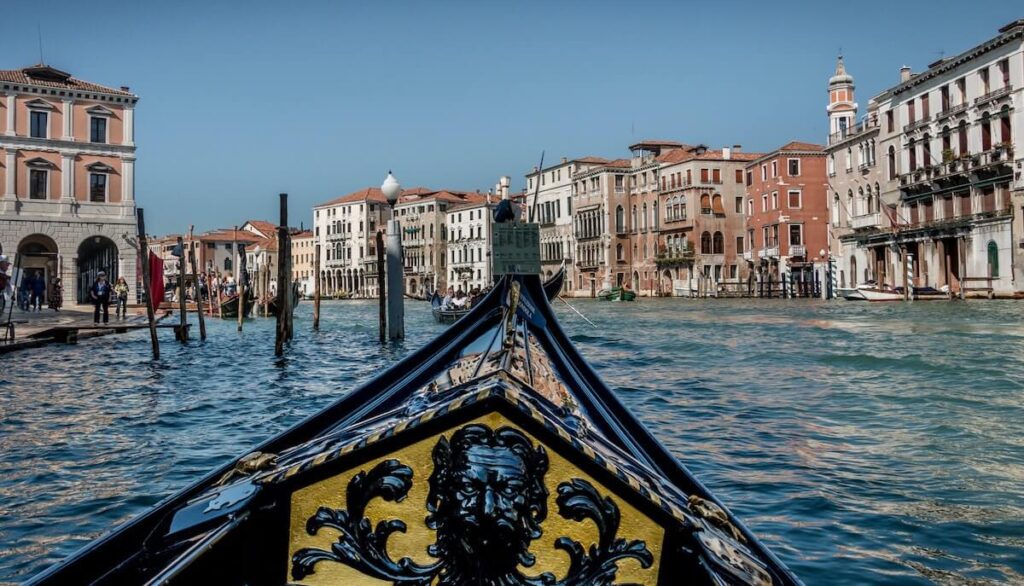
The good news is the longest walkable distance in Venice is about three miles. The train station and St. Mark’s Square are about half that distance from each other.
Where to stay
Venice
- Aman Venice if you want to treat yourself to a lavish stay in a Baroque palazzo overlooking the Grand Canal;
- Madama Garden Retreat, a secluded hotel where embroidered walls, velvet sofas, tons of mirrors, and of course a lovely garden are the calling card.
- Palace Bonvecchiati, a four-star hotel with state-of-the-art facilities at a short walk from St. Mark’s Square;
- Hotel Agli Alboretti, a budget-friendly alternative in the dazzling Dorsoduro borough.
Milan
- Bulgari Hotel Milano for the ultimate luxury stay in the bohemian Brera district;
- Room Mate Giulia, a boutique hotel located within the building of the Galleria;
- Maison Borella to enjoy the vibrant nightlife of the Navigli area;
- Ostello Bello Grande, which has both dorms and private rooms, if you’re planning to travel to or from Milan by train and would like to stay close to the station.
The historic center
Milan
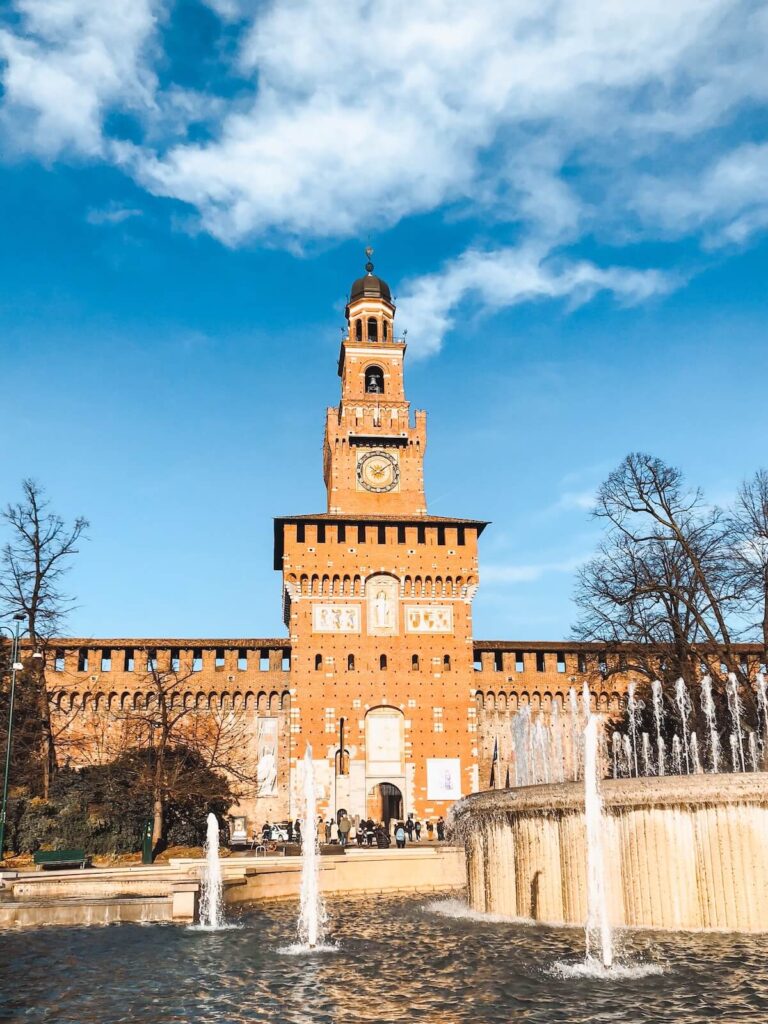
Milan’s historic heritage suffered badly from the demolition of entire neighborhoods in the early 20th century and air bombing in WWII.
But the area between the Sforza Castle, the Basilica di Sant’Ambrogio, and the Quadrilatero della Moda (i.e. the fashion district), with Piazza del Duomo as its centerpiece, is dotted with landmarks ranging from the Middle Ages to the 1910s.
For many Italians, Milan isn’t really a historic city. Most foreigners, though, are charmed by the mix of historic and modern architecture that is widely seen as its distinctive mark.
Venice
The City of Canals just had to have a waterway as its main “street”. That’s the Grand Canal, which the majority of the monumental palaces in town face. Yet to speak of a historic center of Venice is somewhat inaccurate, as the whole city has historic value.
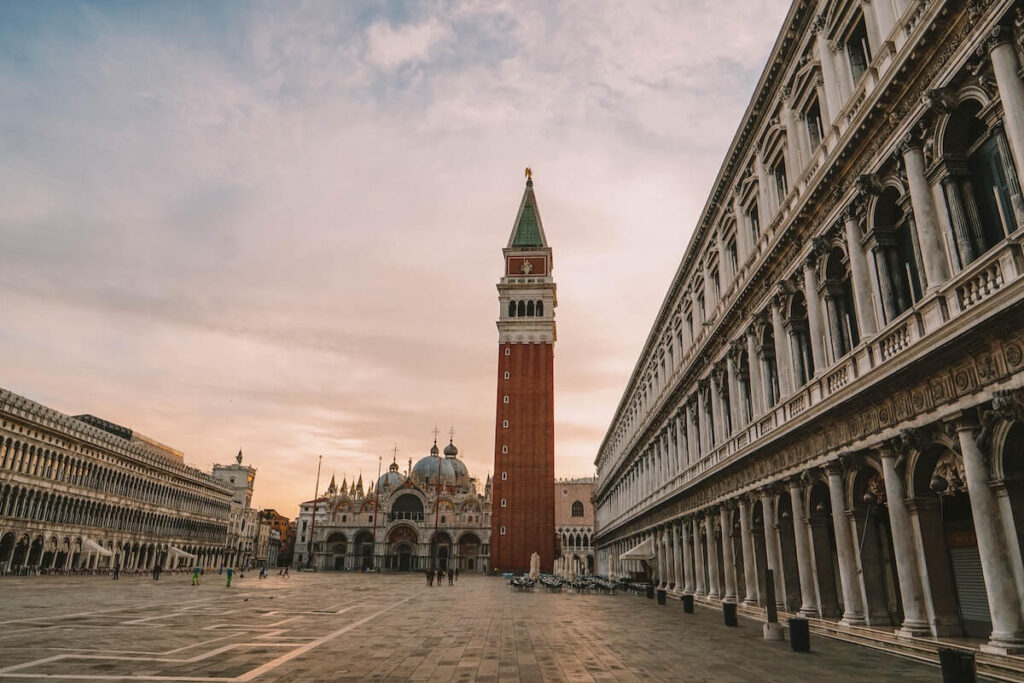
While most of the relevant sights are between the San Marco and San Polo boroughs, you’ll also find buildings dating as far back as the Middle Ages on Giudecca and Murano, two of the adjacent archipelagoes within the Venetian Lagoon.
Must-sees
Venice
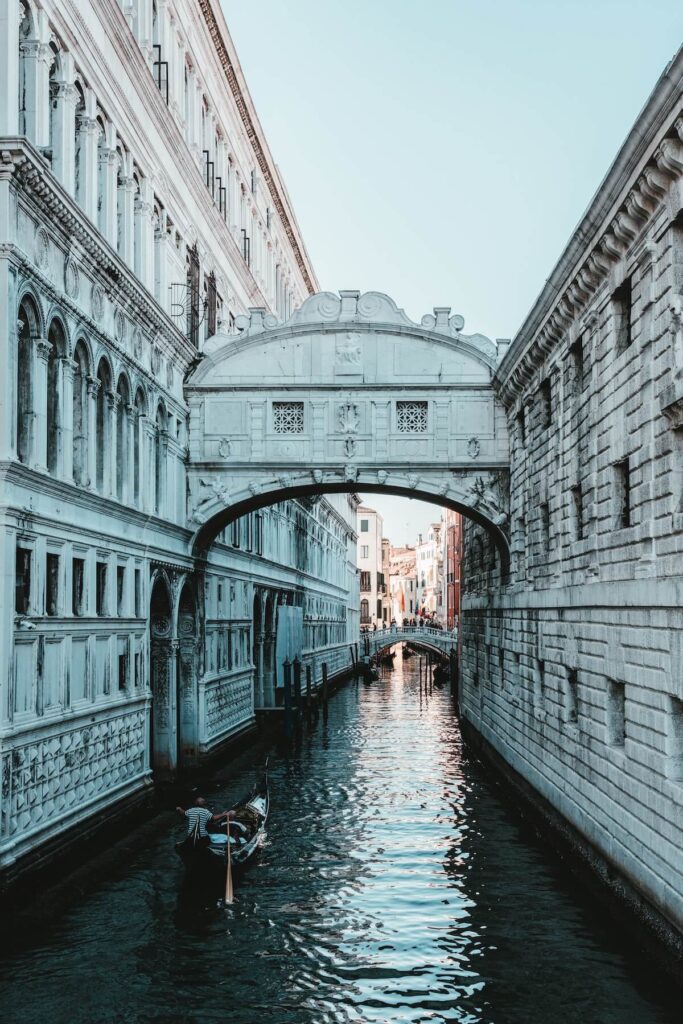
Venice’s most impressive monuments are in or around St. Mark’s Square and include its Byzantine-style Basilica, the Doge’s Palace, and the nearby Bridge of Sighs.
On your way to St. Mark’s from the train station, you’ll cross the iconic Rialto Bridge, the city’s oldest. Before that, don’t skip a detour to the Cannaregio neighborhood, home to the former Jewish Ghetto and the Casino of Venice.
On the other side of the Grand Canal, you can visit the Dorsoduro district, where attractions like the Basilica di Santa Maria della Salute and the Peggy Guggenheim Collection are located.
Milan
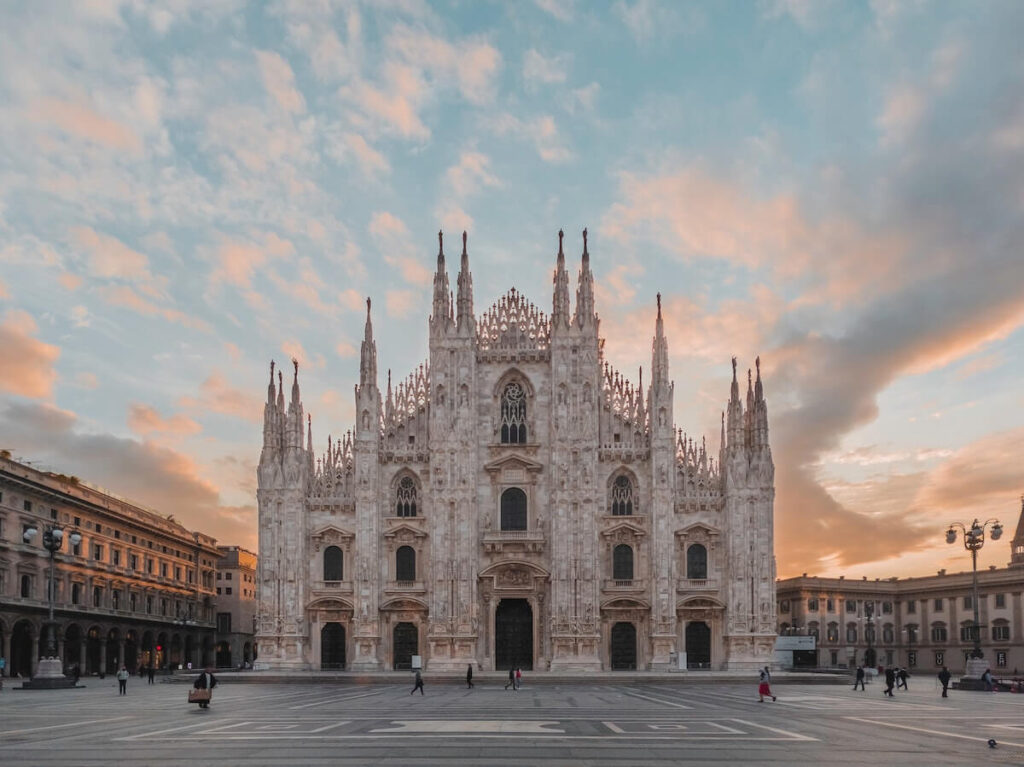
Milan Cathedral, for its unique gothic design and enormous interior, as well as the breathtaking views from its rooftop terrace, is the one thing you must see in the city before anything else.
Besides the Cathedral, the majestic Piazza del Duomo is also where the Galleria Vittorio Emanuele II — a massive arcade, and one of the earliest shopping malls in the world — is located.
Also read: 15 Best Shopping Streets to Visit in Milan
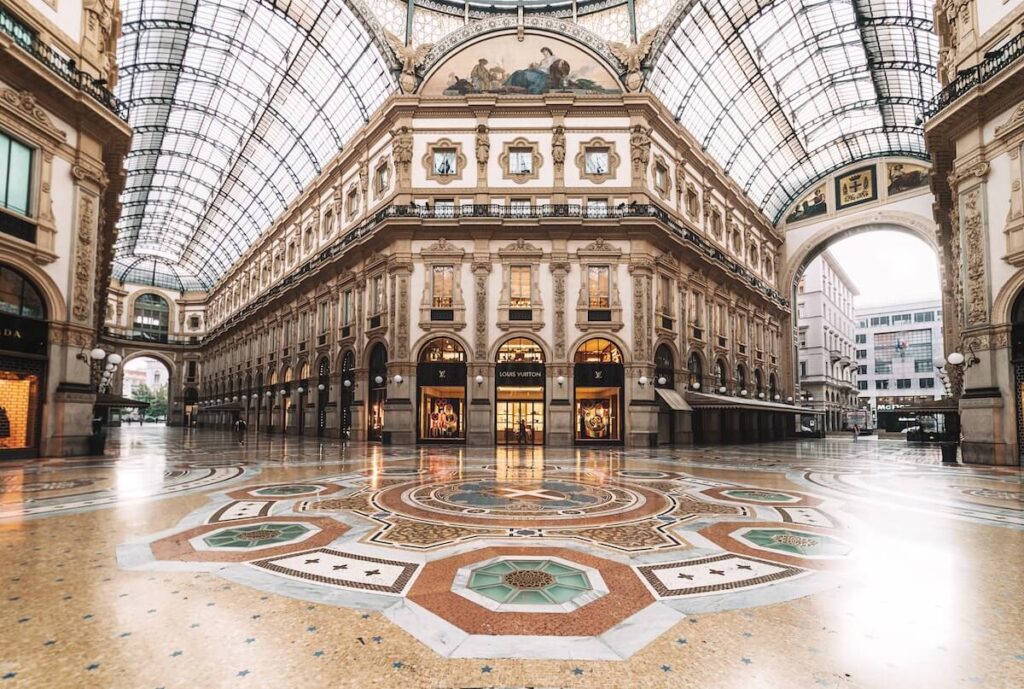
Other landmarks you should visit are Leonardo Da Vinci’s The Last Supper, displayed at the Church of Santa Maria delle Grazie, the medieval Sforza Castle and the surrounding Sempione Park, and the quaint Navigli and Brera neighborhoods.
All the nicest views
Milan
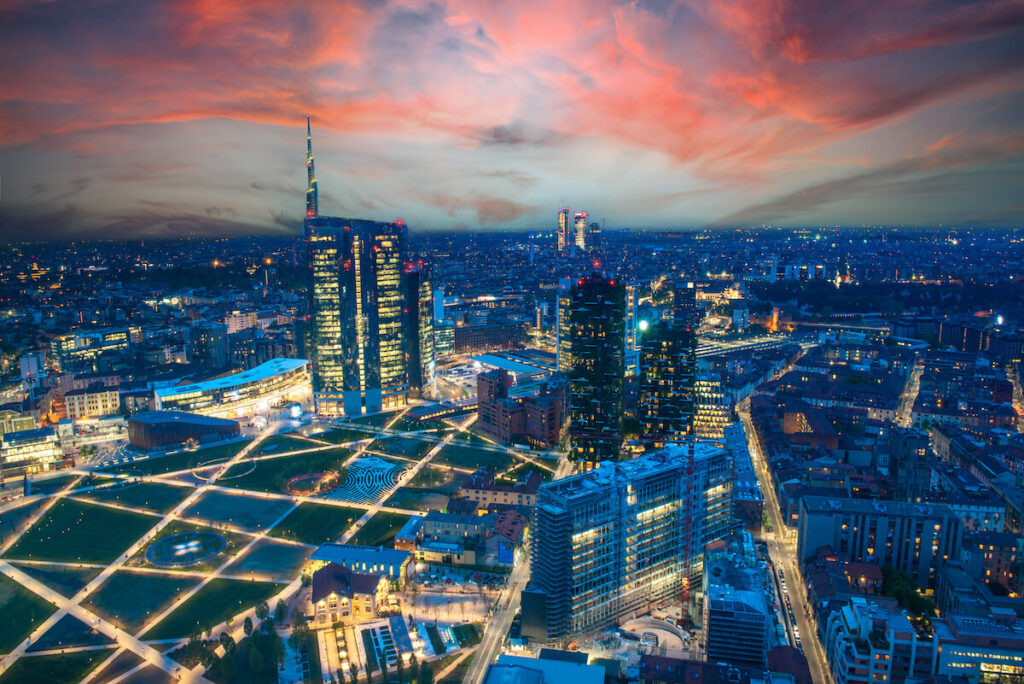
In Milan, the most suggestive overlook is the rooftop terrace of the Cathedral, which for centuries was the tallest building in town. Otherwise, you can go up Branca Tower at Sempione Park to view the Arco della Pace on one side and the entire downtown on the other, including the Cathedral.
In addition to that, there’s the possibility of visiting the terrace of Palazzo Lombardia (pictured above), a skyscraper in the newfangled Porta Nuova district that serves as the headquarters of the regional government of Lombardy.
Yet while Palazzo Lombardia welcomes visitors for free, it’s only open a few times a year. Alternatively, the city is dotted with rooftop bars too, such as LiQuido near Centrale train station and the terrace of La Rinascente, Milan’s fanciest department store.
Venice
Both Milan and Venice are virtually flat cities, which means you’ll need to climb man-made structures to view them from above.
Venice is dominated by low-rise buildings, so one in particular easily rises above them all: St. Mark’s Bell Tower, which stands imposingly at the square named after the adjacent basilica.
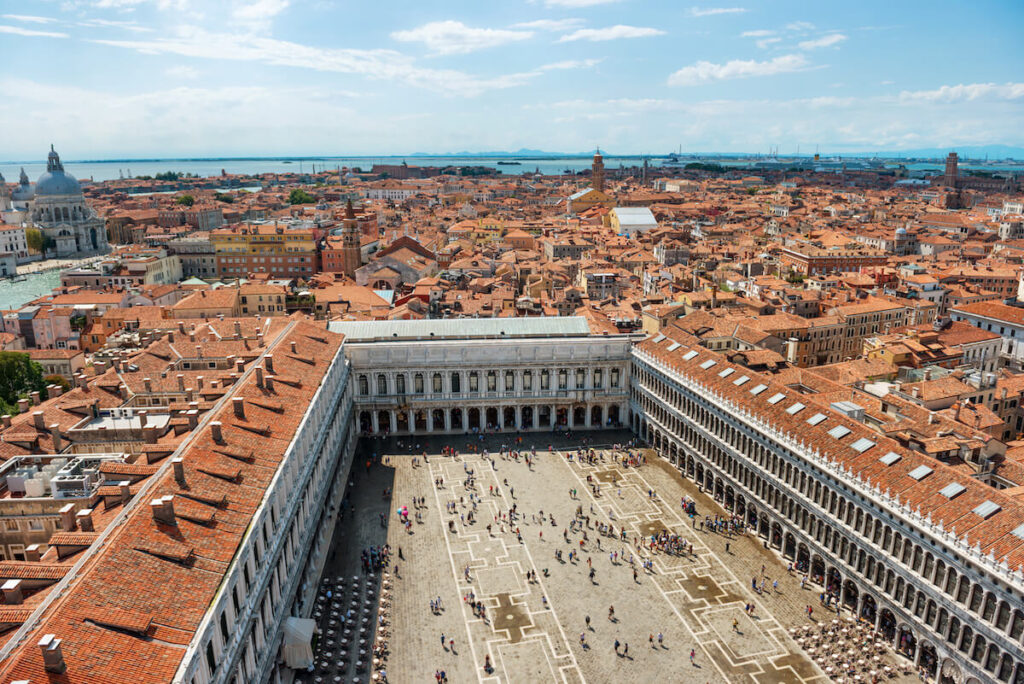
A great and underrated option is the Fondaco dei Tedeschi, a Renaissance palazzo-turned-shopping-mall. You can visit the rooftop terrace for free and have the whole Grand Canal at your feet.
What to eat
Venice

Overall, Venetian cuisine is affordable and uncomplicated. Its temple is the bacaro, a sort of pub where you can have an Aperol Spritz alongside a couple of cicchetti (i.e. the mouthwatering hors d’oeuvre that you see above).
Other dishes worth savoring are fried sardines, risi e bisi (a creamy pea risotto), polenta with shrimp, and basically anything with seafood in it.
Milan
Milan is home to top-notch restaurants serving dishes from across the globe, yet the local cuisine is surprisingly hearty and even slightly unrefined — though delicious because this is still Italy.
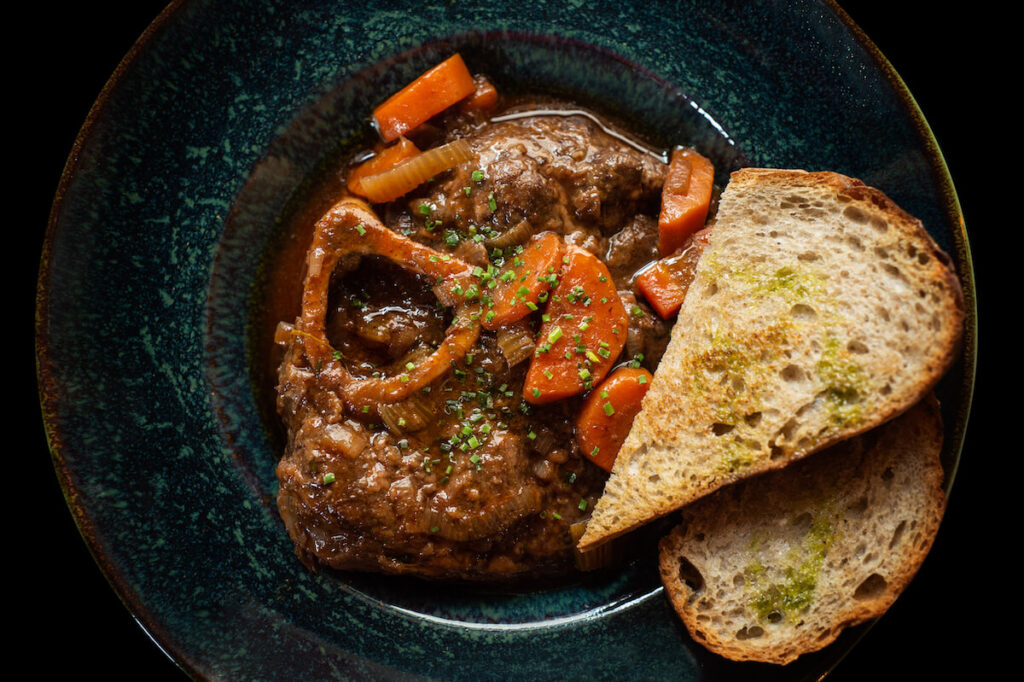
Among the most traditional dishes, you shouldn’t miss the classic saffron risotto, ossobuco (the veal stew pictured below), as well as the original veal Milanese and gorgonzola.
There’s a ritual, however, that manages to be more authentically Milanese than any recipes: aperitivo, or happy hour, when the Milanese hit their favorite bar to sip on a cocktail and munch on comped snacks.
Also read: 10 Best Food Tours in Milan You Should Book
Best time to visit
Milan
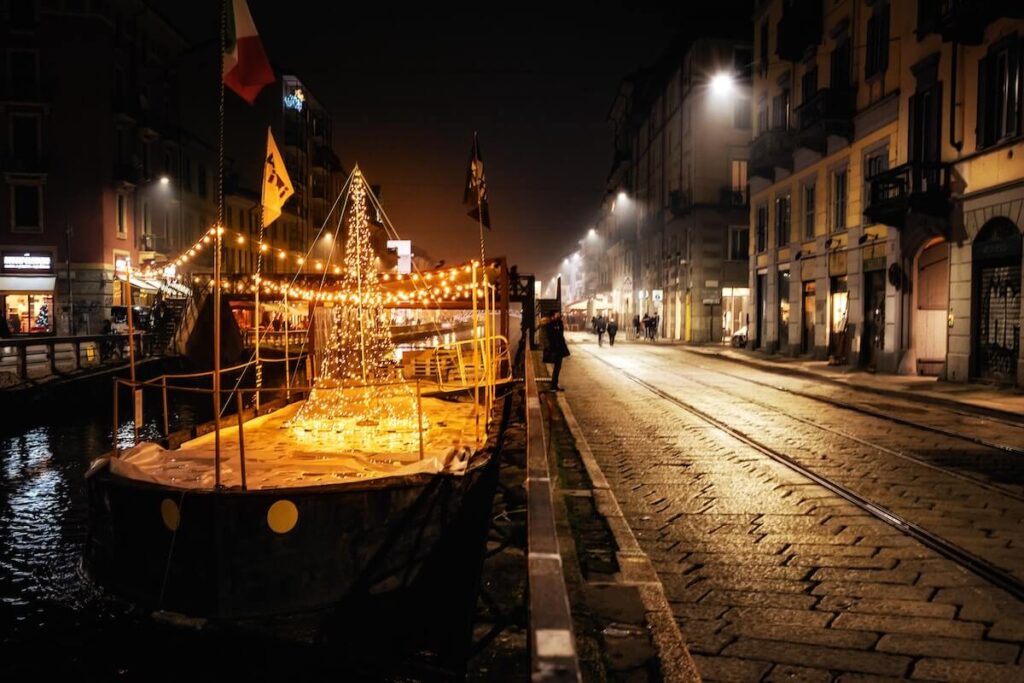
Milan is beautiful and lively year-round, but the holidays are a particularly nice time to visit the city. Temperatures are mild if compared to the northerly parts of Europe, and twinkle lights and decorations give it that festive feel we all love.
Mid- to late April is another fantastic time to be in Milan; that’s Design Week, when the city hosts the biggest furniture fair on Earth, and special events and parties pop up all over the place.
If one thing, try to avoid the city at peak summer, as the air gets muggy beyond bearable, and mosquitoes reign supreme.
Venice
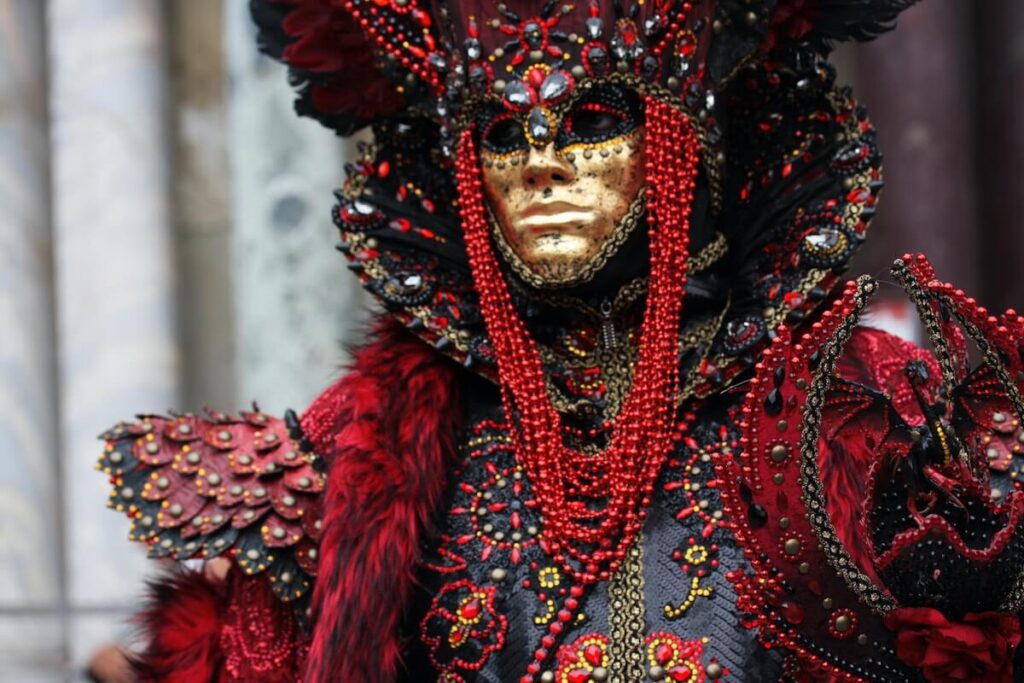
By far, Venice is at its most stunning and glamorous during carnival, which is held between February and early March depending on the church calendar.
For about ten days, the city is taken over by masked balls, float parades, and thousands of folks strutting the streets in sumptuous costumes.
In case you happen to visit in an odd year, you can drop by between late February and November instead. That’s when Venice plays host to the Biennale, one of the largest and hands down the most prestigious contemporary art exhibits on the planet.
Day trips
Venice
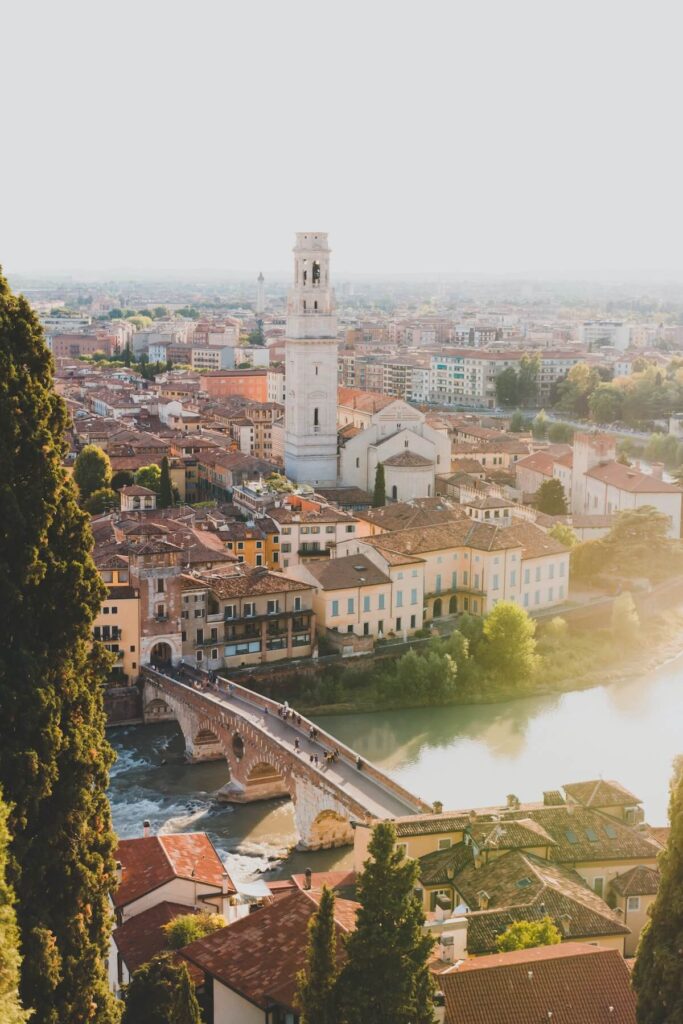
Veneto, the region with Venice as its capital, is one of the richest areas in Italy in terms of both natural wonders and architectural and artistic heritage.
It shouldn’t shock anyone that Veneto is home to seven UNESCO World Heritage sites, among which the towns of Padua, Vicenza, and romance-infused Verona (above), apart from Venice itself.
You shouldn’t miss the Prosecco wine region within the Province of Treviso or the mesmerizing Dolomitic Mountains either.
That said, you don’t really need to go that far for a day trip while in Venice. The Venetian Lagoon is peppered with other archipelagos that are well worth a visit, such as the resort town of Lido and Murano, famed for its glassmaking tradition.
Milan
Milan’s central position in northern Italy and rail connection to all major destinations in the area comes in handy if you want to discover the surroundings when visiting the city.
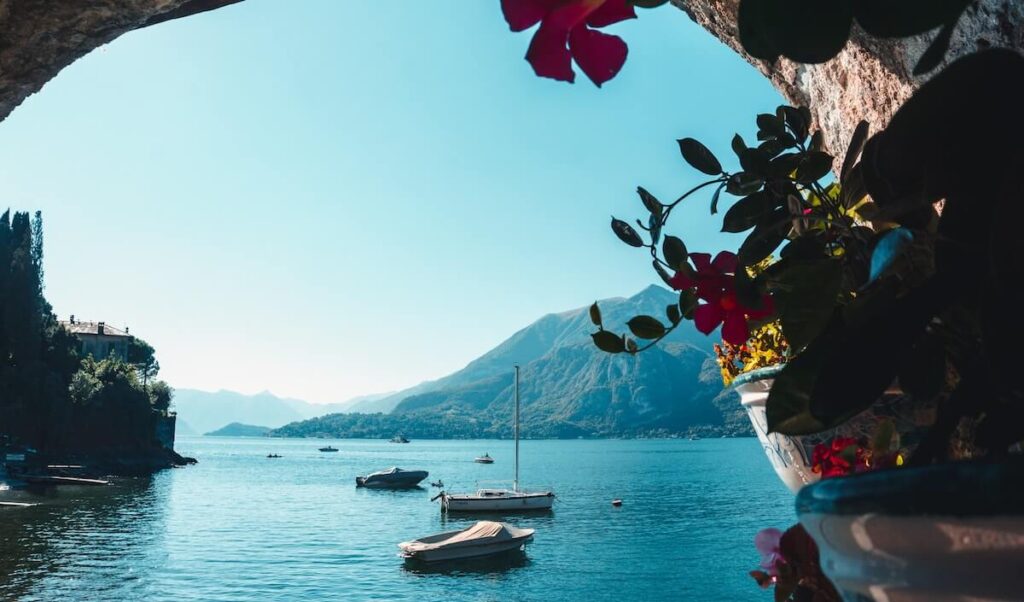
And there’s indeed no shortage of beautiful things to see around Milan, starting with the gorgeous Lake Como (below), its historic villas, and commanding views of the Alps.
Speaking of which, the Bernina Express train ride from tiny Tirano in the Province of Sondrio all the way to the Swiss town of Chur, amid lush pine forests and snow-capped peaks, is one of the top must-sees outside Milan.
So are charming towns like Bergamo and Cremona and the Franciacorta wine region, where you can taste a prestigious sparkling wine that is often compared to authentic champagne.
Bottom line: Which city is best?
All in all, I honestly don’t think you can say either Milan or Venice is better as a destination. They’re both exciting and visually fascinating and offer plenty of activities for all types of visitors.
Milan is probably the perfect fit for younger travelers in search of nighttime fun or for art buffs. Venice and its timeless cityscape, on the other hand, draw loving couples and those looking for a one-of-a-kind city experience.
A good way of deciding which city you’ll be visiting is settling for a time of year and confronting what you expect to do and see with what each of the two has to offer. I assure you, though, that there’s no such thing as a wrong decision here!