
If you’ve spent any time watching K-dramas or following K-pop, you’ve probably noticed that South Koreans really know how to enjoy a drink. In fact, South Korea boasts the highest alcohol consumption in Asia!
However, Korean drinking culture is far more than just knocking back shots. It’s a social ritual that shapes how people connect, unwind, and build relationships. Even if you don’t drink alcohol yourself, understanding these traditions offers an incredible window into the heart of everyday life in Korea.
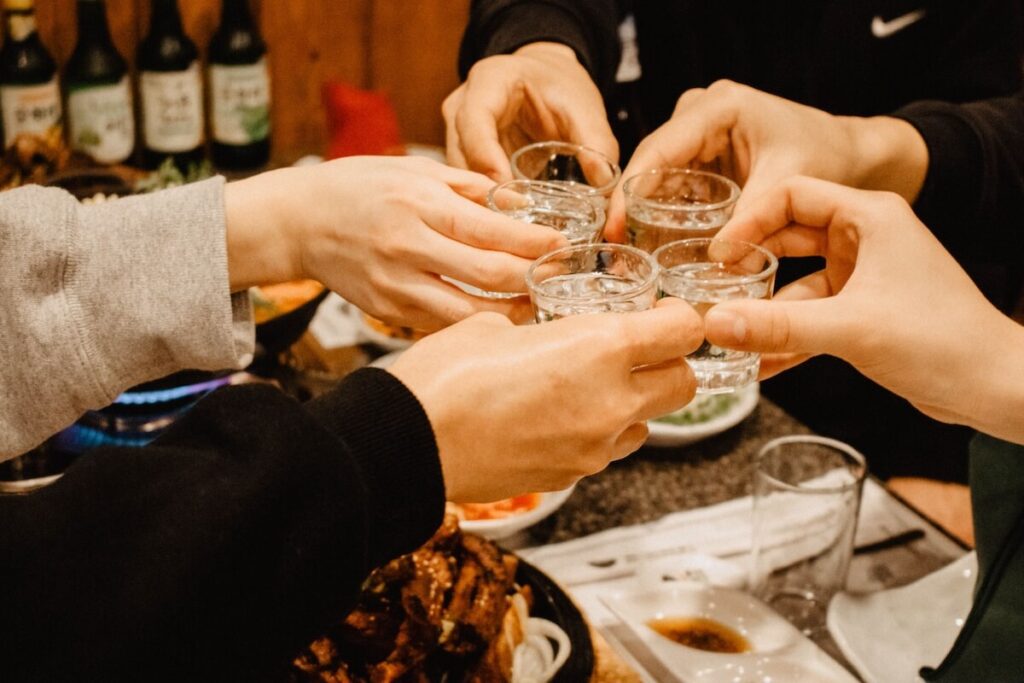
Whether you’re planning your first trip or just love exploring Korean culture from afar, knowing the unwritten rules and etiquette will help you navigate night markets, dinner tables, and nightlife spots like a seasoned local. From ancient social philosophies to modern hangover cures, this vibrant side of the culture is truly interesting to dive into.
Here are 25 fascinating facts about Korean drinking culture, spanning its history, customs, famous drinks, and iconic food pairings.
Table of Contents
History and philosophy behind Korean drinking culture
1. Traditions are rooted in community
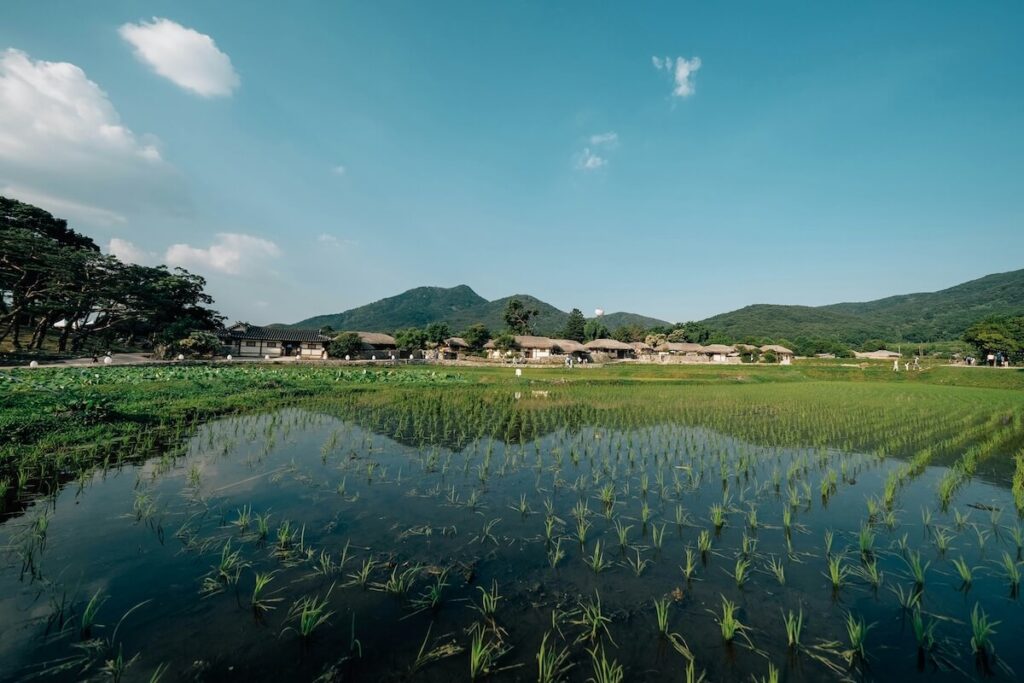
It might not look like it amidst the flashing neon lights of modern Seoul, but Korean drinking culture wasn’t just about having fun and actually carries a living piece of history.
Historically, drinking alcohol in Korea was deeply tied to communal survival and celebration. In ancient agrarian society, villagers regularly gathered during seasonal festivals like Chuseok (the harvest festival) to thank the heavens for a good yield. They would brew fresh makgeolli (cloudy rice wine) from the newly harvested grains and share it across the entire village.
Historical records from the Goryeo and Joseon dynasties, including texts like the Dongguk Sesigi, highlight how these seasonal gatherings used shared drinking to foster mutual assistance (hyangyak) and reinforce social bonds.
2. Korean drinking culture reflects Confucian hierarchy
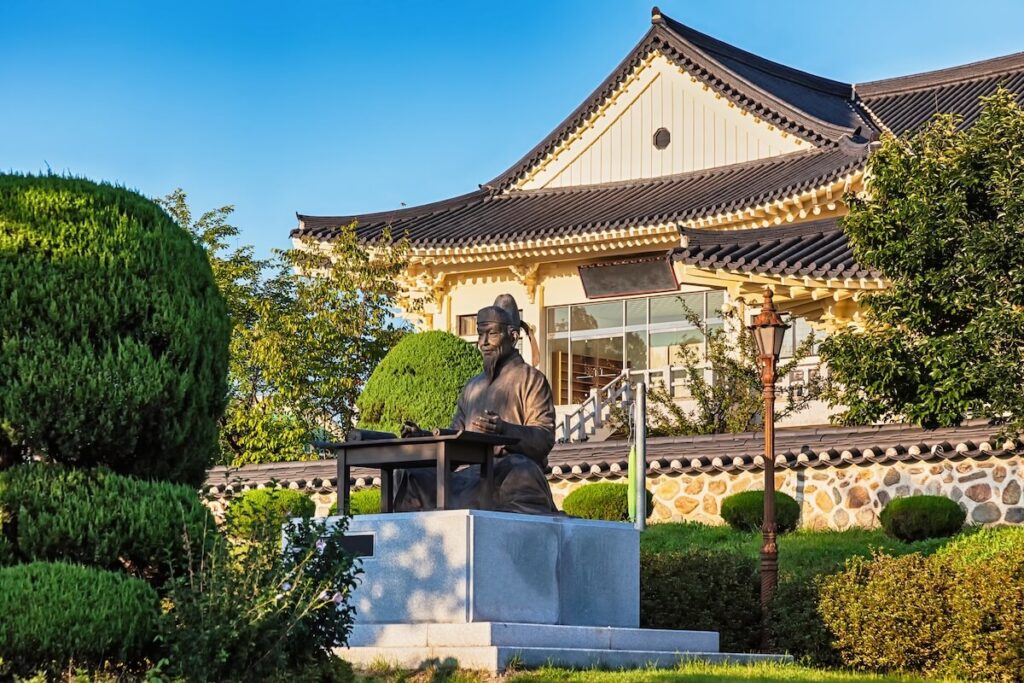
South Korea’s hierarchical society influences almost every social interaction, and the dinner table is no exception. Heavily rooted in age-old Confucian values, the way alcohol is served and consumed acts as a lesson in respect, social structure, and communal harmony.
From who gets poured for first to how high you raise your glass, every gesture subtly acknowledges a person’s age or status. But it isn’t meant to be rigid or stuffy. Rather, these traditions serve to show consideration for others and keep the energy at the table flowing smoothly.
3. Drinking is a bonding tool
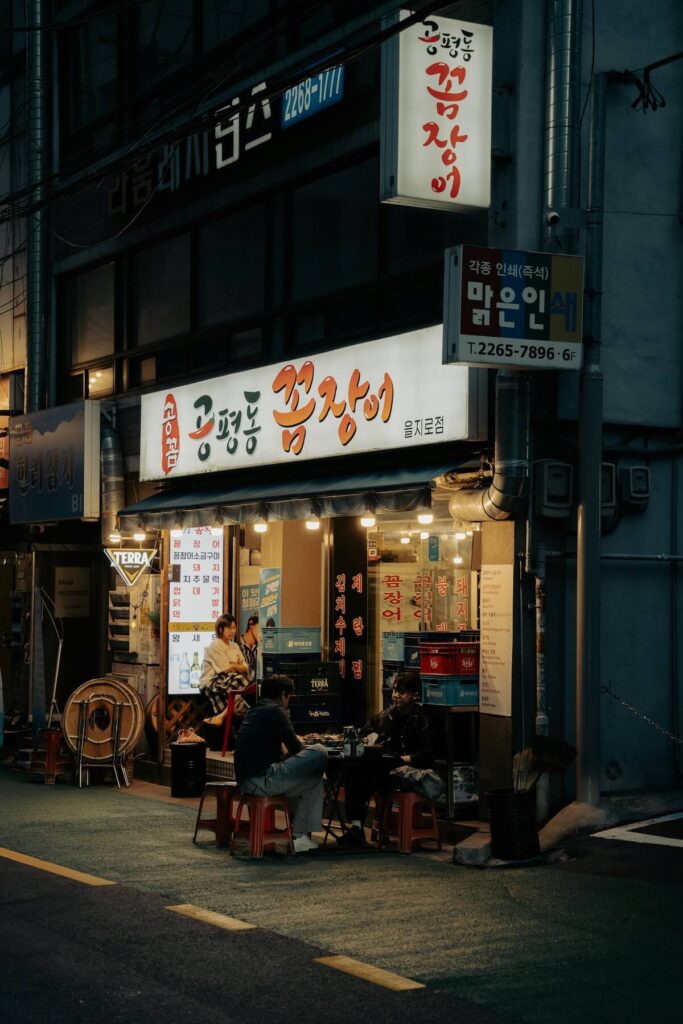
In Korea, drinking isn’t just about having a fun night out—it’s about jeong.
Jeong is one of those untranslatable Korean words, a unique concept that describes a deep, emotional connection that builds over time through shared experiences, care, and openness.
Alcohol acts as a warm catalyst for this sentiment. Gathering over a few drinks lowers everyday social guardrails, helping friends and colleagues speak openly, bond, and transform casual acquaintanceships into genuine, lasting relationships. It’s that unspoken camaraderie, one that takes time but often forms naturally.
Etiquette and social rituals when drinking in Korea
4. Never pour your own drink
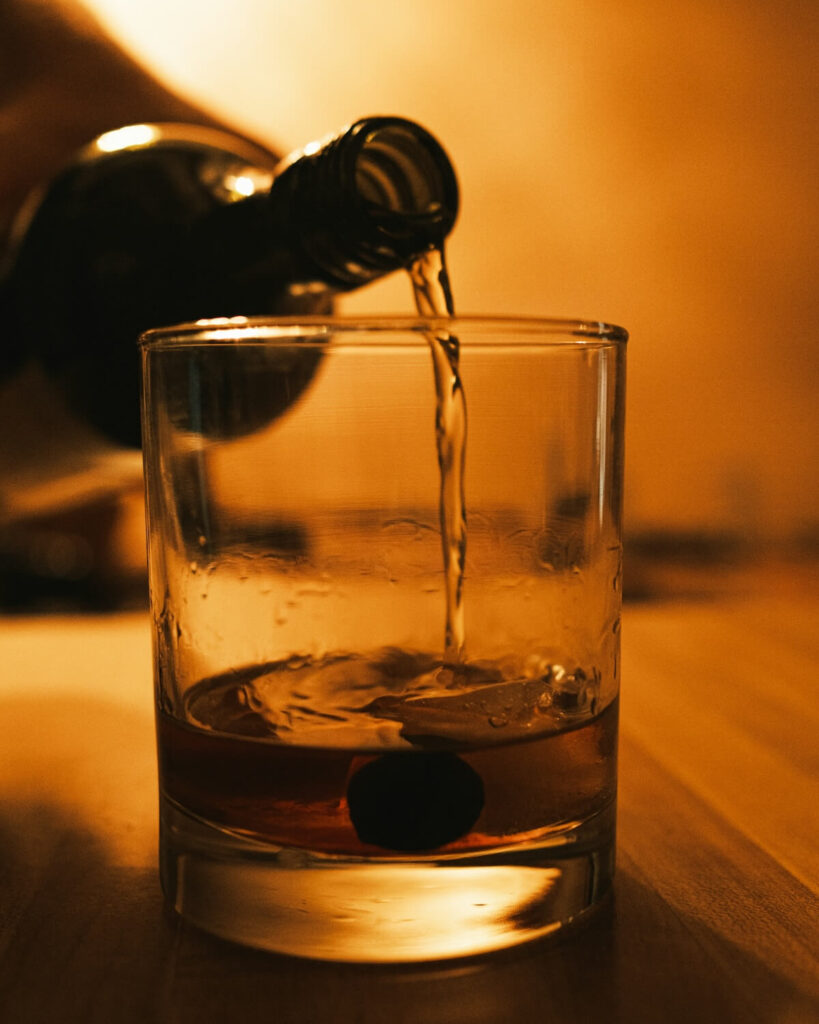
When sitting down for drinks in Korea, one major rule to remember is to never pour your own glass. Known as jajak, self-pouring is traditional bad etiquette, and superstition even says it brings bad luck to you or the person sitting across from you!
Instead, drinking is an interactive dance of mutual care. You always wait for a companion to fill your glass, and as soon as you notice theirs is empty, you return the favor. It’s a simple gesture that keeps everyone attentive to each other.
5. Use two hands to pour (and receive)
In Korean drinking etiquette, how you physically hold the bottle or glass speaks volumes. Whenever you’re pouring alcohol for someone else or holding out your glass to receive a refill, you should always use both hands.
If two hands feel a bit awkward, a common alternative is resting your left hand gently beneath your right forearm or wrist as you pour. This simple physical detail shows consideration and respect toward others. It’s a quiet way of saying you value their company, making the table feel warmer.
6. Turn away from elders
When drinking with someone older or higher-ranking in South Korea, there’s one subtle move you’ll notice right away: people turn their heads and bodies to the side before taking a sip.
This is because in Korean drinking culture, drinking directly face-to-face with an elder is seen as overly bold. Turning away and covering your glass slightly allows you to consume your drink discreetly out of respect.
It’s a simple, polite gesture that keeps the focus on honoring senior companions while maintaining a respectful, comfortable environment at the table.
7. Match the senior’s pace
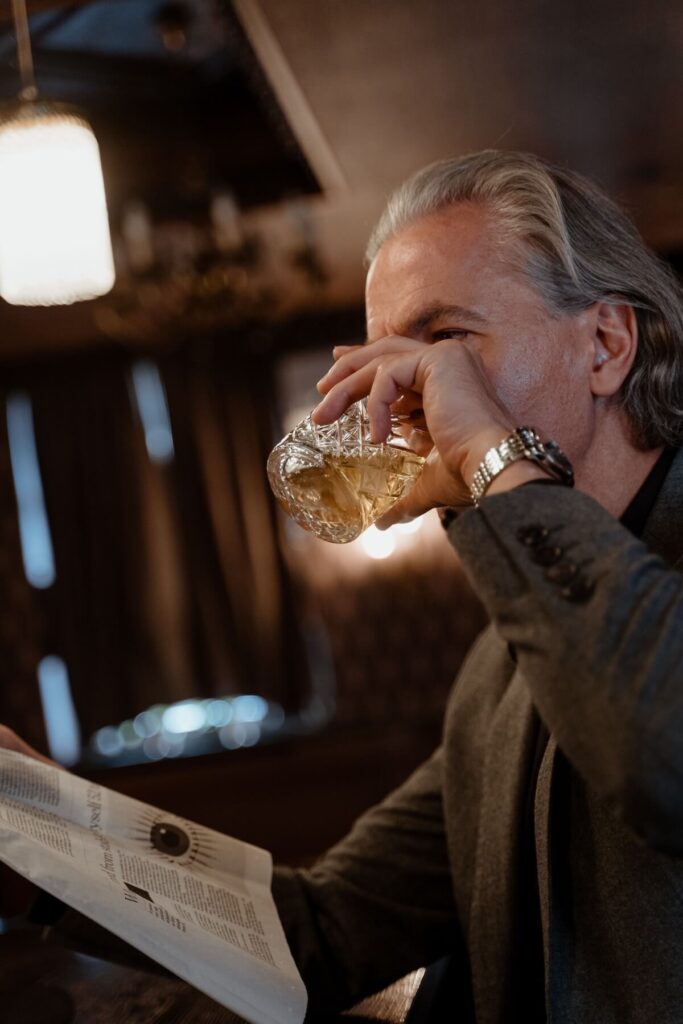
Pacing is everything at a Korean table, and it’s another rule that’s rooted in the country’s hierarchical culture. As a general sign of deference, you should never finish your glass before the most senior person at the table takes their first sip or empties theirs.
By matching the pace set by your elders, you ensure no one feels rushed or left behind. It also shows mindfulness and keeps the social flow of the gathering relaxed, respectful, and balanced for everyone involved.
8. Glass level matters
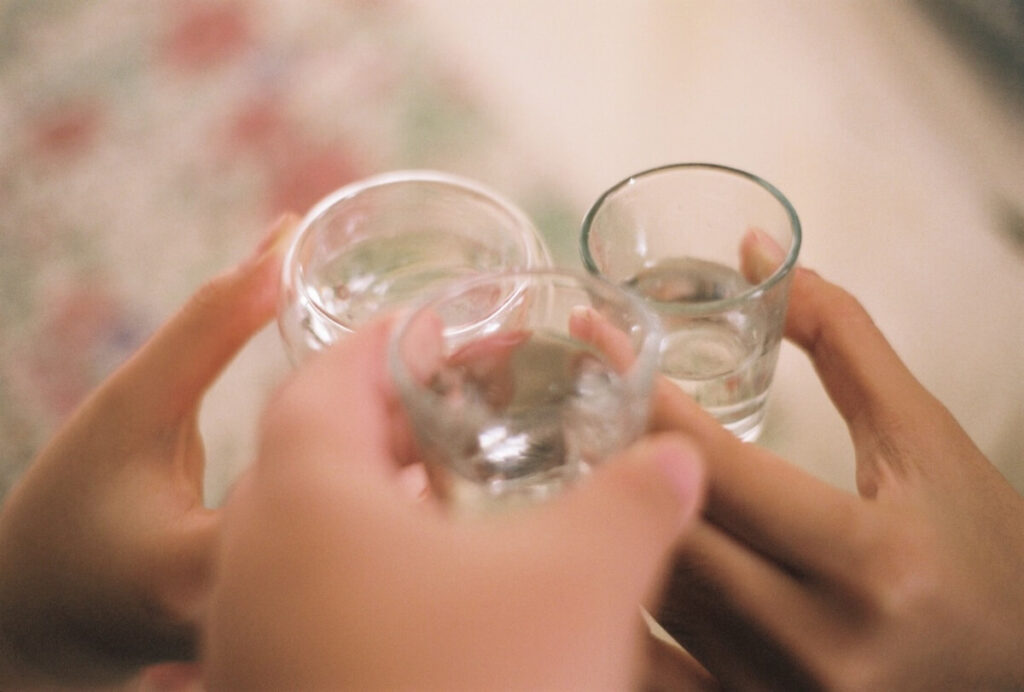
If you’ve ever watched a K-drama or Korean variety show, you might have noticed a subtle detail when characters raise their glasses: they don’t always hold them at the exact same height.
When clinking glasses for a toast (where you shout, geonbae!), it’s customary to hold your glass slightly lower than the glass of your senior, boss, or host.
Lowering your rim is a quiet, visual sign of deference and respect. It shows you recognize their position without making a grand, stiff gesture out of it, all while keeping the mood warm and respectful.
9. There’s power in hoesik
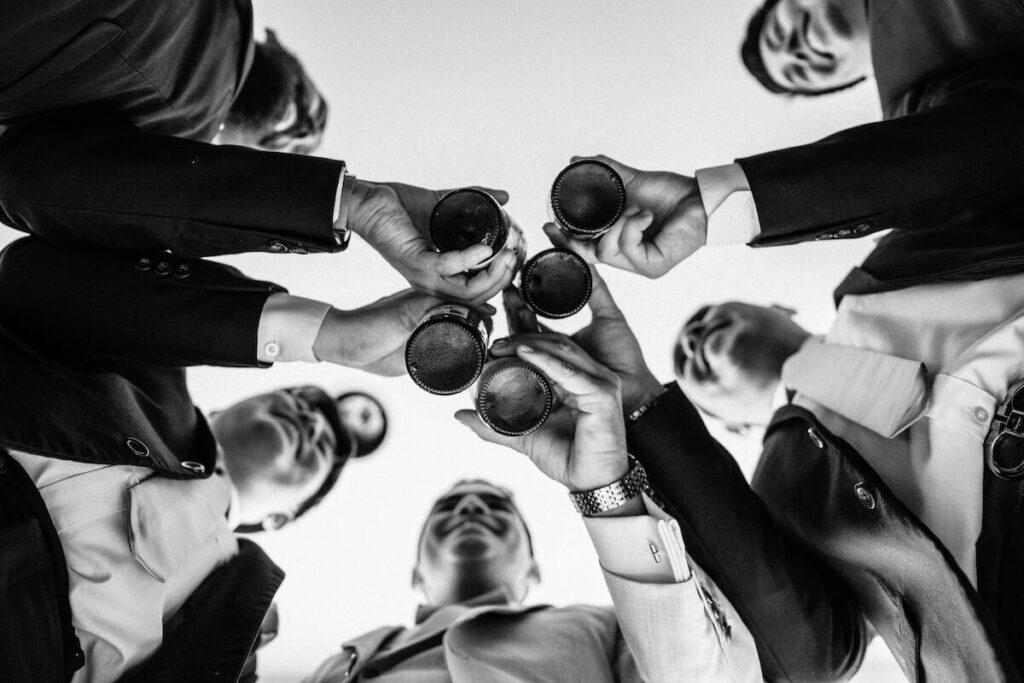
You can’t talk about Korean drinking culture without mentioning hoesik. Literally translating to “company dinner,” hoesik is a staple of Korean corporate life where co-workers gather after hours for food and drinks.
Traditionally, these gatherings are designed to break down strict office hierarchies. Sharing a meal and a few drinks allows colleagues to speak more freely, resolve lingering workplace tensions, and build team unity outside the office walls. Maybe even build jeong, as I mentioned in no. 3.
It has to be said, though, that hoesik has gained a somewhat negative reputation among younger generations in recent years. Mandatory attendance, pressure to drink heavily, and late multi-round nights often blurred the line between work and personal time, prompting modern workplaces to shift toward lighter, voluntary team lunches instead.
Famous Korean drinks
10. Soju is the world’s best-selling spirit

Soju is a clear, distilled alcohol traditionally made from rice, barley, or sweet potatoes. Recognizable worldwide by its iconic green bottle, it consistently tops global liquor sales charts.
But why is this drink so popular? Well, for one, it’s affordable, at just between ₩1,800 and ₩2,500 (about $1.30 to $1.80 USD) at a convenience store or supermarket. It also has a smooth profile, is food-friendly, and widely available in many parts of the world.
Soju is so deeply ingrained in pop culture that landing a major endorsement deal is a huge badge of honor, signaling a celebrity has truly “made it” in the industry.
11. Makgeolli is Korea’s oldest alcohol
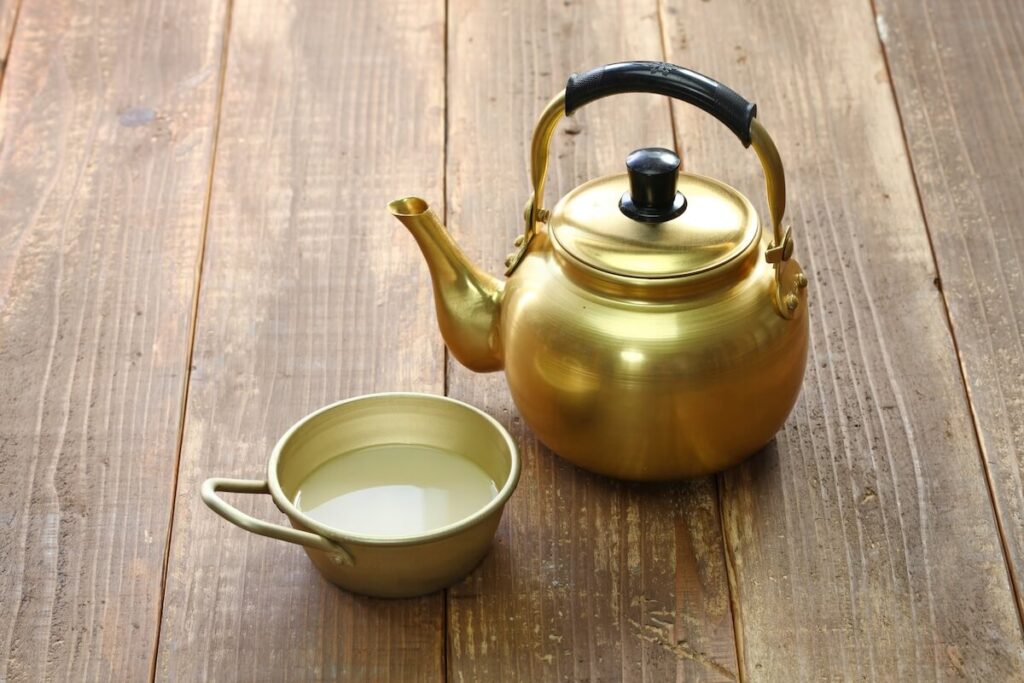
Makgeolli holds a special place in Korean drinking culture as the peninsula’s oldest traditional alcohol, with roots stretching back thousands of years.
This iconic beverage is made by fermenting boiled rice, water, and nuruk (a traditional fermentation starter). The result is a cloudy, naturally effervescent rice wine with a gentle ABV around 5–6% and a unique, sweet-tangy flavor.
Part of the charm of drinking makgeolli lies in how it’s served. It’s traditionally poured from a brass kettle into shallow, rustic metal or ceramic bowls (which make for great souvenirs) rather than glasses, giving every round a cozy, old-school feel.
12. Craft traditional liquor is gaining popularity
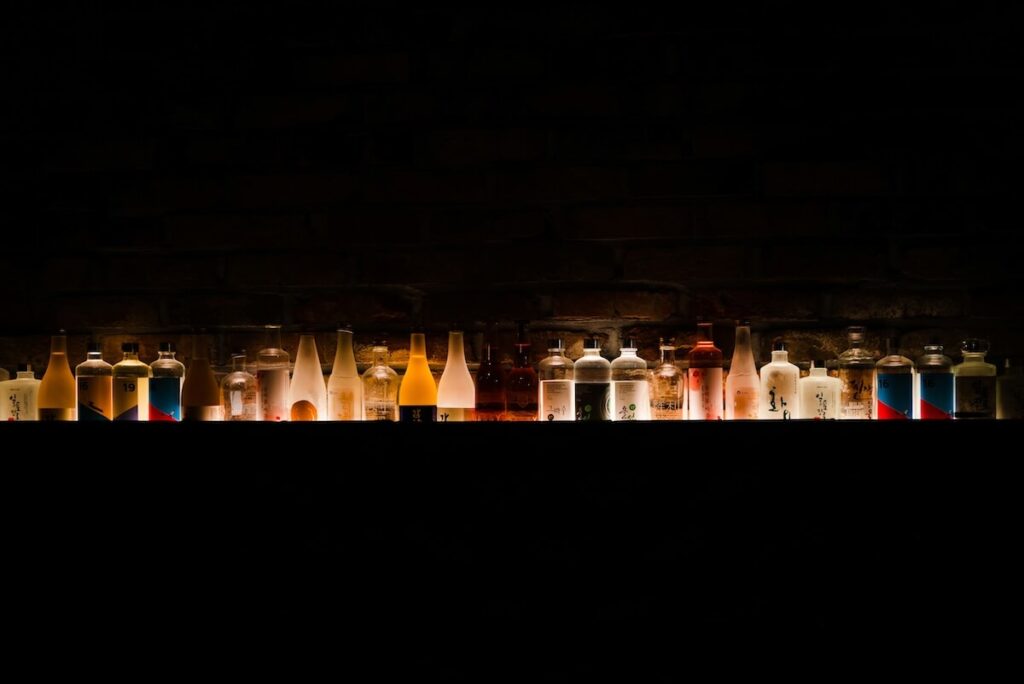
Beyond cheap green bottles, high-end artisanal rice wines and fruit liqueurs are undergoing a massive revival in South Korea. These premium drinks focus on quality, natural fermentation, and traditional brewing techniques without artificial additives.
You’ll find craft breweries producing unpasteurized, small-batch makgeolli, golden yakju (clear rice wine), and distilled heritage soju. Trendy bars across Seoul now feature sophisticated bottles infused with regional ingredients like yuja, plum, or seasonal berries.
This resurgence is driven largely by younger generations looking for unique, complex flavor profiles rather than quick drinking. It’s a stylish shift toward celebrating Korea’s rich heritage through modern craftsmanship.
13. Somaek is the ultimate hybrid

Somaek—a portmanteau of soju and maekju (beer)—is a wildly popular Korean cocktail made by mixing the two drinks together. Blended in precise ratios (usually three parts soju to seven parts beer, but it may vary), the soju takes away the beer’s heavy bitterness while the beer softens the harsh bite of soju, creating a much smoother, faster-acting drink.
Emerging in the late 20th century alongside Korea’s bustling corporate dining scene, somaek quickly became a go-to ritual for easing workplace tension. Today, it’s a beloved staple at gatherings, complete with playful mixing techniques like slamming a spoon to make it fizz.
Facts about food pairings
14. Drinking requires eating anju
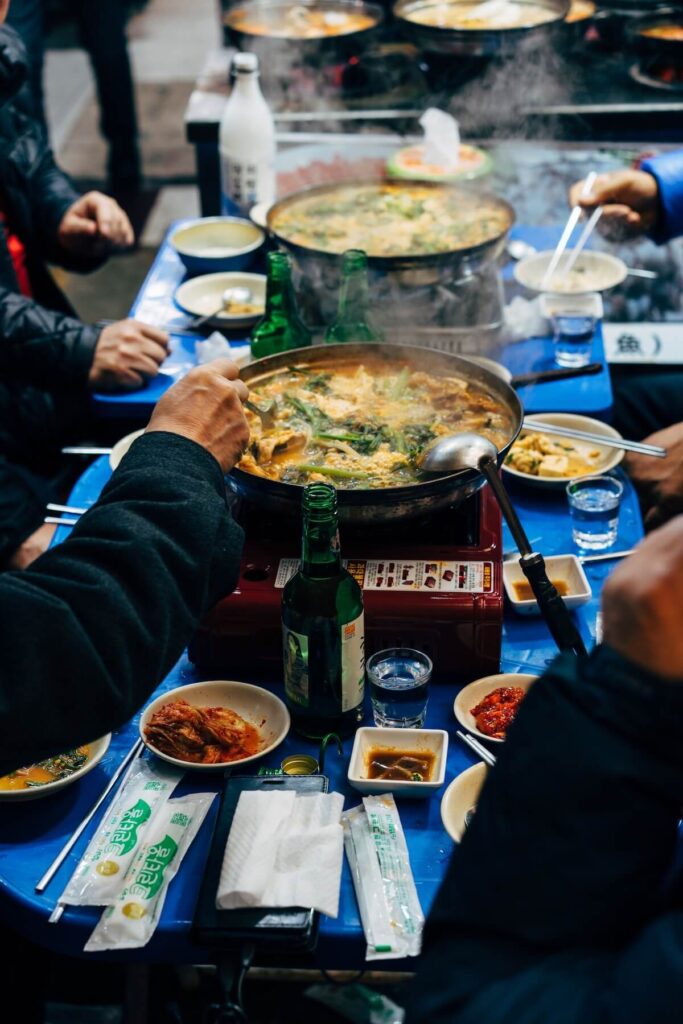
One of the things I love about Korean drinking culture is that alcohol is almost never consumed by itself. Food is an essential part of the experience, so much so that Koreans have a specific term for dishes paired with alcohol: anju.
Anju ranges from simple, light snacks like dried squid or fresh fruit to full-scale comfort meals. Savory pancakes (jeon), spicy stew (jjigae), and grilled meats are all wildly popular choices depending on what you’re drinking.
Eating while drinking is believed to protect the stomach, balance the flavor of the alcohol, and keep the gathering lively and satisfying for everyone.
15. Chimaek is the legendary duo
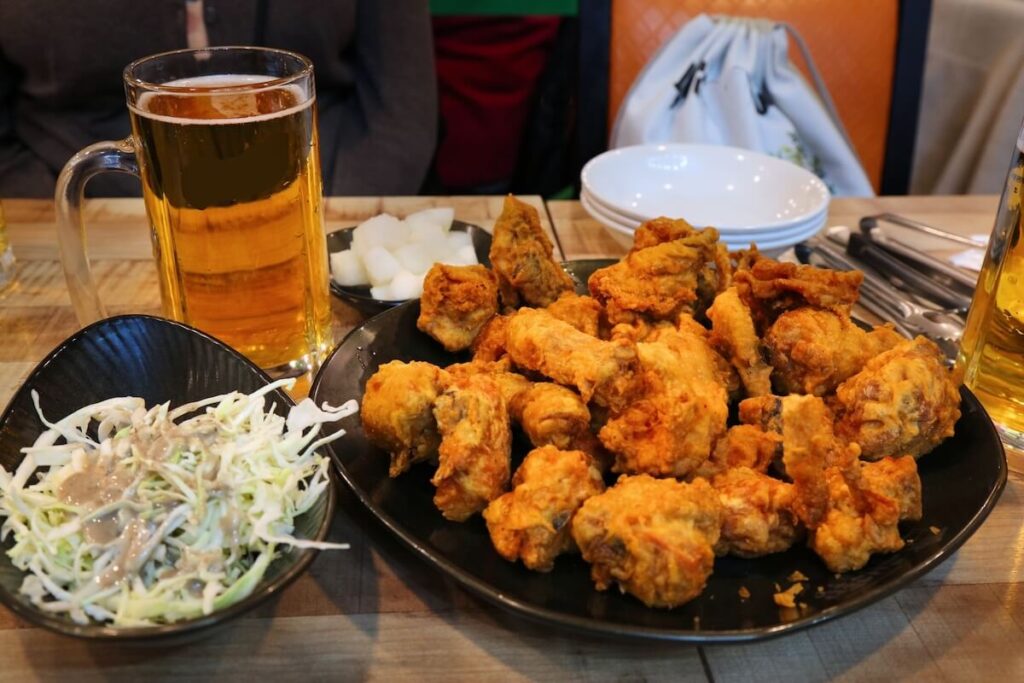
Speaking of anju, no culinary pairing in Korea is more legendary than chimaek. A portmanteau of chi (chicken) and maekju (beer), this combination pairs ultra-crispy Korean fried chicken with draft beer.
While draft beer and fried chicken grew in popularity during the late 20th century, their union became an absolute cultural phenomenon during the 2002 World Cup.
Today, chimaek is so deeply embedded in everyday life that it even inspires dedicated annual festivals, like Daegu’s famous Chimac Festival, drawing thousands of fans each summer.
16. Makgeolli pairs well with jeon

There’s a charming “rule” in South Korea that whenever the sky opens up, it’s time for makgeolli and jeon.
Local tradition dictates that rainy days call for cold rice wine paired with piping-hot, crispy savory pancakes, as the sizzle of batter hitting hot oil sounds just like falling rain. Whether that’s pajeon (scallion pancakes), kimchi-jeon (kimchi pancakes), haemul jeon (seafood pancakes), or gamja jeon (potato pancakes), it’ll go well with makgeolli and rain.
This cozy pairing gained momentum during the mid-20th century as industrialization took hold. Farmers and laborers found comfort in cheap, filling wheat pancakes and rice wine after working in the rain, turning a practical comfort food into an enduring, not to mention romantic, cultural staple.
17. Soju goes best with pork belly
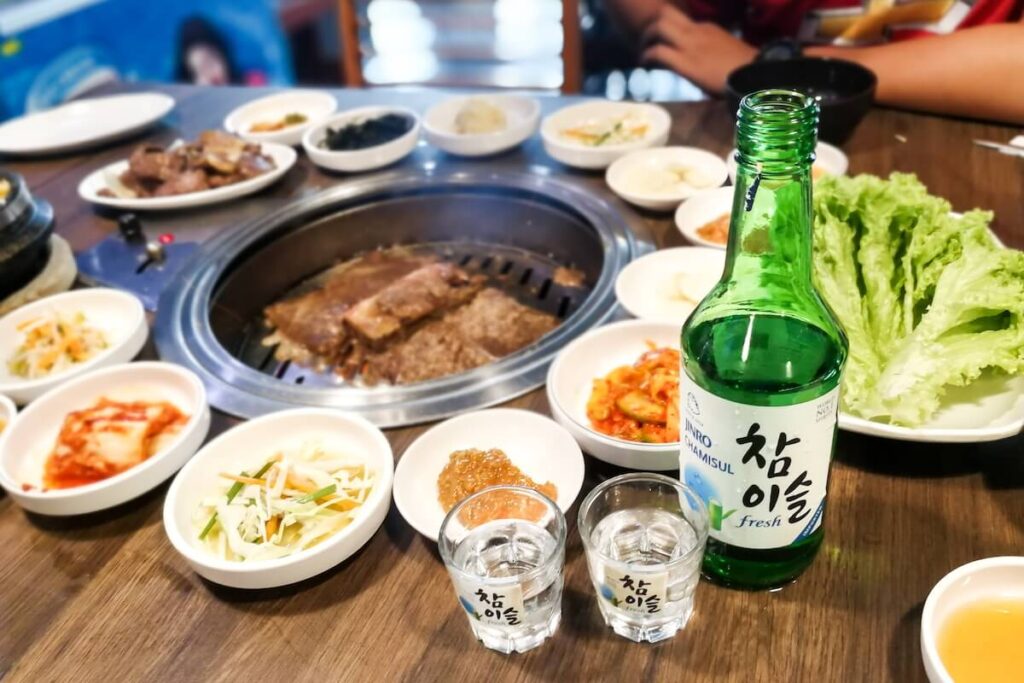
If there’s one pairing that defines a classic Korean night out, it’s a sizzling plate of grilled pork belly (samgyeopsal) washed down with ice-cold soju. The sharp, clean finish of soju cuts right through the rich, savory grease of the meat, resetting your palate after every single bite.
This iconic combo gained widespread popularity during the late 20th century, particularly in the 1970s and 80s as samgyeopsal became an affordable protein for working-class Koreans. Paired with cheap, accessible soju, it quickly transformed into the ultimate comfort meal for after-work gatherings.
Drinking spots and nightlife culture
18. A night-out rarely stays in one location
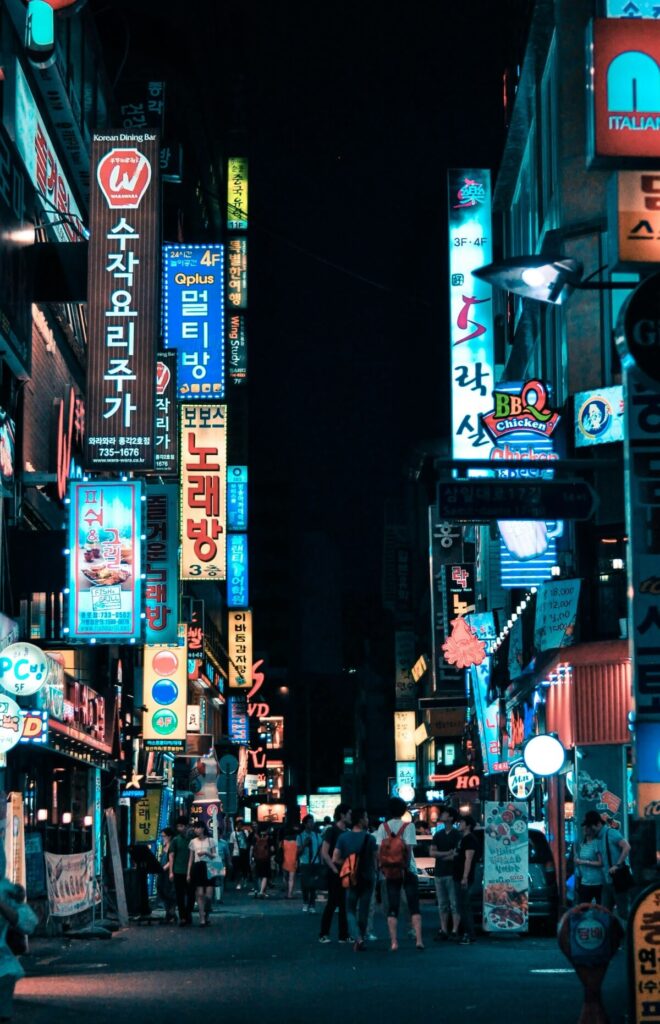
Think a night out in South Korea means staying parked at one bar until closing? Think again.
A typical night out is not limited to one location. Instead, locals embrace the art of multi-round nights, known as n-cha. Each “round” (cha) serves a distinct purpose to keep the momentum going.
You might kick off at 1-cha (il-cha) with a heavy barbecue dinner and soju, move to 2-cha (i-cha) at a casual pub for craft beer or anju, and wrap up at 3-cha (sam-cha) singing late into the night at a karaoke room.
For tired company workers, this progressive system is a popular way to decompress. Shifting venues keeps the energy fresh, helping everyone shake off work stress and eventually open up as the night unfolds.
19. Pojangmacha is the place to be
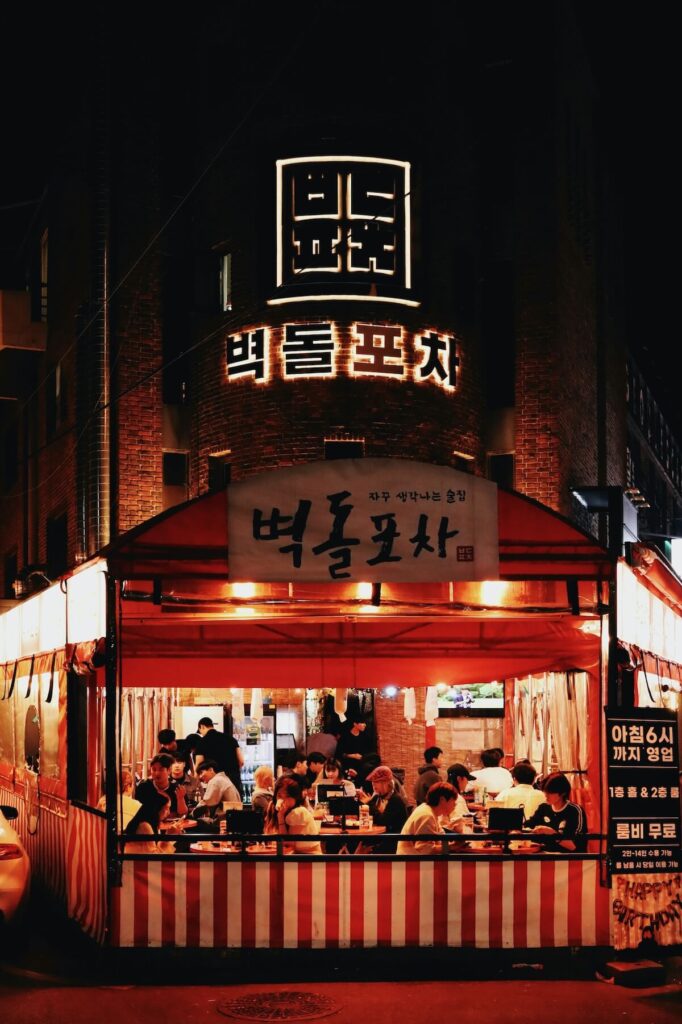
If you’re looking for an authentic late-night vibe in South Korea, nothing beats pulling up a plastic stool inside a pojangmacha. These iconic, brightly lit street-side tent bars serve up sizzling comfort food and cheap drinks well into the early morning hours, drawing in a lively mix of locals and travelers.
Pojangmacha originally emerged in the mid-20th century as small wheeled carts selling snacks and drinks to working-class commuters. Over the decades, they evolved into orange and red vinyl-tented sanctuaries offering classic anju like tteokbokki (spicy rice cakes), grilled seafood, and ice-cold soju.
20. Noraebang is the essential finale
Editorial credit: Mirko Kuzmanovic | Dreamstime.com
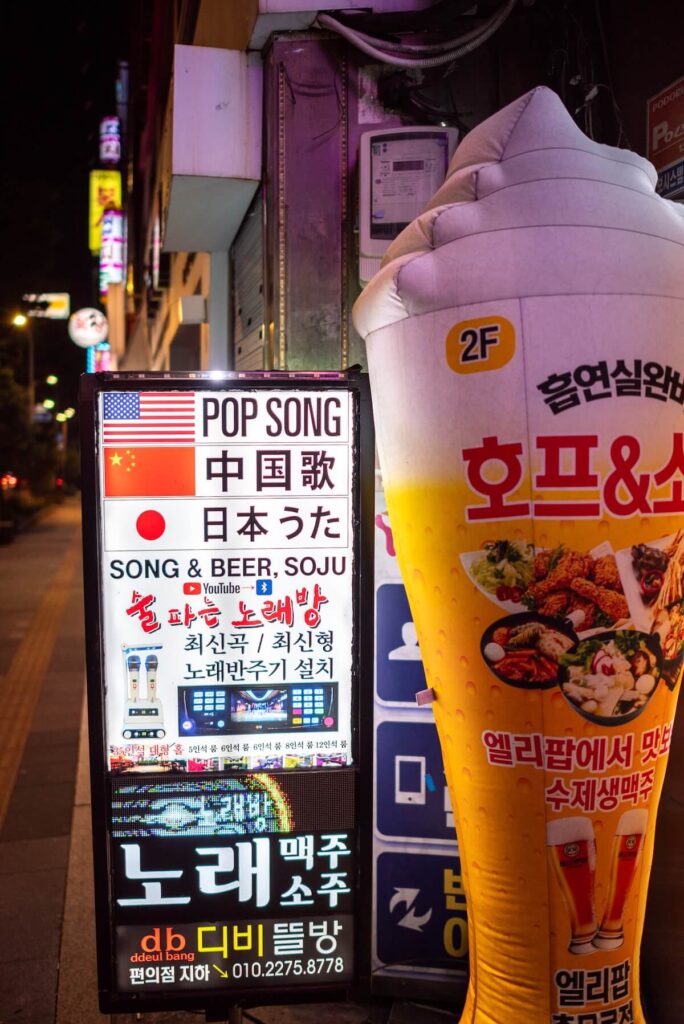
No night out in Korea is complete without a visit to a noraebang, or singing room. These private karaoke rooms are almost mandatory for winding down a late evening, whether you’re with co-workers, close friends, or a big group celebrating.
Now, karaoke rooms can be found anywhere else in the world. But South Korea’s noraebangs are an entire breed. Inside, you get a private space fully equipped with large screens, wireless mics, flashing disco lights, and neon tambourines. Noraebangs also let you order extra drinks and snacks straight to your room.
Basically, noraebangs are where everyone lets their hair down, belt out favorite hits, and wrap up the night on a high note.
Hangovers and legal rules
21. South Korea takes hangover recovery seriously

Step into any Korean convenience store, and you’ll instantly realize that recovering from a night out is big business.
South Korea boasts a multi-million-dollar hangover recovery industry, creating a massive commercial market dedicated entirely to helping drinkers bounce back before the next workday begins. Aisles are packed with remedies in every format imaginable, from traditional herbal tonic drinks like Condition or Dawn 808 to mango-flavored jelly sticks, chewable gummies, and pill packs.
Grabbed before, during, or right after drinking, these popular cures make handling tomorrow’s morning commute just a little bit easier.
22. Hangover calls for soup
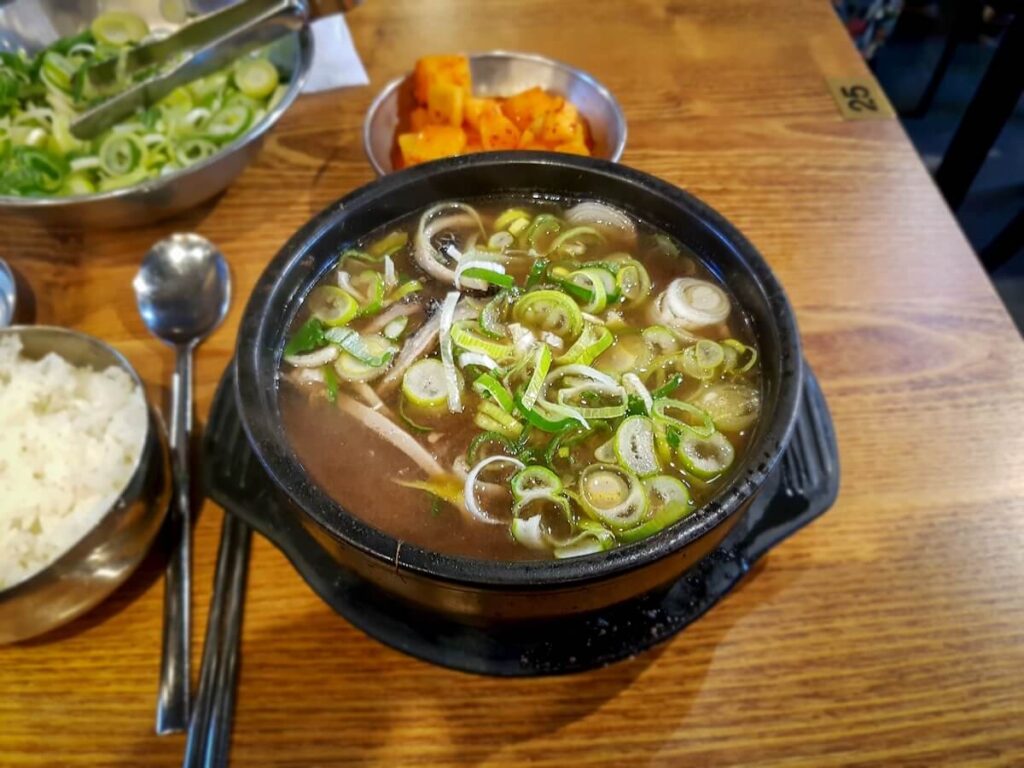
If there’s one universally agreed-upon truth in Korea, it’s that hot, hearty food is the ultimate remedy for a rough morning after. While pills and jellies help, nothing restores a tired stomach quite like a steaming bowl of traditional soup (guk).
Specific soups are famous for their restorative powers. Haejang-guk—literally meaning “soup to chase a hangover”—is a fiery, savory broth made with ox blood, dried cabbage, and beef. For something lighter, kongnamul-guk (clear bean sprout soup) uses nutrient-rich sprouts to soothe the digestive system.
Entire 24-hour restaurants specialize exclusively in these hangover soups, making them a comforting refuge for late-night revelers and early-morning commuters alike.
23. Legal drinking age is based on birth year

Figure out your birth year, because that’s all nightlife venues in South Korea care about. Traditionally, under “Korean age,” babies were considered one year old at birth and gained a year every January 1st.
Even though South Korea officially adopted the international age system on June 28, 2023, for all legal and administrative purposes, many bars, clubs, and restaurants still rely on birth year when enforcing alcohol laws.
The legal drinking age remains 19 in “Korean age.” This means you legally become eligible to drink on January 1st of the calendar year you turn 19, rather than waiting for your actual birthday.
That said, even if you’re legally permitted to drink on paper, actual enforcement at venue doors can still catch you off guard. Popular nightclubs and busy bars—especially in nightlife hubs like Hongdae or Itaewon—often set their own strict entry rules, age caps, or discretionary door policies that go beyond standard government regulations.
Bouncers and venue staff can turn patrons away simply for appearing too young or lacking proper documentation. To avoid any disappointment at the entrance, always carry a valid form of identification, such as your physical passport or an Alien Registration Card (ARC), as foreign driver’s licenses are frequently turned down.
24. South Korea enforces strict legal limits
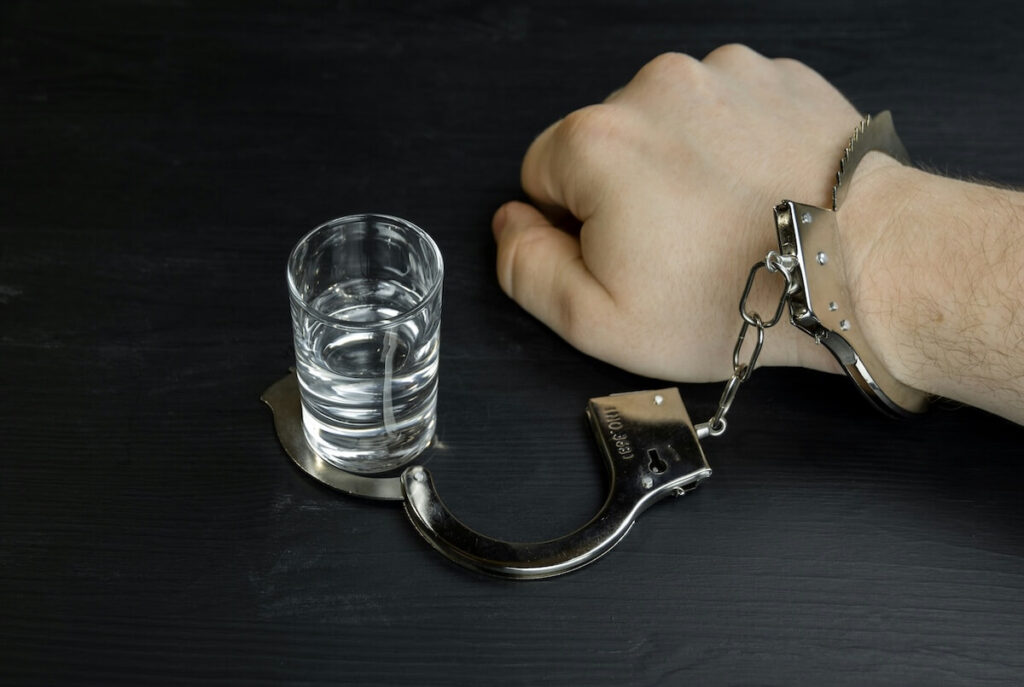
If you’re planning on getting behind the wheel in South Korea, even a single drink can cross the line. The country enforces a strict zero-tolerance law for driving under the influence, setting the legal Blood Alcohol Content (BAC) limit at just 0.03%—a threshold reached after roughly one shot of soju or a single small beer.
The consequences of getting caught are swift and severe. Beyond heavy fines, license revocations, or potential jail time, public backlash is so intense that a single DUI (driving under the influence) arrest has effectively ended the careers of numerous K-pop idols, actors, and public figures overnight.
To keep the party going without risking a DUI, locals rely heavily on Daeri Woonjeon (designated driver services). Through quick smartphone apps like Kakao T, a hired driver arrives at your spot and drives you home in your own vehicle while you ride safely in the passenger seat.
25. Public drinking is broadly permitted
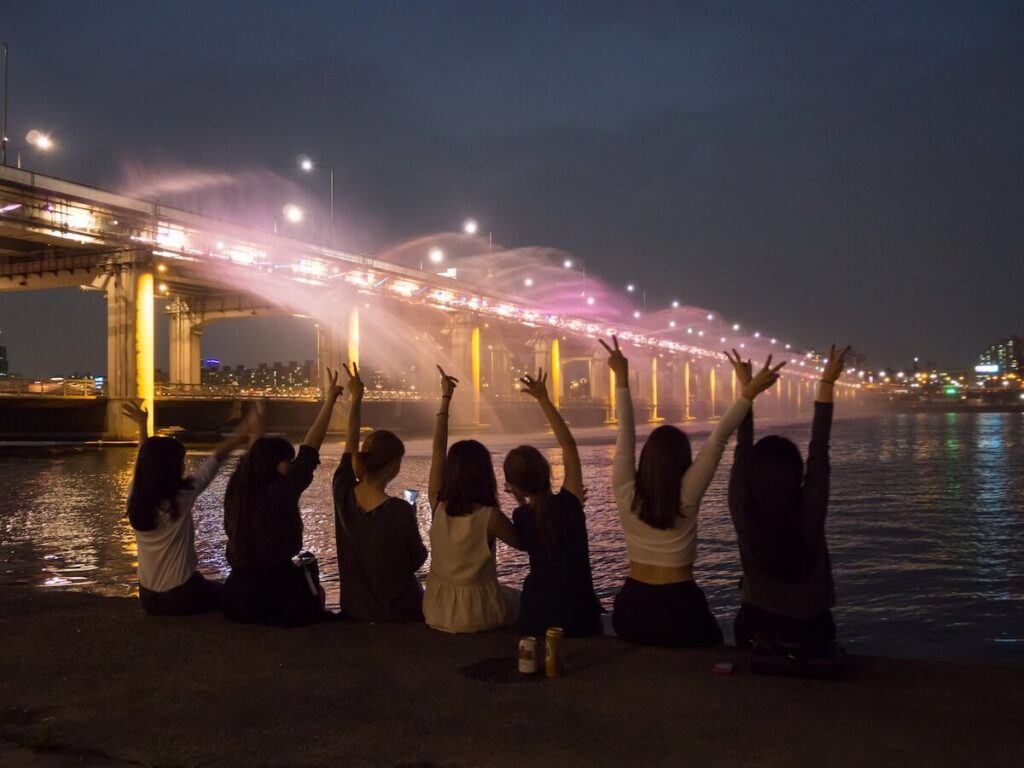
Contrary to what you might expect in a country with strict drunk-driving laws, public drinking in South Korea is widely accepted and legal.
Unlike many Western nations with rigid public drinking laws, Korean drinking culture encourages sipping a cold beer on a picnic mat along the Han River or grabbing a plastic chair outside a local convenience store.
However, freedom comes with responsibility. While kicking back outdoors is common, rowdy, disruptive, or overly belligerent behavior can quickly draw negative attention or local fines. Additionally, local municipalities have begun designating specific family-friendly parks and school zones as strict alcohol-free zones.
Wrap up
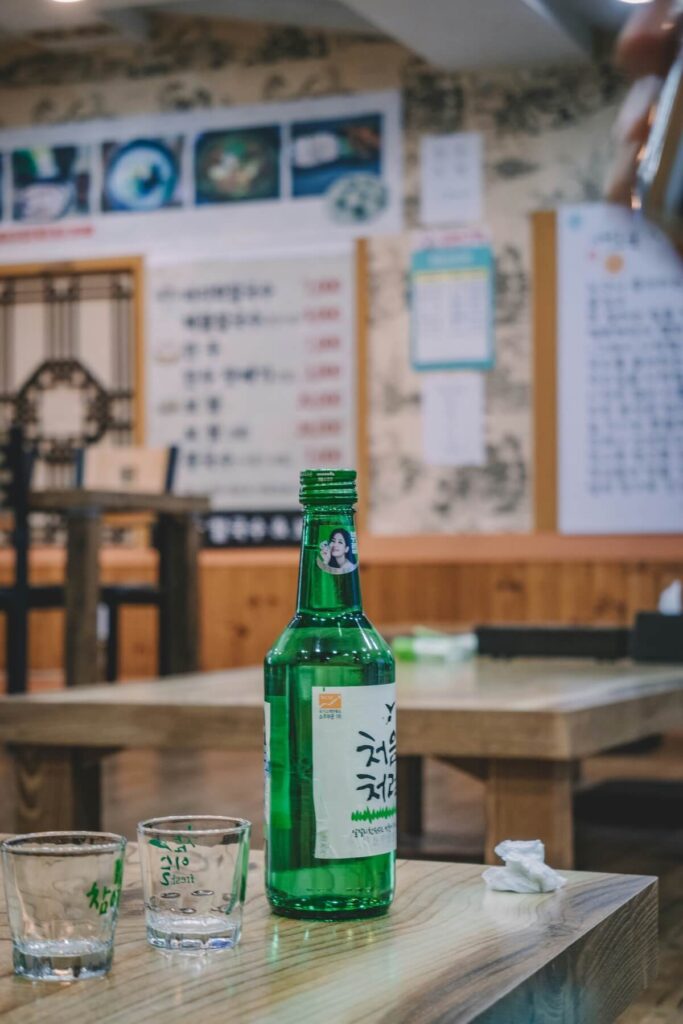
At its core, Korean drinking culture goes beyond having a few beverages—it’s an integral part of the nation’s social fabric and daily life.
If you get the chance to visit South Korea, diving into this lively tradition is an unforgettable experience. Be sure to try iconic food pairings, sample local spirits, and enjoy the social rituals. Just remember to practice moderation, strictly obey local laws, and drink responsibly.
Want to explore more? Check out our guides on Korean food or Korean culture to plan your next adventure!