
The Philippines. For many, the name conjures up images of stunning beaches, vibrant festivals, and the warmest smiles you’ll ever encounter. For me, the name brings to mind bustling cities, sinigang, karaoke, and creative people who have made waves in and outside the Philippines. And yes, I think our beaches can easily rival those of our neighbors.
Honestly, as a Filipino, I might be biased, but there’s just something about the Philippines that gets under your skin and stays with you. And while the memories themselves are priceless, sometimes you want a little something tangible to bring back home, a reminder of the amazing time you had. That’s where souvenir shopping comes in!
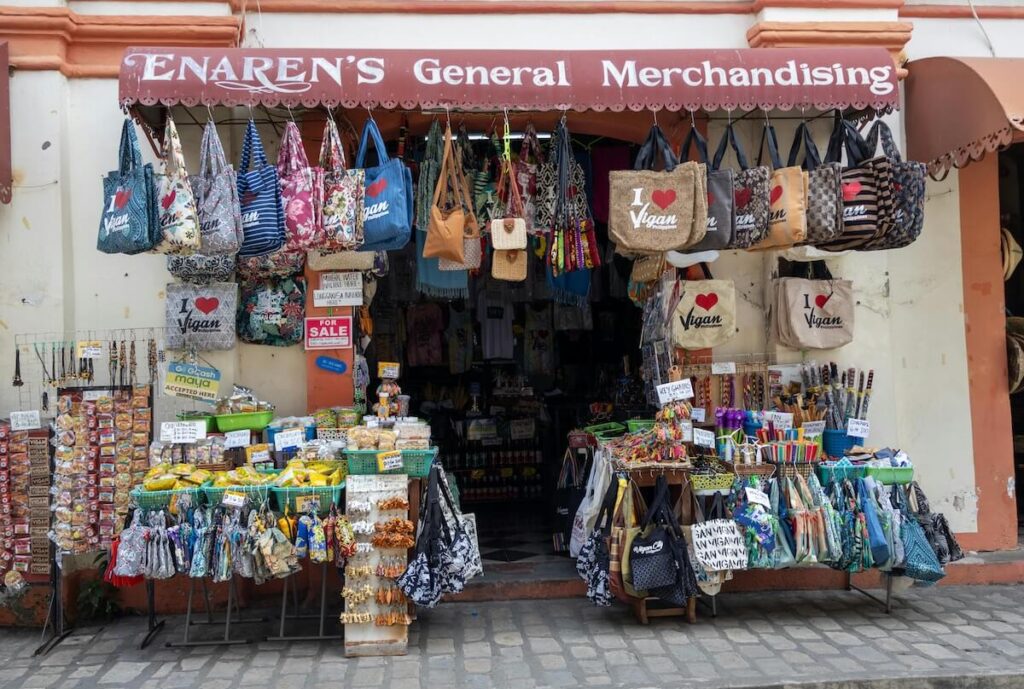
The best souvenirs from the Philippines are as diverse as the islands themselves. Think delicious treats like dried mangoes and chicharon, intricately woven textiles that tell stories through their patterns, and handcrafted jewelry that sparkles with local flair. From tasty snacks and world-class beverages to unique handicrafts and traditional clothing, there’s a little something for everyone.
Table of Contents
Food souvenirs from the Philippines
1. Dried mangoes

Imagine the sweetest, most fragrant mangoes you’ve ever tasted, then picture them dried to chewy perfection, concentrating all that deliciousness into a single bite. That’s the Philippine dried mango.
They’re a classic for a reason—they’re absolutely addictive! And honestly, even though every tourist and their mother brings home a bag (or ten!), many locals (myself included) still grab a few every time they see them. They’re just that good.
Plus, they’re lightweight and easy to pack, making them the perfect pasalubong (the Filipino word for a gift brought back from a trip) for friends and family back home.
If you’re on the hunt for the best of the best, Cebu and Guimaras are your mango meccas. Cebu is often hailed as the dried mango capital, while Guimaras is known for its particularly sweet and juicy mangoes, which make for some seriously amazing dried mangoes.
2. Banana chips

Another one of my favorite food souvenirs from the Philippines has got to be banana chips. These crispy, sweet snacks will remind you of your tropical vacation in every bite. They’re made from thinly sliced bananas that are fried (or sometimes baked) until they’re golden brown and perfectly crunchy.
Some are naturally sweet, while others have a touch of added sugar or honey for extra indulgence. They’re the perfect on-the-go snack, a great addition to a lunchbox, or even a fun topping for ice cream (don’t knock it ’til you try it!).
3. Ube halaya
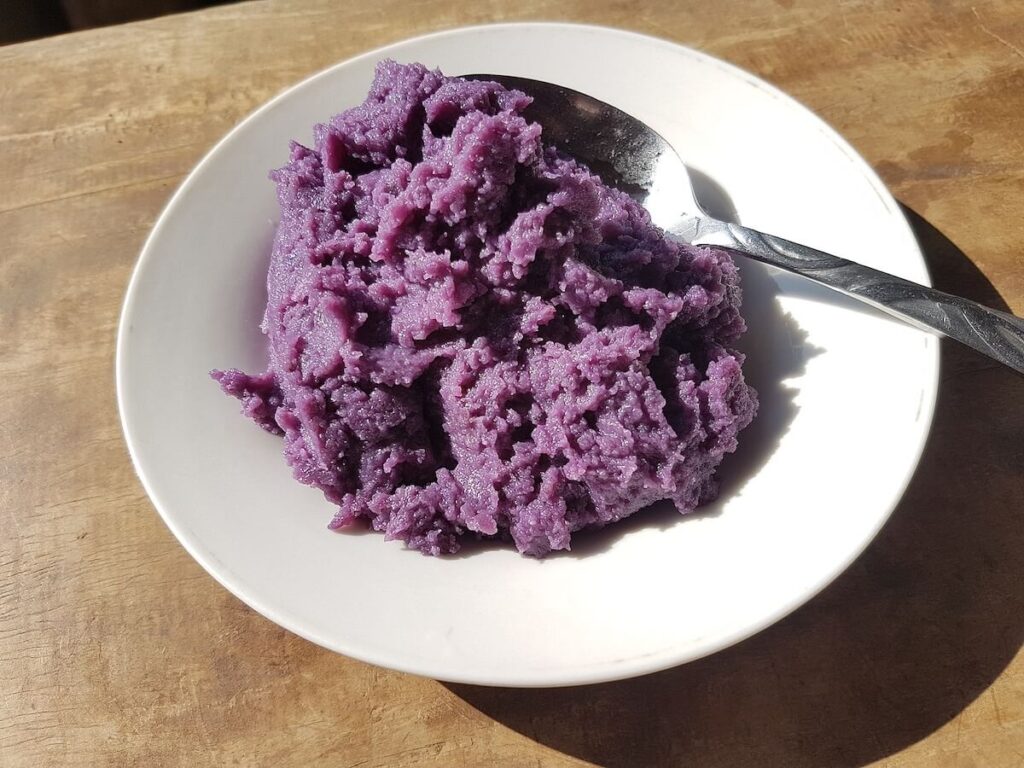
For those who haven’t heard of ube halaya, it’s this vibrant and sweet jam made from ube, or purple yam, and it’s a staple in Filipino cuisine. It’s creamy, it’s rich, it’s just… delicious.
Ube halaya (or ube jam) is often used in desserts, pastries, and even as a topping for ice cream, but honestly, I could just eat it straight from the jar. And it’s not just tasty; that gorgeous purple color just makes everything look so much more fun!
Ube has definitely been having a moment lately, popping up in everything from lattes to ice cream all over the world. It’s gone from a beloved Filipino ingredient to a global food trend! But trust me, nothing beats the real deal in the Philippines.
4. Polvoron
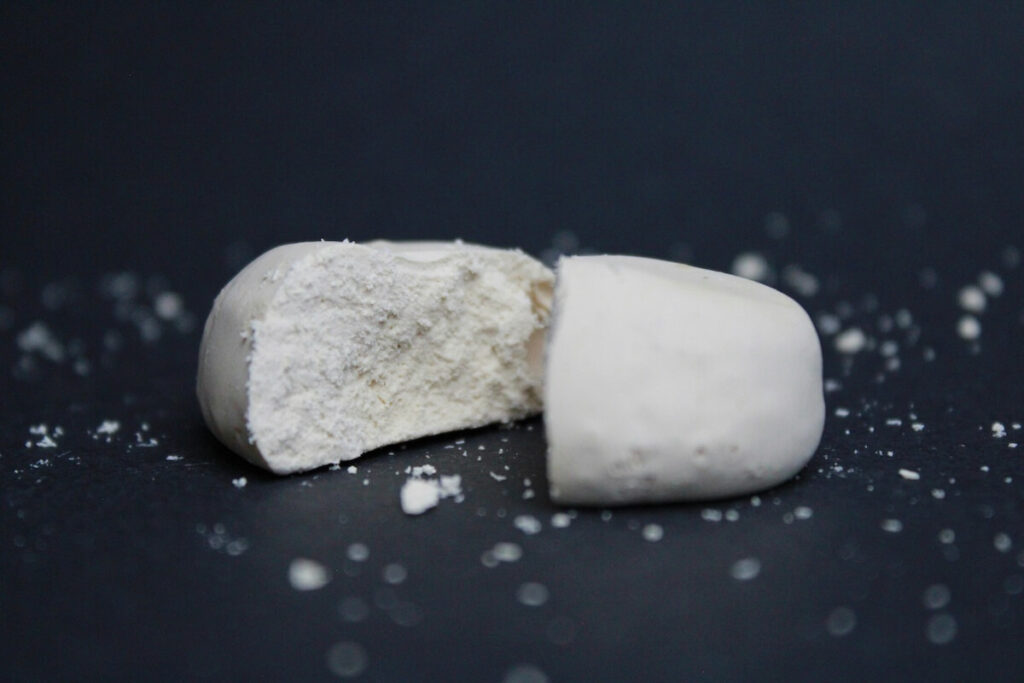
Polvoron is a delightfully crumbly, melt-in-your-mouth Filipino shortbread candy. It’s made with toasted flour, milk, sugar, and sometimes nuts, and it’s traditionally molded into these little oval shapes.
Polvoron was one of my favorite treats while growing up. It’s sweet, a little bit powdery (hence the name, which comes from the Spanish word for “powder”), and so satisfying. It’s been around for ages, with its roots tracing back to Spanish influence.
Because it’s so ubiquitous and so delicious, polvoron makes a perfect souvenir. It’s small, easy to pack, and relatively inexpensive, so you can stock up and share it with everyone back home.
Read more: 40 Nostalgic Filipino Snacks You Can Buy Online
5. Pastillas

Another milky treat for you! Pastillas are little milk candies made from carabao milk (or sometimes cow’s milk), sugar, and a little bit of lime zest. They’re traditionally shaped into small logs and wrapped in colorful paper. They’re sweet, creamy, and have this lovely, almost melt-in-your-mouth texture.
Like polvoron, pastillas also have Spanish origins, but Filipinos have definitely made them their own. Pastillas, also known as pastillas de leche, are particularly popular in the town of San Miguel in Bulacan, where these treats are said to have originated.
6. Kapeng Barako
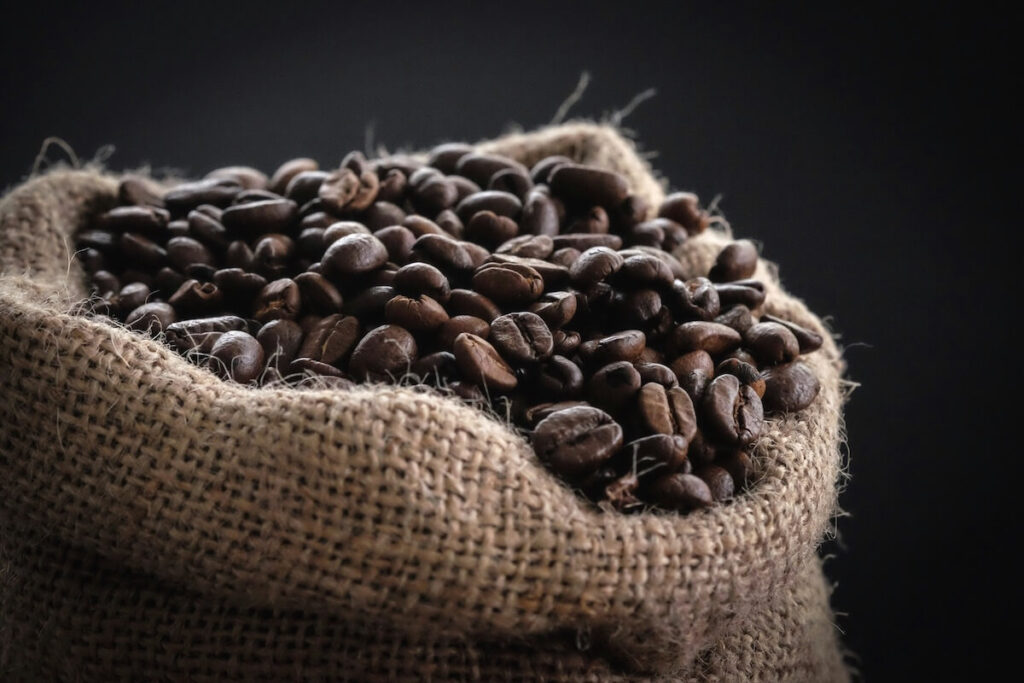
The Philippines might not be the first place that comes to mind when you think of coffee, but we actually have a thriving coffee industry and a rich coffee culture. And one of our most unique and prized coffee varieties is kapeng barako.
A coffee variety belonging to the Liberica species, kapeng barako is a bold and flavorful brew with a distinct smoky, woody taste and a strong aroma. Barako, in the Filipino language, actually means “stud”, and is associated with the image of masculinity.
What makes kapeng barako such a special souvenir is that the Philippines is one of the few countries in the world where this variety is still grown commercially. In fact, Liberica makes up just 1-2% of global coffee production. So, bringing home a bag of barako beans is like bringing home a truly unique taste of the Philippines and a rare kind of coffee.
If you’re looking for the best kapeng barako, head to Batangas. This province is known as the heartland of barako coffee, and you’ll find numerous coffee farms and shops selling freshly roasted beans. The province of Cavite is also a good destination. You can also find kapeng barako in some specialty coffee shops (my favorite is Commune) and markets in other parts of the Philippines.
7. Tapuy
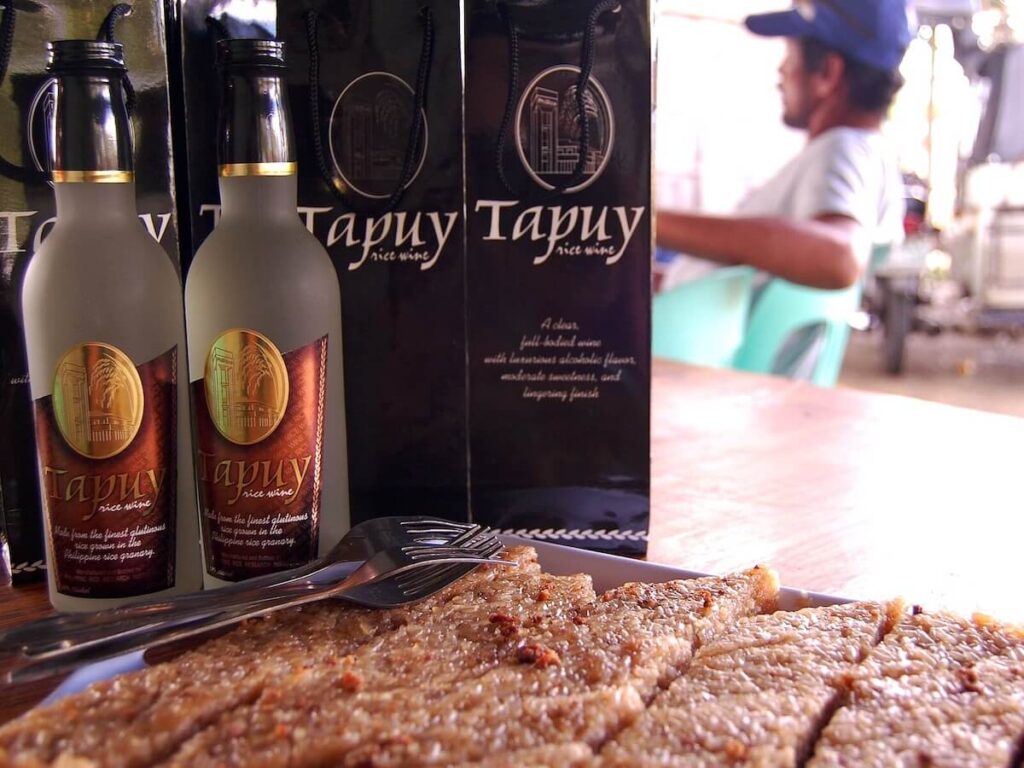
When it comes to unique and memorable souvenirs from the Philippines, tapuy definitely deserves a spot on the list. Also sometimes called baya, this is a traditional Filipino rice wine with a long and fascinating history.
Tapuy is made from fermented glutinous rice and has a slightly sweet, tangy flavor. The process is pretty cool—the rice is cooked, mixed with a local yeast called bubod, and then left to ferment for several days or weeks. The result is a drink that’s deeply ingrained in Filipino culture, often used in rituals and celebrations.
If you’re looking for the best tapuy, head to the northern regions of the Philippines, particularly the Cordillera Administrative Region. This region is known for its rice terraces and its rice wine.
Note: Do check your airline’s regulations and your destination’s customs allowances to see if you can bring alcohol on the plane.
8. Bottled tuyo
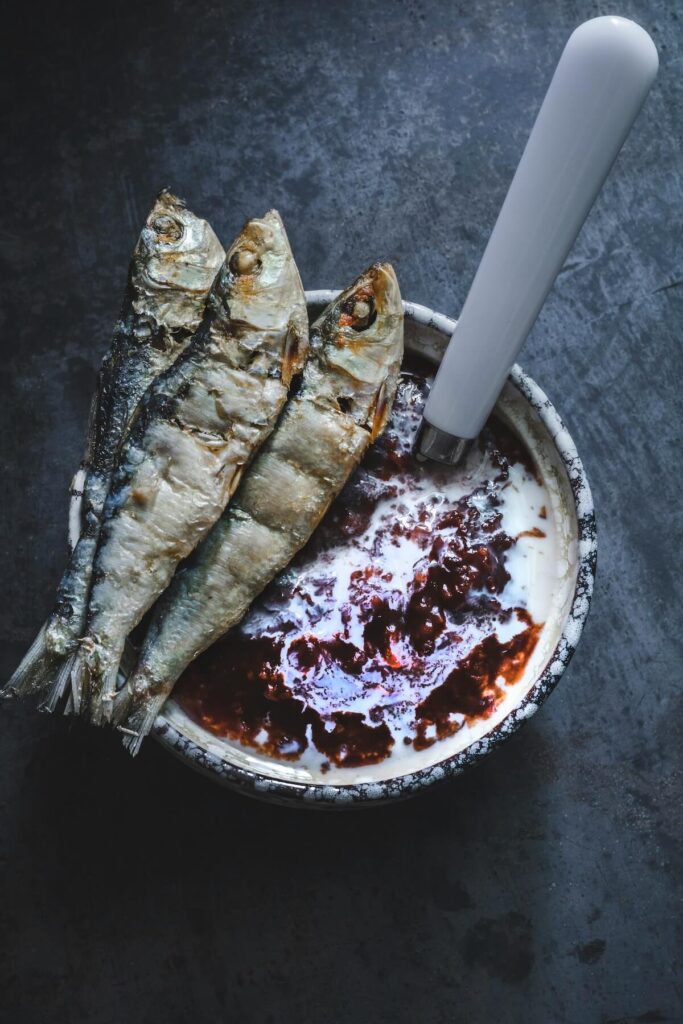
This might not be the most glamorous souvenir, but it’s definitely one of the most Filipino souvenirs you can find. Tuyo is a type of dried fish, usually herring or sardines, that’s been salted and dried in the sun. It’s a staple in Filipino cuisine, often eaten for breakfast with rice and a side of tomatoes and onions.
Tuyo has a strong, pungent smell (fair warning!), but the flavor is surprisingly delicious—salty, savory, and a little bit fishy (obviously). Ask any Filipino and they’ll tell you that it’s a taste that instantly transports one to their childhood, to family meals and lazy mornings.
Bottling tuyo makes it a much more travel-friendly souvenir, and you can find it in various forms—flaked, in oil, with garlic, or even spiced.
9. Chicharon

Who can resist chicharon? Not me; it’s my guilty pleasure snack.
Basically, chicharon is pork skin that’s been seasoned, deep-fried, and transformed into this crispy, crunchy, incredibly addictive treat. There are different types of chicharron—some are just the skin, while others include a bit of meat or fat. And then there’s chicharon bulaklak, which is made from the mesentery of the pig, and yes, it’s way tastier than it sounds.
Chicharon has Spanish origins, but like many things, Filipinos have put their own spin on it and made it a national favorite.
While you can find chicharon all over the Philippines, Sta. Maria, Bulacan, is known as the Chicharon Capital of the Philippines, so if you’re in the area, definitely check out their offerings. That said, you won’t have any trouble finding good chicharon in other parts of the country too.
10. Lucky Me! Pancit Canton

Okay, hear me out on this one. It might seem a little unusual, but for a truly practical and undeniably Filipino souvenir, you can’t go wrong with this.
Pancit canton itself is a stir-fried noodle dish with Chinese influences that’s become a beloved part of Filipino cuisine. And Lucky Me! is the brand when it comes to instant pancit canton. It’s comfort food at its finest. It’s like, every Filipino household has a stash of these noodles, and many a college student has relied on this food for survival.
Aside from being quick and easy to cook, Lucky Me! Pancit Canton comes in a bunch of different flavors, from the classic Original to the more adventurous Chili-Mansi and everything in between. My favorite is the Sweet and Spicy flavor. And if you want to try other brands, check out Payless and Quickchow.
Clothing and accessories
11. Barong Tagalog

Here’s something truly iconic: the Barong Tagalog.
Barong Tagalog is the traditional formal attire for Filipino men. It’s a lightweight, long-sleeved shirt (as opposed to the short-sleeved polo barong), often made from sheer fabrics like piña (pineapple fiber) or jusi (silk), and characterized by its intricate embroidery and its distinct collar.
The Barong has a rich history, evolving from the traditional clothing of pre-colonial Filipinos and incorporating Spanish influences over time. It has become a symbol of Filipino identity and is worn for everything from weddings and formal events to official state functions.
Brands like Onesimus, Kultura, and Tesoros are good places to start if you’re looking for Barongs. And it’s worth noting that contemporary Filipino designers have also given the Barong a modern twist, incorporating new fabrics and designs while still respecting its traditional roots.
12. Terno (Filipiniana dress)
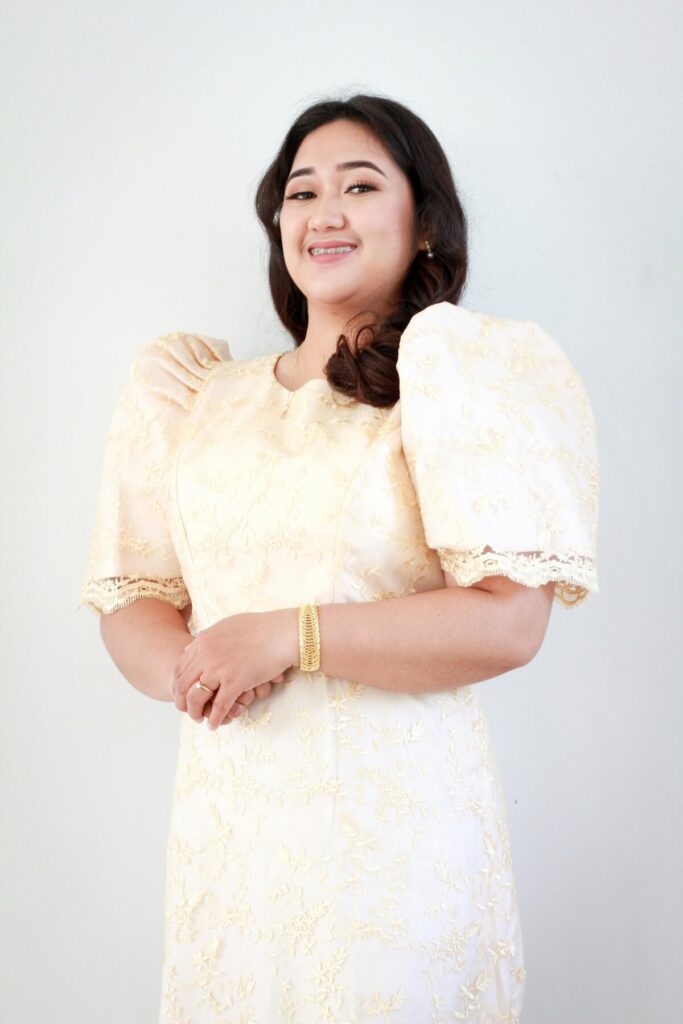
When thinking about what to buy in the Philippines, ladies, you might want to consider the terno. This is a popular type of baro’t saya, the traditional Filipino dress for women, similar to the Barong Tagalog for men.
Baro’t saya itself comes in many forms, like the Maria Clara with its elegant panuelo (shawl) and voluminous skirt, or the more casual kimona. But the terno is really something special. What sets it apart are those distinctive butterfly sleeves—they’re so structured and dramatic that they instantly make you think of the Philippines.
13. Pearls

Pearls, as you probably know, are those gorgeous gems formed inside a mollusk. It’s basically the mollusk’s way of dealing with an irritant, kind of like a natural defense mechanism that turns into something beautiful.
What makes Philippine pearls so special is the warm, golden hue some of them have, particularly the South Sea pearls. They’re also known for their impressive size and luster, that beautiful glow that seems to come from within. They’re truly a mesmerizing sight and can instantly elevate any outfit.
14. Handmade jewelry

So, we talked about the gorgeous (and sometimes pricey!) Philippine pearls, but what if you’re looking for something a little more budget-friendly, or maybe just something a bit more… quirky? Well, the Philippines has a fantastic tradition of handmade jewelry, and it’s a great option for finding unique souvenirs.
Think colorful beads, intricately carved wood, shimmering capiz shell—the possibilities are endless! Handmade jewelry also features things like faux pearls, which can be a fun and affordable way to get that pearl look. You can find everything from delicate necklaces and earrings to chunky bracelets and statement rings.
15. Sarong
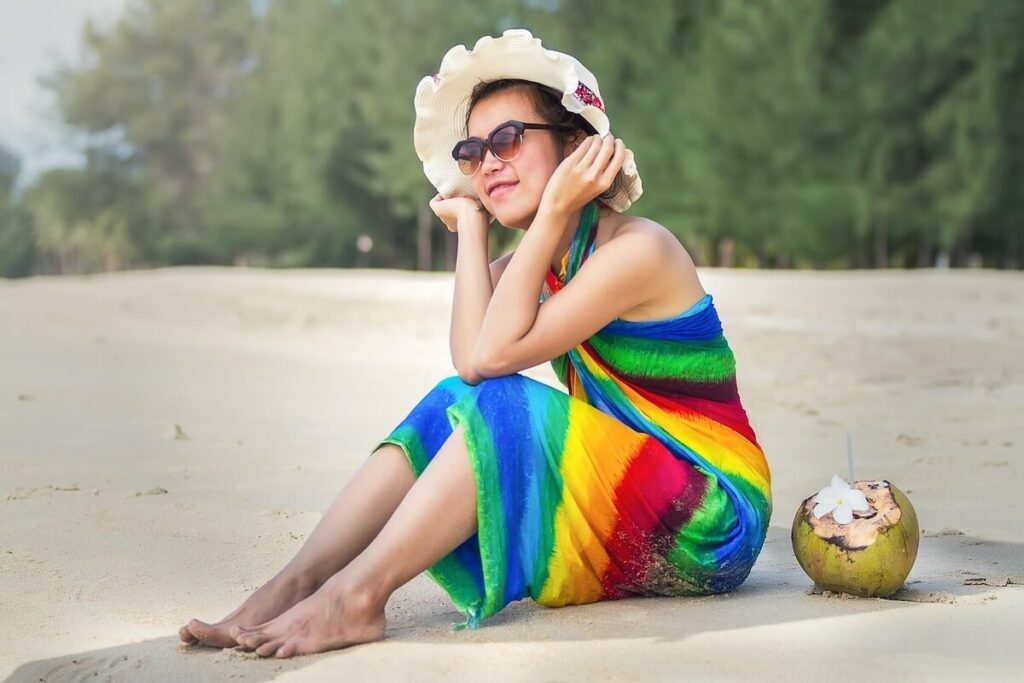
One of the most versatile and beautiful souvenirs you can pick up in the Philippines is a sarong.
If you’re not familiar, a sarong is basically a large piece of fabric that can be worn in so many different ways. The ultimate multi-tasker of clothing, it can be worn as a skirt, a dress, trousers, or as a shawl, a cape, or even a light blanket.
The sarong has been used for centuries in various parts of the world, especially in Southeast Asia, the Pacific Islands, and even parts of Africa.
Here in the Philippines, we have different names for it depending on the region and how it’s used. You might hear it called a tapis, alampay, patadyong, or malong. They often feature traditional patterns and motifs that reflect the different cultures and communities across the islands.
16. Handwoven textiles
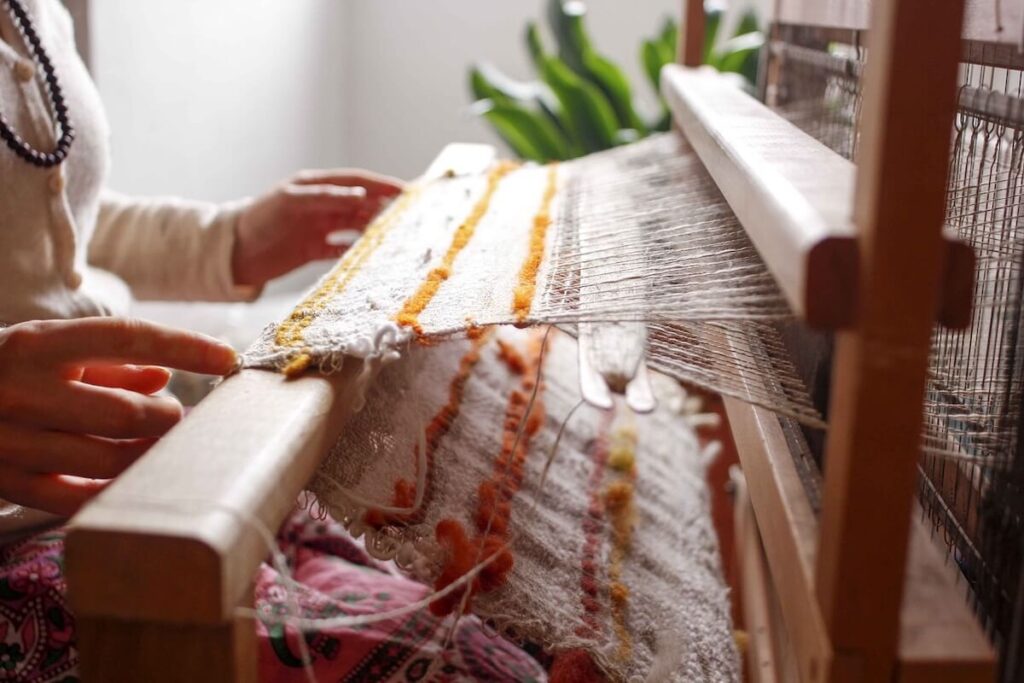
Handwoven textiles are a fantastic souvenir if you’re looking for something truly Filipino. These aren’t your average tourist trinkets—they represent generations of skill and artistry.
The inabel from the Ilocos region, for instance, is known for its intricate geometric patterns and durability. Or maybe you’d prefer the delicate sinamay, woven from abaca fibers, often used for clothing and fans. Then there’s the luxurious piña cloth, made from pineapple leaves, which is incredibly fine and often used for formal wear.
Each region has its own specialty, its own story woven into the fabric. It’s amazing to see the different techniques and designs, from the vibrant colors of the hablon in Iloilo to the complex patterns of the inaul from Maguindanao.
Beyond their beauty, handwoven textiles carry a cultural significance. For example, the t’nalak of the T’boli people is a sacred cloth, its designs inspired by dreams and believed to be imbued with power. Similarly, the vibrant geometric patterns of the Yakan textiles from Basilan reflect the rich cultural heritage of the community.
17. Modern bayong
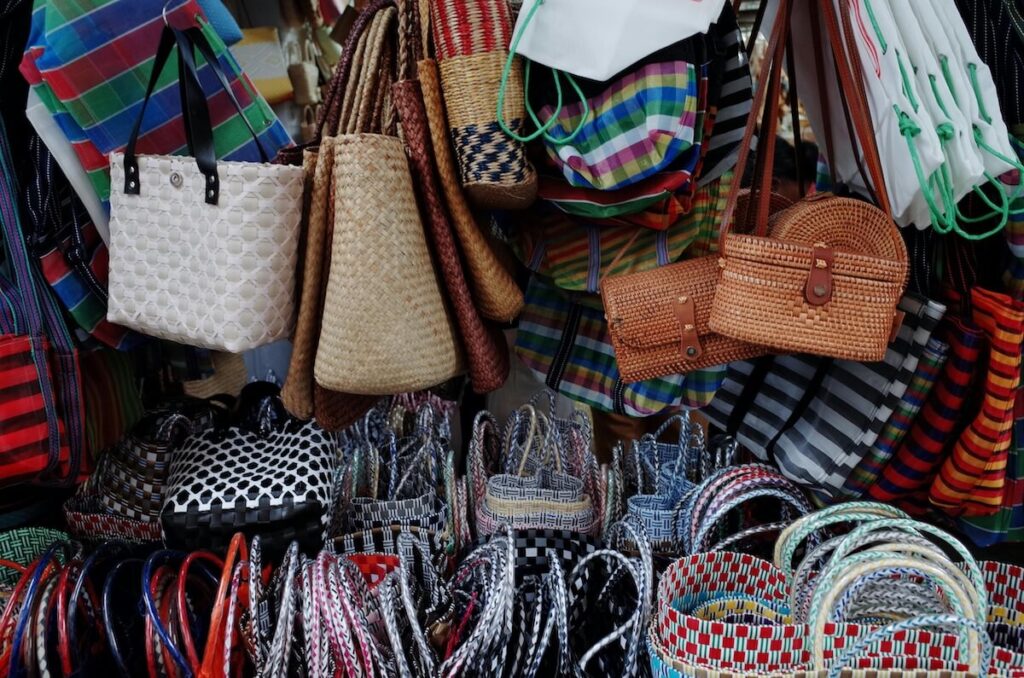
A bayong is basically a woven bag, traditionally made from leaves like pandan or buri, and it’s been a staple in Filipino life for ages. Think of it as the original reusable shopping bag.
For generations, people used bayongs to carry everything from groceries at the palengke (market) to personal belongings. It’s a testament to Filipino resourcefulness, using what’s readily available to create something practical and durable.
Now, the bayong has gotten a serious upgrade. Designers and local artisans are taking this traditional craft and giving it a modern twist. You’ll find bayongs made from different materials now, like recycled plastic or even cloth, and they come in all sorts of stylish designs and colors. Some even incorporate traditional weaving patterns but in more contemporary ways.
18. Marikina shoes
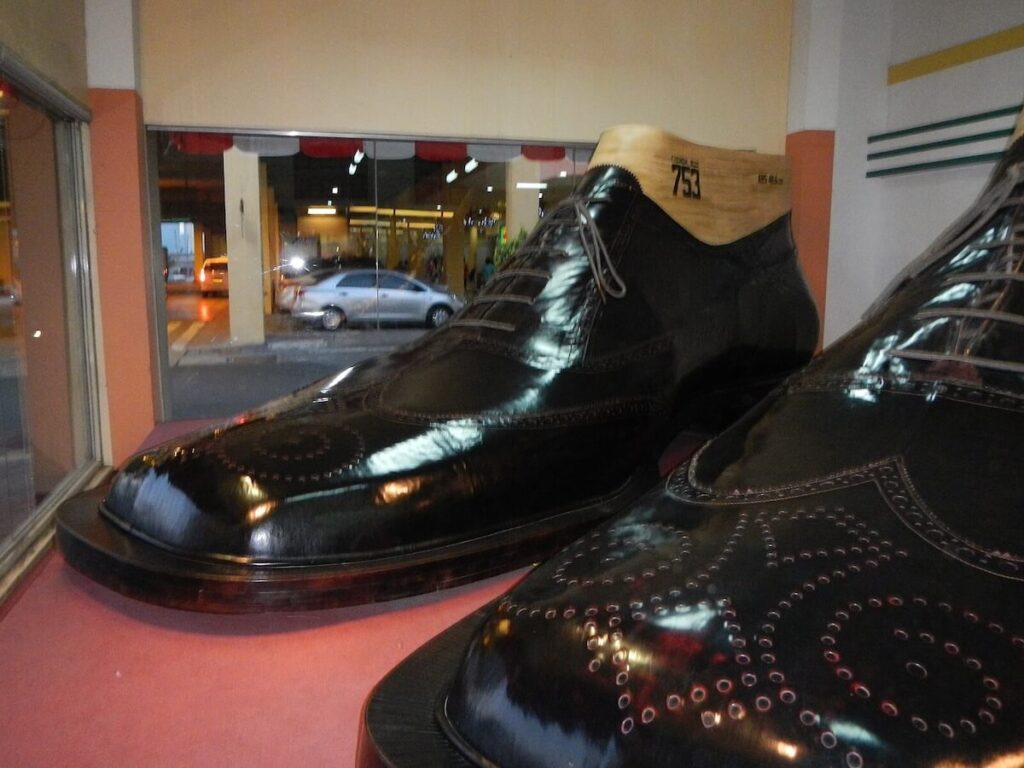
If you’re even remotely interested in shoes, Marikina is the place to go. It’s known as the “Shoe Capital of the Philippines” for a reason!
The city has a long and rich history of shoemaking, and you can feel the passion and craftsmanship everywhere you go. Many shoemakers in Marikina still use traditional techniques, ensuring quality and durability. Here, you can find everything from classic styles to the latest trends, all at prices that are way more reasonable than what you’d pay elsewhere.
Some of the well-known brands in Marikina are Lara Erika, Rusty Lopez, Black Wing, Bristol, and C Point, but there are many others.
19. Liliw espadrilles

For fans of espadrilles, Liliw, Laguna is the place to be. While Marikina reigns supreme for other types of footwear, Liliw has carved out its own niche in the world of these comfortable, casual shoes.
Espadrilles are traditionally canvas or cotton fabric shoes with flexible soles made of jute rope. They’re lightweight, breathable, and perfect for the Philippine climate. Shoemakers in Liliw hand-stitch the soles and craft the uppers with utmost care. This focus on quality and tradition is why Liliw continues to thrive.
You can find all sorts of espadrilles in Liliw, from classic styles in natural colors to more modern designs with vibrant patterns and embellishments. They’re not just limited to the flat, slip-on variety either. You can find espadrille wedges, sandals, and even sneakers! Some shoemakers may even customize shoes for you.
Traditional arts and crafts from the Philippines
20. Capiz shell products

Capiz shells, those translucent, pearly squares, are a quintessential Filipino souvenir. They’re actually the outer shells of a type of windowpane oyster, and they’ve been used in Filipino crafts and architecture for centuries.
What’s cool is how they let light filter through, creating this beautiful, soft glow and adding a touch of elegance and natural beauty to any space. In the Philippines, you see them everywhere, from lamps and chandeliers to jewelry boxes and even kitchenware. And of course, they were traditionally used as windowpanes in many older Filipino homes, which is how they get their name.
Capiz, a province in the Western Visayas region, has a special connection to these shells, as it is a major source. Samal Island is also known for its capiz craft industry.
21. Wood carvings

Philippine wood carvings are a fantastic way to bring home a piece of the Philippines.
From the intricate bul-ul carvings of the Ifugao people, representing their ancestral spirits and rice gods, to the stylized animals of the Tagbanwa, each piece tells a story. It’s fascinating to see how different regions have their distinct styles and motifs, often reflecting their beliefs and traditions.
Many carvers use local hardwoods like narra or kamagong, giving the pieces a warm, natural feel. And the subjects of the carvings often draw inspiration from the natural world—animals, plants, and even mythical creatures.
22. Pottery
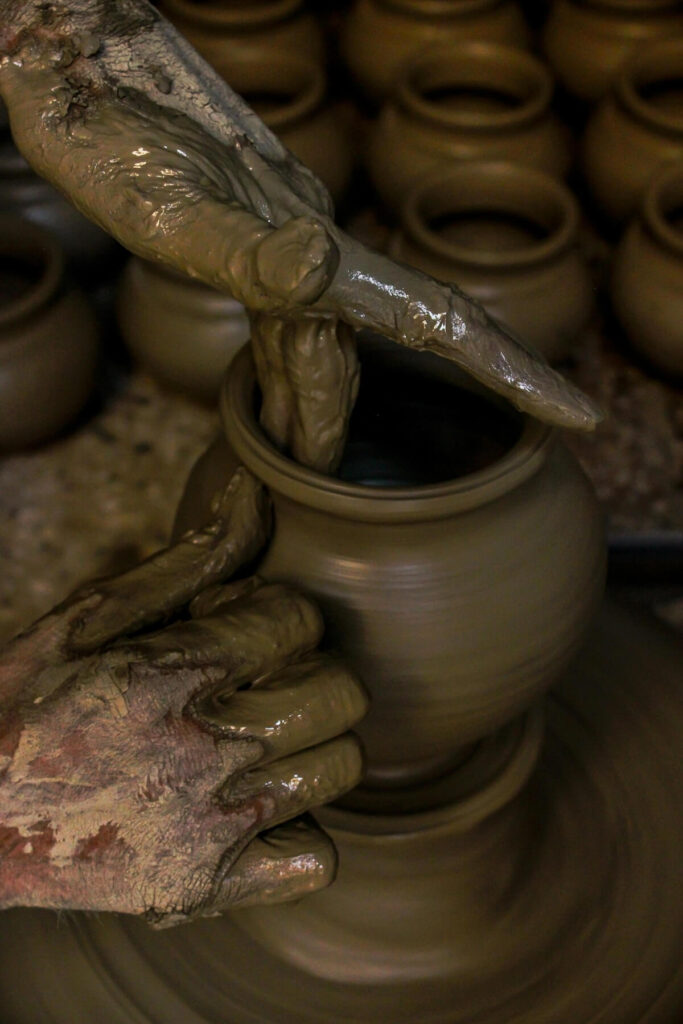
Philippine pottery offers a fascinating glimpse into the country’s past and present. It’s not just about functional items, though you’ll certainly find plenty of those.
Think palayok, the ubiquitous cooking pot used for everything from adobo to sinigang, or the larger banga and tapayan jars, traditionally used for storing water, rice, or even fermenting local drinks.
Beyond the everyday, however, there’s a whole world of decorative and artistic pottery. The burnay from Vigan, Ilocos Norte, is a prime example—these sturdy, unglazed jars are known for their distinctive look and are often used for aging basi, a local sugarcane wine.
23. Banig

Have you ever seen those gorgeous, handwoven mats in the Philippines? They’re called banig, and they’re seriously works of art.
Banig is essentially strips of pandanus, buri palm, or even reeds, carefully dried and sometimes dyed in vibrant colors, then woven together to create intricate designs. It’s a process that’s been passed down through generations, and each mat tells a story. You’ll find them used for everything from sleeping and lounging to even drying rice or copra.
You can find banig in markets all over the Philippines, but some of the best ones come from places like Basey in Samar, which is known as the “Banig Capital.” You’ll find a wide variety of sizes, designs, and colors, so you’re sure to find one that you love.
24. Parol

Nothing says “Christmas in the Philippines” quite like a parol. These star-shaped lanterns are the nation’s favorite Christmas décor, lighting up homes and streets during the holiday season.
Traditionally, parols were made with bamboo frames and colorful Japanese paper, but nowadays you see all sorts of materials used. There’s the shimmering cellophane, recycled plastic, and even delicate capiz shells that give off a warm, ethereal glow.
The process of making one is a real labor of love, carefully constructing the frame and then adding layers of material to create these beautiful, illuminated stars. Some of these are battery-powered, some come with power plugs, and some still use candles.
If you want to bring a piece of Filipino Christmas home with you, you can find parols everywhere during the Christmas season, from small stalls in local markets to bigger shops in malls. You can even try visiting places like Las Piñas, which is famous for its giant parol displays.
25. Guitars or ukeleles

Filipinos are naturally musical, it’s just part of the culture. So, if you’re looking for a souvenir that’s both beautiful and functional, a guitar or ukulele from the Philippines is a fantastic choice.
Beyond just being instruments, they’re a testament to Filipino craftsmanship. You’ll find them made from all sorts of local woods, like mango, acacia, and even kamagong, which gives them a unique look and sound. And honestly, the quality is often surprisingly good, especially considering the price.
If you’re serious about getting a good instrument, look for brands like Lumanog or Guitar Master, which are known for their quality. You can find them in music stores all over the Philippines, but places like Cebu are particularly famous for their guitar makers. There are even workshops where you can see the luthiers at work.
26. Paintings by local artists

The Philippines has a seriously rich art scene, and picking up a painting by a Filipino artist is a really special way to remember your trip.
You’ve got your big names like Fernando Amorsolo, known for his idyllic countryside scenes, and then modern masters like Benedicto Cabrera (BenCab) with his evocative figures. But honestly, exploring the work of lesser-known artists is where you can discover some real gems.
If you’re looking to buy art, you’ll find galleries in places like Manila and Makati, showcasing both established and up-and-coming artists. But don’t overlook the smaller art fairs and weekend markets. You can often find really interesting pieces there, and it’s a chance to chat with the artists themselves.
Miscellaneous souvenirs from the Philippines
27. Sungka
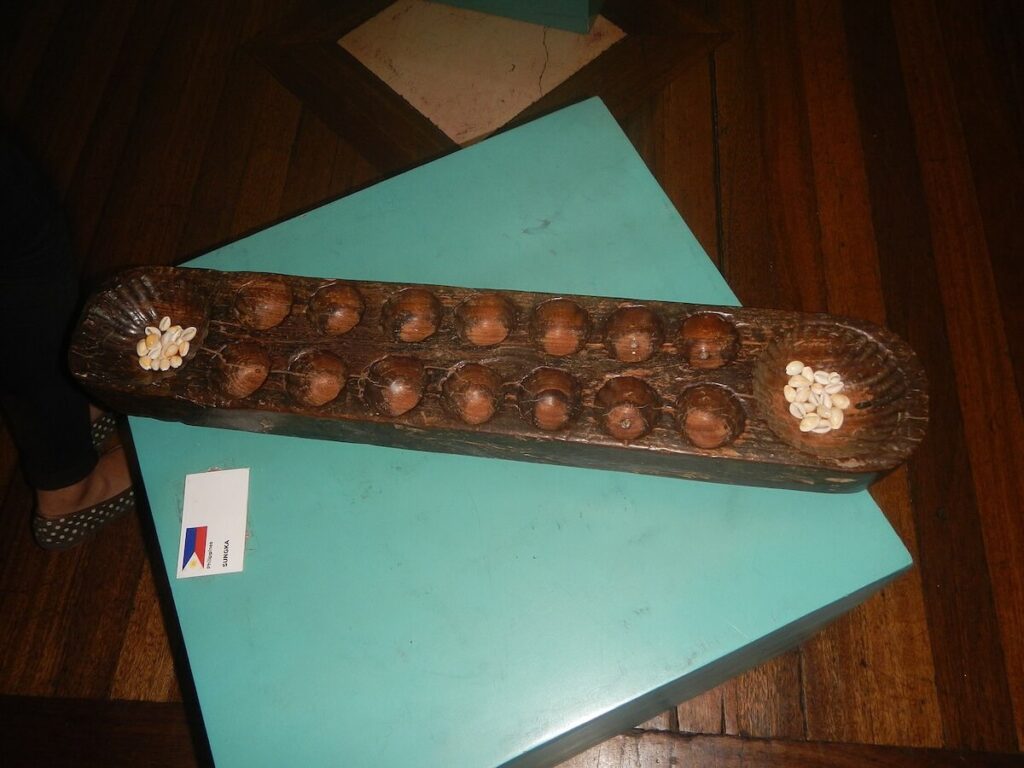
Sungka is one of those classic Filipino games that’s been around for ages. It’s a traditional mancala game, which basically means it involves moving stones or shells around a board with pits. No one’s quite sure exactly how old it is, but it’s still a popular pastime today in some provinces.
Sungka is a game of strategy and a little bit of luck, and it’s surprisingly addictive once you get the hang of it. The basic idea is to try and capture as many pieces as possible by strategically distributing them around the board.
Regardless if you play the game well or not, a sungka board is a great souvenir. The board itself is a beauty—it’s usually made of wood, often with intricate carvings, and the playing pieces can be anything from stones and shells to even seeds.
28. Sipa

Another fun and uniquely Filipino game and souvenir from the Philippines that you don’t see everywhere is sipa. It’s kind of like hacky sack, but with a distinctly Filipino twist.
The word “sipa” literally means “kick” but it also refers to the object of the game (which you can easily find in most local markets and toy stores in the Philippines). Sipa is traditionally a small woven ball made from rattan or sometimes even a metal washer wrapped in cloth or shredded plastic. It’s believed to have originated from older Filipino games and has been played for centuries.
While it shares some similarities with sepak takraw, which is popular in other Southeast Asian countries, sipa has its own distinct rules and style of play. It’s all about keeping the sipa in the air using your feet, knees, and even your head—basically, anything but your hands!
29. Books by Filipino authors

The Philippines has a rich literary tradition, and picking up a book by a Filipino author is a fantastic way to dive deeper into the country’s culture and stories. The publishing scene is vibrant, with a mix of established houses and smaller, independent presses championing both seasoned writers and fresh new voices.
From historical epics to contemporary novels, poetry collections to graphic novels, there’s something for every reader. Plus, there’s a wide range of stories being told, often exploring themes of identity, history, love, and the complexities of Filipino life. And, of course, supporting Filipino authors is a great way to connect with the local arts scene.
If you’re looking for recommendations, consider classics like Jose Rizal’s Noli Me Tangere and El Filibusterismo, which are essential reading for understanding Philippine history. For contemporary fiction, check out works by F.H. Batacan (one of my favorite authors), Miguel Syjuco, or Charlson Ong.
There are also some wonderful English-language books by Filipino authors like Mia Alvar’s In the Country or Gina Apostol’s Bibliolepsy. And don’t forget the growing world of Filipino literature in translation! Many works are now available in other languages, opening up these incredible stories to a wider audience. The best part? You can find these at bookstores in the Philippines or online!
30. Miniature jeepney
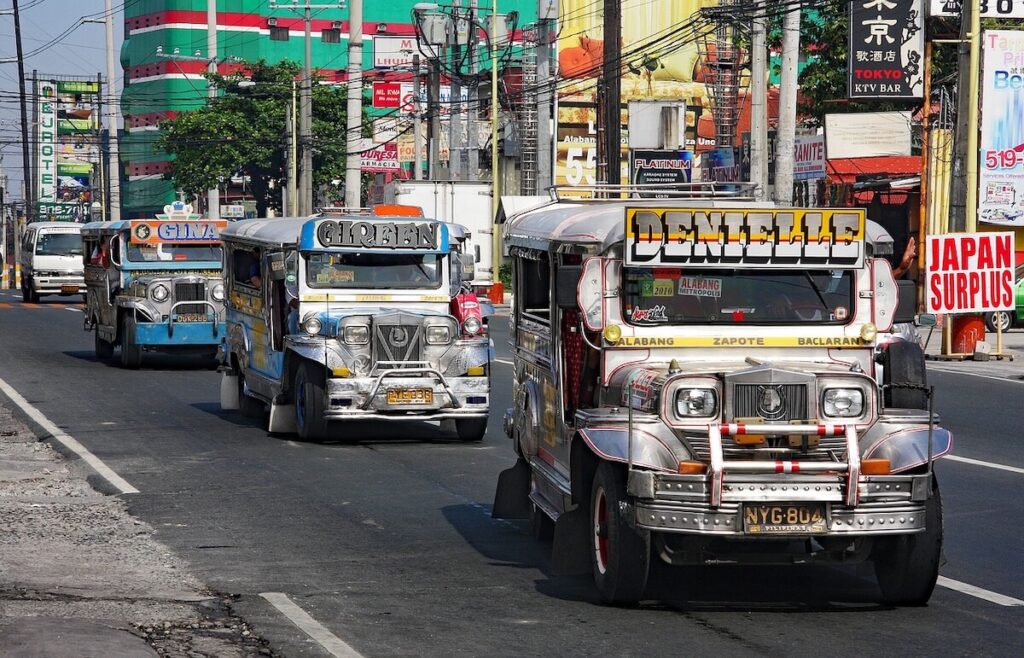
Jeepneys are such an iconic symbol of the Philippines; you can’t visit without seeing these brightly colored, uniquely decorated vehicles zipping around. And they’re a real testament to Filipino ingenuity too!
Originally converted from US military jeeps after World War II, jeepneys are now practically works of art on wheels. Each one is personalized with vibrant paint jobs, chrome accents, and often, humorous or religious slogans.
You can find miniature jeepneys in all sorts of sizes and styles, from small keychains and salt shakers to larger, more detailed models. Some are made of metal, others from wood, ceramic, or plastic, and they often come in a variety of colors and designs.
Where to buy souvenirs in the Philippines
Finding souvenirs in the Philippines is an adventure in itself! It really depends on where you are in the country, as different regions specialize in different products.
Generally speaking, you’ll find a treasure trove of goodies in markets, from the bustling city markets to the smaller town ones. These are great for finding unique, locally made items and often offer the chance to haggle a bit.

You’ll also find souvenir shops tucked away in malls, alongside well-known Filipino brands like Kultura and Papemelroti, which are great for quality handicrafts and locally designed goods. Tesoros in Makati is also a great option.
Don’t forget the supermarkets and grocery stores! Here, you can often find packaged snacks, local delicacies, and even small handicrafts that make for great, easy-to-pack souvenirs. Weekend markets and bazaars are also fantastic for discovering fun, handcrafted items directly from the artists and makers.
If you’re into books, definitely check out the Filipiniana sections of bookstores like National Book Store and Fully Booked, and don’t forget to explore smaller, independent bookstores—you might just stumble upon a hidden literary gem.
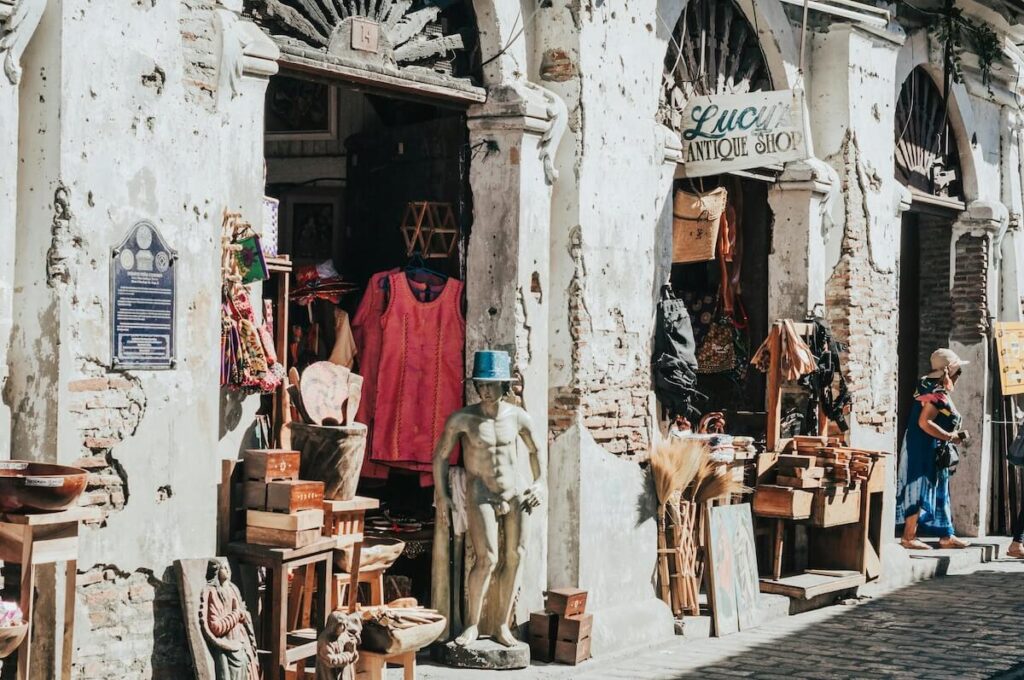
Also consider exploring places like art galleries for unique paintings, or even visiting local workshops where artisans create things like pottery or woven goods. These places give you a chance to buy authentic souvenirs and learn more about the craftsmanship and traditions behind them.
Conclusion
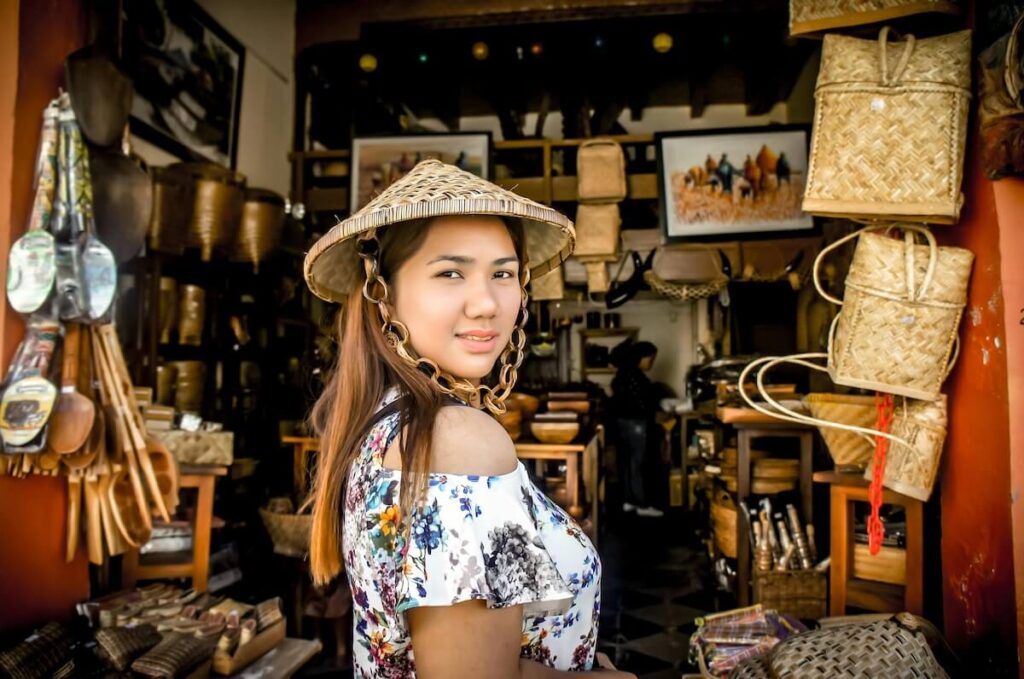
From intricately woven banigs and vibrant bayongs to handcrafted guitars and captivating paintings, these souvenirs from the Philippines offer a tangible connection to the country’s rich culture and artistry.
Whether you’re browsing busy markets, exploring local craft shops, or discovering literary gems in bookstores, I hope you get to bring home a piece of the Philippines that allows you to relive your travel memories and share the unique spirit of this beautiful archipelago with friends and family. Happy travels and happy souvenir hunting!