
In the aftermath of a loved one’s passing, many people choose cremation as a final disposition method. Cremation reduces the body to bone fragments, which are then pulverized into a fine, gray material commonly referred to as ashes or cremated remains.
While cremation offers a practical alternative to traditional burial, navigating the logistics of transporting ashes, especially by air, can be confusing. This question often comes up: Can you bring ashes on a plane?
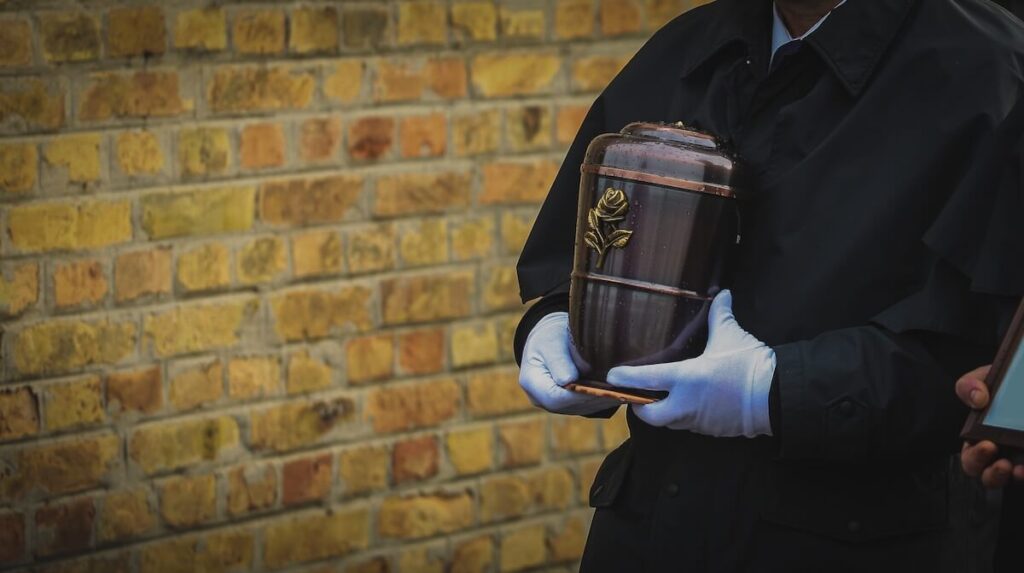
I know, TSA rules and airline regulations can seem tricky, and information online can be conflicting. So, in this article, I aim to clarify the confusion and provide a clear and concise guide to traveling with cremated remains.
Note: The following has been written using the TSA guidelines for flights in the U.S. If you are traveling from or in another country, please ensure you check their guidelines for safe flight and permitted substances before check-in.
Table of Contents
Can you bring ashes on a plane?
Yes, you can bring ashes, or cremated remains, on a plane. The Transportation Security Administration (TSA) allows flying with ashes, but there are a few things to remember.

There are two options for bringing ashes on a plane — carry-on or checked baggage. However, bear in mind that some airlines don’t allow cremated remains in checked luggage, so it’s always best to check with your airline directly before your flight.
Regardless of whether you choose carry-on or checked baggage, there will be regulations to ensure a smooth screening process. Let’s explore these below.
Carrying ashes on a plane via carry-on
While both carry-on and checked baggage are options for transporting ashes, carrying them on board offers greater control and security.
When choosing carry-on, the container holding the ashes must be discreet and adhere to the airline’s size and weight limitations for carry-on luggage. Most importantly, it should be leak-proof to prevent any issues during the flight.
1: You're allowed to bring cremated remains on the plane as part of your carry-on. To ease the screening process, pls let our officers know you have ashes and place the urn in a separate bin for X-ray screening. For more info, pls visit: https://t.co/uG8q7n0X5j
— AskTSA (@AskTSA) May 31, 2021
The TSA recommends using a temporary or permanent crematory container made from lighter materials like wood or plastic to be clearly seen during X-ray screening. Out of respect, TSA officers will never open a container for inspection, even at the passenger’s request. So, if the container is made of a material that shows up opaque on the X-ray, they won’t be able to identify the contents and likely won’t allow it through.
To streamline the screening process, inform the TSA officers that you’re carrying cremated remains and place the urn in a separate bin for X-ray screening.
It’s also worth mentioning that the TSA doesn’t require any specific documentation. But your airline might. Having documents such as a death certificate and/or cremation certificate can expedite the screening process and ease any concerns.
1) You're allowed to bring cremated remains on the plane as part of your carry-on. We don't require documentation; however, your airline's policy may differ.
— AskTSA (@AskTSA) May 4, 2023
You can also call your airline to clarify which items count towards your carry-on allowance, and whether they require documentation for cremated remains.
Traveling with ashes via checked baggage
Checking your ashes is technically an option, but it’s generally not recommended due to the potential risks involved in checked baggage handling. Checked bags are subjected to frequent and sometimes rough movement on conveyor belts and during loading and unloading. This can be risky for a container holding ashes, especially if it’s not securely packed.
What’s more, some airlines have restrictions on cremated remains in checked luggage altogether, as the X-ray screening process for checked bags might not be suitable for ashes and could trigger an alarm. It’s best to confirm your airline’s policy on checked baggage and ashes before your flight.
1: We're sorry for your loss, Ben. Some airlines do not allow cremated remains in checked bags, so please check with your airline to learn more about possible restrictions.
— AskTSA (@AskTSA) January 19, 2022
However, if you absolutely must check your loved one’s ashes, ensure they are packaged securely. Use a sturdy, leak-proof, and airtight container specifically designed for cremated remains. Place this container inside a sealed outer box or case with ample padding materials like bubble wrap or packing peanuts to absorb any impact during transport.
Finally, don’t forget to have the necessary documents with you. This includes a copy of the death certificate and the cremation certificate. Having these documents readily available can help avoid any delays or confusion during the check-in process, especially if your checked baggage containing the ashes raises any red flags.
International travel considerations
Traveling internationally with ashes requires additional considerations beyond the standard TSA procedures. While most countries allow cremated remains, some may have specific regulations or require additional documentation.
To ensure a smooth arrival at your destination, research the customs regulations of the country you’re traveling to.
3) Since you're traveling internationally, we recommend that you also reach out to the customs agency at your destination for their guidance on bringing cremated remains into the country.
— AskTSA (@AskTSA) May 4, 2023
The fastest way to do this is to contact the embassy or consulate of your destination country well in advance of your trip. They can provide detailed information on any permits, certificates, or other documentation you might need to bring the ashes into the country.
Summary

Transporting cremated remains on a plane requires some planning, but it is certainly achievable. Remember, while the TSA allows ashes in both carry-on and checked baggage, some airlines may have stricter policies, so contacting them directly is advisable.
Regardless of your chosen method, ensure the container is secure, leak-proof, and meets size and weight limitations. For international travel, researching customs regulations and obtaining any necessary documentation well in advance will help prevent delays or unexpected issues upon arrival.
Going through this process can be emotionally challenging during an already difficult time. But by following these guidelines and staying prepared, you can ensure a respectful and smooth journey for your loved one’s final travels.