
*This article may contain affiliate links. For full information, please see the disclaimer here.
Now, is Montevideo worth visiting? Underrated as it certainly is, the capital of Uruguay features a suggestive cityscape that you should definitely set off to discover.

With the 15 reasons I’ll give you in this post, I bet you’ll start planning a trip to this hidden gem of South America asap.
¿Vamos?
Table of Contents
Why some travelers skip Montevideo
Flying in is often a lot of work.
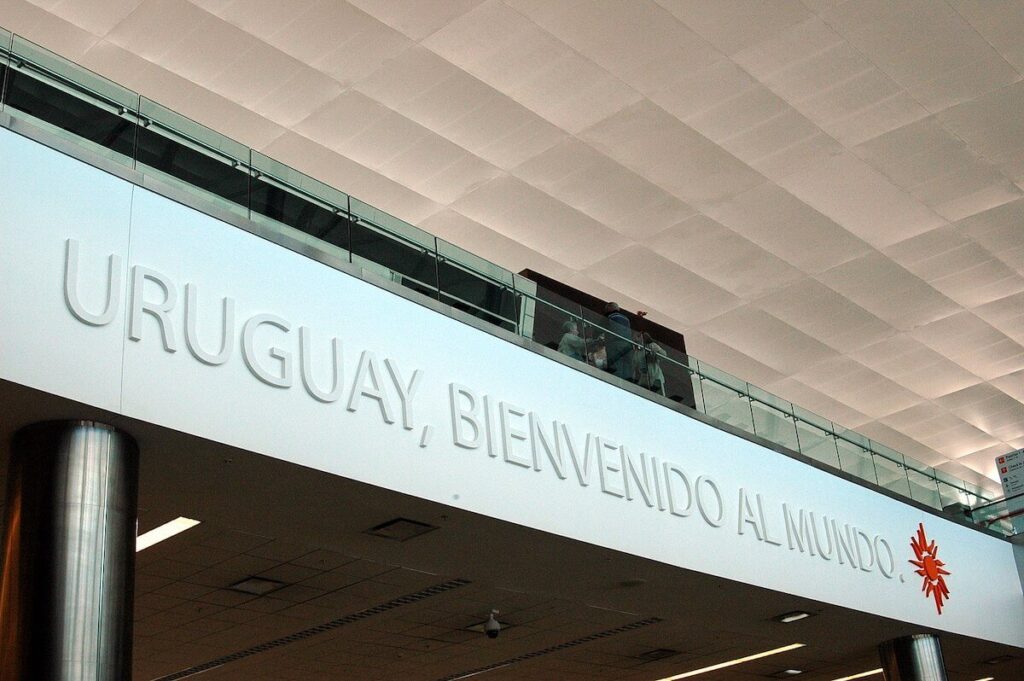
Montevideo is served by the Carrasco International Airport, a state-of-the-art terminal that was designed by the renowned Uruguayan architect Rafael Viñoly.
Yet as comfortable and beautiful as the airport is, it’s connected to just 14 destinations — 12 of which are in Latin America. Outside the region, only Miami and Madrid have direct flights to Carrasco.
That means you’ll probably have to catch two or even three flights to reach the capital of Uruguay and likely pay over $1,000 for your tickets. With good budgeting and a little patience, that shouldn’t hold you back, though!
✈️ Looking for cheap flight tickets for your trip? Consider choosing WayAway, an innovative flight aggregator
It lives in the shadow of Buenos Aires

Buenos Aires welcomes millions of visitors each year, and for good reason. With its hectic pace, mouthwatering food, and irresistible party scene, the Argentinian capital is one of the most exciting cities in Latin America.
Grossly simplified, Uruguay is a sort of miniature version of Argentina, thanks to the deep historical and cultural ties that unite the two countries — and so is its capital when compared to Buenos Aires.
Travelers who haven’t been to either city may feel more easily tempted to visit Buenos Aires first. If you’re not pressed for time, however, you shouldn’t think twice before including the two capitals in your itinerary and marvel at how they’re both oddly similar and totally different at the same time.
The nightlife can be disappointing.
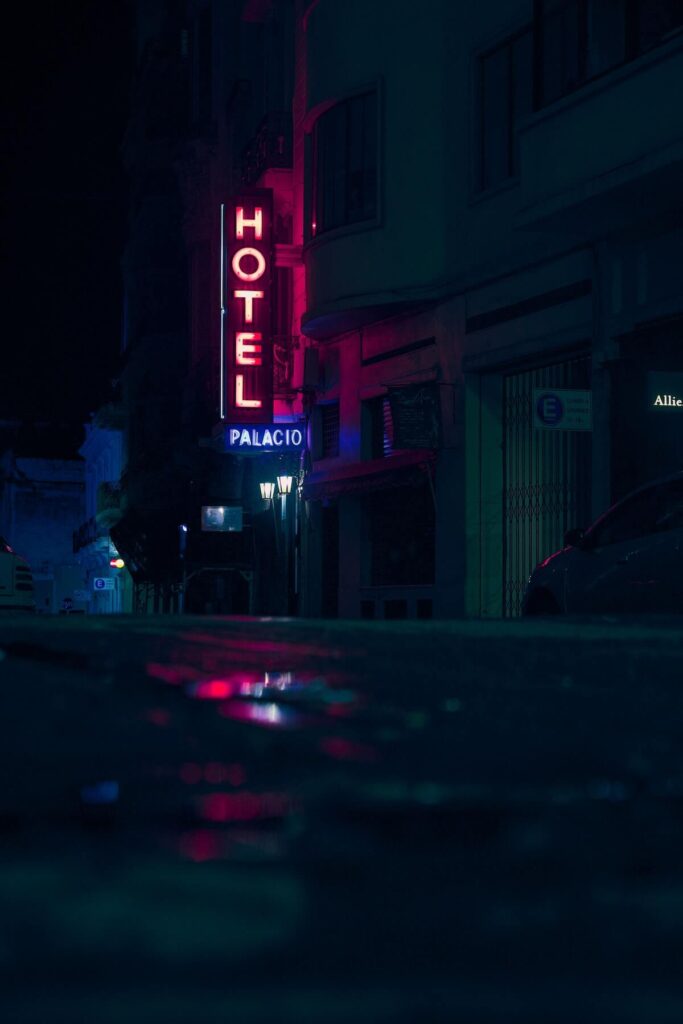
To be fair, the Uruguayan capital is peppered with bars and nightclubs catering to all tastes and age groups. That said, it doesn’t have a clearly defined nightlife district where everyone is out and about having a blast, so most areas around town get pretty deserted after hours.
What’s more, just like in Buenos Aires, party time in Montevideo kicks off at 2 a.m. (which may seem strange in such a quiet town). Ironically, that’s perfect if you like to party hard, but travelers who want to be passably functional the next day will struggle to make the most of their time in the club.
Why is Montevideo Worth Visiting?
1. You’ll get to dive into the culture of Uruguay.

Mingle the dramatic intensity of Argentinians and the carefree cheerfulness of Brazilians. Mix in a bunch of cups of troubled history — mandatory in Latin America —, add a deep-rooted ranching culture and sprinkle a few million Italian immigrants on top.
Serve all that with a glass of Tannat wine and you have a tableful of Uruguay in front of you. Half-baked metaphors aside, Uruguay is a unique if tiny country. And since half of Uruguayans live within greater Montevideo, it’s not absurd to say the capital is the nation in a nutshell.
2. The laidback vibes will win you over.

Blame it on the high living standards, on the sea breeze, or on the legal weed (which, it’s always worth mentioning, is only available to locals for now). Montevideo is notorious for its small-town feel, despite being home to more than 1.3 million people.
Sure, 18 de Julio Avenue is busy all day long, and everywhere in town people are going about their business. Locals however don’t really seem to be in a hurry, and many can be seen casually carrying their inseparable thermos of mate around.
3. Montevideo is extremely safe.

Montevideo is consistently ranked in the top 3 most livable cities in Latin America. Uruguay, in turn, boasts one of the lowest income inequality rates in the region.
Those figures help explain why Montevideo feels extraordinarily safe day and night, which unfortunately is quite uncommon in major Latin American cities.
There are of course exceptions, like the run-down surroundings of the port. But overall, from the historic core to the waterfront to the trendy Pocitos district, you can walk around fearlessly.
4. It’s dotted with stunning beaches.
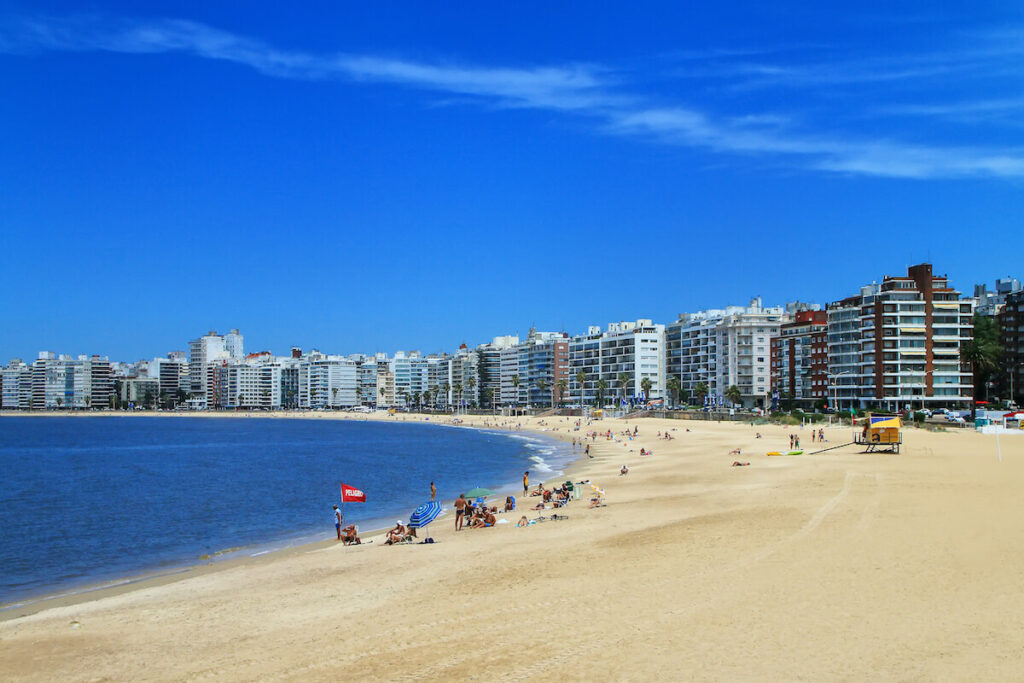
Montevideo is surrounded by the Río de la Plata, the immense estuary of the Uruguay River. By convention, it’s considered to be located on the river, yet the water of its shoreline is salty and (predominantly) blue.
Waves are typically absent, though, which makes the beaches of Montevideo an excellent spot for families in search of a relaxing day in the sun.
Locals and visitors flock to Pocitos Beach to see and be seen, while those looking for a more rugged landscape and hours’ worth of peace can head out to the secluded Carrasco Beach.
5. The cuisine is to die for.

Take it from me: less is a bore is the common thread running through the cuisine of all Latin American nations.
In Uruguay, that’s exemplified by the scandalous size and diversity of meat cuts in a barbecue, as well as for the number of ingredients in chivito, the national sandwich: beef, ham, cheese, mayo, tomatoes, lettuce, egg, bacon, (and counting…).
Amazing wine, chiefly from Tannat grape, is another local specialty, as is dulce de leche, the caramelized milk jelly South Americans go crazy about.
6. There are lovely parks all over the place.

Plazas in central Montevideo are jam-packed with trees and surrounded by gorgeous buildings. Still, if you need more space to chill out with your family or significant other there are many parks you can head to.
Around the city center, you’ll find the beautifully landscaped Parque Rodó and the immense Parque Batlle. Toward the outskirts of town, you can visit the Botanical Garden and the historic and peaceful Parque Vaz Ferreira.
7. The weather is mild year-round.

Montevideo has a subtropical climate, and temperatures average 62°F. It’s as cold as L.A. in the winter but considerably less hot in the summer.
It does get almost 44 inches of rain a year, which is about what Zurich gets. Yet rainfall is evenly distributed throughout the year, which means you’ll never get locked inside waiting out the storm.
8. Montevideo is affordable to visit.
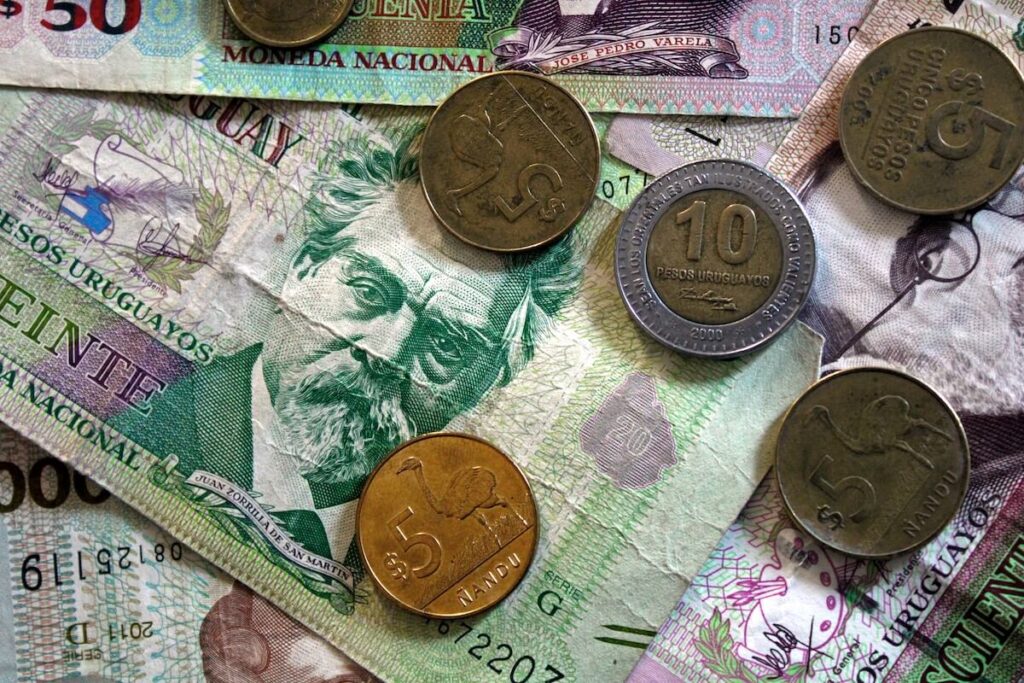
Visitors can expect to spend a daily average of $49 when visiting Montevideo, which is about a third of what you’d pay in New York and an astonishing one-sixth of what Paris would cost you.
The majority of attractions are either free or really cheap, decent accommodation in the nicer boroughs can amount to as little as $30-$40, and the dollar-to-peso exchange rate is great.
Food can be a bit on the pricey side as street food options are scarce, You won’t complain, though, because everything else will make up for that.
9. It’s not overrun with tourists.

I can’t stress this enough: as much as I love cities like Amsterdam and Florence, over-tourism has kind of transformed them into amusement parks for travelers. They remain dazzling and exciting but can feel phony sometimes.
That’s never a problem in Montevideo. When I visited, I felt something I’d detected in other underrated cities like Brussels or Turin, places that are not exactly concerned about pleasing you the whole time.
In Montevideo, you get the real deal of how a national capital behaves when no one’s looking, which is always mesmerizing and quite rare these days.
10. The Ciudad Vieja is very picturesque.

Guarded by the Gateway of the Citadel, the Old City of Montevideo, or the Ciudad Vieja, was the original core from which the capital expanded following its founding in 1726.
The gentle hill that leads from the gate to the port features cobblestone streets, quaint plazas, as well as landmarks like the Solís Theater (pictured above), the Cathedral, and the Port Market.
Here you can visit two of the best museums in Montevideo, dedicated respectively to local artists Joaquín Torres García and José Gurvich.
Both are located on the charming Sarandí Street, which is one of the finest spots to stroll in the city thanks to the shops and cafes it’s lined with.
11. Locals are cheerful and welcoming.

Apart from those working at or around the main sights, Montevideo natives aren’t used to interacting with foreign tourists on a daily basis. So they still keep that genuine curiosity about visitors that natives of most big cities have long lost.
In addition to that, they’ll often be eager to share tips about what to do in the capital and ask for your impressions while you’re at it. That, coupled with their overall laidback attitude, makes talking to Montevideans a warm and smooth experience.
12. You’ll have tons of day-trip options.

A two-hour drive separates Montevideo from both the striking 17th-century town of Colonia del Sacramento (a UNESCO World Heritage Site) to the west and the ritzy and sunny Punta del Este to the east — where the Río de la Plata meets the Atlantic.
From Punta del Este, you can set off to explore Uruguay’s unspoiled east coast, which includes rugged natural wonders like La Pedrera and Cabo Polonio.
Then you have of course hundreds of wineries throughout the country, the finest of which are around Montevideo and in the adjacent department of Canelones.
13. It’s a lot of fun during Carnival.
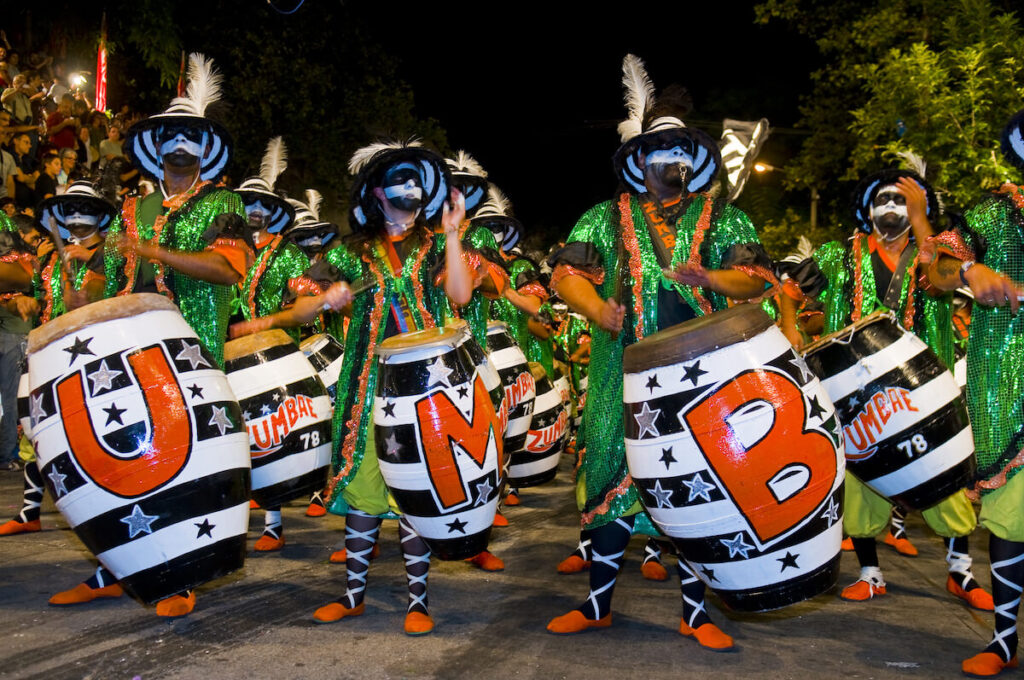
The sensuous drumbeat sets the tone for the Carnival of Montevideo, which, lasting as many as 40 days every year, is the longest on the planet.
The so-called llamada bands parade along Isla de Flores Street wearing elaborate costumes and playing the contagious candombe, which was listed as Intangible Cultural Heritage by UNESCO.
Montevideo has managed to preserve this fantastic piece of its culture thanks to its small but active Afro-Uruguayan community, which has been passing down the tradition from one generation to the next for 200 years.
14. Walking around town is a delight.

While Montevideo is hilly enough to offer great views wherever you go, the slopes are so gentle you’ll barely feel like you’re walking up or downhill. Plus, the city is rimmed by the Rambla, a 20-mile boulevard that runs all along the coastline.
Streets are lined with trees and wide, preventing most traffic jams, and letting in the cool sea breeze. And the architecture, though hardly monumental, is generally elegant.
The extra peaceful ambiance will compel you to explore the whole city on foot, much more easily than you would in virtually any other world city.
Enjoy Montevideo and learn more about the city, while walking through its streets with the tours below.
Walking Tours in Montevideo
- Private Walking Tour in Montevideo with a guide
- Montevideo: Old City Walking Tour with Photographer and Audio Guide
15. Montevideo is home to an intoxicating cafe culture.

The strong Italian heritage of Uruguay has given birth to a deep-rooted cafe culture, which has enough room to accommodate both cozy diners and fancy bistros.
The most prestigious ones like Café Brasilero, established in 1877 and once writer Eduardo Galeano’s go-to coffee shop, are located in the Ciudad Vieja.
Yet every neighborhood has at least a few cafes where the same crowd goes and, much like a London pub, each with its own specialty.
Final thoughts

Out of the countless reasons to visit Montevideo I listed above, I’d highlight its quaint cityscape, its small-town feel, and the yummy food travelers can sink their teeth into — not to mention the top-notch wine!
If you want to fall in love with an unassuming but absolutely fascinating town like I did a couple of years ago, you simply must swing by Montevideo the next time you travel to South America!
Planning your trip to Montevideo?
- 🏨 Find the perfect accommodation on Booking.com
- 🎡 Discover unique attractions with Tripadvisor
- 🚘 Hire a car on Rentalcars
- ✈️ Buy the cheapest flight tickets with WayAway