
*This article may contain affiliate links. For full information, please see the disclaimer here.
In an ideal world, we would never have to choose between visiting Milan or Florence. Yet countless travelers want to squeeze a third Italian city into their itineraries after booking a few days in Rome and Venice.
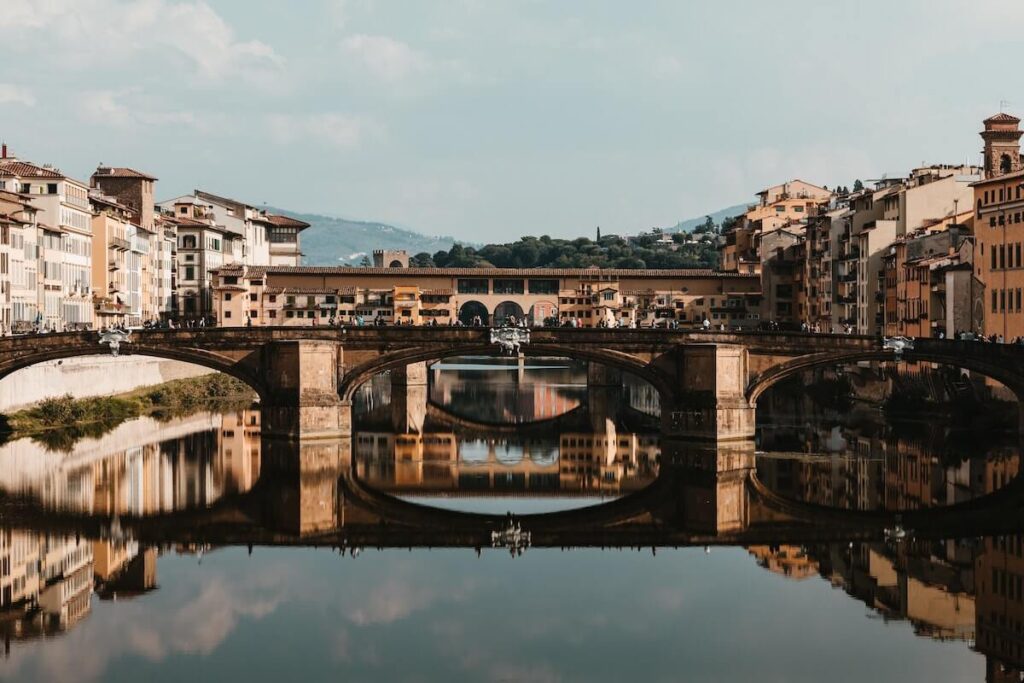
If you can’t seem to make up your mind and feel like you could use some help before committing to either Florence or Milan, tag along to discover the main sights, tastiest foods, and the best time of year to visit each, as well as a bunch of precious tips along the way.
Table of Contents
Getting there and moving around
Milan
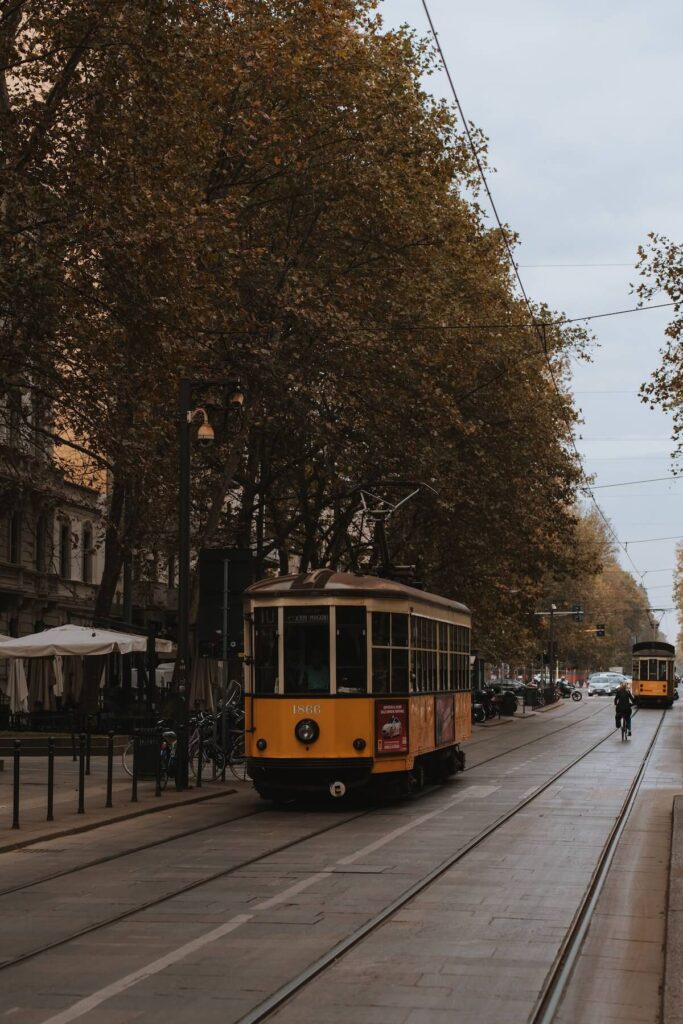
Reaching Milan is like a walk in the park, both from any major city in Italy and from large cities across the globe.
Greater Milan is served by three airports and several low-cost airlines, and its humongous train station is connected through high-speed trains to Rome, Venice, Naples, and even Paris.
Like the majority of European cities, Milan is quite compact. That, coupled with the fact that it’s virtually flat, makes it perfectly walkable. And while most downtown streets are cobbled, Milan is also increasingly bike-friendly.
To cover longer distances in town, you’ll have at your disposal a wide network of buses, trams, commuter trains, and subway lines that turn moving around in Milan into a really easy task.
Florence
Florence is an extremely walkable town too; a mere two miles separate Porta San Gallo from Porta Romana, the longest distance within the city’s historic core. What’s more, it only takes a 15-minute walk to reach the central Piazza della Signoria from Florence’s main train station.

You may struggle to ride a bike around town because of all the crowds on the streets, but a leisurely bike tour along the Arno River is surely not to be missed.
If you’re getting to Florence by plane, you can take a bus toward the city center or pay about $25 for a cab ride to your hotel.
Where to stay
Florence
- Portrait Firenze, an uber-luxury hotel overlooking the Ponte Vecchio and the Arno River;
- San Firenze Suites & Spa, if a relaxing massage and views of Florence Cathedral don’t sound like a bad combo to you;
- Hotel Pendini, a classy three-star in the middle of all the action;
- La Torre del Cestello, a budget-friendly option in the Oltrarno borough, where locals go out at night.
Milan
- Mandarin Oriental, if you’re after luxurious accommodation in a suggestive district like Brera;
- iQ Hotel Milano, a fantastic four-star within walking distance from the train station — as convenient as it gets;
- Aethos Milan, for its superb post-industrial-meets-boho design and the proximity to the Navigli area;
- Ostello Bello, a hostel+hotel and maybe the best value for money in town.
The historic center
Milan
Milan doesn’t have a big and homogeneous historic center like Venice, Florence, or Naples. Its downtown is pretty patchy due to heavy bombings during WWII and modernizing interventions that ended up destroying entire neighborhoods.
That’s part of Milan’s charm, though. The city is peppered with landmarks spanning several eras — including the bold skyscrapers of the brand-new Porta Nuova district.
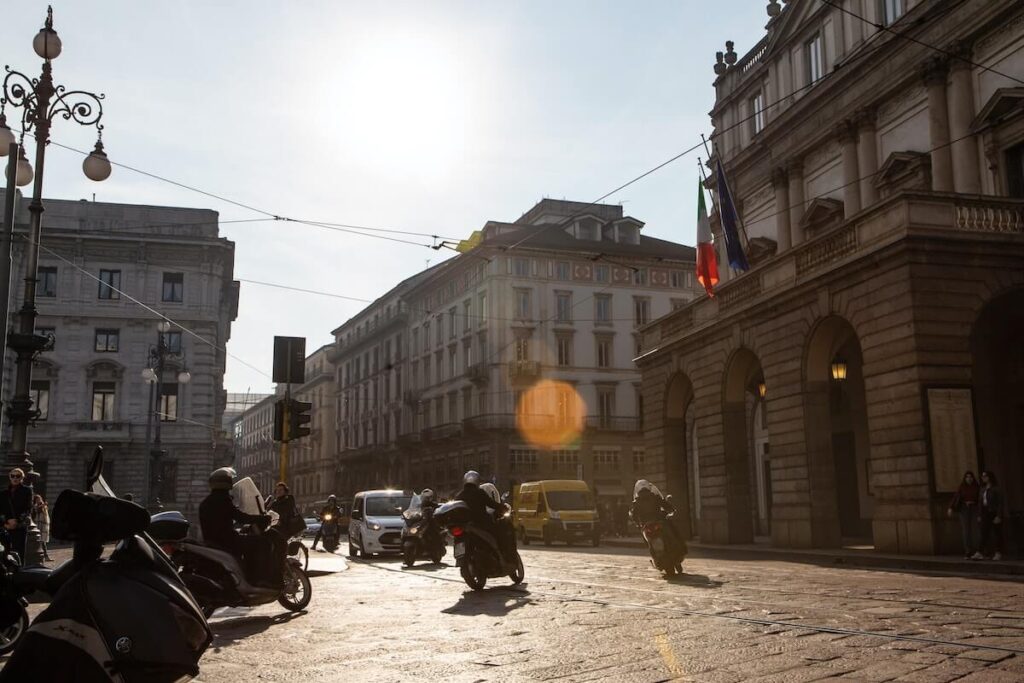
Plus, even the early-20th-century buildings that make up the bulk of the city center are imposing and well-designed. And Milan boasts impressive monuments such as the Sforza Castle, La Scala, and numerous palaces and churches like its own Cathedral.
Florence
Florence, on the other hand, is famous for its half-medieval, half-Renaissance historic center, which was listed as a UNESCO World Heritage Site 40 years ago.
Dotted with ornate churches, block-wide palaces, and quaint plazas, the city is gorgeous through and through. Most of the monuments are located on the northern side of the Arno River, which is spanned by a handful of bridges, among which the Ponte Vecchio.

Yet the Oltrarno borough on the other side is just as lovely and features landmarks like Palazzo Pitti and the Piazzale Michelangelo viewpoint.
Must-sees
Florence
The two main symbols of Florence are its cathedral, thanks to Brunelleschi’s groundbreaking dome and Giotto’s bell tower, and the Ponte Vecchio, its seven-century-old, shop-lined bridge.
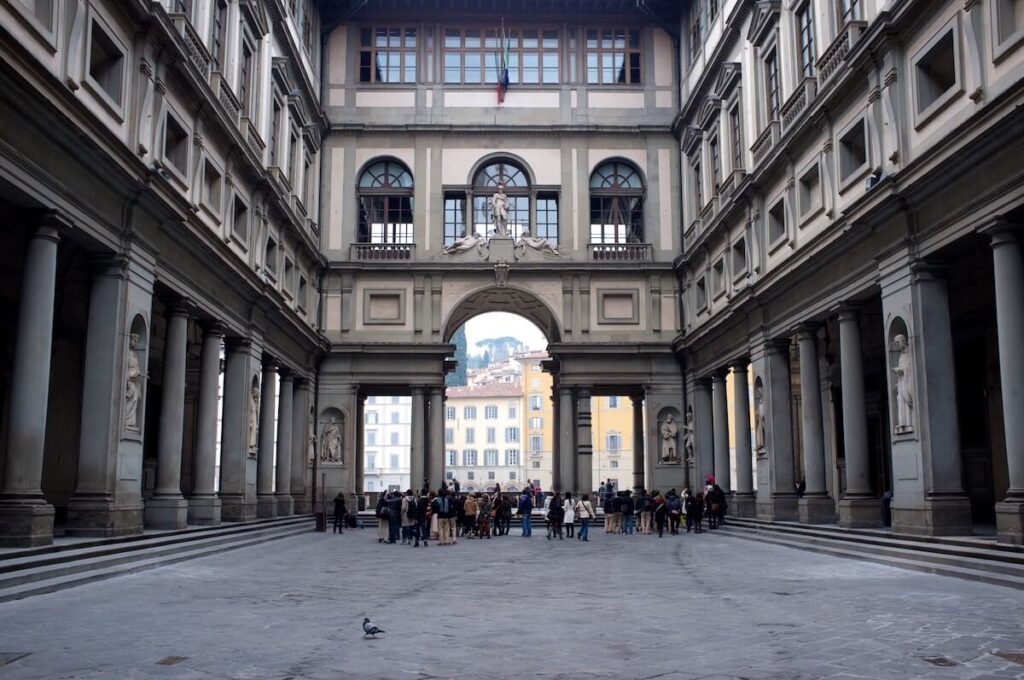
Florence is also known for museums like the Uffizi and the Galleria dell’Accademia, where masterpieces like Botticelli’s The Birth of Venus and Michelangelo’s David, respectively, are exhibited.
Piazza della Signoria and Palazzo Vecchio, Florence’s 13th-century city hall, as well as the enormous Palazzo Pitti and its colossal Boboli Gardens, are sights all visitors need to see.
Don’t forget to hunt for craft leather items at the Central Market and visit beautiful Renaissance temples like the Basilica of Santa Croce and the Church of Santa Maria Novella.
Milan
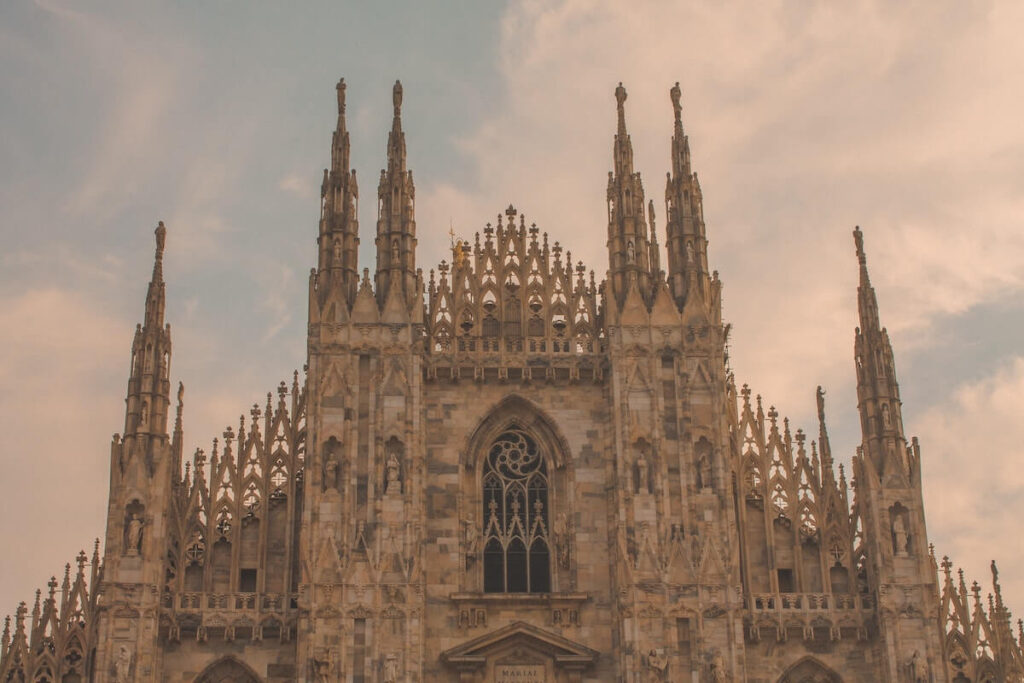
If you can only afford the time to visit one landmark in Milan, that should without a doubt be its massive gothic Cathedral.
The church shares the iconic Piazza del Duomo with the Galleria Vittorio Emanuele II, an ornate arcade that from its opening in the late 19th century has been dubbed Milan’s “living room”.
To view Leonardo’s The Last Supper at the Church Santa Maria delle Grazie, you should book weeks or even months in advance.
Afterward, tour the museums, courtyards, and battlements of the Sforza Castle and marvel at the timeless artworks on display at the Pinacoteca di Brera.
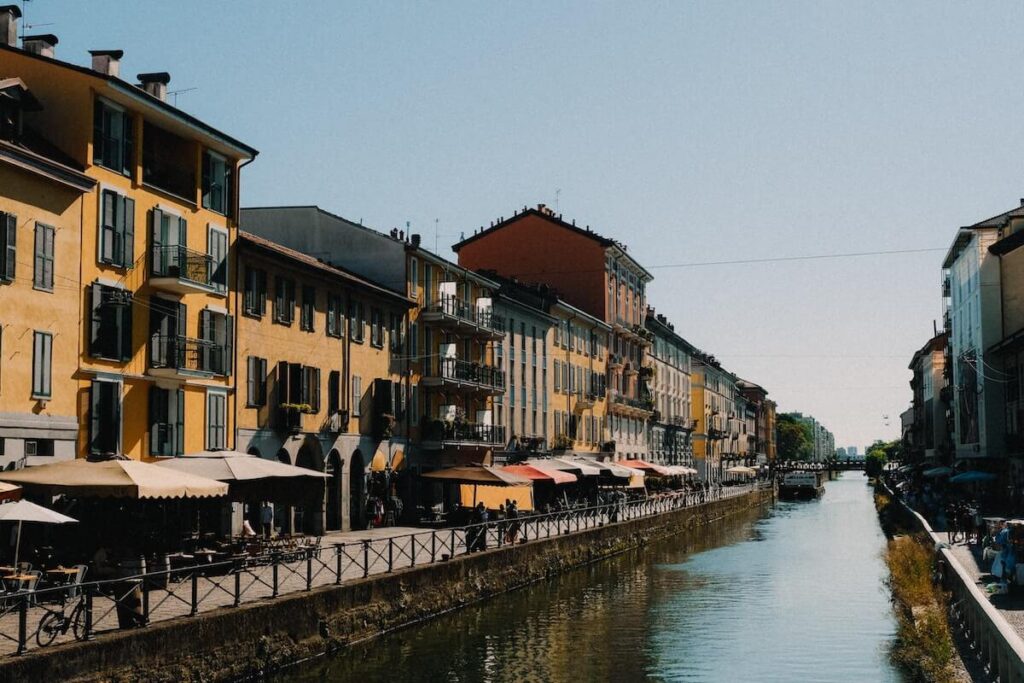
Finally, stroll the elegant streets of the Quadrilatero della Moda fashion quarter to load up on luxury clothing if that’s your thing, or at least to window shop.
All the nicest views
Milan
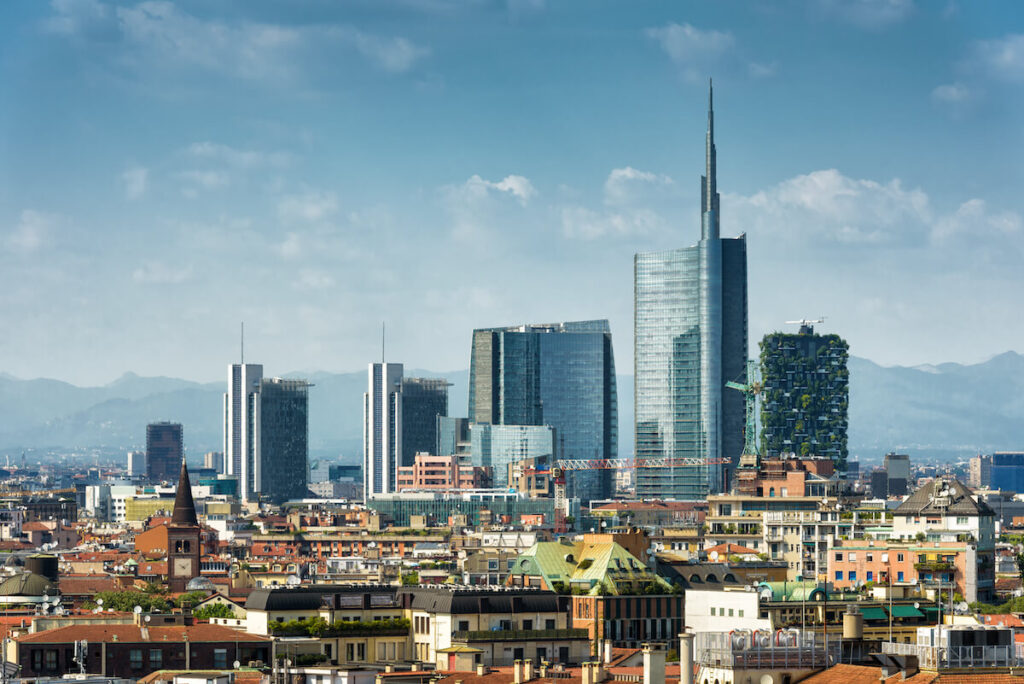
Milan is Italy’s unofficial capital of rooftops. Many hotels have their own overlooks, but bars like LiQuido and La Rinascente (a ritzy department store) are worth a visit as well.
Don’t miss the chance to climb the terrace of the Cathedral (above), quite possibly the no. 1 thing to do in Milan. From up there, you’ll have commanding views of downtown’s historic buildings and the brand-new skyscrapers of the Porta Nuova district.
To admire the city in a quieter environment instead, you can rise to the top of Branca Tower as you stroll through Sempione Park.
Florence
Unlike Milan’s, the outskirts of Florence are pretty hilly. That means you can view the city from above for free if you want, most famously from Piazzale Michelangelo.
From the tallest point of the Boboli Gardens, you can see a good deal of the historic core too, though the surrounding trees and Palazzo Pitti ahead somewhat obstruct the vista.
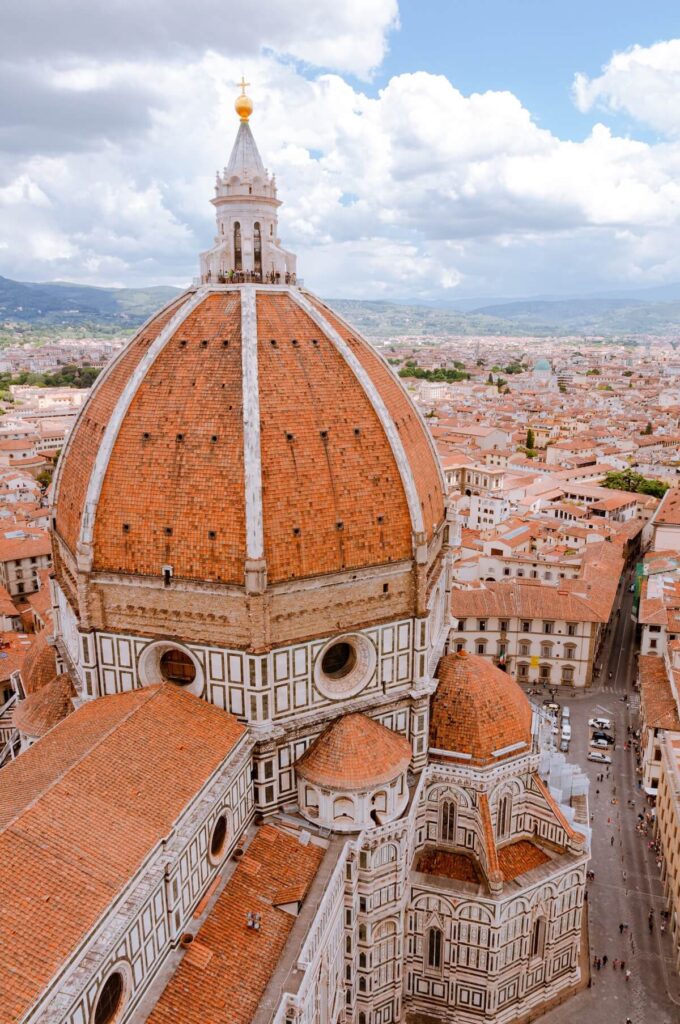
You can also climb Giotto’s Bell Tower or the dome of Florence Cathedral for a unique panorama — if only for the experience, as the majority of travelers want both buildings to feature in the background of their pics.
What to eat
Florence
Like almost everywhere else in the country, Florentine cuisine was created by peasants, and as such relies heavily on seasonal and locally sourced ingredients.
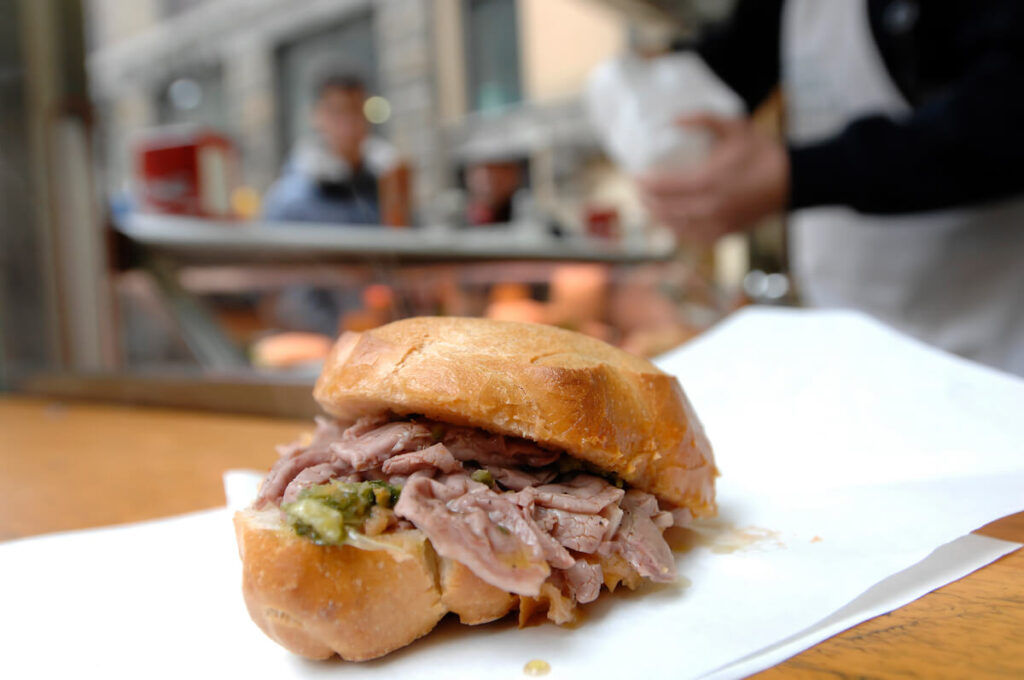
A few dishes like lampredotto (i.e. tripe) sandwich, a Florentine favorite, won’t please all tastebuds. Others, like Florentine-style steak and pappa al pomodoro (a tomato and bread soup), are less controversial.
Florence is also the birthplace of the Negroni, which you can try at cozy bars like the Mayday Club and speakeasies like Rasputin.
Milan
Milan is the kind of city tons of folks visit without finding out about the local cuisine. I don’t blame them: the city is home to Michelin-starred restaurants serving the finest renditions of Italian and international dishes.
Yet Milan’s substantial and strong-flavored cuisine includes delicacies like gorgonzola, comfort food classics like veal Milanese, and delicate recipes like saffron risotto.

Still better, you don’t need to go full-on fancy to sink your teeth into any of those. In traditional eateries like Osteria dell’Acquabella, you can grab a plate of risotto for $10 and an “elephant-ear” veal, as the Milanese call it, for $20.
Also read: 10 Best Food Tours in Milan You Should Book
Best time to visit
Milan
Milan looks really nice during the holiday season, as Christmas lights and trees take over. On top of that, the city hosts special markets like Oh Bej! Oh Bej!, which dates back to the early 16th century.
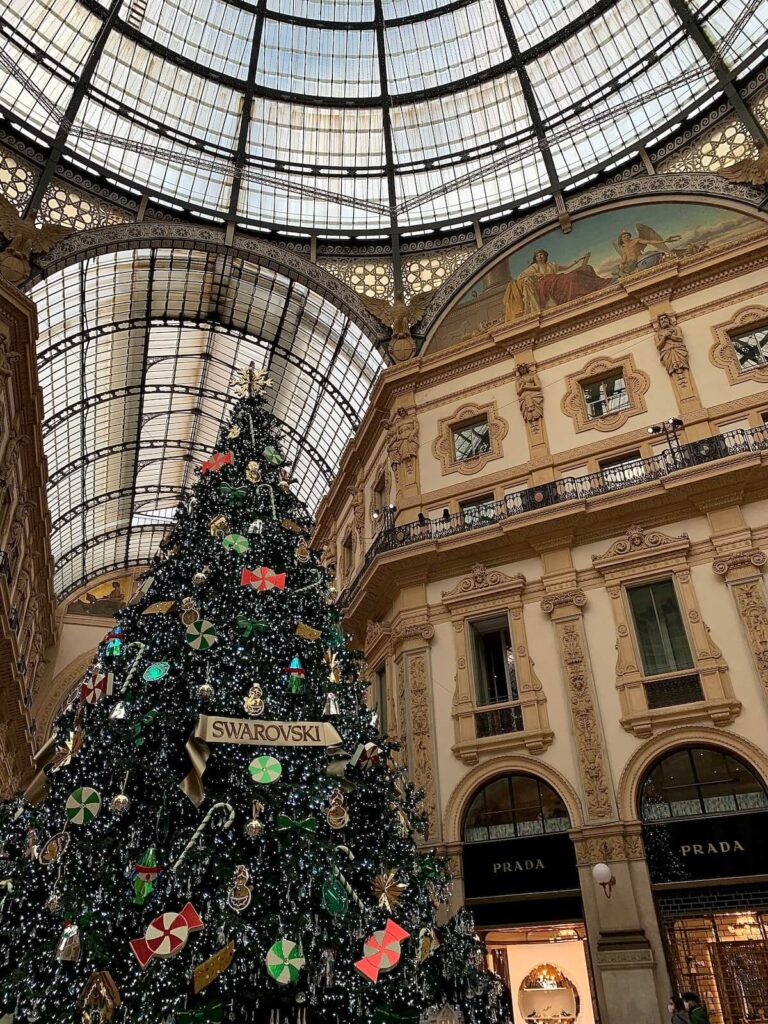
Fall and especially spring are great times to visit as well. In April, in particular, there’s the Design Week, during which parties, exhibits, and events are held throughout town.
But you probably won’t be too impressed if you travel to Milan during the summer. Heat waves can be cruel, and the mosquito invasion the city is subjected to make it a tad less glamorous this time of year.
Florence
Like Milan, Florence is best avoided in the warmer months, though for different reasons. That’s when the city gets most crowded, which means prices soar accordingly. Because Florence has so many gardens, spring is a lovely time to visit.
Alternatively, you can plan your trip between the tail end of summer and mid-fall, which is grape harvest season. Wine tours through the vineyards of the area are even more inspiring this time of year, and the falling leaves turn Florence into a truly breathtaking spectacle.

Day trips
Florence
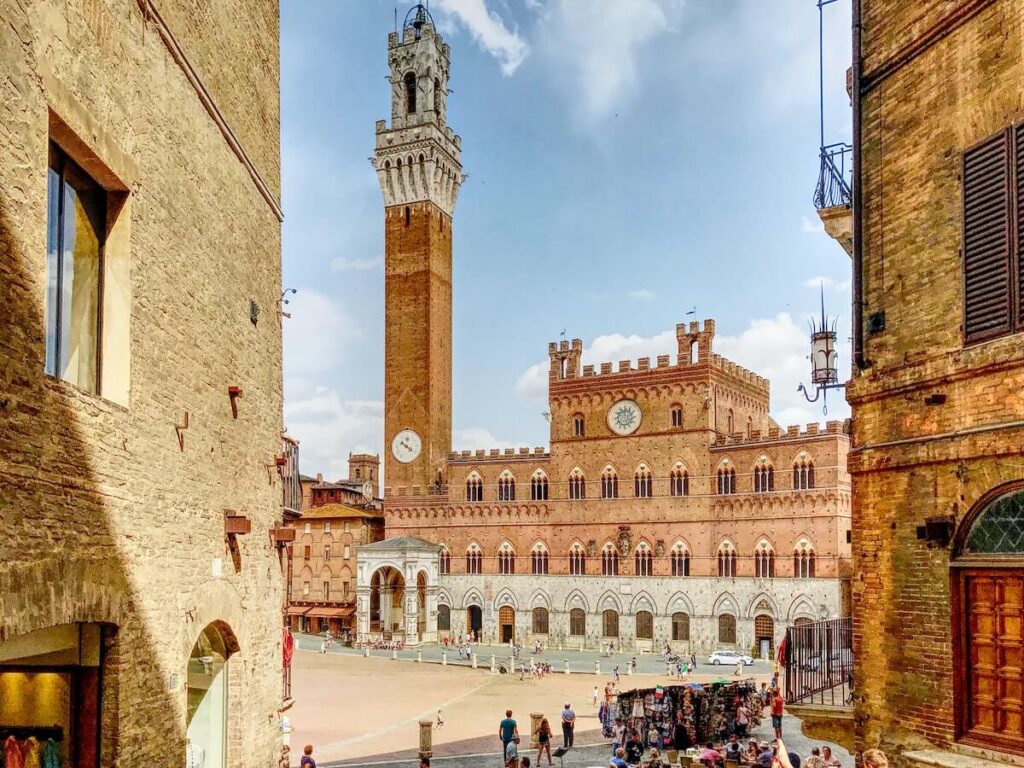
Located in the heart of Tuscany, Florence is bordered by charming medieval towns and the rolling hills of the Chianti wine region.
You shouldn’t miss dazzling towns like Pisa and its Leaning Tower and Siena (pictured above), which hosts the Palio horse race twice a year.
Within the Province of Siena, by the way, you’ll find lots of other stunning sights, such as the village of San Gimignano (aka the “medieval Manhattan”) and Val d’Orcia, home to the most evocative landscapes in the Tuscan wine country.
Take a wine tour of the surroundings or, if you’re more of a nature lover, reach the secluded Foreste Casentinesi National Park in the neighboring Apennine Mountains.
Milan
The topography of greater Milan, in turn, is a tad more extreme. The city is in the middle of the sprawling Po Valley, but it’s also less than an hour away from the foothills of the Alps.
Highlights in the area include Lake Como (below), from where you can wonder at the snow-capped peaks, as well as quaint towns like Bergamo and Cremona and the Franciacorta wine region.
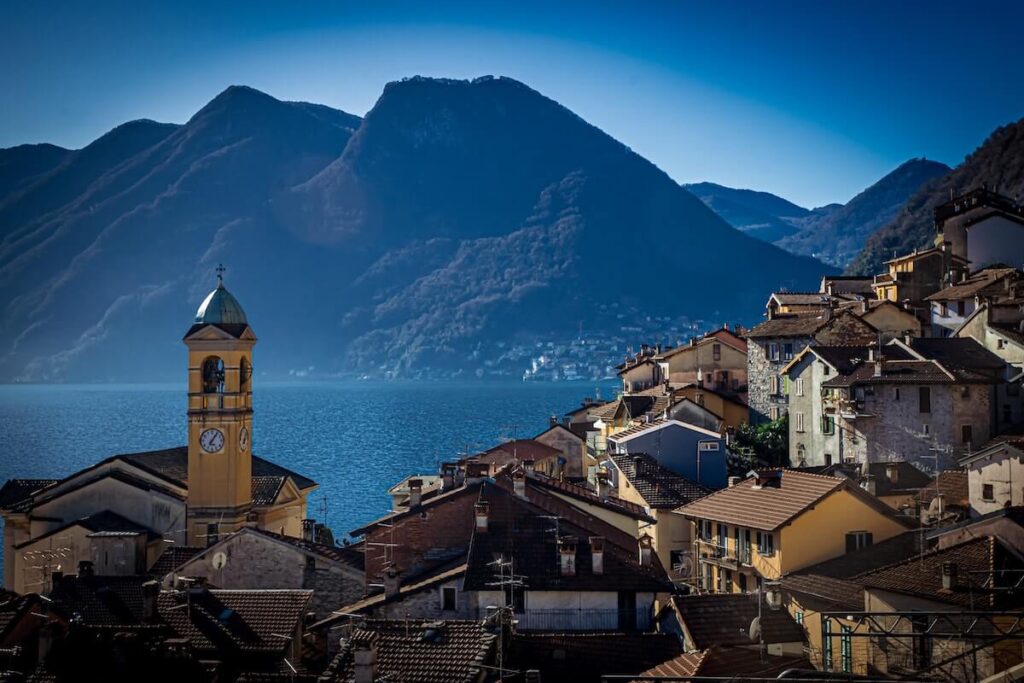
In fact, most cities in northeastern Italy are day-trip material if you hop on a high-speed train from Milan — whether small ones like Mantua and Parma or large ones like Turin and Genoa.
Bottom line: Which city is best?
Call me wishy-washy if you want, yet objectively speaking I don’t think you could say either Milan or Florence is superior.
On the contrary, both are full of world-class attractions and fun things to do and should definitely be placed near the top of your bucket list.
Perhaps what we can say is that history and architecture aficionados will have a field day in Florence, while travelers in search of a cosmopolitan experience with a quintessentially Italian touch will find it in Milan instead.
Anyhow, you can rest assured that each of these two cities is a fascinating place in its own right. Although Rome likely offers a better introduction to Italy, Milan and Florence easily deserve to be your second destination as you tour the country for the first time.