
You’ve seen it on shows like The Bridge and you just can’t wait to get your knitted sweater on and head to Copenhagen – but there’s a lot more to discover about “the City of Spires”. The Danish capital is the cultural and economic epicenter of Denmark and 794,128 people call the city center home.
What else is Copenhagen known for?
Copenhagen is known for being the city of fairy tales. Reputed to be happiest city in the world, Copenhagen is known for its canals, excellent food, Tivoli Gardens, and for once being home to the children’s writer, Hans C Andersen. It is also famous for the Danish language, its community spirit, and beer breweries.

Danes say the only way to understand ‘hygge’ is to experience it, and Copenhagen is made for just that. Let’s take a closer look at the 20 things that Copenhagen is known for!
Table of Contents
1. Tivoli Gardens

Copenhagen is famous for its exquisite gardens, and the best of all has got to be Tivoli.
Built in 1843, Tivoli Gardens of Copenhagen is the second oldest amusement park in the world. When Walt Disney visited Tivoli, his souvenir was the inspiration to build Disney World – thank you, Tivoli!
Eat, play, and join in the fun at Tivoli whatever time of year you visit. However, Christmas is when Tivoli undergoes its most impressive transformation, with over 1000 Christmas trees and a bustling market.
Pick up some hand-knitted socks or traditional Danish apple donuts, æbleskiver, and experience a fairytale winter wonderland!
2. Nyhavn

Chances are, you recognize the irresistibly charming houses in the district of Nyhavn, even if you haven’t been there before. These quintessentially Scandi buildings are bursting with life all year round.
Originally a commercial hotspot back when Denmark made most of its money from herring fishing, it’s now known for great restaurants, the canal, and jazz music. Absorb the view of the canal and treat yourself to a meal at Skagen, famous for typical Danish dishes.
Hans Christian Andersen, the writer of fairy tales like The Little Mermaid and Princess And The Pea, lived at number 20. This very Instagrammable location is where many of Denmark’s past celebrities lived, and you can often spot it in movies or on TV.
Tours to discover more of Nyhavn
- 🛴 See Nyhavn and other highlights of Copenhagen during this 2 Hours Copenhagen Segway Tour with a guide (all equipment and instruction included)
- 🛥️ Cruise through Copenhagen’s canals and discover Nyhavn from the water on this Copenhagen Canal Tour
- 🚲 Enjoy popular attractions in Copenhagen with a 3-hour City Highlights Bike Tour
3. Canals

By the way, Nyhavn is the starting point for one of the many canal tours you can take in Copenhagen!
You’ll notice that the canals winding their way through the city are conveniently situated beside many of Copenhagen’s most popular attractions: The Opera House, Black Diamond Library, and the old stock exchange.
Make life easy for yourself and hop aboard for an hour-long canal tour of the city, given in English and other European languages by experienced guides for just 99 DKK ($16).
They’ll give you a historical overview and answer any questions you may have – and some of the tours are themed! Jazz night, anyone?
4. The Little Mermaid

Known to Danes as Den Lille Havfrue, the statue of The Little Mermaid is Copenhagen’s most visited attraction.
Designed by Edvard Eriksen, a Danish sculptor, the sculpture of The Little Mermaid has been part of the Copenhagen landscape since 1913. Commissioned by the owner of the Carlsberg Brewery, J C Jakobsen, she is now a symbol of the city and Denmark as a whole.
She sits just above the lapping shores of the Baltic Sea staring at the land she so desperately wanted to live on. And when you see Copenhagen for yourself, who could blame her?
A guided canal cruise through the Nyhavn waterfront and past the Little Mermaid statue can tell you more about the history of the statue. You can also give her a wave if you walk past, although she’s rarely lonely. Hundreds of people come to see her every day from all corners of the earth.
5. Rosenberg Castle
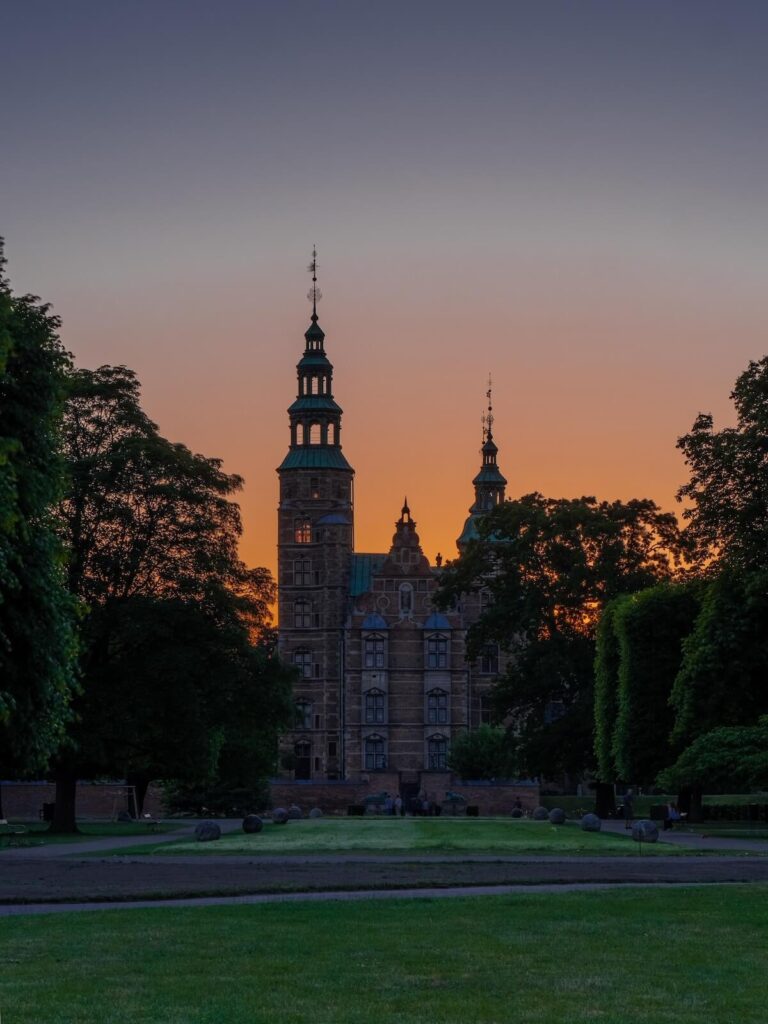
One of Denmark’s historical landmarks, the Rosenborg Castle was built in the Dutch Renaissance style in 1606. It served as a royal summerhouse until 1710 (and during emergencies in 1794 and 1801).
Today, the castle is open to the public for tours, which is highly recommended if you’re interested in learning royal Danish culture. When visiting, don’t miss the exhibitions of the Crown Jewels (which are still worn by the Queen on state visits and special occasions), the Danish Crown Regalia, and the Throne Chair of Denmark.
Not into royal jewelry and paraphernalia? Rosenborg is still worth visiting, if only to explore the Kongens Have (“The King’s Garden”), also known as the Rosenborg Castle Garden. It’s Denmark’s oldest royal garden and is the most visited park in central Copenhagen.
Pro tip: You can enjoy free entrance to 80+ different museums and attractions (including Rosenborg) and take advantage of free public transportation with the Copenhagen Card-Discover.
6. Noma

Say “Copenhagen” and foodies all over the world will clap their hands together with delight and exclaim: “Noma!” If you don’t recognize the name, here’s why it’s a big deal.
Copenhagen is home to the world’s best restaurant. At least, it won the title of World’s Best Restaurant in the years 2010-12, 2014, and 2021. It also received three Michelin stars in 2021.
Noma gets its name by putting the words ‘Nordisk’ and ‘Mad’ together. And while the food may be unconventional, the ‘mad’ actually means ‘food’ in Danish.
At Noma, you’ll be served anything from soup concealed in potted plants to edible flowers, which is about as fine dining as you can get. You need to book months in advance and menus are seasonal so they constantly change.
While we recommend you give it a go at some point, it comes with a hefty price tag. A meal here will set you back about 2,300 DKK ($375).
7. ‘Fællesspisning’

Don’t let Noma trick you into thinking Copenhagen is too expensive to eat in. You can dine for just 20-100 DKK ($3-15) a meal if you know where to go.
Enter the Danish concept of ‘fællesspisning’ or, literally translated, ‘eating together’.
Copenhagen is known for promoting community spirit, and going to a fællesspisning event will do just that. You’ll eat at a long table, Viking-Style, and meet people of all ages and backgrounds. Get to know locals and other travelers and eat for next to nothing, it’s a win-win!
At Kafa X you’ll only pay 20 DKK ($3.20) for a large vegan or vegetarian meal, made entirely of food that would have gone to waste. If you help cook or clean up, you can even get your meal free!
Other regular fællesspisning events are hosted at places like Absalon, KU.BE, and Kraftwerket.
8. Smørrebrød

Copenhagen is also famous for its local delicacies, in particular smørrebrød, an open-top rye bread sandwich. It’s true that Danes love their bread, with most of them eating smørrebrød for lunch a couple of times a week.
Perfect as a snack or light meal, smørrebrød is exactly what busy explorers need to fuel their adventures. The sauce Danes love the most is the famous rémoulade, which often features on top of a smørrebrød. You’ll be wanting to take it home with you when you’ve tried it!
Smørrebrød is available in cafés and restaurants all over Copenhagen. If we had to rank the best places to try it, we’d probably recommend the aptly-named Smørrebrød, ØL & BRØD or Mad & Kaffe.
9. ‘Danish’ pastry

Another thing Copenhagen is famous for are Nordic thrillers and mysteries, but one peculiarity is deeply rooted in the city.
I’m talking about Danish pastries because, in Copenhagen, they don’t call them Danish – they call them Wienerbrød (Vienna bread). In North Germany and Austria, they are known as a ‘Kopenhagener’, but Danes insist they’re Austrian.
So which is it? Well, somewhere in the middle.
The story goes that in 1840s Copenhagen, an Austrian baking apprentice made the mistake of not kneading butter into his dough. Instead, he layered it, and thus, the Danish pastry was born.
Why Danes resist being credited for these delicious treats is probably the biggest mystery of all. If you want to sample a Wienerbrød or another sweet treat yourself, we recommend La Glace, Copenhagen’s oldest bakery.
| Tip
Have a taste of the art of baking Danish pastry during this Danish pastry baking class, where you will learn to bake Danish happiness. A professional pastry chef with many years of experience will guide you through all the different baking techniques and tips including kneading, rolling, and folding the dough with butter.
10. Danish hot dog
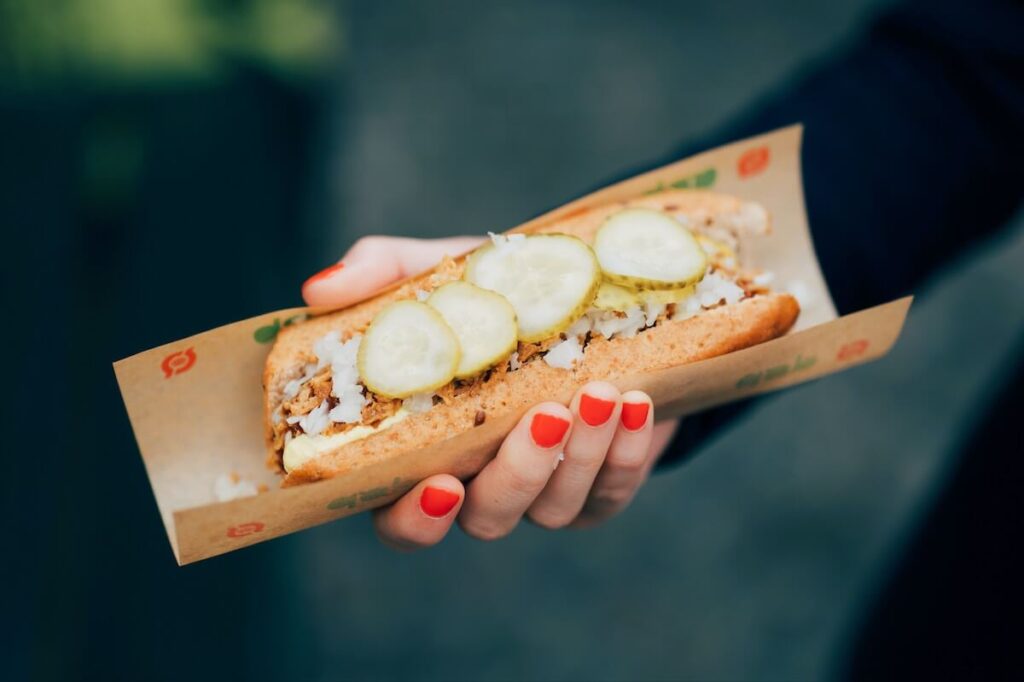
Sure, hot dogs are traditionally credited to Germany but don’t let that stop you from trying Danish hot dogs.
A much-loved street food in Copenhagen, Danish hot dogs or rødpølser (red sausage) is a type of thin, bright red pork sausage typically smoked over beech wood. Spices such as nutmeg and cardamom are used — you can just imagine how glorious that first bite is.
But what makes the Danish hot dog more special is the topping. A variety of condiments like pickles, red onion, fried shallots, remoulade (a French mayo-based sauce), ketchup, mustard, and cucumbers can be added.
11. The Danish language

Unless you’ve been living under a rock for the last five or six years you’ll definitely have heard of ‘hygge’. It seems you can’t escape Scandimania, and several Danish words have been increasingly slipping into English recently.
But did you know that the Danish language is only comprised of 200,000 words? It’s hard to pronounce, even the Danes admit that, but it’s got some adorable terminology. Many English words have their roots in Danish from the Vikings: including days of the week, ‘cake’, and ‘glitter’.
Copenhagen is known to be the happiest city in the world, and when they call a butterfly ‘sommerfugl’, or, summer bird, how could they not be?
12. The happiest city in the world

The Danes enjoy the best overall life satisfaction in Copenhagen, and the city ranks highest in the world for happiness! But what does that mean exactly? Well, according to studies, four simple things make for the happiest people: activity, security, family, and individuality.
Danes are, by nature, active people. Most people cycle or walk to work, and spend their weekends with their families outdoors to get their blood pumping.
In Copenhagen, the average working week is 37 hours long giving parents more time to spend with their children. With 52 weeks of paid maternity and paternity leave, Danish moms and dads get a lot of time to spend with their newborns!
Whilst community spirit is greatly encouraged, Danes appreciate individual quirks. Gender, sexuality, and the job you have are not indicators of your personality or worth in Denmark.
13. Cycling

Copenhagen is also known for being one of the most bike-friendly cities in the world.
The cycle path in Copenhagen is an impressive 412km (256 miles) in length. Over 62% of Copenhagen’s citizens commute to work, school, or university by bicycle. Even more astonishingly, almost as many people commute by bike in Copenhagen as in the entirety of the United States!
If you want to take the easiest and cheapest route around Copenhagen, rent a bike! The landscape is flat making it ideal for easy cruising.
If you like cycling, then consider exploring the city by bike. Check the tours below and choose the best one for you!
Bike tours in Copenhagen
14. Carlsberg Beer and Brewery

Danes have been drinking beer for 5,000 years so it’s no wonder that Copenhagen is famous for its beer and breweries. It’s estimated that Danes drink 80 liters (21 gallons) of beer per person – and the most famous Danish beer, Carlsberg, is brewed in Copenhagen.
J C Jakobsen founded Carlsberg in 1847 and he named it after his son, Carl. The old brewery is open for tours if you’re curious to see how it’s made, but mostly it’s a great excuse to sample some for yourself!
The average beer price is 30 DKK ($4.50) in Copenhagen, making it vastly cheaper than its neighboring countries.
15. One of the world’s oldest monarchies

Copenhagen is famous for being home to the Danish royal family, one of the oldest monarchies in the world. Her Majesty Queen Margarethe II of Denmark can trace her family back an impressive 1000 years.
In fact, the known beginning of her lineage is that of the Viking king, Harald Bluetooth, whose name is now used every time we want to connect to something wireless — bet you didn’t know that! The royals are immensely popular in Denmark, and frequently top the Dane of The Year polls.
You can try to catch a glimpse of them by visiting Amalienborg palace, or just walk around outside and take in its size and beauty.
16. City of Spires

Copenhagen is famous for being the City of Spires. Grab a friend and get the best views from way above. Whichever direction you look in, you’ll see something you haven’t seen before!
The tallest tower is located at Christiansborg Palace, the original home of the Danish royal family. At almost 106 meters (348 feet) you can see for miles around.
If you love walking then Copenhagen makes it possible for you to literally climb your way to the top. Check out the views from the City Hall Tower or The Marble Church.
17. Bargain Danish buys

Many of us are in awe of Danish design, be it clothes, jewelry, books, or homewares. Buying them brand new is out of many people’s price range, but luckily you’ve got a few options.
If you want something really unique to bring back with you from Copenhagen, you’ve got to check out Fredriksberg Loppetorv. This flea market is open every Saturday from April to mid-October, and you can pick up a bargain for very little money.
If you’re visiting in wintertime, check out the shop Loppehylder. Locals rent a shelf in the shop to sell their unwanted stuff, and in return, you can give an old item a new home!
18. Fastelavn

A Nordic tradition, Fastelavn is a Carnival likened to Halloween because it involves kids dressing up in costumes, knocking from door to door, and receiving candy in exchange for singing. But the similarities end there.
Fastelavn has spiritual roots and is related to the Roman Catholic tradition of Carnival leading to the days before Lent. As Lent requires fasting from fatty foods and meat for 40 days, Fastelavn served as a ritual-based feast before the penitential season. However, as Denmark became largely Protestant, the holiday took on distinctly Danish traditions.
Today, celebrations are most centered on fun children-friendly activities such as parades, a game called “can in a barrel”, which is similar to using a piñata, and the previously mentioned trick-or-treating.
And what is a festival without food? In Denmark, fastelavnsboller is popular. This round bun contains a thick, sweet cream and is usually covered with icing. Most bakeries start selling it weeks before the actual Fastelavn date, which happens on the Sunday or Monday that falls seven weeks before Easter.
19. Copenhagen Zoo

Founded in 1850 by the Danish ornithologist Niels Kjerbelling, Copenhagen Zoo in Frederiksberg is one of the oldest zoos in Europe. It’s located on the outskirts of the city, with 11 hectares of land housing over 4,000 animals from all over the world.
Copenhagen Zoo features more than 240 different species. Lions, tigers, lizards, elephants, monkeys, pandas, polar bears — name it, this zoo has it.
Apart from the animals, this zoo takes pride in its architectural innovations. Must-see structures include the Panda House by Bjarke Ingels Group, the Elephant House by Norman Foster, and the Arctic Ring, which takes you through a tunnel with a 360-degree view of the polar bears’ swimming pool.
Get your Copenhagen Zoo entry ticket here!
20. One of the most sustainable cities in the world
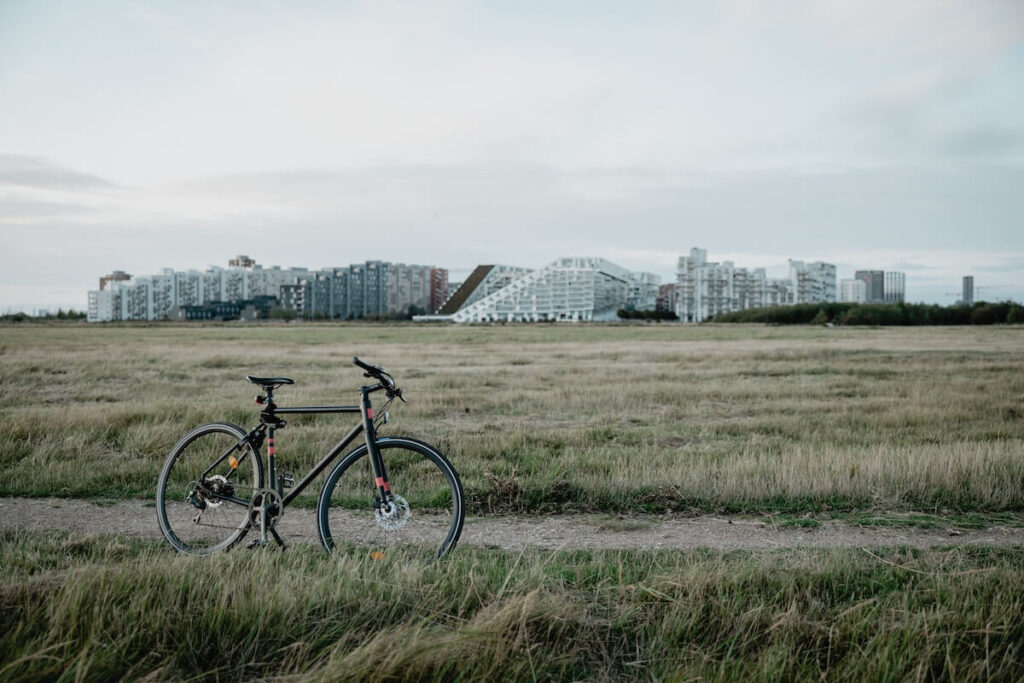
Copenhagen is known for being a leader in sustainability. The first thing you’ll notice is how bike-friendly the city is — it is, in fact, consistently one of the top five most bike-friendly cities in the world. As mentioned earlier, more than half of the city’s population commute by bicycle.
But Copenhagen’s eco-friendliness goes beyond cycling. It also has plenty of parks and green spaces as part of its excellent urban planning.
Then there’s CopenHill (also by BIG, the designer behind Copenhagen Zoo’s Panda House), a waste-to-energy power plant with a ski slope, a hiking trail, and a climbing wall on top. The architectural stunner-slash-recreation center plays a big role in Copenhagen’s goal of becoming the world’s first carbon-neutral city by 2025.
And of course, Copenhagen (or Denmark, as a whole) loves organic food and everyone’s encouraged to shop locally.

Copenhagen is known for many different things, but you’ll definitely find a few of your own favorites when you visit! Next time you find yourself in Denmark, be sure to go exploring this fantastic city.
Want to know more about Scandinavia and places to visit? Check out our Norway and Sweden guides!
Planning your trip to Copenhagen?
- 🏨 Find the perfect accommodation on Booking.com
- 🎡 Discover unique attractions with Tripadvisor
- 🚘 Hire a car on Rentalcars
- ✈️ Buy the cheapest flight tickets with WayAway
What is Copenhagen famous for? – Pin it!



Really helpful in deciding, based on this information, whether or not to visit Denmark, on its in, without also seeing Sweden.
helped me do resarch
Heappy to read about of this beautifful city
Lovely we have lots to think about with our visit in January 2023 looking forward to it great read thanks