
*This article may contain affiliate links. For full information, please see the disclaimer here.
Taipei, the vibrant capital of Taiwan, is where history, street food, and neon-lit modern life collide in the most exciting way. It’s a city that manages to be ultra-efficient, perfectly safe, and utterly charming all at once, which is why it’s such a fantastic destination for first-time visitors to Asia.
For me, having been to Taipei twice already, it’s a city I can’t stop thinking about—and I’m already planning my third trip. The kindness of the people, the efficient MRT system, and the sheer volume of incredible things to eat and see make it one of my favorite places in the world.
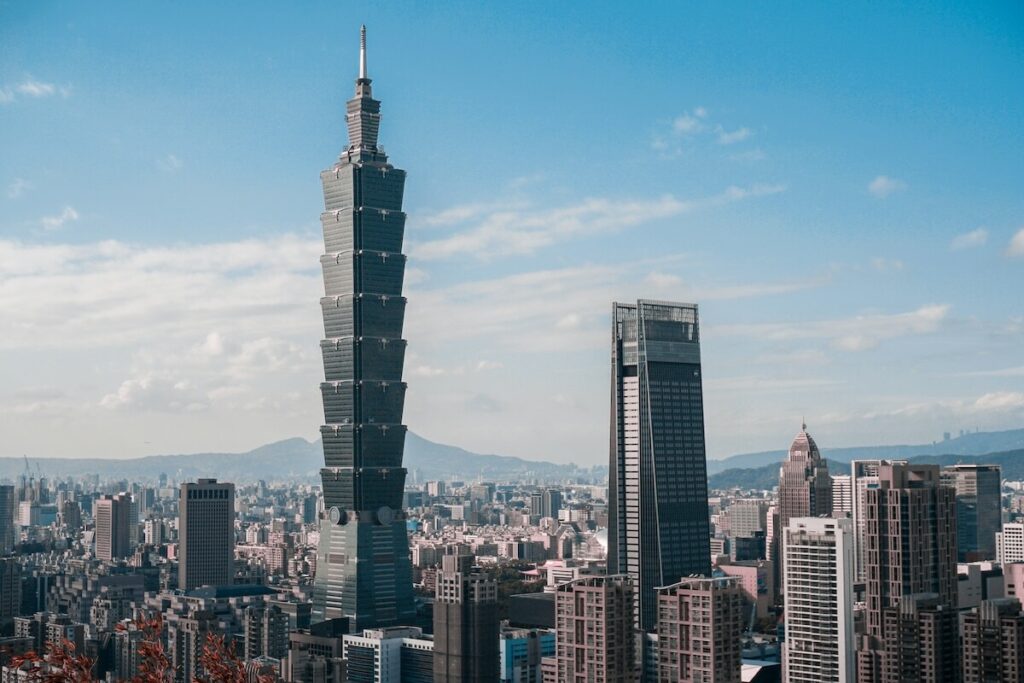
While three days in Taipei is undeniably a short time, you can absolutely pack the highlights into a concentrated and unforgettable trip. This 3-day Taipei itinerary is designed to immerse you in the city’s best experiences without leaving you feeling totally exhausted.
We’ll cover some of the iconic sights Taiwan is known for (like the majestic Chiang Kai-shek Memorial Hall and the towering Taipei 101), dive into the local culture with a trip to the serene Longshan Temple, explore the traditional shops of Dihua Street, and, of course, spend quality time indulging at Taipei’s famous night markets. It’s the perfect snapshot to get a taste of Taipei and, like me, start planning your return visit immediately!
Table of Contents
Tips for your trip to Taipei
Where to stay
Choosing the right base is crucial for maximizing a short trip, and for first-timers, I recommend focusing on three key central areas: Ximending, Taipei Main Station, and the surrounding Zhongzheng area. These spots are essentially the transport and nightlife epicenters of the city.
Ximending, often called the “Harajuku of Taipei,” is brilliant because you step out straight into street food, shopping, and entertainment, plus the MRT access is fantastic. Taipei Main Station and Zhongzheng offer unparalleled convenience for airport transit and day trips, as they connect all the major train, High-Speed Rail, and metro lines.
While areas like Da’an (leafy, trendy cafes, closer to Taipei 101) or Zhongshan (boutique shops, quieter) are excellent, Ximending still wins out for its sheer convenience and non-stop energy, especially if you’re only in town for three days.
I’ve had great luck with my own stays here. On my first visit, when I was traveling solo, I stayed at Fun Inn Taipei Hostel. It was clean, super budget-friendly, and the staff were genuinely helpful. Its location close to the quieter Beimen MRT station meant I could escape the noise easily. On my second trip, with my husband and my sister, we chose LIHO Hotel Hankou, which offered a surprisingly big and clean room, and was just a short walk to the bustling Ximen Station.
To give you a few reliable options across different budgets, I also recommend Star Hostel Taipei Main for the budget traveler. This hostel is known for being impeccably clean and is perfectly located right near the main transport hub for quick airport access.
If you’re looking for a solid mid-range option, try either Caesar Metro Taipei or Cho Hotel 3. Caesar Metro is a large, contemporary hotel conveniently located near Wanhua Station, offering great transport links and facilities, while Cho Hotel 3 provides a stylish boutique hotel experience in an excellent location.
Finally, if you want to splurge a little on a luxury experience, the stunning Palais de Chine Hotel is connected directly to Taipei Main Station, giving you unbeatable convenience, topnotch service, and a truly luxurious retreat.
How to get around
Getting around Taipei is genuinely a breeze—it’s one of the city’s major selling points.
The public transportation system, built around the incredibly clean and efficient MRT (Mass Rapid Transit) subway, is brilliant. The trains are frequent, and the stations are well-signed in both Chinese and English, making navigation stress-free for first-timers. Buses and YouBikes (the public bike-share system) also cover areas the MRT doesn’t, but for this jammed-packed itinerary, the subway is your best friend.
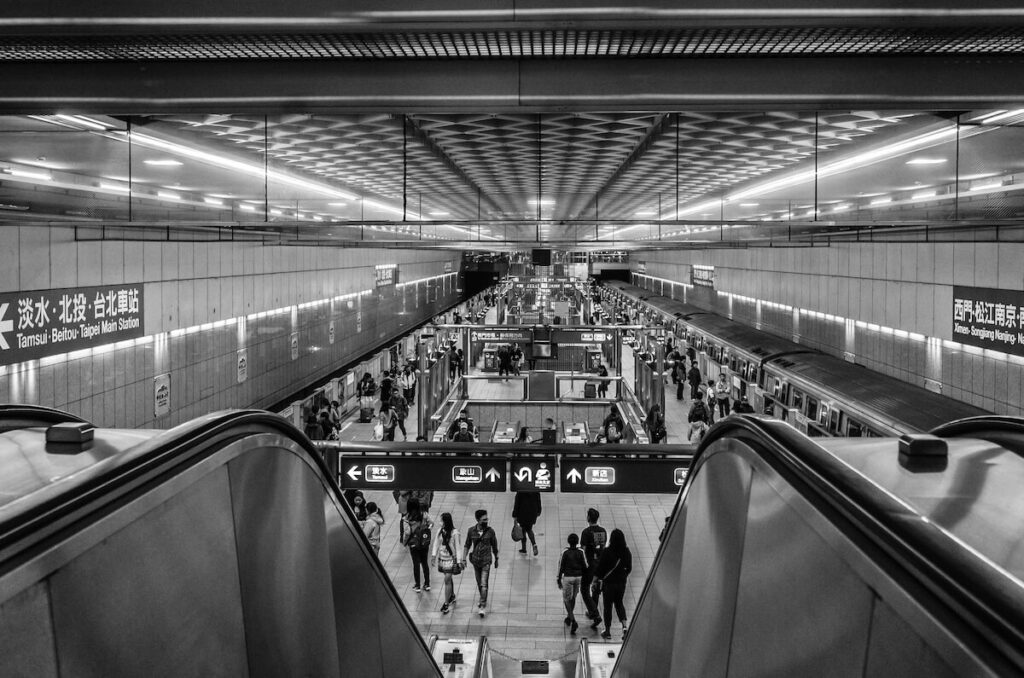
Your first order of business upon arrival should be getting an EasyCard (I purchase mine on Klook). You can purchase and top up this rechargeable smartcard at any MRT station or convenience store, which are everywhere in Taipei. It’s an absolute lifesaver because it works on the MRT, all city buses, the YouBike system, and even lets you pay for purchases in convenience stores, malls, and some restaurants. Just tap and go!
Do note that the MRT runs efficiently from about 6 AM until midnight, so you’ll need to rely on taxis or ride-shares if you’re out beyond midnight, especially after hitting the night markets.
While the transit system is excellent for covering long distances, be prepared for a lot of walking within each attraction cluster and between stations. I’ve had days in Taipei when I clocked in over 20,000 steps. That’s why comfy shoes are non-negotiable!
To make your city navigation seamless, I’ve linked the major locations to Google Maps in the itinerary—the app provides highly accurate public transport and walking directions, ensuring you spend less time getting lost and more time enjoying Taipei.
What to do in Taipei for 3 days
Day 1: Culture, shopping, and the modern skyline
Your first day is all about getting properly acquainted with Taipei by diving straight into its contrasting worlds: its deeply respected past and its gleaming, futuristic present. This is the perfect day to explore the city’s iconic history and its ultra-modern center.
Start off with the immense grandeur of the Chiang Kai-shek Memorial Hall before treating yourself to some world-class Taiwanese cuisine on famous Yongkang Street. After lunch, switch gears and wander through the creatively rejuvenated buildings of Huashan 1914 Creative Park, before capping the evening on Taipei 101 or hiking nearby Elephant Mountain for that classic skyline photo.
Morning: Chiang Kai-shek Memorial Hall
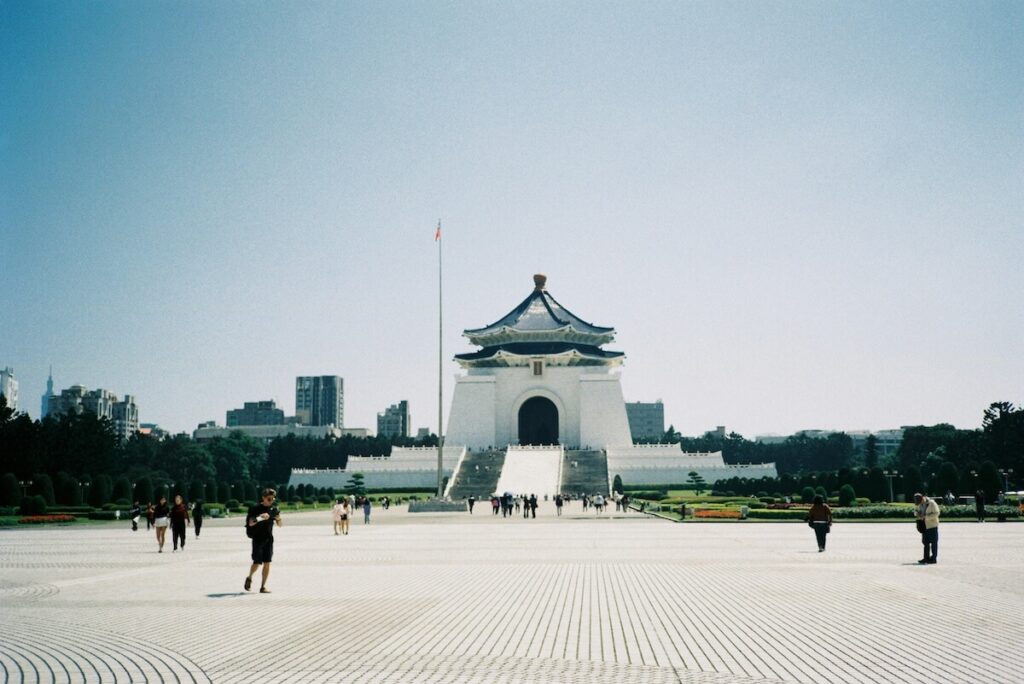
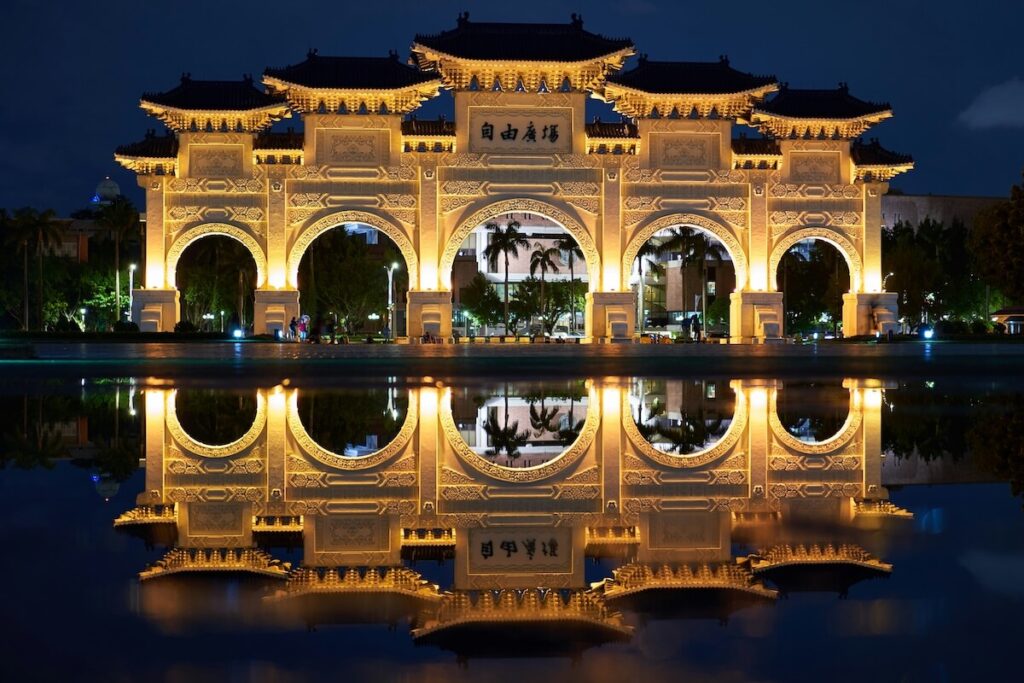
This first morning is dedicated to a truly majestic slice of Taipei: the Chiang Kai-shek Memorial Hall complex. Even though it’s the number one “must-see” on every list, this place is popular for a reason and definitely not one to skip. It’s the perfect introduction to Taiwan’s grand scale and complex history.
I recommend getting there right around 9:00 AM to take advantage of the cooler air and enjoy the vast, open space of Liberty Square before the major tour groups arrive. This way, you’ll have plenty of time to wander the square and admire the traditional Chinese architecture of the surrounding National Theater and National Concert Hall, both stunning in their blue-tiled, palace-like design.
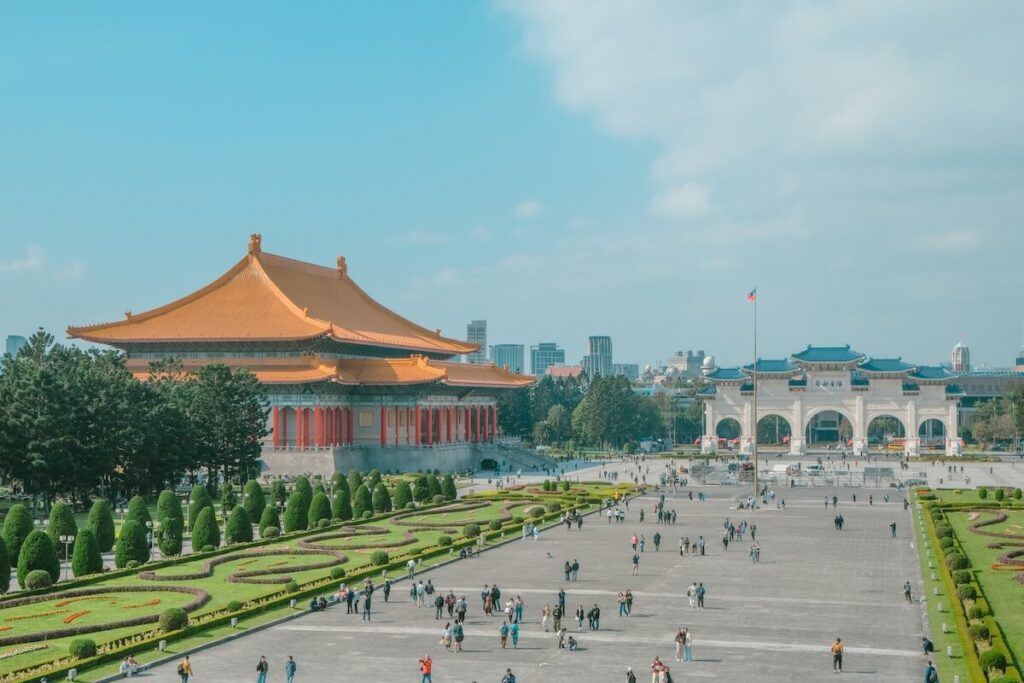
The main hall itself is a towering, octagonal structure made of white marble, which is incredibly photogenic against the bright blue sky. You’ll need to climb the 89 steps (representing Chiang’s age when he died) up to the main level, but there are elevators available if you need them.
The highlight of the morning, and the reason for the early start, is the Changing of the Guard Ceremony. This takes place hourly from 9:00 AM to 5:00 PM (it now usually happens outside the main hall on Democracy Boulevard, but confirm the exact location when you arrive).
The precision, the slow-motion marching, and the sheer discipline of the military honor guard are mesmerizing. It only lasts about 15 minutes, but it’s a ceremonial spectacle you shouldn’t miss. After the ceremony, duck into the lower levels of the memorial hall, which house a fascinating museum and library dedicated to the life of the former President and the development of modern Taiwan.
Afternoon: Yongkang Street and Huashan 1914 Creative Park
After all that history at C.K.S. Memorial Hall, it’s time for the true Taiwanese cultural experience: the food!
You can either walk or take a quick MRT ride one stop to the bustling Yongkang Street, which is an absolute foodie magnet. For lunch, you could go for a bowl of rich, savory Yongkang beef noodles—a quintessential Taiwanese dish beloved for its tender beef chunks and intense broth. Or, you can pursue the world-famous xiao long bao at Din Tai Fung.
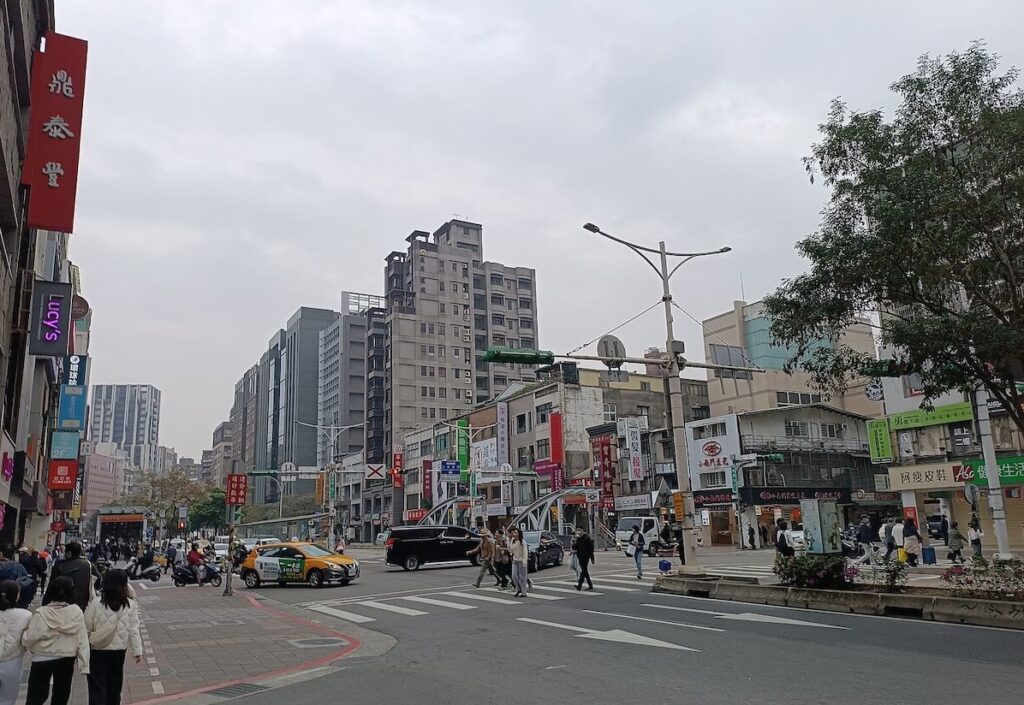
The branch right at the end of Yongkang Street (near Dongmen MRT station) is the very first one, and it’s where the legend began. While it is now takeout-only, grabbing an order of perfect xiao long bao to enjoy picnic-style in nearby Yongkang Park is a fun way to do it. Alternatively, if you want the full sit-down experience, the larger Din Tai Fung in Xinsheng is just a quick five-minute walk away.
Once your stomach is happy, it’s time for a dose of modern Taiwanese creativity at Huashan 1914 Creative Park. This place was originally a Japanese-era wine and camphor factory that fell into disuse but was saved and completely repurposed by local artists.
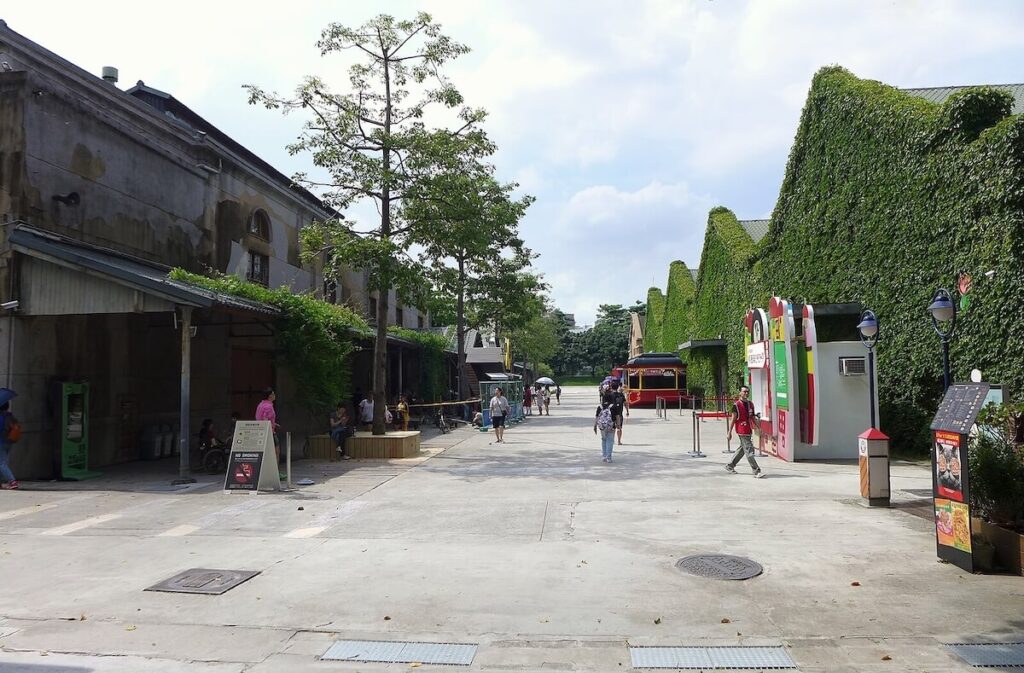
Now, it’s a sprawling, rustic complex filled with boutique shops, independent art galleries, a cinema, and trendy cafes nestled among the beautifully preserved brick warehouses. Allow yourself a solid two to three (or even more) hours here just to wander.
The buildings themselves are great photo spots, and you’ll find everything from unique souvenirs to rotating contemporary art exhibitions. It perfectly showcases how Taipei blends its industrial past with its creative future.
Evening: Taipei 101, Elephant Mountain, and Linjiang Night Market
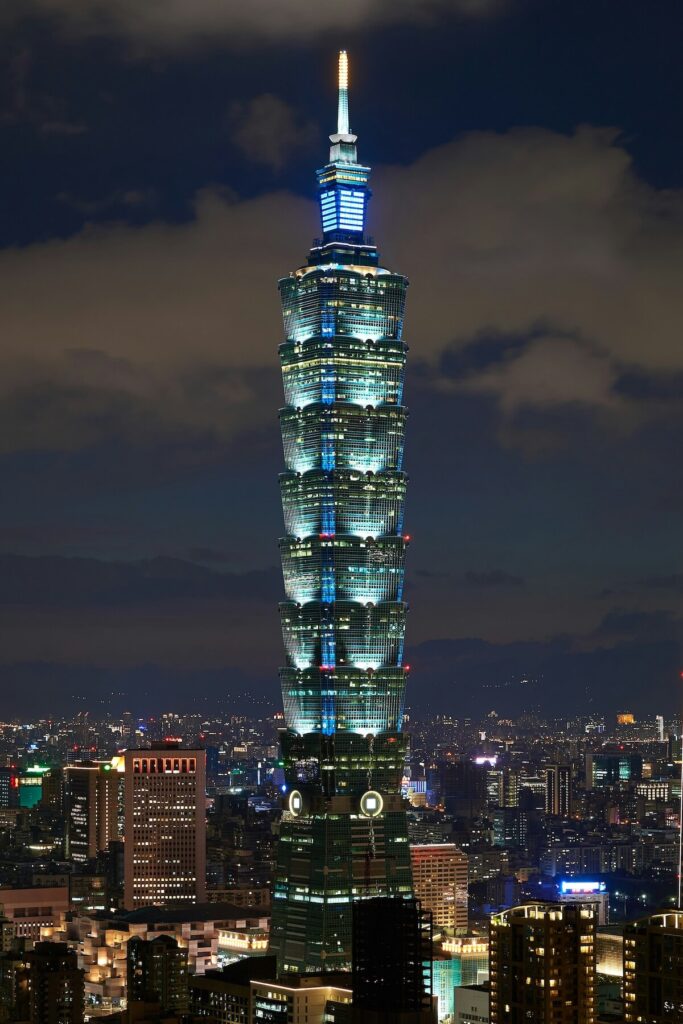
Day 1 ends with a view that instantly defines Taipei. You have a choice: experience the incredible height of Taipei 101 from the inside, or get that postcard-perfect shot of the tower dominating the city from Elephant Mountain (Xiangshan).
Hiking Elephant Mountain is one of the best things to do in Taipei at night, especially if you time it for sunset. The trailhead is just a short walk from the Xiangshan MRT station (Exit 2). Yes, the path is short but steep, consisting mostly of endless steps, but the payoff is worth the 15-30 minutes it takes to reach the first main viewing platform.
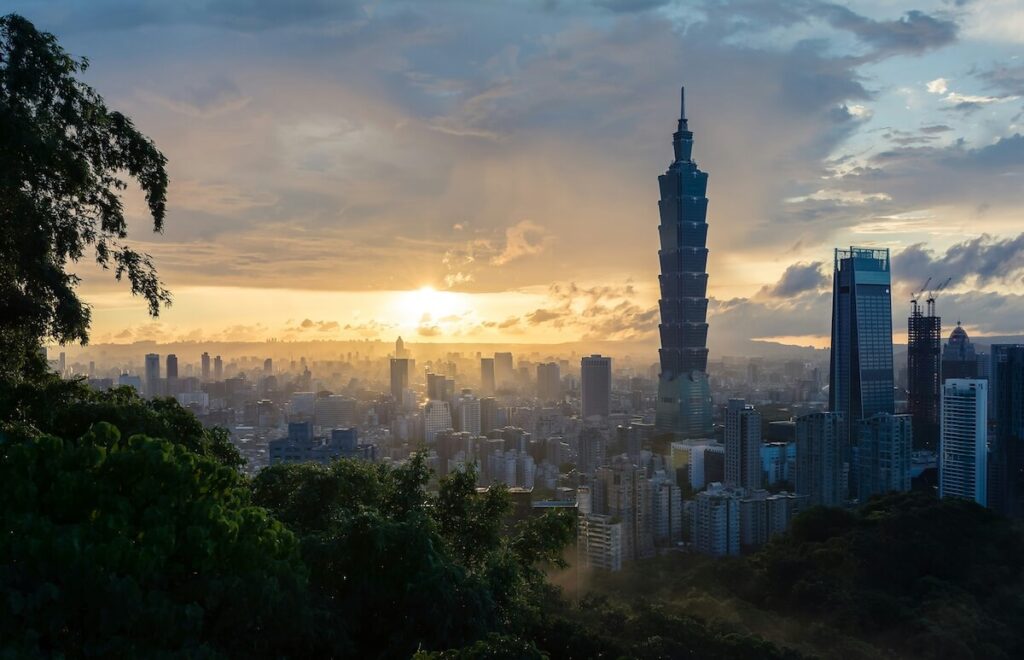
Take water, wear good shoes, and exercise caution on the steps, especially when coming down after dark (it is lit, but you’ll be sharing the path with others). The view of the tower lighting up as the city below twinkles on is spectacular.
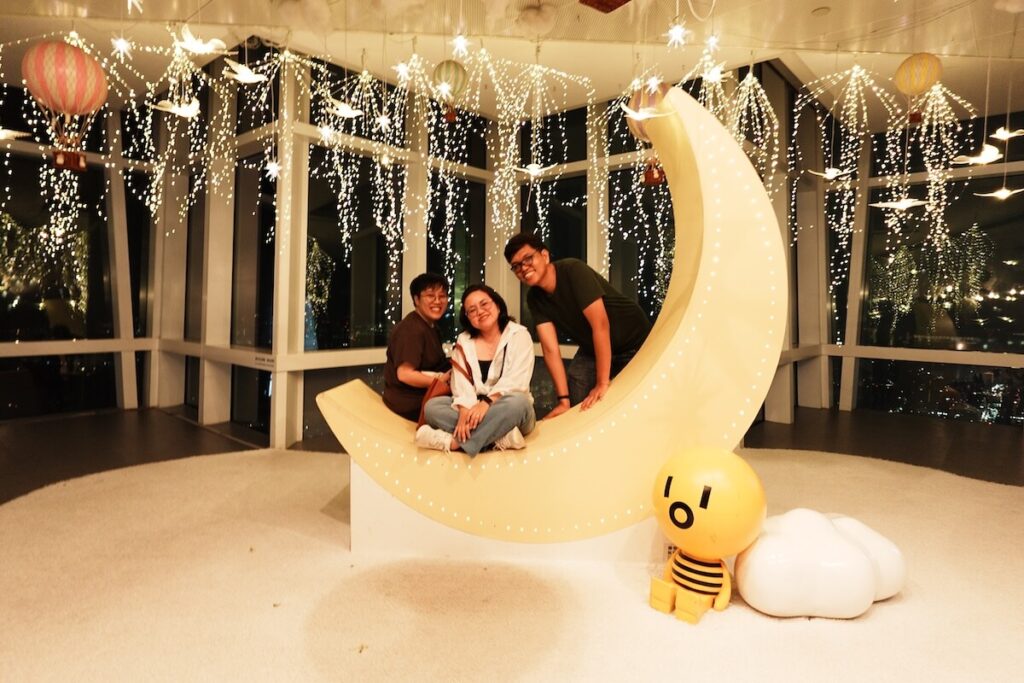
If hiking after a full day isn’t for you (totally understable), opt for the skyscraper itself. Take the high-speed elevator (one of the world’s fastest!) up to the Taipei 101 Observatory. The main 360-degree indoor observatory on the 89th floor gives you a bird’s-eye view of everything you explored today. You can get your tickets here.
You can also view the massive, gold-colored Tuned Mass Damper—a giant, visible steel sphere suspended between the 87th and 92nd floors that stabilizes the building against typhoons and earthquakes—it’s a marvel of engineering. You might also gain access to the outdoor deck on the 91st floor and the higher 101st floor.
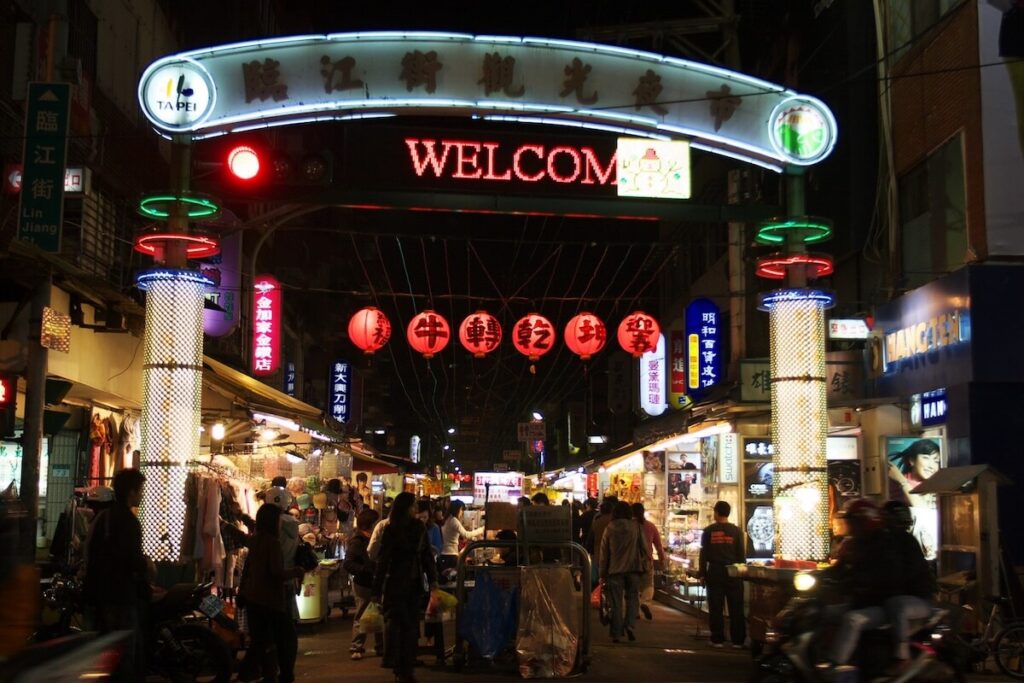
Whichever view you choose, you’ll need to refuel afterward. Just a short walk from the Taipei 101 area is the Tonghua (Linjiang) Night Market.
This is a great, slightly less tourist-heavy spot than some others, giving you a taste of a popular, local market experience. Hunt down some stinky tofu (if you dare!), try the refreshing ice and hot tangyuan (glutinous rice balls), or grab some sumptuous gua bao (pork belly bun). It’s the perfect, delicious, chaotic note to end your action-packed first day in Taipei.
Day 2: Old Taipei
Day two is where we turn the clock back and explore the original heart of the city—Old Taipei. This day focuses on history, spiritual life, and a deeper dive into local culture.
Start with the deeply revered Longshan Temple and the nearby, beautifully preserved Bopiliao Historical Block, giving you a peek into the city’s Qing Dynasty past. From there, hit Dihua Street for a taste of traditional commerce before diving into the energetic youth culture of Ximending.
Finally, after absorbing all that history, cap the day with one of the city’s best culinary experiences at the Ningxia Night Market.
Morning: Longshan Temple and Bopiliao Historical Block
The morning of Day 2 is dedicated to Bangka, now known as Wanhua District, the oldest and most spiritual district in Taipei.
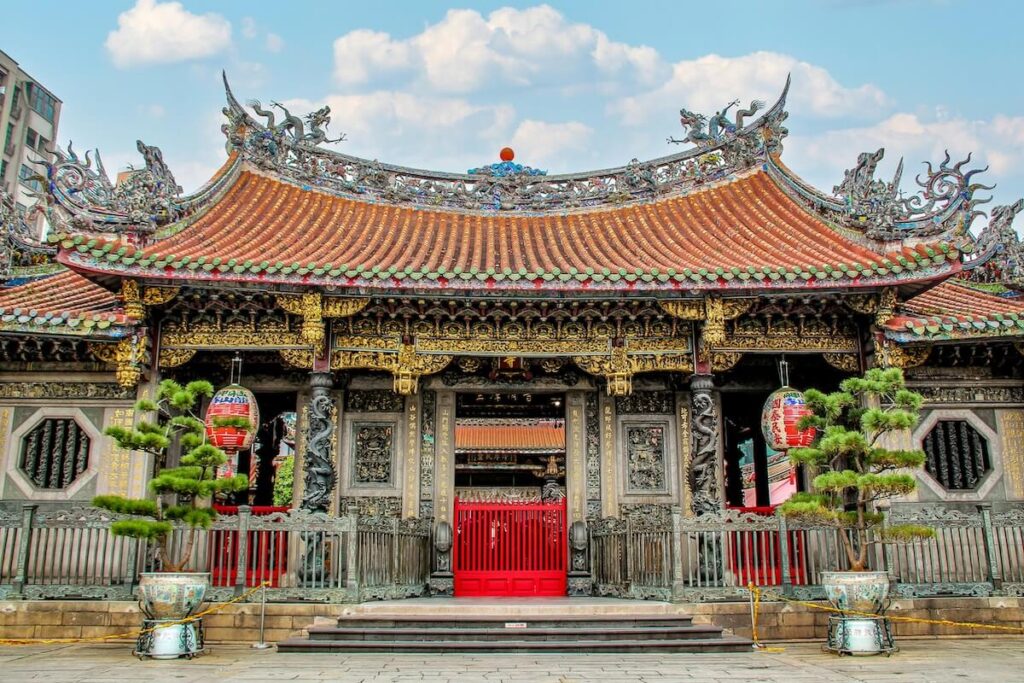
Start at Longshan Temple, which is easily one of the most stunning and atmospheric places you can visit in the city. Built in 1738, this temple has survived earthquakes, fires, and even a bombing during World War II, making its current state a testament to local devotion.
Aim to be there early—around 8:30 AM—to witness the quiet hum of local life and perhaps the end of the morning prayers (chanting ceremonies typically happen at 6 AM and 8 AM). You’ll see dozens of local worshippers lighting incense, performing rituals with the wooden “moon blocks,” and making offerings.
Right next door is a real “hidden gem” that’s a perfect follow-up: the Bopiliao Historical Block. This preserved streetscape feels like walking onto a movie set from the Qing Dynasty and Japanese colonial era. I remember being grateful for stumbling upon this block years ago; it’s an incredibly quiet and picturesque contrast to the busy temple.
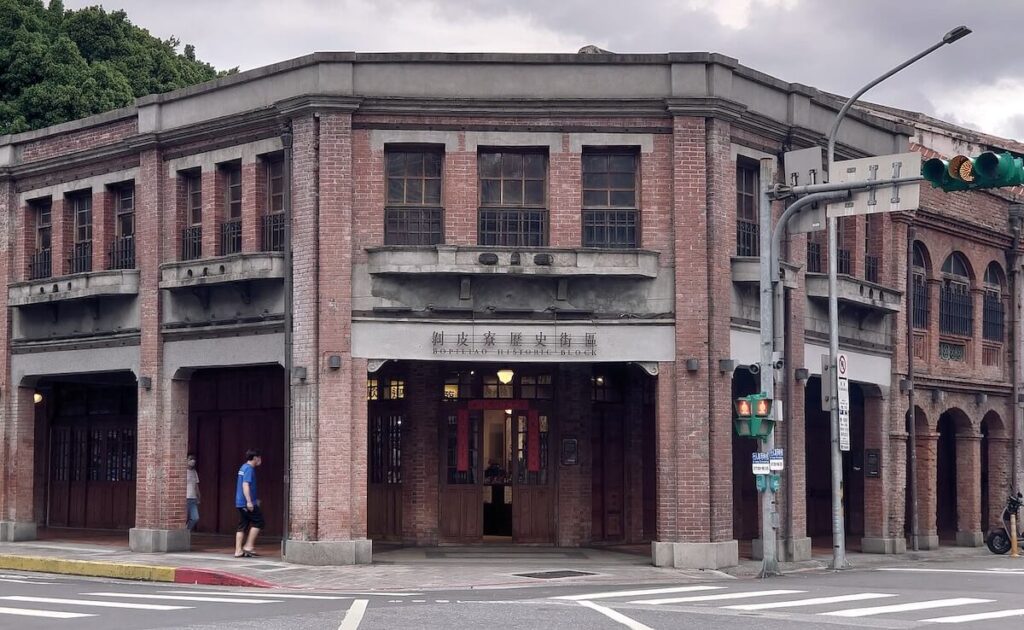
You can wander through the long, narrow alleyways lined with old red-brick buildings, many of which now house small museums or cultural exhibition spaces dedicated to the history of the area. It’s a favorite spot for photographers and is far less crowded than the major landmarks.
By the time you finish exploring, you’ll be hungry for lunch, and, thankfully, you’re in the right place! The area around the temple is famous for its old-school Taiwanese cuisine.
For a truly local, Bib Gourmand-recognized experience, try Wang’s Broth Taipei, famous for its lu rou fan (braised pork rice) and signature soup. If you want something quick, you can also grab traditional street snacks like pepper cakes or savory rice porridge from one of the vendors in the nearby markets before moving on to the afternoon’s destinations.
Afternoon: Dihua Street and Ximending
After lunch, it’s time to experience the old-world charm of Dihua Street in the Dadaocheng area. This is Taipei’s oldest commercial street, and wandering here feels like stepping back into the 19th century.
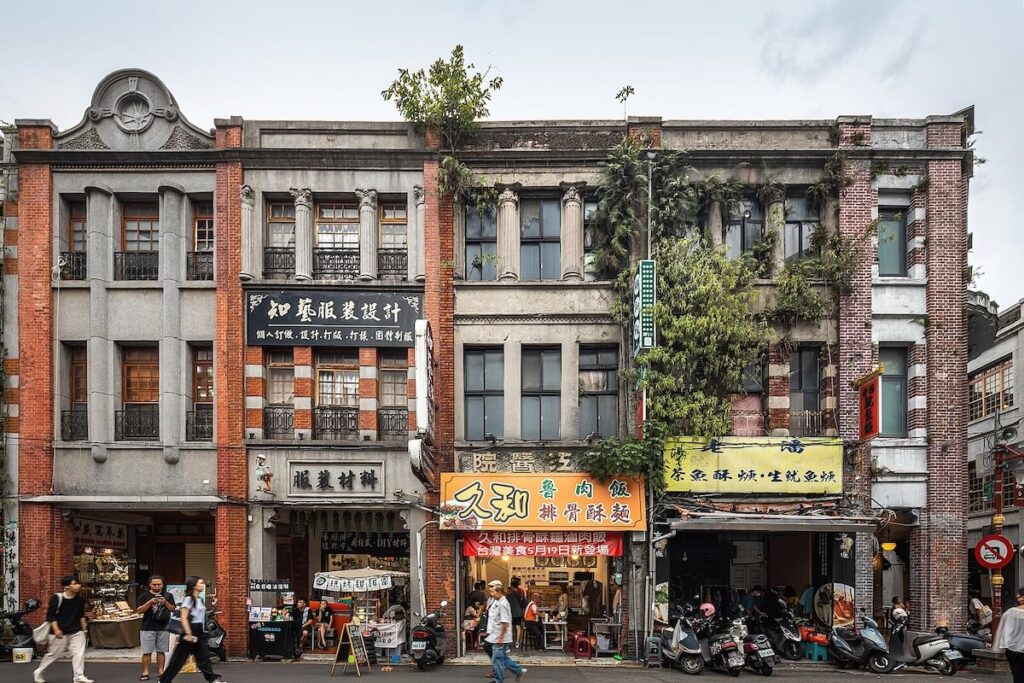
Dihua Street remains the heart of traditional commerce, famous for its shops specializing in traditional Chinese medicine, dried seafood, spices, and beautifully patterned fabrics (check out the Yongle Fabric Market for a kaleidoscope of textiles!).
It’s a great place to pick up unique Taiwanese souvenirs—I recommend looking for tea, dried fruits, or perhaps beautifully packaged local pastries like the famous pineapple cakes at shops like Li Ting Xiang. Allow yourself about an hour and a half here; it’s perfect for browsing and soaking in the classic architecture.
Next, switch from old-world Taipei to the city’s electric, modern heart: Ximending. Hop on the MRT and head over to this pedestrian zone, which is often compared to Tokyo’s Harajuku because it’s the ultimate youth and entertainment hub.
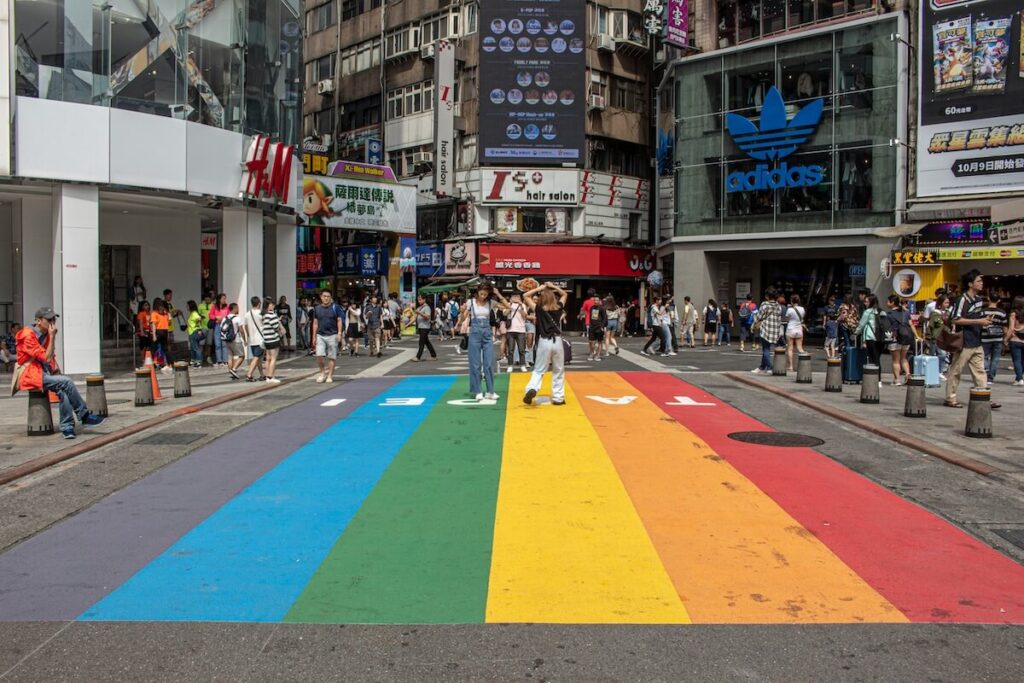
You’ll find everything from trendy fashion boutiques and enormous flagship stores (like the huge Don Don Donki) to arcades packed with claw machines and numerous themed 7-Elevens.
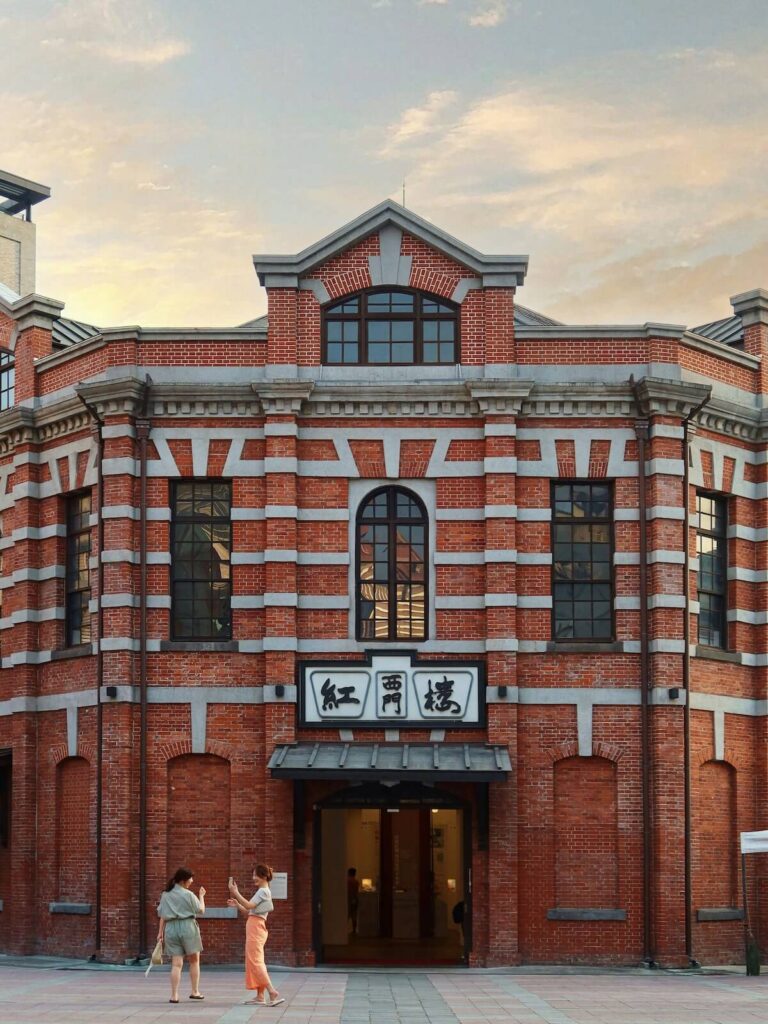
Two to three hours in Ximending should be enough for people-watching, grabbing a bubble tea, and snapping photos of the street art, especially around the vibrant Rainbow Six Crossing near the Red House (a beautiful historic theater now full of local designer shops). The Wan Nian Building is also a must-visit for toy collectors and anime fans.
Evening: Ningxia Night Market
After spending the day hopping from ancient temples to modern youth hubs, finish the second day with the main event: a food crawl at Ningxia Night Market.
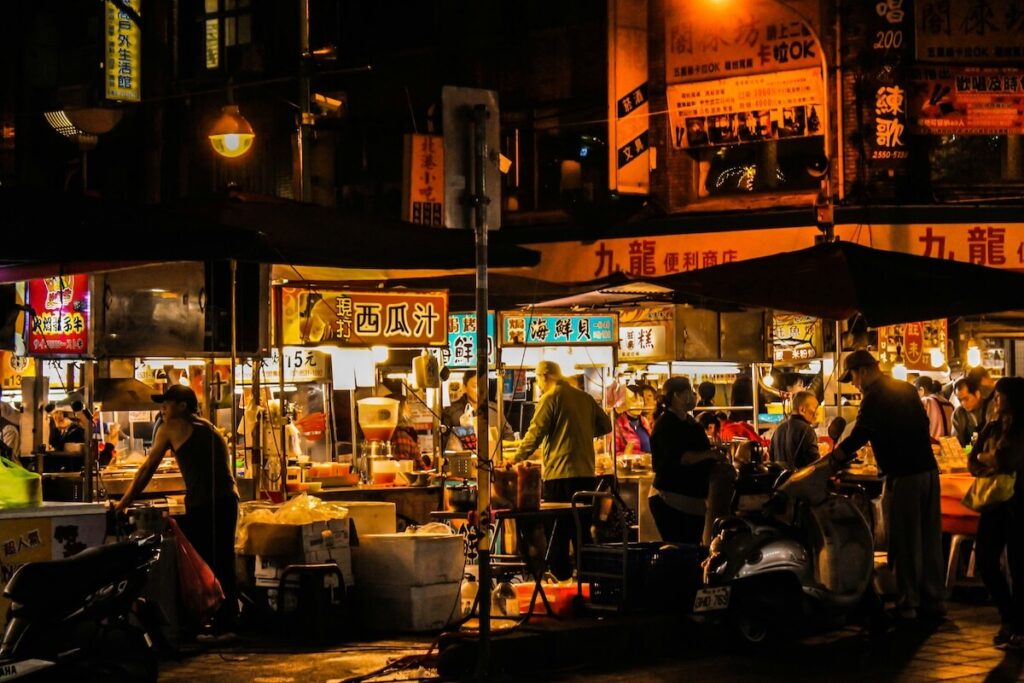
Located conveniently near the Dadaocheng area, this market is smaller and more condensed than some of the others, but it’s highly regarded by locals and foodies alike for its exceptionally high quality of traditional street food. Unlike some markets that mix in clothes and games, Ningxia is purely about eating—so arrive hungry!
You have a lot of must-try dishes here, many of which have been recognized in the Michelin Bib Gourmand list. You absolutely must try the famous oyster omelet. Look for Yuan Huan Pien for a classic version.
For dessert, prepare to queue for the legendary fried taro balls from Liu Yu Zi—get the ones stuffed with salted egg yolk and pork floss for the perfect salty-sweet combination. Other essentials include Fang Chia’s shredded chicken on rice and the hearty Rong’s Pork Liver Soup (don’t knock it ’til you try it—it’s surprisingly rich and flavorful!).
Since there are so many options packed onto this single, delicious street, I also recommend booking this walking food tour with an expert guide. This tour takes you to all the best-hidden stalls and takes all the guesswork out of where to eat, ensuring you sample the absolute best of this famous market.
Day 3: Art, hot springs, or a day trip
Your final day in Taipei is dedicated to a more flexible mix of culture and relaxation. This is your chance to explore art, relax in a hot spring, or take a half-day trip further afield.
Spend the morning among centuries of Imperial Chinese treasures at the spectacular National Palace Museum. The afternoon offers a choice: you can soothe your sightseeing fatigue by taking the MRT north to the Beitou Hot Spring District for a relaxing soak, or you can opt for the scenic route with a trip out to the misty, old mining town of Jiufen Village.
Either way, you can bring the trip to a glorious close back in the city with one final food adventure at the delicious Raohe Street Night Market.
Morning: National Palace Museum
Dedicate your final morning to high culture at the National Palace Museum, which holds one of the world’s largest collections of Chinese Imperial artifacts.
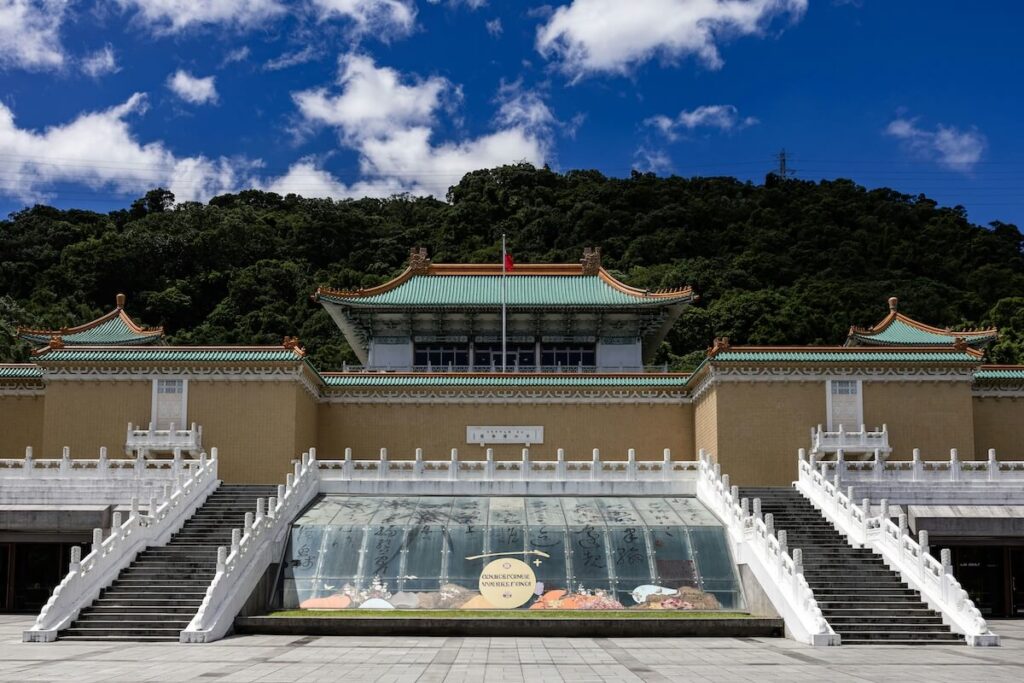
To say this museum is vast is an understatement; it is home to nearly 700,000 items spanning 8,000 years of Chinese history, many of which were moved from the Forbidden City during the Chinese Civil War. When I visited, even three hours felt far too short to see everything, so you absolutely need a game plan!
I recommend prioritizing the famous, crowd-drawing pieces first. These are the playful, intricately carved Jadeite Cabbage (which even has a tiny insect hiding in the leaves!) and its companion, the Meat-Shaped Stone (a piece of jasper cleverly carved to look exactly like a piece of braised pork belly). Beyond these iconic pieces, look for the exquisite ceramics and the ancient bronze ritual vessels.
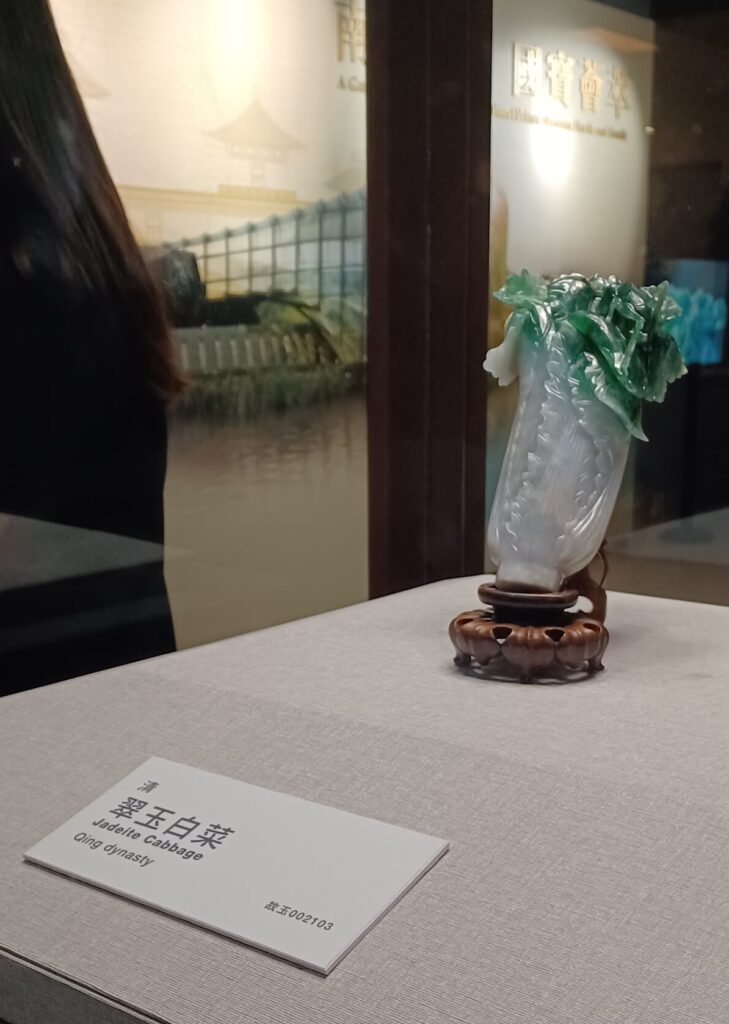
You can easily book admission tickets to explore the museum on your own. But you can also get the stories behind the artifacts by joining this guided tour. An expert guide can bring the complex history of the dynasties and the art to life so you don’t miss the essential context behind these incredible treasures.
Afternoon: Beitou Hot Spring District or Jiufen Village
Now that you’ve absorbed millennia of history and art at the National Palace Museum, it’s time for some well-deserved relaxation (or another adventure!). You have two excellent options for your final afternoon.
First, for a truly restorative afternoon, take the MRT to Beitou. This district is famous for its natural hot springs, and it feels like stepping into a peaceful, Japanese-inspired spa town.
Before you soak, grab lunch nearby; there are many traditional Taiwanese spots near the Beitou Market, such as the famous Ai Zai Cai Braised Pork Rice stall, but remember to allow at least 30 minutes after eating before you enter the hot springs.
Once you’re ready, follow the smell of sulfur to the attractions. You can explore the fascinating Beitou Hot Spring Museum (housed in a beautiful former public bathhouse) and the misty, sulfuric Thermal Valley (known locally as Hell Valley), where the water bubbles and steams.
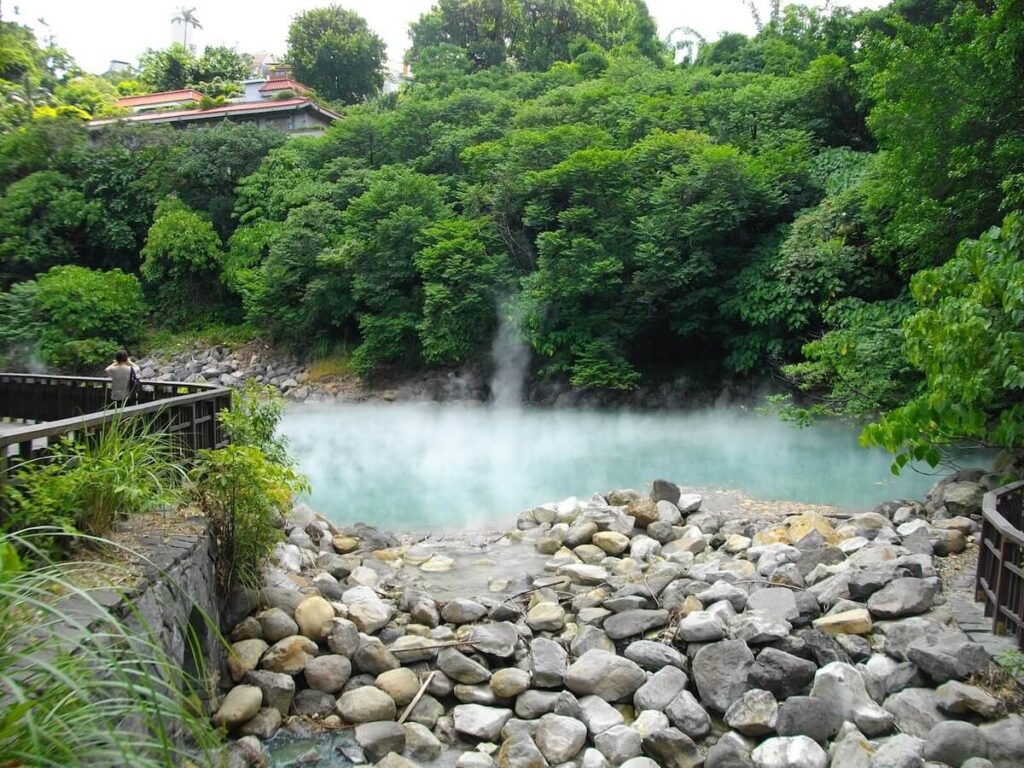
For the soak itself, you can try the popular Beitou Hot Spring Resort. Do note that wait times may apply as this resort doesn’t take reservations.
Don’t like waiting? You can treat yourself to a private experience at the Wellspring Resort instead before heading back to the city refreshed.
Alternatively, if you prefer mountain scenery and don’t mind a slightly longer travel time, you can swap the hot springs for a half-day trip to the atmospheric mountain town of Jiufen Village.
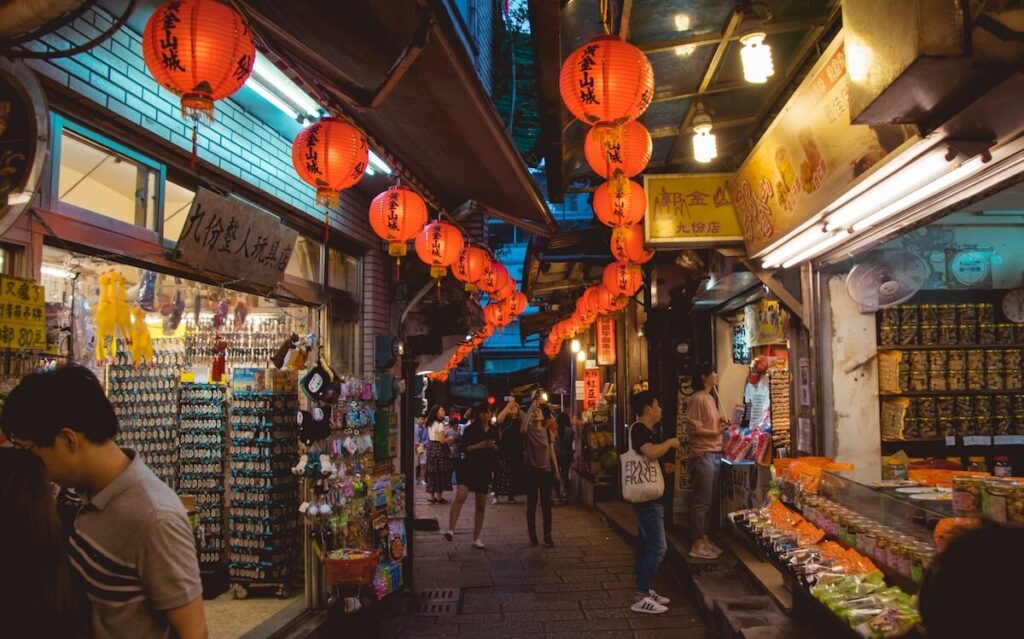
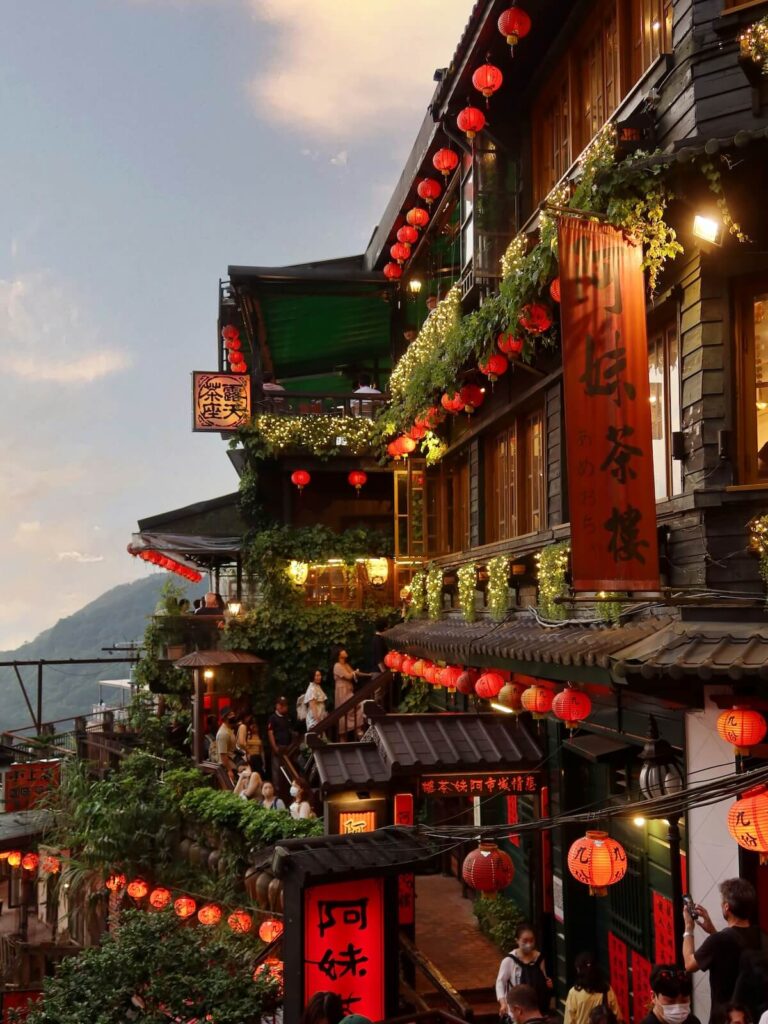
This former gold mining town is known for its narrow, lantern-lined alleys and stunning coastal views! Aim to leave Taipei around lunchtime. To get there from the National Palace Museum, you’ll need to take a bus and MRT combination, and catch the direct Keelung Bus #1062 to Jiufen Old Street. Expect about 2 hours of travel time, so you can either have lunch at the museum’s restaurants or have it much later at Jiufen Old Street, where you can sample lots of foods.
Fair warning: Jiufen can be very crowded during the day, but by arriving in the afternoon, you get to experience the magical transformation at sunset, when the red lanterns light up the twisting alleys, making the journey well worth the effort. You can then take the bus or train back to Taipei in time for the final night market.
Evening: Raohe Street Night Market and Songshan Ciyou Temple
Your three-day Taipei adventure must end the only way a Taipei trip should: with a proper night market feast.
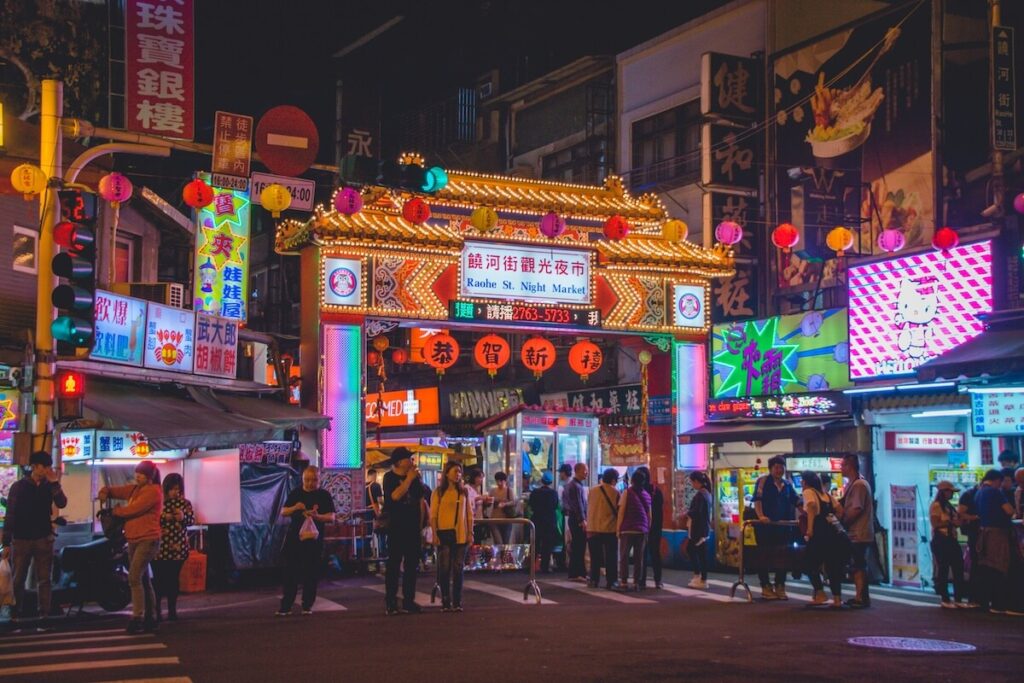
Explore the famous Raohe Street Night Market, one of the city’s oldest and best-loved food streets, located conveniently near the Songshan MRT Station. You can eat your way through the street on your own but if you want recos and insider tips, this guided private tour is a must.
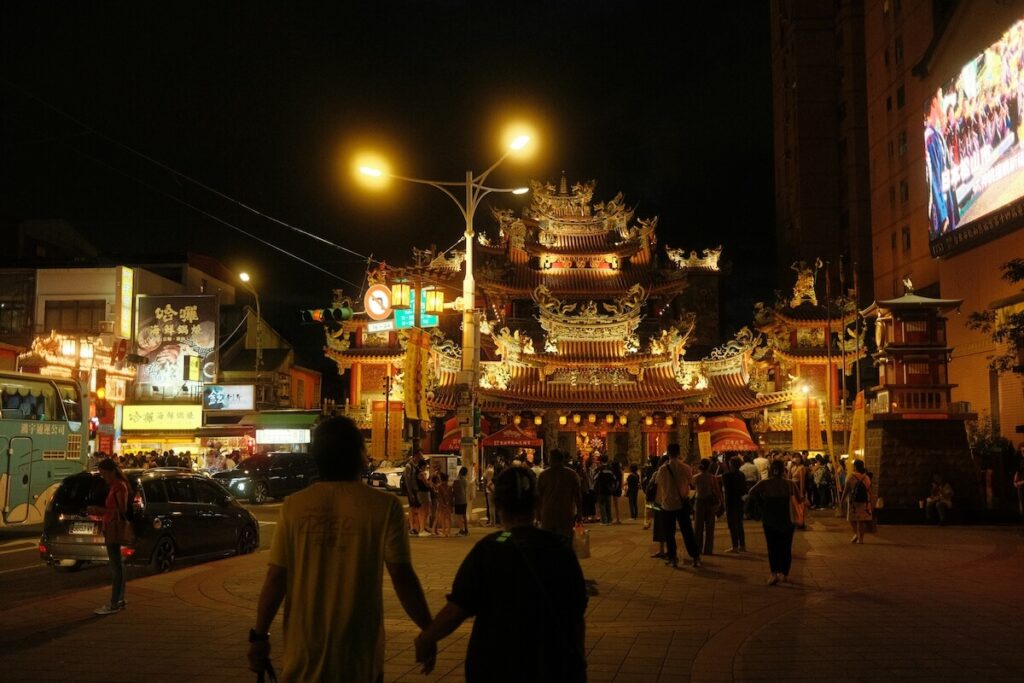
Before you dive into the endless stream of deliciousness, though, take a moment to admire the sheer beauty of the Songshan Ciyou Temple that anchors the market’s entrance. The temple is stunning during the day, but at night, the intricate carvings and roof details are gloriously illuminated.
Once you pass under the ornate archway, you’re on a mission to eat. Your absolute, non-negotiable first stop should be the stall that sells the Fuzhou Black Pepper Buns.
You’ll spot the stall easily at the entrance because of the inevitable line, but don’t worry—it moves fast! You get to watch the vendors stuff the dough with juicy, peppery pork and scallions before slapping them onto the inside wall of a cylindrical clay oven. These buns come out piping hot with a flaky crust and an unbelievably savory, smoky filling.
Beyond the pepper buns, you have a wealth of other essentials to sample. Look for Chen Tung Pork Ribs Medicinal Herbs Soup—perfectly tender ribs in a subtly sweet, warming broth. For dessert, grab some Mochi Baby mochi (chewy rice balls) or some freshly fried sweet potato balls. These mouth-watering dishes should be good enough to send you off after your unforgettable three days in Taipei.
Conclusion
This itinerary is certainly packed, but it’s the perfect way to spend a focused three days in Taipei—a city where you can climb a mountain for a sunset view, explore an ancient temple, and eat world-class street food, all within a few square miles.
Remember, this is just a suggested route based on the city’s best hits and most convenient logistics. Taipei has endless things to do, so feel free to use this as a framework, customizing it by swapping in your own interests, whether that’s more museums, extra time shopping, or hitting another famous night market. Happy travels!