
*This article may contain affiliate links. For full information, please see the disclaimer here.
Stepping onto Hong Kong soil for the first time is an instant hit of energy—it’s one of the world’s most electrifying places. A global city that truly never sleeps, Hong Kong is famous for its towering, densely packed skyline and its crucial role as a finance hub. Yet, what makes it so captivating is that this ultra-modernity sits right beside an old-world charm and surprising patches of wild nature.
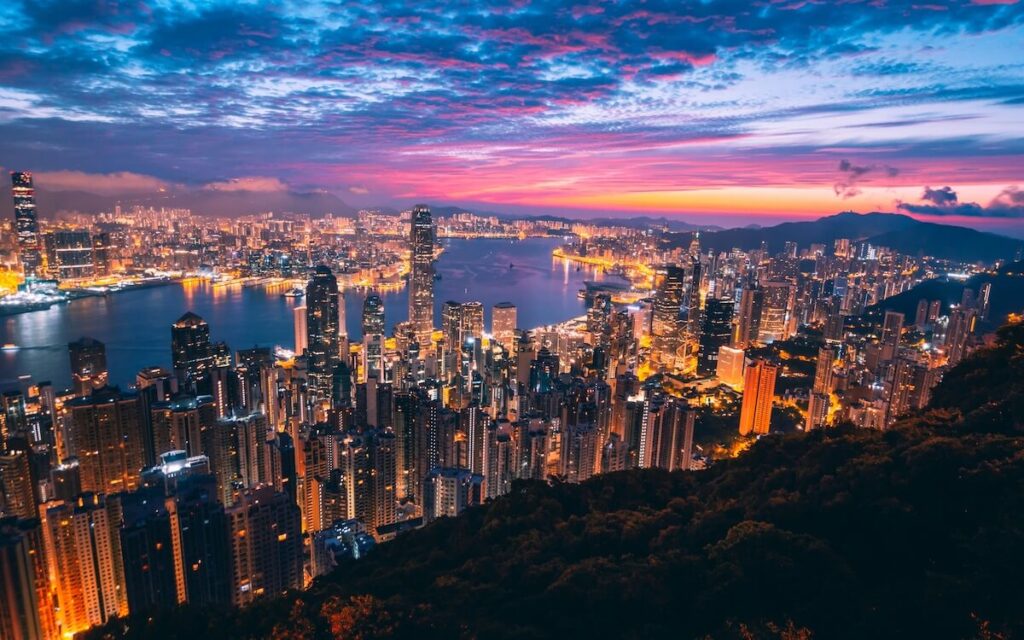
You can be riding the Peak Tram past skyscrapers in the morning, then be hiking in a serene national park or exploring a traditional fishing village like Tai O by afternoon. I had the privilege of visiting once before and absolutely fell in love with its distinct buzz and the incredible food, which is why I’m always eager to return.
While the city is massive, offering everything from beautiful beaches to remote temples, I know that for a first-time visitor, three days in Hong Kong is often the sweet spot. It’s short, yes, and you definitely won’t see everything, but it is the perfect duration to hit all the highlights without feeling completely overwhelmed.
This 3-day Hong Kong itinerary is designed to give you a genuine feel for the city’s different facets. We’ll be balancing the iconic must-sees—like the Star Ferry ride and the bustling Temple Street Night Market—with a few hidden gems like the Nan Lian Garden. This is your straightforward but fun guide to conquering the highlights of Asia’s World City in just 72 hours.
Table of Contents
Tips for your trip to Hong Kong
Where to stay
For a short first-time visit, location is everything, and the two best areas to set up base are Tsim Sha Tsui (TST) on the Kowloon side and Central/Sheung Wan on Hong Kong Island.

Tsim Sha Tsui is where you get those iconic skyline views, plus it’s a major transport hub with easy access to the Star Ferry and MTR, making it super convenient for hopping between Kowloon’s markets and the Island’s attractions.
Central and its slightly cooler neighbor, Sheung Wan, put you right in the heart of the action, surrounded by the Peak Tram, the Mid-Levels Escalator, and world-class dining. Given the efficient MTR system, you can’t really go wrong, but staying in one of these spots means you spend less time commuting and more time exploring.

Hong Kong is notorious for tiny rooms, but you can find great value across all price points if you know where to look. If you’re backpacking or budget-conscious, look for a reputable guesthouse or hostel, particularly those found in the older commercial buildings in TST, like the famous Chungking Mansions (just be sure to check recent reviews). Better yet, check out proper hostels like Hop Inn or YHA Mei Ho House Youth Hostel in Sham Shui Po.
For a mid-range, comfortable stay that gives you great bang for your buck, I’d suggest options like The Salisbury – YMCA of Hong Kong in TST (often the most affordable spot with harbor views!) or Bishop Lei International House for a comfy vibe on the island.
If you’re looking to splurge and experience true luxury, Rosewood Hong Kong or The Peninsula Hong Kong (both in Kowloon) offer unparalleled views and service. For an island indulgence, you can’t go wrong with Four Seasons Hotel Hong Kong in Central. Regardless of your budget, always book a spot with easy MTR access—it will make your packed itinerary so much smoother!
How to get around
Hong Kong’s public transportation is one of the most efficient in the world (it’s what I love the most about this city), and it’s truly the key to unlocking this packed itinerary.
You have lots of options: the ubiquitous MTR (Mass Transit Railway) subway system, classic double-decker buses that offer great sightseeing from the top deck, historic trams (affectionately called “Ding Dings” on Hong Kong Island), minibuses a.k.a. PLBs (public light buses), iconic Star Ferries for crossing Victoria Harbour, and color-coded taxis. While you can rent cars as well, public transit is better for a short stay.
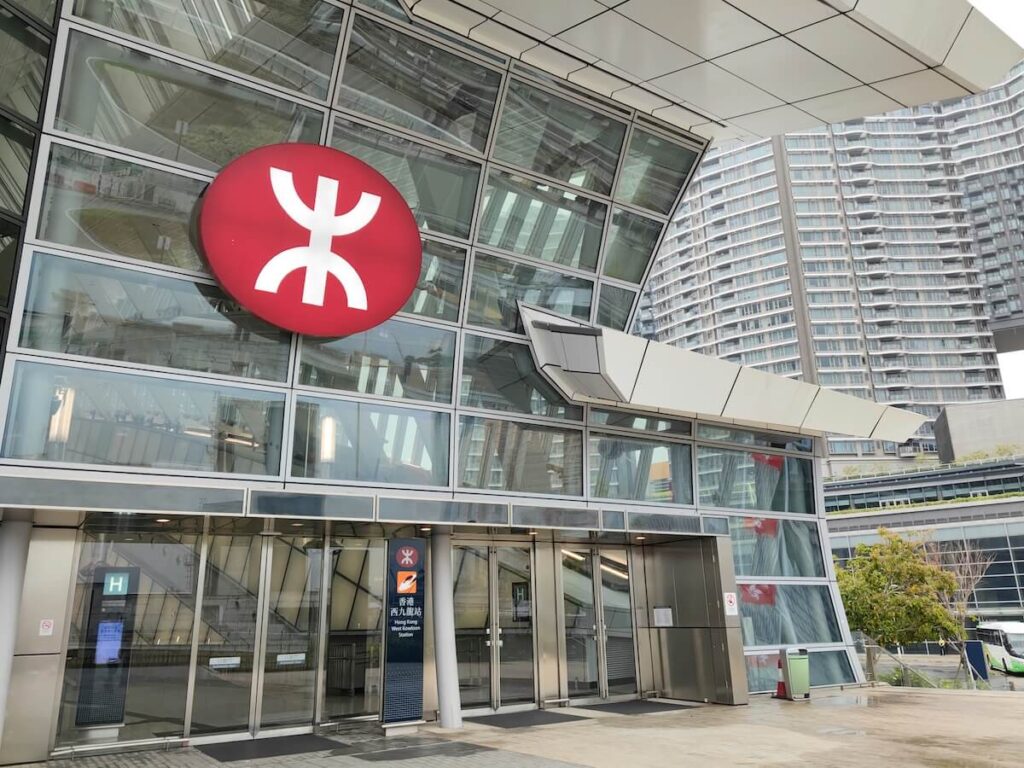
Your first mission upon arrival should be getting an Octopus Card. This is a rechargeable smart card that is essentially your ticket to everything, from transportation to dining to shopping. You can buy one at any MTR station (including the airport) or purchase it online ahead of your trip.
This card eliminates the need for cash and fumbling for exact change, making the seamless transit system even more frictionless. Since Hong Kong is also a great walkable city, especially in districts like Central and Mong Kok, you’ll be switching between walking and tapping your Octopus constantly.

Finally, to make navigating this quick 3-day itinerary—which combines spots across Hong Kong Island, Kowloon, and Lantau—as easy as possible, I highly recommend downloading a route planning app like Citymapper (used it, loved it). It will show you the fastest combination of MTR, bus, or walking time. Plus, for every destination in this guide, I’ll be including a Google Maps link so you can pull up directions straight from the article.
What to do in Hong Kong for 3 days
Day 1: Iconic skyline and island hustle
Welcome to your first day in Hong Kong! You’ll be diving straight into the energy of the city, focusing entirely on the heart of Hong Kong Island.
Day 1 is structured to move from the panoramic views up high to the historic, bustling streets down low. Start by conquering The Peak via the thrilling Peak Tram for those iconic skyscraper photos. Then, descend to explore the culture of Central, riding the world-famous Mid-Levels Escalator before crossing Victoria Harbour on the legendary Star Ferry to watch the city lights from the Tsim Sha Tsui Promenade.
Morning: The Peak

Your first Hong Kong morning should start with one mission: getting to The Peak (also known as Victoria Peak) before the huge crowds arrive. If you didn’t grab breakfast at your hotel, I highly suggest stopping at a traditional cha chaan teng (Hong Kong-style diner) near your accommodation for a quick and authentic breakfast—a classic buttered toast, egg, and nai cha (Hong Kong-style milk tea) will fuel you up perfectly.
From Central, make your way to the Peak Tram terminus. This historic funicular is an attraction in itself, offering a thrilling, nearly vertical ascent. Trust me, the views as you climb, with the skyscrapers tilting past the window, are spectacular!

To save yourself from what can be an incredibly long queue, it’s best to pre-purchase your tickets online. I recommend getting this skip-the-line combo ticket that includes the Sky Terrace 428 pass, which is your highest outdoor observation point.
Once at the top, don’t just stay in the viewing mall. Walk the gentle, flat Lugard Road or the Peak Circle Walk. These paths offer truly unparalleled, unobstructed views of Victoria Harbour, Kowloon, and the city skyline. This is where you’ll take those iconic photos that define Hong Kong.
After you’ve had your fill of the stunning panorama, take the tram back down to Central. You’ll be ready for lunch, and you’re in the perfect spot to experience some world-class Cantonese food. Treat yourself to classic dim sum at a famous spot like Tim Ho Wan or the hectic but historical atmosphere of Lin Heung Teahouse—you won’t regret either choice!
Afternoon: Central-Mid-Levels Escalator and Man Mo Temple
After lunch, it’s time to explore the city’s urban arteries, starting with the iconic Central-Mid-Levels Escalator. Far from being just a quirky landmark, this is the world’s longest outdoor covered escalator system, stretching over 800 meters.

For a first-timer, riding it is a must-do experience. It slices right through the dense residential and commercial areas, offering you a unique, slow-moving look into the day-to-day life of Hong Kong residents. You can jump on and off at various points to explore the cool bars and restaurants of the SOHO district.
The main stop you’ll want to make is the junction with Hollywood Road, where you’ll find one of Hong Kong’s most beautiful cultural gems: the Man Mo Temple. Stepping inside is like walking back into a quieter past. The temple is constantly filled with the smoke and scent of hundreds of massive, spiraling incense coils hanging from the ceiling. It’s an incredible, slightly surreal sight, a contrast to the city outside.

Once you’ve taken in the quiet solemnity of the temple, take some time to browse the shops along Hollywood Road. This area is famous for its eclectic mix of antique shops, art galleries, and curio stores. Even if you’re not buying, wandering past the vibrant displays of porcelain, furniture, and artifacts is a great way to soak up the historical and artistic vibe of this charming neighborhood.
Evening: Star Ferry and Tsim Sha Tsui Promenade
As the sun begins to set, it’s time for one of the most classic and inexpensive Hong Kong experiences: the Star Ferry crossing.
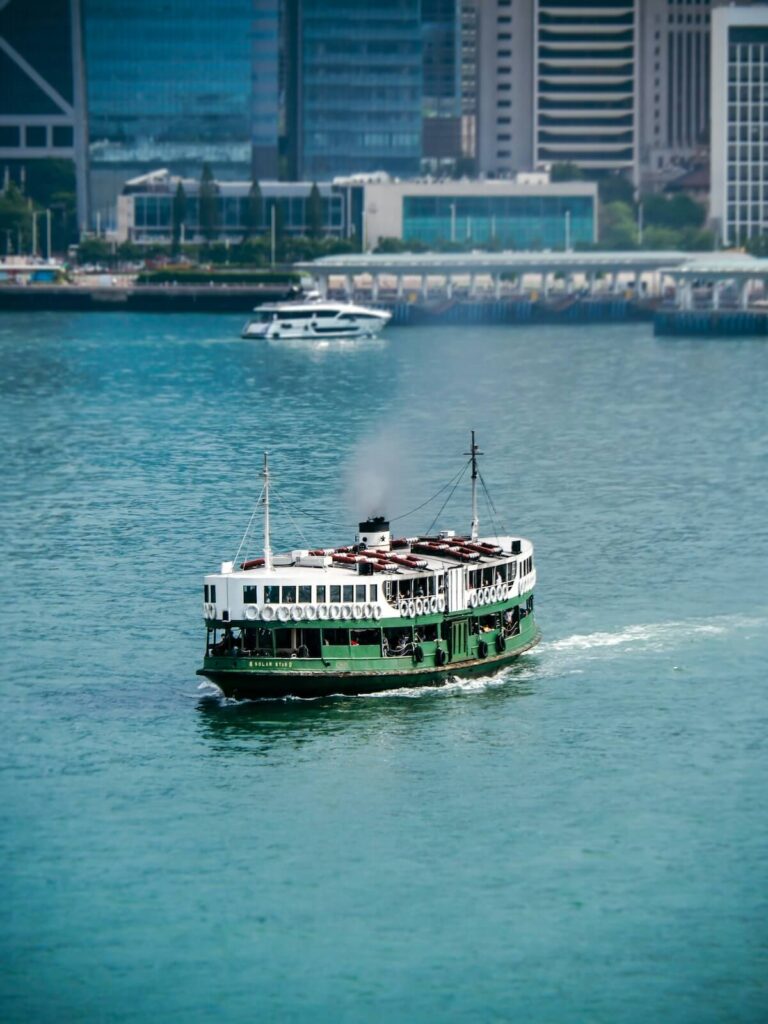
For just a few Hong Kong dollars (you can also use your Octopus Card), this short ride from Central to Tsim Sha Tsui on the Kowloon side offers some of the best possible views of the skyline as the city begins to light up for the night. I recommend sitting on the upper deck to fully appreciate the sight.
Once you arrive at the Tsim Sha Tsui Pier, head directly to the Tsim Sha Tsui Promenade. This waterfront walkway is where you can truly appreciate the scale of Hong Kong’s skyscraper jungle. The promenade stretches past landmarks like the Clock Tower and the Avenue of Stars, where you can check out the handprints of legendary Hong Kong movie stars like Jackie Chan and discover the iconic Bruce Lee statue.

The main event, however, is the Symphony of Lights show, a synchronized, nightly multimedia light display featuring the major buildings across the harbor that starts sharply at 8:00 PM. Make sure you grab your spot early!

If you want a truly special vantage point for the light show (plus unlimited drinks), consider taking this Victoria Harbour cruise from Central. Seeing the lights dance from the water is a completely different, immersive experience.
Regardless of whether you choose Star Ferry or the luxury cruise, the Kowloon side (particularly TST) is perfect for dinner. Roast goose is perfect—the meat is tender, and the skin is incredibly crispy. You can try the famous Yat Lok or Kong Kee Roast Goose Cafe for an authentic Kowloon dinner.
Day 2: Day 2: Lantau Island escape and Kowloon culture
Day two is all about contrast! Kick off with a major landmark outside the city center: a half-day escape to the serene Lantau Island. You’ll ride the cable car up to visit the majestic Tian Tan Buddha and the peaceful Po Lin Monastery, before heading to the charming, stilt-house community of Tai O Fishing Village.
After soaking up the nature and culture, dive back into the urban energy for a quintessential Kowloon experience, spending the evening getting lost in the dazzling lights and sizzling street food of the Temple Street Night Market. If you want the perfect balance of tranquility and electric urban culture, look forward to this day.
Morning: Tian Tan Buddha and Po Lin Monastery
Ready for a scenic morning escape? After you grab a quick bite—maybe a classic pineapple bun from a nearby bakery—your first step is heading to Tung Chung on Lantau Island via the MTR. From there, the Ngong Ping 360 Cable Car is absolutely the best way to travel up the mountain.
This 25-minute journey is spectacular, offering a 360-degree panoramic view of the mountains, the airport, and the South China Sea. You can buy return tickets online so you don’t have to line up. If you’re feeling brave (which I highly recommend!), opt for the Crystal Plus Cabin with its fully transparent floor-to-ceiling glass—it’s a truly unique way to capture panoramic shots from any angle.
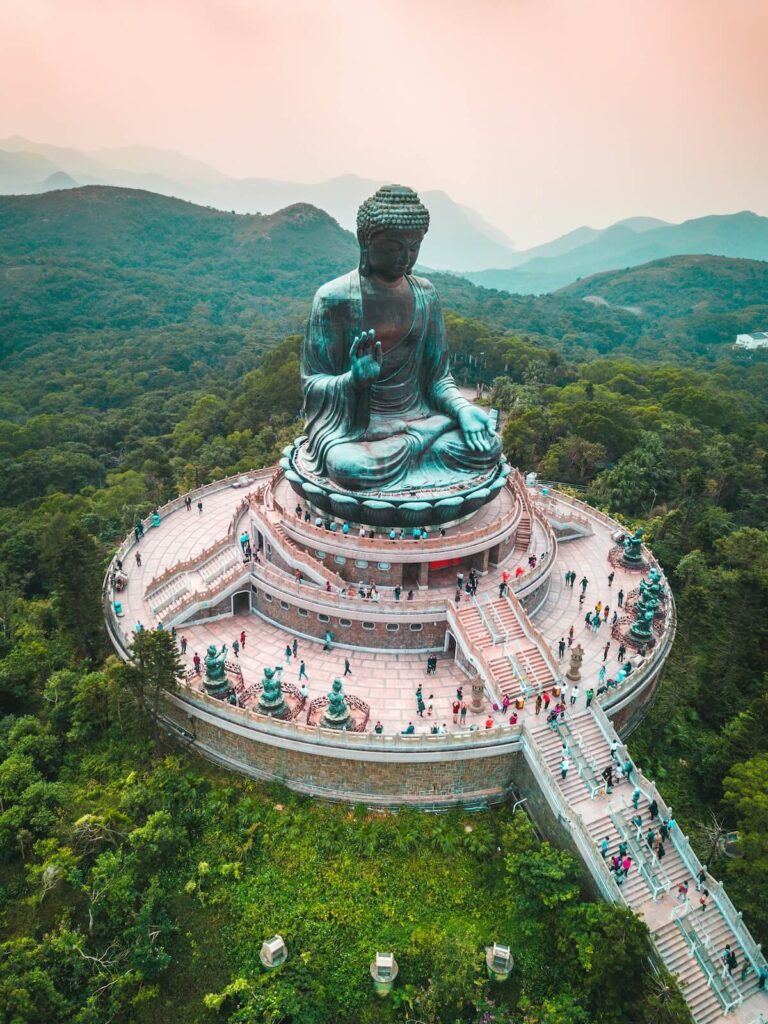
Once you reach Ngong Ping Village, you’re a short walk from the magnificent Tian Tan Buddha, affectionately known as the Big Buddha. Standing at 34 meters tall, this massive bronze statue is one of the largest seated outdoor Buddhas in the world and faces north toward Beijing. You’ll have to climb 268 steps to reach the base, but the view from the top is worth the effort.
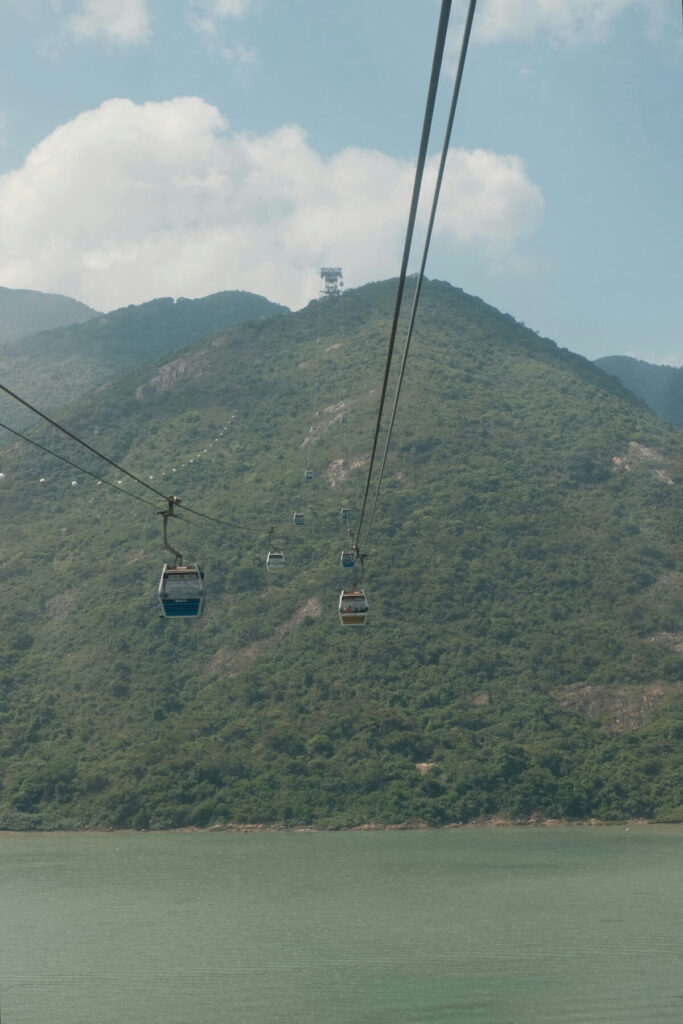
Right next to the Buddha is the Po Lin Monastery, a beautifully ornate, colorful Buddhist complex established in 1906. You can wander through the various halls and admire the traditional Chinese architecture. Po Lin offers a multi-course vegetarian lunch for a fee, a wonderful way to enjoy healthy dishes in the quiet and idyllic monastery.

Afternoon: Tai O Fishing Village
After enjoying the peace of the Big Buddha, your next move is a quick bus ride from Ngong Ping down to Tai O Fishing Village. Nicknamed the “Venice of Hong Kong,” Tai O is famous for its charming pang uk—stilt houses built right over the tidal flats.
Wandering the narrow streets here is a fantastic step back in time, away from the glass and steel of Central. The air is thick with the smell of the sea and the various dried seafood products laid out to dry, like salted fish and shrimp paste, a major part of the local economy.

If you skipped lunch at the monastery, Tai O is the perfect place to grab fresh, simple street food. You can try local snacks like grilled seafood on a stick, huge bowls of fish ball noodles, or the famously delicious charcoal-grilled eggy pancake. If you’re like me, you’ll love watching the vendors barbecue the squid jerky right in front of you—it’s savory, chewy, and an authentic local taste.
While you’re there, consider hopping on one of the short boat trips offered by the local women. For a small fee, they’ll take you through the winding waterways beneath the stilt houses for a closer look. They’ll also venture out towards the open sea, where you have a chance to spot the rare and beautiful pink dolphins (Chinese white dolphins). The population is vulnerable, so seeing these unique marine mammals in their natural habitat is a special experience.
If you prefer to have the whole day planned, you can book a guided tour that includes the Buddha, Tai O, and a dolphin-watching cruise all in one go.
Evening: Temple Street Night Market
After your peaceful time on Lantau Island, it’s time to plunge back into the electric chaos of Kowloon. Take the MTR back to the Yau Ma Tei or Jordan stations, and you’ll find yourself near the legendary Temple Street Night Market.
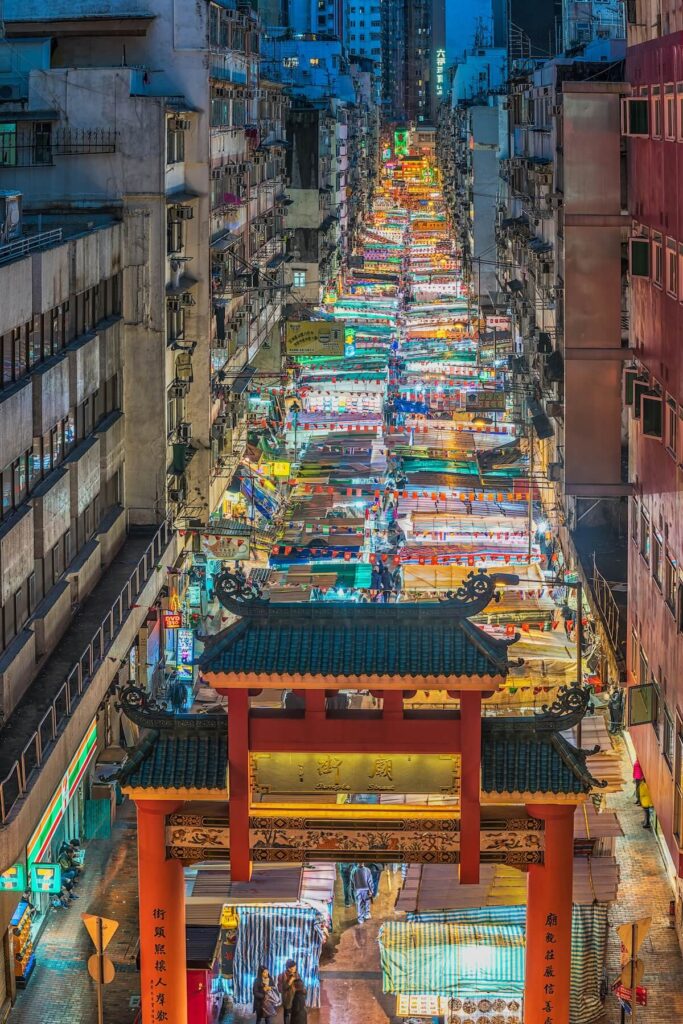
This market is a quintessential Hong Kong evening experience—the energy is infectious, the air is thick with the smell of cooking oil, and the stalls are piled high with everything from cheap souvenirs and novelty gadgets to watches and questionable electronics. It truly comes alive after dark, with fortune-tellers, street singers, and vendors all competing for your attention.
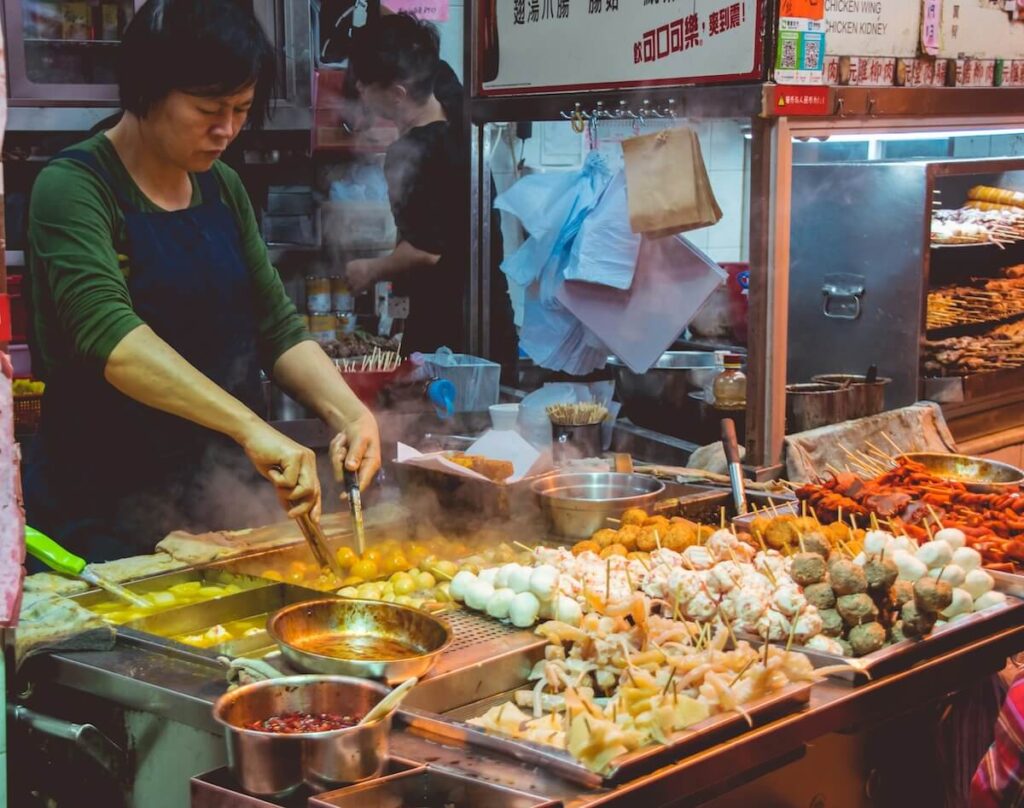
The best part of the market, in my opinion, is the food. For dinner tonight, you absolutely must embrace the street-side dining culture. You can grab a plastic stool at a dai pai dong (an open-air food stall) and watch the chefs expertly fire up the wok-fried classics. This is the perfect spot for authentic dishes like spicy crab, sweet and sour pork, or a generous portion of claypot rice (my favorite!).
Don’t expect fancy—expect fast, loud, and incredibly flavorful. I loved walking through, soaking up the atmosphere, and deciding what looks the best before sitting down. Also, remember to haggle a little if you buy any souvenirs, but mostly, just enjoy the sensory overload of this lively Kowloon landmark.
Day 3: Serenity, markets, and modern art
This final day is designed to ease you out of the city with a perfect blend of culture, local market chaos, and exciting urban art. Start the morning with a moment of tranquility at the stunning Chi Lin Nunnery and Nan Lian Garden, a gorgeous Buddhist oasis in the middle of Kowloon.
From there, dive deep into an authentic neighborhood, getting lost in the bargain-hunting energy of the Sham Shui Po Markets. Finally, end your journey at the sleek, modern West Kowloon Cultural District to appreciate the new artistic heart of the city and enjoy one last, glorious view of Victoria Harbour before heading home.
Morning: Chi Lin Nunnery and Nan Lian Garden
For your last morning in Hong Kong, start with a breakfast that’s both comforting and authentically Cantonese. Skip the coffee shop and find a local eatery for a hot bowl of congee (rice porridge). A classic, savory dish, you can get it plain or with toppings like shredded pork or preserved egg.
Once fueled up, take the MTR to Diamond Hill and prepare to discover a true urban oasis: the Chi Lin Nunnery and Nan Lian Garden. You’ll feel transported the moment you walk in; it’s a world away from the city bustle.

The nunnery itself is an architectural marvel—it’s a large, hand-made wooden complex built entirely without using a single iron nail, following traditional Tang Dynasty construction methods. Wander through the serene courtyard and admire the intricate details.

Connected to the nunnery is the Nan Lian Garden, a stunning classical Chinese garden. It’s meticulously maintained, featuring manicured trees, rock formations, and the iconic, bright red Pavilion of Absolute Perfection over a tranquil pond. Take your time here to slow down and appreciate the beautiful design and serenity before diving into the dense, local markets of Kowloon.
Afternoon: Sham Shui Po Markets
Stepping out of the peaceful gardens, be prepared to experience a full-throttle dose of authentic, working-class Kowloon life in the Sham Shui Po Markets. This neighborhood feels a million miles away from the skyscrapers of Central. It’s gritty, colorful, and the best place in the city for bargain hunting and soaking up local flavor.
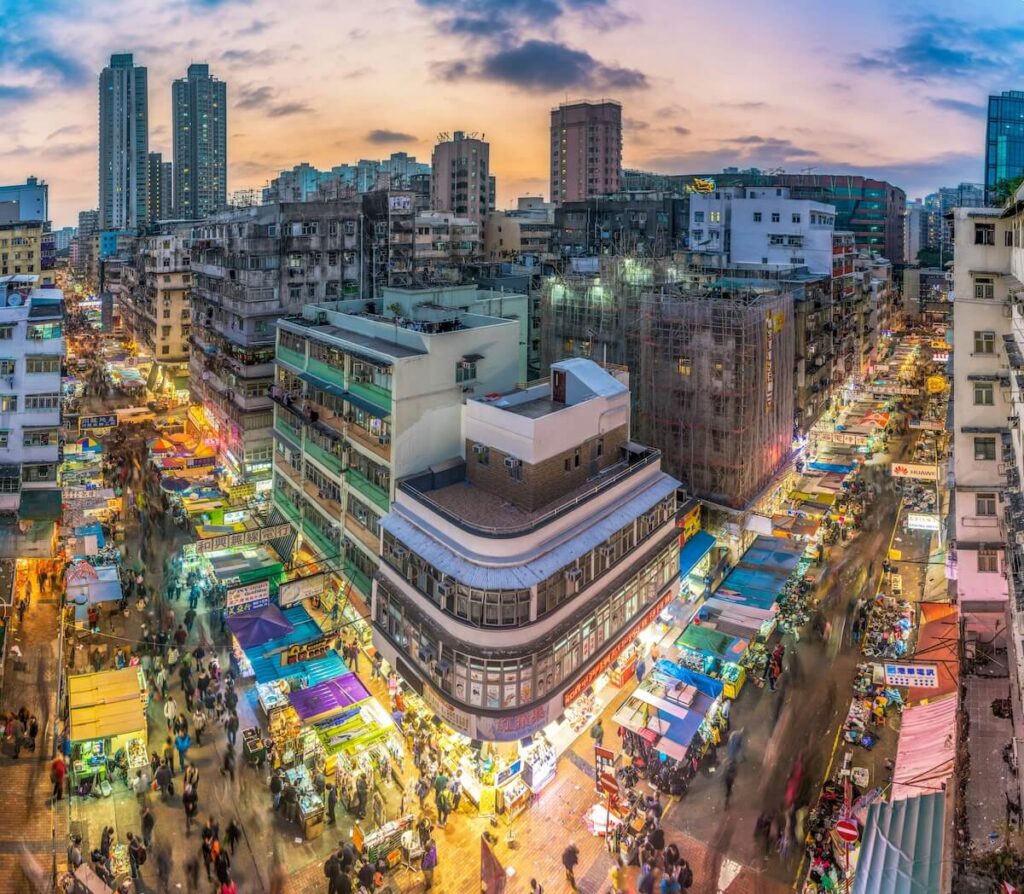
For lunch, since you’re already here, you can’t go wrong with the street food scene. Skip the tourist traps and dive into local favorites like Man Kee Cart Noodle for a customizable bowl of noodles, or stop by Sun Heung Yuen (Kin Kee) for their renowned egg and beef sandwich.
Once you’re ready to shop, Sham Shui Po is split into specialized streets. Head straight to Apliu Street Market for a mesmerizing maze of new and used electronics, cameras, and phone accessories—it’s a paradise for tech lovers.

Nearby, if you’re crafty, you have the fabric, button, and ribbon stalls lining Ki Lung Street and Yu Chau Street. Finally, check out Fuk Wing Street, playfully nicknamed ‘Toy Street,’ for every kind of toy, party supply, and souvenir imaginable. Just be ready to haggle and keep a close eye on your belongings.
Evening: West Kowloon Cultural District and harbor views
After a busy afternoon of market hopping, it’s time for your farewell to the city, and I can’t recommend a better place to spend it than the new West Kowloon Cultural District (WKCD).

This vast, recently developed waterfront area is a testament to Hong Kong’s future, featuring major museums like M+ (get tickets here) and the Hong Kong Palace Museum, but the real draw is the atmosphere as evening approaches.
Take a relaxing stroll along the Art Park promenade as the sun sets. The wide, grassy space offers an incredible, modern vantage point for one last, glorious look at the iconic Hong Kong Island skyline across Victoria Harbour—and it’s a lot less crowded than the Tsim Sha Tsui side.

For your final dinner, you absolutely should treat yourself to a spectacular view. Within the Art Park itself, you can dine at PANO for Asian-French fusion. Restaurants like Aqua or Hutong (both with stunning harbor views from high up) in Tsim Sha Tsui are other fantastic options for a sophisticated end to your trip. Alternatively, for the highest view possible, try OZONE at the Ritz-Carlton for cocktails.
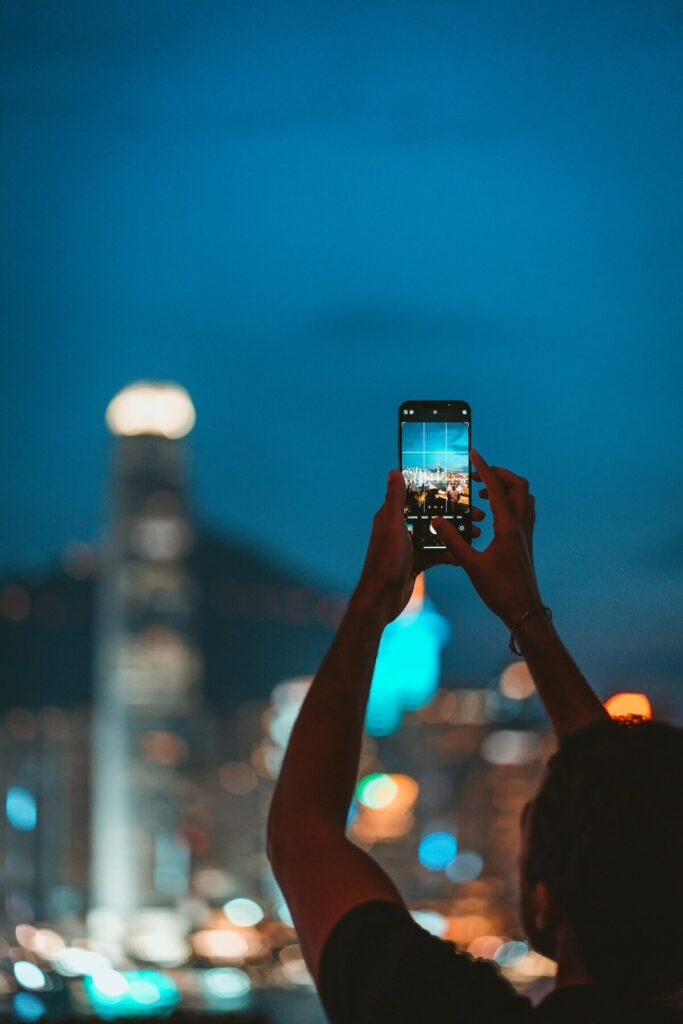
Wherever you choose, raising a glass to the dazzling, unforgettable Hong Kong skyline is the perfect way to wrap up your three-day adventure.
Wrap-up
Three days in Hong Kong is enough time to feel the pulse of this dynamic city, from the spiritual calm of Lantau Island to the electric chaos of the Kowloon markets. You’ve navigated the dizzying heights of The Peak, tasted authentic cha chaan teng fare, and crossed the famous Victoria Harbour, all while balancing must-see landmarks with those unique, local hidden gems that make a trip truly memorable.
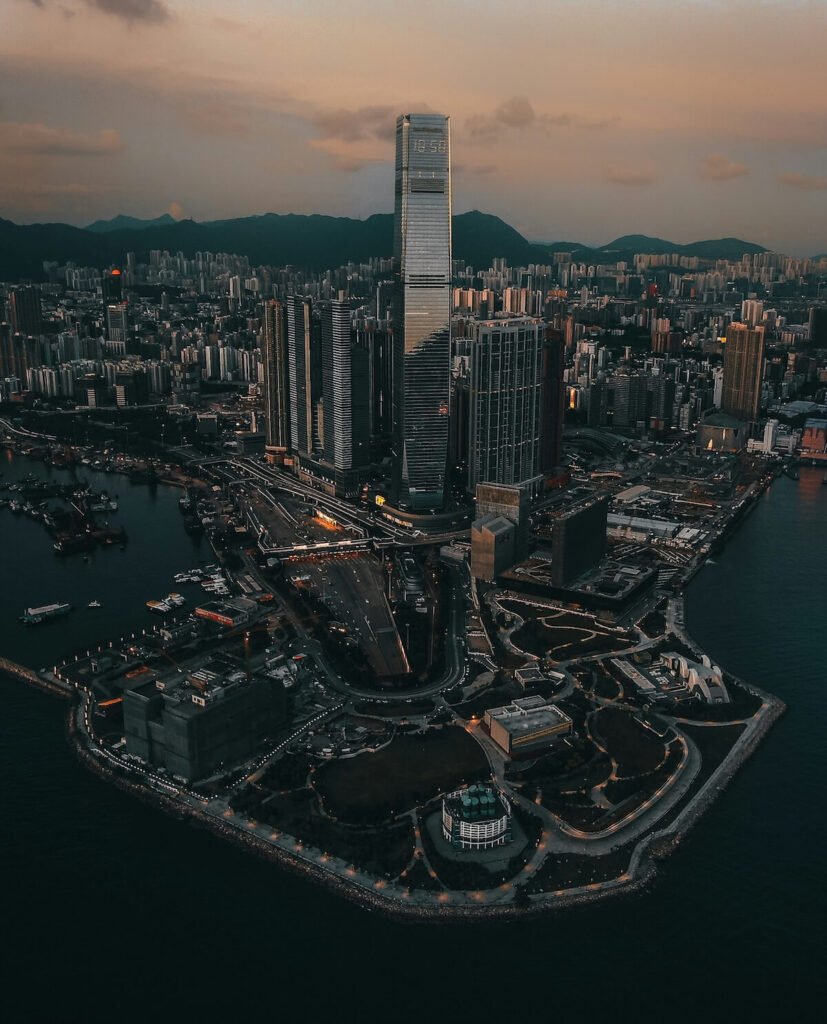
Remember, this 3-day Hong Kong itinerary is just my personal suggestion, structured to minimize travel and maximize fun. Feel free to swap out a museum for a hike, linger longer over dim sum, or chase street art in a different district—the city is yours to explore!
I guarantee you’ll leave with incredible memories and, like me, already planning your return visit. Happy travels!