
*This article may contain affiliate links. For full information, please see the disclaimer here.
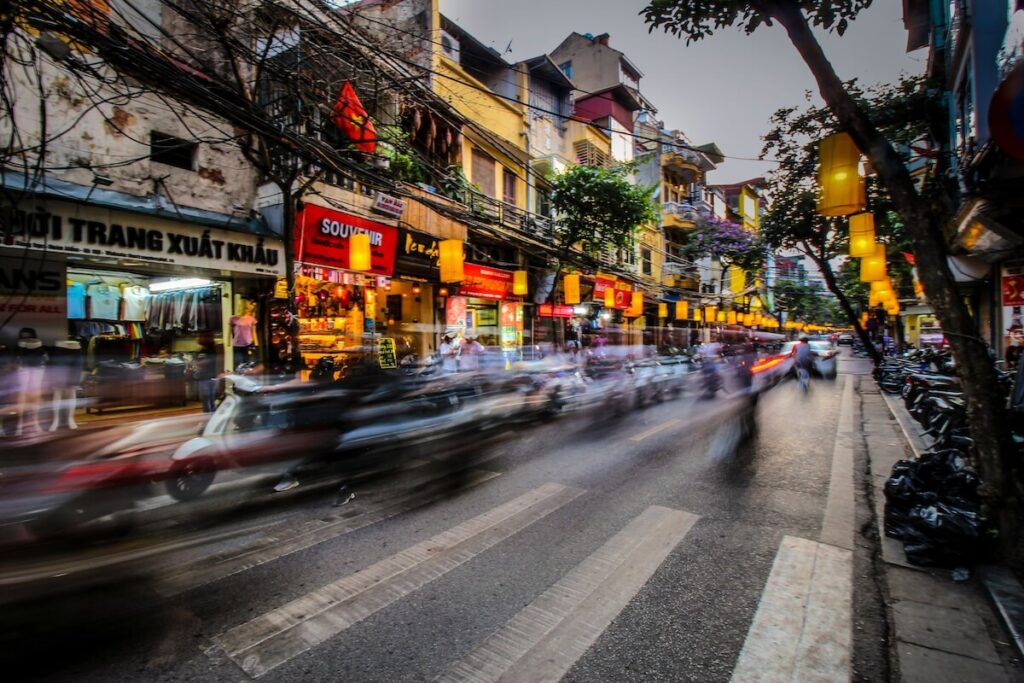
Hanoi, the capital of Vietnam, is a city that hums with a unique energy. Nestled in the Red River Delta, it’s a place where ancient temples and colonial architecture intertwine with the buzz of motorbikes and the aroma of pho bo and ca phe sua da.
Think bustling Old Quarter with its narrow, winding streets, serene lakes perfect for a morning stroll, and of course, the iconic Hoan Kiem Lake with its legendary turtle. Hanoi is famous for its rich history, vibrant culture, and, let’s be honest, some of the best foods you’ll ever taste.
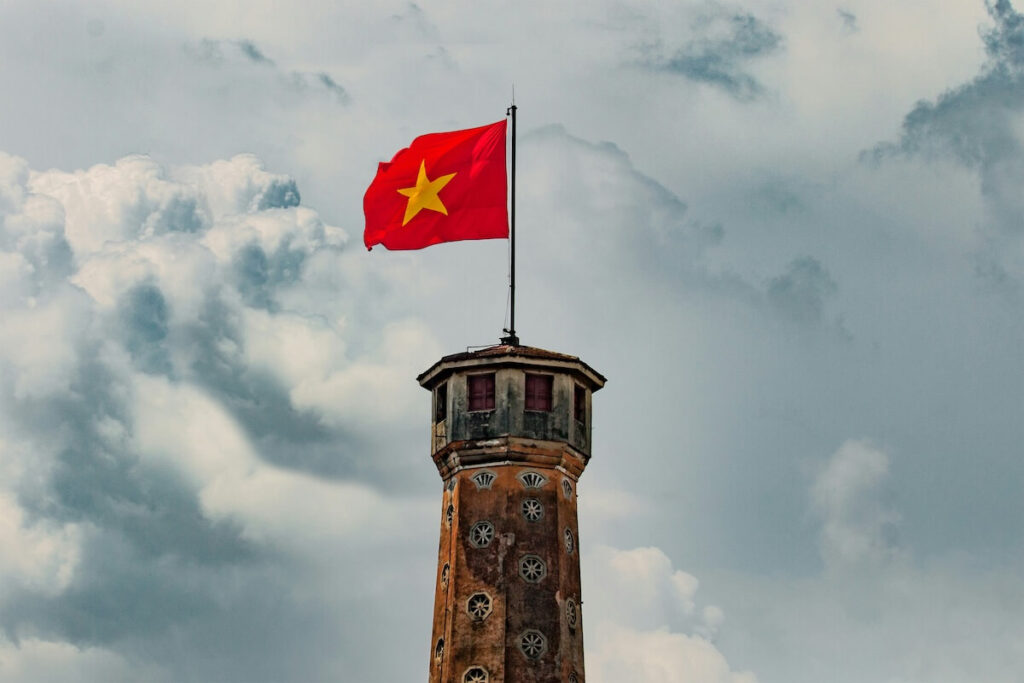
I crafted this itinerary for those experiencing Hanoi for the first time. It’s designed to hit all the must-see spots, from the Temple of Literature to the Water Puppet show, but also to venture a little further afield. We’ll be taking a day trip to the stunning Ninh Binh, often called “Ha Long Bay on land,” to explore its breathtaking limestone karsts and peaceful rivers. Because while Hanoi itself has so much to offer, I believe a glimpse of the surrounding countryside is essential to truly appreciate the region.
I’ve been lucky enough to visit Hanoi three times now, and each trip has been completely different. That’s the magic of this city—there’s always something new to discover.
Three days in Hanoi is definitely not enough (if I could, I’d probably just move there!), but with a little planning and smart time management, it’s enough to get a real taste of the city’s charm and leave you wanting more. Consider this a taster menu, a little glimpse into a place I’ve fallen in love with, and hopefully, you will too.
Table of Contents
Tips for your trip to Hanoi
Where to stay
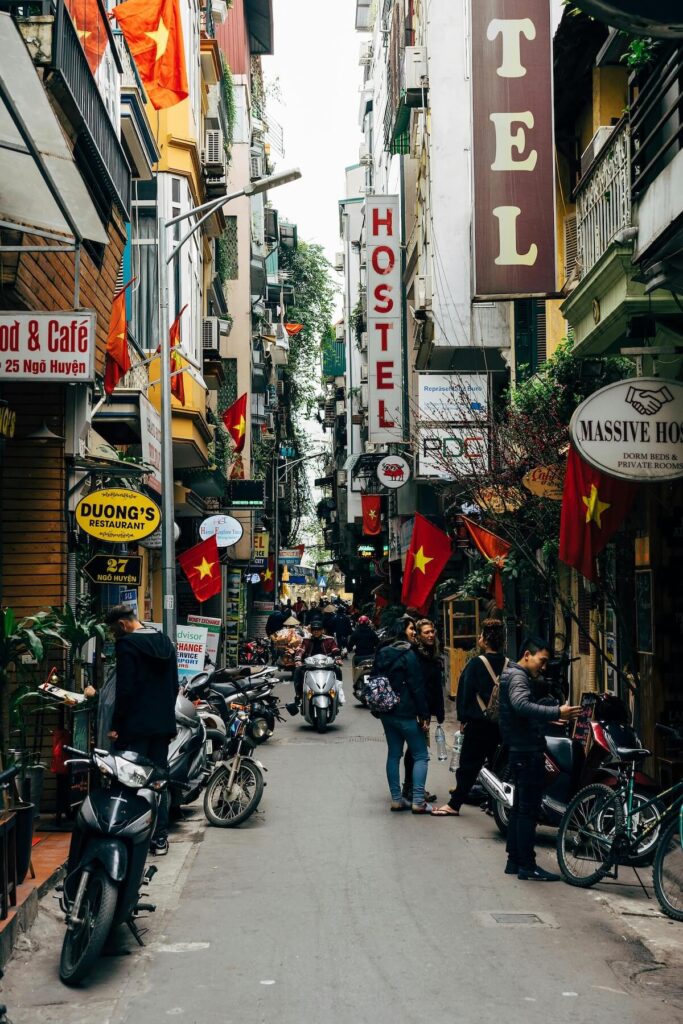
Finding the right place to stay can make or break a trip. Lucky for you, Hanoi has a ton of options, from cozy homestays to luxurious hotels. It really depends on your budget and what kind of experience you’re looking for.
If you want to be right in the heart of the action, the Old Quarter is the place to be. You’ll be surrounded by bustling streets, amazing street food, and all the main sights. I’ve heard great things about the CLASSYC Hotel and the Classic Street Hotel, both solid choices in this area.
For something a little different, check out The Flower Boutique in Ba Dinh. It’s a bit quieter than the Old Quarter but still close enough to everything.
If you’re traveling on a budget, there are some great hostels and homestays around. Sunny Hanoi Homestay and Old Quarter View Hanoi Hostel are a couple of popular choices that won’t break the bank.
Now, if you’re ready to treat yourself, Hanoi has some seriously swanky options, especially in the French Quarter where elegant, colonial-era hotels abound. Hotel De Rond and the Sofitel Legend Metropole are both iconic and offer a truly luxurious experience.
For those seeking a peaceful retreat away from the city’s hustle and bustle, the Luxe Paradise Suite in Tay Ho is a wonderful option. It’s a bit further out, but the tranquility is worth it. And if you’re traveling with family or a group, MayFlower Hotel or Hanoi Amorita Boutique might be a good fit, offering more space and amenities.
On my most recent trip, my husband and I stayed at the Hanoi Harmonia Hotel, and we absolutely loved it. The location was perfect—super close to Hoan Kiem Lake, which was great for morning walks. The breakfast was delicious, and the staff were incredibly friendly and helpful.
How to get around
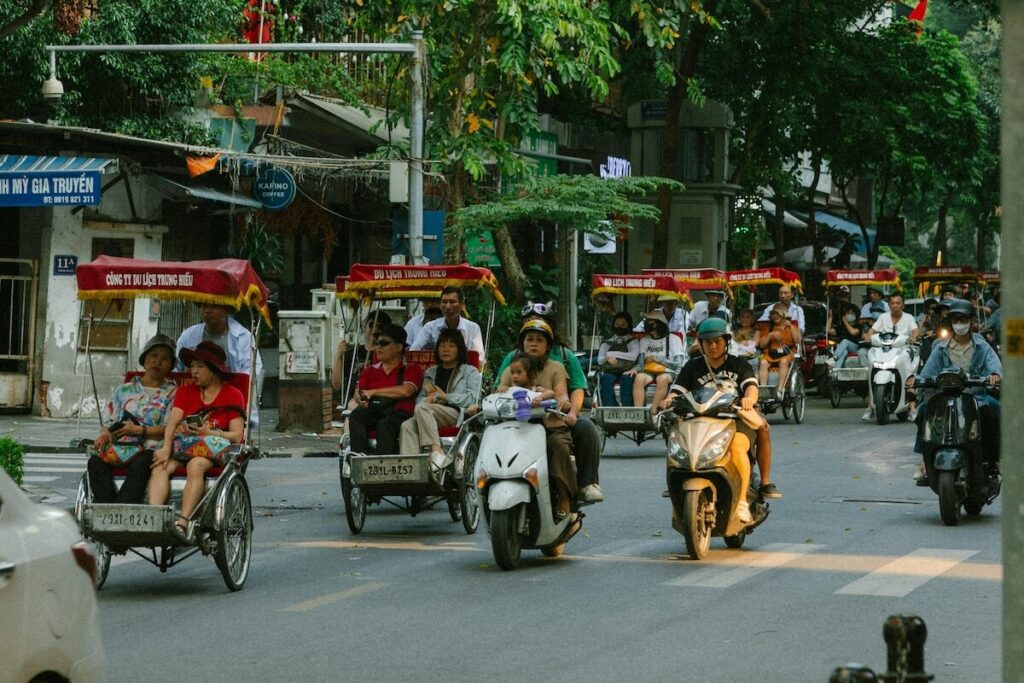
Getting around Hanoi is an adventure in itself! You’ve got a bunch of options, from the classic motorbike (if you’re brave enough to navigate the bustling streets), to taxis and ride-hailing apps like Grab (which offer both cars and motorbikes).
Public buses are also available (but I wouldn’t recommend it for first-time visitors). Cyclos (bicycle rickshaws) also offer a unique, albeit slow, way to go around the city center. Bike rentals are another possibility. And, Hanoi now has a metro system, which is a good option for certain routes.
On my recent trips, I mostly relied on Grab, the Southeast Asian equivalent of Uber, mainly because it’s what I use back home so it was familiar. It’s easy to use, and you know the price upfront, which is always a plus.
However, within the Old Quarter, we pretty much walked. Except for the lake area, Hanoi isn’t that walkable, no thanks to the many motorbikes parked on what should have been sidewalks. But if you’re careful, walking is a nice way to go around the Old Quarter and burn off the calories from all the amazing food Hanoi offers.
Also, I’ve included Google Maps links for all the places mentioned in this itinerary. That way, you can save them directly to your own Google Maps list and have them readily available during your trip, whether you decide to take a ride or walk. Just click on the links, and you’ll be able to keep track of all the spots you want to visit, making navigation a breeze.
If you’re planning a day trip to Ninh Binh, as the below itinerary suggests, you can either hire a private car, take a bus from one of the main bus stations, or even book a tour that includes transportation. The choice will largely depend on your budget and how much time you have.
If you’re looking to visit a lot of different sites and don’t want the hassle of figuring out transportation and potentially getting lost (which can totally happen!), then a guided tour is a fantastic choice. The tour providers usually handle all the logistics, so you can just relax and enjoy the experience. Plus, you often get some interesting insights from the guides that you might miss if you were exploring on your own.
What to do in Hanoi for 3 days
Day 1
For your first day, I recommend getting acquainted with Hanoi’s history and culture. This itinerary dives into some of the most important landmarks in Hanoi as well as the charming and Instagram-famous Hanoi Train Street before ending the day with a traditional water puppet show and dinner.
You can follow the suggestions below or use them as a guide for your DIY itinerary. If you prefer joining tours, I suggest opting for a student-led walking tour or this half-day tour that includes a stop at the Dong Xuan Market and Long Bien Bridge, on top of my recommended spots.
Morning: Ho Chi Minh Mausoleum, One Pillar Pagoda, and Temple of Literature
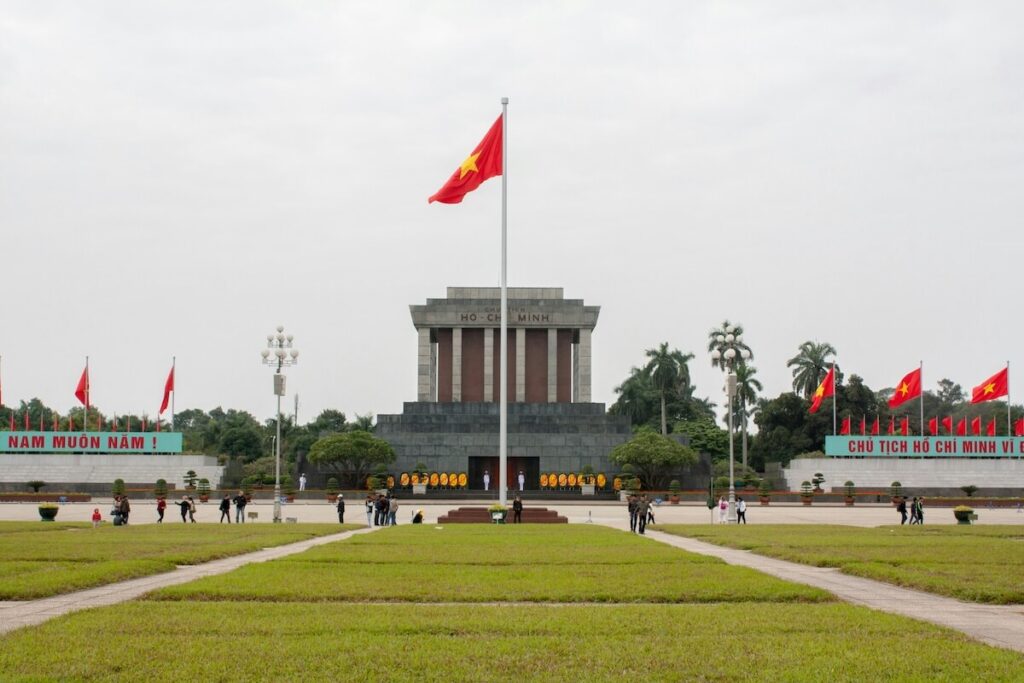
Day 1 kicks off with a dose of Vietnamese history and culture, so rise and shine! Start your day with the Ho Chi Minh Mausoleum, the final resting place of Vietnam’s revolutionary leader. It’s a pretty solemn and conservative place set in the huge Ba Dinh Square, so dress respectfully (shoulders and knees covered, no shorts or sleeveless tops).
Visiting in the morning is key, as it gets super crowded and hot later in the day. After paying your respects, stroll over to the One Pillar Pagoda, a tiny but iconic temple perched on a single pillar in the middle of a pond. An important Buddhist temple in the capital, One Pillar Pagoda is an architectural marvel, thanks to its ‘lotus pedestal.’
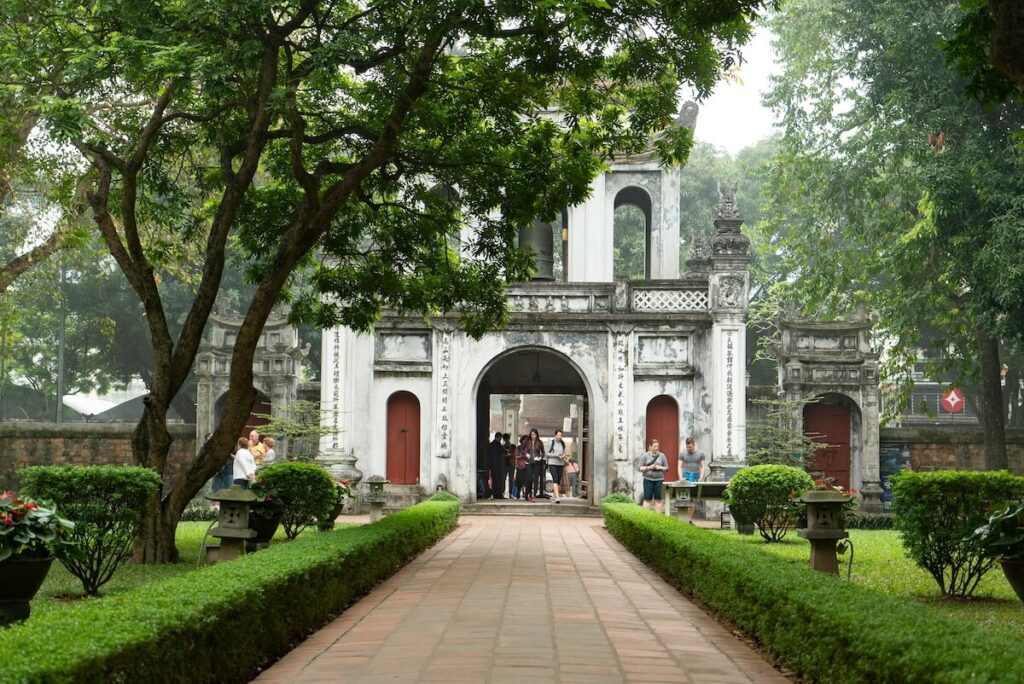
Next up is the Temple of Literature, a historic oasis dedicated to scholars and Confucius. Not only is this temple complex important to Confucianism; it was also once home to Vietnam’s first national university. Wandering through the courtyards and pavilions gives you a real sense of Vietnam’s rich heritage.
Again, morning is the best time to visit—it’s cooler, quieter, and you’ll have more time to soak it all in without the crowds. Plus, the light is usually great for photos! Take your time exploring the different sections, including the turtle stele garden with its rows of doctor’s stelae.
By now, you’ve probably worked up an appetite. Hanoi is famous for its bun cha, and it’s an absolute must-try. It’s basically grilled pork served with vermicelli noodles, fresh herbs, and a dipping sauce. I can’t recommend it enough!
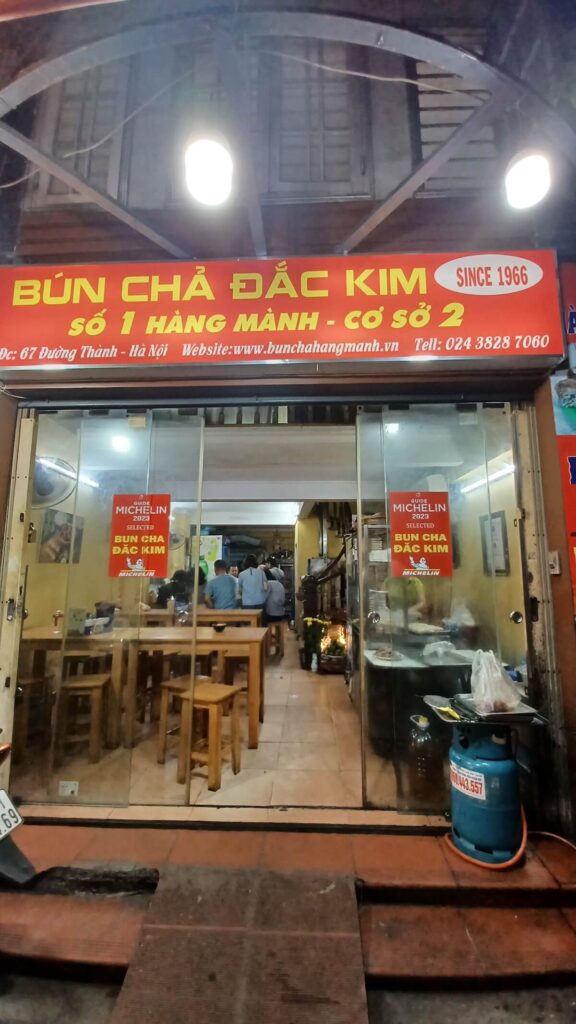
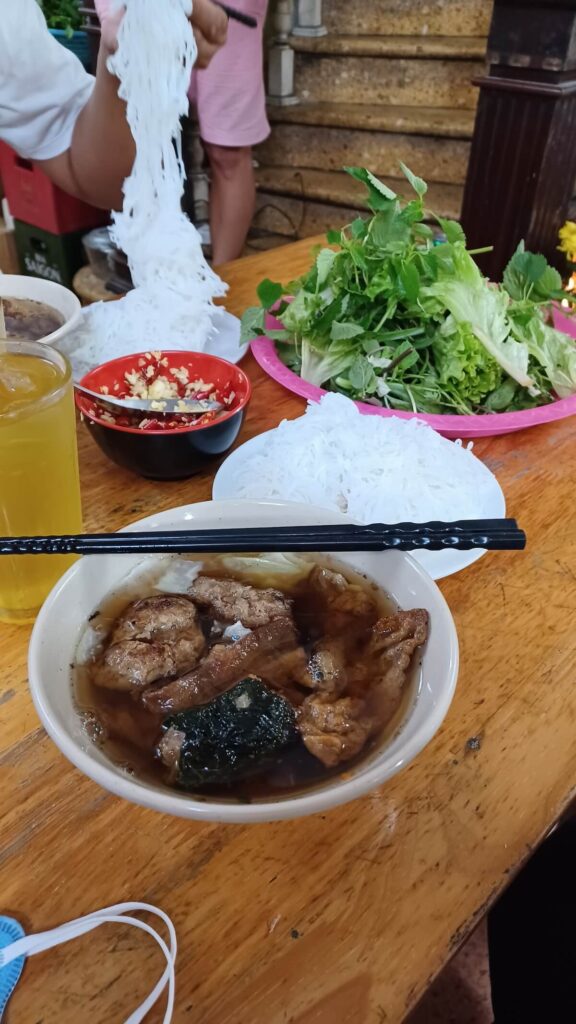
There are tons of places to get good bun cha in Hanoi (my personal favorites include Bun Cha Tuyet and the Michelin-recommended Bun Cha Dac Kim), but since you’re near the Temple of Literature, head to Bun Cha Hoa at 17 Ng. Yen The. It’s a local favorite and a great spot to refuel before your afternoon adventures.
Afternoon: Hoa Lo Prison and Hanoi Train Street
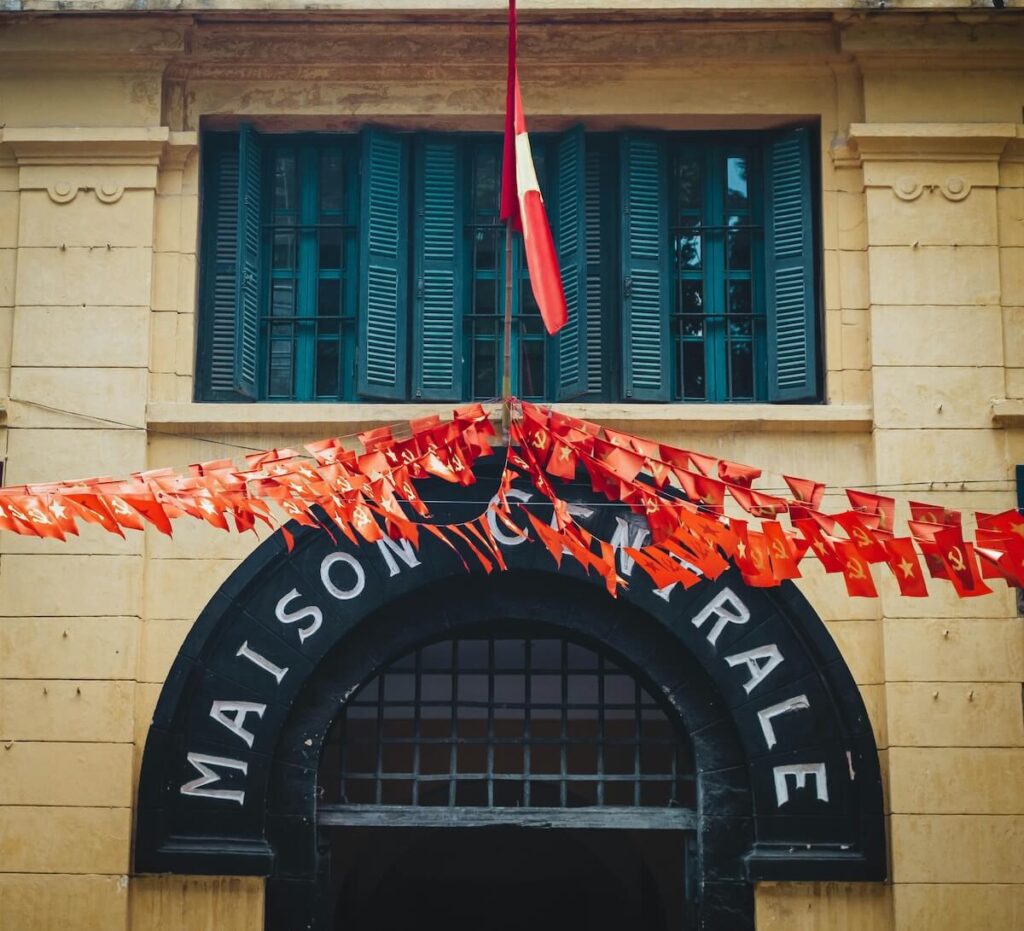
After lunch, visit a more somber chapter of Hanoi’s history at Hoa Lo Prison, also known as the “Hanoi Hilton.” This former prison was used to hold Vietnamese revolutionaries during the French colonial period and later American prisoners of war during the Vietnam War. It’s a sobering but important place to visit to understand the country’s past.
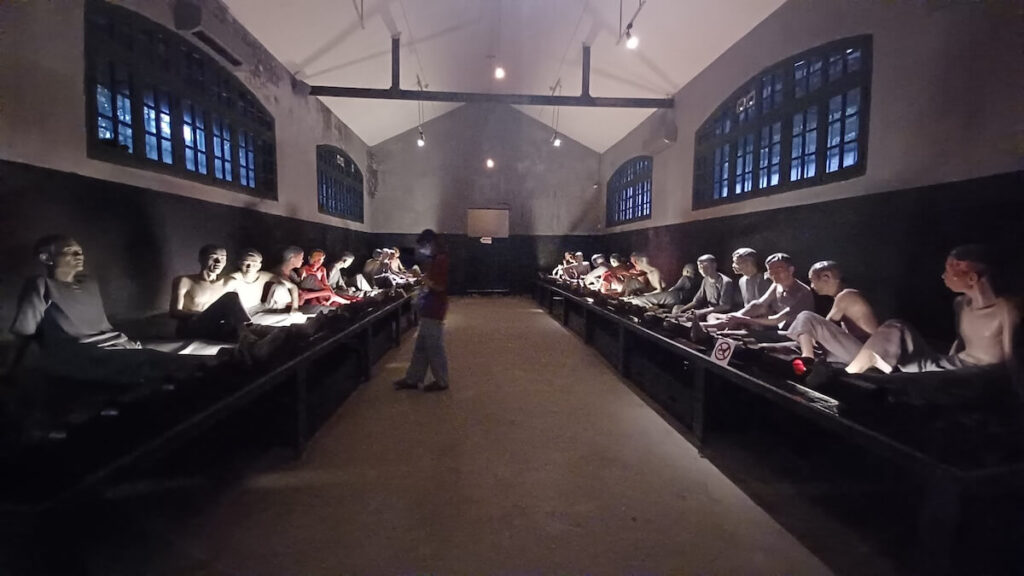
Allow yourself ample time to explore the exhibits and learn about the prison’s history. It can be an emotionally charged experience, but it offers a powerful insight into Vietnam’s resilience. I also recommend getting the audio guide as it explains more than the information boards.
From there, head to Hanoi Train Street, a truly unique and somewhat surreal experience. This is where a train track runs right through a residential area, with houses and cafes literally inches from the rails. It’s a fascinating glimpse into Hanoi’s colorful chaos, and it’s become a popular spot for photos.
Afternoon trains usually pass by around 3:20 pm, 5:30 pm, and 6 pm, but these times can vary, especially on weekdays versus weekends, so it’s always good to check locally. While there’s technically no entrance fee, locals often “guide” you to specific cafes and restaurants along the tracks. Ordering a glass of ca phe den or a bottle of Bia Hanoi won’t hurt; these locals need to make a living after all.
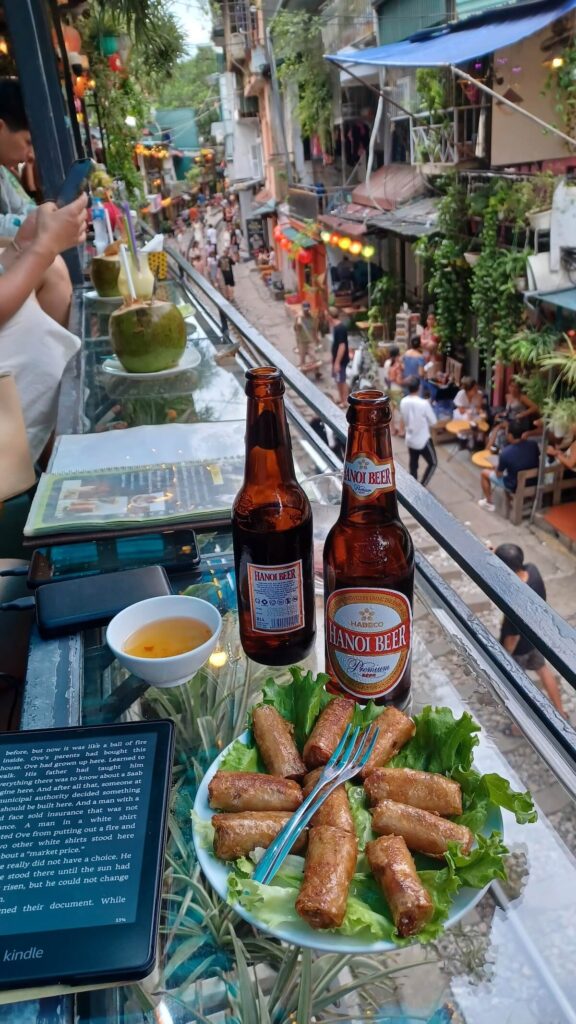

I should emphasize that while Train Street is a cool photo opportunity, safety comes first. This is a real, functioning train track, and fatal accidents have occurred here in the past, leading to both deaths and injuries, not to mention past restrictions and business closures.
Be a responsible tourist: listen to the locals’ warnings, stay within designated areas, and don’t venture onto the tracks unless it’s safe to do so. The train’s approach is usually announced, but it’s better to be cautious than sorry.
Evening: Thang Long Water Puppet Theater
After a busy day of sightseeing and immersing yourself in Vietnamese culture, it’s great to wind down with a uniquely Vietnamese experience: a water puppet show!
Head over to the Thang Long Water Puppet Theater, where these traditional performances bring Vietnamese folklore and legends to life. The puppets are manipulated by puppeteers hidden behind a screen, enhanced by folk music, creating a mesmerizing spectacle on the water.
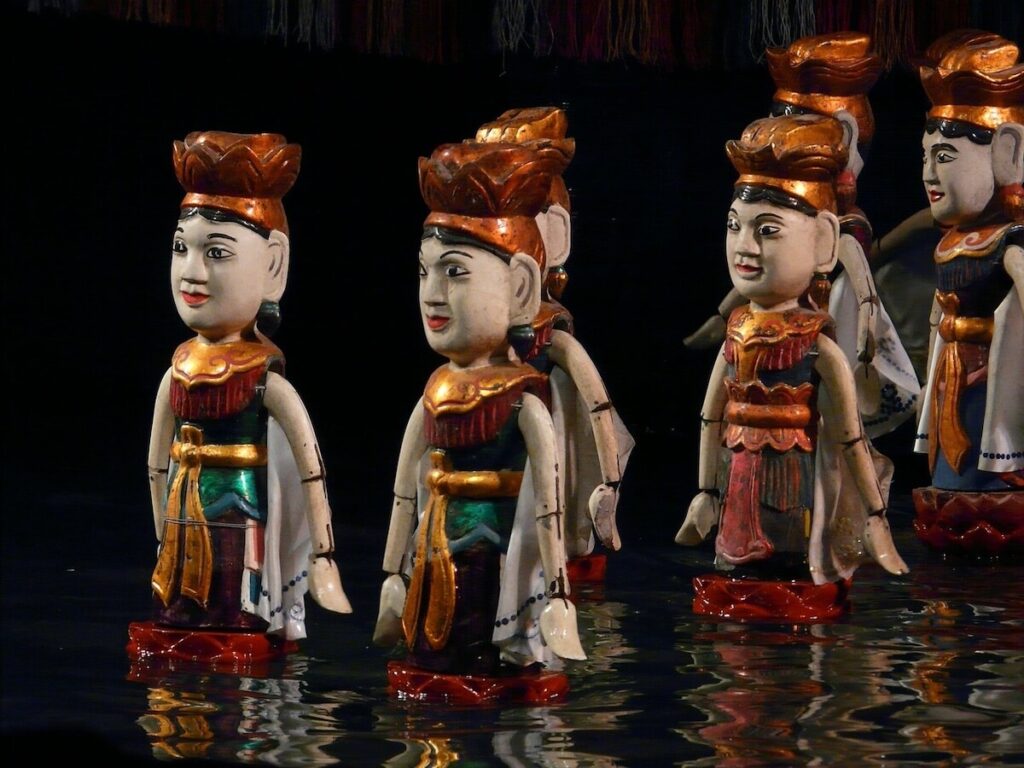
Evening shows happen at 5:20 pm, 6:30 pm, and 8 pm, giving you a few options to choose from. To avoid queuing, you can grab skip-the-line tickets from Viator, GetYourGuide, Hellotickets, or Klook. Just remember to exchange your online voucher for a physical ticket at least 30 minutes before showtime. They also offer audio guides in several languages, which can add another layer of understanding (and appreciation) to the performance.
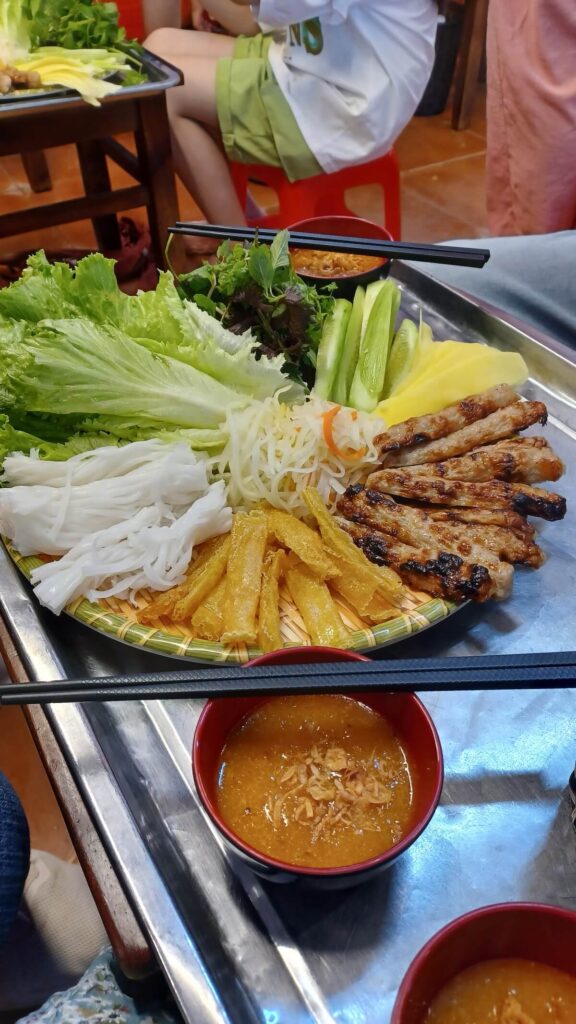
After the show, treat yourself to some delicious local cuisine. Luckily, you don’t have to go far! Just steps away from the theater is Nem Nuong Nha Trang Que Hoa, a great spot to try nem nuong nha trang. It’s a dish of grilled fermented pork sausage served with rice paper, fresh herbs, and a flavorful dipping sauce. It’s a specialty from Nha Trang, a coastal city in Vietnam, and it’s also one of my favorite Vietnamese dishes.
If you’ve still got some energy left after dinner, a stroll around Hoan Kiem Lake is a wonderful way to cap off the evening. The lake is beautifully lit up at night, and it’s a popular spot for locals to gather, so you’ll get a real feel for Hanoi’s vibrant atmosphere. You might even catch some street performers or live music.
Day 2
Many visitors to Hanoi flock to the iconic Ha Long Bay, but just a short trip south of Hanoi lies a hidden gem: Ninh Binh. Often called “Ha Long Bay on land,” Ninh Binh offers the same stunning limestone karsts and tranquil waterways, but with a more relaxed pace and fewer crowds, making it a fantastic alternative for a memorable day trip.
This itinerary packs a lot into one day, so it’s best to start early and be prepared for some travel time. Public transport is possible but is less convenient so consider booking this Ninh Binh tour by van, this small-group tour by bus, or hiring a private car for a smoother experience.
Morning: Hoa Lu and Tam Coc
If you’re not joining a guided tour, you can hop on a local bus from Hanoi’s Giap Bat bus station heading towards Ninh Binh City. From there, it’s easy to grab a taxi or motorbike taxi to Hoa Lu. The whole journey from Hanoi to Hoa Lu takes roughly 2 to 3 hours, depending on traffic and mode of transport.
Another option is book tickets on Vexere and hop on “limousine” buses from Hanoi to Hoa Lu or Tam Coc directly. The bus has various pick-up and drop-off points in Hanoi.
From Hoa Lu to Tam Coc, it’s another short drive, about 15-20 minutes.
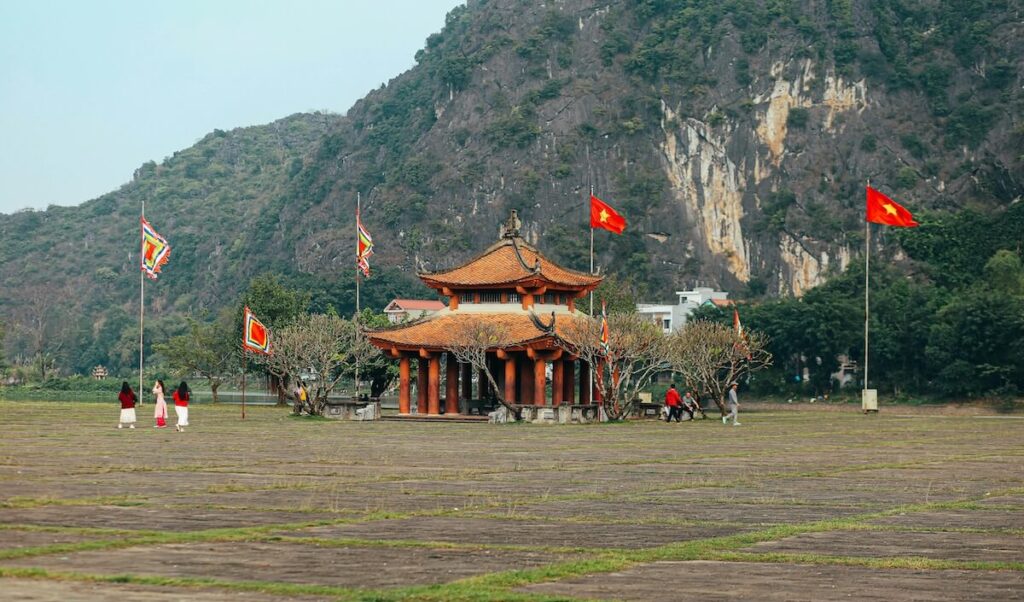
Our first stop is Hoa Lu, the ancient capital of Vietnam during the Dinh and Le dynasties. A UNESCO World Heritage Site, Hoa Lu is a fascinating place to wander around, soaking in a bit of history.

Explore Hoa Lu’s two surviving temples—the Dinh Tien Hoang Temple, which was dedicated to Vietnam’s first emperor, and the Le Dai Hanh Temple, which was dedicated to the emperor who fought off Chinese invaders from the north. These temples, though not massive, offer a glimpse into Vietnam’s past and are surrounded by serene gardens, perfect for a quiet stroll. The architecture is pretty cool too, a mix of traditional Vietnamese styles.
After Hoa Lu, head to Tam Coc, often called “Ha Long Bay on Land.” And trust me, the name is well-deserved. The scenery here is just breathtaking.

Hop on a traditional sampan boat and glide along the Ngo Dong River. The boat ride is the highlight—you’ll be gently rowed through stunning limestone caves and past picturesque rice paddies, with towering karsts on either side. The boat trip itself lasts a couple of hours, so sit back and enjoy the ride.
Your next step is Bich Dong Pagoda (a short drive or bike ride away) so it’s best to have lunch within the vicinity. Ninh Binh is known for its goat meat, so if you’re feeling adventurous, Hieu De Restaurant is a great place to try it. If goat isn’t your thing, no worries! A hidden gem worth checking out is Tam Coc Green Garden Restaurant, where you can enjoy amazing views along with your fried spring rolls.
Afternoon: Bich Dong Pagoda and Mua Caves
After a delicious lunch, head to Bich Dong Pagoda, a serene complex nestled amidst the limestone mountains. The best part? Entrance is free!

Bich Dong, meaning “Green Grotto,” is a series of pagodas built into the mountainside. It’s a really atmospheric place, with intricate carvings and stunning views. Give yourself about an hour to explore the different levels and soak in the peaceful vibe. Just a heads-up, there are quite a few stairs, so wear comfy shoes!
From Bich Dong, it’s just a short drive to our next stop: Mua Caves. This is another spot you won’t want to miss. Mua Caves, or “Dancing Cave,” is famous for its panoramic views from the top of a limestone peak.

The climb up can be a bit challenging—there are quite a few steps—but trust me, the view from the top is absolutely worth it. You’ll be rewarded with breathtaking vistas of the surrounding countryside, with the Ngo Dong River winding through the rice paddies. I’d recommend spending at least a couple of hours here, as you’ll want to take your time enjoying the scenery and snapping photos.
When you get to Mua Caves, you’ll see two sets of stairs, one on each side of the mountain. Some people go up one and down the other, making a loop. It’s a good way to see everything, but be prepared for a bit of a workout!
Also, it can get pretty crowded, especially in the afternoon, so be patient and take your time. The steps can be a little uneven in places, so watch your footing, especially on the way down. And don’t forget to bring water—you’ll definitely work up a sweat!

After conquering Mua Caves and soaking in those incredible views, we’ll start heading back towards Hanoi. It’s a good idea to leave Mua Caves with enough time to get back to Hanoi before dark, especially if you’re not on a private tour.
Evening: Dinner and nightcap at Hanoi
The journey back from Ninh Binh can take a couple of hours, depending on traffic, so sit back and relax, maybe catch up on some reading or just enjoy the scenery as it changes from rural landscapes to the bustling city. Once you’re back in Hanoi, you might want to freshen up at your hotel before dinner.
For dinner, I highly recommend checking out Xoi Yen. This casual dining place is famous for its sticky rice bowls, a real Hanoi staple. My favorite is the xoi xeo (turmeric sticky rice) topped with thit kho tau (Chinese caramelized pork belly). It’s comfort food best enjoyed while people-watching. There’s also a bunch of other toppings, so you can customize your bowl to your liking.

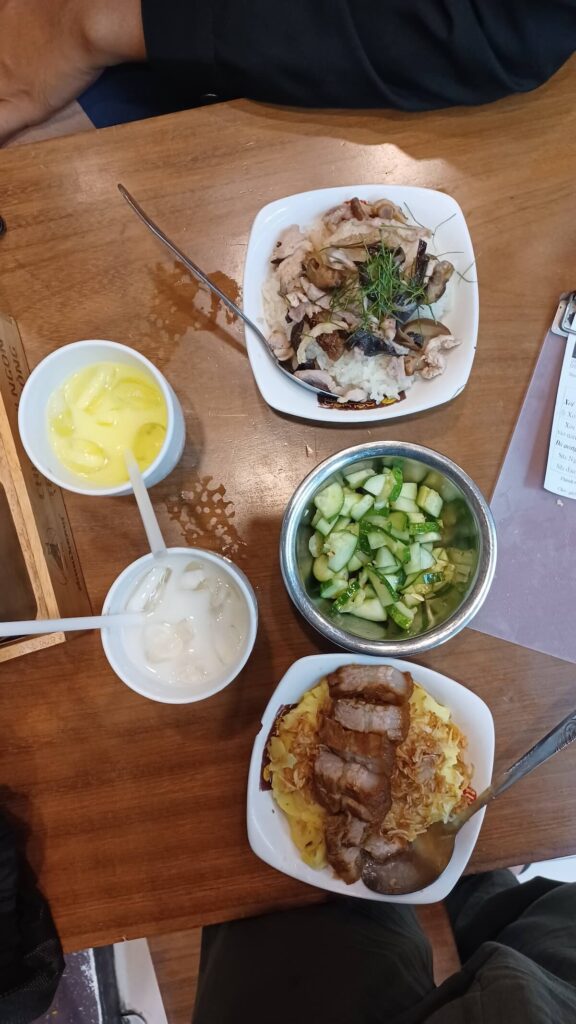
After dinner, it’s time for a quintessential Hanoi experience: ca phe trung or egg coffee! If Cafe Giang is still open by this time, definitely head there. This is home to the original creamy and rich concoction.

If Giang is closed, no worries, there are other places nearby that make a good egg coffee. Alternatively, for something a little different, pop into the Harry Potter-themed Always Cafe for their butterbeer. Both cafes are just a short walk from Xoi Yen.
Day 3
Your third day offers a more relaxed pace, allowing you to get deeper into Hanoi’s history and culture. We’ll start with a visit to the Imperial Citadel of Thang Long, a UNESCO World Heritage Site, followed by a delicious exploration of Hanoi’s vibrant street food scene.
The afternoon is dedicated to souvenir shopping in the charming Old Quarter, and for those who want to see more of the city at their own speed, an optional bus tour is available.
Morning: Citadel and Street Food Tour/Cooking Class
Day three kicks off with a dose of history at the Imperial Citadel of Thang Long, a UNESCO World Heritage Site. This sprawling complex was once the heart of Vietnamese power, serving as the imperial seat for centuries. Compared to the historical sites from day 1, this place isn’t as touristy but that’s what makes it even more worth visiting.
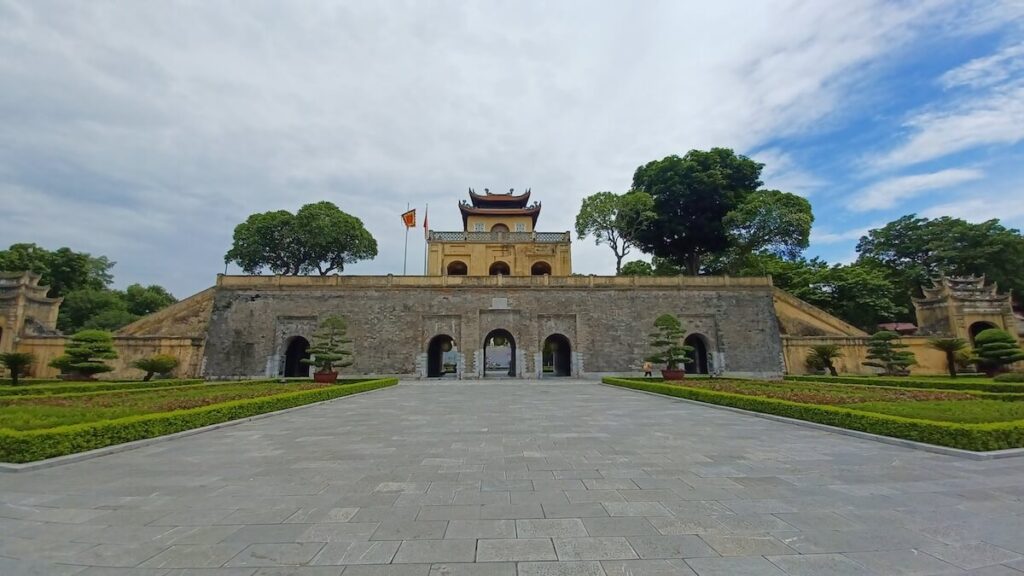
Wandering through the citadel, you’ll get a glimpse into Vietnam’s rich past, from ancient dynasties to more recent history. It’s a really interesting place to explore, with well-preserved buildings and informative displays. Give yourself two to three hours to wander around and soak it all in.

After exploring the citadel, it’s time for lunch, which you can conveniently do with a Hanoi street food tour! I’ve done this one before, and it’s a fantastic way to learn more about Vietnamese cuisine.
This small-group guided tour means you get a more personalized experience. For three hours, diving headfirst into the bustling streets of the Old Quarter, sampling treats like pho and banh mi, banh xeo (Vietnamese crepe), che ba mau (a type of Vietnamese dessert), donuts, and more! If you’re vegetarian, you can advise the guide beforehand so he/she can prepare options for you.
The tour I recommend starts at 11:30 A.M., which is perfect for a mid-day food adventure. But you also have the option to sign up for a dinner tour.
Alternatively, if you’re a foodie who wants to go beyond just eating delicious food and actually learn how to make it, consider taking a cooking class. On my last trip, I did a cooking class at Apron Up, and it was such a fun experience.

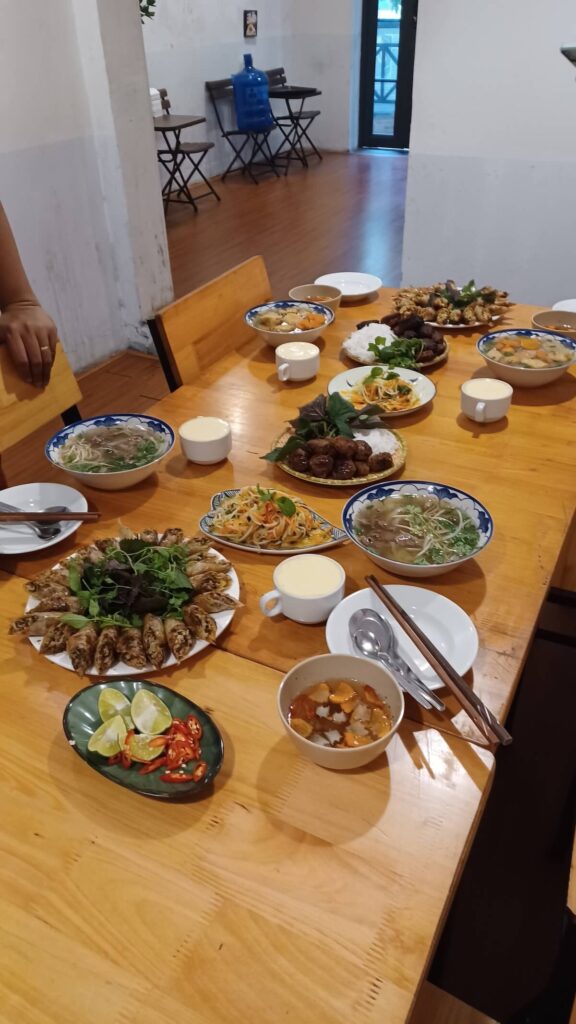
We went to a local market to pick out fresh ingredients, and then learned how to prepare several classic Vietnamese dishes. It was a great way to get a hands-on understanding of the cuisine and bring a little bit of Vietnam back home with me— I’ve been trying to recreate some of the dishes ever since! Plus, you get to eat everything you cook, which is always a bonus.
Afternoon: Souvenir shopping
With our bellies full of delicious street food (or perhaps with newfound cooking skills!), the afternoon is the perfect time for some souvenir shopping. And where better to do that than the Old Quarter?

This area is a shopper’s paradise, with countless little shops selling everything from silk scarves and lacquerware to traditional handicrafts and coffee. Take your time, browse around, and don’t be afraid to haggle a bit; it’s all part of the experience. Also remember that while many shops now accept debit or credit cards, it’s still a good idea to have some Vietnamese dong on hand.
Beyond the Old Quarter, there are a few other places worth checking out for souvenirs. If you’re looking for food items like coffee, tea, instant noodles, or dried fruit, the supermarkets are a good option. They often have a wider selection and fixed prices, which can be helpful if you’re not comfortable haggling.
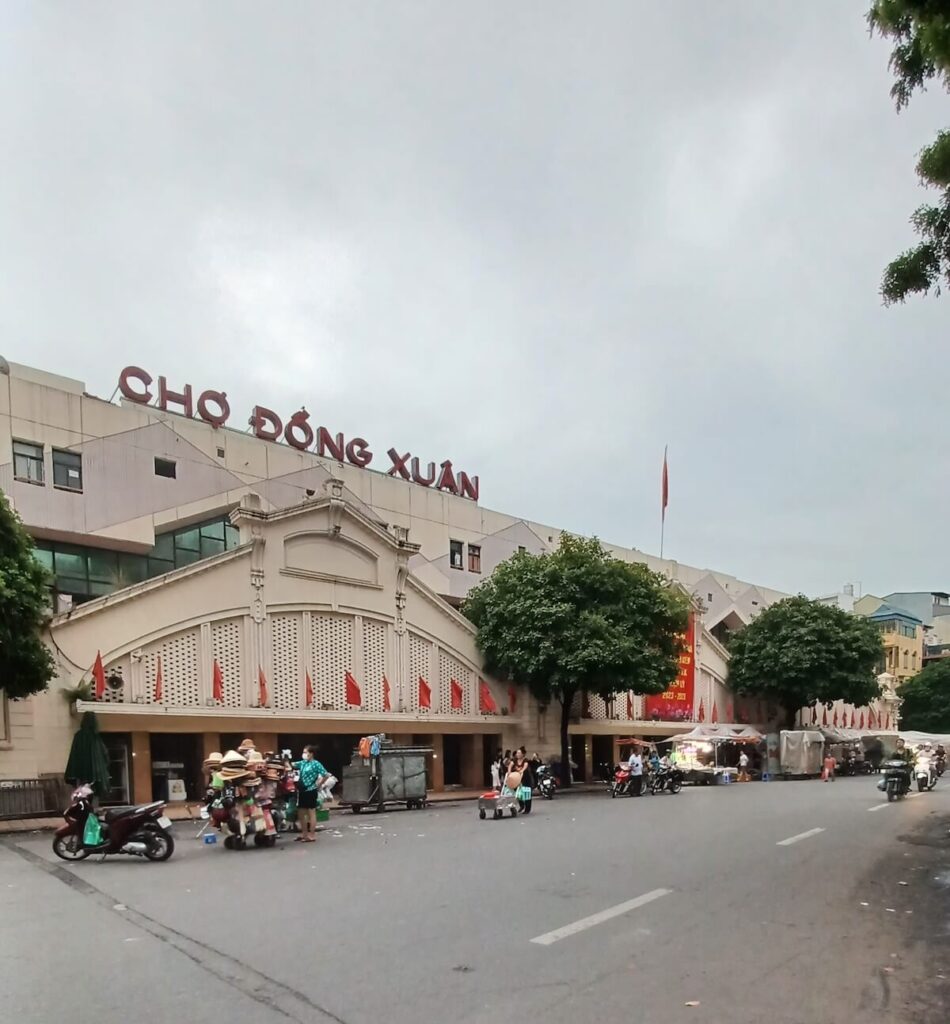
Dong Xuan Market is another huge market where you can find pretty much anything, from clothing and accessories to household goods and souvenirs. It can be a bit overwhelming, but it’s a fun place to explore and you might find some real bargains.
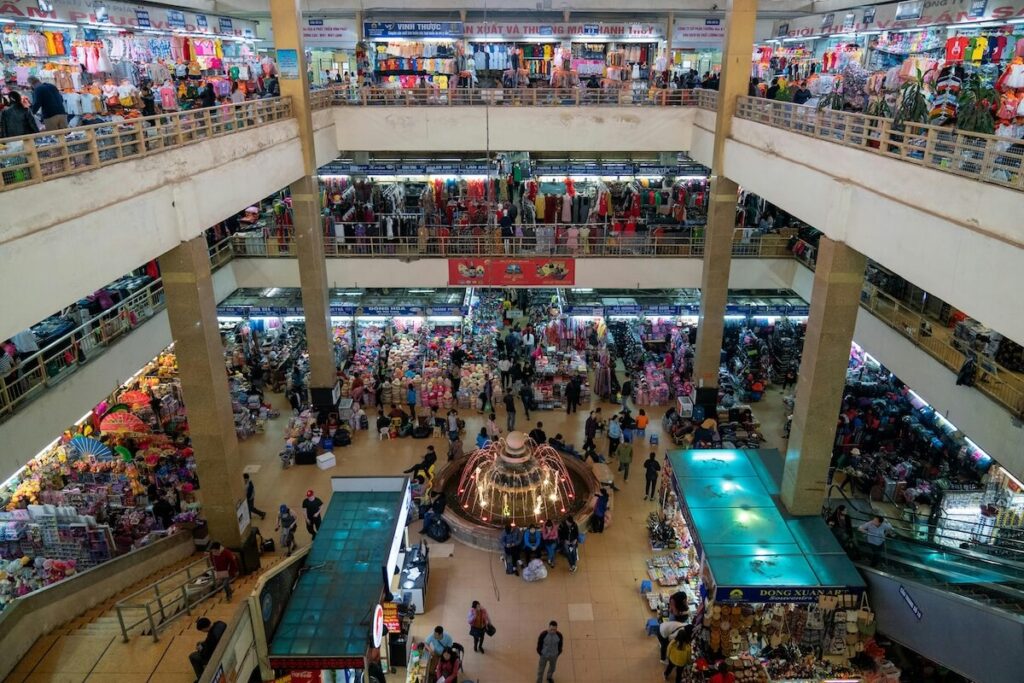
Souvenir shopping in Hanoi is also a chance to immerse yourself in the local culture, interact with the friendly shopkeepers, and find some special reminders of your trip—all before you fly back home. Plus, it’s a great way to burn off some of those calories from lunch!
Evening: Bus tour
If you’re not rushing off to the airport just yet and have some time to spare on your last evening in Hanoi, consider taking a hop-on hop-off bus tour. It’s a surprisingly relaxing way to see the city lights and get a different perspective on Hanoi, especially after a busy few days of exploring.
The tour I recommend is a 24-hour ticket which gives you the flexibility to use it during the day and at night. Just keep in mind that after 5 P.M., the buses switch to a non-stop evening tour, meaning you can’t hop on and off anymore. But honestly, that’s what makes it so fun! You can just sit back, enjoy the ride, and watch the city lights twinkle by. This was honestly one of the most relaxing things I did on my last visit—a perfect way to unwind.
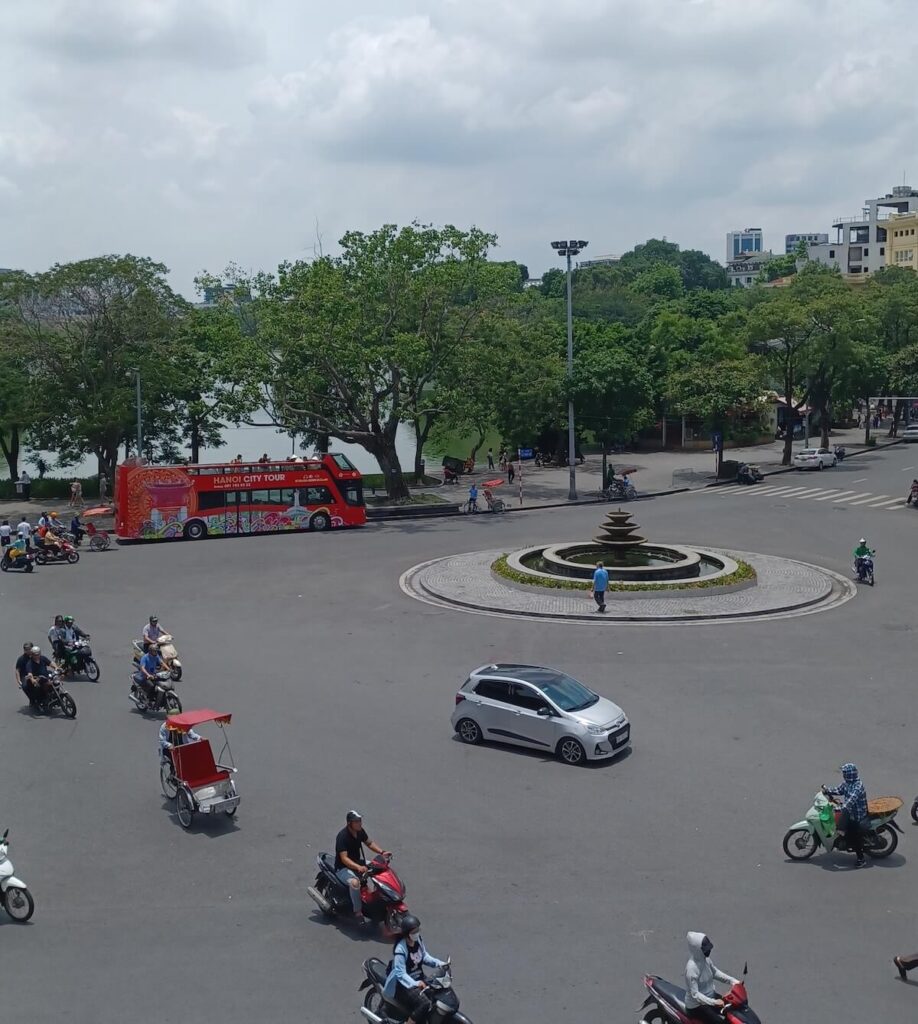
The hop-on hop-off bus usually starts at either Dong Kinh Nghia Thuc Square or the Hanoi Opera House, depending on the day. The route covers many of Hanoi’s key landmarks, so even if you’ve explored some of them during the day, seeing them illuminated at night gives them a whole new charm.

The audio guide on the bus is pretty informative, too, offering insights into the history and culture of Hanoi as you pass by different landmarks. It’s a nice way to learn a few extra things about the city, even if you’ve already done some sightseeing.
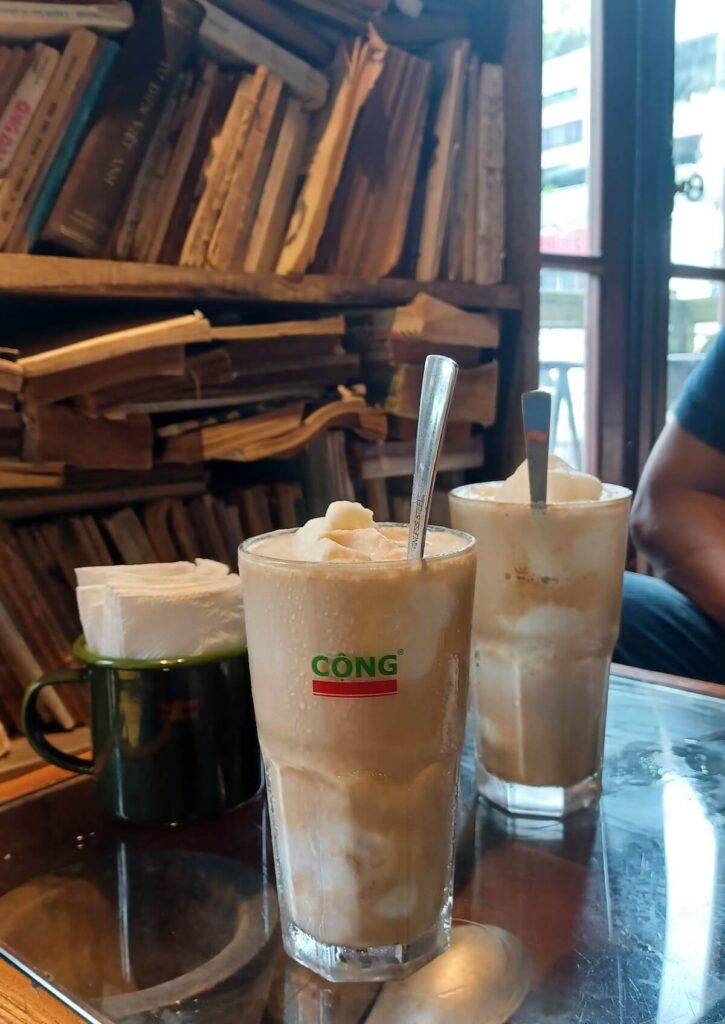
After the tour, if you’re feeling peckish, grab dinner at any of the restaurants around the Old Quarter and ca phe dua (coconut coffee) at any of the coffee shops in the area. Or, if you’re all toured out, head back to your hotel and get a good night’s sleep before your departure.
Conclusion
So there you have it—a whirlwind three days in Hanoi!
From exploring ancient citadels and bustling markets to cruising through stunning landscapes and savoring mouthwatering street food, Hanoi truly offers something for everyone. Whether you’re a history buff, a foodie, or simply someone who appreciates a vibrant city, I hope this itinerary has given you some inspiration for your own Hanoi adventure.
Of course, this is just a suggested itinerary, and you can always customize it to fit your own interests and travel style. Maybe you’ll want to spend more time exploring the Old Quarter, or perhaps you’ll discover hidden gems in the West Lake area. Whatever you do, I’m sure you’ll find Hanoi to be a fascinating and unforgettable destination. Happy travels!