
*This article may contain affiliate links. For full information, please see the disclaimer here.
Dublin, the capital city of Ireland, is famous throughout the world—and yet, still gets overshadowed by the rest of the Emerald Isle. It is Ireland, of course, but Dublin is special in its own right!
But what is Dublin known for? What is Dublin famous for?
Dublin is famous for Guinness, St. Patrick’s Day, and as a UNESCO City of Literature. Dublin is known for its many pubs, including the oldest pub in Ireland, the Brazen Head. Dublin is also known for its famous hospitality, its craic, and Irish folk music.

Dublin is a true beauty, often called “the Fair City.” With the River Liffey running through it, many parks (including the largest park in Europe), and its lively nature, Dublin is a must when you visit Ireland.
Keep reading for 24 things Dublin is known for, and Dublin is famous for.
Table of Contents
1. Guinness Storehouse

What is Dublin famous for? I bet you know this one—Guinness!
The original Guinness Storehouse began brewing the famous beer in Dublin in 1759, and now is one of the most popular beers worldwide.
You can technically buy Guinness all over the world, but it’s best right from the source in Dublin—studies even prove this! Nowadays, the storehouse showcases the history of Guinness, and when you visit the storehouse for the “Guinness Experience,” you can have a free Guinness with a view from the Gravity Bar.
2. Ha’penny Bridge

Ha’Penny Bridge, officially named the Liffey Bridge, is the oldest pedestrian bridge crossing the River Liffey in Dublin. Built in 1816, this ornate cast iron walkway gained its nickname for the halfpenny toll installed until 1919.
It’s toll-free these days, and the best and most scenic way to cross the river.
3. Temple Bar

Temple Bar is probably Dublin’s most famous pub—but it’s not just a pub, but a whole neighborhood! Temple Bar itself is within the Temple Bar area.
Temple Bar is a charming, pedestrian, cobblestoned area near the river, and is one of the best places for a tourist to find some good old-fashioned Irish “craic”…more on that later!
4. Craic
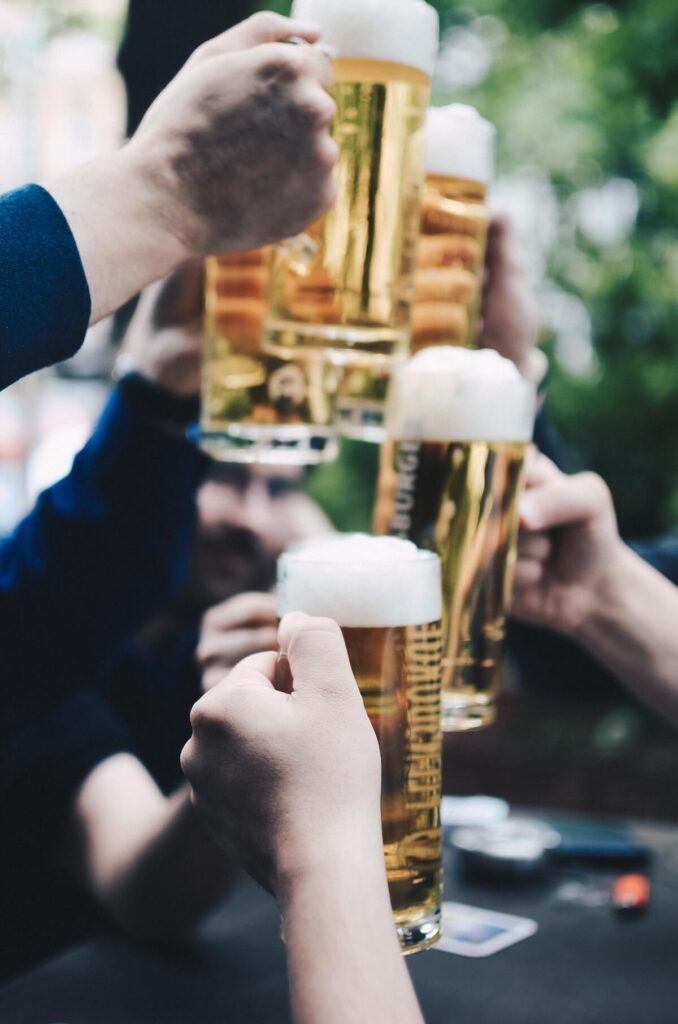
What is Dublin known for? It’s fun-loving spirit, aka craic!
An Irish (Gaelic) word pronounced like “crack,” doesn’t have an exact translation into English. It loosely means fun, a good time, or even enjoyable conversation. You’ll also hear it in Dublin with a common greeting, “What’s the craic?”, akin to “How’s it going?”
5. Trinity College Dublin

One of the most prestigious universities in the world, and one of the seven ancient universities of the English world (also including Cambridge, Oxford, and so on), can be found in Dublin.
Trinity College Dublin is also famous for the much-visited Trinity Library, which holds the priceless Book of Kells.
6. UNESCO City of Literature

With such libraries like Trinity Library and priceless works of literature like the Book of Kells, it’s probably not a surprise that Dublin is a UNESCO City of Literature.
Dublin gave us literary greats such as Oscar Wilde, W.B. Yeats, Bram Stoker, Samuel Beckett, and George Bernard Shaw—to name a few of many, many more!
7. Over 1000 pubs

The city of literature is also a city of pubs! With over 1000 pubs in Dublin, your main problem (besides perhaps over-imbibing a bit) will be choosing which ones to visit.
Some of my favorites? Temple Bar, the Brazen Head, the Long Hall, Toner’s, McDaid’s, the Cobblestone, the Palace Bar, or the Gravediggers (John Kavanaugh’s). Better yet, join this traditional Dublin pub tour to get a true local’s insight.
Whichever ones you decide to patronize, you can be guaranteed to find some dark paneling, that signature Irish warmth, hot food, fresh beer, Irish music, and some craic, of course.
8. The Brazen Head

One of Dublin’s many pubs is the Brazen Head, supposedly the oldest pub in Ireland, dating back to the year 1198 (!). The current building has been in use since the 1700s, but thirsty travelers have been finding a spot of refreshment on this spot for hundreds of years.
Even if you go just to say you’ve been, you’ll be warmly greeted with local food, local music, and local beer, all surrounded by well-preserved history. Legend goes that Robin Hood himself drank here (and even relieved himself on the old stone outside).
9. Georgian architecture

The Georgian style of architecture that dominates much of Dublin gets its name from the reigning period of four King Georges, between the years of 1714 and 1830. Dublin Georgian architecture takes inspiration from classical Rome and Greece, but has its own distinct Irish twist.
The best places to spot Georgian architecture (although it is visible in random spots all over the city) are Merrion Square, Marlay House, the Custom House, and the Bank of Ireland.
10. Viking history

Dublin is known for its Viking history—and was in fact originally a Viking settlement! Established first in the year 841 or thereabouts, the Vikings were expelled from Ireland before returning and reclaiming the city in approximately 917.
11. St. Patrick’s Day celebration

St. Patrick is the patron saint of Ireland—and on his day, there is a giant celebration in Dublin. St. Patrick’s Day, which falls on March 17, is celebrated with parades, music, as much beer as you can handle, and a whole lot of green.
12. St. Patrick’s Cathedral
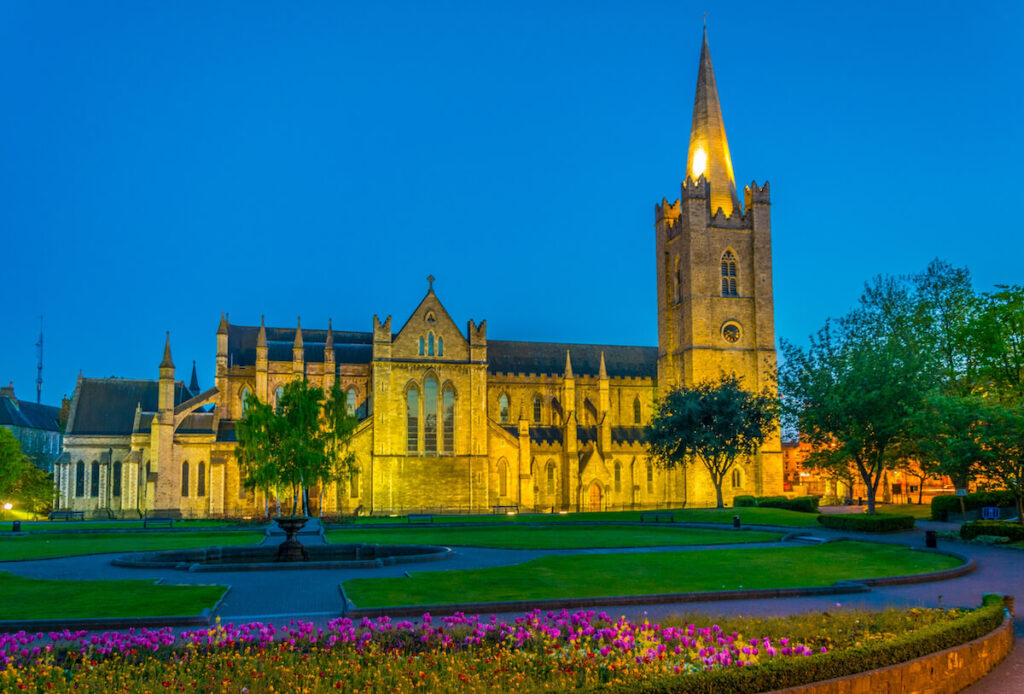
Speaking of St. Patrick, one of Ireland’s most important religious landmarks in Ireland calls Dublin home. St. Patrick’s Cathedral, which dates back to 1191, is on the exact spot where St. Patrick himself baptized the people of Dublin.
The cathedral, built in Gothic style, has the signature arches and soaring buttresses, and is the last resting place of over 600 important Irish people.
13. Irish hospitality

The Irish people are famously welcoming and friendly, and Dublin is no exception to this rule!
In addition to their warmth, Dubliners also love a good social event, which inspires a sense of community, even to visitors. There’s always fun to be had and a smile to be found in Dublin!
14. Beef and Guinness pie
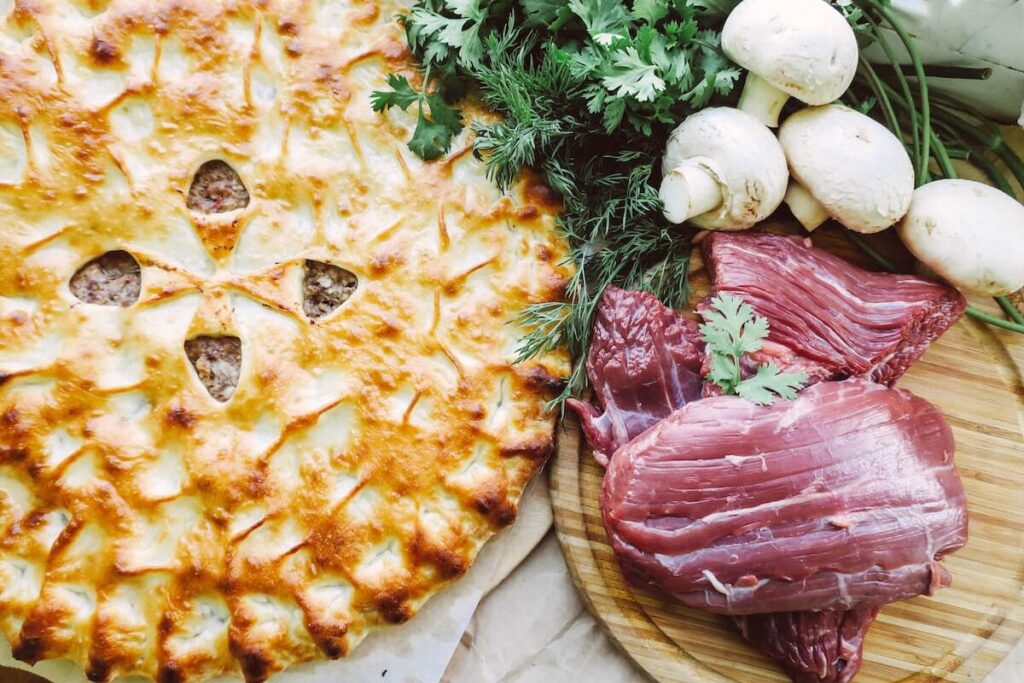
Guinness isn’t just for drinking—the Irish also use it in many of their best dishes!
One that Dublin in particular is famous for is beef and Guinness pie. Made with hunks of steak, savory vegetables, and a flaky puff-pastry crust, all enhanced with that distinctive Guinness flavor, it’s a must-try when in Dublin.
15. Bono

Dublin has given us some fantastic writers, artists, and musicians. One of the most famous musicians from Dublin (at least in present times) is Bono—you know, the frontman of a little band called U2.
Born in Dublin as Paul David Hewson, Bono still calls Dublin his home, despite his global fame and wealth.
16. Largest park in Europe
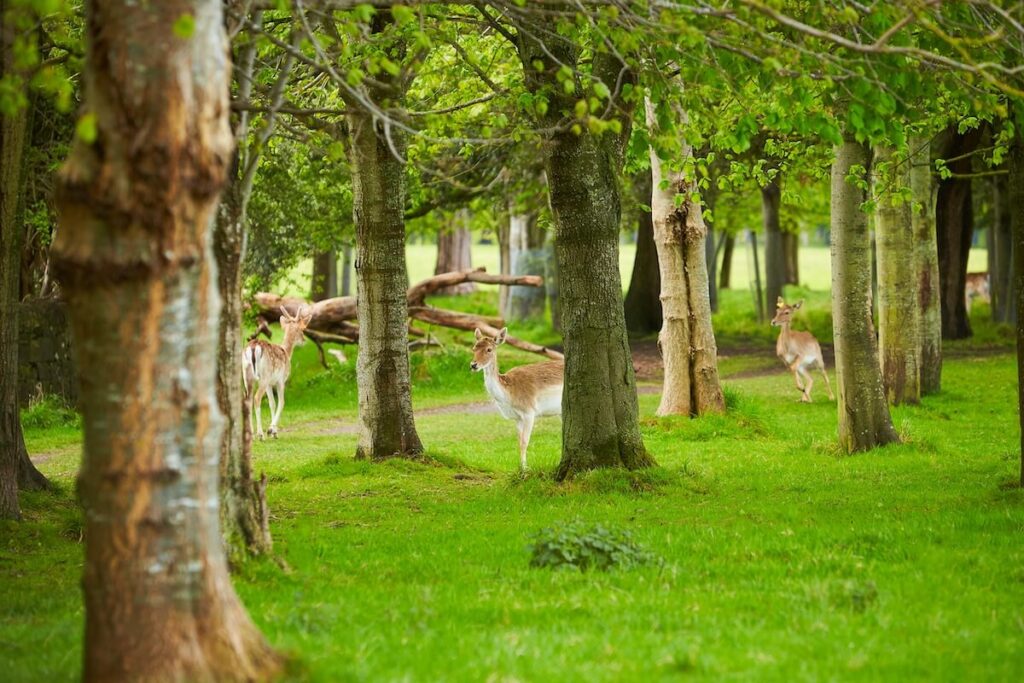
The largest park in Europe, Phoenix Park, can be found in Dublin. Covering over 700 acres, it was a private hunting ground until the 1700s. Nowadays, you can walk the pretty paths, visit several monuments, or explore the Dublin Zoo, all within the park.
17. Dublin Coddle

Coddle, the most commonly eaten Irish food, is often made with leftovers from the night before, boiled with water, and served with bread. Dublin’s version of coddle is usually made with sausage, bacon, potatoes, onion, and stout (or Guinness).
18. Dublin Castle

Dublin Castle has been an integral part of Dublin for over 800 years. Originally built by King John of England in the 13th century, over the years it has served as a prison, a British military fortress, and, currently, the seat of the Irish government.
It hosts many presidential and state events, but is also open for visitors. In fact, you can explore Irish history in peace on this Book of Kells and Dublin Castle tour.
19. Grafton Street

Grafton Street is the shopping street in Dublin—and is considered the busiest shopping street in Europe. Lined with shops and cafes, the pedestrian-only street also attracts many musicians (so bring some coins!). It’s also a great spot to buy yourself some unique Irish souvenirs.
Grafton Street is also close to the famous park, St. Stephen’s Green, as well as Trinity College, Temple Bar, and the River Liffey.
20. River Liffey
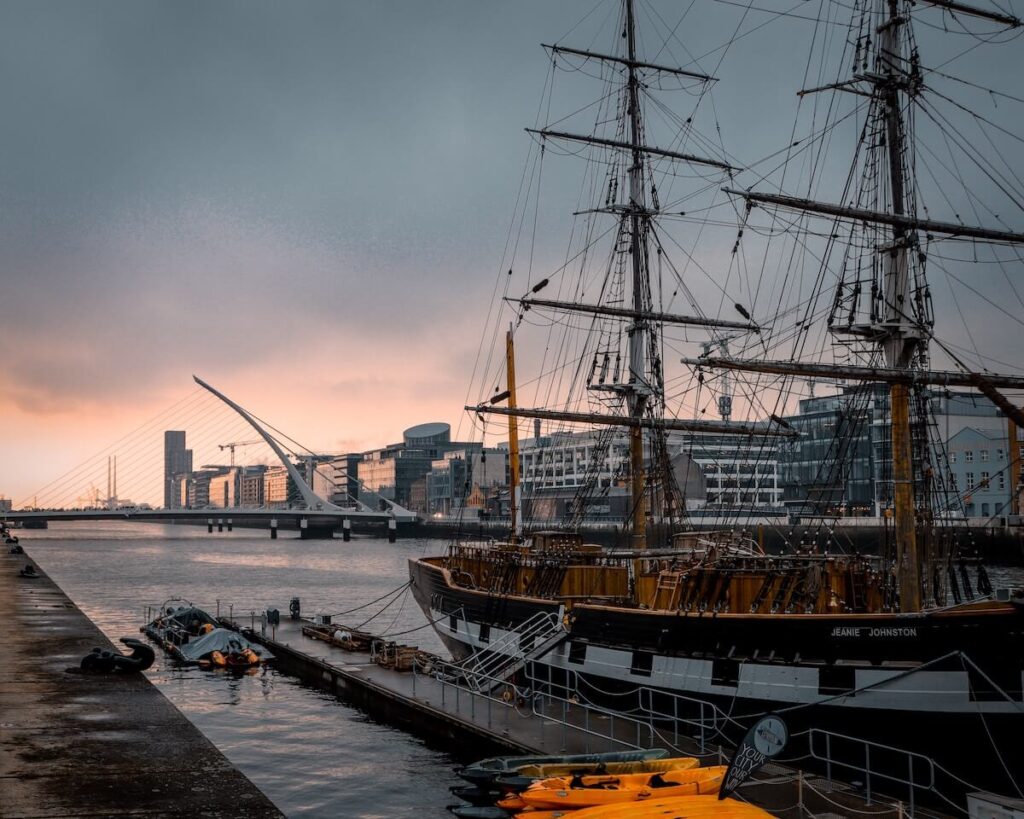
The River Liffey is the main artery of Dublin, which empties right into Dublin Bay. Crossed by several important bridges, the River Liffey also provides much of Dublin’s drinking water. The River Liffey is known as a “holy trinity” with the city and the bay.
The best way to see the River Liffey, and the city from the water, is to join this River Liffey Sightseeing Tour.
21. Irish folk music
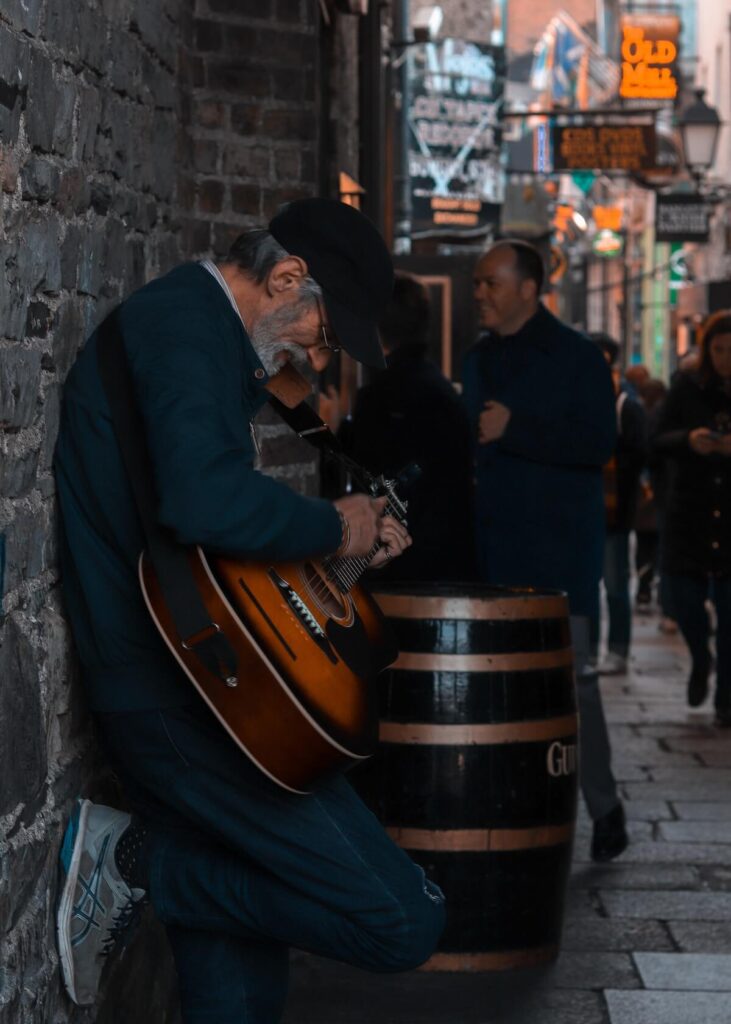
Traditional Irish music, or Irish folk music, can be found all over Dublin. Irish music, the living soul of Ireland, embodies the history of the country and its people.
While many traditional Irish pubs often have Irish music every night, you can also time your visit with one of Dublin’s many traditional music festivals. One of these is TradFest, which takes place every January, and is a celebration of genuinely authentic Irish music and culture.
22. Howth Cliff Walk

Dublin isn’t all city! If you need some of that quintessential Irish scenery, take the excellent Dublin public transportation system to the Howth Cliff Walk. The Howth Cliff Walk is several different trails along the cliffs outside Dublin.
Most of the paths are an easy, meandering hike that give you stunning vistas of mountains, beaches, the sea, and even an old lighthouse. A guided coastal tour to the picturesque Howth Village also takes you these majestic cliffs.
23. Kilmainham Gaol

One of Dublin’s most famous sights is a former prison! Kilmainham Gaol opened in 1796 as the new county jail (gaol) for Dublin, and hosted both common and famous criminals until it closed in 1924.
The Gaol reopened in 1971 as a museum which offers guided tours. The upper floor is an art gallery, featuring artwork from prisoners incarcerated all over Ireland.
24. Glasnevin Cemetery
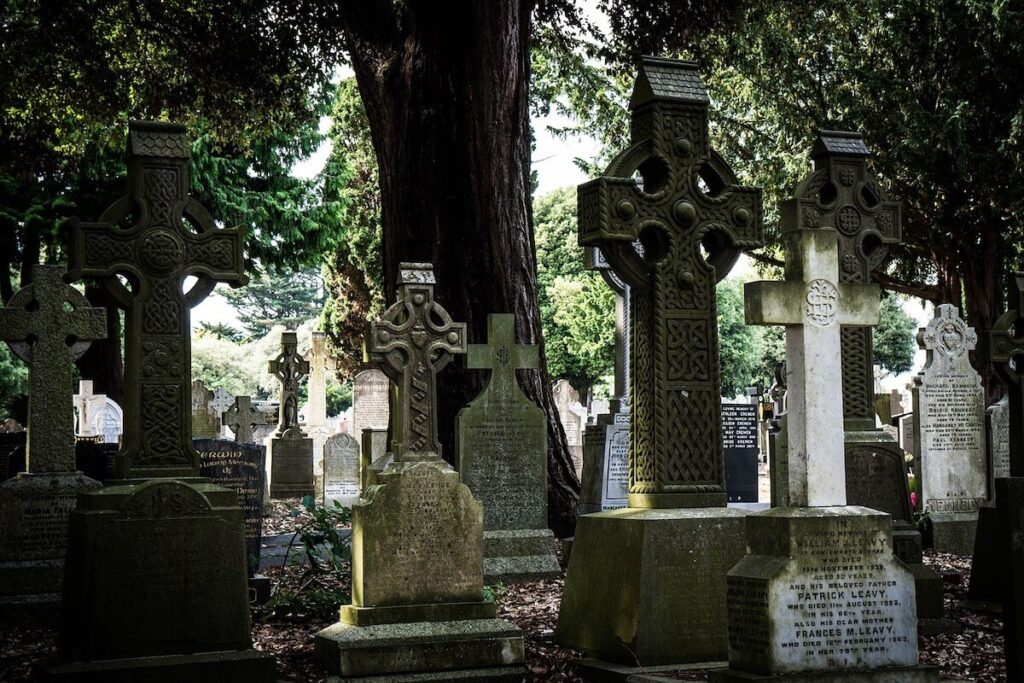
One of Dublin’s most intriguing spots is the Glasnevin Cemetery, one of the first Catholic cemeteries in Dublin, which dates back to 1832. Glasnevin has impressive monuments, the graves of several historical figures, and a pathway that leads to the National Botanic Gardens.
Glasnevin is also known for its high walls and watchtowers, built to deter gravediggers, a common (and grisly) practice in Dublin during the late eighteenth and early nineteenth centuries.
Conclusion
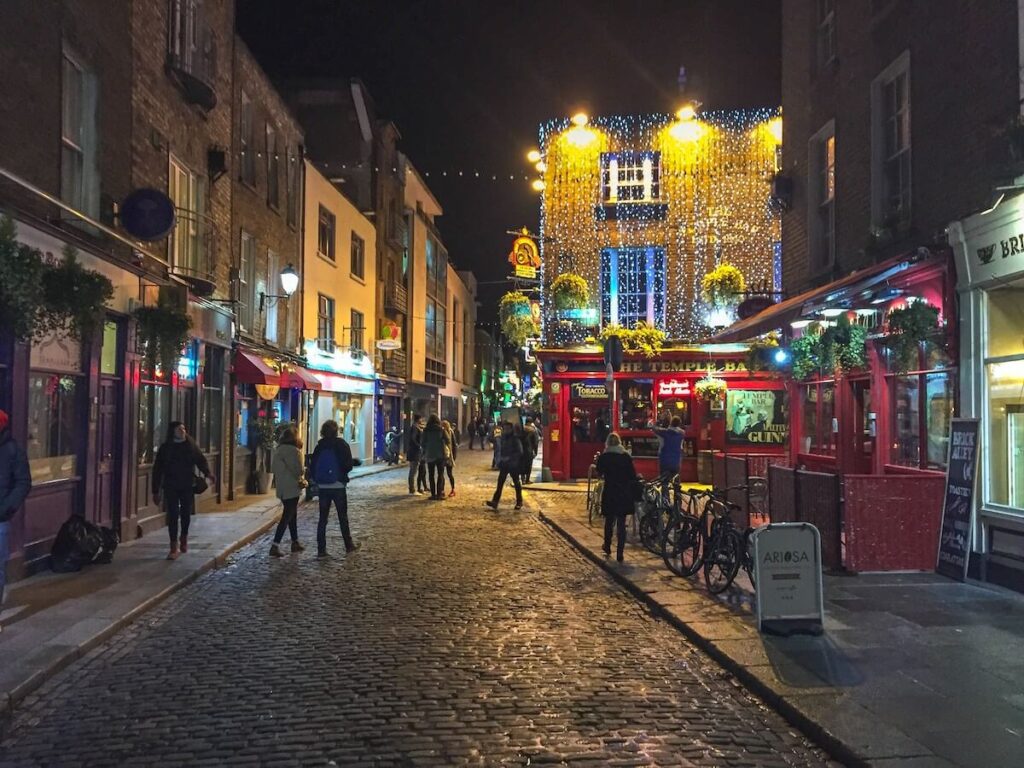
Although many cities claim this, Dublin is truly a city of contrasts. The lively young population plays amongst some of Ireland’s oldest sites. Hotspot pubs flow with traditional beer and music, and tourists buy Irish flags along old cobblestone streets.
The bay still looks similar to how Vikings must have seen it, and yet Dublin is the country’s technological hub.
Dublin is beautiful, always intriguing, and Irish, through and through.
Have you been to Dublin? What was your favorite thing about the city? Share in the comments below!