
The small-but-mighty Ecuador has beaches and jungles, the Andes and the Amazon, the Galapagos, and more biodiversity than nearly anywhere else on Earth. It’s a mecca for tourists and expatriates alike!
Ecuador is also a mecca for local handicrafts, unique products, and delicious flavors. Read: Ecuador has some truly incredible souvenirs to remind you of your once-in-a-lifetime trip.

And no, I’m not talking about typical souvenirs, like magnets and postcards (although you can find plenty of those, too). Ecuador is known for its intricate arts and crafts that have been passed down for generations, local specialties (can you say coffee and chocolate?), and unique cultural items you’ll be hard-pressed to find anywhere else.
So put that magnet down (or, you know, buy it in addition) and fill your suitcase with one of these amazing souvenirs from Ecuador to bring home!
Table of Contents
1. Textiles

Ecuador is known around the world for its intricate and colorful textiles. They’re easy to find all over the country, but buying them directly from the artisan is the best way to make sure the artist benefits!
The most famous artisan market in the country is located in Otavalo, north of the capital Quito.
2. Coffee

Ecuador has some seriously amazing coffee—so you should bring some home with ya! (Hot tip).
The coffee made in Ecuador is uniquely well-balanced and well-rounded, thanks to the volcanic soil and varying climate zones. Some of the best coffee can actually be found at little local grocery stores, although the fancy stuff is good, too.
3. Chocolate

Cacao beans have been grown in Ecuador for around 5,000 years (!!), so you know they make a good bar of chocolate.
In fact, Ecuador is known as one of the countries that makes the finest chocolate on the planet! Try Republica del Cacao for a pricier option, Kallari, or Pacari (especially the Andean Blueberry).
4. Panela

Panela is an Ecuadorian specialty sugar that is, essentially, cane sugar harvested in a more traditional way. Panela is not stripped of its natural benefits like our white sugar (plus is more sustainable and eco-friendly), and has a stronger molasses flavor.
You can buy it in disks or blocks to bring home—thanks to its stronger molasses taste, it adds a slightly richer flavor to coffee, baked goods, you name it!
5. Panama hats
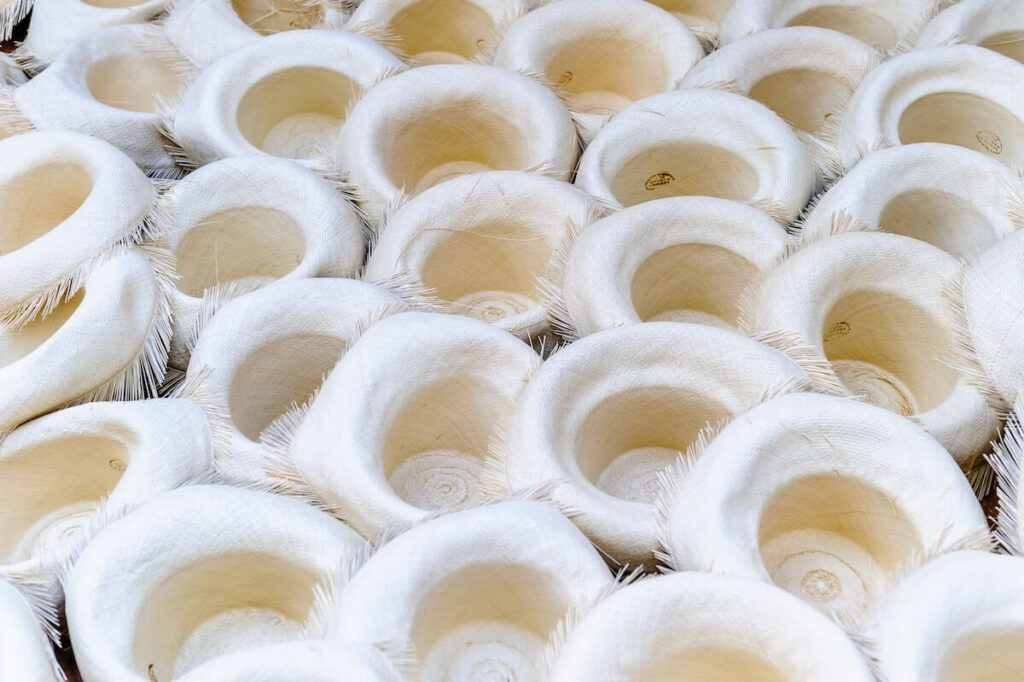
It may surprise you to know this Ecuador fact: Panama hats are actually from Ecuador! Yep, they’ve been handwoven in Ecuador for hundreds of years from toquilla straw. The weave is so tight they appear to be linen!
These hats gained the name “Panama hats” because, at one point in time, all of Ecuador’s exports passed through Panama before going elsewhere. Also, Teddy Roosevelt was once spotted wearing one of these hats while touring the Panama Canal, which solidified the name.
6. Alpaca textiles and apparel
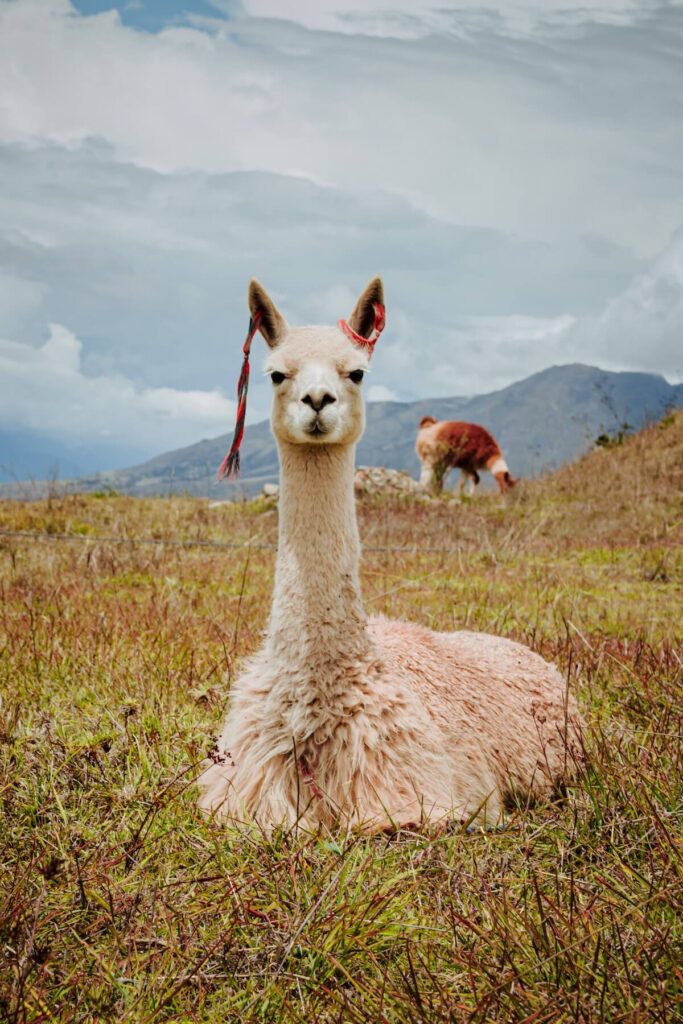
Ecuador is known for producing Alpaca wool items, from scarves to socks and the famous poncho. Alpaca wool makes a soft, cashmere-esque fleece that is often used to make beautiful Ecuadorian textiles.
7. Eternal roses

One of Ecuador’s biggest exports? Roses and cut flowers! Of course, these aren’t exactly take-home souvenirs (pretty sure you’d have some trouble trying to get them past customs).
Ecuador has you covered on this front, though! They’ve invented “eternal roses,” so you can bring home one of Ecuador’s many rose varieties to keep forever. Pro tip: one of the world’s best flower markets is found in the Andean town of Cuenca!
8. Rondador (pan flute)

If you’re musically inclined, why not bring home Ecuador’s national instrument? The rondador, Ecuador’s version of the pan flute, is hundreds of years old (early versions have been found during archaeological excavations!).
Keep an eye out for handcrafted rondadors at local markets, often with unique decorations and paintings.
9. Aguardiente

Also known as Ecuador’s “moonshine,” aguardiente is the national spirit of Ecuador (and is commonly found in other regional varieties throughout South America). Unflavored, and made with distilled sugar cane, aguardiente is taken as a shot or mixed into cocktails.
It’s definitely strong—but the molasses aftertaste also makes it delicious! Bring some home (packed carefully because you don’t want aguardiente all over your suitcase, ask me how I know this) to share.
10. Balsa wood products

Balsa wood, a very light and airy wood from the balsa tree, is one of Ecuador’s biggest exports (often used for the construction of wind turbines). It also is used to make beautiful local products, like carved animals and figures, pens, toys, jewelry, and more.
Hot tip: make sure you’re buying sustainably made balsa wood items, as it’s a hot commodity and could be sourced from the rainforest, which you want to avoid if possible!
11. Ecuadorian candy & snacks

In addition to chocolate and panela, Ecuador is full of delicious candy and snacks you should most definitely bring home! For savory snacks, get plantain chips, tostado (toasted corn), or yuca chips. For the sweeter teeth out there, bring home a jar of dulce de leche, or various candies.
Some of my favorites? D’Leche (type of caramel), collaciones (lemon candy), melcocha (made primarily in Baños), cocada (made from coconut), or Manicho (a brand of chocolate bar with peanuts).
12. Tagua nut jewelry

Tagua nut, also called vegetable ivory, comes from the Tagua Palm tree that is native to Ecuador.
Tagua nuts make beautiful, affordable, and natural jewelry. Tagua nut jewelry is often skillfully carved with unique designs by local artisans and can be found all over the country.
13. Leather

Ecuador is a great place to buy leather goods! Who knew?
Certain towns specialize in leather (like Cotacachi), but you can find quality leather items, such as beautifully etched purses, backpacks, and belts, all over the country. Many such items also incorporate some weaving, which means: 2 souvenirs in 1!
14. Local artwork

As you would imagine in a country famous for weaving and wool, tapestries and other artwork from Ecuador are a souvenir you’ll treasure for life! Various regions have their own traditional practices, but will often sell in markets all over the country.
Woolen tapestries are common in Otavalo, famous folk art from Tigua, and agave-fiber bags from Riobamba, to name a few, are a few local traditional arts to look for.
15. Embroidery

Along with the gorgeous textiles, Ecuador is also famous for embroidery on said textiles.
The most famous embroidery designs come from the village of Zuleta. Zuleteño embroidery is intricate, handmade, and decorates clothing, pillows, rugs, and tablecloths.
To support this age-old artwork, make sure to purchase authentic Zuleteño embroidery to support the local women.
16. Alpargatas

Alpargatas are a traditional type of shoe made in Ecuador, also known as espadrilles.
Lightweight, with many design options, and often handmade, alpargatas are ideal for wearing around Ecuador and during the summer, or warmer months. Traditionally descended from Egyptian sandals, now many alpargatas are close-toed with jute fabric.
17. Herbal remedies
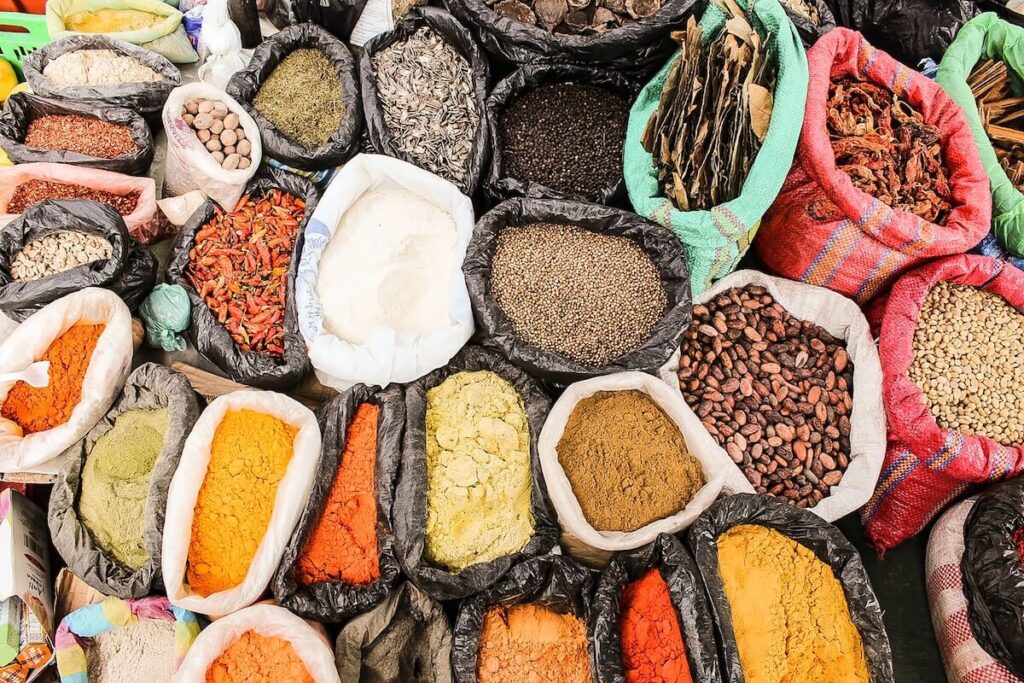
As a chunk of Ecuador is the Amazon rainforest, there are many traditional herbal remedies for every ailment you could think of, from headaches to heartbreak. At some markets, you can even find mini-cleansing rituals, using local plants and herbs, to rid you of negative energy.
Of course, you can’t exactly pack those rituals on a plane, but many of the local ointments, creams, potions, lotions, and powders make great souvenirs!
Where to shop in Ecuador

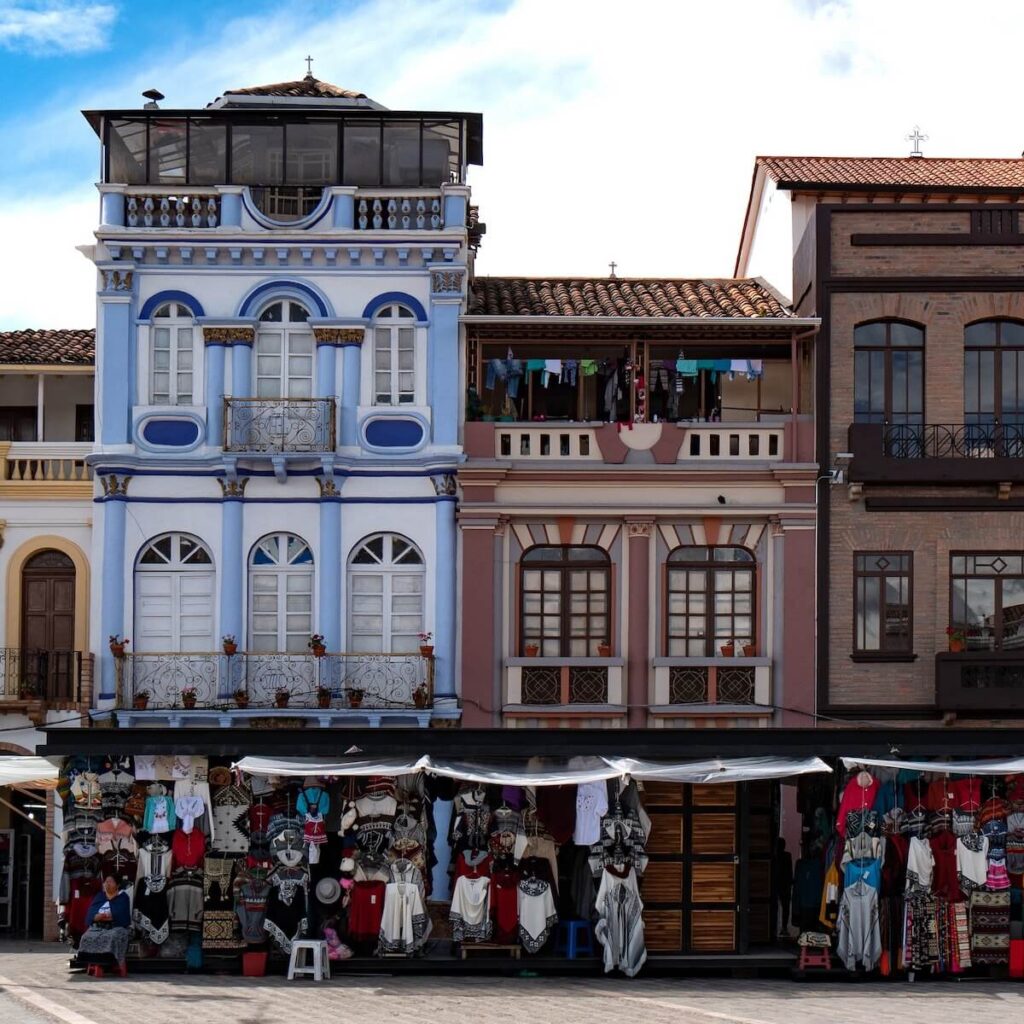
The very best shopping in Ecuador is at one of the many local artisanal markets found throughout the country. Otavalo, about two hours north of Quito, has the most famous market in the country—and actually the biggest artisanal market in all of South America.
The Plaza de los Ponchos and Centario Market has been going on for hundreds of years and is one of the best places in the country for textiles, alpaca wool, embroidery, tapestries, artwork, and other local products. The main market day is Saturday, but you will find vendors there all week long.
In Quito, visit the cloistered nuns at Carmen Alto for herbal remedies, as well as. Quito’s oldest market, the San Francisco Market, sells all the local flavors and herbs. Tienda el Quinde is the spot for balsa wood and tagua nut products, as everything is locally made and sustainably sourced.
In the south of Ecuador, the city of Cuenca has many local markets. Panama hats are made near Cuenca, but of course, you can find many other local products at one of the artisanal markets scattered throughout the city, such as the Rotary Market at Plaza Civica.
One travel hack I always recommend in Ecuador? Hit up small neighborhood grocery stores for candy, chocolate, coffee, snacks, and other small souvenirs. You’ll shop with the locals and buy local products, as well.
Conclusion
Ecuador has so many locally made handicrafts and food items, you’ll be hard-pressed not to fill your suitcase. Maybe bring an extra one or pack really light? Cause you’ll want to do some serious shopping, just sayin’!
I do recommend doing some research before purchasing, to support the artists as well as the local economy, and to not damage the precious ecosystem of Ecuador more!