
*This article may contain affiliate links. For full information, please see the disclaimer here.
Tuscany is famous for being one of Italy’s most stunningly picturesque regions, idolized and romanticized to no end in literature, cinema, and poetry.

While the countryside is a destination in itself and Tuscany’s major historical cities like Florence and Pisa rake in hundreds of thousands of visits on the regular, there is so much more to Italy’s third-biggest continental region than meets the eye.
A perfect example of this, at least at first glance, is the stunning seaside city of Livorno, not far from Pisa. But is Livorno worth visiting on your next Italy trip? Let’s find out!
Table of Contents
Why you may not enjoy Livorno
No city is perfect, and though I find there are many things to like about Livorno, there are some notable caveats.
It’s not all as authentic as you might expect
First off, while historical value is a big part of the reason why you should visit Livorno (more on that down below), that same historical value is unfortunately compromised in a lot of areas by recent development.
Livorno was heavily bombed during World War II, and like many others, the city hasn’t been the same since then.

Construction of a more recent US military base, for instance, has further negatively affected the historical legacy of Livorno, both in the eyes of residents as well as visitors. Of course, it’s up to you to decide how much this affects your opinion of the city!
It’s not the cheapest option
You would think that Livorno’s relative lack of popularity among tourists would mean that it is an affordable place to visit. While that’s true in some ways, average prices in Livorno are still on the high side for Italian standards.
After all, this is an affluent mercantile city on the Tuscan coast we’re talking about – not exactly the place to go if you’re looking for the next great bargain find!
You might have trouble getting by without some Italian

There’s an old joke that some of my friends from Lombardia used to say: Italians are the most multilingual people in the whole world, they speak both Standard Italian as well as Roman, Bergamasc, Pugliese, Livornese, Sard…
While this is mostly a joke about the diversity of Italy’s native minority languages and dialects, there’s a second layer to it as well. Beyond the native tongues of their country, region, and city, many Italians still struggle with foreign languages, including English.
In tourist hot spots like Florence or Rome, this might not be so apparent, as you’ll of course find plenty of English guided tours and signage in important spaces like museums and such.
However, in Livorno, it’s “business as usual” for Italy. Meaning, without some linguistic chops, you might find yourself getting lost pretty quickly!
Why is Livorno worth visiting?
1. It gives you an unconventional view of Tuscany
Popular and immortal as it may be, Tuscany is also often stereotyped thanks to its pop culture prominence.
That the region has so much more to offer than the metropolis of Florence or the artistic beauty of Siena is unfortunately lost on many travelers.

Livorno is just about the perfect antidote to that problem. A cosmopolitan seaport with a long tradition of independence and sovereignty, Livorno sets itself apart quite distinctly. While urban, it’s nowhere near the inner-city hustle of Florence.
And while certainly a historical marvel, there are no grand monuments or architectural exercises in Renaissance grandeur like you would find in Pisa or Siena.
Instead, Livorno forges its own path, displaying a cultural, aesthetic, and geographic side of Tuscany that far too many explorers have ignored in the past.
2. It’s remarkably easy to get there

Right on the Tyrrhenian Sea, Livorno is a major port frequented by most Mediterranean cruise ship lines, ferries, and passenger boats.
So while the city does not possess a major international airport, it is actually surprisingly well-connected with plenty of other destinations around the world.
Within continental Europe, Livorno is also very convenient to access by road or via Italy’s affordable and reliable public rail network.
3. The weather is priceless

Livorno sits just south of Pisa, right by the Mediterranean, and what results from that is something I’d be tempted to call the world’s best climate.
Warm, but rarely hot, dry, summers that last for most of the year coupled with moderate springs and colorful autumns, capped by mild and comfortable winters mean that Livorno is beautiful to visit any time of year.
If that isn’t a reason to swoop by sometime, I don’t know what is!
4. Livorno has a glamorous past

Speaking of that history, Livorno is the child of a long legacy that’s seriously impressive even by Italy’s tall standards.
Founded over a thousand years ago as a naval fortress protecting Pisa from the sea, Livorno quickly grew to become one of the peninsula’s most important trade cities on the Tyrrhenian.
Especially starting in the 17th century, when Livorno was declared a free port and greatly expanded under the guidance of the Medici family, its reputation grew dramatically. It became a major stop on the European Grand Tour of the aristocracy, and an equally important refuge for immigrants of every stripe.
An unusually strong Jewish community, including thousands of emigrés from Inquisition-era Spain as well as sea traders from North Africa, lived in Livorno for centuries under remarkable levels of freedom. In addition, many minority groups like Albanians, Armenians, and Roma also made the city their home over the centuries.
This multi-cultural, multi-ethnic, libertine side of the city is mostly a matter of the past, as the tumultuous events of the 19th century in Italy followed by both World Wars changed the makeup of Livorno significantly. However, all that history can still be found in the city’s DNA and in many of its historic buildings, making for a fascinating visit.
5. Crowds are nowhere to be seen
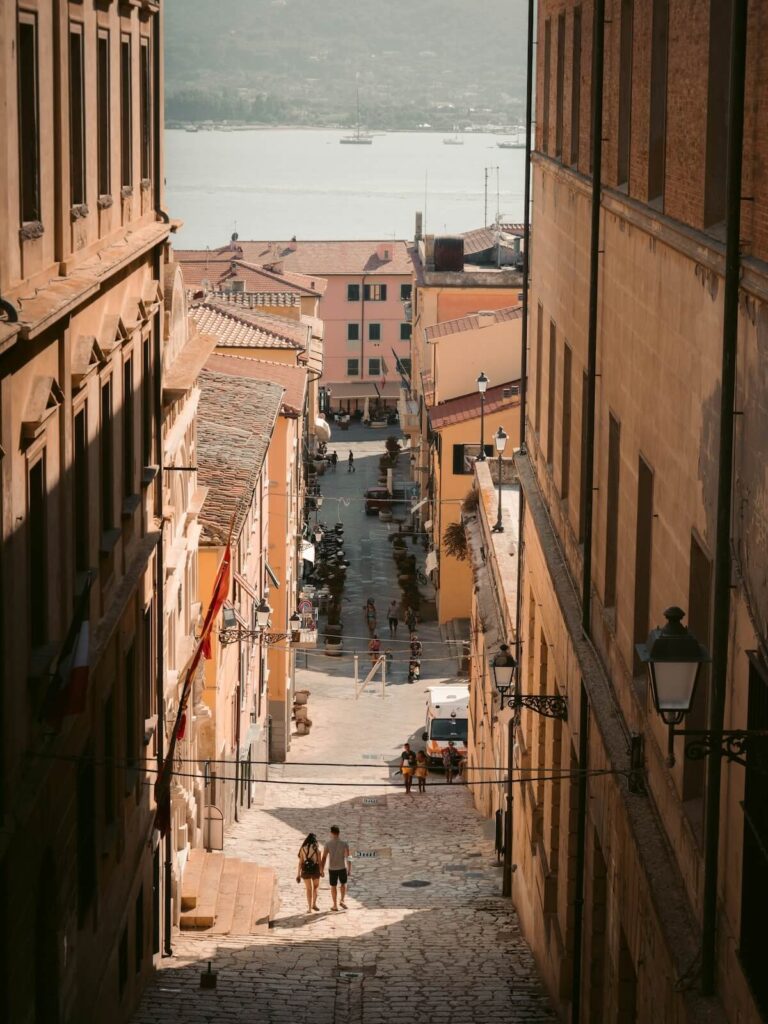
Though it’s not far away from some of Italy’s most notorious travel hot spots, Livorno itself remains conspicuously unpopular with tourists. One huge advantage of that fact are the relatively empty streets.
Even the beaches of Livorno, though beautiful in the summer, are nowhere near as packed as those in, say, Genova, or Rimini.
This makes the city definitely more relaxing to visit whether solo or as a group, and you generally don’t have to worry about peak and low seasons nearly as much as you would elsewhere.
6. Livorno has zero tourist traps
Partly because of that fact, Livorno is mostly still served by local businesses and larger domestic chains. You won’t find exorbitantly-priced restaurants and hotels here catering to an exclusive, foreign clientele.

Despite Livorno’s rich and diverse history, the number of expats here remains quite low today. And since visitors are very likely to skip the city altogether, you don’t really have to be afraid of extortionate tourist traps.
7. There’s history around every corner
Continuous cycles of prosperity, disaster, and reconstruction since the 9th century mean that every street in Livorno is built on layers upon layers of history.
This can be literal Roman ruins around the corner from your next favorite café. Or it can be the magnificent Naval Academy, still training new cadets today, flanked by its marvelous historic villas dating back to the Renaissance.
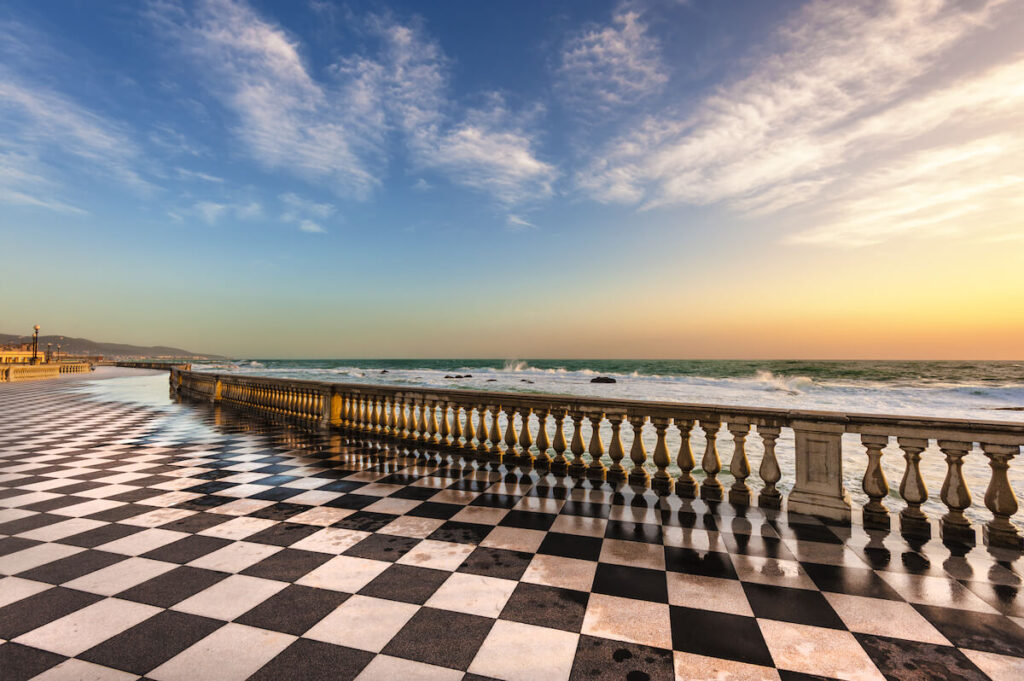
Or how about the most unforgettable sight in Livorno, the Terrazza Mascagni? This elegant promenade right on the sea, built entirely out of tiled marble, used to be the most ostentatious symbol of Livorno’s wealth and elegance for centuries.
Destroyed in bombing raids during World War II, it has since been rebuilt according to the original specifications and using historically-appropriate materials.
8. The cuisine is to die for

Take a seaside town with a centuries-old tradition of fishing, add a healthy dose of multi-cultural exchange, top it off with some Italo-Mediterranean staple ingredients, and what do you get?
One of the most eclectic and enjoyable food scenes on the whole continent, that’s what!
Livorno’s cuisine is understandably very heavy in seafood. Classics include cacciucco, a kind of fish stew often embellished with squid, mussels, shrimp, and plenty of spices.
You should also definitely try the classic Triglie alla Livornese, the quintessentially Livorno-style red mullet set in tomato sauce. Better yet, just sign up for a food and market tour for a local-guided gastronomic experience through the city.
9. Livorno is your open door to the real Tuscany
I mentioned earlier how Livorno represents in many ways a unique cultural capital distinct from anywhere else in Tuscany. While that’s true and does allow you to get a view of a different side of the region, of course Livorno is not all.
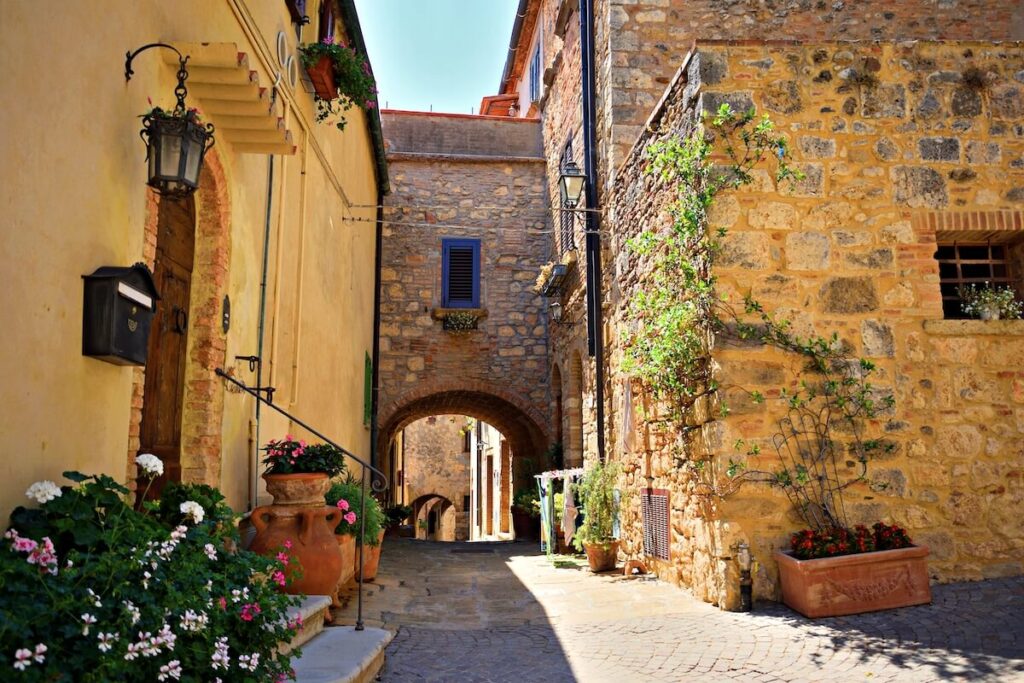
In fact, I would go as far as saying you’re not getting the most out of the opportunity if you just linger in the city itself. There are countless other places all over Tuscany, such as San Gimignano with its medieval towers, or the serene Pienza, that deserve your attention.
Or why not take a trip down to the Chianti region, where its world-famous vineyards continue to produce many Italians’ favorite afternoon beverage?
10. Day trips elsewhere are easy, too
Being a major port city, Tuscany is not the limit when you’re in Livorno. From here, it’s easy to visit Florence and Pisa.
Apart from having the opportunity to visit other regions, like Liguria, Piemonte, or Emilia-Romagna if you can afford a day trip, an equally viable option is to take a ferry from Livorno for a quick excursion abroad.

Both Spain, France, Malta, as well as many North African countries are well-connected with Livorno and only a couple hours away most times of the year. That makes the city a one-of-a-kind opportunity for chaining together a cross-European itinerary, Grand Tour-style.
11. The clash of old and new has its upsides
I mentioned earlier how many Livornese have mixed feelings about the city’s reconstruction, particularly the hasty one following the end of the war. There are plenty of arguments in favor of that position – the oddly out-of-place Rationalist architecture in the old town center, for example.

However, in some way, it also lends Livorno a dash of unexpected, unique character. Nowhere else in Italy will you really find this many pieces of architecture from so many different and incongruent styles and time periods right next to each other.
The modern elements also help keep Livorno fresh and neat while ensuring that most of its public spaces and facilities aren’t in the crumbling state of ‘minor neglect’ that much of Italy is famous for.
It definitely makes the city more memorable, that’s for sure!
12. Boat lovers will have a field day in Livorno
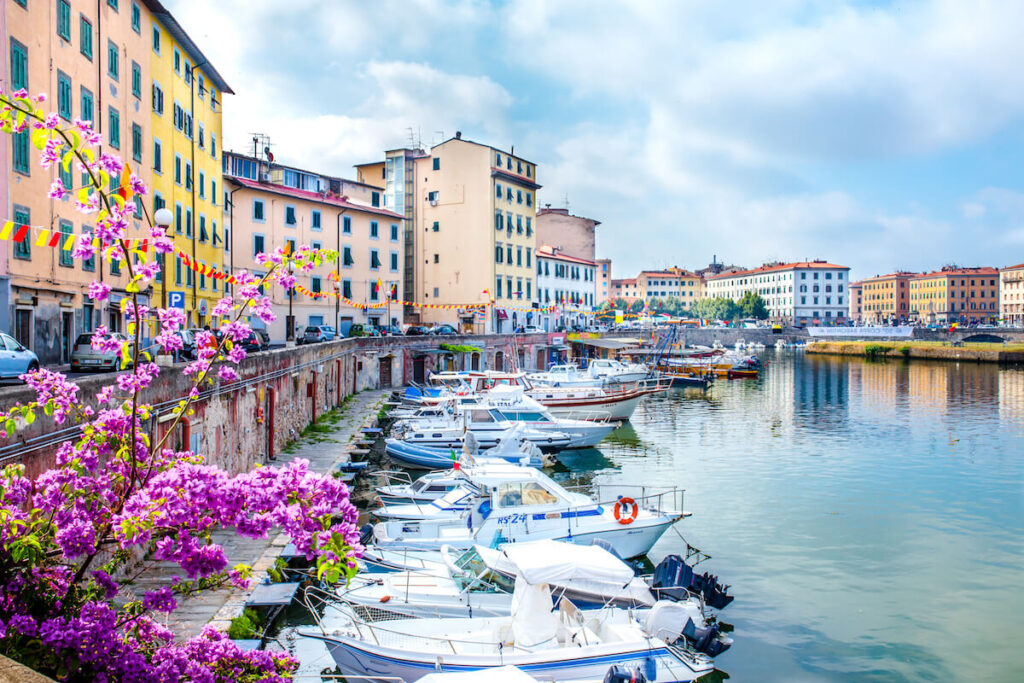
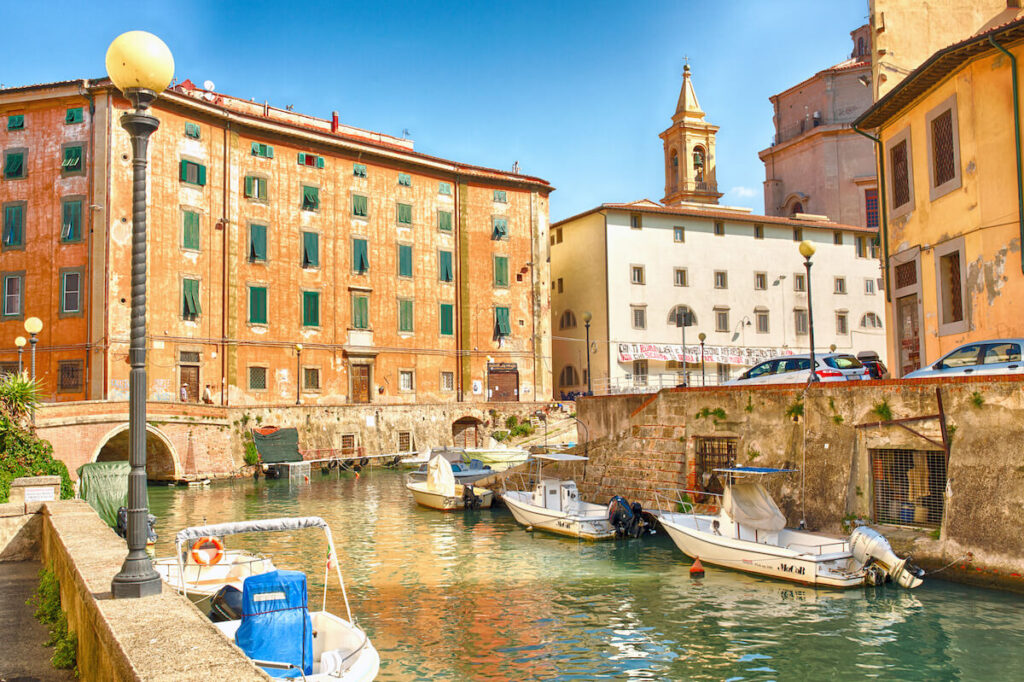
This should go without saying, but the so-called ‘Venice of Tuscany’ is absolute heaven for anyone who adores the sea, or the elegant vehicles that some of us like to use to conquer it.
Livorno is not just an excellent port to explore the rest of Europe by boat from – a magical and romantic journey that I’d recommend to anyone.
Its many canals, not to mention the harbor and the Naval Academy, also mean there’s plenty of yacht-eye candy on display at all times. Boating enthusiasts will for sure find their fix here, and that includes sporting activities like sailboat racing, competitive power boating, and jet skiing off the shore.
Conclusion
So, is Livorno worth visiting? For me, the answer is a clear yes for sure!
Livorno offers something that few, if any cities in Tuscany can match. Its vibrant history places it among the most multicultural places in all of Italy, whereas its scenery and local architecture defies categorization and its gastronomy is a spa for the palate.
There’s just so much about Livorno that is distinctly, quintessentially Livornese that you’d be hard-pressed to imagine the place any way other than how it appears today. That’s a surprising thing to conclude about a city that is riding on more than a millennium of constant changes, but perhaps that’s the irony of it all!
I’d happily recommend Livorno to any kind of traveler who is feeling adventurous enough to explore some of the lesser-traveled paths within Tuscany and see a different side of this stunning region. Just make sure you come prepared with some Italian when you do!

Do u have a walking tour in Livorno or ideas. Tks