
I’m sure you’re familiar with a few of the most famous cities in Peru like Lima and Cusco. But when I mention Iquitos, Chiclayo, and Huaraz, I can anticipate how confused you look as you face your screen right now.

That’s no big deal, though. Like all other countries, Peru has its fair share of little-known cities that are worth a detour from the must-sees. With that in mind, I’ll list 18 of them as I show you why they should make your bucket list alongside Machu Picchu.
Table of Contents
Top famous cities in Peru
1. Lima

Established by Spanish conquistador Francisco Pizarro in 1535, Lima has been the capital of Peru for almost 500 years.
The nation’s largest and richest city had however been inhabited for over a thousand years upon the arrival of the Spaniards: the Huaca Pucllana pyramid in the middle dates back to the years 200 to 700.
Lima’s colonial town, with its stone churches and closed wooden balconies, has been a UNESCO World Heritage site since 1988.
The capital is also famous for the seaside districts of Miraflores and Barranco, which overhang the Pacific, and for one of the hottest food scenes on a global scale.
2. Cusco
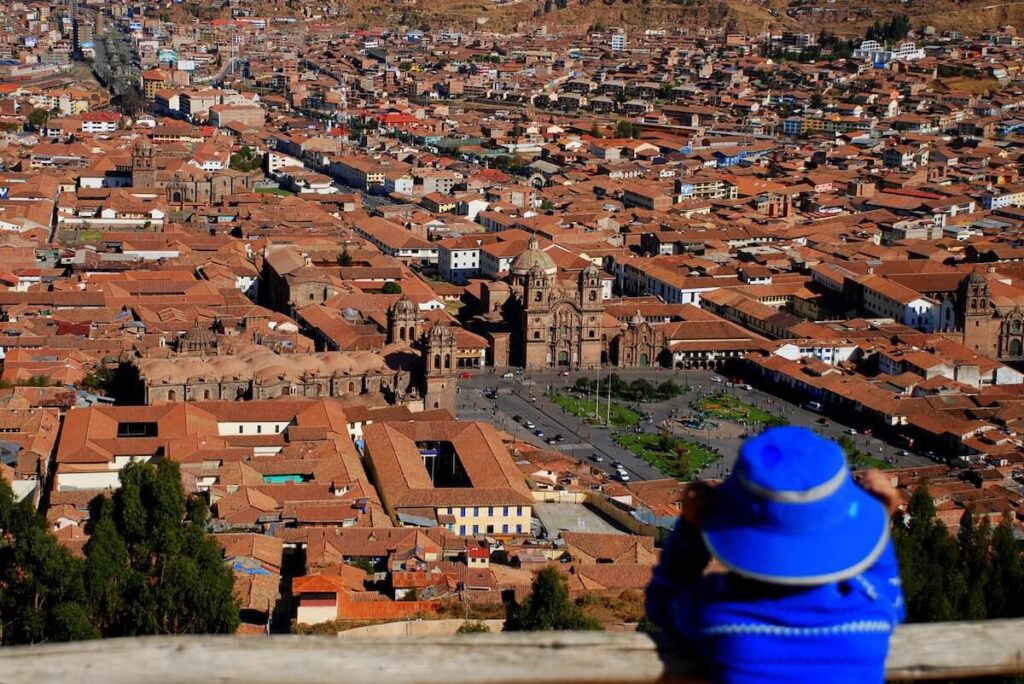
Cusco is unique in that it is the main link between the Inca Empire — of which it was the capital — and colonial Peru, where it remained a major city.
Peppered with centuries-old ruins, lavish churches, and ornate palaces, Cusco is hands down my favorite spot in the whole country. Its mystical aura and hilly outskirts, where you can soak up breathtaking views, only add to its contagious charm.
Cusco’s Creole culinary tradition, which features specialties like the controversial roast guinea pig, stands in sharp contrast with Lima’s self-conscious and refined cuisine.
Also read: 16 Exciting Day Trips from Cusco Worth Doing
3. Aguas Calientes

If Machu Picchu were an actual city, it would have topped our list without much surprise. But today Peru’s most suggestive landmark is an uninhabited national park. So the town that emerged at the foothills of the sanctuary following its rediscovery in 1911 gets a third place as a consolation prize.
Aguas Calientes, also called Machu Picchu Pueblo, is the final stop of the railroad that connects the archaeological site uphill to Cusco. Despite having a mere 4,500 residents, it has a fantastic hospitality infrastructure — I’ll never forget that’s where I had the best pizza I ate in Peru!
4. Puno
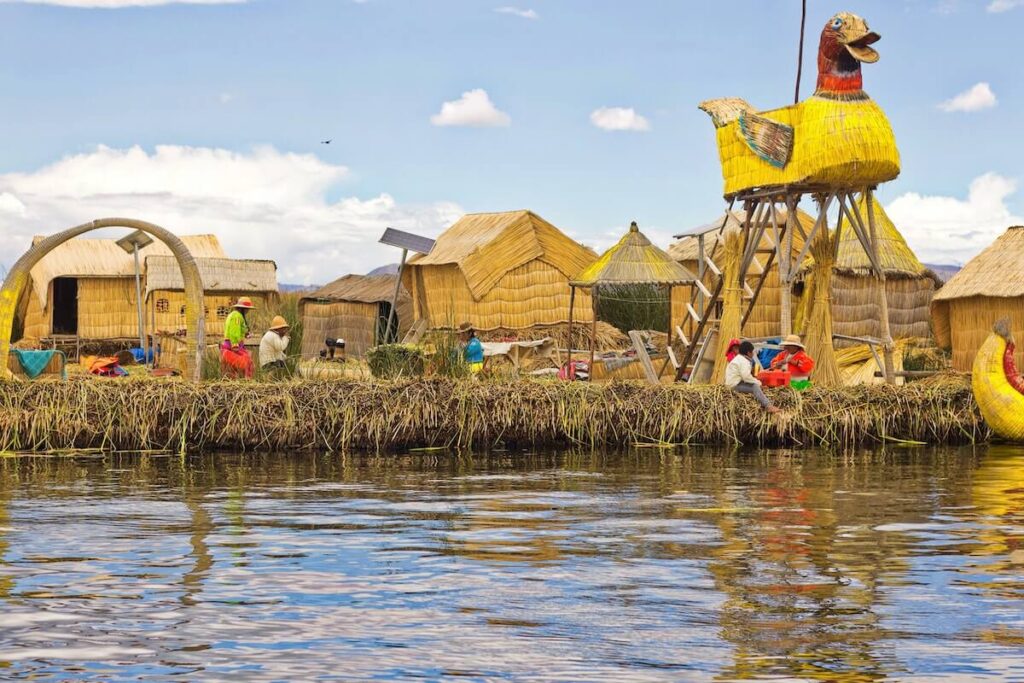
Inhabited for at least a thousand years, Puno is the largest settlement on the shores of Lake Titicaca, i.e. the highest navigable lake on the planet.
Besides a lovely waterfront promenade and a massive 17th-century basilica, Puno is famed as the site of eighty floating islands made out of reed where a couple of hundred families of the Uru people have been living for centuries.
The Uru welcome visitors onto their islands to sing folk songs and show their multicolored handmade creations. Some will host you at luxurious floating lodges too.
5. Callao
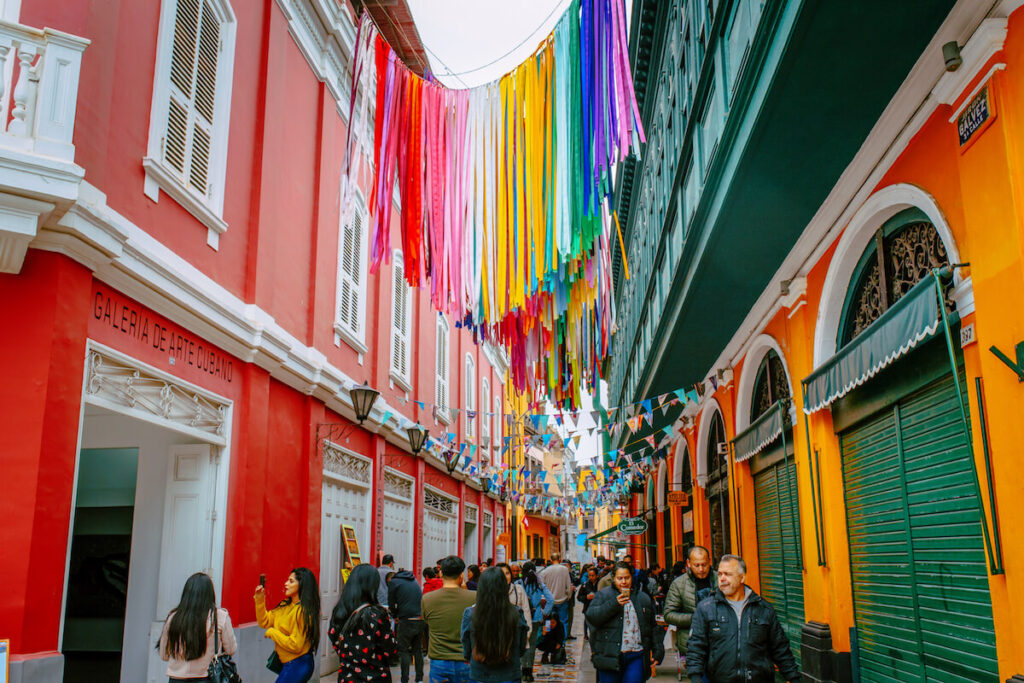
Callao is entirely surrounded by Lima and in practice has long merged with the capital. Yet it has managed to preserve its status as an autonomous province (the sole in the country) thanks to its strategic role: that’s where both greater Lima’s international airport and the nation’s biggest port are located.
Lima residents often write it off as a sketchy place, but the once-struggling community features colorful historic landmarks and a charming seaside park worth visiting if you’re staying in Lima for more than two days.
6. Pisco
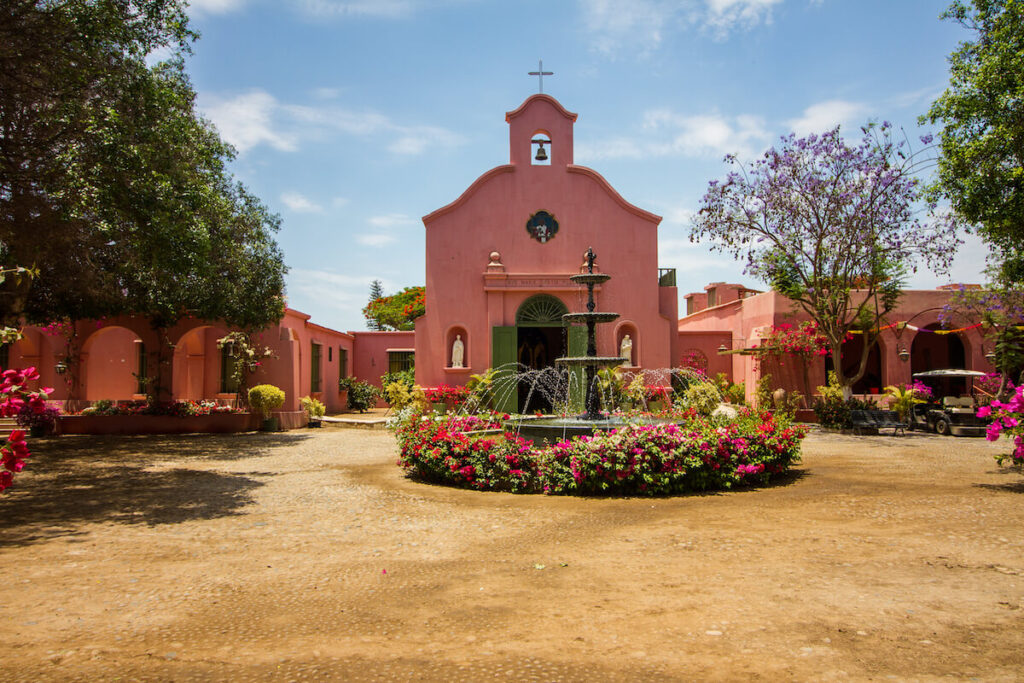
Located near the mouth of the river of the same name, the town of Pisco could as well owe its fame to the alien-looking Paracas National Reserve, where the intriguing Candelabra geoglyph was carved on the sand.
Instead, Pisco is known as the birthplace of pisco, the Peruvian (and Chilean) national spirit. This unaged brandy, which is among the coolest keepsakes you can purchase in Peru, was first produced on the fertile lands around the town almost 500 years ago.
7. Nazca
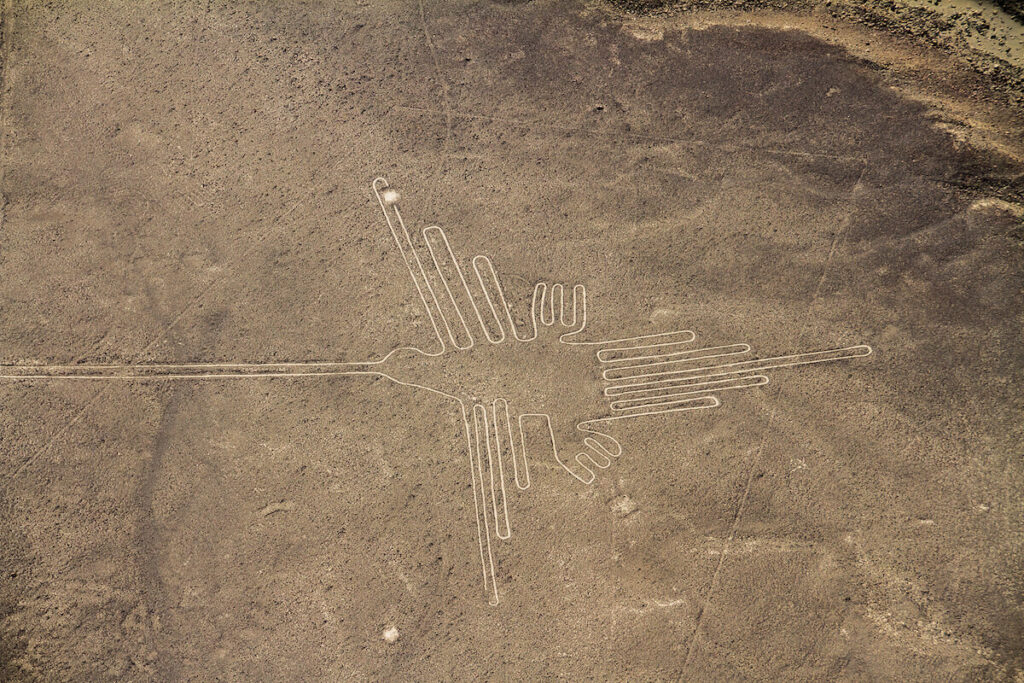
Nazca is located in the same region as Pisco, only a bit further south and inland. The town itself is tiny and quite unremarkable, yet as the home of the ancient Nazca people it houses the ruins of aqueducts, cemeteries, and the citadel of Cahuachi.
Its most popular must-sees, however, are the Nazca Lines, which were carved on the sand 1,500 years ago. Many are shaped after animals like hummingbirds, spiders, llamas, and monkeys and were drawn with eerie precision.
8. Arequipa

With its stunning colonial town that was listed as a UNESCO World Heritage site in 2000, Arequipa is one of the most beautiful destinations in southern Peru.
The second-largest city nationwide is located midway between Lake Titicaca and the Chilean border. Arequipa is the seat of the Constitutional Court, for which it is informally called the judicial capital of the country.
Thanks to its historic economic and political relevance, it has in fact traditionally served as a counterbalance to Lima’s bloated influence on the national stage.
9. Ayacucho
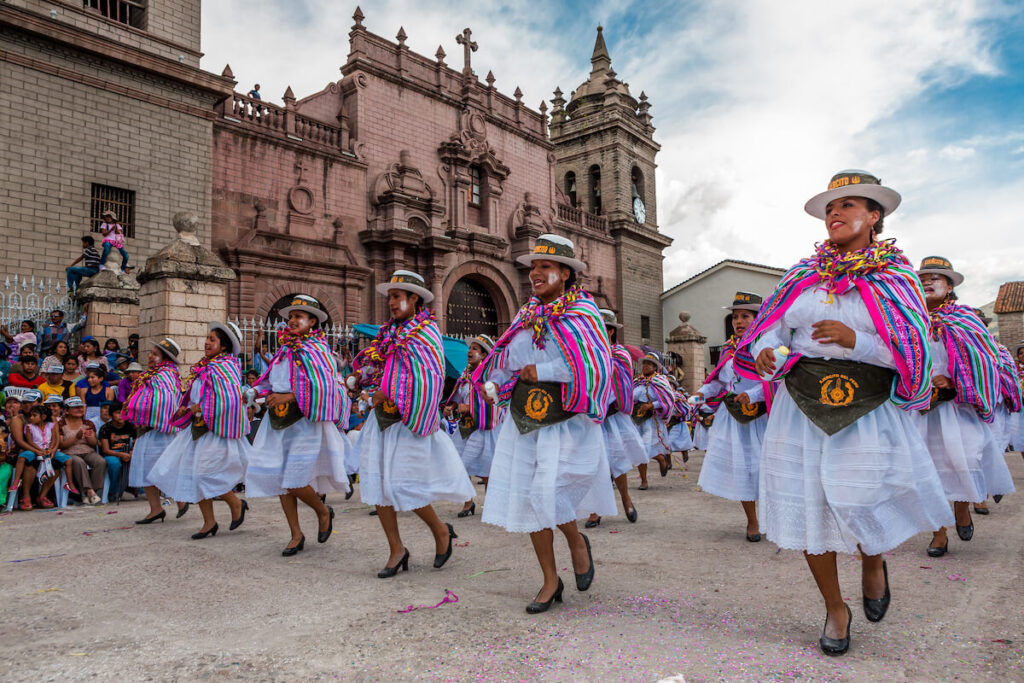
Sitting on the eastern slopes of the Andes, Ayacucho boasts a much lusher scenery than the coastal cities of Peru.
It is known as the stately city or the city of churches, thanks to its impressive architectural heritage that spans masterpieces of the Andean Baroque.
Ayacucho also plays host to an exuberant carnival celebration and to one of the biggest Holy Week festivities on Earth.
The town developed an elaborate portable altar craft that has turned it into one of Peru’s handicraft capitals too.
10. Cajamarca
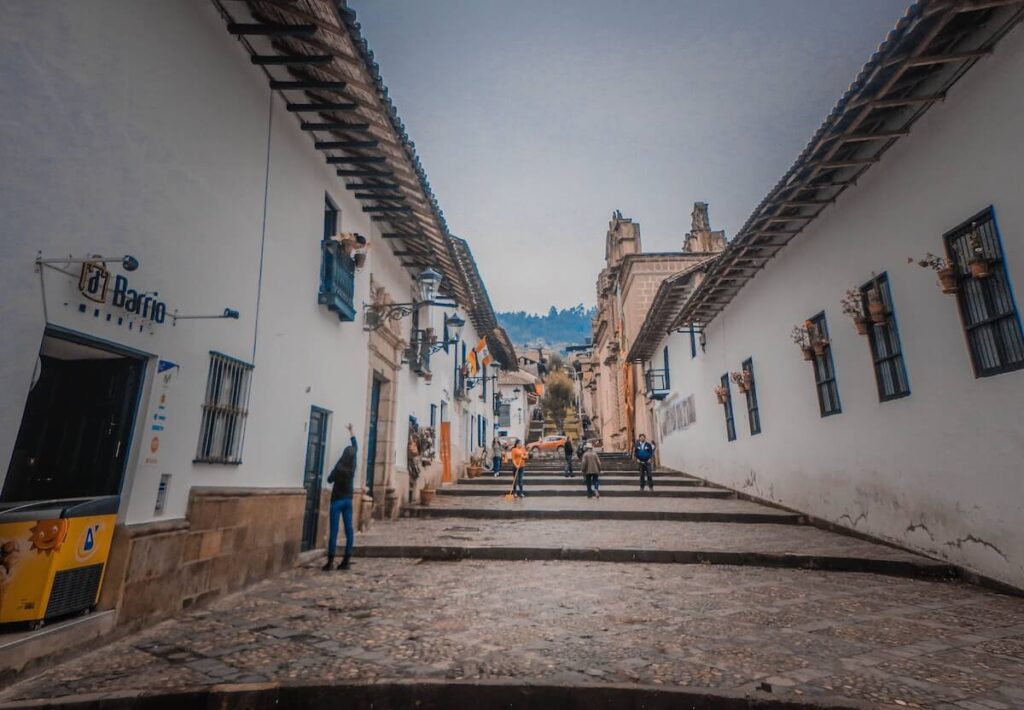
Like Cusco and Ayacucho, Cajamarca was built on the eastern slopes of the Andes, which is far greener and more humid than the desert western half of the country.
Nestled in a 9,00-foot-tall lush valley, it was founded by the Spaniards in 1549, though it was already a major Inca settlement by the time of their arrival.
It was in fact on the site of Cajamarca’s Plaza de Armas that the Inca Empire finally fell, when the invaders captured its last sovereign Atahualpa.
Besides its pivotal role in the history of Peru, Cajamarca is renowned for its joyous carnival and religious festivals and for the ruins and stone forest of Cumbemayo.
11. Iquitos
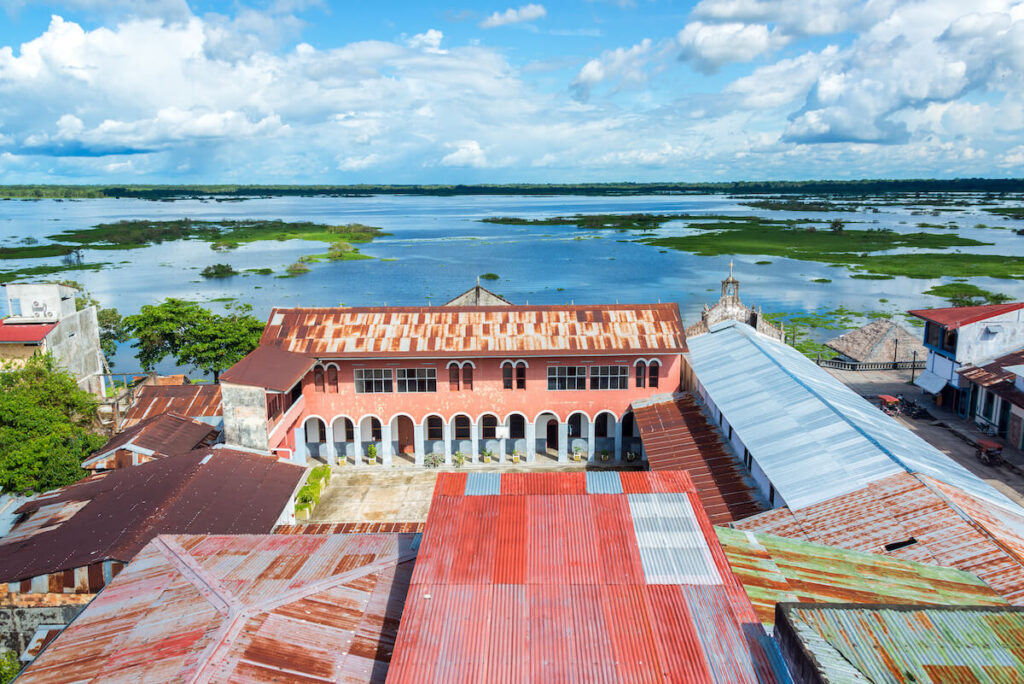
Iquitos is a weird place. Tucked in the middle of the Amazon rainforest, it’s the largest city on Earth to lack a road link to the ocean and the rest of the country.
The region’s rubber boom of the late 19th and early 20th centuries brought in sudden wealth, and during that time sumptuous palaces were built throughout the city.
Iquitos is the ideal launchpad if you want to explore the Peruvian Amazon; there are plenty of natural reserves and quiet river beaches all around it.
12. Ica
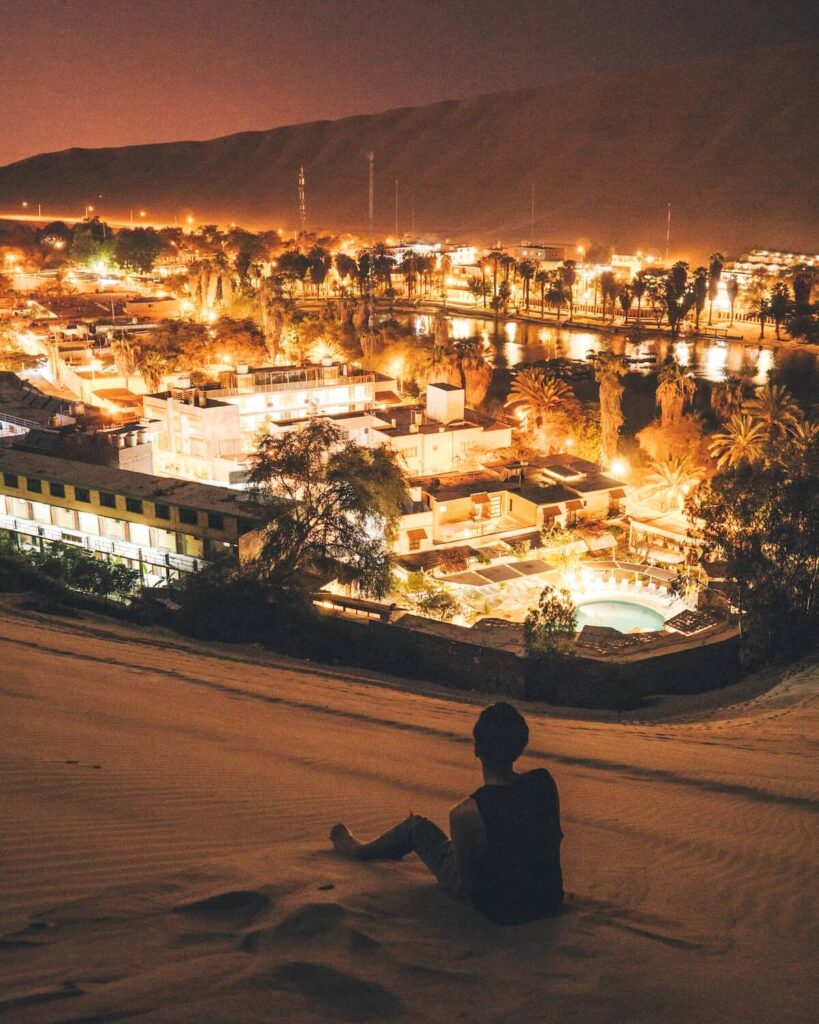
Ica is the capital of the department of Ica, where Pisco, Nazca, and Paracas are located. So is Chincha Alta, where the biggest slave market in colonial Peru operated from the late 1500s. That’s why the whole area is known as the epicenter of Afro-Peruvian culture and identity.
2.5 miles away from Ica’s city center is Huacachina, a sulfur water oasis bordered by golden dunes which is naturally a prime spot for sandboarding and buggy riding.
13. Trujillo
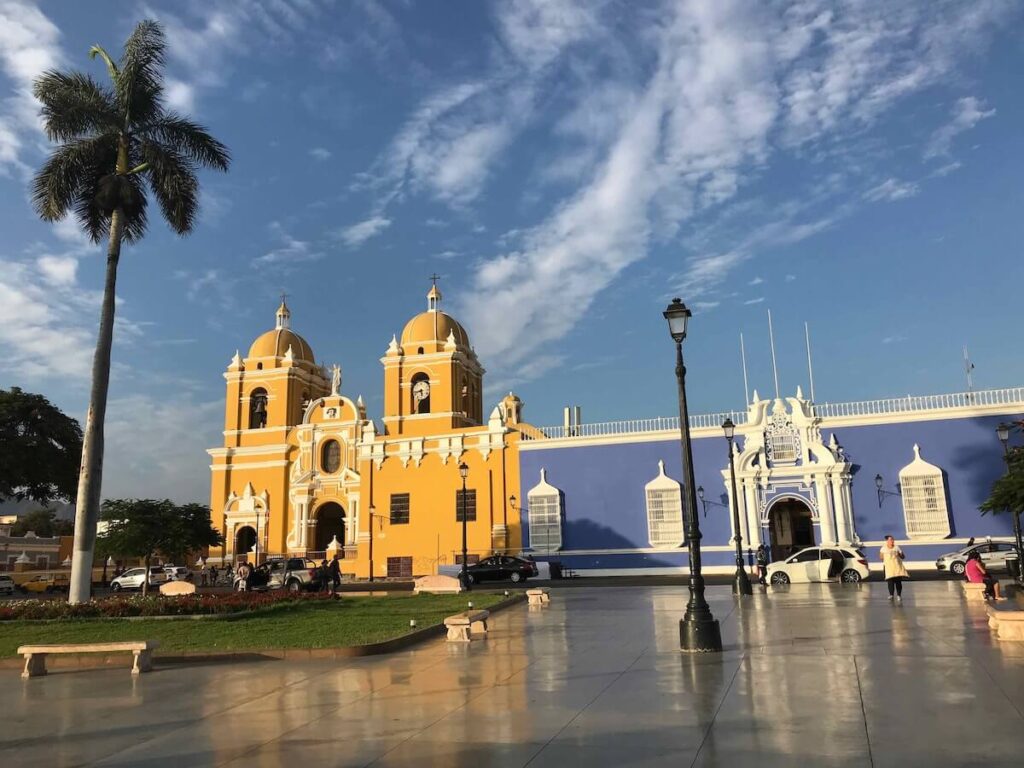
With a population of over a million, Trujillo is the third-biggest city in Peru. Dating back to 1535, when Spanish conquistador Diego de Almagro established it, it served as the national capital on two brief occasions following Peru’s independence.
Apart from a multicolored and adorable old town, Trujillo is known for the high-profile cultural festivals it hosts year-round. Most importantly, every January it pays a tribute to marinera, the local folk dance genre.
Its surroundings are dotted with ancient archaeological sites like Chan Chan, the largest adobe settlement on the planet.
14. Tacna
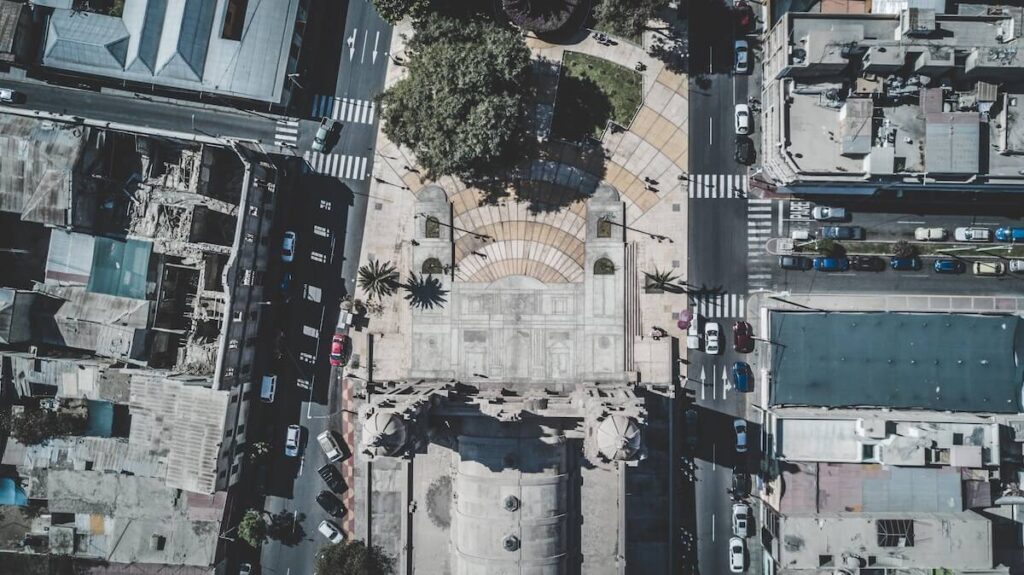
Tacna is Peru’s southernmost city: the Chilean border is less than 25 miles away. Following a war between the two countries in the 1880s, Tacna was actually annexed by Chile, which would only return it to Peru more than 40 years later.
The city has made it a point to turn the conflict into remembrance in landmarks like the Alto de la Alianza Monumental Complex and the Parabolic Arch, Tacna’s ultimate symbol.
Officially founded in 1855, Tacna is definitely not as old as the most famous cities in Peru. Yet it does have well-preserved historic buildings like the Cathedral and the Municipal Theater.
15. Urubamba
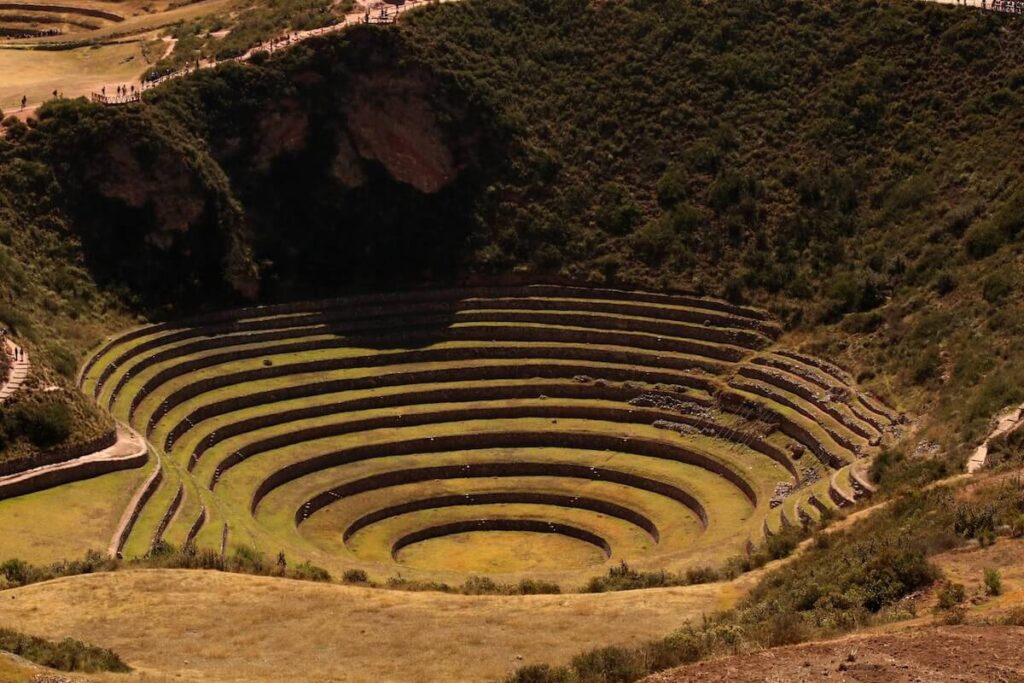
Less than 14,000 live in Urubamba. The town has a quaint central plaza, but its fame is due to its surroundings.
Machu Picchu, as well as the ruins of the fortress and temple of Ollantaytambo, the salt mines of Maras, and the Inca terraces of Moray (pictured above), are all within the Province of Urubamba.
The bulk of the Sacred Valley of the Incas, where the finest corn is grown, is located within the boundaries of Urubamba.
The Urubamba River, which runs along the valley, is a superb spot for rafting and other water sports too.
16. Piura
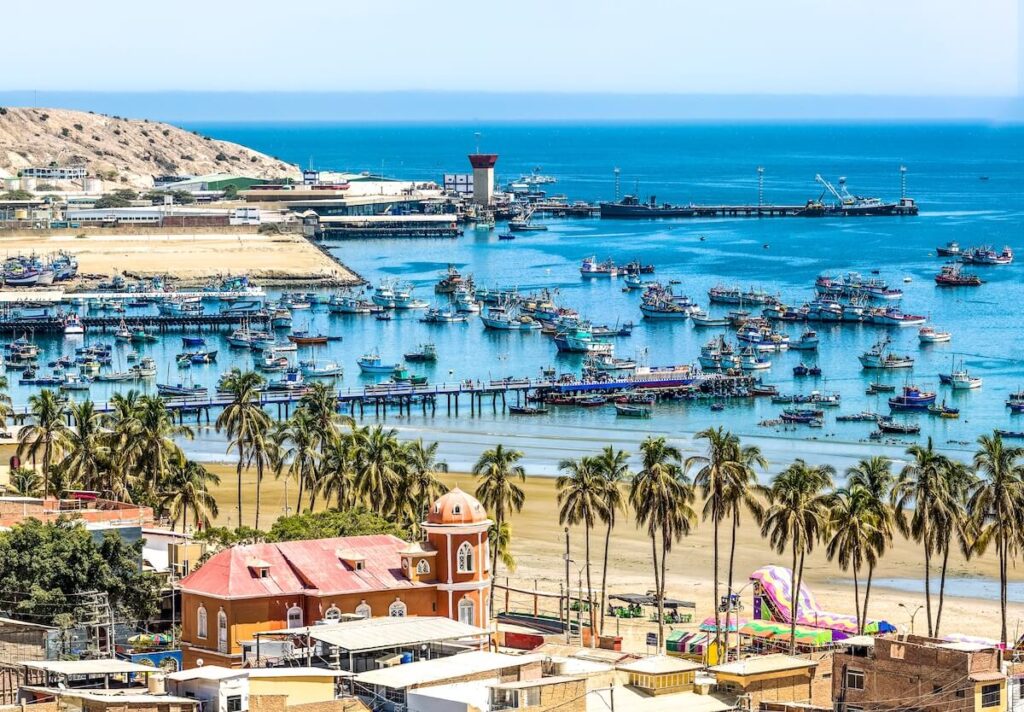
The fifth-largest city in the nation is also among the northernmost, being only 65 miles from the Ecuadorian border. Founded by Pizarro in 1532, Piura is the third-oldest Spanish town in South America. On top of that, the region of Piura features an ancient pottery tradition.
Not many of the buildings from those early times have survived, and the city is really famed for the gorgeous beaches that surround the port of Paita. Thanks to its sunny and warm weather, it was fittingly nicknamed the city of eternal heat.
17. Chiclayo
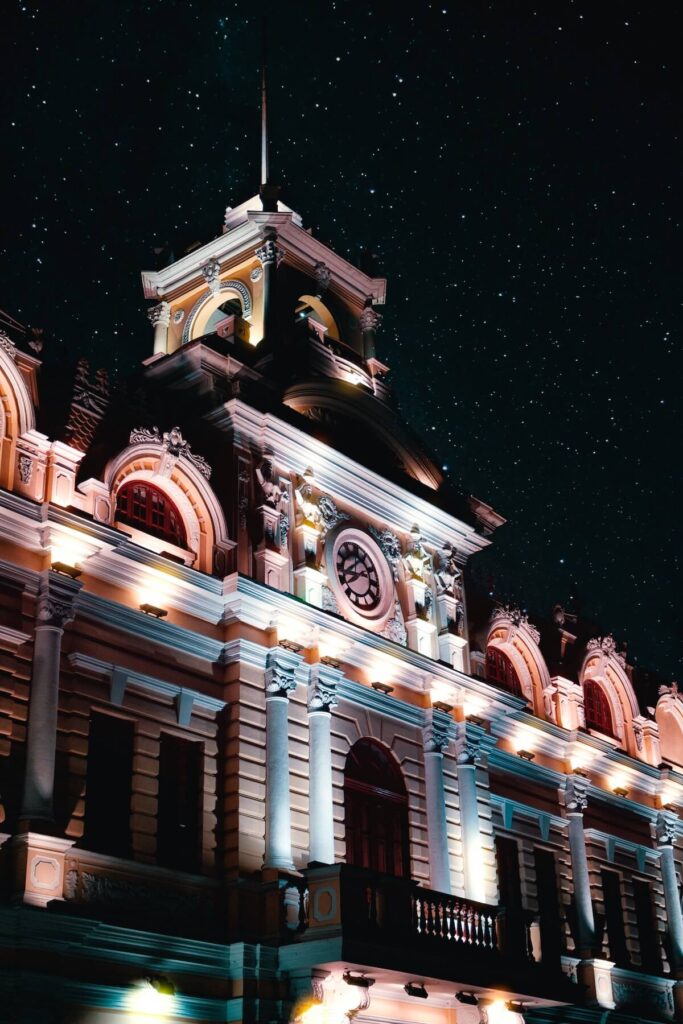
Chiclayo sits on Peru’s northern coast, between Piura and Cajamarca. The architect of its neoclassical cathedral was none other than Gustave Eiffel, who designed the Statue of Liberty and of course the Parisian tower.
The city gave birth to a hearty cuisine that includes duck rice, guitarfish pie, and goat with squash as its chief specialties.
In the vicinity, you’ll find both the inviting seaside town of Pimentel and the colonial village of Lambayeque, which houses the major Brüning Archaeological Museum and the Royal Tombs of Sipán Museum.
18. Huaraz
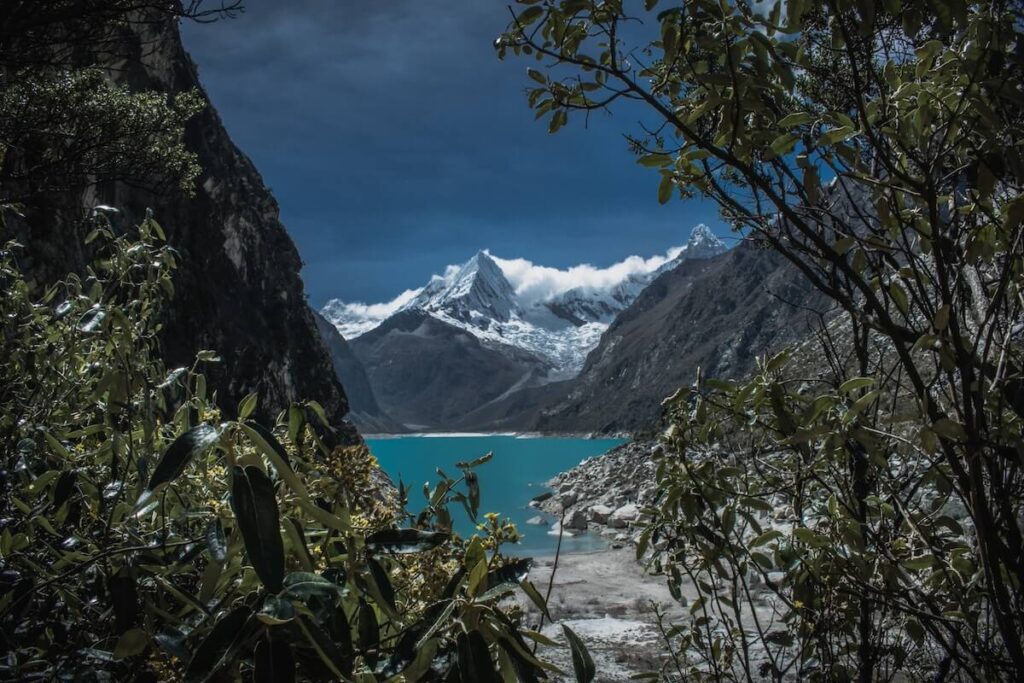
Encircled by pine forests, the idyllic Huaraz has been dubbed Peruvian Switzerland. Since it stands at an altitude of 10,000 feet (twice as much as the European country’s average), the comparison doesn’t give the full picture.
The capital of the Department of Áncash is home to the Áncash Archaeological Museum and to Waullac, an 8th-century archaeological site about a mile away from downtown.
Its most famous landmark, however, are Mount Huascarán, which towers over the city, and the countless other snow-capped peaks and turquoise lagoons located within Huascarán National Park.
Wrap-up

The list of the most famous cities in Peru includes the capital Lima and the iconic Cusco as well as less obvious destinations like Urubamba in the Sacred Valley and Ica on Peru’s desert coast.
Though visiting all of them isn’t feasible if you’re not planning to spend months traveling through Peru, you can easily squeeze your favorite ones into an 8-day itinerary of Peru.