
Africa is much less traveled than much of the rest of the world. Some may know a little bit about its more visited countries like Morocco, South Africa, or Egypt. Yet, Africa is a massive continent with diversity and nuance between each country and region. There is so much to explore!
Senegal, one of my favorite countries in the world, lies in West Africa. People should know a thing or two (or 20) about Senegal. It’s remained off the well-worn tourist path, but if word gets out, it may not be able to fly under the radar for much longer. So, what is Senegal famous for?
Senegal is famous for its vibrant culture, welcoming people, and its delectable cuisine. The country is beautiful, with lakes, wildlife, and beaches. Plenty of time can be spent in this gem of West Africa learning its rich history, listening to its energetic music, and exploring teeming markets!
Table of Contents
1. Teranga

Senegal is known as the land of Teranga.
A Wolof word, Teranga roughly translates to “hospitality.” Generosity (and a welcoming culture) is a way of life for the Senegalese, from locals to foreigners alike. It’s a feeling I noticed the moment I stepped off the plane.
Taxi drivers are conversational, people open up their homes for a meal, and market vendors joke and help tourists navigate unknown foods. In the event of a language barrier, locals often work to meet tourists in the middle, whether that be in French, Wolof, or English.
Teranga makes the transition to Senegal an easy one, with the country welcoming you with open arms.
2. Le Lac Rose

There are a number of pink-colored lakes throughout the world, but Senegal’s famous “Le Lac Rose” stands among the most beautiful. Officially named Lake Retba, located about an hour by car to the Northeast of Dakar, the lake has become a tourist attraction because of its color.
In the early months of the year during the dry season, the lake turns a remarkable pink hue. Le Lac Rose is barely separated by a series of sand dunes from the Atlantic Ocean, which gives the lake its high salt content. The salinity attracts a bacteria called Dunaliella, which changes to a pink/red color in the sunlight.
Because of its high salt content, visitors may also see locals standing in the shallow lake harvesting salt. The salt is sold in local markets as well as abroad, producing a source of income. In order to withstand the grit of the salt, workers will often rub shea butter on their bodies throughout the day.
The lake is swimmable, and because of the salinity, swimmers are particularly buoyant. A shower may be in order after a dip in the lake to wash off the salt, however.
Tourists should be aware that the lake is not always pink. Cloudy days and the rainier months of the year will prevent the lake from being its truest, pinkest self.
3. African Renaissance Monument

Whether locals like it or not, Senegal is known for having the tallest sculpture in Africa. Located in Dakar, the Monument De La Renaissance Africaine is a staggering 160 feet tall.
The monument depicts a family of man, woman, and child standing triumphantly and towering over a view of the Atlantic Ocean. The work was commissioned in 2009 and completed in 2010, corresponding to the 50th anniversary of Senegalese independence from France. It is meant to symbolize the liberation of African nations and an emergence of a bright future.
Not without controversy, many believed the monument to be an unnecessary expenditure built in a vein of self-aggrandizement by then-president Abdoulaye Wade. It is said to have cost over $27 million, and occupies a large swath of otherwise valuable land. The monument was also constructed by North Korea, using few local workers, fueling further frustration around the project.
The monument has nonetheless become a tourist attraction, as it is frequented by those who gawk from below, and climb up its series of steps to get a closer look.
4. Baobab fruit

When conjuring images of Senegal, the image of a baobab tree likely comes to mind. It is a thick-trunked tree that is common throughout the region, and is seen as a symbol of strength.
It is also known for its fruit, which grows from its limbs. These large fruit pods contain seeds covered in white pulp, which is sometimes eaten straight, or ground into a powder and used to make drinks. Some refer to the fruit as a superfood, with its nutritional properties that range from potassium to vitamin C.
The pulp-covered seeds are common throughout Senegal, and are often seen in large quantities at local markets. When the pulp is blended and powdered, it can be used to make a delectable drink that has the texture of a smoothie or milkshake.
Made from a combination of milk, sugar, and baobab powder, bouye’s fruity flavor and slightly chalky texture can be a truly refreshing treat. It’s my favorite Senegalese drink!
5. Café touba
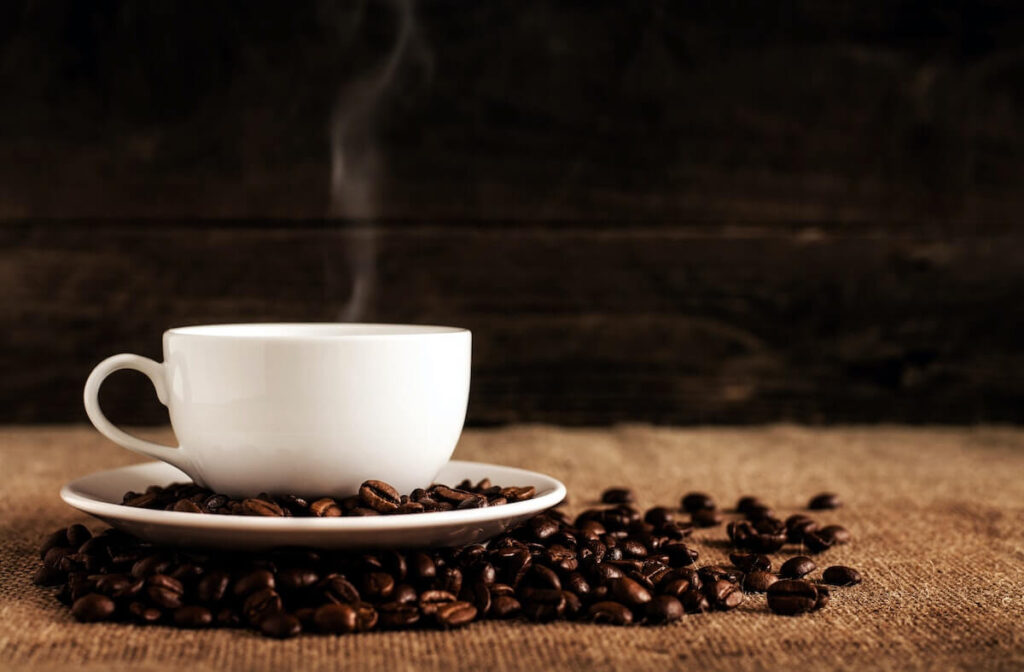
Senegal is known for a variety of delicious drinks, including café touba.
Throughout the country, on street corners, in markets, and in cafes, café touba is everywhere. The name comes from Touba, a city in central Senegal.
Its flavor is uniquely powerful and even spicy, and the scent aromatic. It’s made from a blend of ground coffee, boiling water, and ground selim pepper. Part function and part show, the blended and brewed coffee is typically poured at great heights from one cup to another a couple of times before serving.
Café touba stands and sellers frequently become gathering places for friends and those looking for a moment to pause and discuss events of the day. It’s often served in little paper or plastic cups, and usually enjoyed in one sitting.
6. Mbalax music

Senegal is famous for its music, particularly in big cities like Dakar. The city has a well-renowned nightlife scene, with concert venues, restaurants with live music, and clubs that stay open until dawn.
Mbalax is one of the pillars of Senegalese music, a genre that emerged in the 1970s. A group named Étoile de Dakar gained popularity as the genre emerged, and the group included a future star named Youssou N’Dour, who has become forever associated with bringing Mbalax as a genre to fame.
The music is incredibly danceable, and can be described as blending Senegalese percussion instruments and singing in Wolof, with a range of genres that includes jazz, R&B, funk, and pop, creating a unique style of music. Its popularity has spread over the years, and has taken hold in different forms in other West African countries.
To listen to some Mbalax before, during, or after your visit to Senegal, check out some of the big names including the aforementioned Youssou N’Dour, as well as Pape Diouf.
7. The Casamance

Casamance is a region in Southern Senegal, with the Casamance River cutting through it. It occupies the land below The Gambia and above Guinea-Bissau. It is a fertile, lush land, and includes some of Senegal’s most pristine beaches on the coast.
Despite its natural beauty, the region has been commonly associated with a separatist movement against the government and conflicts that have occurred off and on since the 1980’s. The movement has been primarily associated with the Diola ethnic group feeling marginalized by the primarily-Wolof government. A ceasefire was agreed upon in 2014, but there have been dust-ups in the following years.
Nonetheless, Casamance contains some of the most pristine wilderness in the country, is teeming with wildlife, and is far less touristy than some of the larger cities to the North.
8. Laamb (wrestling)
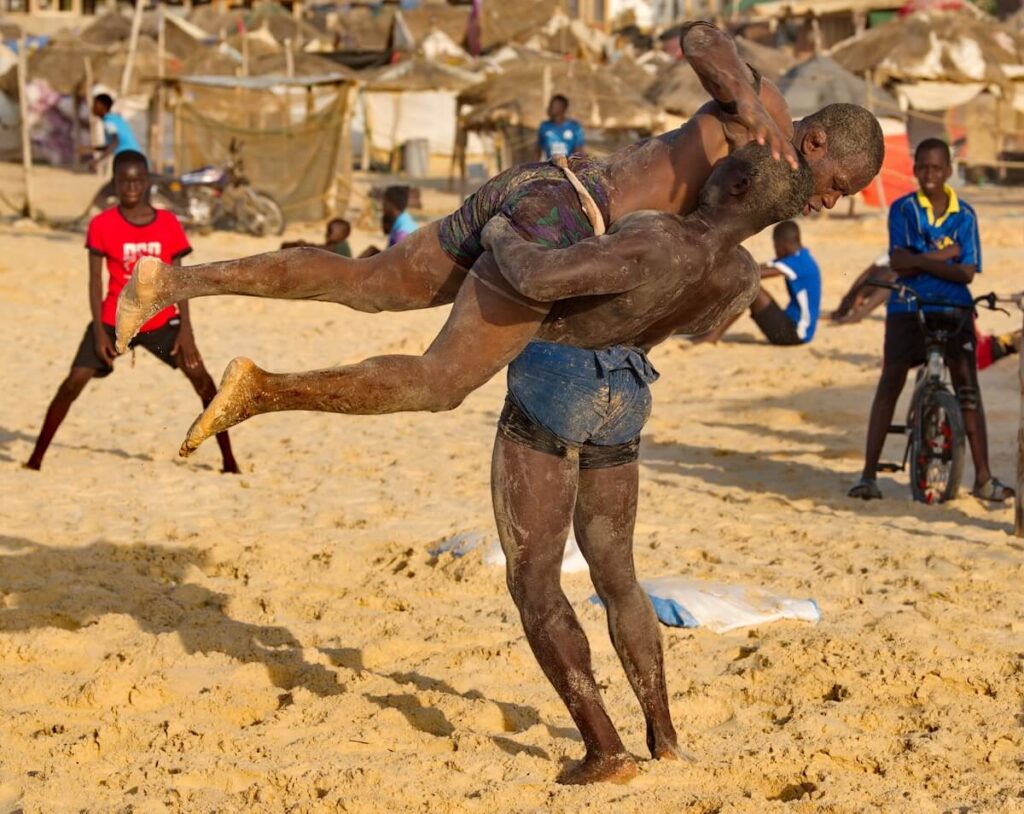
Senegal is famous for its passion for sports, particularly for the national sport of wrestling. In Wolof, the name is Laamb, and its popularity in some areas of the country actually exceeds that of football. Matches are held in the sand, and they typically draw huge crowds.
Depending on the match, hitting is allowed, and the match is called when one of the competitors lands on their back or head. The matches contain a spiritual element, with athletes maintaining their own rituals that may include music, religious verses, herbs, and other rites.
For the competitive athletes that compete in Laamb, it has become a way to sustain a living due to its popularity and prize money. To witness an event is something special, as tickets often include multiple bouts and matches, and the spectacle is heightened by the passion of the fans.
9. Bissap

Bissap is ubiquitous in Senegal, and is in fact the national drink.
Made from dried flowers of the Hibiscus plant, this red-colored drink is brewed like tea and is consumed frequently. The drink is also found in other countries in West Africa and even the Caribbean, but the name Bissap comes from the Wolof word for Hibiscus.
Bissap tastes floral and fresh, and can be infused with many types of flavors. Typically, it is served straight, or with a little bit of sugar or mint.
Most local grocery stores and markets will carry bags of hibiscus leaves. It is commonly served with most meals, and if a tourist is lucky enough to get an invite to a local’s home for a meal, it will likely be on the menu.
10. Museum of Black Civilizations

Senegal has become famous for its art and museums. Opened in 2019, the Museum of Black Civilizations is a new one, and a good one. In the year of its opening, Time Magazine listed it in its Top 100 of the World’s Greatest Places list.
The museum is well renowned for its massive African art collection, with works from around the continent. It is truly a sprawling space, displaying everything from masks to weapons, to paintings, to sculptures.
One of the museum’s key missions is to facilitate the return of African artwork that lies in museums outside of their place of origin. It also delves into the history of Black civilizations beyond the lens of art, with exhibits on early Homo Sapiens on the African continent, all the way through works highlighting the Civil Rights leaders of the United States.
It’s easy to spend a couple of hours in the museum, so make sure to plan your day accordingly. The museum is also located near the southern tip of Dakar, which makes for an easy walk to the ferry to Gorée Island. Combining the two historical sites makes for an enlightening, educational day.
11. Île de Gorée

Île de Gorée (or Gorée Island) is an island just off the coast of Dakar that served as one of the largest slave trading centers in Africa from the 1500’s to the 1800’s.
Much of the original quarters for enslaved people and the European enslavers remain, in an effort to display what the harsh existence must have looked like during those dark years. There are also various museums clustered on the island, providing education on the history of the slave trade and Gorée Island in particular.
The island is inhabited by locals now, and is actually quite colorful and beautiful. There are sandy beaches, a variety of wares to buy from local artists, and a hike to a memorial sculpture that provides sweeping views of the Atlantic.
There is a ferry that runs quite frequently from the Southern tip of Dakar to the island. To see the island and the museum is one of the most powerful experiences to be had in Dakar.
12. Thieboudienne

Senegal is known for its cuisine, and there is an endless array of delectable dishes to try, ranging from chicken yassa to mafé, but thieboudienne is the national dish.
Also known as “thieb,” the dish is made from a base of jollof rice, marinated fish, and plenty of vegetables, often including carrots, cabbage, and cassava. It is traditionally served on a large communal plate, best eaten with your hands and a couple of friends or family.
The dish is a perfect introduction to Senegalese cuisine, as it highlights the influence of the coast, its seafood, and jollof rice.
Jollof rice is common throughout West Africa, and many countries claim to have the best traditional recipe for it, but generally speaking, it is a red-colored rice because of its seasoning with spices and vegetables like garlic, tomato, onions, and peppers.
13. Beaches
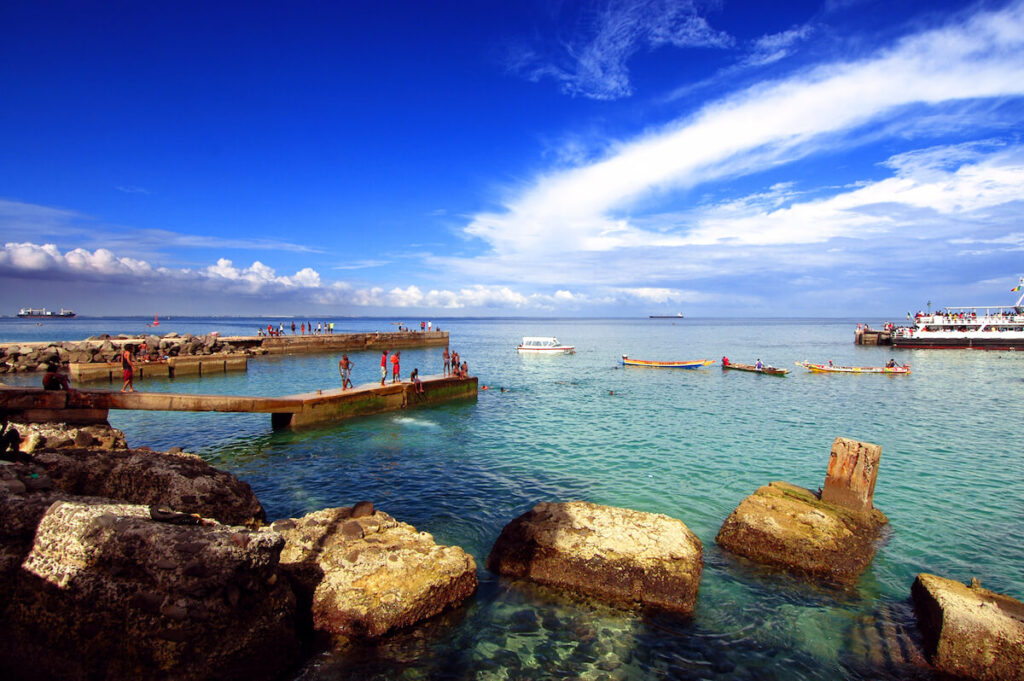
Located on a stretch of land along the Atlantic (the Westernmost point of continental Africa is in Dakar) with around 330 miles of coastline, Senegal is famous for its beaches.
Each beach and town has its own unique character, with some suited for the surfing community, some suited for swimming and relaxing, and others with a party-like atmosphere. You can also find plenty of fresh seafood at the beachside shops and grills.
Dakar’s most popular beaches are Yoff, Plage des Mamelles, and Plage de Ngor. For surfing in Dakar, head to Plage du Virage.
Coastal cities such as Popenguine, Cap Skirring, and Saly are also beach destinations that have become popular with locals and European tourists coming south during the winter months.
14. Football

Senegal is famous for having some of the most animated fans in all of football, and the country has experienced some success on the International stage as of late.
In 2021, Senegal made a run to win the Africa Cup of Nations tournament held in Cameroon, defeating Egypt in a thrilling penalty shootout. Then, in the 2022 World Cup held in Qatar, Senegal was one of just two African countries to make it to the Round of 16.
Apart from the national team, football in Senegal is seen all throughout the city, from games on the beach to pickup games in the street. Jerseys of players from all over the world are worn by kids and adults alike.
15. Bustling markets

Senegal is known for having some of the most bright and colorful markets in the world, whether it be for textiles or food.
Like any country, visiting the local market is one of the best things to do early on in a trip, as it provides instant insight into the food, clothing, and products that make up the local culture. The colors, the smells (both good and bad), and the sounds open up the senses.
Markets are where you’ll see all of the fabrics used to make Boubou (traditional clothing), the fruit to make Bouye, and all of the ingredients to make a traditional thieb.
In Dakar, there are many markets to explore, including Marché Kermel, a more traditional market housed in a beautifully designed building. There’s Marché Sandaga, a frenetic outdoor market that sells nearly everything under the sun. And there’s the Soumbédioune fish market, one of the city’s central hubs for bringing in the daily haul from the ocean.
16. Les Mamelles Lighthouse
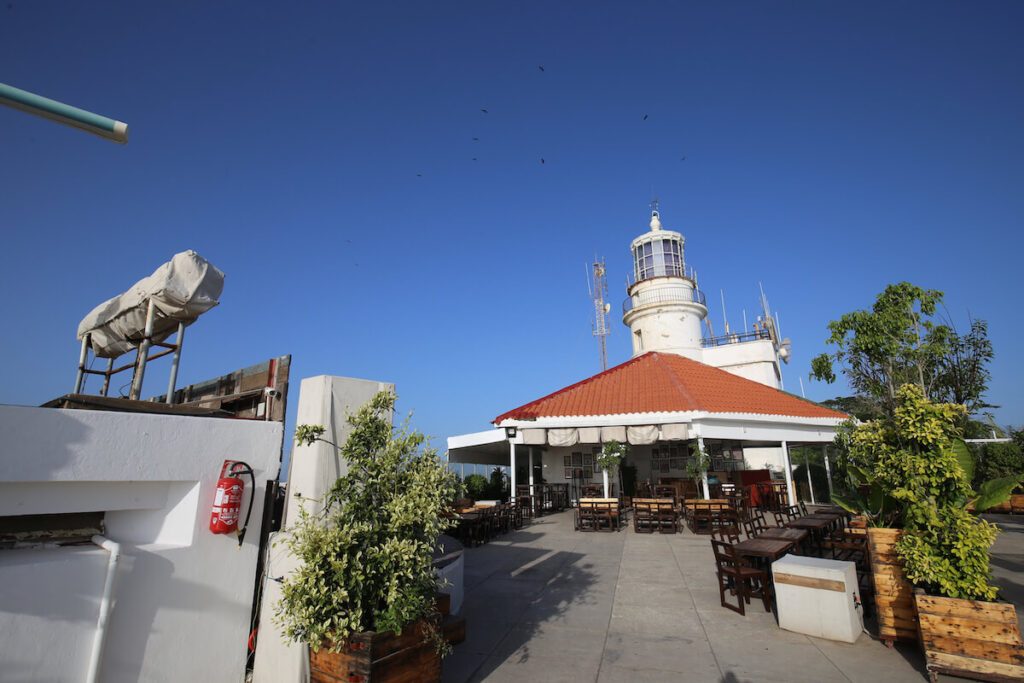
Les Mamelles lighthouse stands on a high outpost overlooking the Atlantic ocean. It was completed in 1864 and has been operating ever since, guiding ships around the westernmost point of the continent.
The lighthouse and the hill that it is perched on are visible from much of Dakar, and the hike up to the lighthouse is worth it for the spectacular city views. A museum lies at the base of the lighthouse, providing some historical context.
The plot of land now includes a popular restaurant called Phare de Mamelles, which is popular for its live music as well as its brunch.
17. Fitness

One of the first things you’ll notice when you land in Senegal, and Dakar in particular, is the passion for fitness.
Wake up early in the morning and you’ll see large groups of players from local football clubs running through the streets. Head to one of the many beaches in Dakar, and there are often more runners, as well as football games played in the sand, and even beachside gyms. These public gyms often include pull-up and dip bars, barbells, and non-electric elliptical machines.
Football fields are scattered all throughout the city, and spontaneous games can be seen frequently. There are also a number of basketball courts that have popped up, with the game’s popularity increasing in part by the success of Gorgui Dieng, who has had a successful career in the NBA.
18. Wolof

While French is the official language in Senegal due to the former French colonization, the most commonly spoken language is Wolof.
Wolof is also spoken in neighboring countries such as The Gambia, and Mauritania. The name comes from the Wolof ethnic group, which is the largest in Senegal.
While traveling in Senegal, most can get by with a little bit of French. It is well understood and taught throughout the country, particularly in the larger cities. However, it’s helpful and respectful to know a few phrases in Wolof.
Try these for starters: “Jërëjëf” means “Thank you”, “Jefel ma” means “Please,” and “Nanga def” means “How are you?” Making an effort can go a long way, and it may even make you some new friends!
19. UNESCO World Heritage Sites

Senegal is famous for having a resounding seven UNESCO World Heritage sites. Two of them are natural, including Djoudj National Bird Sanctuary and Niokolo-Koba National Park.
The remaining five are cultural, including the Saloum Delta, Goré Island, the Stone Circles of Senegambia, the island of Saint-Louis, and Bassari Country.
The variety of these sites speaks to the diversity that lies within the relatively small country. From the islands made of shellfish of the Saloum Delta to the mysterious burial mounds at the Stone Circles of Senegambia, to the Baboons of Niokolo-Koba, there’s a little something for everyone.
20. Pierre Thiam

Pierre Thiam is one of Senegal’s most internationally famous chefs. He opened a restaurant named Teranga, in East Harlem in New York in 2019, and has since opened numerous others under the same name throughout the city.
The restaurant highlights West African and Senegalese food in particular, and has broadened the exposure of Senegalese cuisine in the United States. He has also written numerous cookbooks, and has been nominated for the prestigious James Beard Award.
Thiam is an advocate for promoting African ingredients across the world, and founded a company called Yolélé Foods. The company works with small farmers across the continent, and sells both direct-to-consumer, as well as to wholesalers and grocery stores.
Wrapping up

For a small country, Senegal has an incredible diversity of offerings, making it a great destination for any type of traveler. The country is making a name for itself on the world stage, with its increasingly popular food, its danceable music, and its success in sports. But it’s always better to go straight to the source!
I for one, cannot wait to go back and experience the land of Teranga once again. It’s difficult to summarize a beautiful country like Senegal down to a list of 20, so the only thing left is for you to go there and learn the rest for yourself!
