
Today, I’ll highlight everything that you simply have to see (and experience!) if you’re planning to spend 8 days in Peru. This should be perfect if you fly in one weekend and fly back home on the next.
Snow-capped mountains, secluded beaches in the middle of the desert, and Pre-Columbian ruins like Machu Picchu are only three of the things the South American country is known for.
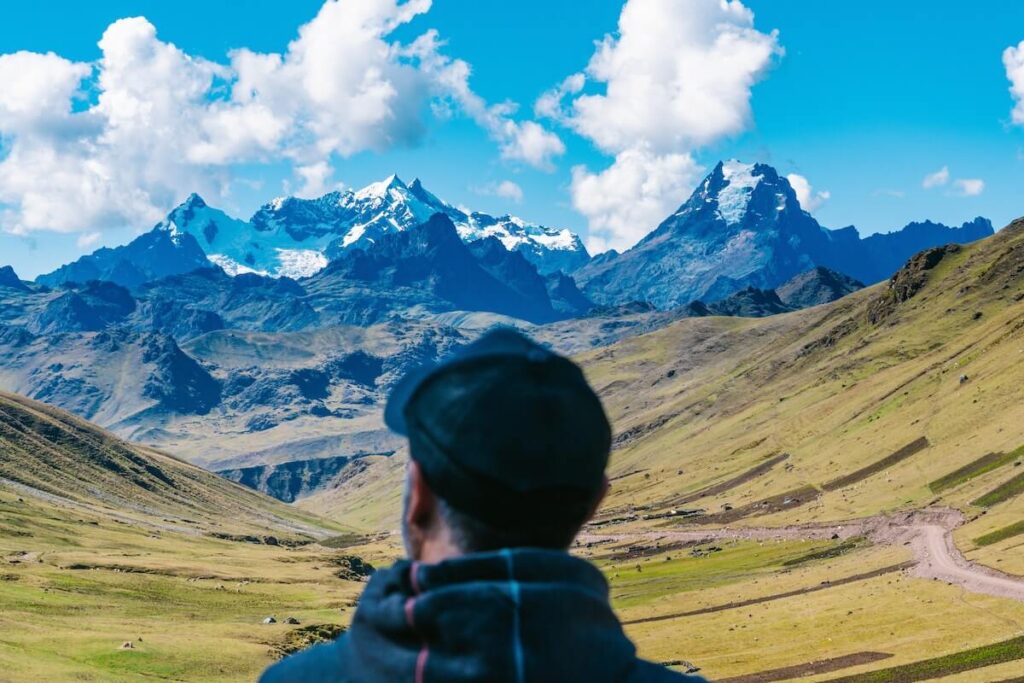
But before starting our 8-day Peru itinerary, I’ll give you a little heads-up about moving across Peru.
Table of Contents
How to get around

Not on a llama, that’s for sure! (Bad) jokes aside, Peru has a great transport infrastructure, despite being a developing nation.
That said, you may want to book a roundtrip flight from Lima to Cusco since the bus ride between the two cities takes 20+ hours.
As for moving around in the Cusco region, train services operated by PeruRail and Inca Rail will take you through the Sacred Valley all the way to Aguas Calientes, right in the foothills of Machu Picchu.
To reach the Nazca Lines and the Paracas National Reserve instead, you can hire local agencies that will take you to both sites on private vans or buses (and a 35-minute flight in the case of Nazca).
Also read: 18 Famous Cities in Peru (And What Makes Them Famous)

Pro tip: Coca leaves will save your life
Peru and Bolivia are where the Andes mountains, which run all along the western edge of South America, are at their widest.
Complex civilizations like the Incas built cities like Machu Picchu and Cusco between 2,400 and 3,400 meters (1.5 to 2.1 miles) above sea level.
Back then and to this very day, locals have relied on an ancient medicine to cope with the insane heights: coca leaves. They’ll typically either chew the bitter leaves or make a herbal infusion with them, though candies are somewhat common too.

While cocaine is illegally extracted from coca leaves, the plant itself is 100% legal in Peru, as it serves a traditional and absolutely legit purpose.
So if you want to steer clear of breathing issues and feel more at ease as you tour the country, I do recommend you try coca in one of its several versions — as long as it’s green and not white!
8 days in Peru: What first-timers can’t miss
Days 1 and 2: Lima
Where to stay: The elegant Hotel B in quaint Barranco or the bold Radisson RED branch in trendy Miraflores

Peru’s immense capital city will give you a great introduction to this colorful and multicultural country. Mouthwatering cuisine, centuries-old landmarks, and a gorgeous coast are just a few of the things Lima will win you over with.
Lima was founded by the Spanish in 1535. As the capital of a wealthy colony from which enormous amounts of gold and silver were shipped overseas, it soon became filled with lavish palaces, churches, and monasteries.
The bulk of these architectural masterpieces is within Lima’s historic core, which has been listed as a UNESCO World Heritage since 1988. Must-sees include the Plaza Mayor and Lima Cathedral, as well as the Convents of San Francisco and Santo Domingo.

After touring the city center in the morning, you can head a few miles south toward the coast, where you’ll find upscale districts like San Isidro and Miraflores.
Miraflores specifically is one of the coolest districts in town, with its fair share of ancient monuments (like the 1,500-year-old pyramid Huaca Pucllana) and parks overhanging the sea along the Malecón. In the evening, you can go on a food tour to discover Lima’s fresh and tangy cuisine.
For your second morning in town, you can tour El Callao district, which has served as Peru’s no. 1 port for almost 500 years. Particularly scenic is the peninsula Punta del Callao, with its historic houses and its lookout reaching out into the Pacific.
While you’re at it, don’t miss Callao Monumental, the tiny historic district around the 18th-century Real Felipe Fortress. Alternatively, head to the southern edge of town and visit the ruins of the Pachamac oracle.

Another district that is worth a visit is the quaint Pueblo Libre, where you can go when you leave El Callao. Here you can see the Larco Museum’s archaeological findings, which span 5,000 of Peruvian history.
It’s almost time to say goodbye to Lima, but not before you tour the lovely Barranco district, which even has a Bridge of Sighs to call its own. Here you can try both Mérito’s modern take on local classic dishes and Burrito Bar’s amazing tacos.
Barranco is also dotted with bars that are perfect for a last night out in Lima, like the stunning (and suggestively named) Ayahuasca.
And if it’s stellar dining you’re craving, hit Astrid y Gastón in San Isidro for some of the tastiest Peruvian cuisine in town or Maido in Miraflores, which often ranks among the best restaurants in Latin America.
Day 3: Paracas and Huacachina
Where to stay: Marriott’s sleek Luxury Collection location Hotel Paracas

Indigenous folks have been producing Peru’s delicious grape spirit, pisco, along the Pisco river for many centuries.
Right to the south of the Pisco estuary, the Paracas National Reserve is home to vast expanses where sandstone cliffs meet the Pacific.
Besides going on a tour through the pisco vineyards, you can try a bunch of other exciting activities in the area, from spotting wildlife on the Ballestas Islands to riding a dune buggy in the desert.
Speaking of which, any desert worth the name needs a beautiful oasis of its own. In Paracas, that’s the tiny Huacachina, which first became a resort town thanks to its sulfurous waters.
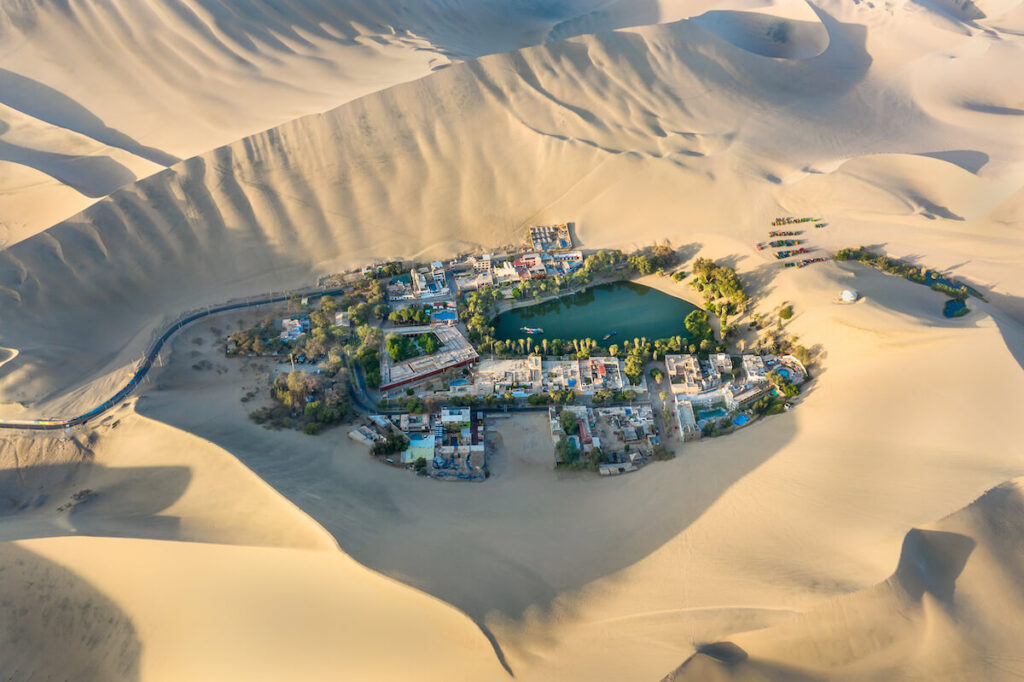
Several agencies organize day trips to Paracas from Lima. Just remember you should arrange to stay in town after your tour, as you’ll be about three and a half hours away from our next destination.
Also read: 13 Most Beautiful Beach Towns in Peru for a Sun-Kissed Vacation
Day 4: Nazca Lines

Ever since their discovery in the colonial era, archaeologists have been baffled by the huge and ancient shapes carved in the desert around Nazca.
The impressive Nazca Lines were drawn 1,500 to 2,500 years ago, probably in an attempt by native peoples to communicate with their gods.
There are hundreds of lines, most of which run straight across the desert. About 70 of them represent human beings, trees, flowers, and animals like hummingbirds, spiders, and monkeys.
Hop on a plane from Nazca to take a good look at the lines over a 35-minute flight. Alternatively, you’ll find lots of agencies offering two-day trips from Lima that include both the Nazca Lines and the entire Paracas region.
Day 5: Cusco
Where to stay: The Aranwa Cusco Boutique Hotel for a luxurious stay in a historic villa or Hotel Rumi Punku, a budget-friendly alternative

When you’re done checking into your hotel, set off to explore the majestic capital of the Inca Empire, on the remains of which the Spanish built an equally monumental city.
Let’s start the tour at the one and only core of Cusco, the Plaza de Armas, where Cusco Cathedral reigns supreme. On the southern end of the square, Hatunrumiyuq Street is notable for its Pre-Columbian walls, which feature the intriguing Twelve-Angled Stone.
Hatunrumiyuq Street will lead you to San Blas, Cusco’s arts district par excellence. This is a fantastic area to grab lunch, as it’s quieter and a bit less touristy than the Plaza de Armas. Highlights in the area include Piedra & Sal and the vegan Green Point.

We still have some time to visit the Sacred Garden and the single most important temple in the Inca Empire, Qorikancha, on top of which the Convent of Santo Domingo now stands.
The Church of the Society of Jesus and the San Pedro Central Market — where you can buy a Peruvian souvenir like llama keychain or an alpaca sweater to bring home — are definitely worth a detour as well.
Now let’s walk uphill to check out the Sacsayhuamán complex, the Incas’ top architectural achievement.

On your way back from the fortified temple toward the city center, stop by the San Cristóbal overlook to watch an awe-inspiring sunset over Cusco.
Also read: 16 Exciting Day Trips from Cusco Worth Doing
Days 6 and 7: Sacred Valley
Where to stay: The peaceful Las Qolcas EcoResort (or Hotel Highgarden for a fraction of the price) in Ollantaytambo

From Cusco, let’s explore the area where the Andean civilizations first flourished: the Sacred Valley of the Incas. You can ride a bus toward Ollantaytambo, which is also where you’ll get the train toward Machu Picchu the next day.
While the town is known for its fortified walls, this is just one of the must-sees in the area. The ancient salt ponds of Maras are another attraction you can’t miss, and so are the neighboring terraces of Moray.

On your second day in the Sacred Valley, check out the town of Písac, a sort of miniature Machu Picchu, and the ruins of the royal palace in Chinchero.
The easiest and fastest way to reach the final destination on our itinerary is to take a train in Ollantaytambo, as cars have yet to reach Machu Picchu.
Otherwise, a hiking trail along the train tracks starting at the hydropower plant of Santa Teresa is popular among more adventurous visitors (me included).
If the trail option sounds interesting, treat yourself to a relaxing dip in the hot springs of Cocalmayo before you set out on your journey.
Day 8: Machu Picchu
Where to stay: Belmond’s heavenly Sanctuary Lodge is the only accommodation option within Machu Picchu itself. Neighboring Aguas Calientes (aka Machu Picchu Pueblo) is filled with more affordable hotels like Tierra Viva.
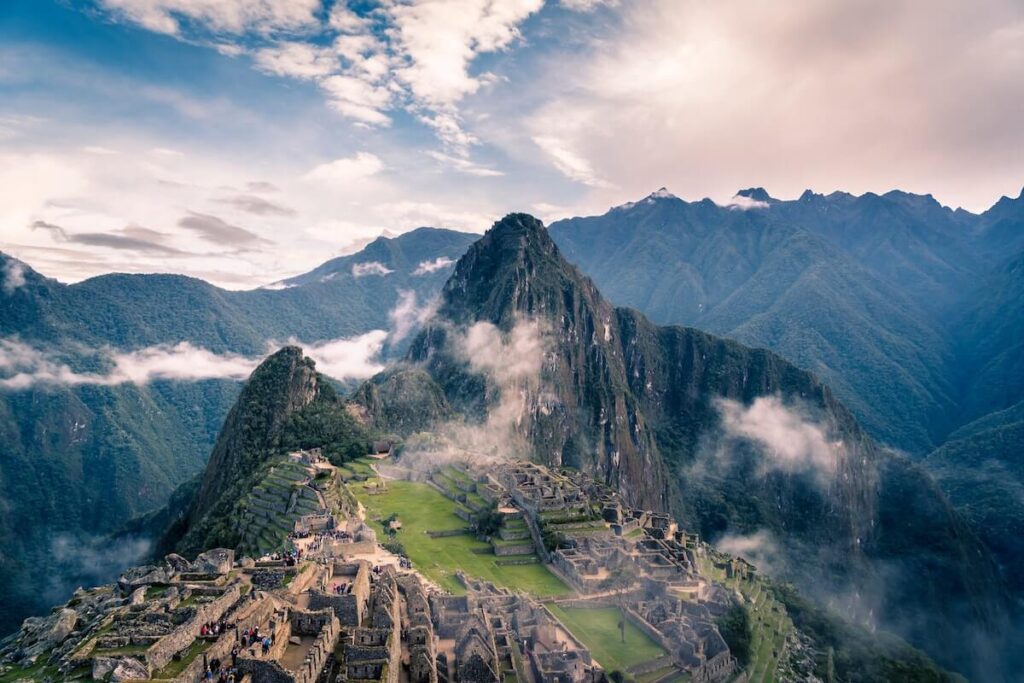
Of course, I’d save Peru’s very own wonder of the world to the end of our tour — anything you saw after Machu Picchu would feel underwhelming anyway.
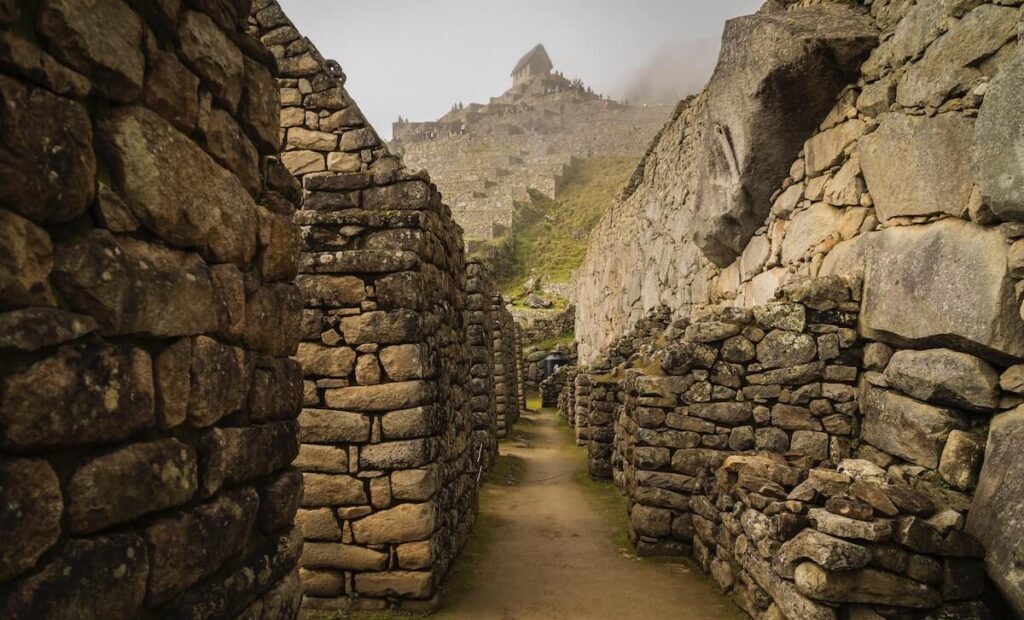
The sacred city of the Incas was built in such a remote area of the Peruvian Andes that it stayed largely untouched for almost 350 years following its evacuation in 1572.
The train from the Sacred Valley will drop you off in Aguas Calientes, a tiny village that developed as the railroad was being built. From there, you can either go on a 30-minute bus ride or walk uphill for two hours to reach Machu Picchu.
The mystical aura around Machu Picchu attracts visitors from all around the globe. The ordinary entry gives you access to the postcard view, and in fact, most choose to take a guided tour that presents the Inca way of life over a few hours.
Yet several trekking itineraries through the surrounding mountains lasting between two and four days are available too. They all include plenty of precious information about the Incas, commanding views, and unforgettable sunrises.
Conclusion
Peru, squeezed as it is between the Pacific, the Andes, and the Amazon, has a lot to offer even to visitors who want to stick around for a whole month.
But since most of us can’t afford the time or money for such a long vacation abroad, 8 days in Peru is plenty of time to cover the essentials.
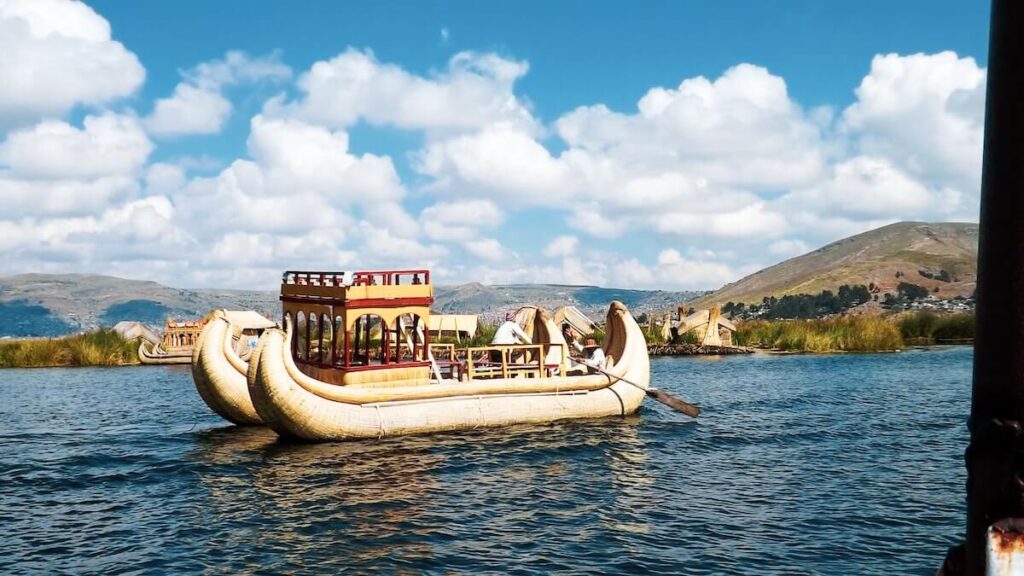
By the way, wanna know what to do in Peru in case you’re lucky to stay in the South American country for a few extra days? Just look up: Lake Titicaca is the answer!
You can get vast and superb views from the largest and highest lake in the region, which is shared between Peru and Bolivia. What’s more, some Titicaca indigenous nations live on ancient artificial islands that you can visit.